
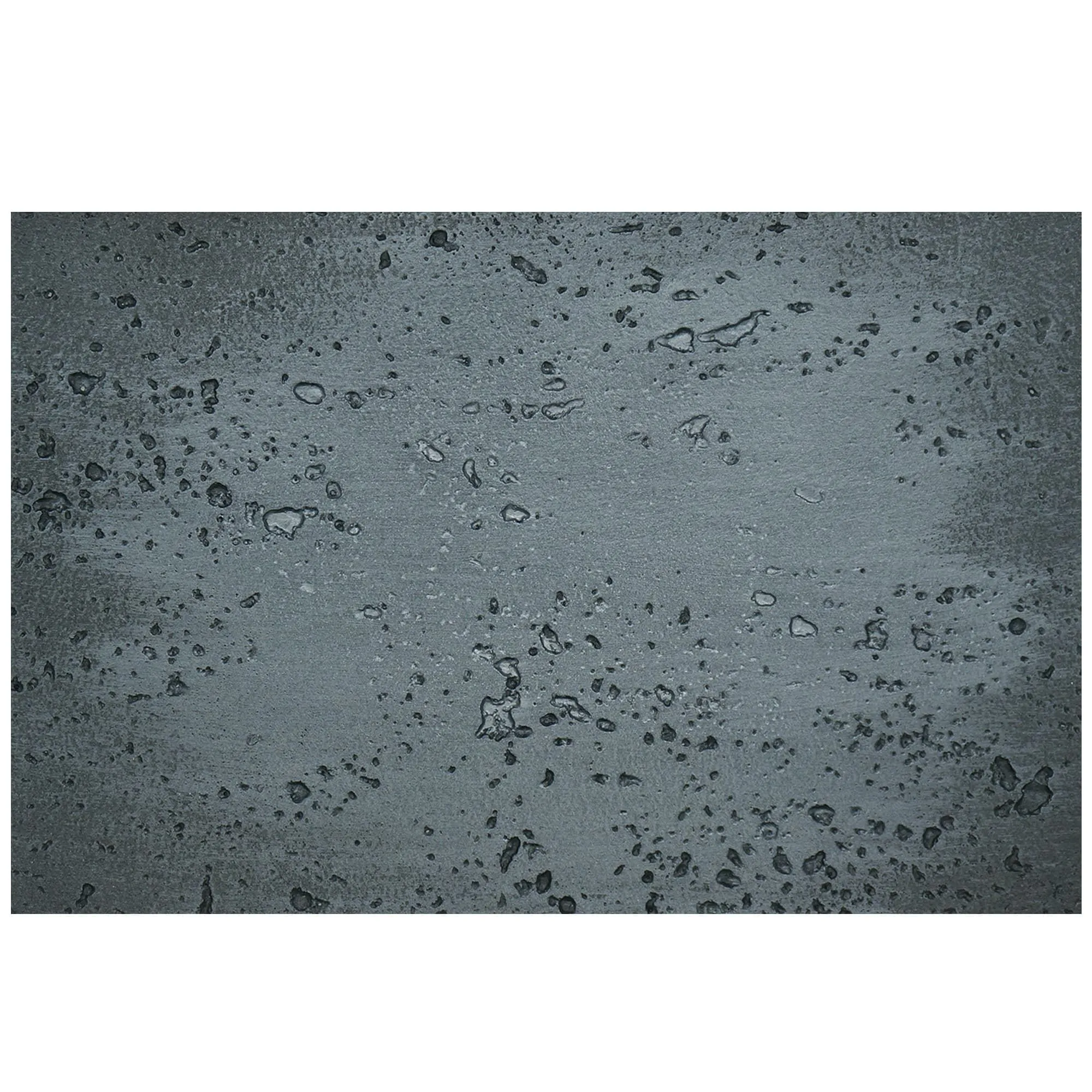
Walk into any high-end boutique hotel lobby, a minimalist residential kitchen, or a sleek corporate office, and you'll likely notice something subtle but powerful: the materials. They don't just fill space—they define it. The right material can turn a room from ordinary to unforgettable, blending functionality with emotion, and durability with beauty. In 2025, one material has emerged as a favorite among designers and architects who crave that perfect balance: Travertine (Vintage Silver). With its soft, silvery-gray hue, delicate veining, and timeless texture, it's become a symbol of understated luxury. But as with any material that rises in popularity, the question on everyone's mind is: What does it cost? And how do those costs vary across the globe? Let's take a deep dive into the world of Travertine (Vintage Silver), exploring its price trends, the factors that shape them, and why this material might just be worth every penny.
Before we talk numbers, let's get to know the star of the show. Travertine itself is a type of limestone formed by mineral deposits from hot springs, known for its porous texture and earthy tones. But Travertine (Vintage Silver) isn't your average travertine. It's a specialized variant treated to achieve a muted, silver-gray finish—think the soft glow of aged metal, paired with the natural depth of stone. The "vintage" in its name hints at its ability to evoke a sense of timelessness, while "silver" speaks to its cool, contemporary color palette. Unlike the bold veining of marble or the industrial harshness of raw concrete, Travertine (Vintage Silver) offers a middle ground: warm enough to feel inviting, sleek enough to feel modern.
Designers love it for its versatility. It works indoors and out, from kitchen countertops that catch the morning light to outdoor patio floors that weather gracefully. Its neutral tone acts as a chameleon, complementing bold accent colors or standing on its own in monochromatic schemes. And because it's a natural stone, no two slabs are exactly alike—each piece carries unique variations in veining and texture, adding that "one-of-a-kind" charm that clients often seek.
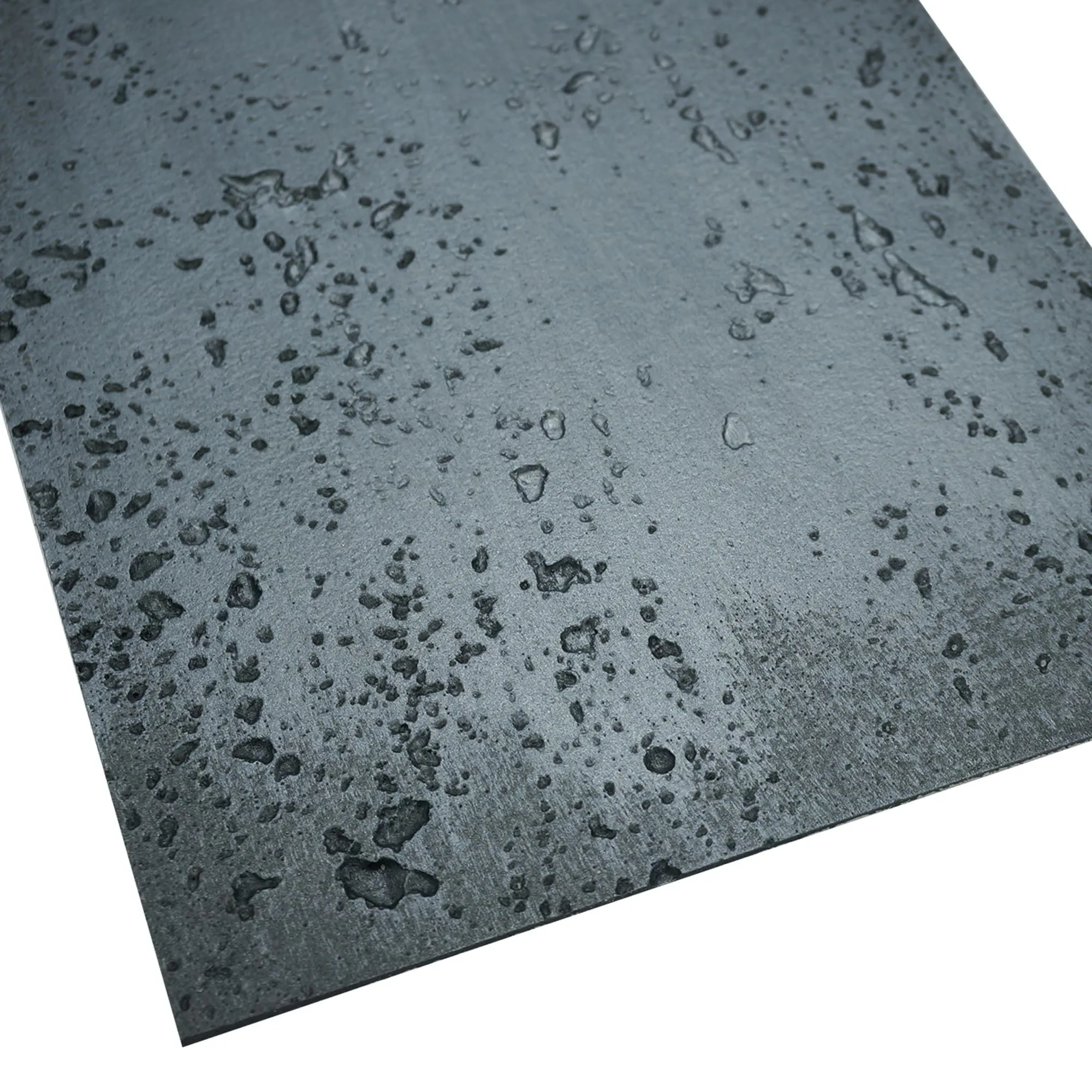
Like any commodity, the cost of Travertine (Vintage Silver) isn't set in stone (pun intended). It's shaped by a mix of global, regional, and local factors. Let's break down the key players:
Travertine (Vintage Silver) starts as raw stone, typically quarried in regions with rich travertine deposits—Italy, Turkey, Iran, and parts of the United States are major sources. Extracting large, high-quality slabs requires skilled labor and specialized equipment, which adds to the base cost. Then comes processing: cutting the stone to size, honing or polishing the surface to achieve that signature "vintage silver" finish, and treating it to enhance durability (like sealing to reduce porosity). Each step adds time and labor costs, which trickle down to the final price per square meter.
Stone is heavy, and Travertine (Vintage Silver) is no exception. Shipping slabs from quarries in Turkey to a construction site in Canada, for example, involves multiple steps: trucking to ports, ocean freight, customs clearance, and local delivery. Fuel prices, shipping delays, and geopolitical factors (like trade tariffs or border restrictions) can all drive up transportation costs. In 2025, with global supply chains still recovering from past disruptions, logistics remain a wild card in the pricing equation.
Where you live (or build) matters. In regions where Travertine (Vintage Silver) is in high demand—think luxury markets like Dubai, New York, or Tokyo—prices tend to climb. Conversely, in areas where local stone quarries produce similar materials (like parts of Europe with abundant limestone), competition can keep costs in check. For example, in Italy, where travertine has been quarried for centuries, local supply might make Travertine (Vintage Silver) more affordable than in, say, Australia, where most stone is imported.
Not all Travertine (Vintage Silver) is created equal. A polished finish, which brings out the stone's natural luster, requires more processing than a honed (matte) finish, making it pricier. Thickness matters too: a 3cm slab used for countertops will cost more per square meter than a 1cm slab used for wall cladding. Even edge treatments—beveled, bullnose, or straight—can add to the final cost, as they require additional labor.
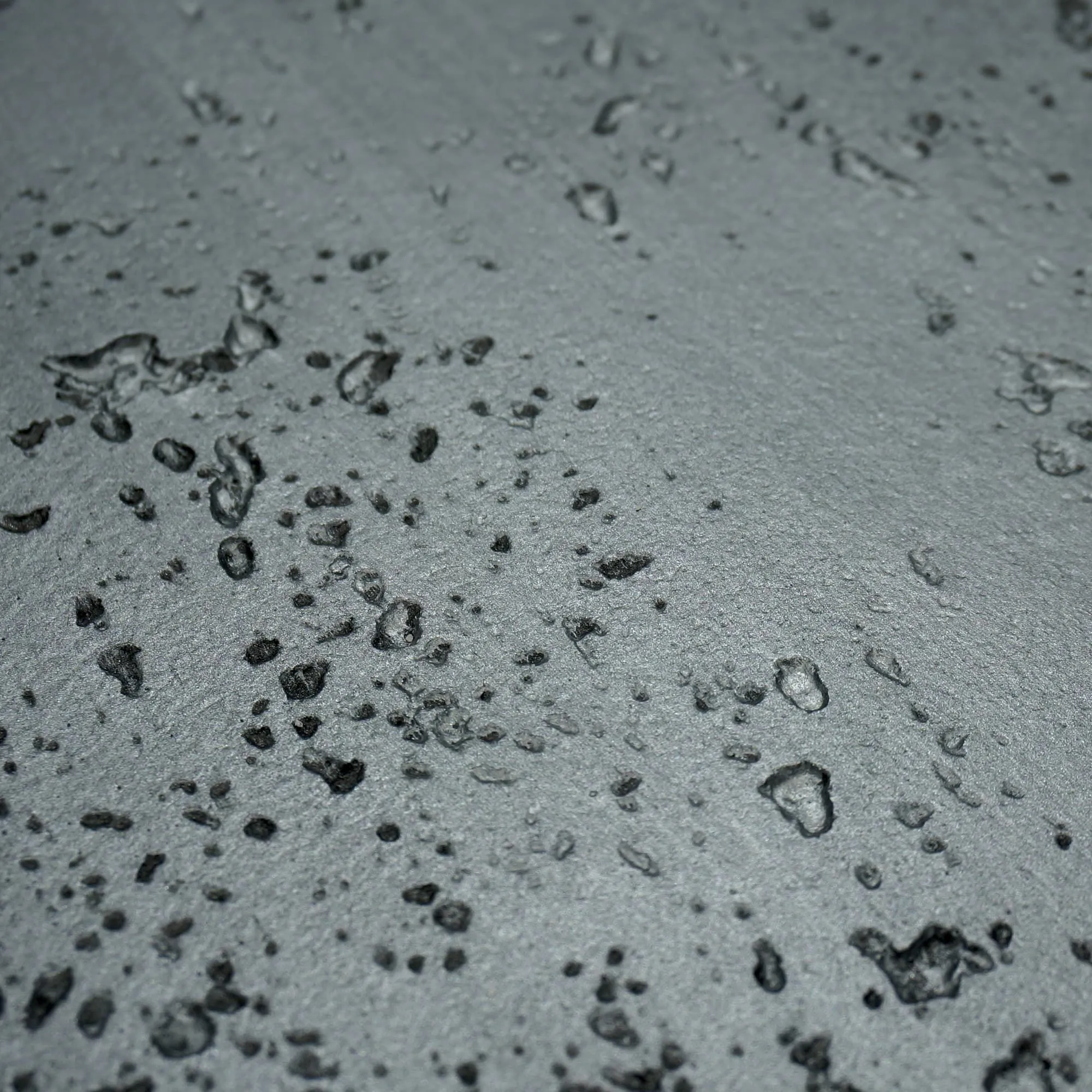
To give you a clearer picture, we've compiled data from industry reports, supplier quotes, and market analysis to map out average costs per square meter (sqm) across key regions in 2025. Keep in mind these are average prices—your actual cost could be higher or lower depending on the factors above, plus your supplier, order size, and project specifics.
| Region | Average Cost per sqm (USD) | Key Influences on Price |
|---|---|---|
| North America (U.S. & Canada) | $180 – $250 | High demand for luxury materials; import tariffs on European/Turkish stone; premium for polished finishes. |
| Europe (Italy, France, Germany) | $140 – $200 | Proximity to quarries (lower shipping costs); competitive local market; higher supply of raw travertine. |
| Asia-Pacific (China, Australia, UAE) | $160 – $230 | Mixed: China has lower labor costs but high demand for luxury imports; UAE's construction boom drives up prices. |
| Middle East (Saudi Arabia, Qatar) | $200 – $280 | Strong demand for high-end finishes in hospitality and commercial projects; reliance on imports. |
| Latin America (Brazil, Mexico) | $150 – $210 | Growing interest in premium materials; import costs from Europe/Asia; limited local processing facilities. |
*Prices include material and basic processing (honed finish, standard thickness). Add $30–$50/sqm for polished finishes or custom cuts. Shipping, installation, and taxes are additional.
Take North America, for example. The U.S. market is seeing a surge in demand for "quiet luxury"—spaces that feel upscale without being ostentatious—and Travertine (Vintage Silver) fits the bill perfectly. But with most stone imported from Italy or Turkey, tariffs and shipping costs add up. A project in Los Angeles might pay $250/sqm for a polished slab, while a similar project in Toronto, closer to European suppliers, could come in at $220/sqm.
In Europe, Italy is a travertine powerhouse. Quarries in Tuscany and Lazio have been producing stone for millennia, so local suppliers can offer better prices. A designer in Milan might source Travertine (Vintage Silver) for $140/sqm, while a client in Paris, importing from Italy, might pay $160/sqm—still lower than North America.
The Middle East stands out for its high prices, and it's easy to see why. Cities like Dubai and Riyadh are dotted with luxury hotels, malls, and skyscrapers, all vying for the most sophisticated finishes. Travertine (Vintage Silver) is a favorite for lobbies and facades here, driving demand—and prices—up. A 5-star hotel in Doha might budget $280/sqm for premium, large-format slabs.
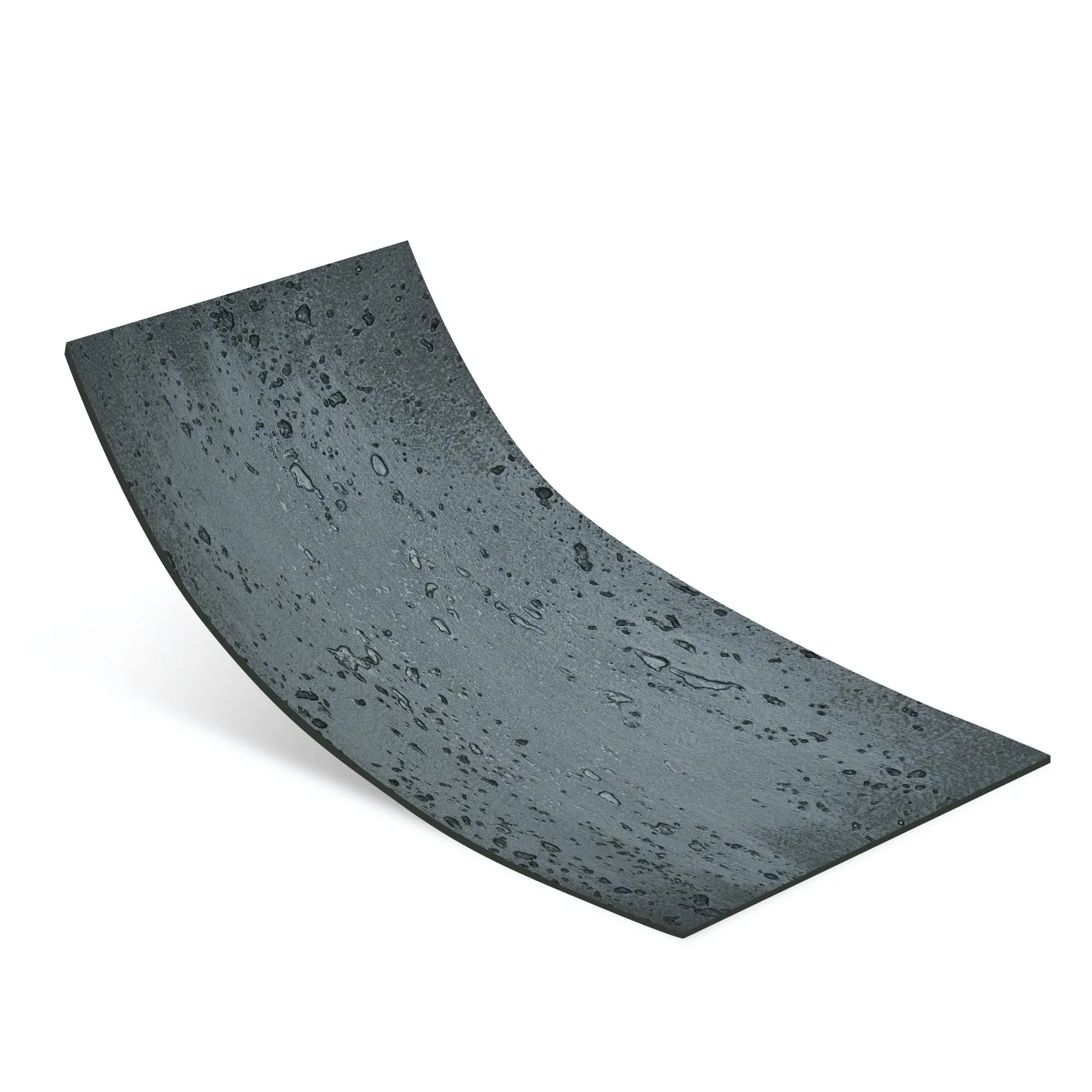
Of course, Travertine (Vintage Silver) isn't the only player in the game. Let's compare it to a few popular alternatives to see how it holds up in terms of cost, aesthetics, and functionality.
Lunar Peak Silvery, part of the Lunar Peak series (which also includes golden and black variants), is a man-made stone with a more pronounced metallic sheen. It's often used for statement walls or accent pieces. Price-wise, it's comparable to Travertine (Vintage Silver), ranging from $170–$250/sqm. The tradeoff? Lunar Peak is more uniform in color (no natural variation) and slightly less porous, but it lacks the organic, earthy texture of travertine. For designers who want "silver" with a modern, industrial edge, Lunar Peak might win—but for those craving natural warmth, Travertine (Vintage Silver) takes the lead.
Fair-faced concrete has been having a moment for its raw, minimalist look. At $80–$120/sqm, it's significantly cheaper than Travertine (Vintage Silver). But while concrete is durable and industrial-chic, it can feel cold and sterile in some spaces. Travertine (Vintage Silver), with its subtle texture and warm undertones, adds softness that concrete can't match. For projects where budget is the top priority, concrete works—but for those willing to invest in materials that elevate a space's mood, the extra cost of travertine often feels justified.
MCM Flexible Stone (short for Modified Composite Material) is a newer player: a thin, lightweight panel made from stone powder and polymers, designed to mimic natural stone at a lower cost and with easier installation. Prices range from $120–$180/sqm. It's flexible (great for curved surfaces) and lightweight (reduces structural load), but it lacks the depth and authenticity of real travertine. For commercial projects where weight and speed of installation matter, MCM might be a smart choice—but for high-end residential or luxury hospitality, clients often prefer the real deal.
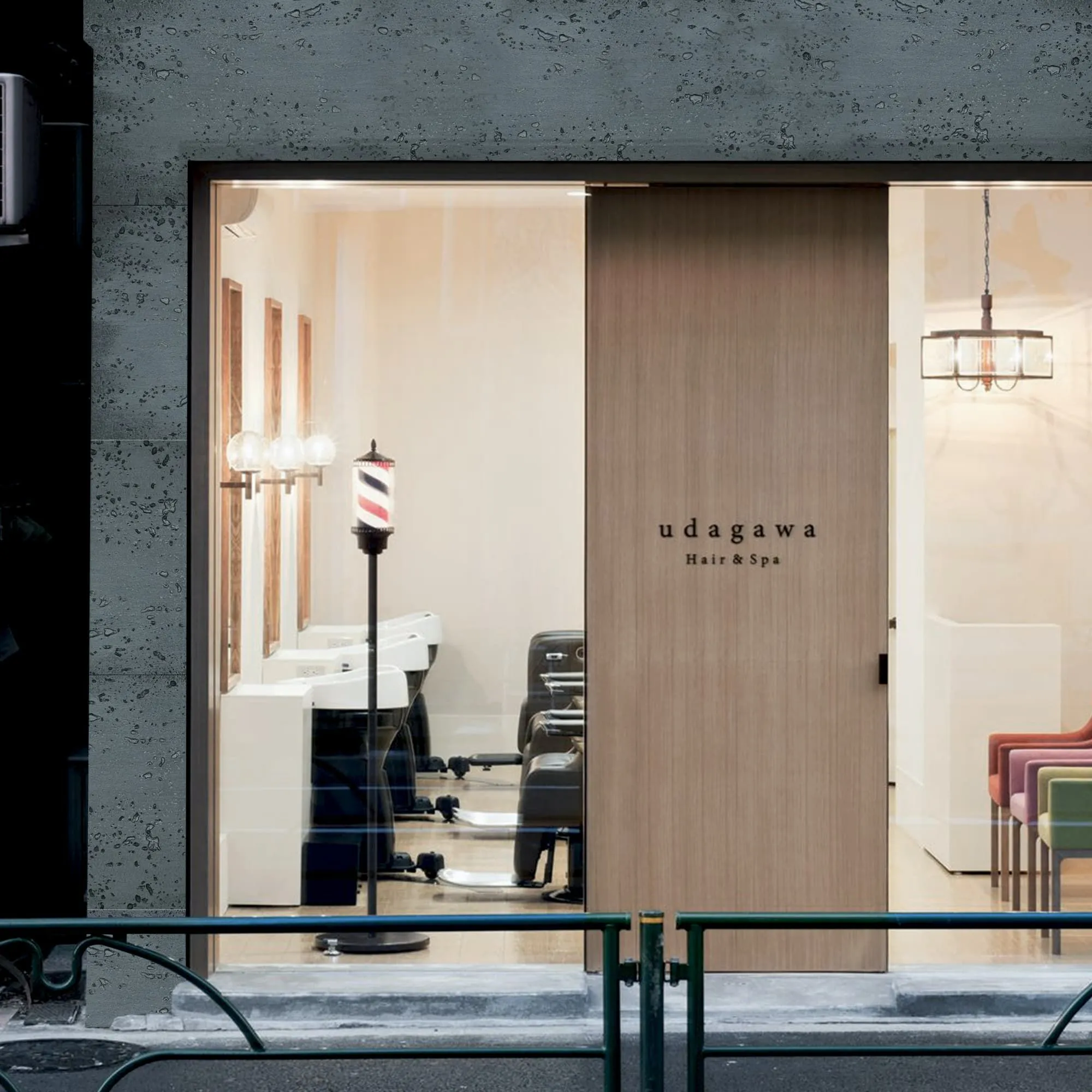
Not every project needs Travertine (Vintage Silver), but some are made better by it. Here are a few scenarios where the investment pays off:
Imagine a kitchen with white cabinetry, brass hardware, and Travertine (Vintage Silver) countertops. The stone's cool silver tone balances the warmth of the brass, while its natural veining adds visual interest without overwhelming the space. In bathrooms, it works as a shower wall or vanity top—sealed properly, it resists water and stands up to daily use. Homeowners often report that travertine adds value to their property, as it's seen as a premium, timeless choice.
Boutique hotels, high-end restaurants, and luxury retail stores thrive on creating memorable experiences—and materials play a big role. A hotel lobby with Travertine (Vintage Silver) flooring feels upscale but approachable, setting the tone for a guest's stay. Retail spaces use it for feature walls or checkout counters, where its texture invites customers to touch and engage with the space. In these settings, the material's ability to convey luxury can directly impact brand perception and customer satisfaction.
Travertine (Vintage Silver) isn't just for indoors. Its natural durability makes it a great choice for outdoor patios, pool decks, or building facades. Unlike some stones that fade in direct sunlight, its silver-gray tone holds up well to UV rays, developing a beautiful "patina" over time. In coastal areas, however, it's important to choose a sealed variant to resist saltwater corrosion—an extra step that adds to the cost but ensures longevity.
In 2025, sustainability isn't just a buzzword—it's a priority for many clients and builders. So how does Travertine (Vintage Silver) stack up? On the plus side, it's a natural, biodegradable material (unlike synthetic alternatives like MCM or some engineered stones). It also has a long lifespan—50+ years with proper care—meaning less frequent replacement and lower waste over time.
That said, quarrying stone can have environmental impacts, including habitat disruption and water usage. The good news? Many modern quarries are adopting eco-friendly practices: using solar power for machinery, recycling water, and restoring quarried areas post-extraction. Look for suppliers with certifications like the Extractive Industries Transparency Initiative (EITI) or local sustainability labels—they might charge a premium (5–10% more), but it's a small price to pay for materials that align with your green values.
At the end of the day, the answer depends on your project, budget, and design goals. If you're after a material that blends natural beauty, versatility, and timelessness, Travertine (Vintage Silver) delivers—even at $140–$280/sqm. It's not the cheapest option, but it's an investment in a space that feels intentional, warm, and uniquely yours.
Think of it this way: A well-chosen material isn't just a cost—it's a storyteller. Travertine (Vintage Silver) tells a story of balance: old and new, natural and refined, bold and understated. And in a world where so much feels mass-produced, that story is priceless.
Industry experts predict that demand for Travertine (Vintage Silver) will stay strong through 2025 and beyond, driven by ongoing trends in minimalism, biophilic design (bringing nature indoors), and "quiet luxury." As more suppliers enter the market and processing techniques improve, we might see prices stabilize slightly—though global events like energy costs or trade policies could cause fluctuations.
One emerging trend to watch: customization . Suppliers are offering more finishes (think brushed silver, matte metallic) and sizes (oversized slabs for seamless walls) to cater to unique design needs. And as sustainability becomes even more critical, we'll likely see growth in "green" travertine options—stone quarried and processed with minimal environmental impact, even if it comes with a higher price tag.
Whether you're a designer, builder, or homeowner, the key is to approach Travertine (Vintage Silver) not just as a material, but as a partner in your project. Take the time to source from reputable suppliers, ask about their extraction and processing practices, and visualize how the stone will interact with light, color, and space. When you do, you'll find that its cost isn't just an expense—it's an investment in a space that feels truly, beautifully yours .
Recommend Products












