
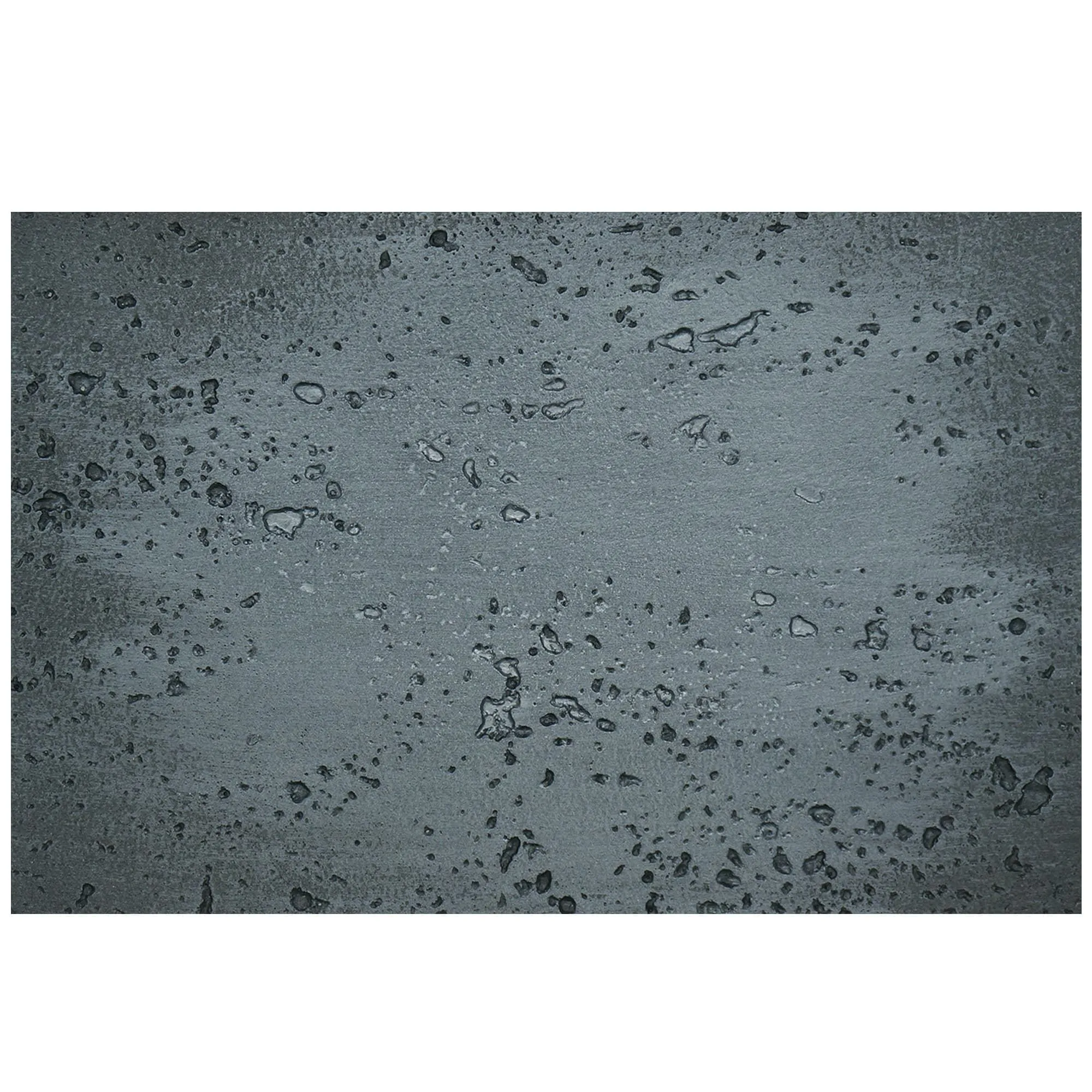
Exploring the art and science of tailoring texture to tell your space's unique story
Texture is the unsung hero of interior and exterior design. It's the first thing we notice when we step into a room—not just with our eyes, but with our fingertips, our sense of warmth, even the way sound bounces off a surface. A rough, pitted wall might make a space feel grounded and rustic, like a mountain cabin where time slows down. A smooth, polished countertop could scream modernity, sleek and efficient, perfect for a bustling city kitchen. Texture isn't just about looks; it's about emotion. It turns a house into a home, a building into a landmark, and a room into a memory.
For designers and architects, texture is a tool to craft mood. But what happens when the texture you need—one that aligns perfectly with your vision—doesn't exist in nature? That's where customization comes in. And in the world of innovative building materials, few stones spark this conversation quite like travertine (vintage silver).
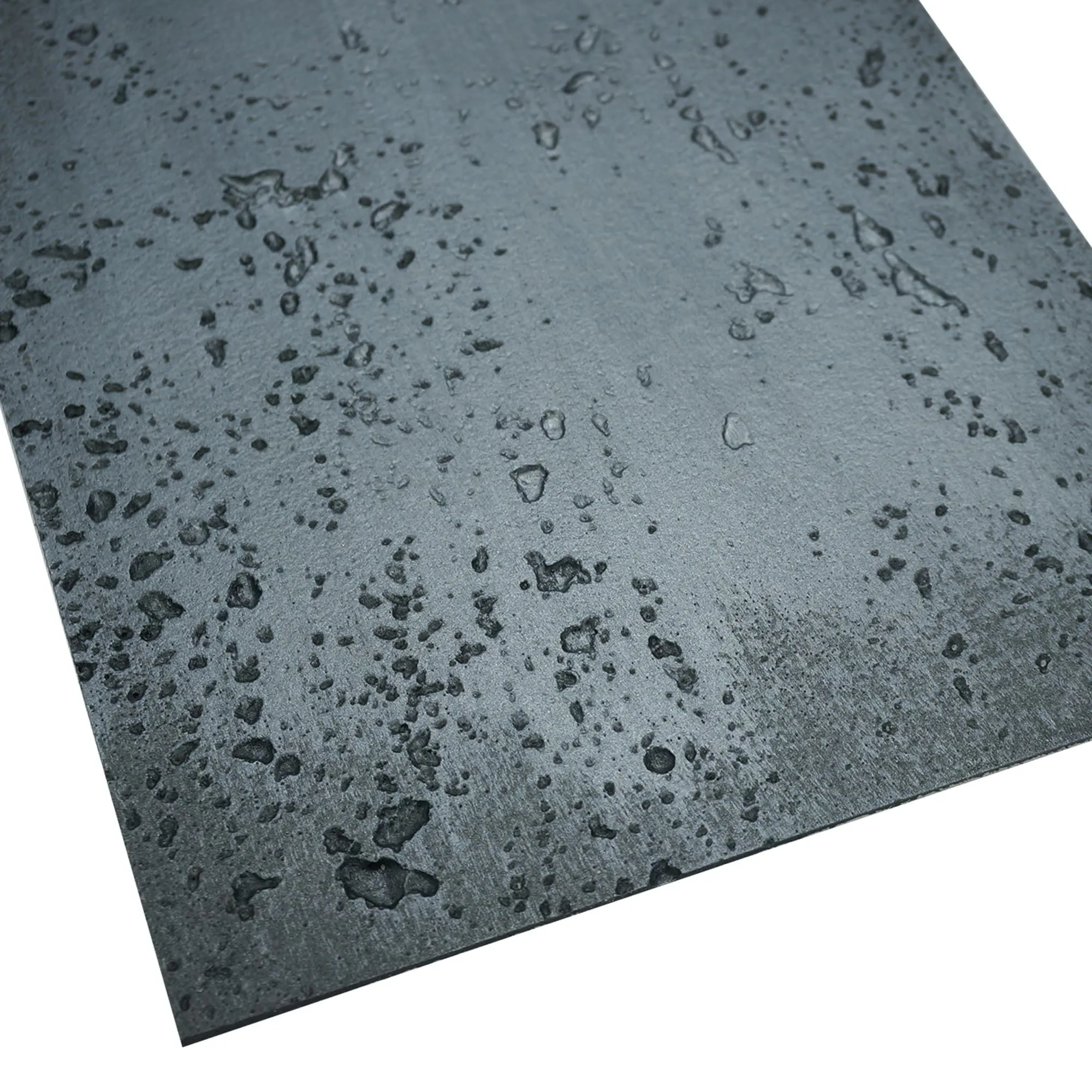
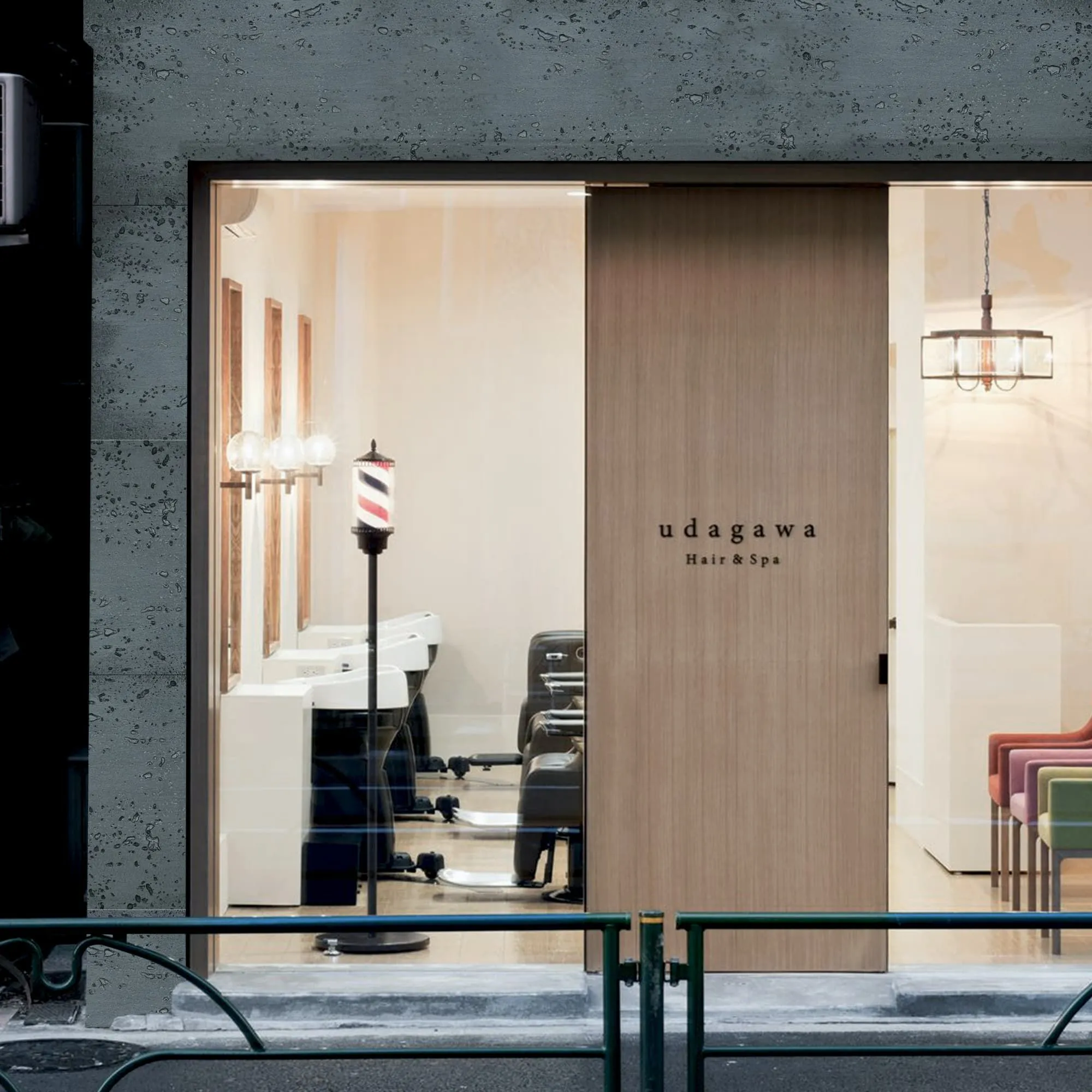
Travertine (vintage silver) isn't just a building material—it's a piece of Earth's history, forged over millennia in mineral-rich hot springs. Its name gives away its charm: "vintage silver" evokes the soft, muted glow of aged metal, while "travertine" hints at its signature texture—pockmarked surfaces, delicate veins, and a matte finish that feels cool and reassuring to the touch. Left in its natural state, it's a stone that tells stories of time, resilience, and quiet elegance.
Designers adore it for commercial lobbies, boutique hotels, and high-end residences. Its neutral palette acts as a backdrop for bold accents, while its texture adds depth without overwhelming. But here's the catch: no two natural travertine slabs are identical. One might have larger pits, another finer veins, and a third a slightly more polished sheen. For a project that demands consistency—or a unique texture that nature didn't quite deliver—this variability can be a hurdle.
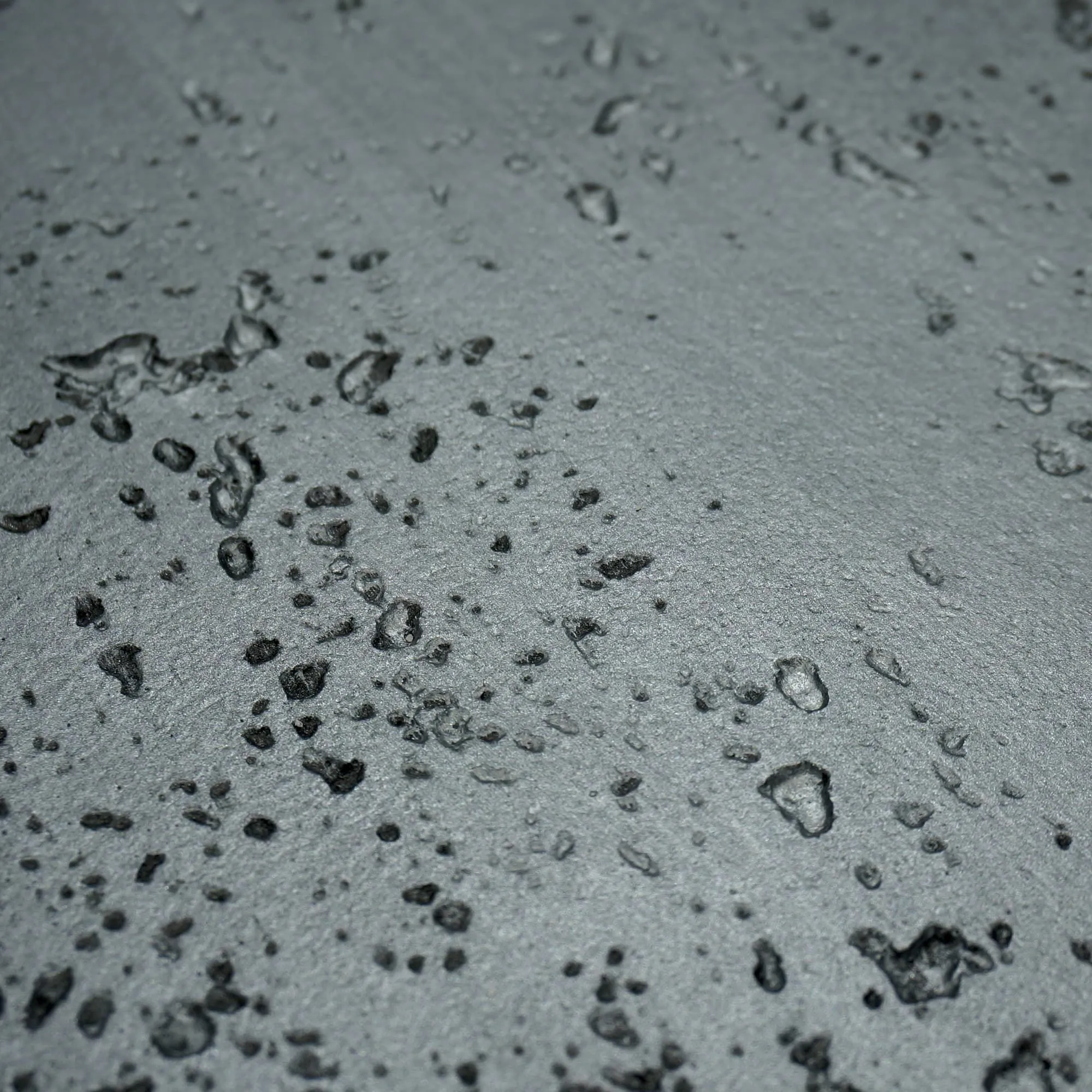
Imagine a luxury hotel in Kyoto, where the design brief calls for travertine (vintage silver) walls that echo the serenity of a Zen garden. The client wants the stone to feel smooth enough to reflect soft lantern light but rough enough to absorb the chatter of guests, creating an intimate atmosphere. Natural travertine, with its unpredictable pits, might be too porous—or too uniform. What if you could tweak the texture: deepen some pits to catch shadows, smooth others to let light dance, and carve subtle patterns that mimic the flow of a mountain stream? That's the power of customization.
Or consider a retail space in New York City, aiming to stand out on a busy street. The brand's identity is rooted in "vintage futurism"—old-world warmth meets cutting-edge innovation. Travertine (vintage silver) is the ideal base, but the standard texture feels too "old." What if you could 3D-print geometric textures onto the stone, adding a futuristic twist while keeping the vintage silver hue intact? Suddenly, the walls become a conversation starter, blending the familiar and the unexpected.
Texture customization isn't about changing the stone's essence—it's about making it sing in harmony with the space it inhabits. It's about solving problems (acoustics, light reflection) and amplifying beauty (telling a brand's story, evoking a mood).
This is where MCM's innovative product lines step in. Brands like MCM don't just sell materials—they offer tools for designers to become texture architects. Let's break down how three key lines turn texture dreams into reality:
The 3D printing series is a game-changer for texture customization. Unlike traditional stoneworking, which relies on cutting or polishing existing slabs, 3D printing lets you build texture from the ground up. Using advanced software, designers can upload digital models of their desired texture—whether it's a replication of ancient Roman chisel marks, a honeycomb pattern inspired by beehives, or a abstract wave motif—and MCM's 3D printers etch it directly onto travertine (vintage silver) surfaces. The result? Textures that are consistent across large areas, infinitely repeatable, and tailored to the millimeter.
For the Kyoto hotel example, 3D printing could carve shallow, wave-like grooves into the travertine, creating a texture that's smooth to the eye but gently undulating to the touch—perfect for diffusing light and softening sound.
Large-scale projects—think airport terminals, convention centers, or sprawling mall facades—often struggle with texture continuity. Smaller stone slabs mean more seams, which can break up the flow of a custom texture. The big slab board series solves this by offering travertine (vintage silver) in oversized slabs (up to 3 meters in length), allowing designers to apply their custom texture across a single, unbroken surface. No more mismatched patterns or awkward joins—just a cohesive texture that wraps around the space like a blanket.
Imagine a corporate headquarters with a lobby featuring a 20-meter travertine (vintage silver) wall, customized with a 3D-printed texture of the company's founding year in subtle relief. The big slab series ensures the numbers flow seamlessly, making a bold statement without visual interruptions.
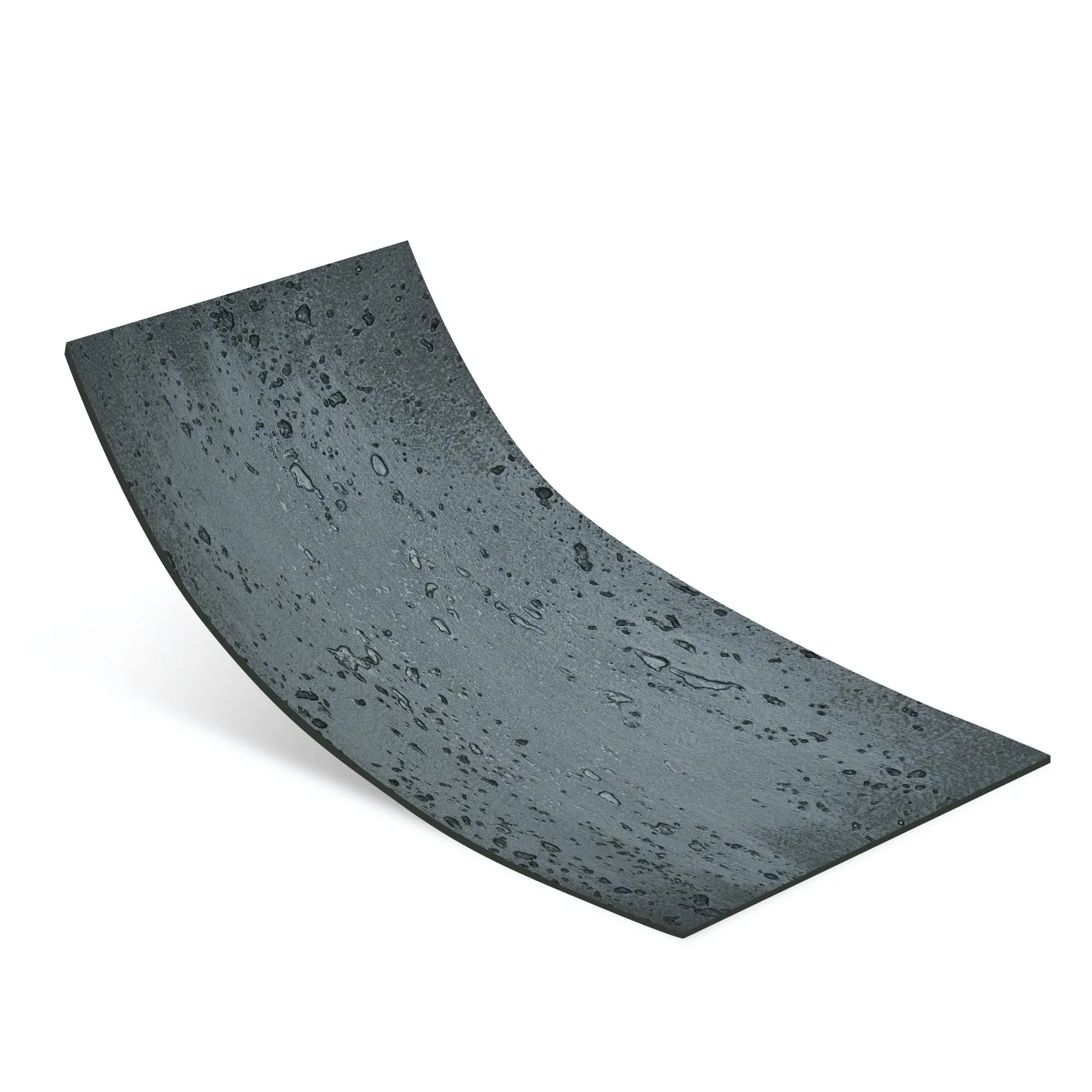
Texture customization shouldn't be limited to flat surfaces. Curved walls, rounded columns, or irregularly shaped facades demand materials that can flex without cracking—and retain their custom texture. Enter flexible stone, a lightweight, durable material that mimics the look and feel of natural travertine (vintage silver) but bends like a sheet of paper. Whether you're cladding a spiral staircase or a curved retail display, flexible stone lets you apply your custom texture to even the most complex geometries.
For the New York retail space, flexible stone could be 3D-printed with futuristic, angular textures and wrapped around a curved wall, creating a focal point that's both tactile and visually striking.
| Product Series | Texture Customization Features | Best For | Key Benefit |
|---|---|---|---|
| 3D Printing Series | Digital design uploads, precise pattern etching, micro-texture adjustments | Small to medium projects, detailed patterns, artistic accents | Unlimited design flexibility—turn any texture idea into reality |
| Big Slab Board Series | Oversized slabs (up to 3m), seamless texture application, minimal seams | Large-scale commercial spaces, facades, continuous walls | Cohesive texture flow without visual interruptions |
| Flexible Stone | Bendable material, compatible with 3D printing, lightweight installation | Curved surfaces, irregular shapes, staircases, columns | Texture customization for non-flat, creative designs |
So, how does a designer turn a texture idea into a tangible surface? Let's walk through a simplified process with MCM's tools:
The result? A texture that's not just "altered" but crafted —tailored to your space's needs, your client's story, and your creative vision.
Travertine (vintage silver) customization is more than a trend—it's a shift in how we think about building materials. It's about recognizing that every space is unique, and the materials that clothe it should be too. With tools like MCM's 3D printing series, big slab boards, and flexible stone, texture is no longer a limitation but a playground for creativity.
Whether you're designing a cozy home, a bustling commercial hub, or a landmark building, the question isn't "Can you alter the texture of travertine (vintage silver)?"—it's "What story do you want your texture to tell?" And with MCM's innovative product lines, the answer is limited only by your imagination.
Recommend Products












