
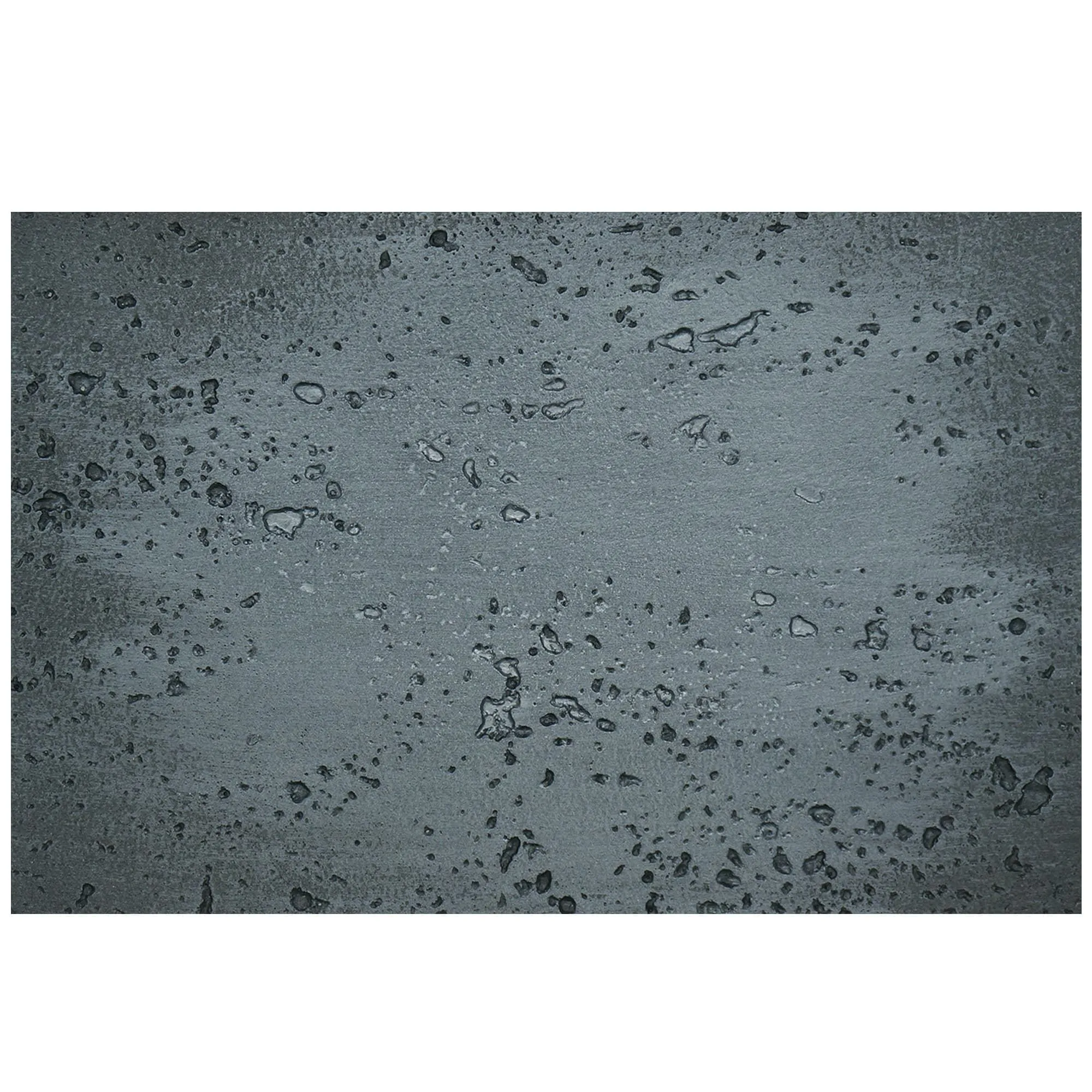
Exploring the Timeless Allure and Modern Versatility of a Material That Blends Heritage and Innovation
Walk down any city street, and the first thing that greets you isn't just the architecture—it's the materials. The rough warmth of stone, the sleek coolness of metal, the understated simplicity of concrete—each tells a story. In commercial design, where first impressions shape brand identity and customer experience, choosing the right exterior material is more than an aesthetic decision; it's a dialogue with the environment, the community, and the passage of time.
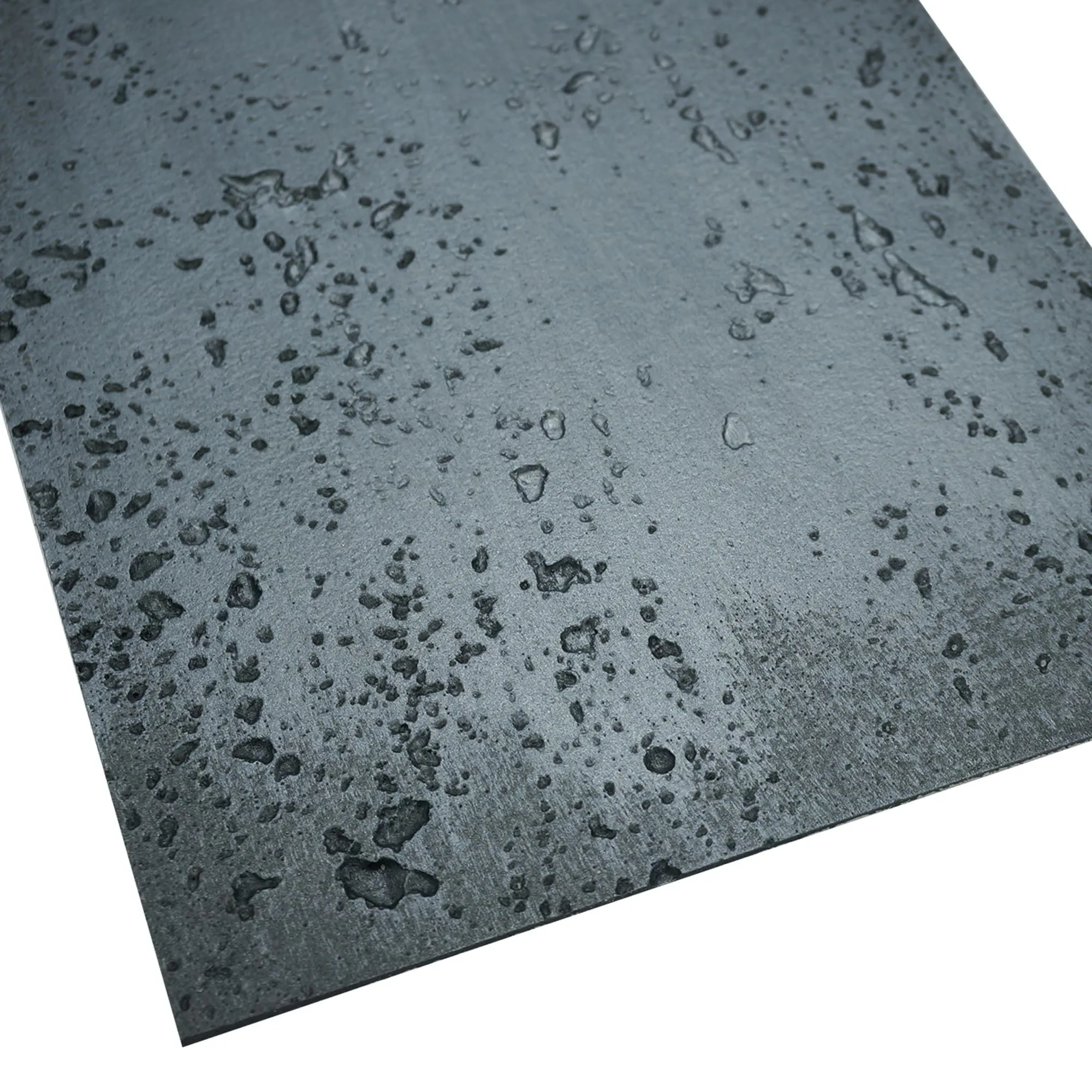
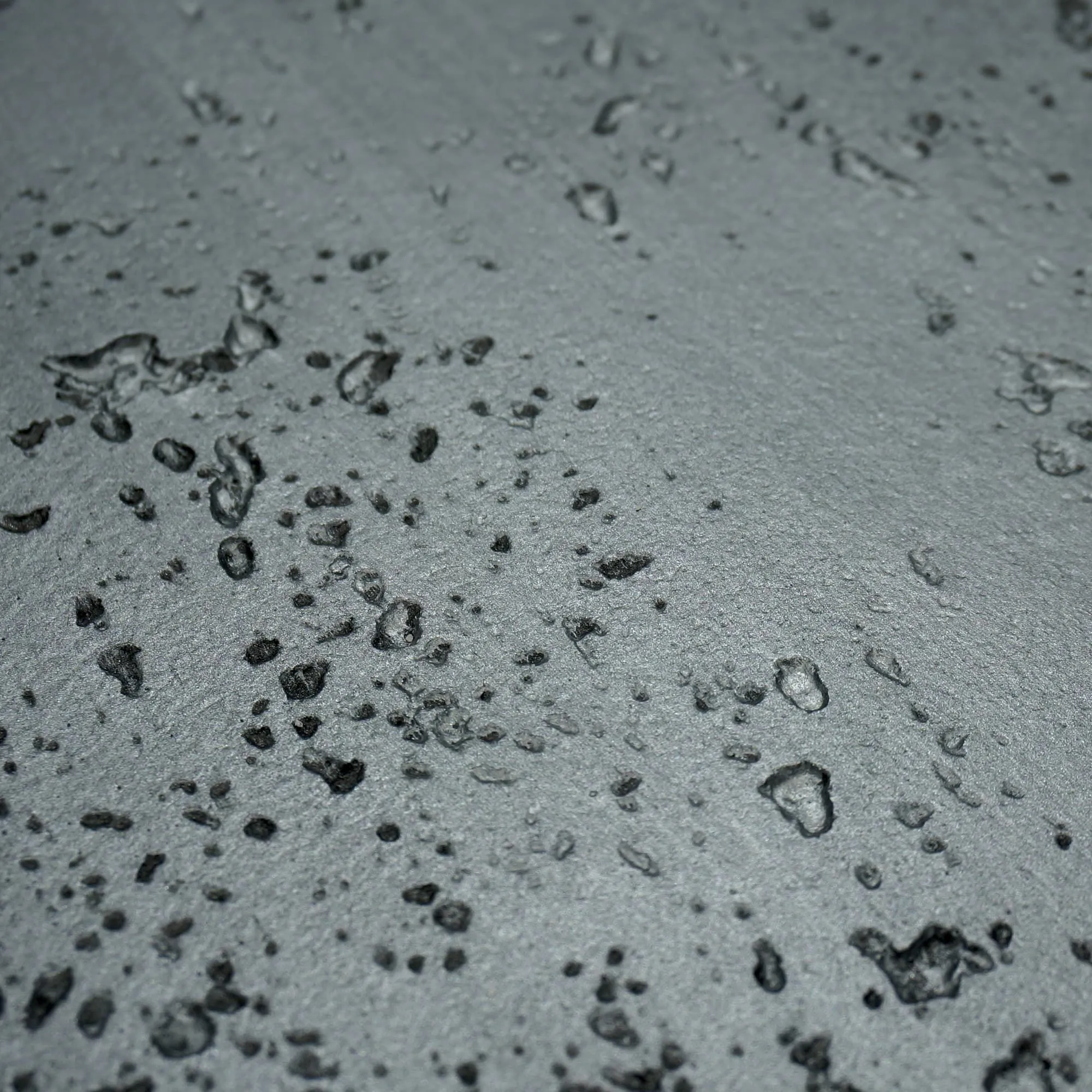
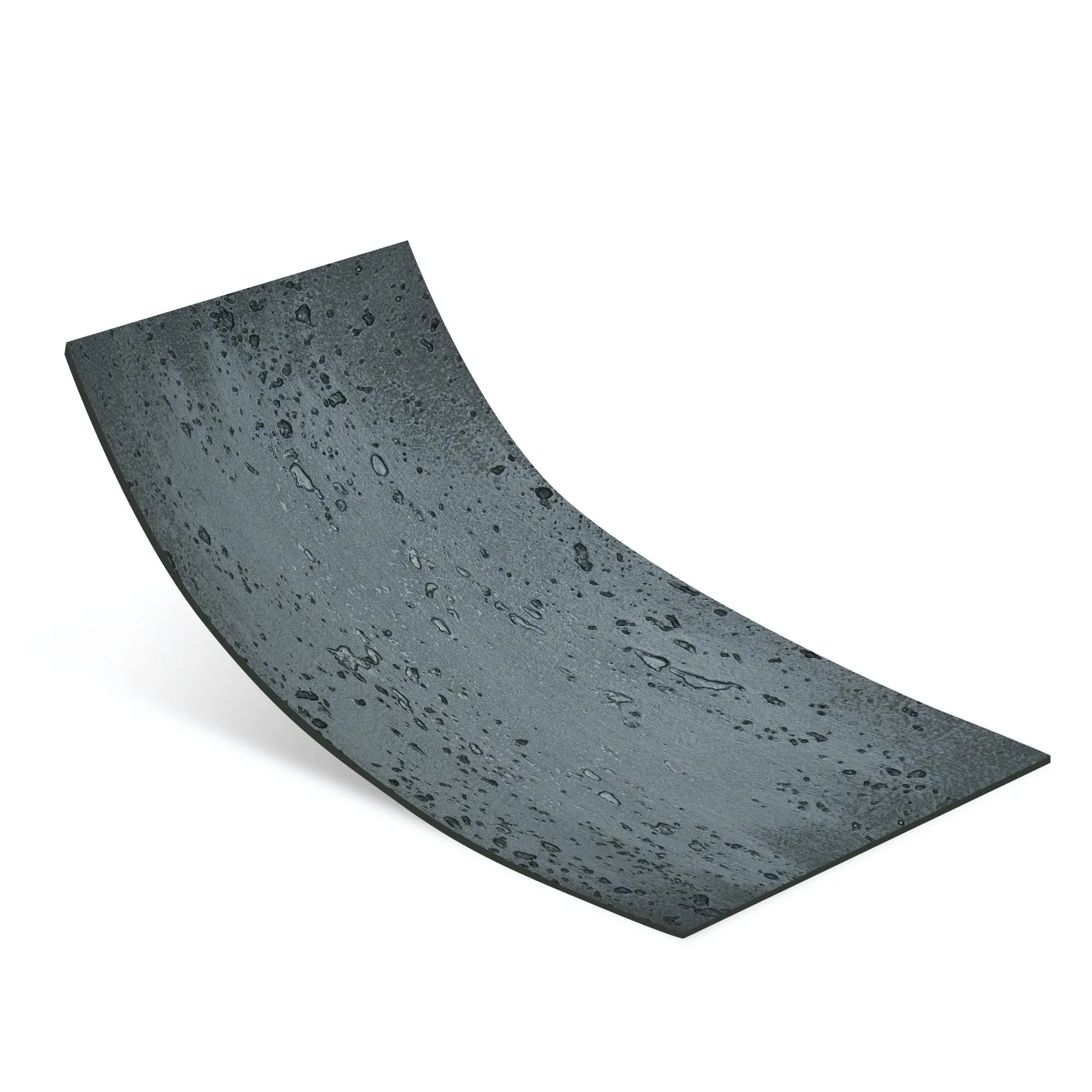
Enter Travertine (Vintage Silver): a stone that feels both ancient and forward-thinking. With its soft, muted silver-gray palette, delicate veining that resembles brushstrokes of fog, and a surface that shifts from matte to subtly iridescent under different lights, it's a material that doesn't shout—it whispers. But its quietness is its strength. In recent years, architects and designers worldwide have turned to this vintage silver travertine to craft exteriors that balance luxury with approachability, tradition with innovation, and durability with beauty.
This article dives into four real-world commercial projects where Travertine (Vintage Silver) took center stage. From a tech campus in Seattle to a boutique hotel in Kyoto, a cultural arts center in Barcelona, and a retail plaza in Dubai, we'll explore how this stone transformed visions into tangible, emotional experiences. Along the way, we'll meet the designers who chose it, the challenges they overcame, and the moments that made it all worthwhile—like the first time a client ran a hand over the stone's surface and said, "That's exactly the feeling we wanted."
Nestled between the evergreens and the skyscrapers of downtown Seattle, Skyline Tech Hub was meant to be more than an office building—it was meant to be a statement. "Tech companies often default to glass and steel, which can feel cold, like a machine," says lead architect Maya Chen of Studio North. "Our client wanted something different: a space that felt innovative but also human, connected to the Pacific Northwest's natural beauty without being cliché."
The solution? A facade dominated by Travertine (Vintage Silver), paired with MCM flexible stone for the building's curved south wing and fair-faced concrete for the lower levels. "Travertine was the bridge," Chen explains. "Its silver tones reflect the overcast skies here, but the stone itself is warm, with tiny pits and ridges that catch raindrops and sunlight alike. It's not perfect—and that's the point. Tech moves fast; the building needed to feel like it had room to breathe, to age gracefully."
Installation wasn't without hurdles. "Seattle's wet climate demands materials that can withstand moisture, and travertine is porous by nature," Chen recalls. "We worked with a local fabricator to seal the stone with a breathable coating—one that protects against water but still lets the material 'breathe,' so it doesn't trap moisture and crack. The result? Three years later, the facade still looks fresh, with a subtle patina that makes it feel like it's always been here."
Employees and visitors often comment on the building's "calming energy." "I used to dread coming to work—our old office was all glass, and in the winter, it felt like being in a fishbowl," says software engineer Raj Patel. "Now, I walk up to the travertine walls, and it's like the building is giving me a quiet hello. The stone absorbs sound, too—even on busy days, the entrance feels peaceful."
The MCM flexible stone, a lightweight composite, was key to the project's sustainability goals. "We needed to reduce the building's carbon footprint, and traditional stone cladding is heavy, requiring more structural support," Chen notes. "MCM flexible stone mimics the look of natural stone but weighs 70% less, cutting down on transportation and construction emissions. Paired with the travertine, it created a facade that's both visually cohesive and environmentally responsible."
Kyoto is a city of contrasts: ancient temples stand steps from bullet train stations, and geisha districts neighbor high-end boutiques. The Moonlit Hotel, a 30-room boutique property in the Gion district, aimed to embody this duality—offering guests a taste of traditional Japanese hospitality with all the comforts of modern luxury. For its exterior, designer Yuki Tanaka turned to Travertine (Vintage Silver), Lunar Peak Silvery, and foamed aluminium alloy board (vintage silver) to create a "moonlit garden" effect.
"Kyoto's traditional architecture uses wood, paper, and stone, but we wanted something that felt fresh—not a pastiche," Tanaka explains. "Travertine (Vintage Silver) has this incredible ability to shift color with the light. At dawn, it's pale, almost white, like morning mist; at dusk, it takes on a soft blue-gray hue, like moonlight on water. Lunar Peak Silvery, with its flecks of mica that sparkle like stars, and the foamed aluminium—matte, with a slight metallic sheen—complemented that perfectly. Together, they tell a story of earth and sky, night and day."
The hotel's facade is a study in texture. Vertical panels of Travertine (Vintage Silver) run the length of the building, their edges slightly beveled to cast delicate shadows. Between them, strips of Lunar Peak Silvery add depth, while foamed aluminium alloy board (vintage silver) frames the floor-to-ceiling windows, adding a touch of modernity without overwhelming the stone's organic feel. "We wanted guests to reach out and touch the walls," Tanaka says. "Travertine's surface is tactile—cool but not cold, with tiny indentations that feel like the hand of time. It invites connection."
Local craftsmen were integral to the project. "We worked with a family-run stone masonry shop in Osaka that's been cutting travertine for three generations," Tanaka notes. "They taught us to respect the stone—to follow its natural veins, to avoid forcing it into shapes it doesn't want to take. That mindfulness comes through in the finished design; there's a harmony to the facade that feels intentional but not rigid."
Guests rave about the hotel's "serene atmosphere." "I've stayed in luxury hotels all over the world, but there's something about the Moonlit's exterior that sticks with me," says travel blogger Emma Liu. "Even before you walk in, you feel calm. The silver travertine and the Lunar Peak stone look like they've been there for centuries, but the aluminium accents keep it from feeling old-fashioned. It's like staying in a piece of art."
Sustainability was also a priority. "Kyoto has strict regulations about preserving the city's aesthetic, but we also wanted to reduce energy use," Tanaka adds. "The travertine's natural insulating properties help keep the hotel cool in summer and warm in winter, lowering our reliance on HVAC systems. The foamed aluminium, too, is recyclable, and we sourced all materials locally to minimize transportation emissions. Luxury, to us, means respecting both the planet and the culture we're part of."
Barcelona is a city defined by its artists—Gaudí, Miró, Dalí—and its architecture reflects that creative spirit. The Barcelona Cultural Arts Center, a new venue for exhibitions, performances, and workshops, was designed to be a "living canvas" that inspires both artists and visitors. Lead architect Carlos Mendez chose Travertine (Vintage Silver), fair-faced concrete, and boulder slab (vintage silver) to create a facade that feels "both grounded and aspirational."
"Art centers should feel welcoming, not intimidating," Mendez says. "Too often, cultural buildings are cold, imposing structures. We wanted something that says, 'Come in, create, connect.' Travertine (Vintage Silver) was the obvious choice—it's warm, approachable, and has a natural texture that feels alive. Pairing it with fair-faced concrete, which is raw and industrial, and boulder slab (vintage silver), with its rugged, almost sculptural quality, created a balance of soft and hard, old and new."
The center's most striking feature is its "artisan wall"—a 50-meter-long section of Travertine (Vintage Silver) and boulder slab (vintage silver) arranged in an irregular pattern, mimicking the chaos and beauty of a painter's palette. "Each stone was hand-selected," Mendez recalls. "We spent weeks at the quarry, laying out samples on the ground like a puzzle, until the pattern felt right. Some stones are smooth, others rough; some are large, others small. It's intentional imperfection—just like art itself."
Fair-faced concrete, used for the building's structural columns and lower levels, provides a neutral backdrop that makes the travertine pop. "Concrete is honest material—it shows its seams, its bubbles, its flaws," Mendez explains. "That honesty resonates with artists, who often work with imperfection in their own work. The travertine, with its organic veining, and the concrete, with its industrial texture, create a dialogue that feels very 'Barcelona'—a city where Gothic cathedrals stand next to modernist masterpieces."
The center has become a hub for local artists. "I come here to sketch the facade at least once a week," says painter Lucia Gomez. "The way the light hits the travertine—especially in the afternoon—it's like the stone is glowing from within. There's a warmth to it that makes me want to create. And the boulder slab? It's like looking at a mountain—solid, enduring. It reminds me that art is about both fleeting moments and lasting impact."
Durability was a key consideration, as the center hosts outdoor events year-round. "Barcelona gets hot, dry summers and mild, rainy winters," Mendez notes. "Travertine is surprisingly resilient—we've had zero issues with cracking or fading. The fair-faced concrete, too, has held up beautifully; it develops a patina over time, which only adds to the building's character. This place is meant to grow old gracefully, just like the art it houses."
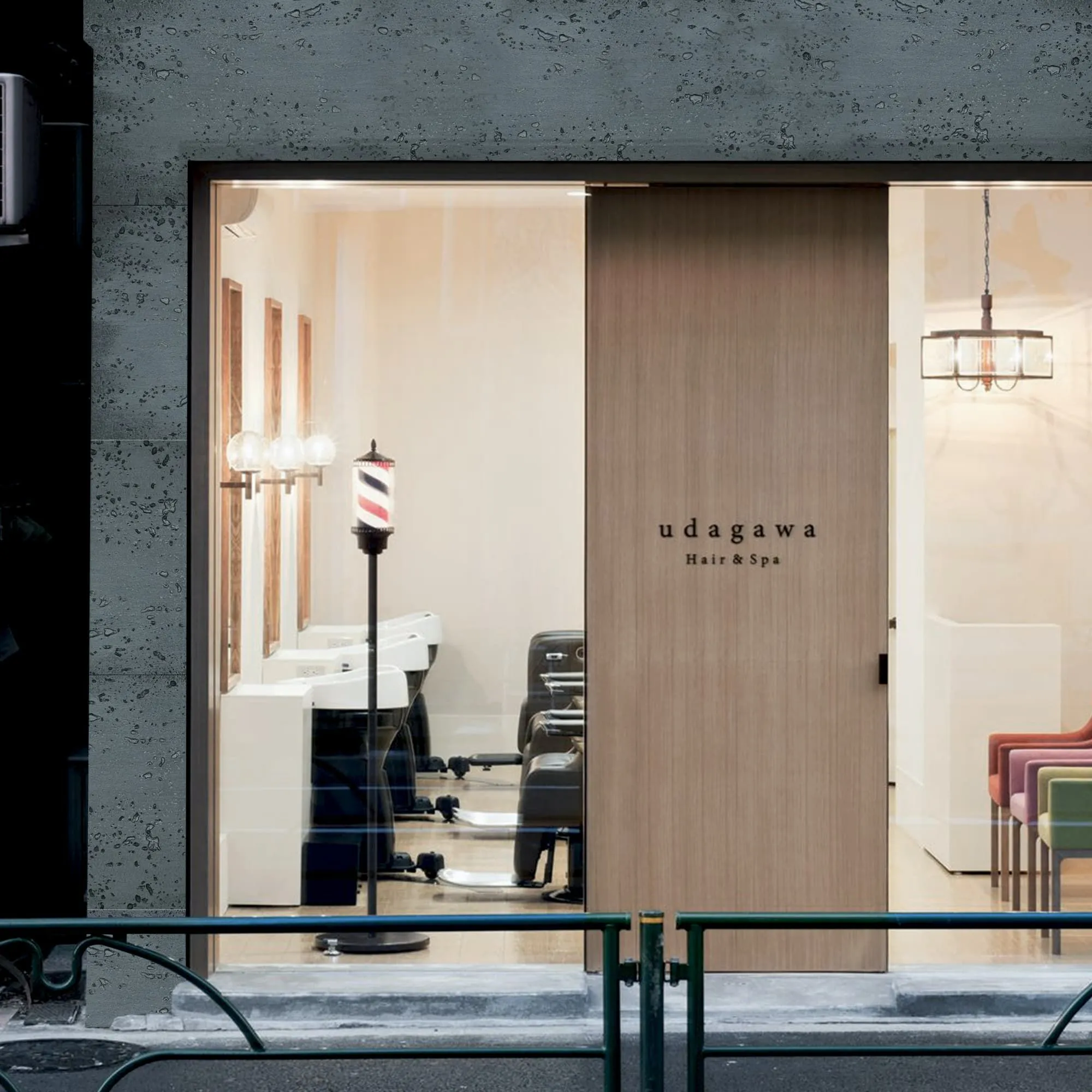
Dubai is known for its opulence—skyscrapers wrapped in gold leaf, malls with indoor waterfalls—but The Oasis Plaza, a high-end retail complex in the city's Design District, aimed to redefine luxury as "approachable elegance." Developer Sarah Al-Mansoori wanted a facade that would draw in shoppers with its beauty but make them feel comfortable enough to linger. Her team, including designer Ahmed Hassan, chose Travertine (Vintage Silver), foamed aluminium alloy board (vintage gold), and Gobi panel to create a "desert oasis" theme.
"Dubai's retail spaces often feel overwhelming—all marble and chrome, which can be cold," Al-Mansoori says. "We wanted The Oasis Plaza to feel like a retreat, a place where you can shop but also relax. Travertine (Vintage Silver) has this earthy quality that grounds the space, while the foamed aluminium (vintage gold) adds a touch of warmth, like sunlight on sand. Gobi panel, with its rough, wind-eroded texture, evokes the desert landscape—familiar to Dubai residents but in a fresh, sophisticated way."
The plaza's exterior is a mix of horizontal and vertical elements. Large panels of Travertine (Vintage Silver) cover the main walls, their surface brushed to a soft finish that feels smooth under hand. Between them, strips of foamed aluminium alloy board (vintage gold) add pops of color, while Gobi panel lines the walkways and planters, creating a seamless transition from building to landscape. "We wanted to blur the line between inside and out," Hassan explains. "The travertine flows from the facade into the outdoor seating areas, making the entire plaza feel like one cohesive space."
One of the biggest challenges was the Dubai heat. "Temperatures here can reach 50°C in summer, and traditional stone absorbs heat, making the building uncomfortable," Al-Mansoori notes. "We used a ventilated facade system—air flows between the travertine panels and the building's insulation, keeping the interior cool. The stone itself stays surprisingly cool to the touch, even in direct sunlight, which has made the outdoor seating areas popular year-round."
Shoppers have embraced the plaza's "relaxed luxury" vibe. "I used to avoid Dubai's malls because they felt so sterile," says fashion blogger Aisha Khan. "The Oasis Plaza is different. The travertine walls make it feel like a Mediterranean villa, not a shopping center. I find myself sitting outside, having coffee, just enjoying the atmosphere. It's luxury with a heart."
| Project Name | Location | Primary Material | Complementary Materials | Design Narrative |
|---|---|---|---|---|
| Skyline Tech Hub | Seattle, USA | Travertine (Vintage Silver) | MCM flexible stone, fair-faced concrete | Grounding innovation in nature; balancing tech's sleekness with organic warmth |
| The Moonlit Hotel | Kyoto, Japan | Travertine (Vintage Silver) | Lunar Peak Silvery, foamed aluminium alloy board (vintage silver) | Evoking moonlit gardens; blending traditional Japanese aesthetics with modern luxury |
| Barcelona Cultural Arts Center | Barcelona, Spain | Travertine (Vintage Silver) | Fair-faced concrete, boulder slab (vintage silver) | Celebrating artistic imperfection; creating a "living canvas" for creativity |
| The Oasis Plaza | Dubai, UAE | Travertine (Vintage Silver) | Foamed aluminium alloy board (vintage gold), Gobi panel | Redefining luxury as approachable; evoking desert warmth with a sophisticated edge |
Travertine (Vintage Silver) is more than just a building material. It's a storyteller. In Seattle, it told of sustainability and calm in a fast-paced tech world. In Kyoto, it whispered of moonlit nights and timeless elegance. In Barcelona, it celebrated imperfection and creativity. In Dubai, it redefined luxury as something warm and welcoming.
What makes this stone so versatile? Its ability to adapt. It can be sleek or rough, modern or traditional, bold or understated. It ages gracefully, developing a patina that adds character rather than detracting from beauty. It connects us to the earth—reminding us that even in our most modern spaces, we crave a touch of the natural world.
As architects and designers continue to push the boundaries of commercial design, materials like Travertine (Vintage Silver) will play an increasingly important role. They're not just about aesthetics—they're about emotion. They're about creating spaces that don't just function, but feel. And in a world that often feels disconnected, that's a powerful thing.
So the next time you walk past a building, take a moment to touch the walls. Feel the stone, the concrete, the metal. Listen to the story they're telling. Chances are, if it's a story of warmth, resilience, and timeless beauty, there's a little bit of Travertine (Vintage Silver) in there somewhere.
Recommend Products












