
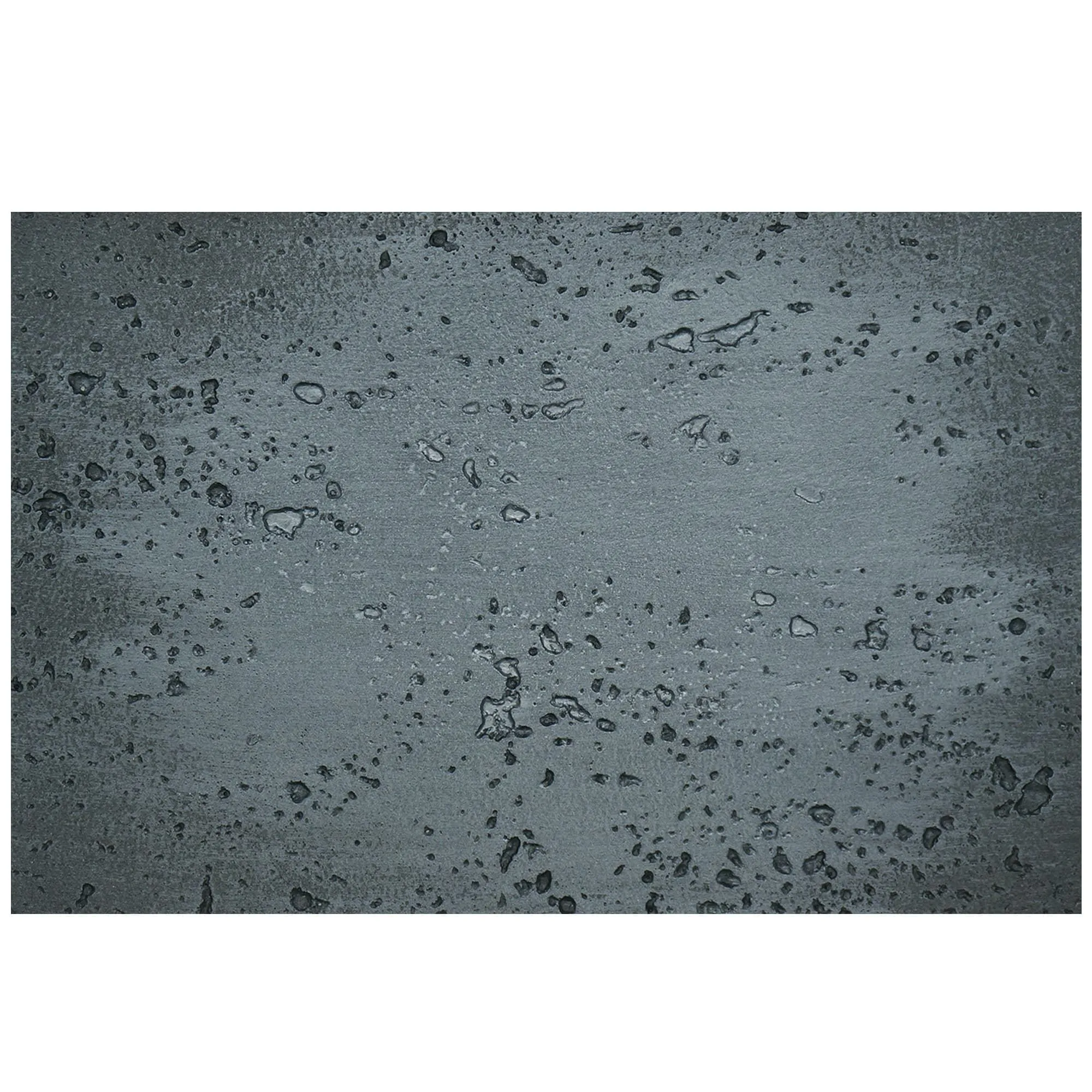
There's a quiet magic in running your palm over a surface that has borne witness to centuries. Imagine stepping into the golden hour of a Roman afternoon, sunlight slanting through arched windows to gild the walls of an ancient basilica. Your fingers brush a stone that feels both rough and smooth—pitted with tiny indentations like fossilized rain, yet cool and solid beneath your touch. That stone, with its soft silver-gray hue that shifts from matte to metallic as the light changes, is travertine (vintage silver). It's not just a building material; it's a storyteller, carrying the weight of empires, the whispers of craftsmen, and the passage of time in every vein and pore.
In this article, we'll wander through the corridors of history to explore how travertine (vintage silver) has shaped some of the world's most iconic monuments. We'll trace its journey from mineral-rich hot springs to the hands of master builders, and discover why, even in an age of cutting-edge materials like foamed aluminium alloy board (vintage silver) and fair-faced concrete, this stone remains a timeless choice for architects and dreamers alike.
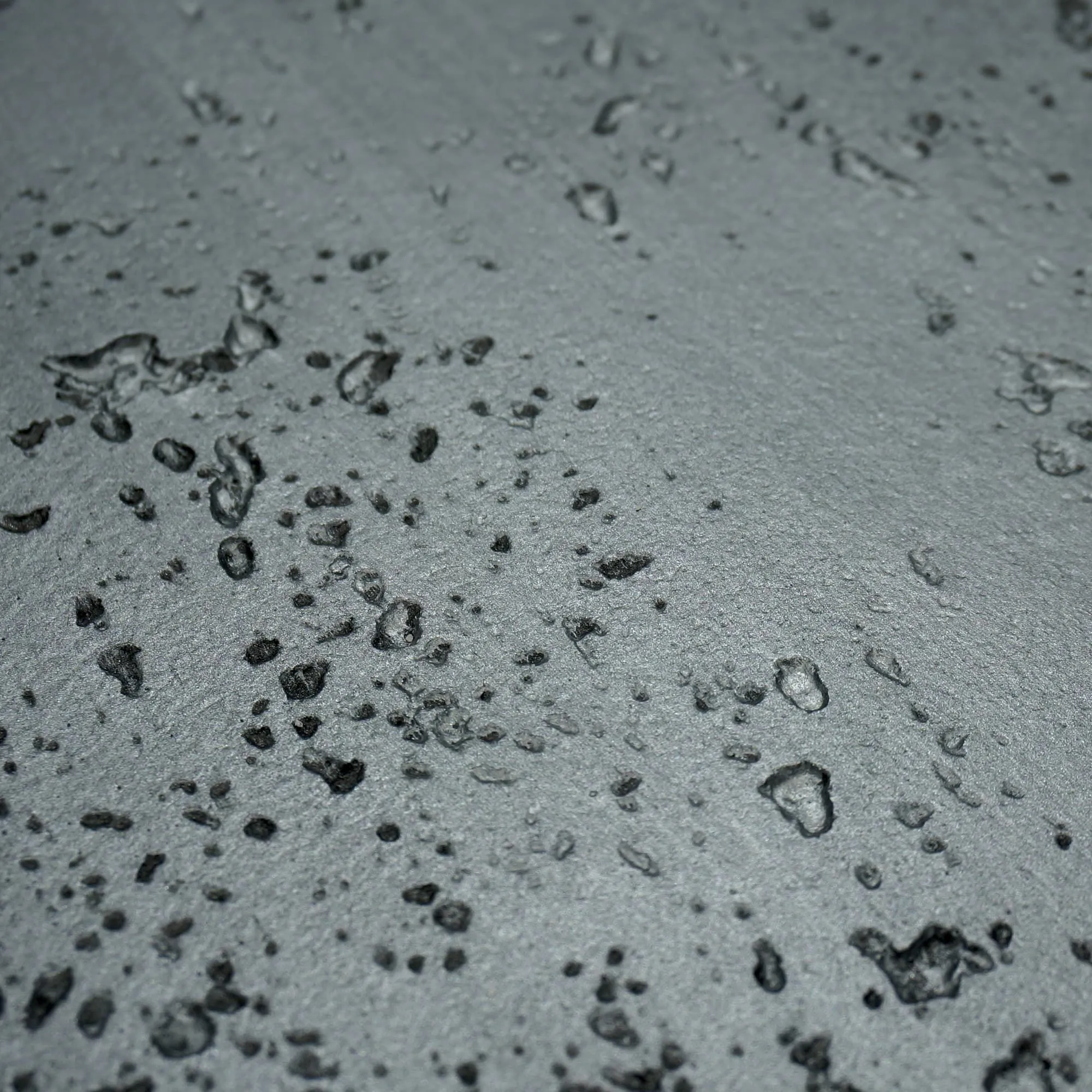
Travertine is a form of limestone, born from the slow precipitation of calcium carbonate in mineral springs. But travertine (vintage silver) stands apart for its unique patina—a muted, silvery-gray tone that deepens with age, like an old photograph fading into elegance. Unlike the bold starbursts of travertine (starry blue) or the warm glow of travertine (vintage gold), vintage silver exudes restraint. Its surface is dotted with small, natural holes (called vesicles), formed by trapped air bubbles during its formation, which give it a tactile, organic texture that feels alive to the touch.
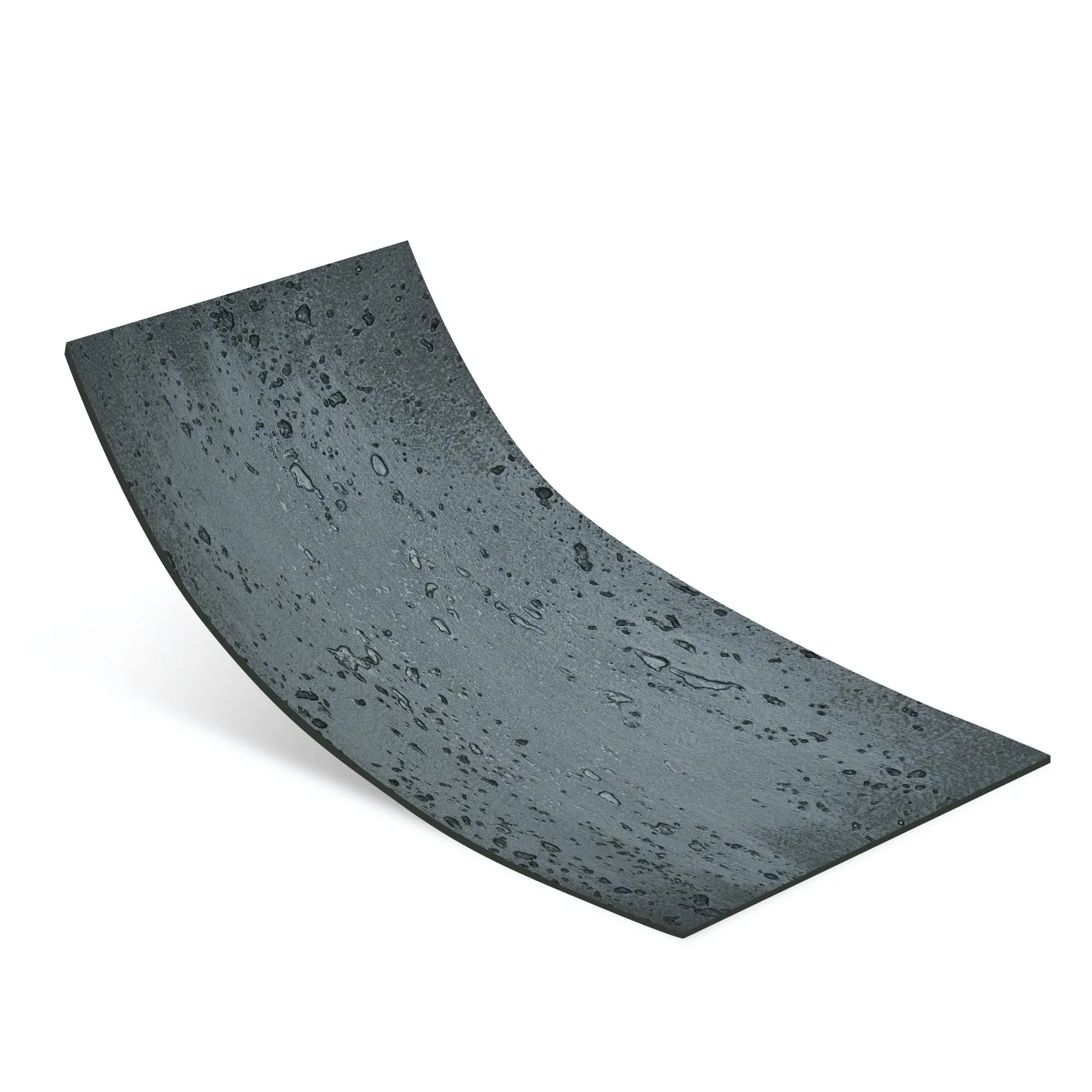
What truly sets it apart, though, is its durability. For millennia, builders have prized it for its resistance to weathering; unlike brittle marble or porous sandstone, travertine (vintage silver) stands firm against rain, frost, and the feet of millions of visitors. Yet it's also surprisingly workable—soft enough to carve into intricate designs, yet strong enough to support the weight of domes and arches. This balance of strength and flexibility is why modern innovators, like those behind MCM flexible stone, have embraced travertine as a cornerstone of their designs, blending its historic charm with contemporary adaptability.
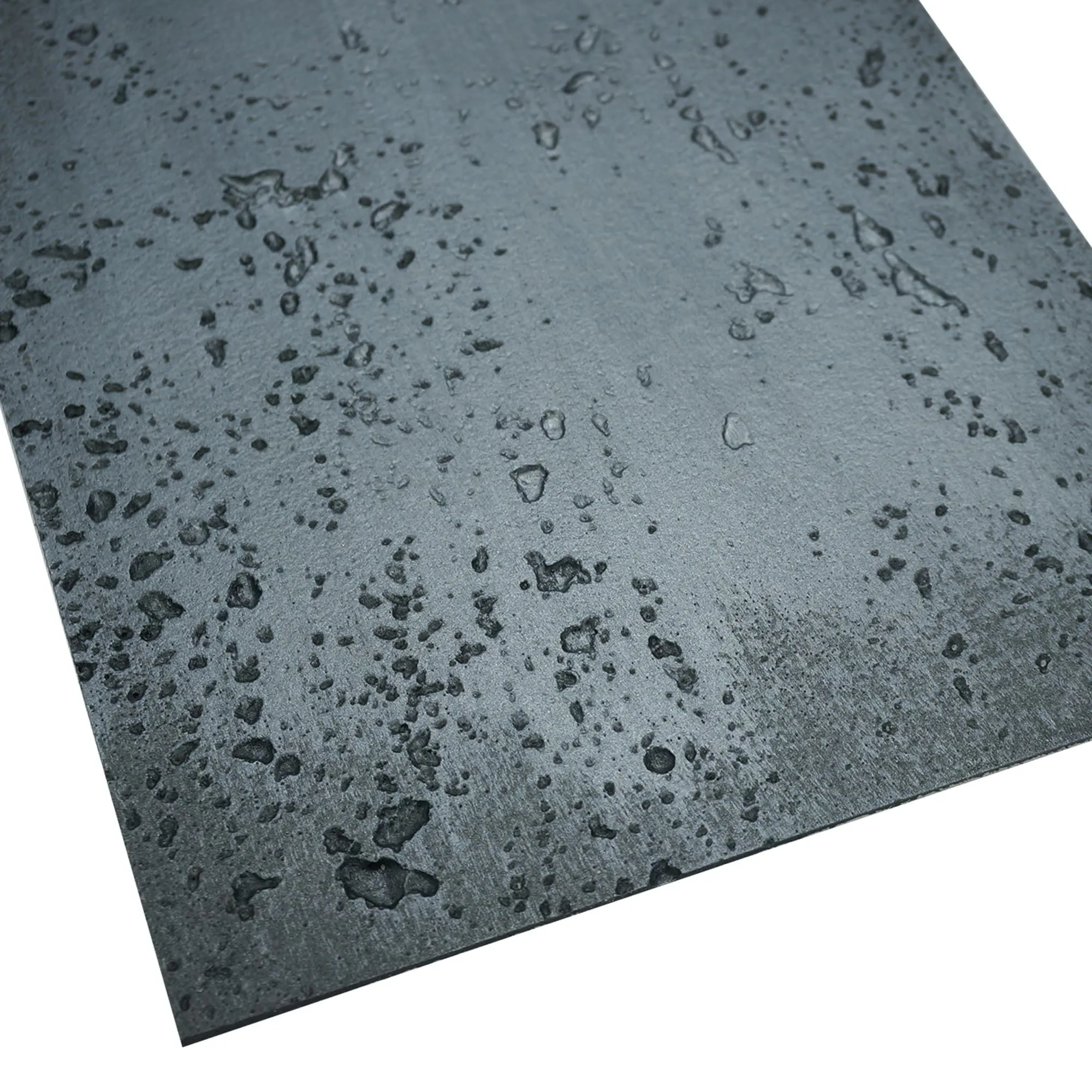
No discussion of travertine (vintage silver) is complete without the Colosseum. Rising from the heart of Rome like a stone giant, this 2,000-year-old amphitheater owes much of its grandeur to the 100,000 cubic meters of travertine quarried from Tivoli, a town just east of the city. The stone was chosen not just for its strength, but for its color: in the harsh Mediterranean sun, the vintage silver hue reflects light, keeping the structure cool and luminous even on the hottest days.
Walk around the Colosseum's exterior, and you'll notice how the travertine blocks interlock like a puzzle, held together by iron clamps (now rusted, adding a warm contrast to the silver stone). Run your hand along the base, and you'll feel the marks of ancient chisels—deep grooves where workers shaped each block to fit perfectly. Over the centuries, wind and rain have smoothed the edges, turning sharp corners into gentle curves, and the stone has taken on a soft, lived-in patina that makes it feel less like a ruin and more like a (old friend).
What's remarkable is how the travertine (vintage silver) has endured. While other materials crumbled, it stood firm through earthquakes, sackings, and the pillaging of stone for later buildings. Today, when restoration teams work on the Colosseum, they still source travertine from the same Tivoli quarries, ensuring the monument's silver-gray skin remains unbroken.
If the Colosseum is travertine (vintage silver) in its most imposing form, the Trevi Fountain is where the stone learns to dance. Completed in 1762, this Baroque masterpiece uses travertine (vintage silver) not just as a structural base, but as a canvas for water. The stone's porous surface absorbs moisture, creating a subtle sheen that makes the walls look as if they're weeping liquid silver.
Stand at the fountain's edge, and you'll see how the vintage silver travertine contrasts with the white marble statues of Neptune and his tritons. The stone's neutral tone lets the water take center stage—rushing over its pitted surface, collecting in small pools, and catching the light to create fleeting rainbows. At night, when the fountain is illuminated, the travertine glows from within, as if the stone itself holds a quiet luminescence, much like the lunar peak silvery panels used in modern architectural accents.
Locals and tourists alike toss coins into the Trevi's waters, a tradition said to ensure a return to Rome. But few pause to consider the stone beneath their feet: travertine (vintage silver) slabs, worn smooth by millions of shoes, their edges rounded like river stones. It's a beautiful irony—this ancient stone, so strong and enduring, softening over time to cradle the stories of strangers.
In the heart of Vatican City, the Basilica di San Pietro rises like a mountain of stone, its dome piercing the Roman skyline. While Michelangelo's dome steals much of the glory, the basilica's exterior owes its quiet majesty to travertine (vintage silver). Quarried from the same Tivoli beds as the Colosseum, the stone was chosen for its ability to reflect light, making the massive structure feel weightless despite its size.
Step back and look at the basilica's façade: rows of travertine blocks, each hewn to fit with precision, their vintage silver hue unifying the chaos of columns, statues, and reliefs. In the midday sun, the stone looks almost bleached, a pale silver that blends with the clouds; at dusk, it warms to a soft pewter, as if the building is tucking itself in for the night. It's a masterclass in using travertine's natural properties to shape mood—calm, reverent, and timeless.
Inside, the travertine continues, lining the floors and walls of the narthex. Here, the stone's porous texture absorbs sound, turning the buzz of pilgrims into a hushed murmur that feels appropriate for a space of worship. Run your hand along a column, and you'll notice how the stone has been polished to a gentle sheen, yet retains the faint indentations of its formation—a reminder that even in the grandest of settings, nature's handiwork remains visible.
Travertine (vintage silver) isn't just for ancient ruins. In recent decades, architects have rediscovered its versatility, pairing it with modern materials like mcm flexible stone to create buildings that honor the past while embracing the future. Take, for example, the 2010 expansion of the Getty Center in Los Angeles. Designed by architect Richard Meier, the addition features walls clad in thin, flexible panels of travertine (vintage silver), curved to mimic the flow of natural rock formations.
Unlike the heavy blocks of the Colosseum, these panels are lightweight and adaptable, thanks to mcm flexible stone technology. They cling to the building's modernist lines, their vintage silver surface catching the California sun to create a dialogue between old and new. It's a striking contrast to the building's fair-faced concrete accents—raw and industrial—yet the travertine softens the edges, making the structure feel grounded, as if it has always belonged there.
Another example is the 2018 renovation of the Bourse de Commerce in Paris, where Japanese architect Tadao Ando wrapped the historic dome in a ring of travertine (vintage silver) panels. The stone's cool tone balances the warmth of the building's original brickwork, while its texture—rough to the eye, smooth to the touch—invites visitors to reach out and connect with the space. It's a reminder that travertine (vintage silver) isn't just a relic of the past; it's a living material, evolving with the needs of architects who refuse to choose between tradition and innovation.
| Monument | Location | Era | Key Travertine Features | Why It Stands Out |
|---|---|---|---|---|
| Colosseum | Rome, Italy | 1st century CE | Massive blocks, interlocked with iron clamps; weathered silver-gray patina | Symbol of Roman engineering; travertine's durability supported 50,000 spectators |
| Trevi Fountain | Rome, Italy | 18th century CE | Porous surface that enhances water flow; silver-gray base for marble statues | Travertine's texture turns water into a visual spectacle, blending art and nature |
| Basilica di San Pietro | Vatican City | 16th century CE | Polished yet textured columns; light-reflective exterior blocks | Stone's neutral tone unifies the basilica's ornate design, creating calm grandeur |
| Getty Center Expansion | Los Angeles, USA | 2010 CE | Thin, flexible panels with vintage silver finish; curved to follow modernist lines | MCM flexible stone technology showcases travertine's adaptability to contemporary design |
As we've wandered through these monuments, from the roar of the Colosseum to the quiet grandeur of the Vatican, one thing becomes clear: travertine (vintage silver) is more than a stone. It's a bridge between eras, a material that can carry the weight of an empire and the grace of a modern masterpiece with equal ease. Its vintage silver hue isn't just a color; it's a mood—calm, dignified, and unapologetically authentic.
In a world where trends come and go—where foamed aluminium alloy board (vintage gold) shines bright one season and fades the next—travertine (vintage silver) endures. It ages like fine wine, its beauty deepening with every scratch, every rainstorm, every hand that touches it. It reminds us that some things are meant to last—not because they're perfect, but because they're real.
So the next time you find yourself in the presence of travertine (vintage silver), take a moment to pause. Run your fingers over its surface. Listen to the stories it has to tell. You might just find that in its quiet silver glow, there's a lesson for us all: true beauty isn't about being flashy or new. It's about standing the test of time—and looking good while doing it.
Recommend Products












