
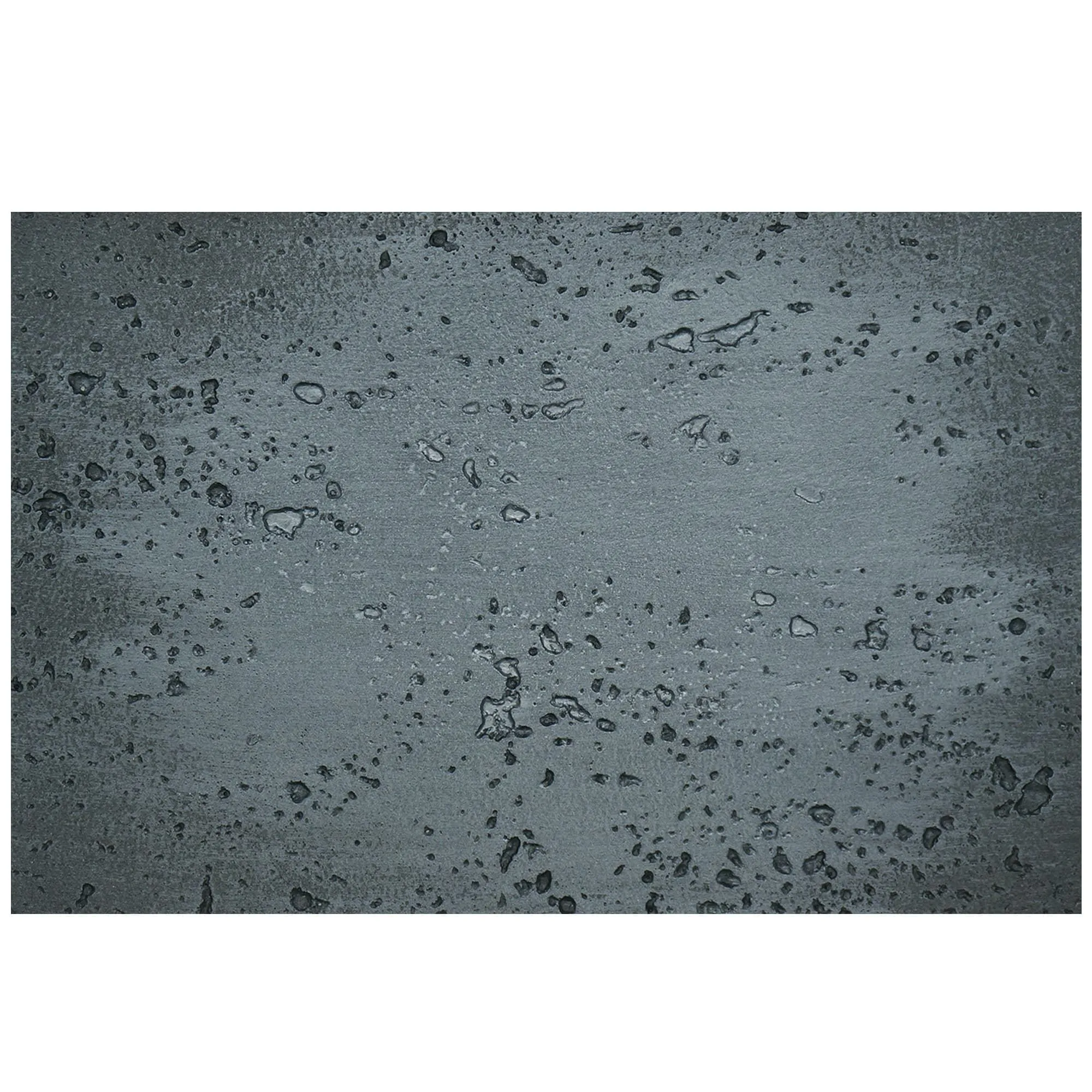
A Timeless Stone Weaving History, Light, and Mediterranean Soul
Imagine stepping into a sun-drenched village along the Mediterranean coast—whitewashed walls glow under the golden light, terracotta roofs slope gently toward the sea, and between the vibrant bougainvillea and weathered wooden shutters, there's a material that ties it all together: stone. Not just any stone, but travertine—specifically, the understated elegance of travertine (Vintage Silver) . Its soft, silvery-gray surface, flecked with whispers of beige and gold, catches the light like crushed moonlight, telling stories of ancient quarries, master masons, and civilizations that built empires with their hands. In Mediterranean architecture, travertine isn't merely a building material; it's a living chronicle of time, culture, and the quiet resilience of nature.
From the grand arches of Rome to the cozy courtyards of Santorini, travertine has shaped the region's skyline for millennia. But Vintage Silver travertine, with its muted luster and timeless texture, stands apart. It's not just a modern twist on an old favorite; it's a bridge between the past and present, a material that honors tradition while embracing the subtle sophistication of contemporary design. Let's journey through its history, its allure, and why it remains a cornerstone of Mediterranean beauty.
To understand travertine's place in Mediterranean architecture, we must first understand its birth. Travertine is a form of limestone, but not the kind quarried from deep underground. It's born in sunlight, in the shallow, mineral-rich waters of hot springs and rivers. As calcium carbonate-rich water evaporates, it leaves behind layers of sediment—soft at first, but hardening over centuries into a stone with a unique, porous structure. This "biological stone," as some geologists call it, carries the memory of its origins: tiny fossilized bubbles, delicate veins, and a texture that feels both solid and alive.
Ancient civilizations stumbled upon its magic early. The Romans, masters of engineering and aesthetics, fell in love with travertine's strength and beauty. They quarried it from Tivoli, a town east of Rome where mineral springs still bubble today, and used it to build icons: the Colosseum, the Pantheon, the Forum. "Travertine was Rome's secret weapon," says architectural historian Dr. Elena Martelli. "It's lightweight enough to span arches, durable enough to withstand earthquakes, and its warm tones softened the harshness of concrete. Even then, they recognized its ability to age gracefully—growing more beautiful as wind and rain etched its surface."
But travertine isn't just a Roman relic. It spread across the Mediterranean, adopted by Greeks, Byzantines, and later, by the artisans of Tuscany, Provence, and the Greek islands. In each region, it adapted—taking on the character of the land, the climate, and the people who worked it. And in this evolution, travertine (Vintage Silver) emerged as a quiet star: a variant that leans into subtlety, a stone that doesn't shout, but whispers of heritage.
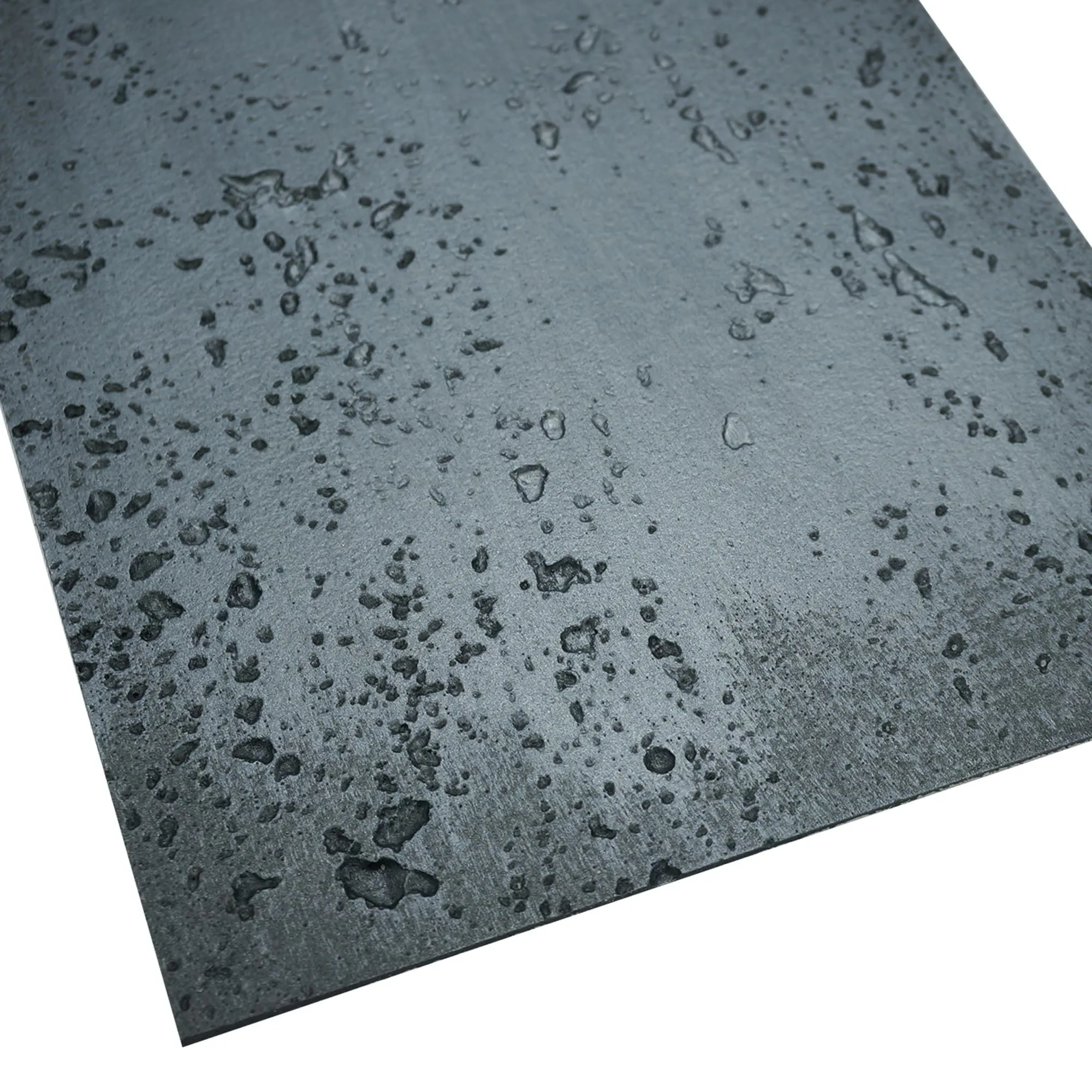
What makes travertine (Vintage Silver) different from its more vibrant cousins—like travertine (starry green) with its mossy hues or travertine (vintage gold) with its sunlit warmth? It's all in the details. Vintage Silver travertine boasts a base color that hovers between soft gray and pale silver, with undertones that shift with the light. On a cloudy day, it leans cool, almost blue-gray; in the golden hour, it warms, revealing flecks of champagne and ivory. Its pores, smaller and more evenly distributed than some travertines, give it a smoother texture—still tactile, but with a refined finish that feels both ancient and modern.
"It's the chameleon of Mediterranean stones," says Marco Rossi, a third-generation stonemason from Tuscany, who has worked with Vintage Silver on villas along the Amalfi Coast. "In a whitewashed village, it adds depth without clashing. Against the blue of the sea, it shimmers like a reflection. And because it's less porous than some travertines, it holds up beautifully in coastal areas—resisting salt spray and humidity better than marble or sandstone."
But its appeal isn't just functional. Vintage Silver travertine carries a cultural weight. In regions where tradition runs deep, it's seen as a nod to the past without feeling outdated. A century-old villa in Sicily might have its original travertine facade restored with Vintage Silver, matching the weathered patina of the original stone. A new boutique hotel in Mykonos might choose it to blend in with the island's historic architecture, avoiding the jarring look of modern materials. "It's about harmony," Rossi explains. "Mediterranean architecture isn't about standing out—it's about belonging. Vintage Silver travertine belongs."
| Travertine Variant | Color & Texture | Historical Roots | Modern Mediterranean Use |
|---|---|---|---|
| Vintage Silver | Silvery-gray base with beige/gold flecks; smooth, moderately porous | 19th-century Tuscan farmhouses, coastal Greek villas | Hotel facades, courtyard flooring, outdoor kitchens |
| Starry Green | Deep green with white mineral veins; more porous, rustic texture | Ancient Roman baths (e.g., Caracalla) | Spa interiors, garden pathways, accent walls |
| Vintage Gold | Warm golden-beige with amber veins; coarse, earthy texture | Renaissance palaces in Florence, Provencal chateaux | Fireplace surrounds, entryway floors, pool coping |
| Starry Red | Crimson base with metallic flecks; dense, smooth finish | Byzantine churches in Cappadocia | Accent columns, artistic wall panels, custom furniture |
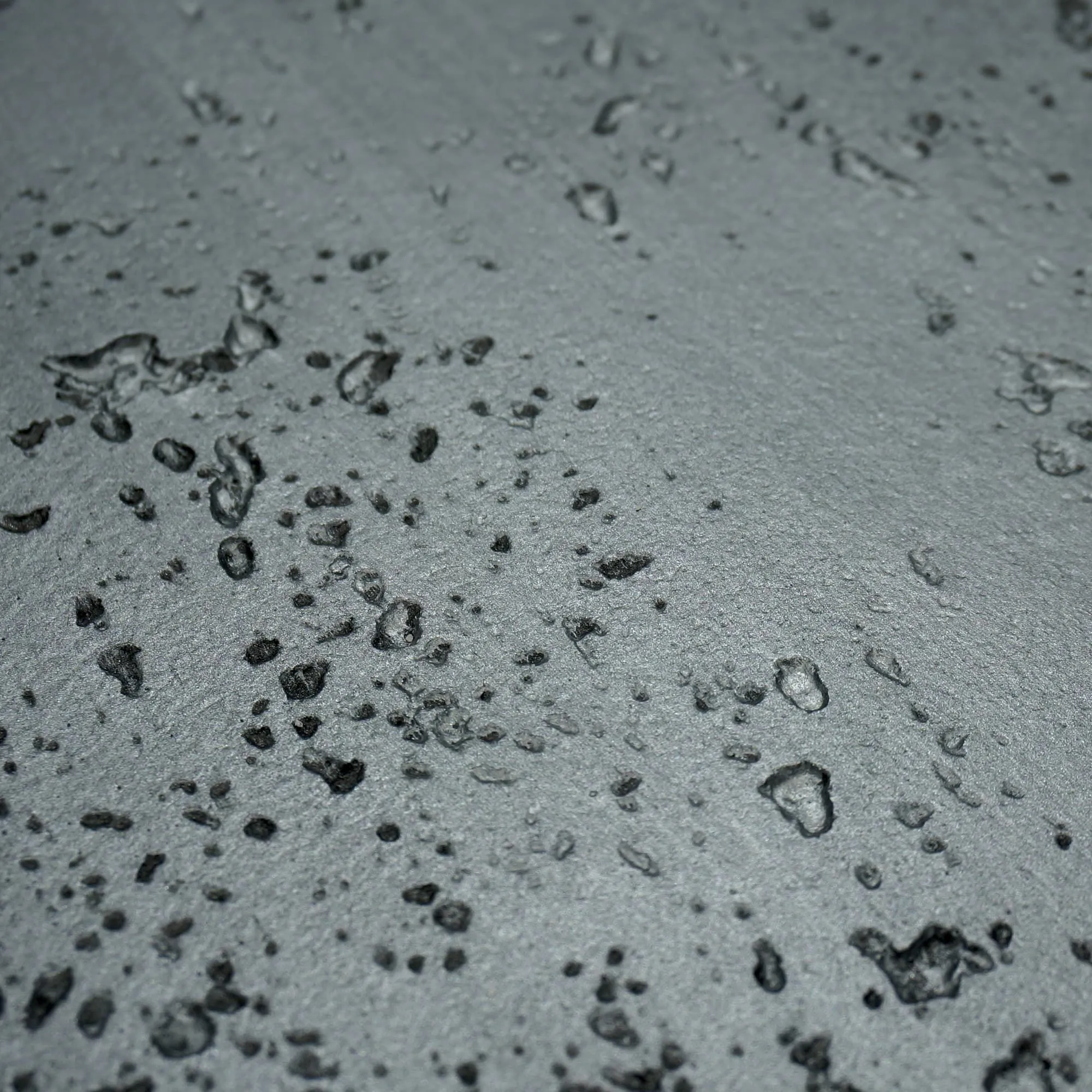
Working with travertine—especially Vintage Silver—has always been a labor of love. In the past, masons like Rossi's grandfather used hand tools: chisels to shape the stone, mallets to split it along natural veins, and sandpaper to smooth its surface. "They could read the stone," Rossi says, running a hand over a Vintage Silver slab in his workshop. "They knew where it would crack, how to bring out its best color. It was a conversation between man and material."
Today, technology has joined the conversation. Modern quarries use diamond-tipped saws to cut slabs with precision, and water jets to carve intricate patterns. Yet even with machines, the human touch remains vital. "A machine can cut a straight line, but only a mason can feel when the stone needs a gentler touch," Rossi laughs. This blend of old and new is evident in MCM project board series products, which marry traditional travertine craftsmanship with contemporary design needs—flexible, lightweight panels that retain the stone's natural beauty.
Vintage Silver travertine, with its smoother texture, is particularly adaptable to modern techniques. It can be honed to a soft sheen for indoor floors, or left with a rough, "tumbled" finish for outdoor pathways that mimic the worn stones of ancient villages. Architects today pair it with fair-faced concrete for a industrial-meets-organic vibe, or with masonry stone accents to create depth. In a beachfront home in Ibiza, for example, Vintage Silver travertine walls are paired with driftwood beams and floor-to-ceiling glass, blending the stone's history with the openness of modern design.
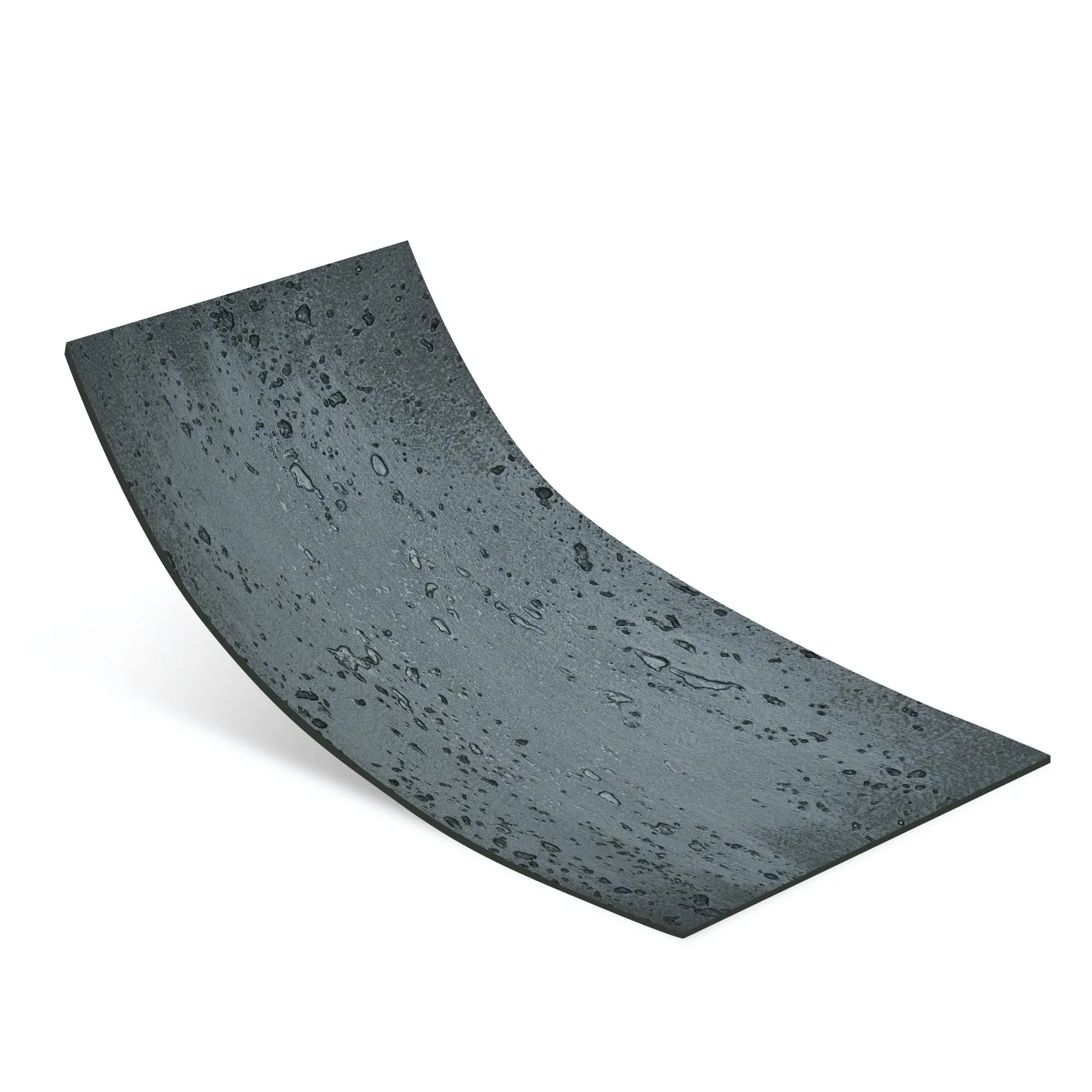
In the Mediterranean, buildings aren't just shelters—they're storytellers. And travertine (Vintage Silver) is one of their most eloquent voices. Walk through the hilltop villages of the Italian Riviera, and you'll notice how the stone connects generations. A 17th-century church might have a Vintage Silver bell tower, its surface darkened by time, while next door, a 21st-century café uses the same stone for its countertop, lightened by modern polishing. Together, they speak of continuity—a culture that honors its past while building its future.
It's also a stone of resilience. Mediterranean climates are harsh: scorching summers, salty sea breezes, occasional heavy rains. Vintage Silver travertine stands up to it all. "I've seen a Vintage Silver patio in Crete that's been through 50 summers and still looks as good as the day it was laid," says Maria Georgiou, a landscape architect based in Athens. "It doesn't fade, it doesn't crack easily, and when it gets wet? It glows. Like the stone itself is alive."
Perhaps that's why it's become a symbol of Mediterranean soul. It's not flashy, like marble, or rugged, like lunar peak stone. It's understated, reliable, and deeply rooted in the land. "When you touch Vintage Silver travertine," Georgiou says, "you're touching the same earth that fed ancient olive trees, the same water that filled Roman aqueducts. It's a reminder that we're part of something bigger—something timeless."
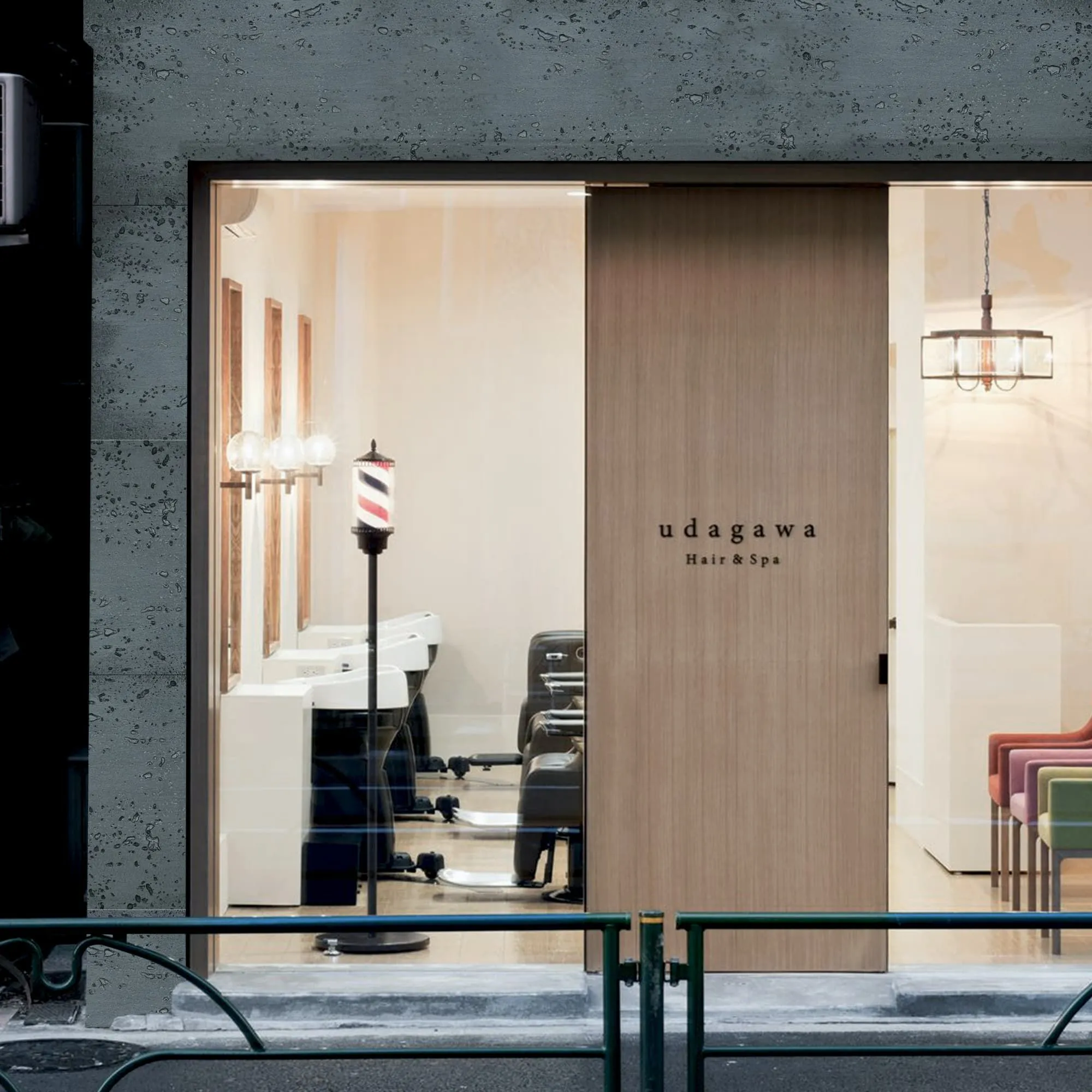
As the sun dips below the Mediterranean, casting pink and orange hues across the sky, a Vintage Silver travertine facade in a coastal village seems to glow from within. It's a sight that has repeated itself for centuries—stone and light, history and life, intertwined. Travertine (Vintage Silver) isn't just a building material; it's a thread in the fabric of Mediterranean culture, a stone that carries the past into the future.
In a world that often chases the new, there's comfort in materials that age with grace. Vintage Silver travertine doesn't just last—it improves, growing more beautiful as it collects the marks of time. It's a reminder that the best architecture, like the best stories, isn't about perfection. It's about authenticity. And in the Mediterranean, where authenticity is everything, travertine (Vintage Silver) will always have a home.
Recommend Products












