
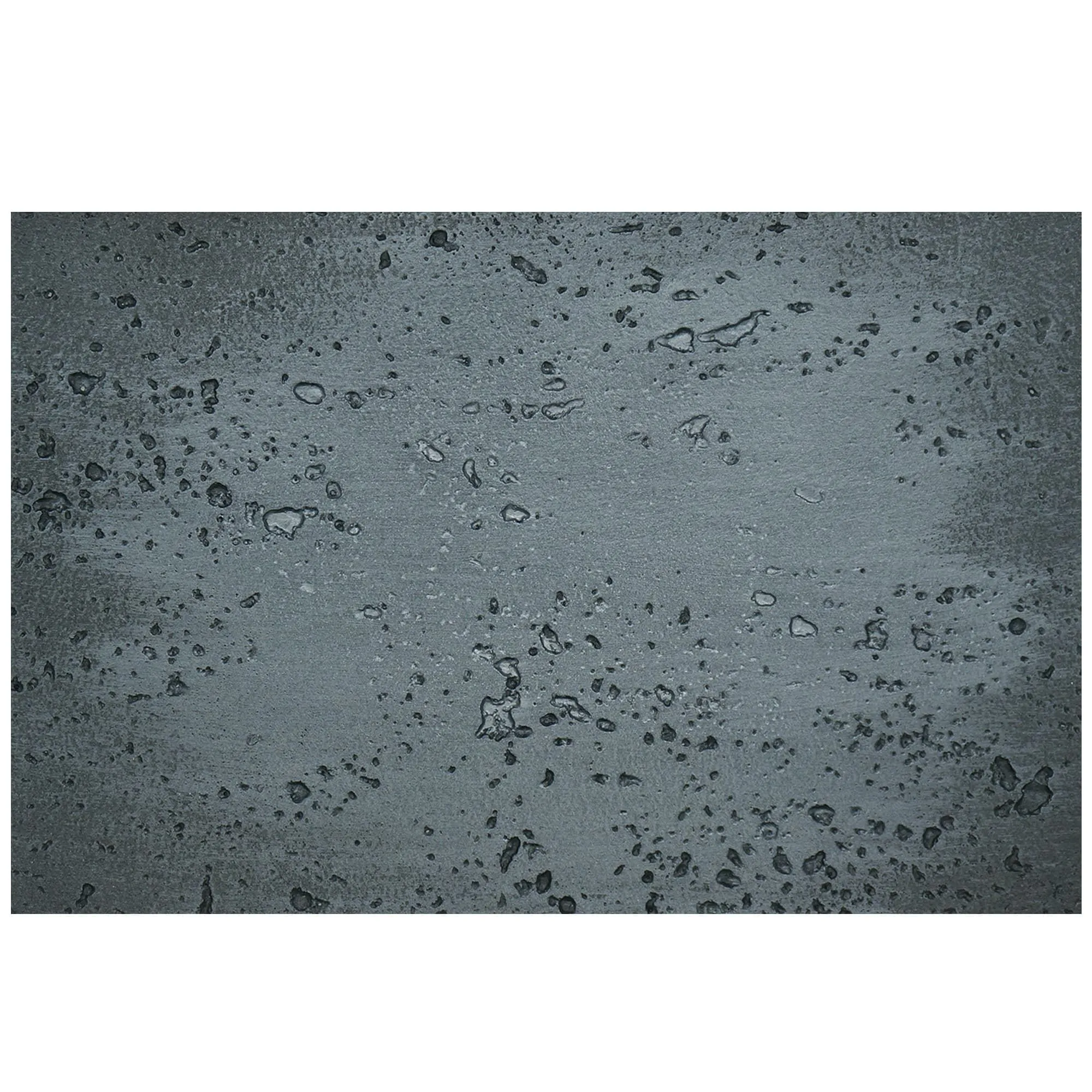
Where time-worn elegance meets contemporary vision
Architecture is more than steel beams and concrete walls—it's a language spoken through materials. Every slab, tile, and panel carries a narrative, a texture that whispers of history, a sheen that mirrors the present, and a versatility that hints at the future. Among these storytellers, few materials blend the past and present as seamlessly as travertine (vintage silver) . Its muted luster, weathered charm, and timeless appeal have made it a favorite for designers seeking to bridge eras, creating spaces that feel both rooted in tradition and alive with modern energy.
In this exploration, we'll journey through the historical roots of travertine, unravel the unique allure of its vintage silver variant, and discover how it harmonizes with contemporary materials like lunar peak silvery and foamed aluminium alloy board (vintage silver) to redefine architectural aesthetics. Along the way, we'll see why travertine real photos have become indispensable tools for designers—capturing not just color and texture, but the emotional resonance of a material that turns buildings into experiences.
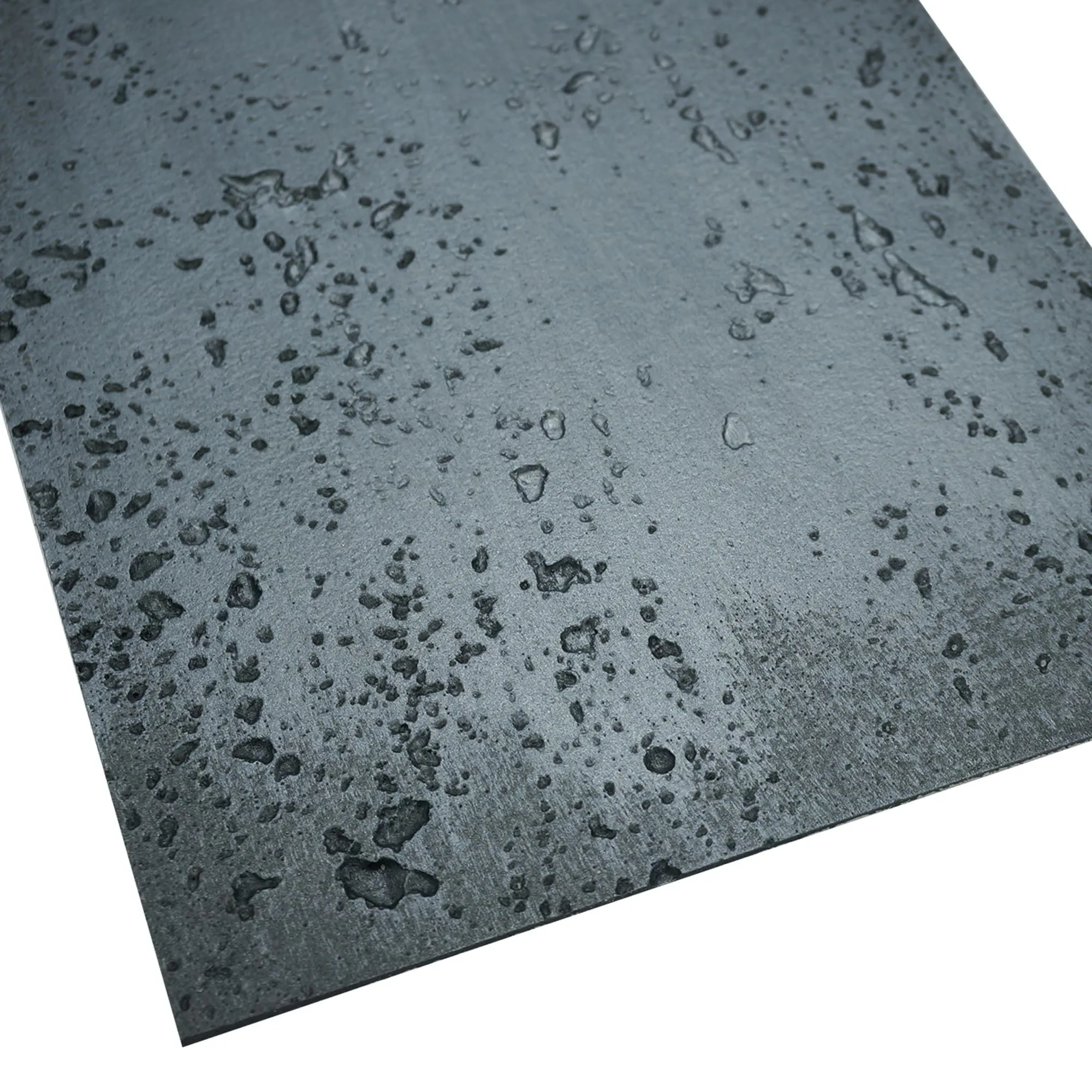
Travertine is no newcomer to the world of architecture. For millennia, civilizations have been drawn to its natural beauty and durability. From the grandeur of Rome's Colosseum, where travertine blocks formed the iconic facade, to the intricate details of the Hagia Sophia, this sedimentary stone has borne witness to empires, revolutions, and the quiet passage of time. Its formation—layer upon layer of mineral-rich water cooling and crystallizing—gives it a unique porosity, a tactile quality that feels both solid and alive, as if it holds the memory of the springs and rivers from which it emerged.
But what sets travertine (vintage silver) apart is its ability to channel this history through a modern lens. Unlike the warm golds and beiges of traditional travertine, vintage silver leans into cool, muted tones—think the soft glow of aged silverware, or the patina of a well-loved antique. It's a color that doesn't shout; it murmurs, inviting the eye to linger on its subtle variations. In ancient times, travertine was chosen for its strength; today, designers choose vintage silver travertine for its soul. It's a material that says, "I have stories to tell, but I'm also ready to listen to yours."
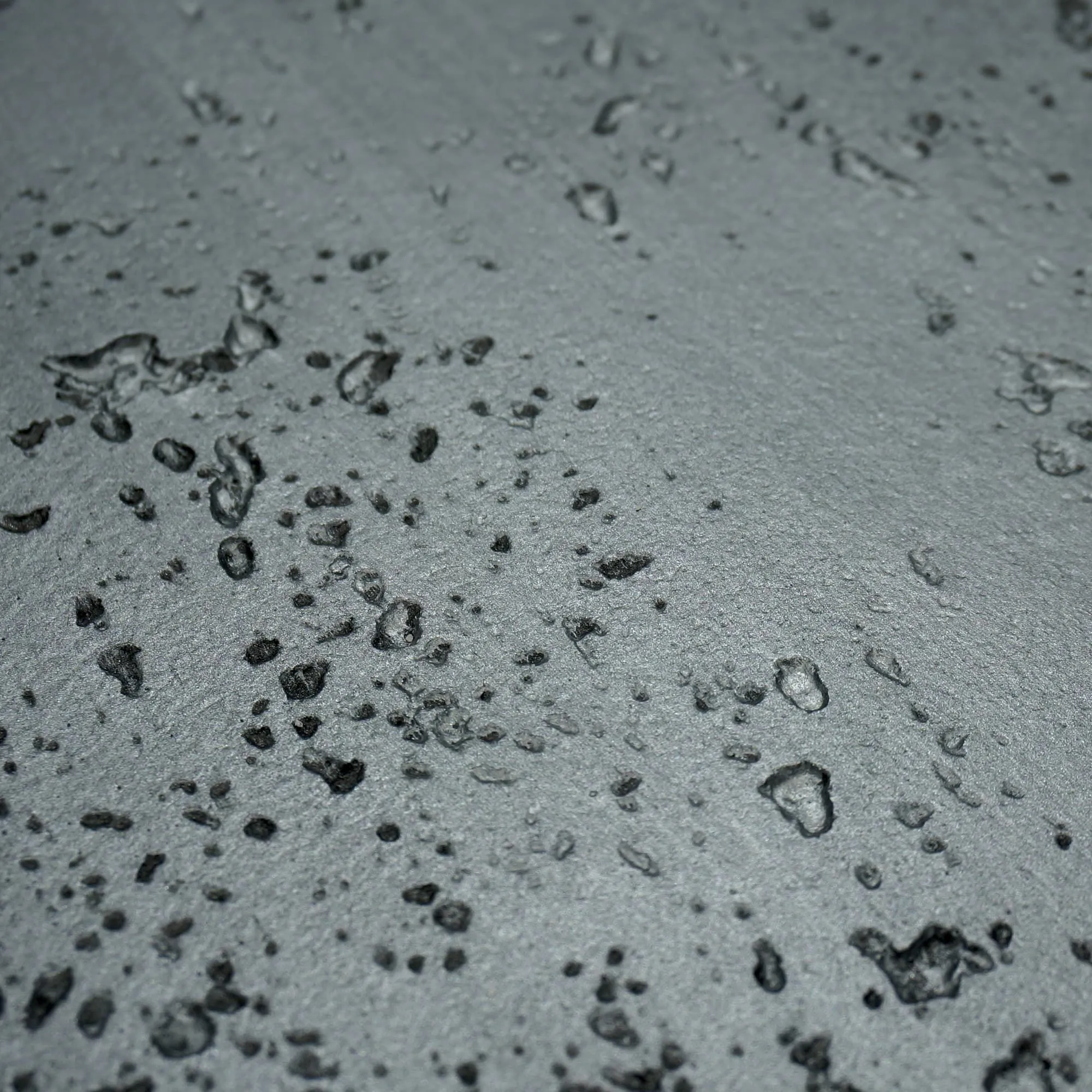
To truly appreciate travertine (vintage silver) , you have to touch it. Run your hand across its surface, and you'll feel the gentle ridges of its natural veining, the tiny pits that speak to its organic origins. In sunlight, it shimmers softly, not with the harsh reflectivity of polished metal, but with a diffused glow that warms even the coolest spaces. In shadow, it deepens, taking on a moody, introspective quality that adds depth to interiors and exteriors alike.
This versatility makes it a chameleon in design. In a minimalist home, vintage silver travertine floors ground the space, adding warmth without overwhelming sleek lines. In a commercial lobby, a feature wall clad in large-format vintage silver travertine slabs becomes a focal point, welcoming visitors with a sense of understated luxury. Even in outdoor settings—patios, walkways, or pool surrounds—it holds up to the elements, aging gracefully and developing a richer patina over time. It's a material that grows more beautiful with wear, a rarity in a world that often values the "new" over the "lived-in."
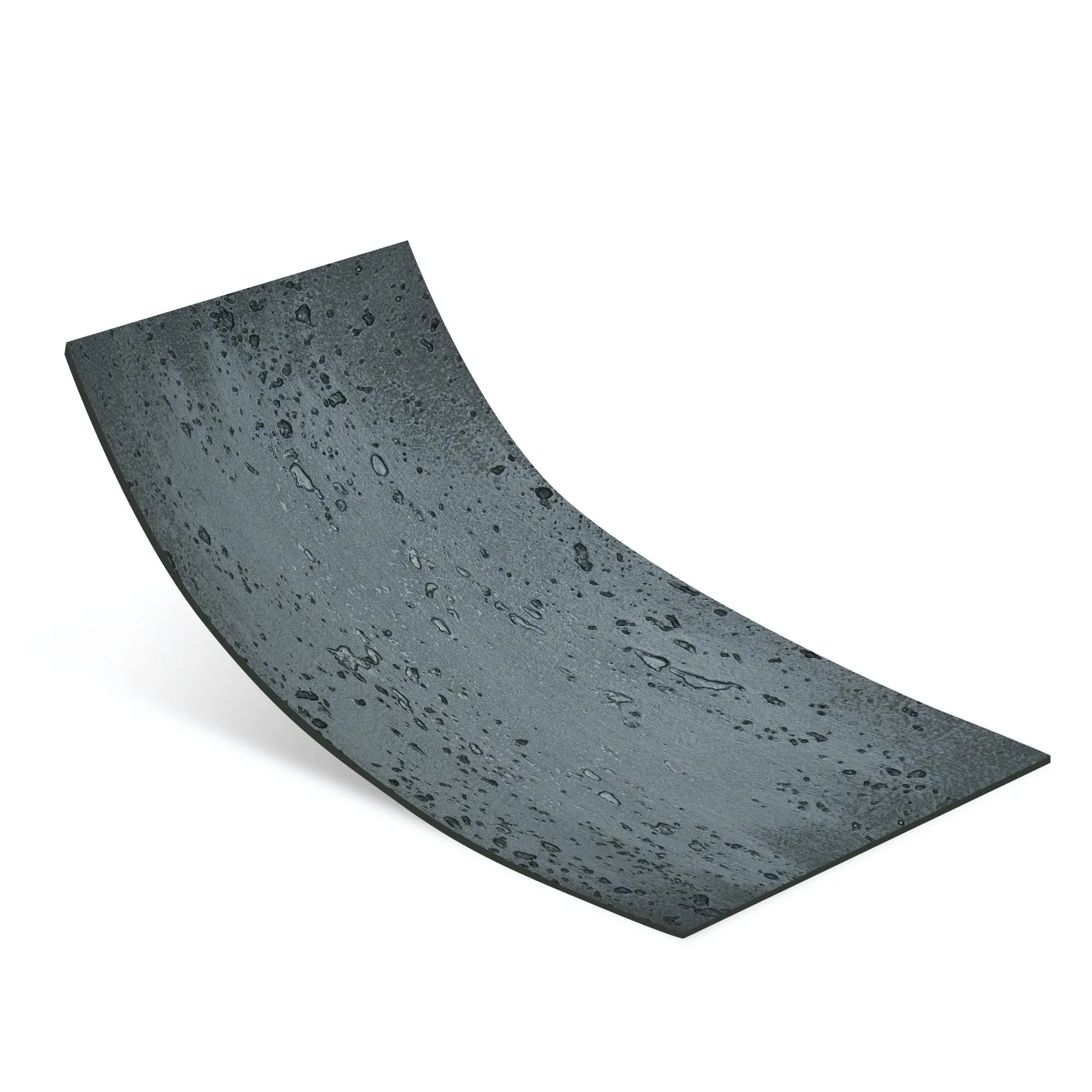
In today's architectural landscape, no material exists in isolation. Designers are increasingly mixing textures and tones to create layered, dynamic spaces, and travertine (vintage silver) is a master collaborator. Let's explore how it pairs with two standout contemporaries: lunar peak silvery and foamed aluminium alloy board (vintage silver) .
| Material | Key Characteristics | Best Paired With Vintage Silver Travertine For: |
|---|---|---|
| Travertine (Vintage Silver) | Porous, matte finish, soft silver-gray with subtle veining | Warmth, organic texture, historical depth |
| Lunar Peak Silvery | Sleek, slightly iridescent, inspired by moonlit landscapes | Cosmic elegance, modern contrast, light reflection |
| Foamed Aluminium Alloy Board (Vintage Silver) | Lightweight, metallic sheen, industrial-chic patina | Industrial warmth, durability, textural balance |
Imagine a boutique hotel lobby where travertine (vintage silver) floors flow into a lunar peak silvery accent wall. The travertine's earthy texture grounds the space, while the Lunar Peak's iridescence adds a touch of magic, as if the moon itself has cast a glow over the room. Nearby, a reception desk clad in foamed aluminium alloy board (vintage silver) introduces an industrial edge, its metallic surface playing off the travertine's softness. Together, these materials don't compete—they converse, creating a space that feels both grounded and ethereal, historic and futuristic.
Or consider a residential kitchen: vintage silver travertine countertops, with their natural pits and veining, contrast beautifully with cabinetry wrapped in foamed aluminium. The travertine adds warmth to the cool metal, while the aluminium's durability ensures the space can handle the chaos of daily life. It's a marriage of form and function, of beauty and practicality—and it's all made possible by the versatility of vintage silver as a unifying color palette.
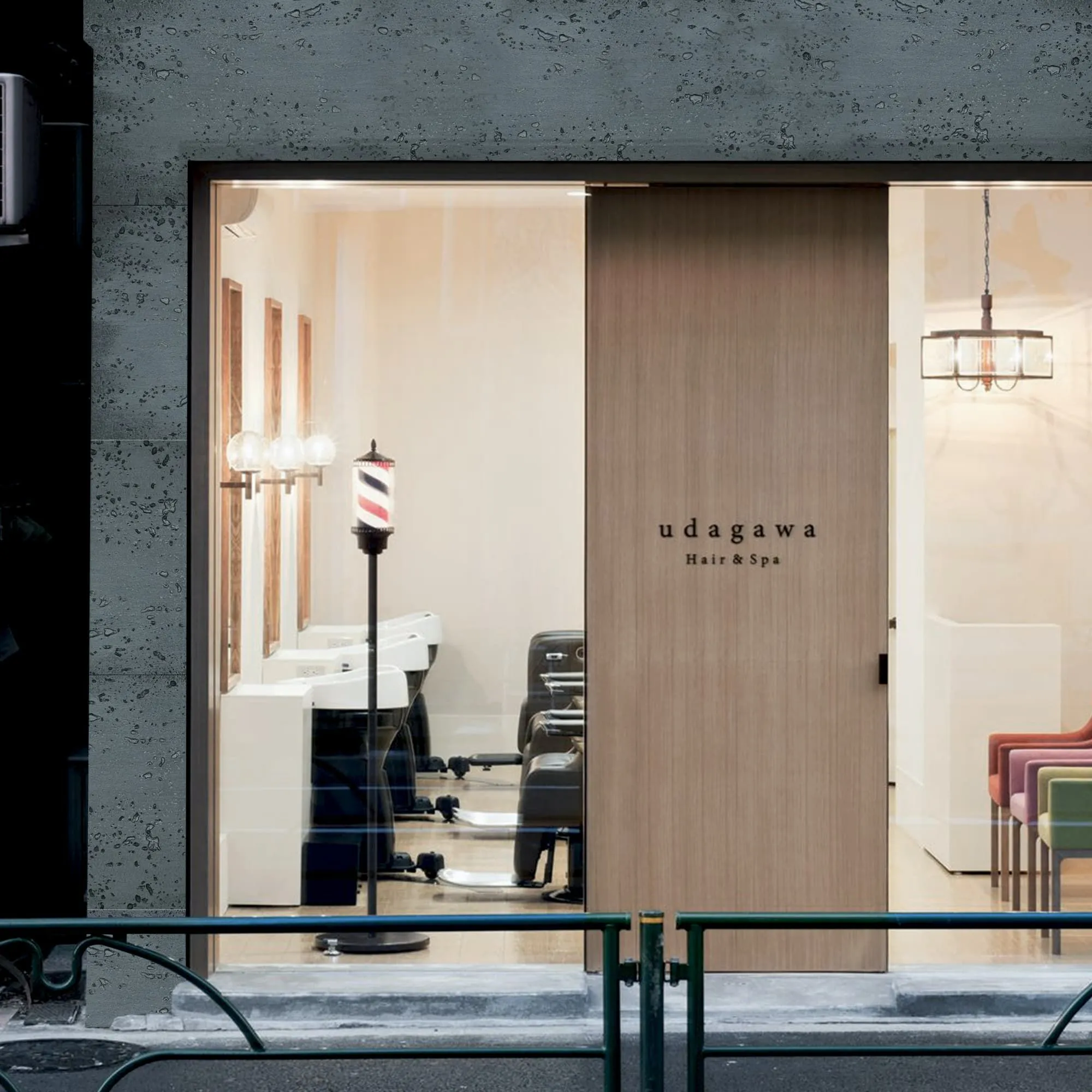
In the age of digital design, travertine real photos have become more than just references—they're bridges between imagination and reality. A swatch or a Pantone code can tell you a color, but a high-quality photo captures the way light dances across travertine's surface at dawn, how it softens in the golden hour, or how it takes on a moody allure on a rainy day. For designers, these photos are tools of communication, allowing them to share their vision with clients who might not yet be able to "feel" a material through words alone.
Take, for example, a designer pitching a restaurant concept centered on travertine (vintage silver) . A real photo of the stone in a similar space—perhaps a wall lit by pendant lights, showing the way shadows play in its pores—can evoke the ambiance of the finished restaurant: cozy yet sophisticated, intimate yet open. Clients don't just see a material; they see themselves dining there, laughing with friends, savoring a meal in a space that feels uniquely theirs.
And it's not just about aesthetics. Travertine real photos also highlight practical details: how the stone holds up to foot traffic, how it interacts with different finishes, or how its color shifts in various lighting. For architects, this means fewer surprises during construction; for clients, it means confidence that their vision will translate seamlessly from the drawing board to reality.
As architecture continues to evolve, materials like travertine (vintage silver) remind us that progress doesn't have to mean leaving the past behind. In a world obsessed with the new, there's a growing hunger for materials that feel authentic, that carry the weight of history while embracing modernity. Vintage silver travertine answers that call, offering a canvas on which designers can paint stories of connection—between past and present, between nature and industry, between the people who build spaces and the people who live in them.
Whether paired with lunar peak silvery for a touch of the cosmos, foamed aluminium alloy board for industrial warmth, or showcased alone in all its understated glory, travertine (vintage silver) is more than a building material. It's a storyteller. It's a reminder that architecture, at its best, is about more than walls and roofs—it's about creating spaces that make us feel alive, connected, and part of something larger than ourselves.
Recommend Products












