
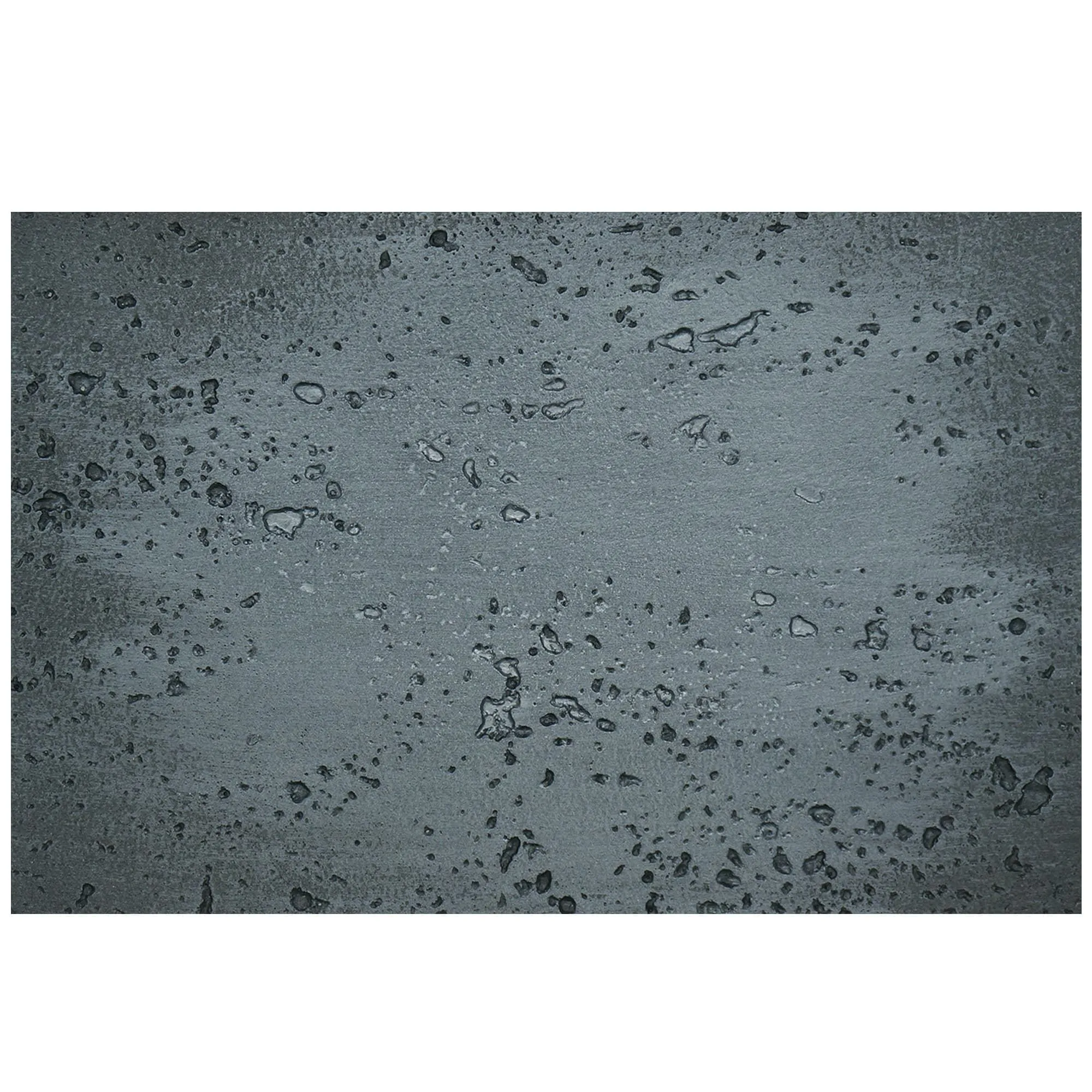
Saudi Arabia's commercial architecture is in the midst of a renaissance. Driven by Vision 2030—a bold plan to diversify the economy and build world-class cities—developers and designers are reimagining what modern Saudi spaces can look like. Amidst this transformation, one material has emerged as a quiet standout: Travertine (Vintage Silver). More than just a surface finish, it's a design language that bridges heritage and innovation, durability and beauty. In 2025, as projects from Riyadh to Jeddah push the boundaries of architectural excellence, Travertine (Vintage Silver) is proving to be more than a trend—it's a cornerstone of the next generation of Saudi commercial design. Let's dive into three standout projects where this material has taken center stage, and explore why it's becoming indispensable for architects and developers alike.
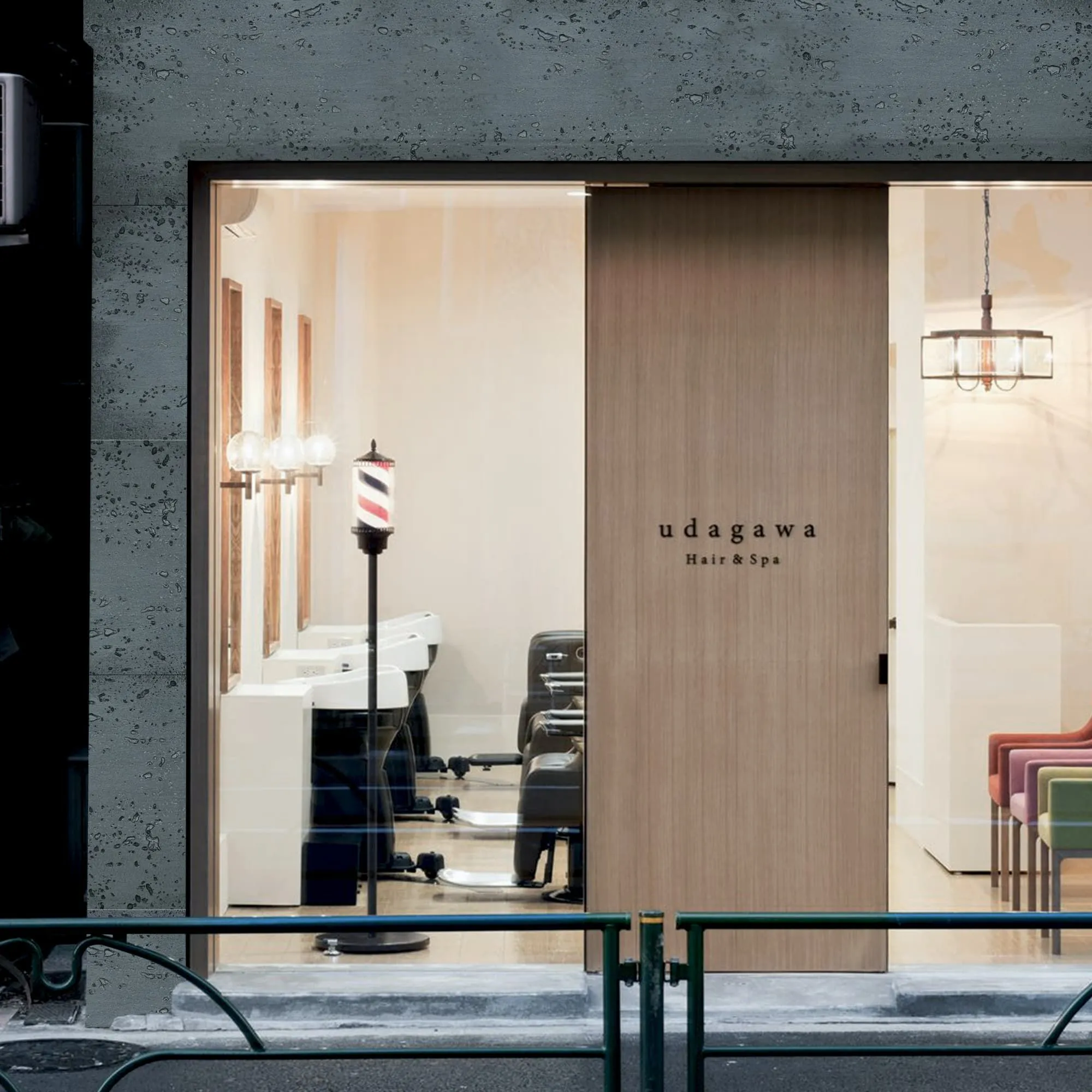
Before delving into case studies, it's worth understanding why Travertine (Vintage Silver) has captured the industry's attention. Traditional travertine is beloved for its natural pores, earthy tones, and timeless appeal, but the "Vintage Silver" variant adds a contemporary twist: a subtle, weathered metallic sheen that evokes both the patina of aged metal and the soft glow of desert moonlight. It's not flashy—instead, it's understated, with a depth that shifts with light. In a region where harsh sunlight and shifting sandscapes define the visual palette, this adaptability is key.
Equally important is its practicality. As part of the broader MCM (Modified Composite Material) family, Travertine (Vintage Silver) inherits the best traits of MCM flexible stone and MCM big slab board series: it's lightweight, resistant to cracking, and easy to install. Unlike natural stone slabs, which can be heavy and brittle, MCM-based travertine panels are thin (often 4-6mm) yet strong, making them ideal for both facades and interior applications. For Saudi projects, where construction timelines are tight and durability non-negotiable, this combination of beauty and brawn is a game-changer.
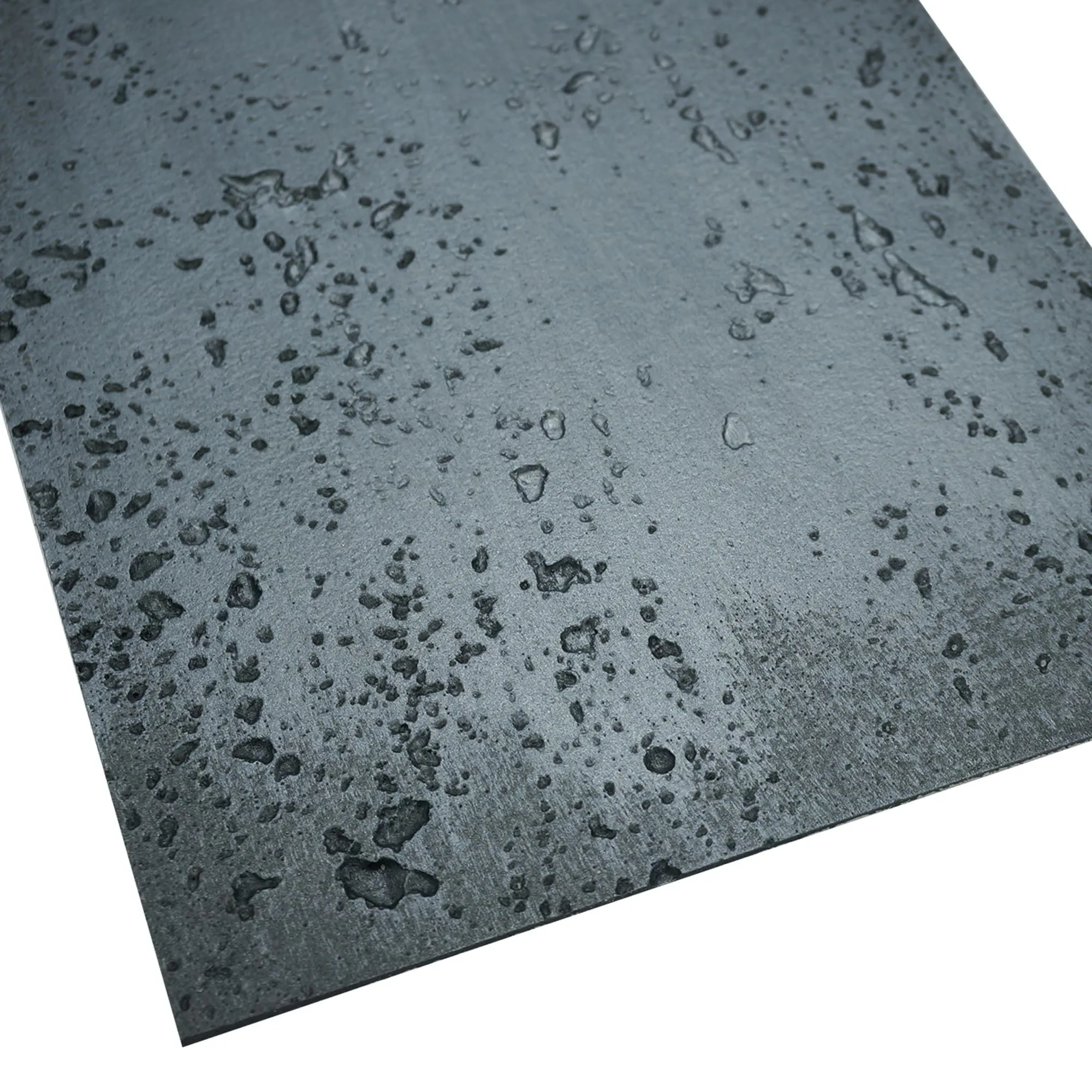
The Riyadh Metro Station Retail Plaza, unveiled in early 2025, is a bustling transit-oriented development (TOD) connecting three metro lines in northern Riyadh. Designed by Dubai-based firm ArcVision, the plaza spans 120,000 sq.m and includes 80+ retail outlets, a food court, and public gathering spaces. Its design brief? To create a "gateway to the city" that feels both modern and rooted in Saudi culture—all while withstanding Riyadh's scorching summers (temperatures often exceeding 45°C) and sand-laden winds.
ArcVision turned to Travertine (Vintage Silver) for two critical areas: the exterior facade and the central atrium's interior walls. "We wanted a material that would reflect the desert's luminosity without feeling cold," explains lead architect Lina Hassan. "Travertine (Vintage Silver) does exactly that. Its silvered finish catches the morning and evening light, mimicking the way sand shimmers at dawn, but its natural travertine base keeps it grounded."
The facade uses large-format MCM big slab board series panels (1200x2400mm) of Travertine (Vintage Silver), installed horizontally to create a flowing, wave-like pattern. The panels' lightweight nature reduced structural load, allowing for a more open, glass-heavy design—critical for maximizing natural light in the atrium. Inside, the material transitions to MCM flexible stone cut into smaller, 600x600mm tiles for the atrium walls, paired with warm wood accents and brass fixtures. "The contrast between the cool silver travertine and the rich wood creates a space that feels both spacious and intimate," Hassan notes.
Six months post-opening, the plaza's maintenance team reports minimal wear. "We were worried about sand abrasion on the facade, but the MCM coating has held up beautifully," says facilities manager Omar Al-Mansoori. "Even with daily exposure to dust and UV rays, the silver finish hasn't faded. And cleaning is a breeze—just a quick rinse with water, no harsh chemicals needed." Shoppers, too, have embraced the design: social media polls show the atrium's travertine walls are among the most Instagrammed spots in the plaza.
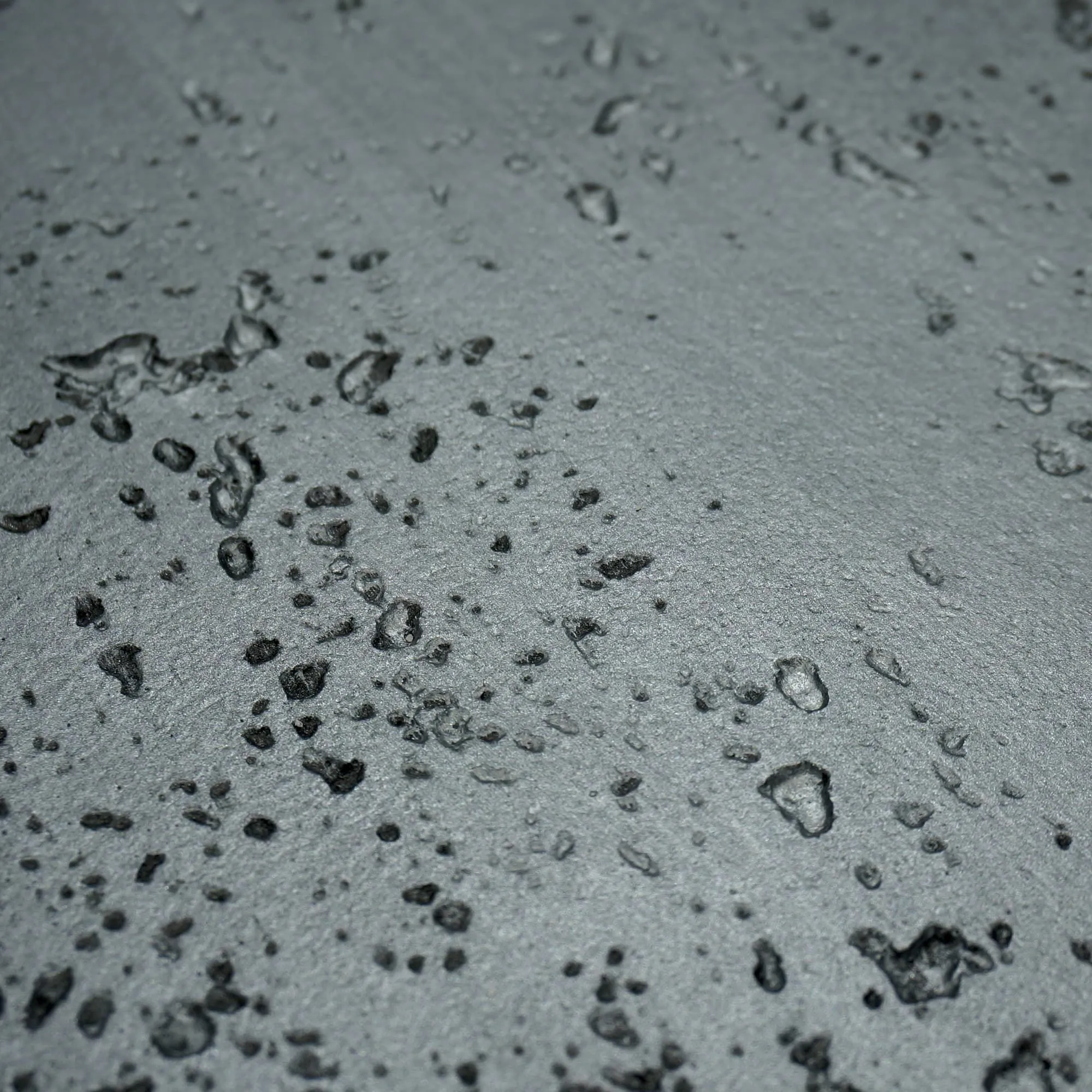
Jeddah's Tech Hub Tower, a 35-story landmark in the city's North Corniche district, is home to startups, multinational tech firms, and co-working spaces. Designed by Riyadh-based studio BuildTec, its aesthetic leans into "industrial minimalism"—think exposed concrete, metal accents, and clean lines. The goal? To create a workspace that feels innovative yet calming, where employees want to collaborate and create.
Travertine (Vintage Silver) takes center stage in the tower's 10-story lobby and reception areas. Here, it's paired with fair-faced concrete columns and black steel railings, creating a palette that's both monochromatic and dynamic. "We needed a material that could soften the harshness of concrete without sacrificing the industrial vibe," says BuildTec's design director, Kareem Al-Zahrani. "Travertine (Vintage Silver) was perfect. Its subtle texture and silver undertones complement the concrete's grayness, adding warmth without clutter."
The lobby features a 20-meter-long feature wall clad in Travertine (Vintage Silver) MCM flexible stone, arranged in a herringbone pattern. "The flexibility of MCM allowed us to curve the wall slightly, creating movement as you enter the space," Al-Zahrani adds. "Traditional stone would have made that impossible due to weight and brittleness." Upstairs, elevator lobbies use smaller, polished Travertine (Vintage Silver) tiles, their smooth finish contrasting with the rough-hewn concrete of the corridors.
For a high-traffic corporate space, durability is key—and Travertine (Vintage Silver) delivers. "We've had thousands of people passing through daily, and the walls still look brand-new," says tower manager Layla Ahmed. "No chips, no stains, even with coffee spills and scuffs from rolling luggage. It's low-maintenance, which is a huge plus for busy facilities teams." Employees, too, praise the material: "The lobby feels calm, not sterile," says software engineer Ayman Nasser. "That silver travertine wall? It's like a quiet reminder that work can be beautiful."
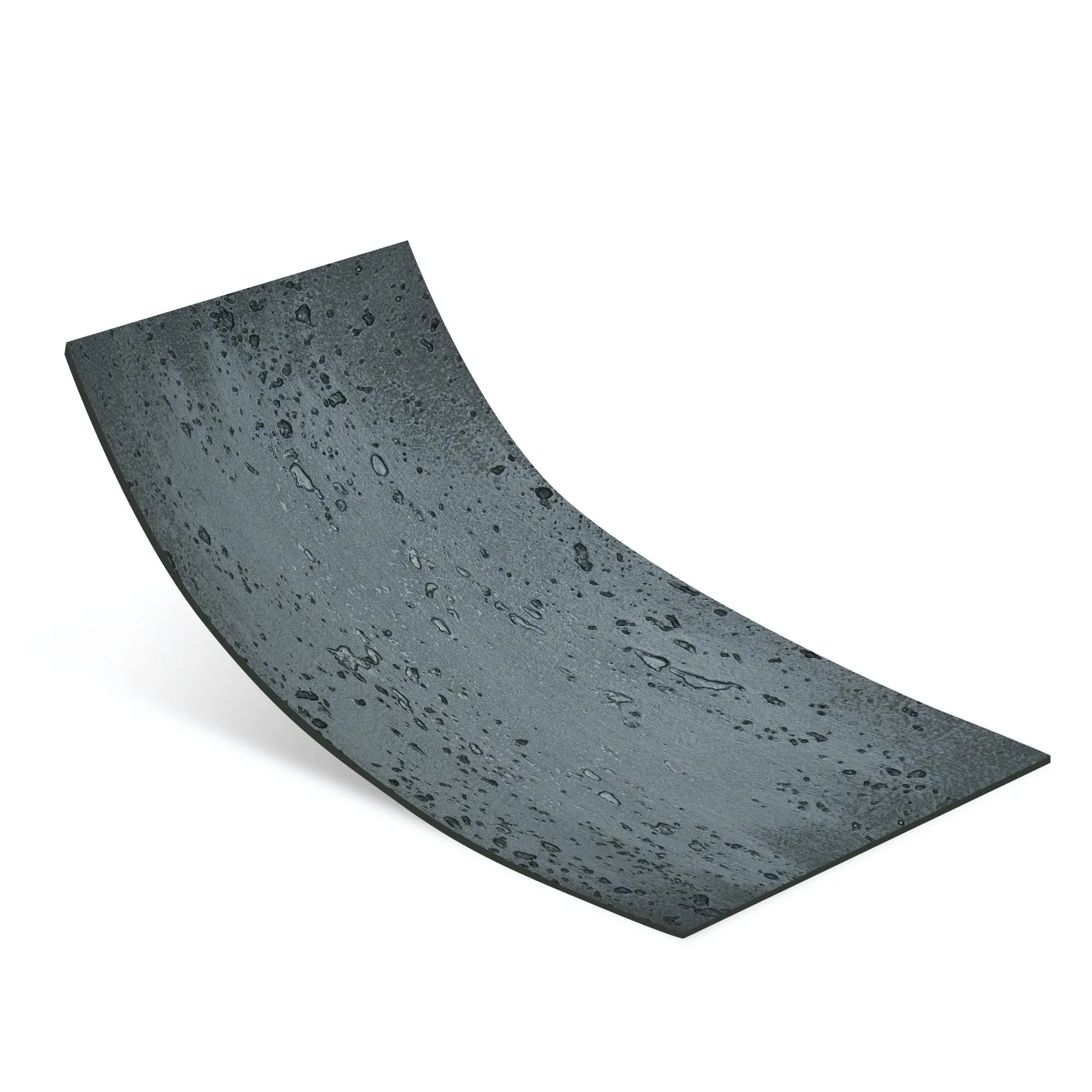
Diriyah, a UNESCO World Heritage Site and the birthplace of the Saudi state, is undergoing a massive revitalization as part of Vision 2030. The Diriyah Cultural Center, opened in March 2025, is a centerpiece of this effort: a 45,000 sq.m complex housing museums, art galleries, and outdoor performance spaces. Designed by French architect Jean Nouvel, its mission is to "celebrate Saudi history while embracing the future"—a balance that hinges on material choice.
For Nouvel, Travertine (Vintage Silver) was the obvious choice for the center's outdoor courtyard walls and pedestrian walkways. "Diriyah's historic mud-brick buildings have a warm, earthy texture," he explains. "We wanted a modern material that could honor that texture but feel contemporary. Travertine (Vintage Silver)'s weathered finish and natural pores echo the look of aged mud brick, while its silver tone adds a forward-looking twist."
The courtyard walls use Travertine (Vintage Silver) panels mixed with historical pathfinders stone—a rough-hewn, beige limestone native to the region—to create a visual dialogue between past and present. "The contrast is striking," Nouvel notes. "The silver travertine feels like a modern interpretation of the heritage stone, tying the old and new together." The walkways, meanwhile, feature irregularly shaped Travertine (Vintage Silver) pavers, their uneven edges mimicking the organic layout of Diriyah's ancient streets.
In a heritage site, material longevity is critical—and Travertine (Vintage Silver) is built to last. "We expect these walls to still look great in 50 years," says project conservator Dr. Amal Al-Saleh. "The MCM coating protects the travertine from moisture and salt, which are big risks in Diriyah's climate. And unlike natural stone, it won't erode or discolor over time." For visitors, the material evokes a sense of timelessness: "Walking through the courtyard, you feel connected to history, but not stuck in it," says tourist Fatima Al-Mansoori. "That silver stone? It's like a bridge between then and now."
| Project Name | Location | Application of Travertine (Vintage Silver) | Complementary Materials | Key Benefits |
|---|---|---|---|---|
| Riyadh Metro Station Retail Plaza | Riyadh | Exterior facade (MCM big slab boards), interior atrium walls (MCM flexible stone) | Glass, warm wood, brass fixtures | Heat/sand resistance, lightweight, light-reflective finish |
| Jeddah Tech Hub Tower | Jeddah | Lobby feature wall (MCM flexible stone), elevator lobbies (polished tiles) | Fair-faced concrete, black steel | Low maintenance, durability in high-traffic areas, design flexibility |
| Diriyah Cultural Center | Diriyah | Courtyard walls, pedestrian walkways (irregular pavers) | Historical pathfinders stone, mud brick accents | Weather resistance, heritage-inspired texture, long-term longevity |
What makes Travertine (Vintage Silver) so versatile across these projects? Let's break down its key attributes:
As 2025 unfolds, Travertine (Vintage Silver) shows no signs of slowing down. Developers are already eyeing it for upcoming projects, from luxury resorts on the Red Sea coast to airport terminals in NEOM. "We're seeing demand for larger slabs—up to 1500x3000mm—for statement facades," says supplier Mohammed Al-Tamimi of Saudi StoneWorks. "Architects want to minimize seams and create a more seamless look, and the MCM big slab board series delivers that."
Another trend? Mixing finishes. "Clients are pairing Vintage Silver with other travertine variants—like Travertine (Starry Blue) or Travertine (Vintage Gold)—for accent walls or feature elements," Al-Tamimi adds. "It adds depth without overwhelming the space." For hospitality projects, designers are experimenting with Travertine (Vintage Silver) in pool surrounds and outdoor terraces, drawn to its slip-resistant texture and ability to stay cool underfoot in the sun.
Perhaps most exciting is its potential in sustainable design. As Saudi pushes for net-zero buildings under Vision 2030, Travertine (Vintage Silver)'s energy efficiency is a boon. "Its reflective finish reduces heat absorption, lowering cooling costs for buildings," explains sustainability consultant Dr. Khalid Al-Jaber. "Pair that with its low-maintenance needs (no harsh cleaning chemicals) and you've got a material that checks all the green boxes."
In the fast-evolving world of Saudi commercial architecture, materials aren't just about function—they're about storytelling. Travertine (Vintage Silver) has emerged as a master storyteller: it speaks to the past with its earthy texture, to the present with its sleek finish, and to the future with its durability and sustainability. From bustling transit plazas to serene cultural centers, it's proving that great design doesn't have to choose between beauty and practicality.
As Saudi Arabia continues to build toward Vision 2030, materials like Travertine (Vintage Silver) will play a starring role in shaping the nation's architectural identity—one that's rooted in heritage, unafraid of innovation, and built to last. For architects, developers, and visitors alike, that's a future worth getting excited about.
Recommend Products












