
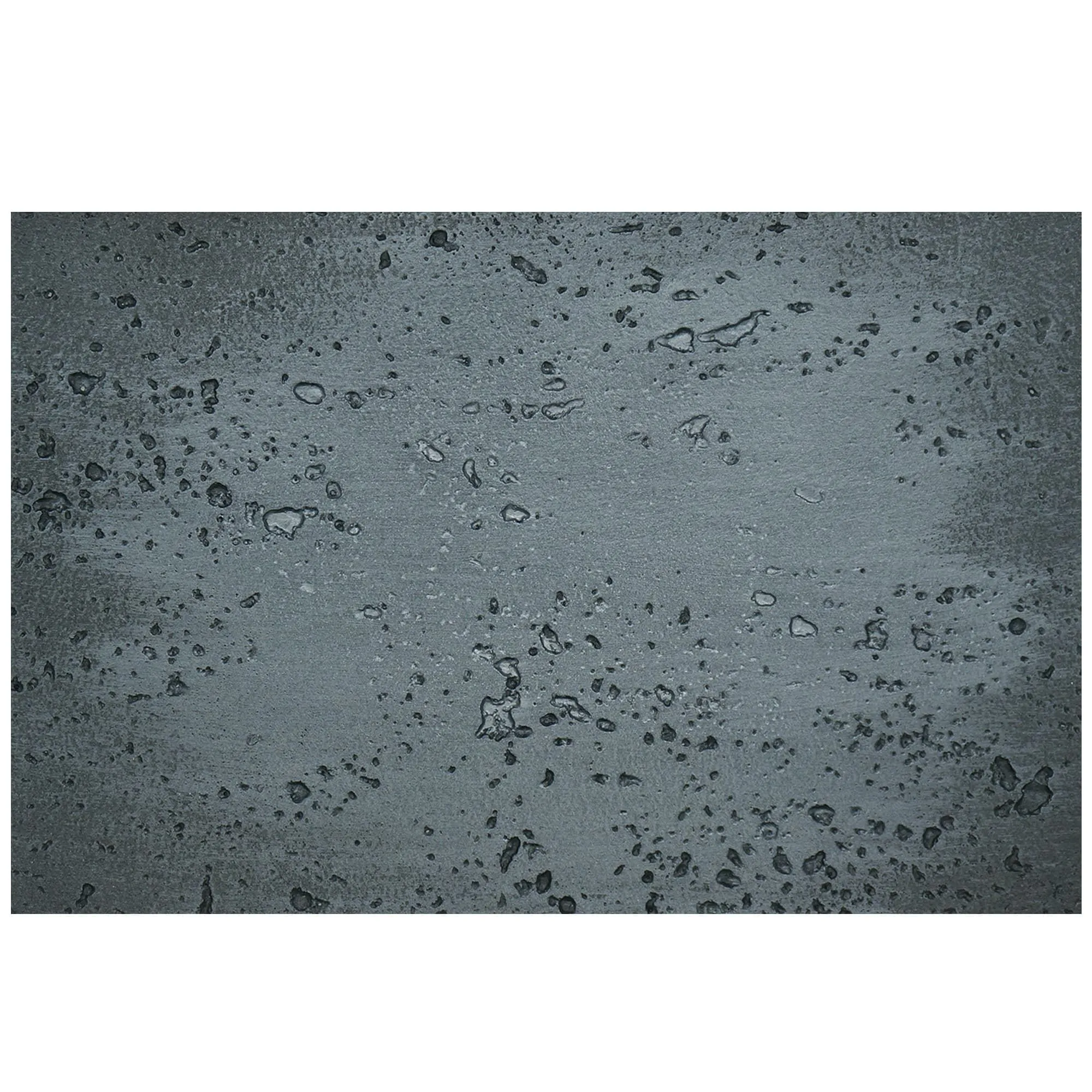
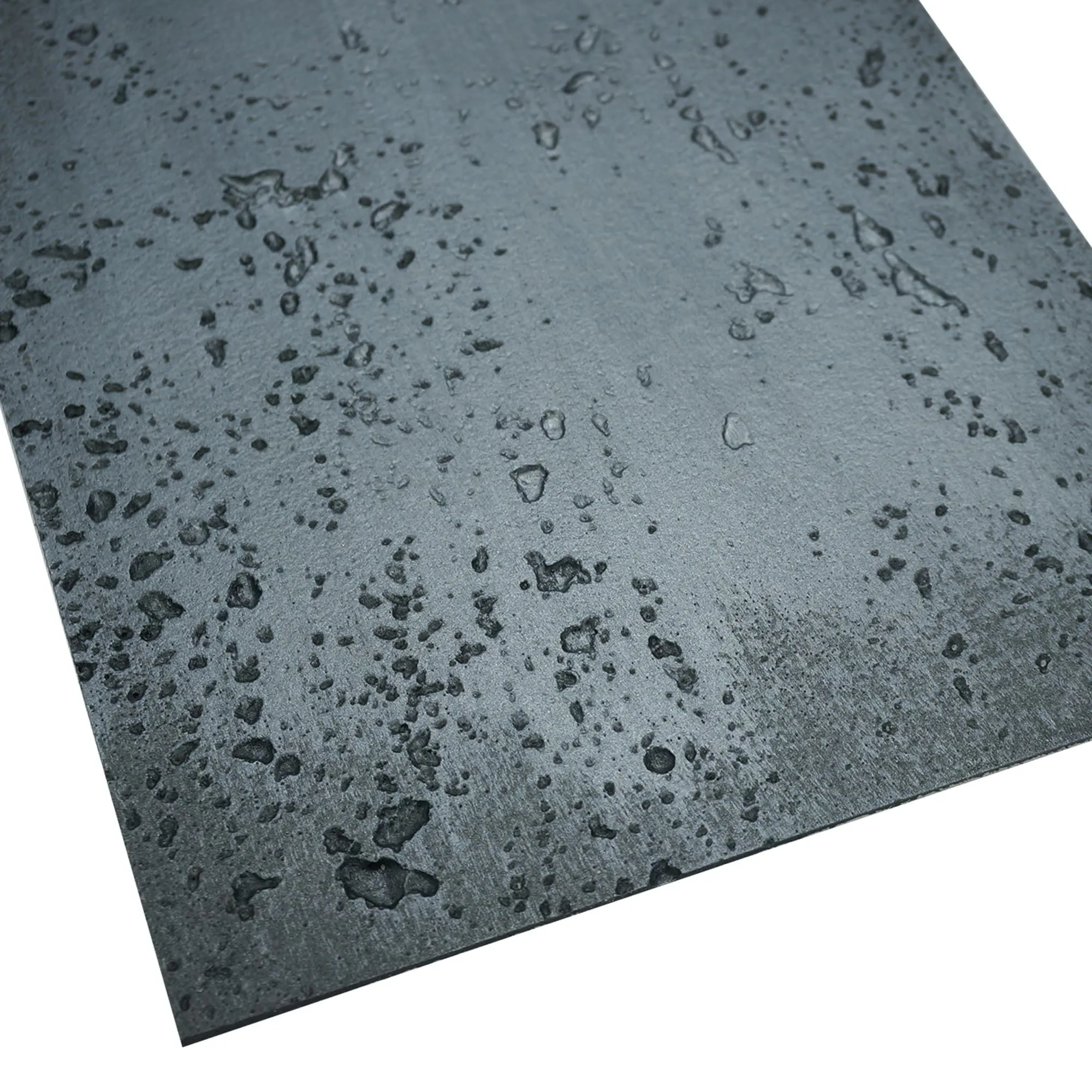
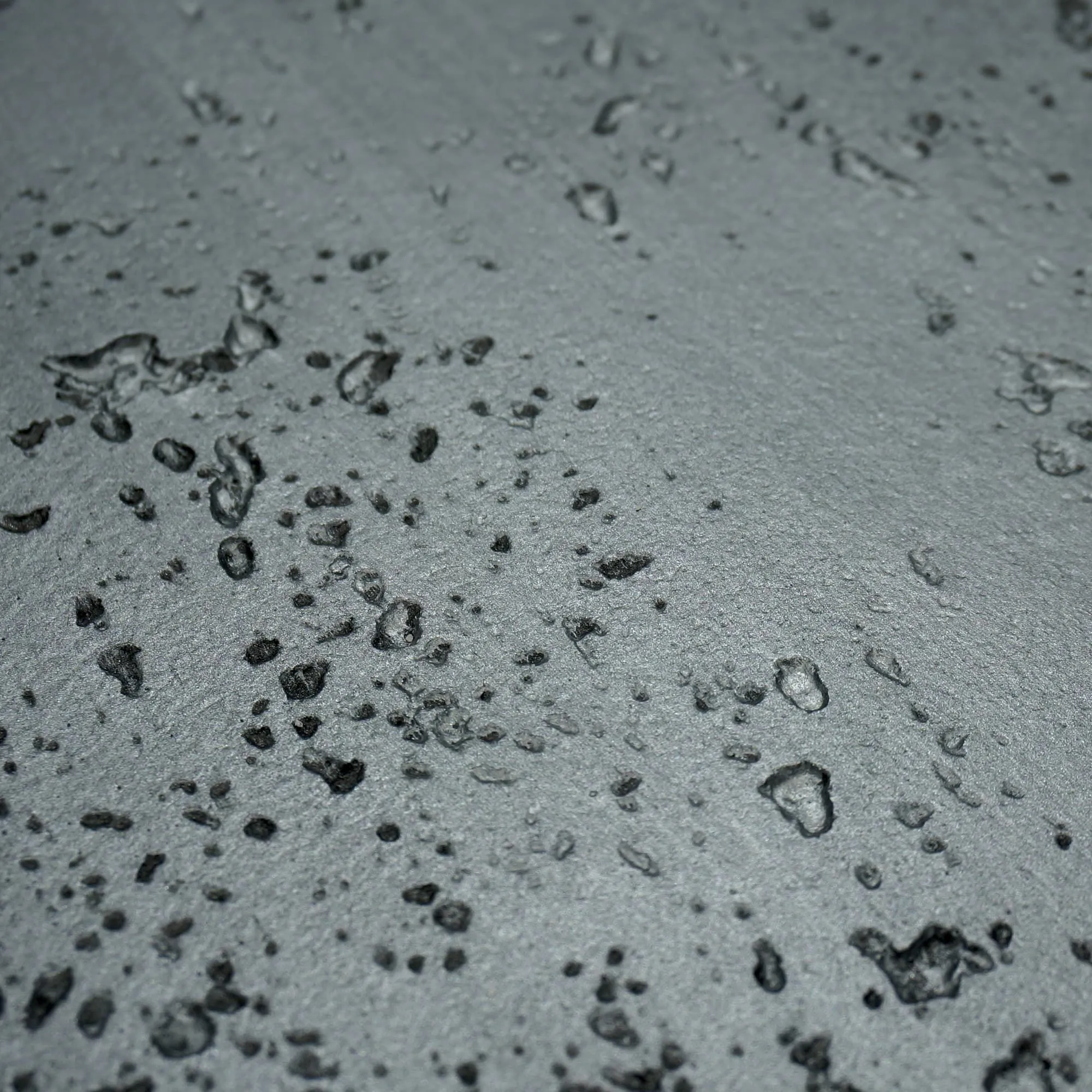
Before we dive into costs, let's talk about why Travertine (Vintage Silver) has become a go-to for designers and homeowners alike. Unlike its bolder counterparts—think Travertine (Starry Blue) with its vibrant celestial flecks or Lunar Peak Black's dramatic depth—Vintage Silver leans into understatement. Its muted silver-gray base is swirled with soft beige and cream hues, giving it a timeless, almost antique charm that fits both modern minimalism and classic interiors. What truly sets it apart, though, is its texture: travertine is a porous stone, formed by mineral-rich hot springs, which means it has tiny holes (called "vugs") that add character but also require extra attention. That porosity is part of its beauty, but it's also where the maintenance story begins.
Another reason for its popularity? Versatility. Travertine (Vintage Silver) works indoors and out—think kitchen countertops, bathroom walls, or even outdoor patios. It pairs beautifully with materials like wood grain board for a warm, organic feel or foamed aluminium alloy board (vintage gold) for a touch of modern luxury. But as with any natural stone, its durability depends on how well you care for it. And care, of course, comes with costs.
Maintenance costs for Travertine (Vintage Silver) aren't a one-size-fits-all number. They depend on factors like where it's installed (a high-traffic hallway vs. a rarely used powder room), climate (humid vs. dry), and how proactive you are about upkeep. Let's break it down into the key categories you'll need to budget for over time.
Travertine's porosity means it's like a sponge for liquids—coffee spills, oil splatters, even rainwater if it's outdoors. Sealing creates a barrier that repels these invaders, keeping stains from setting in and extending the stone's life. For Travertine (Vintage Silver), you'll need two types of sealing: initial sealing (right after installation) and periodic resealing (to refresh that barrier over time).
Initial Sealing: This is non-negotiable. Skipping it is like buying a nice jacket and never waterproofing it—you're just asking for trouble. Professional installers typically include initial sealing in their quotes, but if you're DIY-ing, expect to pay $0.50 to $1.50 per square foot for high-quality penetrating sealer (the kind that soaks into the stone, not just sits on top). For a 100-square-foot backsplash, that's $50 to $150. Pro tip: Don't skimp on the sealer quality here. A cheaper product might save you $20 now but could mean stains that cost $200 to remove later.
Periodic Resealing: How often? Indoors, you'll need to reseal every 2–3 years; outdoors, where sun, rain, and foot traffic are harsher, plan for every 1–2 years. The cost? Similar to initial sealing: $0.50 to $1.50 per square foot. For a 500-square-foot patio, that's $250 to $750 every 2 years. Over a decade, that adds up to $1,250 to $3,750—nothing to ignore, but manageable with a little planning.
Travertine (Vintage Silver) doesn't ask for daily pampering, but it does need gentle care. Harsh cleaners (think bleach, vinegar, or abrasive scrubs) can etch the stone or strip the sealer, turning that soft sheen dull. Instead, you'll need pH-neutral stone cleaners, which cost $8 to $15 per bottle (good for 2–3 months of regular use). For most households, that's $32 to $60 per year—hardly a budget-buster.
But what about the inevitable spills? A red wine splash on the kitchen counter or mud tracked onto a foyer floor? For minor stains, a paste of baking soda and water might do the trick (free, if you already have baking soda). For tougher ones—like oil or ink—you'll need a specialized stone stain remover, around $12 to $20 per bottle. If the stain has already seeped into the pores (because you missed a resealing), you might need to call a professional. Professional stain removal costs $100 to $300 per area, depending on the size and severity. That's a rare expense, but it's smart to set aside $200–$500 annually for "just in case" scenarios.
Even with the best care, natural stone can chip or crack—maybe a heavy pot slips on the counter, or a tree branch falls on an outdoor patio. For small chips (less than ½ inch), you can fix them yourself with a stone repair kit, which includes epoxy and color-matching pigments. These kits cost $20 to $40 and take about an hour to apply. Larger cracks or broken tiles? You'll need to replace the damaged piece. Travertine (Vintage Silver) tiles cost $8 to $15 per square foot (plus labor, around $30 to $50 per hour for a pro). For a 2-square-foot repair, that's $16–$30 for the tile plus $60–$100 for labor, totaling $76–$130. Over 10 years, assuming 2–3 minor repairs and 1 major replacement, you're looking at $200–$500 total.
Where you live and how you use your Travertine (Vintage Silver) can send costs up or down. If you're in a humid area, mold and mildew might grow in those porous vugs, requiring more frequent cleaning (add $50–$100 per year for mildew remover). In a dry, sunny climate, UV rays can fade the color over time—investing in a UV-protective sealer (slightly pricier at $1.50–$2.00 per square foot) can help, adding $100–$200 to your resealing costs every 2 years. High-traffic areas, like a commercial lobby, will need resealing every 1–1.5 years instead of 2–3, bumping up that annual budget by $100–$300.
To really understand if Travertine (Vintage Silver) is worth the maintenance, let's compare it to two popular alternatives: mcm flexible stone (a lightweight, versatile option) and fair-faced concrete (known for its industrial-chic look).
| Material | Initial Sealing Cost (per sq ft) | Annual Cleaning Cost | 10-Year Resealing Cost* | 10-Year Repair Estimate | 10-Year Total Maintenance |
|---|---|---|---|---|---|
| Travertine (Vintage Silver) | $0.50–$1.50 | $50–$150 | $250–$750 | $200–$500 | $1,000–$2,850 |
| mcm flexible stone | $0.30–$0.80 | $30–$80 | $150–$400 | $100–$300 | $600–$1,580 |
| Fair-faced concrete | $0.40–$1.00 | $40–$100 | $200–$500 | $300–$800 | $900–$2,400 |
*Estimate based on resealing every 2–3 years for travertine, 3–4 years for mcm flexible stone, and 2–3 years for fair-faced concrete.
At first glance, mcm flexible stone looks cheaper—but remember, it lacks the natural depth and uniqueness of travertine. Fair-faced concrete is sturdier but can crack more easily in freeze-thaw climates, driving up repair costs. Travertine (Vintage Silver) sits in the middle, offering that unbeatable natural beauty without breaking the bank on maintenance. It's an investment in aesthetics that pays off in spaces where "character" isn't just a buzzword.
Pro Tip: The best way to save on maintenance? Start with quality installation. A skilled installer will fill travertine's vugs properly, seal edges thoroughly, and ensure proper drainage (critical for outdoor use). Cutting corners here can lead to water damage, uneven wear, and costly fixes later. Expect to pay $15–$25 per square foot for professional installation—worth every penny to avoid $500+ repair bills down the line.
Other ways to keep costs low:
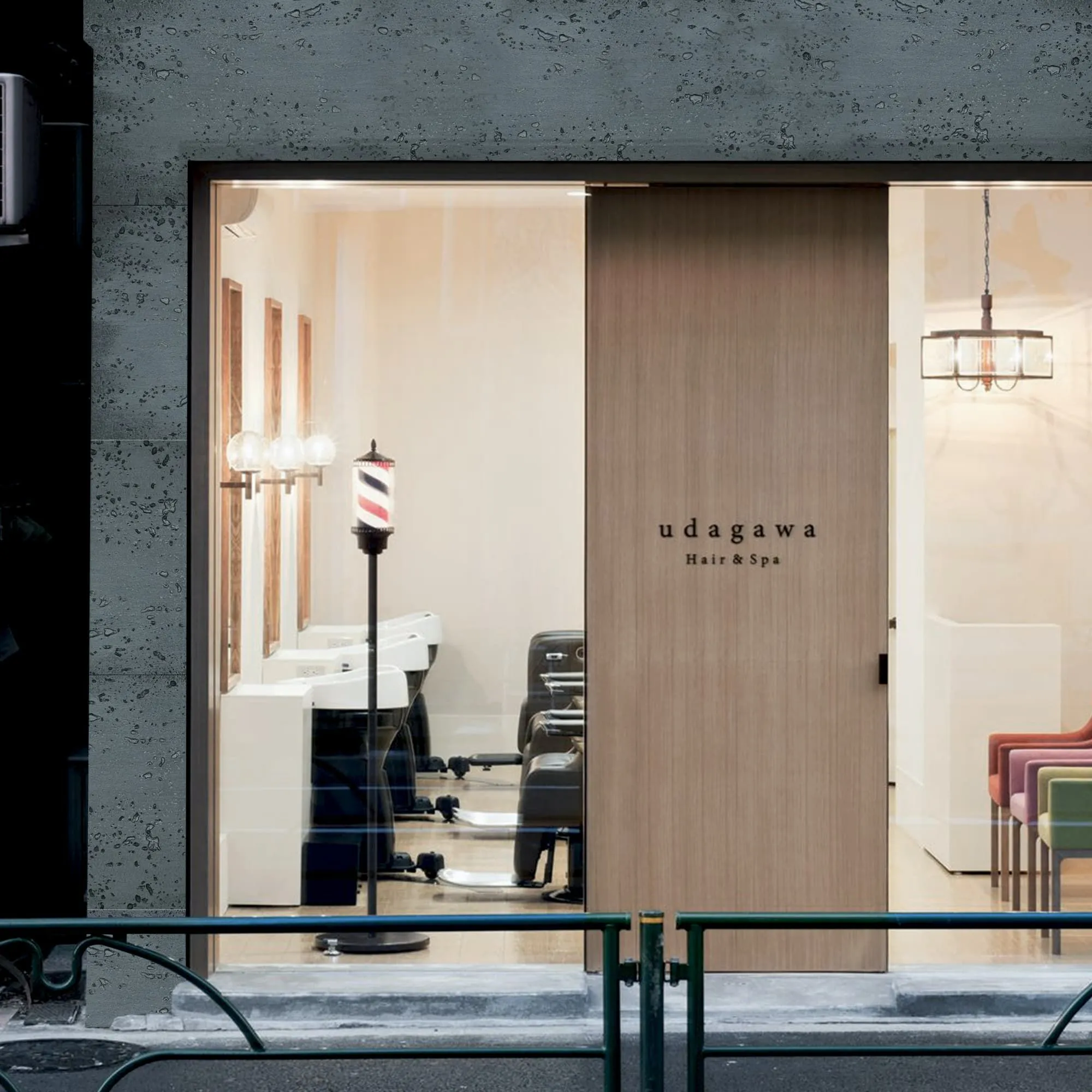
At the end of the day, maintenance costs are just one piece of the puzzle. Travertine (Vintage Silver) isn't for everyone—if you want a "set it and forget it" material, mcm flexible stone or even vinyl might be better. But if you crave the warmth of natural stone, the way it ages gracefully, and the stories it tells as it develops a patina over time, then yes—those maintenance dollars are well spent. Think of it like owning a vintage car: you don't mind the occasional tune-up because every time you look at it, you smile. Travertine (Vintage Silver) does that for spaces. It turns a house into a home, a store into a destination, and a project into something that feels personal.
So, as you plan your next project, factor in those sealing costs, set aside a little for repairs, and remember: beauty that lasts isn't free, but it's always worth it. Travertine (Vintage Silver) isn't just a stone—it's a legacy. And legacies, when cared for, only get more valuable with time.
Recommend Products












