
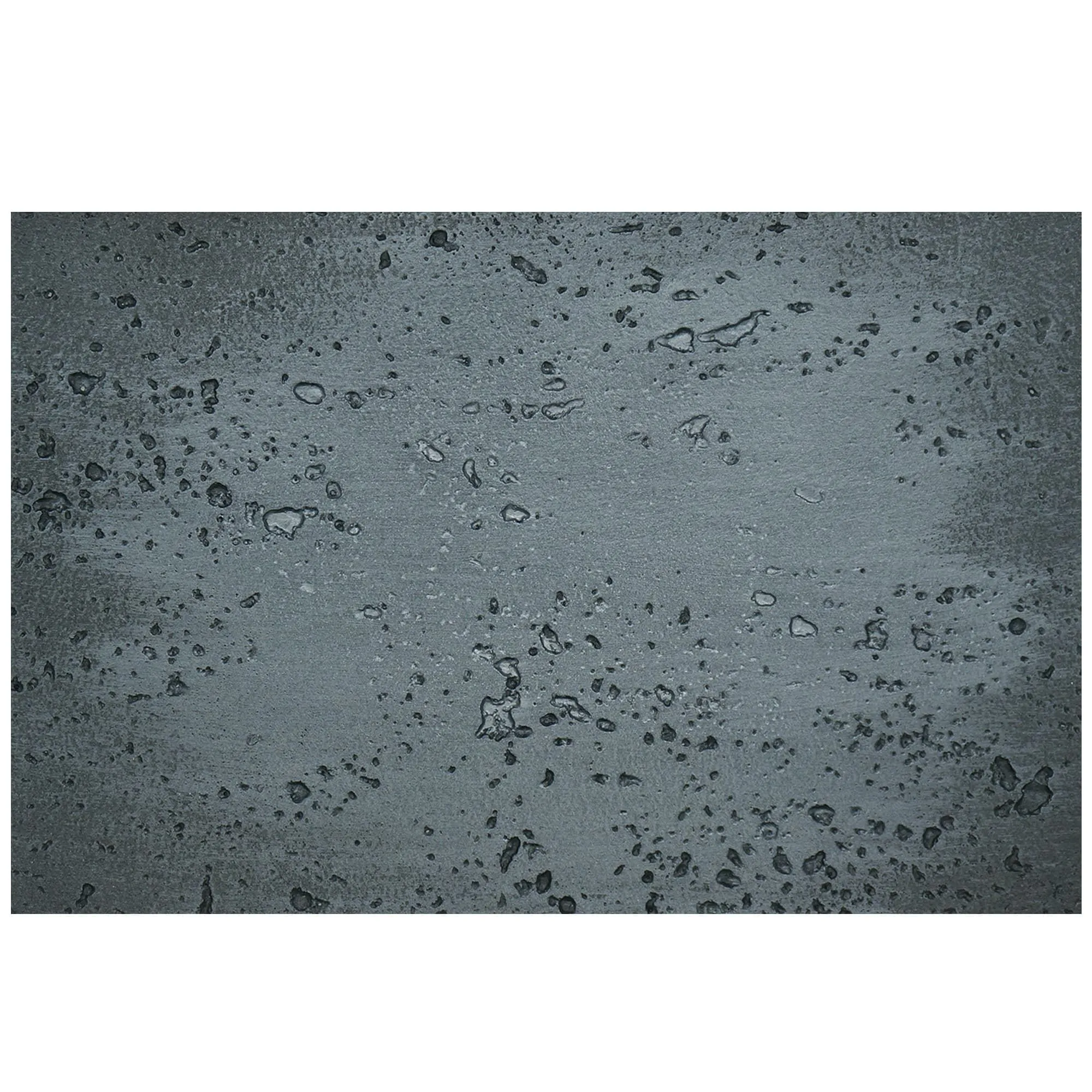
There's something almost poetic about the way a well-chosen stone finish can transform a room. It's not just about color or pattern—though those matter—but the texture, the way light dances across the surface, the feel of it under your fingertips. If you've ever stood in a space with travertine floors or walls, you know exactly what I mean. And when it comes to travertine, few variants feel as timeless yet modern as the vintage silver hue. But here's the question that often stumps homeowners and designers alike: matte or honed? Let's pull back the curtain on these two finishes, exploring how they shape the character of travertine (vintage silver) and which one might just be the perfect fit for your next project.
Before we dive into finishes, let's get to know the star of the show: travertine (vintage silver). Travertine itself is a form of limestone, born from mineral-rich hot springs that deposit layers of calcium carbonate over centuries. What makes it unique is its porous, honeycombed structure—those tiny pits and grooves that give it so much personality. Vintage silver travertine takes this natural beauty and dials up the sophistication: think a soft, muted silver-gray base with warm undertones that shift from cool steel to gentle taupe depending on the light. It's not flashy; it's understated, like a well-tailored suit or a classic leather bag that only gets better with age.
Unlike its bolder cousins—travertine (vintage gold) with its sunlit warmth or travertine (vintage black) with its dramatic depth—vintage silver has a chameleon-like quality. It plays well with almost any color palette, from crisp whites to deep navies, and it bridges the gap between traditional and contemporary styles. But here's the thing: that versatility hinges largely on the finish. A matte vintage silver travertine will feel cozy and organic, while a honed one might lean into sleekness. So, let's break down what each finish actually entails.
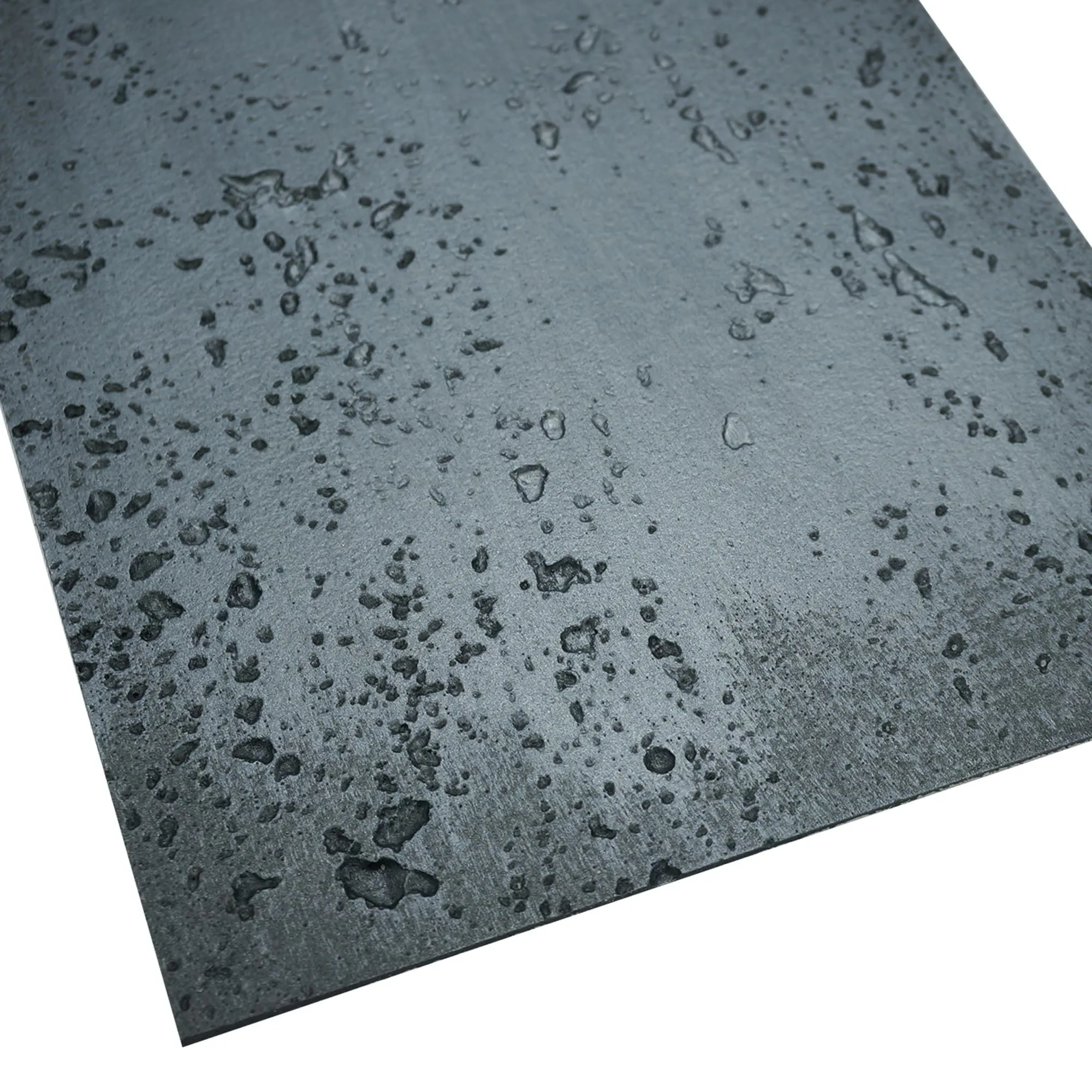
Matte finish is the "no-makeup" look of the stone world—it's natural, unassuming, and lets the travertine's raw texture take center stage. When a stone is finished to matte, it undergoes minimal polishing: just enough to smooth the surface but not enough to create any shine. The result? A flat, low-luster surface that absorbs light rather than reflecting it. Run your hand over matte travertine (vintage silver), and you'll feel a slight grit, like fine sandpaper but softer—those natural pores and ridges are left largely intact, giving it a tactile, earthy quality.
The process starts with cutting the travertine slab to size, then grinding it with diamond pads of varying grits. For matte finishes, the (polishing) stops early, usually around 100-200 grit. This means the surface is smoothed to remove sharp edges but retains most of its natural texture. Some manufacturers might fill the larger pores to prevent staining, but many leave them open to preserve that "au naturel" vibe. The key here is restraint—matte is about enhancing the stone's inherent character, not masking it.
Let's start with the obvious: matte finish is forgiving . If you have kids, pets, or just a busy household, those inevitable scratches, water spots, and fingerprints? They're far less noticeable on a matte surface. The lack of shine means light doesn't bounce off imperfections, so your floors or countertops stay looking fresh even with daily wear and tear. That makes it a top pick for high-traffic areas like entryways, kitchens, or family rooms.
Matte finish also leans into coziness. There's something inherently warm about a surface that doesn't feel "perfect." In a living room with matte vintage silver travertine floors, paired with wood grain board accents and soft lighting, the space feels inviting—like a cabin in the woods, but with a modern twist. It's also a great choice if you want to highlight other design elements, like bold artwork or vibrant furniture; the matte background won't compete, it'll complement.
That porosity we love? It can be a double-edged sword with matte finishes. Since the pores are often left open (or only partially filled), matte travertine is more absorbent than its honed or polished counterparts. That means spills—especially acidic ones like wine, lemon juice, or coffee—need to be wiped up quickly to avoid staining. You'll also need to seal it regularly (every 1-2 years, depending on use) to keep it protected. And while it hides scratches well, deep gouges might still stand out more than they would on a honed finish.
Another thing to note: matte surfaces can feel a bit "dull" in low-light rooms. If your space doesn't get much natural light, a matte vintage silver might read as flat rather than warm. In those cases, you might need to compensate with strategic lighting—think floor lamps or under-cabinet LEDs—to bring out its subtle depth.
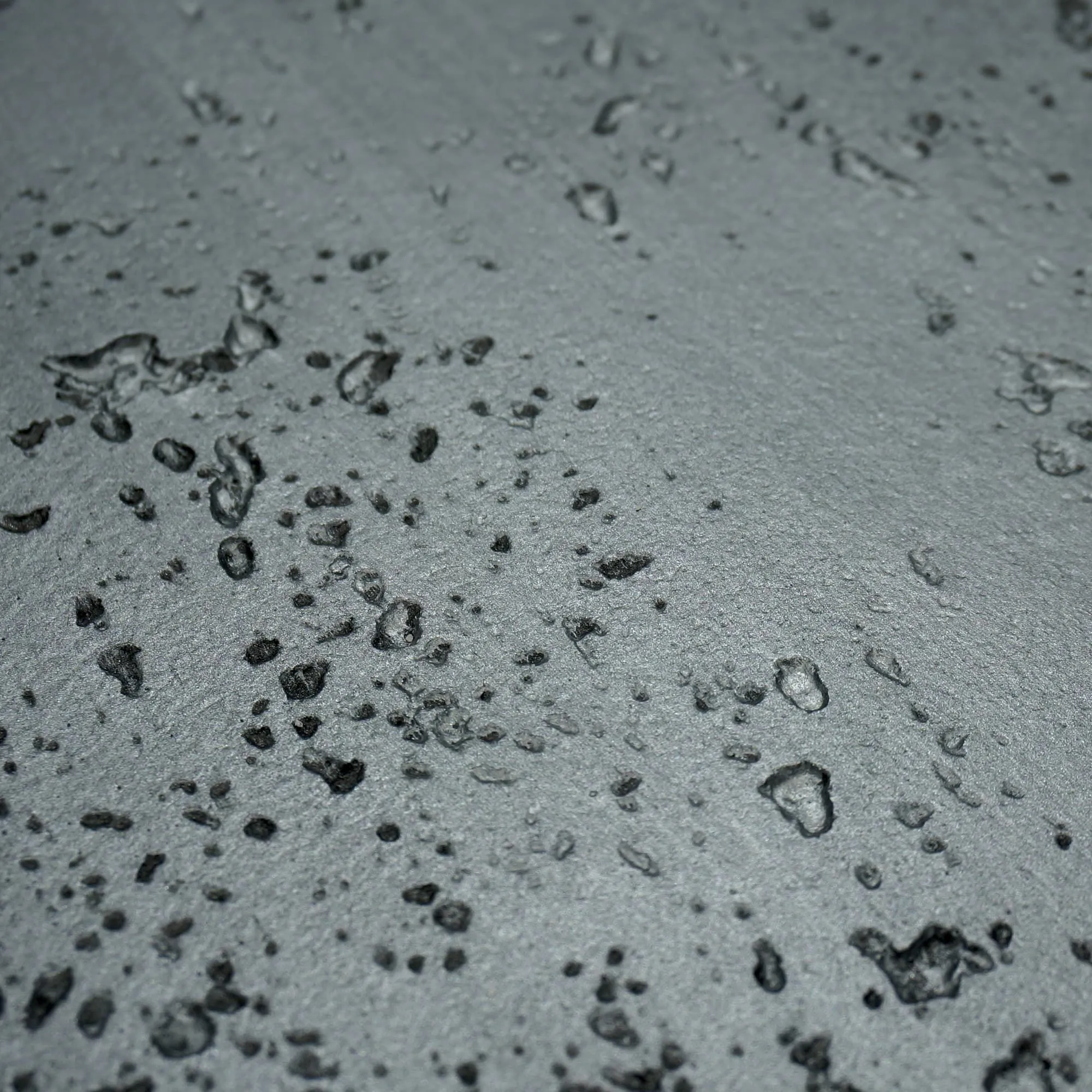
Honed finish is like matte's slightly dressier sibling. It's still not glossy (that's polished, which we're not covering here), but it has a subtle, satiny sheen—a "just enough" glow that catches the light without being flashy. If matte is "natural," honed is "refined natural." The surface is smoother than matte, with the pores partially filled and the texture toned down, but it still retains a soft, tactile quality. Run your hand over honed travertine (vintage silver), and it feels like silk compared to matte—smooth, but with a gentle grip that keeps it from feeling slippery.
Honing takes the polishing process a step further than matte. After the initial cutting and grinding, the slab is polished with higher-grit diamond pads, usually around 400-600 grit. This extra step smooths out more of the surface texture, closes some of the smaller pores, and creates that subtle sheen. Most honed travertine also undergoes pore filling—either with a resin or cement-based filler that matches the stone's color—to reduce absorbency. The result is a surface that's refined but not overly processed, balancing natural beauty with practicality.
Let's start with the aesthetics: honed finish brings out the best in vintage silver travertine's color. That subtle sheen makes the silver-gray tones pop, highlighting the stone's natural veining and creating depth. In a room with good natural light, honed vintage silver travertine can feel almost luminous—like moonlight on water. It's elegant without being fussy, making it a favorite for spaces where you want to elevate the vibe without going over-the-top, like dining rooms, master bathrooms, or home offices.
Practicality-wise, honed is a happy medium between matte and polished. The filled pores make it less absorbent than matte, so it's more resistant to staining (though you'll still need to seal it, just less frequently—every 2-3 years). It's also smoother underfoot, which some people prefer, especially in areas like bathrooms where slipping is a concern. And while it shows more light than matte, it's not as prone to fingerprints or water spots as a polished finish, so it stays looking clean with minimal effort.
Honed finish's biggest "con" might be that it's less forgiving than matte when it comes to scratches. Because the surface is smoother, any scuff or nick will catch the light, making it more noticeable. That doesn't mean it's fragile—travertine is a durable stone—but high-traffic areas with heavy furniture or lots of foot traffic might see more wear over time. It's also slightly more expensive than matte, thanks to the extra polishing and pore-filling steps. And if you're going for a rustic, "earthy" look, honed might feel a touch too polished; it's better suited for spaces that lean modern or transitional.
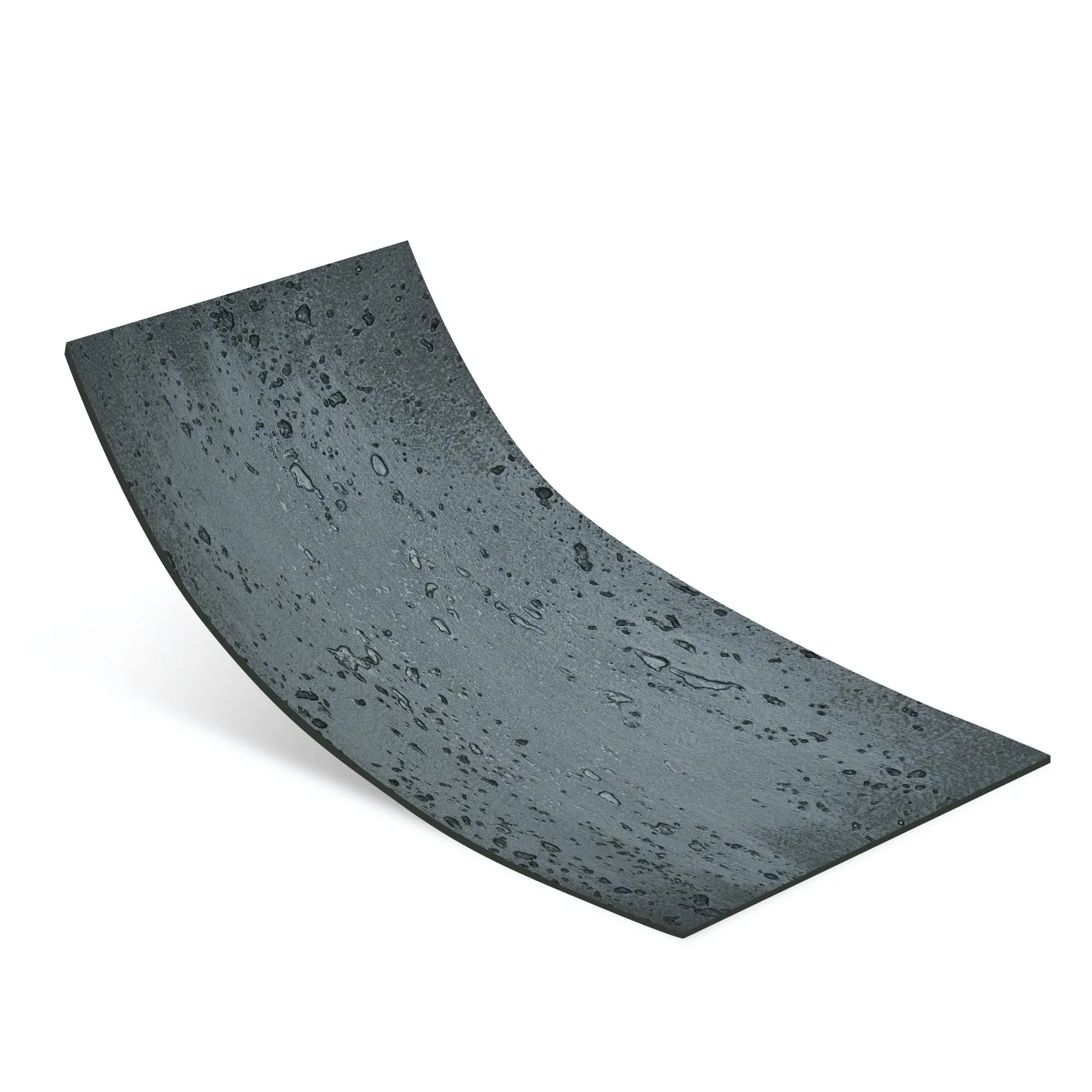
Still on the fence? Let's put these two finishes head-to-head with a quick comparison. Think of this as your cheat sheet for choosing between matte and honed travertine (vintage silver):
| Feature | Matte Finish | Honed Finish |
|---|---|---|
| Appearance | Flat, low-luster; shows natural pores and texture prominently | Subtle sheen (satin-like); pores partially filled, texture smoothed |
| Light Reflection | Absorbs light; creates a cozy, organic vibe | Softly reflects light; adds depth and luminosity |
| Durability (Scratches) | Hides scratches well due to texture | Scratches more visible due to smoother surface |
| Stain Resistance | Less resistant (more porous); needs frequent sealing (1-2 years) | More resistant (partially filled pores); longer sealing intervals (2-3 years) |
| Best For | High-traffic areas (entryways, kitchens), rustic or bohemian styles, spaces with warm lighting | Medium-traffic areas (dining rooms, bathrooms), modern or transitional styles, spaces with natural light |
| Maintenance | Wipe spills immediately; regular sealing; avoid harsh cleaners | Spills can sit briefly; less frequent sealing; gentle cleaners recommended |
| Cost | Generally more affordable (fewer processing steps) | Slightly pricier (extra polishing and pore filling) |
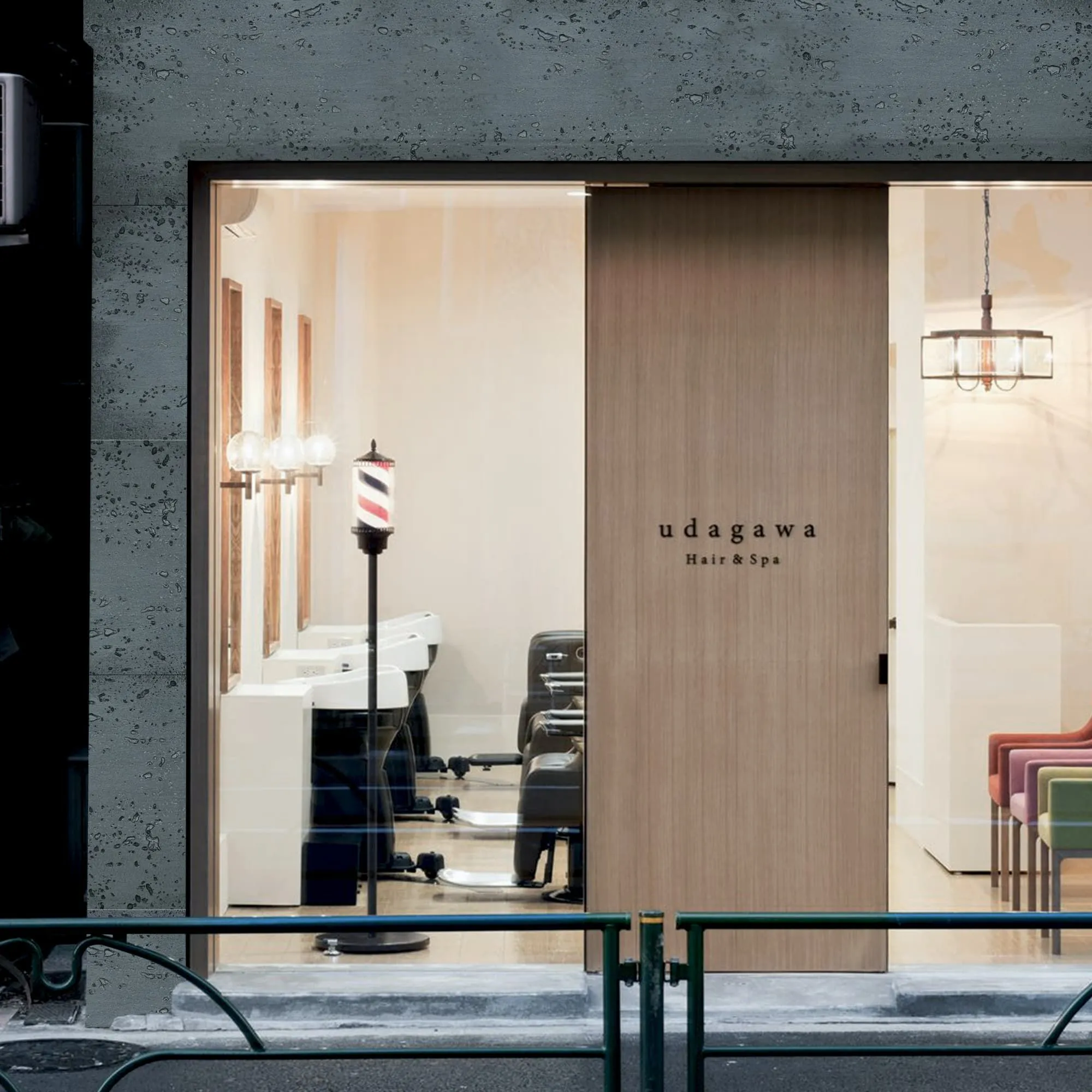
At the end of the day, there's no "better" finish—only the one that aligns with how you live and the mood you want to create. Let's walk through a few scenarios to help you visualize:
If you have a busy family with kids and pets: Matte is probably your best bet. Those inevitable spills and scuffs will blend into the texture, and you won't stress every time someone drags a chair across the floor. Pair it with warm wood grain board cabinetry in the kitchen for a cozy, lived-in feel.
If you're designing a master bathroom with a freestanding tub: Honed vintage silver travertine could be magical. The soft sheen will catch the light from your vanity mirror, making the space feel spa-like, and the smoother surface will feel luxurious underfoot when you step out of the bath. Just be sure to seal it well to protect against moisture.
If you're going for an industrial-chic vibe in a loft: Matte travertine (vintage silver) walls paired with fair-faced concrete floors? Chef's kiss. The matte texture will complement the concrete's raw look, creating a space that feels edgy yet grounded.
If you want a dining room that feels elegant but not stuffy: Honed travertine (vintage silver) floors with a statement chandelier. The sheen will reflect the light from the fixture, adding warmth to dinner parties, while the stone's neutral tone lets your table settings and artwork shine.
Whichever finish you choose, a little TLC goes a long way with travertine. Here are some pro tips to keep your vintage silver surfaces in top shape:
One of the best things about travertine (vintage silver) is how well it plays with others. Whether you choose matte or honed, it's a team player that can elevate other materials. Here are a few pairings to consider:
With fair-faced concrete: The raw, industrial vibe of fair-faced concrete balances the warmth of vintage silver travertine. Try matte travertine floors with concrete walls in a home office for a look that's modern yet inviting.
With wood grain board: Wood adds softness to travertine's texture. Honed travertine countertops with wood grain board cabinets in the kitchen? Timeless and warm, like a hug for your culinary space.
With travertine (starry green): For a bold accent, use starry green travertine as a backsplash or feature wall, with vintage silver travertine floors. The green's earthy tones complement the silver's coolness, creating a space that feels connected to nature.
With polished concrete: If you want to lean into sleekness, pair honed vintage silver travertine with polished concrete floors. The contrast between the travertine's subtle sheen and the concrete's high gloss adds visual interest without overwhelming.
At the end of the day, choosing between matte and honed travertine (vintage silver) isn't just about practicality—it's about how you want your space to feel . Do you crave the cozy, organic warmth of matte, where every step feels like a connection to the earth? Or the sophisticated subtlety of honed, where light and texture dance in harmony? Both finishes have their merits, and both will bring that timeless travertine charm to your home or project.
So, take a moment to imagine walking into your space. Is the light soft and diffused, making the matte travertine feel like a warm embrace? Or is it bright and airy, letting the honed finish glow like a quiet celebration? Trust that feeling—that's your answer. And whichever you choose, know this: travertine (vintage silver) in any finish is more than a material. It's a story—one that will unfold over years, gathering memories and character, just like the stone itself.
Recommend Products












