
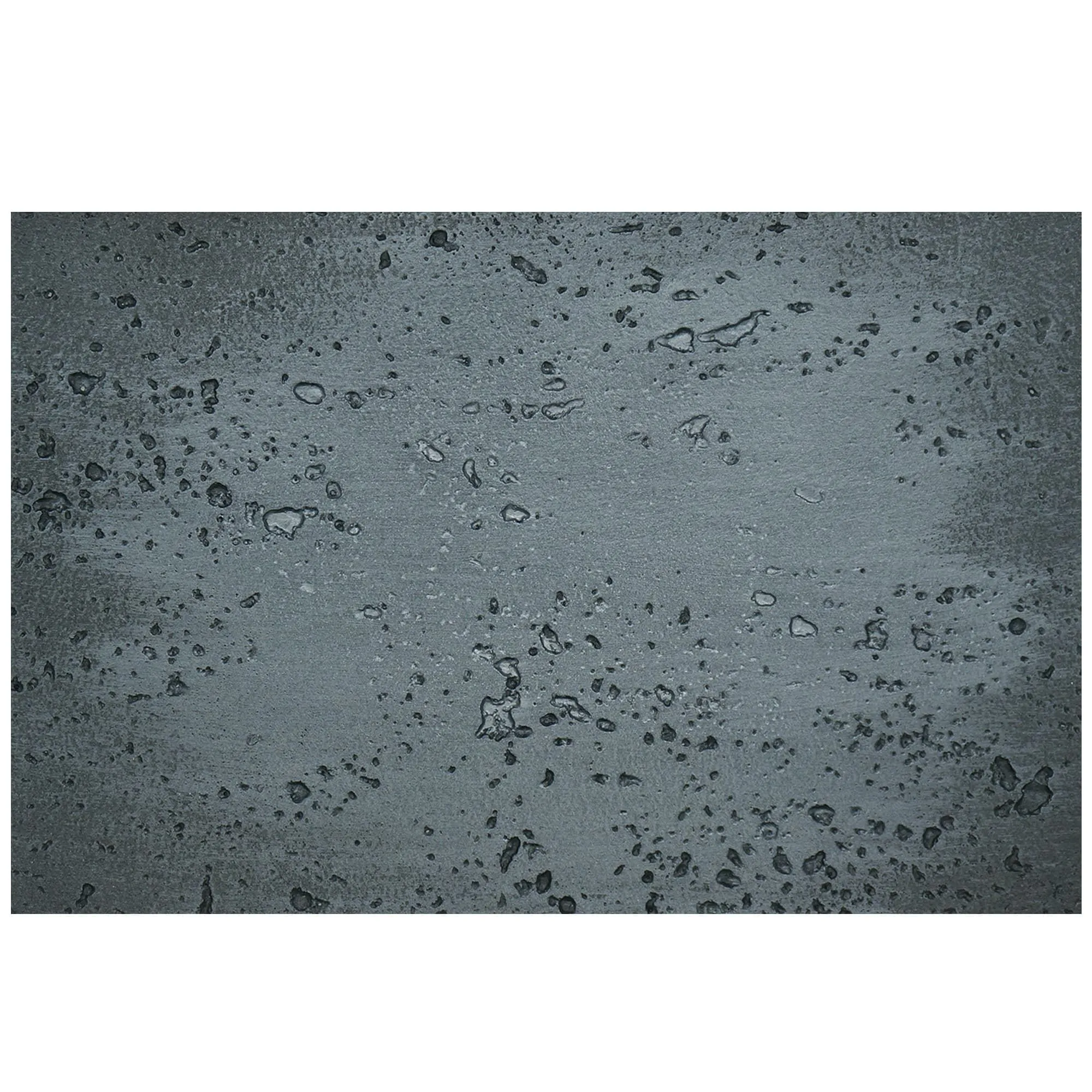
Because your stone's beauty deserves to last—here's how to keep that vintage silver glow for years to come
Picture this: You walk into a sunlit kitchen, and your eyes are drawn to the backsplash—a soft, silvery stone that shimmers gently, like moonlight on water. It's not too flashy, not too plain—just a warm, aged elegance that makes the whole room feel lived-in yet refined. That's travertine (vintage silver) for you. It's the kind of material that doesn't just "decorate" a space; it tells a story. A story of time, texture, and understated luxury.
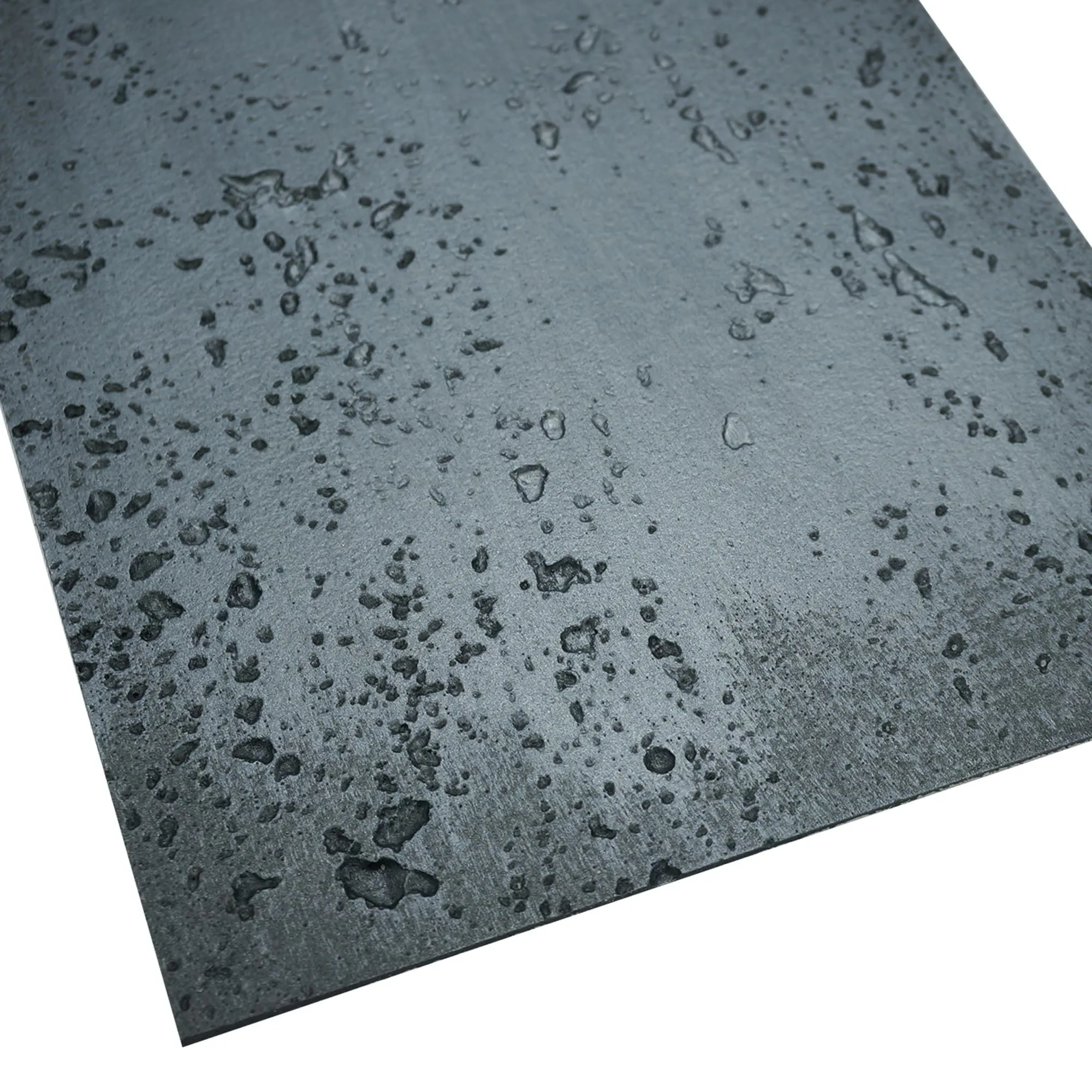
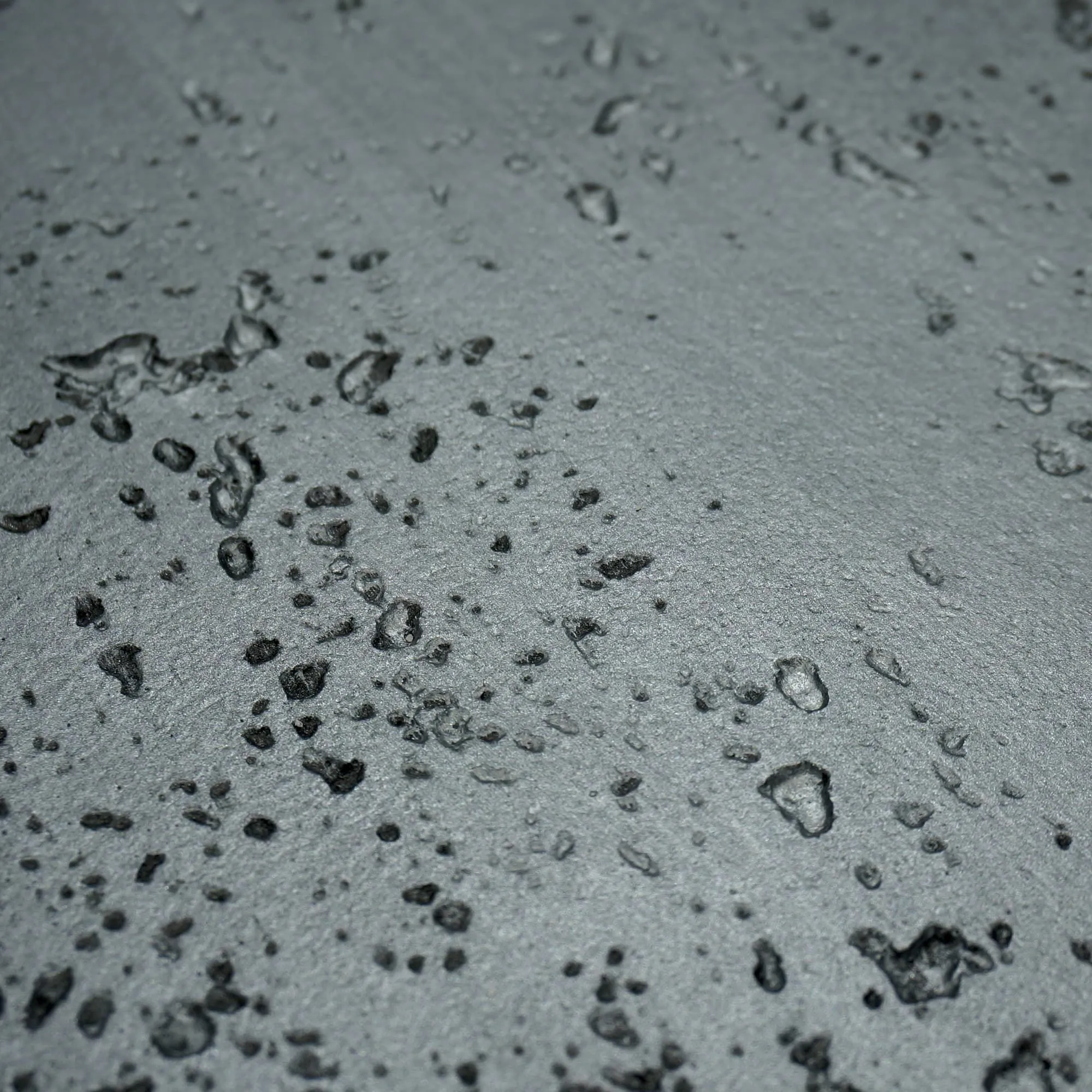
Unlike its bolder cousins, Travertine (Starry Green) with its vibrant celestial flecks or Travertine (Vintage Gold) with its rich, sun-kissed tones, vintage silver travertine leans into subtlety. Its surface carries the marks of nature—tiny pits, delicate veins, and a muted silver patina that deepens with age. It's versatile, too: pair it with modern minimalist furniture for a sleek contrast, or with rustic wood accents for a cozy, cabin-like vibe. No matter where you install it—kitchen countertops, bathroom floors, or even outdoor patios—it brings a quiet sophistication that's hard to replicate.
But here's the thing about travertine, especially the vintage silver variety: it's porous. Those charming little pits and veins that give it character? They're also tiny traps for spills, dirt, and moisture. Left unprotected, a single glass of red wine, a splash of olive oil, or even a rainy day on an outdoor patio could leave permanent stains or etch marks. And let's be honest—no one wants to invest in a beautiful stone only to watch it lose its luster within a year.
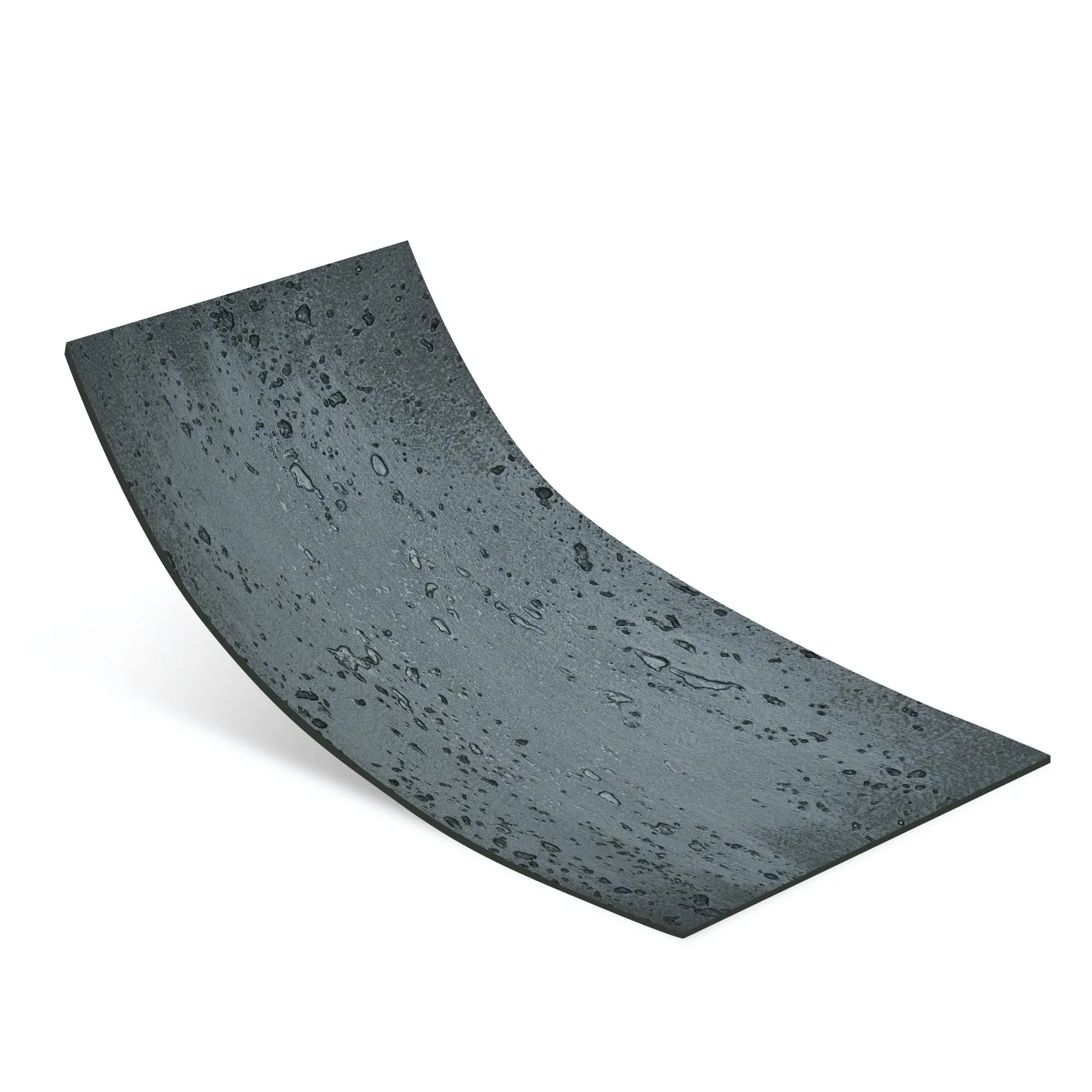
That's where sealing comes in. Think of it as a shield for your stone—a invisible barrier that keeps the bad stuff out (stains, moisture) while letting the good stuff shine through (that stunning vintage silver finish). And in a world where building materials like mcm flexible stone or foamed aluminium alloy board (vintage silver) offer their own unique perks, travertine (vintage silver) stands out for its organic beauty—but it needs a little TLC to stay that way.
Let's get real: sealing stone sounds like one of those "maybe I'll do it later" tasks, right? But trust me—skipping it is a mistake I've seen too many homeowners regret. Take my friend Sarah, for example. She fell in love with travertine (vintage silver) and installed it in her dining room floor. "It's so pretty, I don't want to cover it up with some chemical," she told me. Six months later, a guest spilled red wine, and now there's a faint purple splotch that no amount of scrubbing will remove. "I wish I'd just sealed it," she sighs every time we walk past it.
On the flip side, there's my neighbor Mike, who sealed his vintage silver travertine kitchen countertops the day they were installed. Five years later, they still look brand new. He's had coffee spills, lemon juice drips, even a rogue tomato sauce splatter during a pasta night disaster—and none of it stuck. "Best $50 I ever spent," he says. "That sealer paid for itself in peace of mind."
So why is sealing so crucial? Let's break it down:
In short, sealing isn't just about protection—it's about preserving the very thing you fell in love with: that unique, timeworn charm of vintage silver travertine. And the good news? It's not as complicated as it sounds. With the right products and a little patience, you can do it yourself and enjoy your stone's beauty for decades.
Not all sealers are created equal—and choosing the wrong one for your vintage silver travertine can do more harm than good. Imagine slathering a glossy topical sealer on a stone that's supposed to look matte and aged. Suddenly, your elegant vintage silver travertine looks like a cheap countertop from the 90s. Ouch. So, what should you keep in mind when shopping for a sealer?
There are two main types of sealers: penetrating and topical. Let's break them down:
Some sealers are "enhancing," meaning they darken or enrich the stone's color to make veins and textures pop. Others are "natural," leaving the appearance unchanged. For vintage silver travertine, which already has a beautiful, understated look, a natural finish sealer is usually best. But if you want to bring out those silvery tones a bit more, an enhancing sealer (in moderation) could work—just test it on a hidden corner first!
Sealers aren't permanent. Most last 2-5 years, depending on foot traffic and exposure. For high-traffic areas like kitchen floors, aim for a sealer that lasts 3+ years. For low-traffic areas like a powder room backsplash, 2 years might be enough. Check the manufacturer's claims, but remember: higher durability often means a higher price tag, and it's usually worth the investment.
VOCs (volatile organic compounds) are chemicals that off-gas from some sealers, causing strong odors and potential health issues. If you're sealing indoors (like a kitchen or bathroom), opt for a low-VOC or water-based sealer. They're gentler on the environment and your lungs, and they dry faster too.
Make sure the sealer is specifically labeled for travertine or porous stones. Some sealers are designed for granite or marble, which have different porosity levels, and might not work as well on travertine. And remember—while foamed aluminium alloy board (vintage silver) or mcm flexible stone might have their own sealing needs, travertine requires a product that's formulated for its unique porous structure.
Now that you know what to look for, let's dive into the best sealers for your vintage silver travertine. I've rounded up five top picks, each with its own strengths, to help you find the perfect match for your space and needs.
| Product Name | Type | Finish | Durability | Best For | Price Range |
|---|---|---|---|---|---|
| EcoShield Porous Stone Sealer | Penetrating (Water-Based) | Natural (Matte) | 3-5 years (indoor); 2-3 years (outdoor) | Kitchen countertops, bathroom floors | $25-$40 (16 oz) |
| VintageGuard Travertine Protectant | Penetrating (Solvent-Based) | Enhancing (Deepens Silver Tones) | 5-7 years (indoor); 3-4 years (outdoor) | Dining room floors, accent walls | $45-$60 (16 oz) |
| SilverShield UV-Resistant Sealer | Penetrating (Hybrid) | Natural (Low Sheen) | 4-6 years (indoor); 3-5 years (outdoor) | Outdoor patios, pool decks | $35-$50 (16 oz) |
| StoneCare Essentials Matte Sealer | Penetrating (Water-Based) | Natural (Matte) | 2-4 years (indoor); 1-2 years (outdoor) | Low-traffic areas (powder rooms, backsplashes) | $18-$30 (16 oz) |
| Heritage Sealant for Vintage Stone | Penetrating (Solvent-Based) | Enhancing (Warms Silver Tones) | 6-8 years (indoor); 4-5 years (outdoor) | High-end residential, commercial spaces | $60-$80 (16 oz) |
If you're all about green living, EcoShield is your new best friend. This water-based penetrating sealer has low VOCs, so you won't be choking on fumes while applying it. It dries clear and matte, preserving the natural look of your vintage silver travertine without adding any shine. I used this on my sister's kitchen countertops, and a year later, they still repel water like a duck's back. Coffee spills bead up instead of soaking in, and it's super easy to clean—just a damp cloth and mild soap.
Pros: Eco-friendly, low odor, easy to apply, affordable. Cons: Outdoor durability is shorter (2-3 years), so you'll need to re-seal patios more often. Best for: Indoors, especially kitchens and bathrooms where you want a natural look and easy maintenance.
If you want to make those silvery veins pop a little more, VintageGuard is the way to go. This solvent-based sealer penetrates deep into the stone and subtly enhances the color, bringing out the warm undertones in the vintage silver travertine. My neighbor used this on his dining room floor, and now the stone looks like it's been gently kissed by sunlight—still natural, but with a little extra depth. It's also incredibly durable; he hasn't had to re-seal in 4 years, and it still repels red wine (yes, he tested it… don't ask).
Pros: Long-lasting, enhances color beautifully, great for high-traffic areas. Cons: Stronger odor (ventilate well!), more expensive. Best for: Dining rooms, living areas, or anywhere you want to highlight the stone's natural beauty.
Outdoor travertine needs extra love, and SilverShield delivers. This hybrid sealer (a mix of water and solvent-based) is formulated with UV protection to prevent fading from sunlight. I used it on my patio's vintage silver travertine tiles, and after two summers of harsh sun and rain, they still look as silvery as the day they were installed. It also resists mold and mildew, which is a huge plus for humid climates.
Pros: UV protection, mold resistance, good for outdoor use. Cons: Slightly higher price than basic indoor sealers. Best for: Patios, pool decks, outdoor kitchens—anywhere your vintage silver travertine is exposed to the elements.
If you're on a tight budget or sealing a small area (like a powder room backsplash), StoneCare Essentials is a solid choice. This water-based sealer is affordable, easy to apply, and dries matte. It doesn't last as long as some premium options (you'll need to re-seal every 2-4 years indoors), but for low-traffic spots, it gets the job done. I used it on a small travertine (vintage silver) accent wall in my home office, and it's held up great to dust and the occasional coffee splash.
Pros: Inexpensive, easy to find in stores, low odor. Cons: Shorter lifespan, not ideal for high-traffic areas. Best for: Powder rooms, accent walls, or rental properties where you don't want to splurge.
For those who want the absolute best for their vintage silver travertine, Heritage Sealant is worth the splurge. This solvent-based sealer is designed specifically for aged and vintage stones, with a formula that deepens the patina and provides unmatched durability (up to 8 years indoors!). It's used by many high-end designers for commercial projects, but homeowners can buy it too. One client of mine used it on their entire travertine (vintage silver) kitchen and island, and 6 years later, it still looks brand new—no stains, no fading, just that same warm, silvery glow.
Pros: Ultra-durable, designer favorite, enhances patina. Cons: Very expensive, strong odor. Best for: Luxury homes, commercial spaces, or anyone who wants their travertine to look perfect for decades.
Sealing travertine (vintage silver) isn't rocket science, but it does require a little patience and attention to detail. Follow these steps, and you'll have a perfectly sealed stone that looks great for years to come. Pro tip: Do this on a day when you have a few hours to spare—rushing leads to mistakes!
Before you even think about applying sealer, your travertine needs to be sparkling clean. Any dirt, dust, or grime on the surface will get trapped under the sealer, ruining the finish. Here's how to do it:
Before you seal the entire surface, test the sealer on a hidden area (like the back of a tile or a corner behind an appliance). Apply a small amount, let it dry, and check for any discoloration or unwanted shine. If it looks good, proceed—if not, try a different sealer.
Now it's time to apply the sealer. The tools you'll need depend on the sealer type, but most work with a lamb's wool applicator, a foam sponge, or a paint pad. Avoid brushes—they can leave streaks.
Most travertine (vintage silver) benefits from two coats of sealer, especially if it's very porous. Wait 2-4 hours between coats (check the sealer's instructions—drying times vary). Apply the second coat the same way as the first: thin, even, and wipe off excess.
After the second coat, let the sealer cure completely. This usually takes 24-72 hours, depending on the product and humidity. During this time, keep the area off-limits—no walking, placing objects, or getting it wet. If you sealed a kitchen countertop, plan to eat takeout for a few days (worth it!).
Sealing is just the first step—proper maintenance is key to keeping your vintage silver travertine looking its best. Here's how to care for it post-sealing:
For everyday cleaning, a quick wipe with a damp microfiber cloth is usually enough. If there's a spill, blot it up immediately (don't wipe—you'll spread the liquid). For stuck-on dirt, use a soft brush or sponge with warm water and a drop of pH-neutral soap. Avoid abrasive cleaners or scouring pads—they can wear down the sealer over time.
Steer clear of bleach, ammonia, vinegar, citrus cleaners, or anything with "acid" in the name. These can break down the sealer and etch the stone. Even some all-purpose cleaners are too harsh—stick to products labeled "safe for natural stone."
Sealers don't last forever. To check if it's time to re-seal, do the "water test": pour a small amount of water on the stone. If it beads up, the sealer is still good. If it soaks in, it's time to re-seal. As a general rule:
Travertine is durable, but it can chip or crack if hit with heavy objects. Use coasters under glasses, trivets under hot pans, and felt pads under furniture legs to prevent scratches. And if you do notice a chip, fix it promptly with a stone repair kit—don't let it get worse!
Even with the best intentions, it's easy to make mistakes when sealing travertine. Here are the most common ones—and how to steer clear:
Travertine (vintage silver) is more than just a building material—it's a piece of nature's art, with a beauty that grows with time. But like any masterpiece, it needs protection to stay vibrant. Sealing might seem like a hassle, but it's a small investment compared to the cost of replacing stained or damaged stone.
Whether you choose EcoShield for its eco-friendliness, VintageGuard for its color-enhancing magic, or SilverShield for outdoor protection, the key is to start early and stay consistent. With the right sealer and a little care, your vintage silver travertine will continue to add warmth, character, and that timeless silvery glow to your home for years to come.
So go ahead—invest in that sealer, set aside an afternoon, and give your travertine the love it deserves. Your future self (and your guests) will thank you.
Recommend Products












