
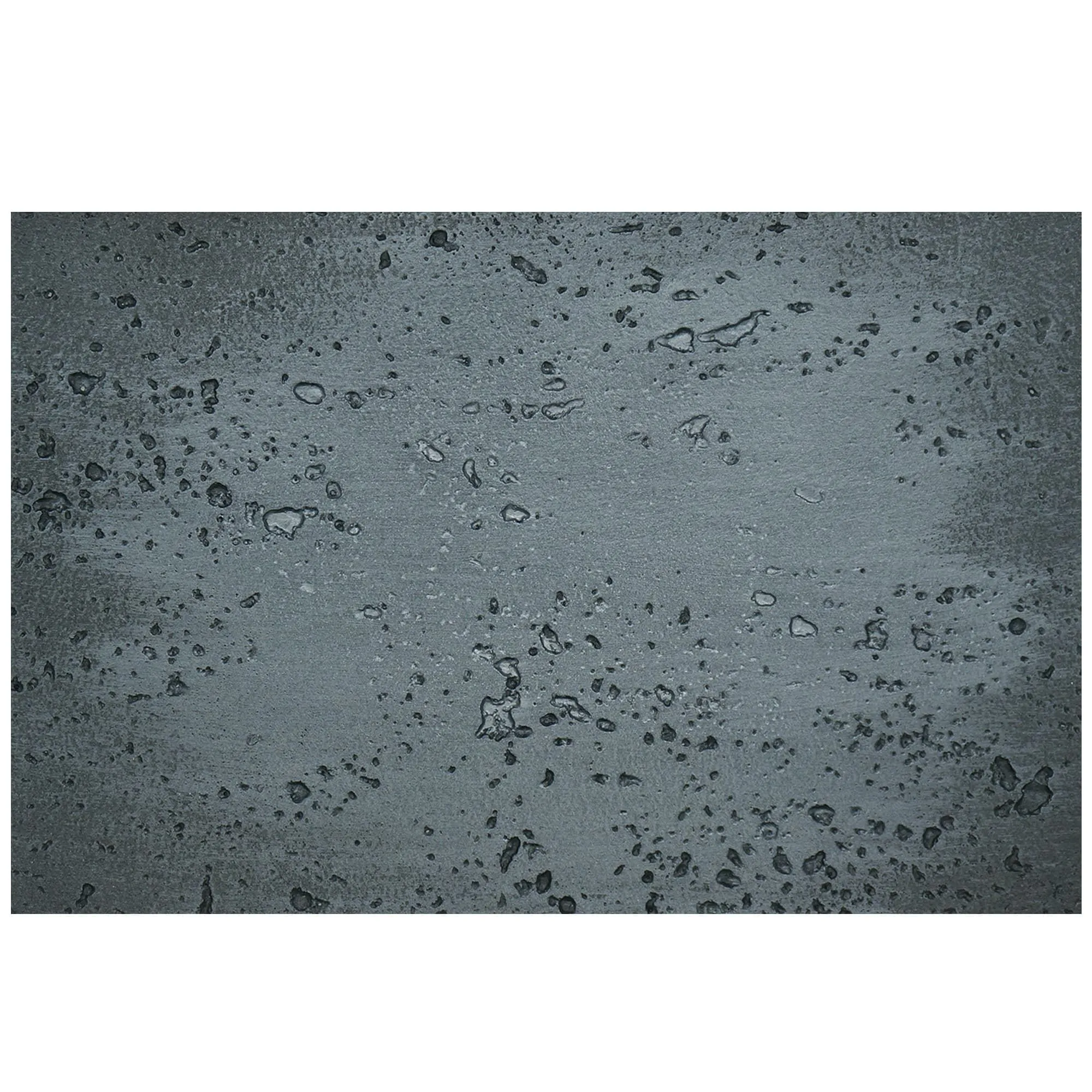
Picture walking into a space where the walls seem to glow with a soft, silvery sheen—warm yet understated, vintage yet undeniably modern. That's the magic of Travertine (Vintage Silver). Whether you're designing a cozy home office, a bustling restaurant, or a sleek corporate lobby, the size of your travertine slabs can make or break that first impression. Too small, and the space might feel cluttered; too large, and it could overwhelm. But here's the good news: with both standard and custom options, there's a perfect fit for every project. Let's dive into the world of Travertine (Vintage Silver) slab sizes, exploring how they shape design, function, and that intangible "wow" factor we all crave in a space.
Before we get into sizes, let's take a moment to appreciate the material itself. Travertine (Vintage Silver) isn't just another stone—it's a storyteller. Its surface carries the subtle marks of time: tiny pits, soft veining, and a muted silver hue that shifts with light, reminiscent of aged metal or moonlight on water. But what truly sets it apart is its foundation in modern engineering, specifically mcm flexible stone technology. Unlike traditional travertine, which can be heavy, brittle, and tricky to install in large pieces, this variant is lightweight and flexible. Think of it as travertine reimagined for the demands of today's designs—durable enough for high-traffic areas, yet malleable enough to fit curved walls or unique architectural features. It's the kind of material that bridges the gap between "old-world charm" and "new-world practicality," making it a favorite among architects, interior designers, and homeowners alike.
Designer Insight: "I love using Travertine (Vintage Silver) in commercial spaces because it adds warmth without feeling precious," says Maria Gonzalez, a Chicago-based interior designer. "Clients often worry about 'cold' modern designs, but the vintage silver tone softens hard edges, and the flexibility means we can get creative with sizes—no more limiting ourselves to tiny tiles!"
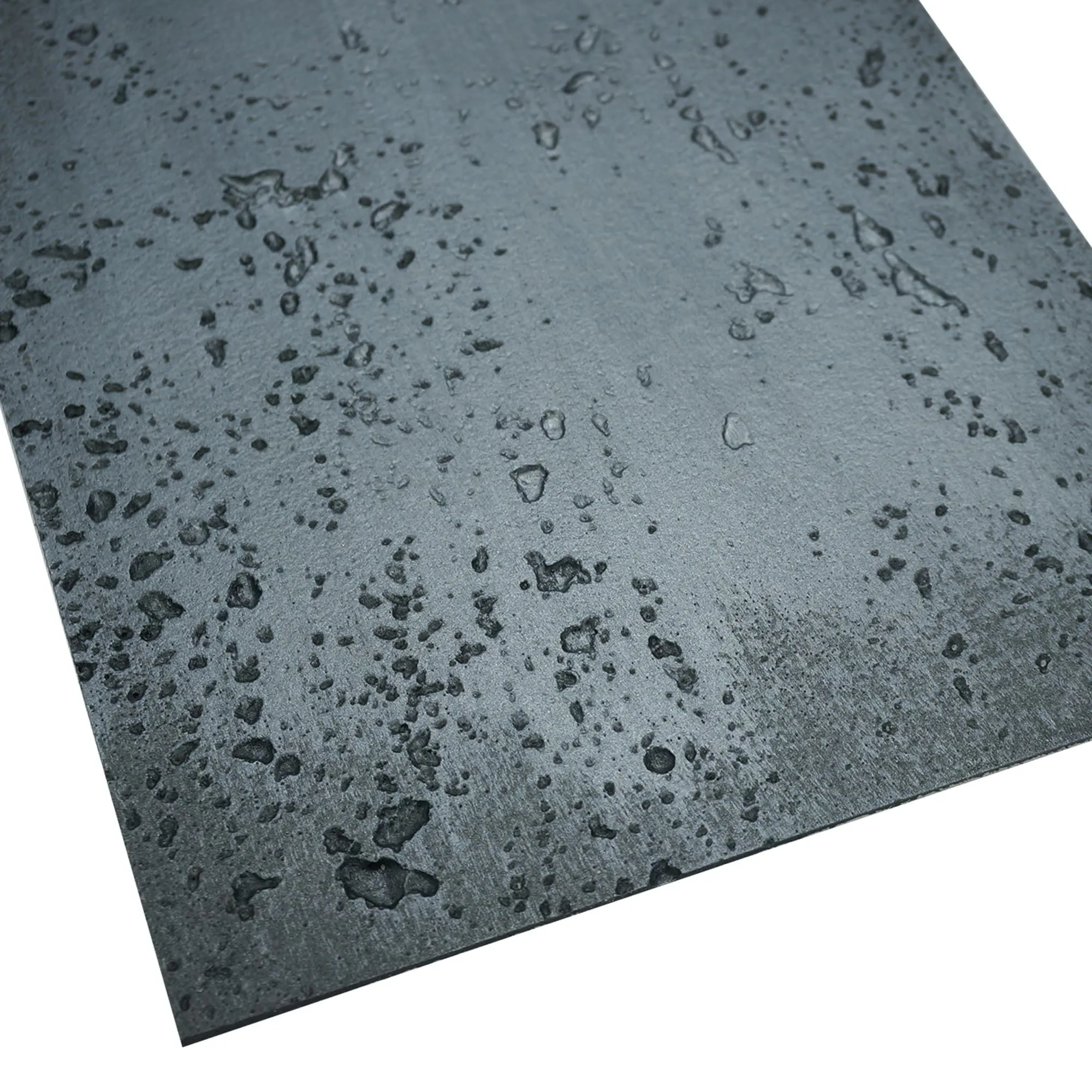
Let's start with the basics: standard slab sizes. These are the tried-and-true dimensions that manufacturers produce in bulk, and for good reason. They're cost-effective, easy to source, and designed to fit most common spaces. Think of them as the "one-size-fits-most" of the stone world—but don't let that fool you. Standard doesn't mean boring; it means reliable, accessible, and ready to deliver results.
While exact sizes can vary slightly between suppliers, these are the most widely available standard Travertine (Vintage Silver) slab sizes you'll encounter:
You might be wondering, "If custom is an option, why bother with standard sizes?" Great question. Standard slabs shine in three key scenarios:
Speed: Since they're mass-produced, standard slabs are usually in stock or have short lead times (2–4 weeks, compared to 6–8 for custom). If you're on a tight renovation timeline, this can be a game-changer.
Cost: Bulk production means lower costs. Standard slabs often cost 20–30% less per square foot than custom sizes, making them ideal for projects with strict budgets. For example, a 100 sq ft bathroom using 24"x48" slabs might save you hundreds compared to going custom.
Simplicity: Standard sizes are designed to work with common building materials and installation methods. Contractors are familiar with handling them, and there's less risk of unexpected issues (like needing special supports for oversized slabs).
Real Project Spotlight: A family in Denver recently renovated their kitchen using 36"x72" Travertine (Vintage Silver) slabs for the backsplash. "We wanted something that felt high-end but didn't break the bank," says homeowner Lisa Chen. "The standard size was perfect—we could cover the entire wall with just three slabs, so there are barely any seams. It looks like a single, continuous piece of stone, but we paid a fraction of what custom would have cost."
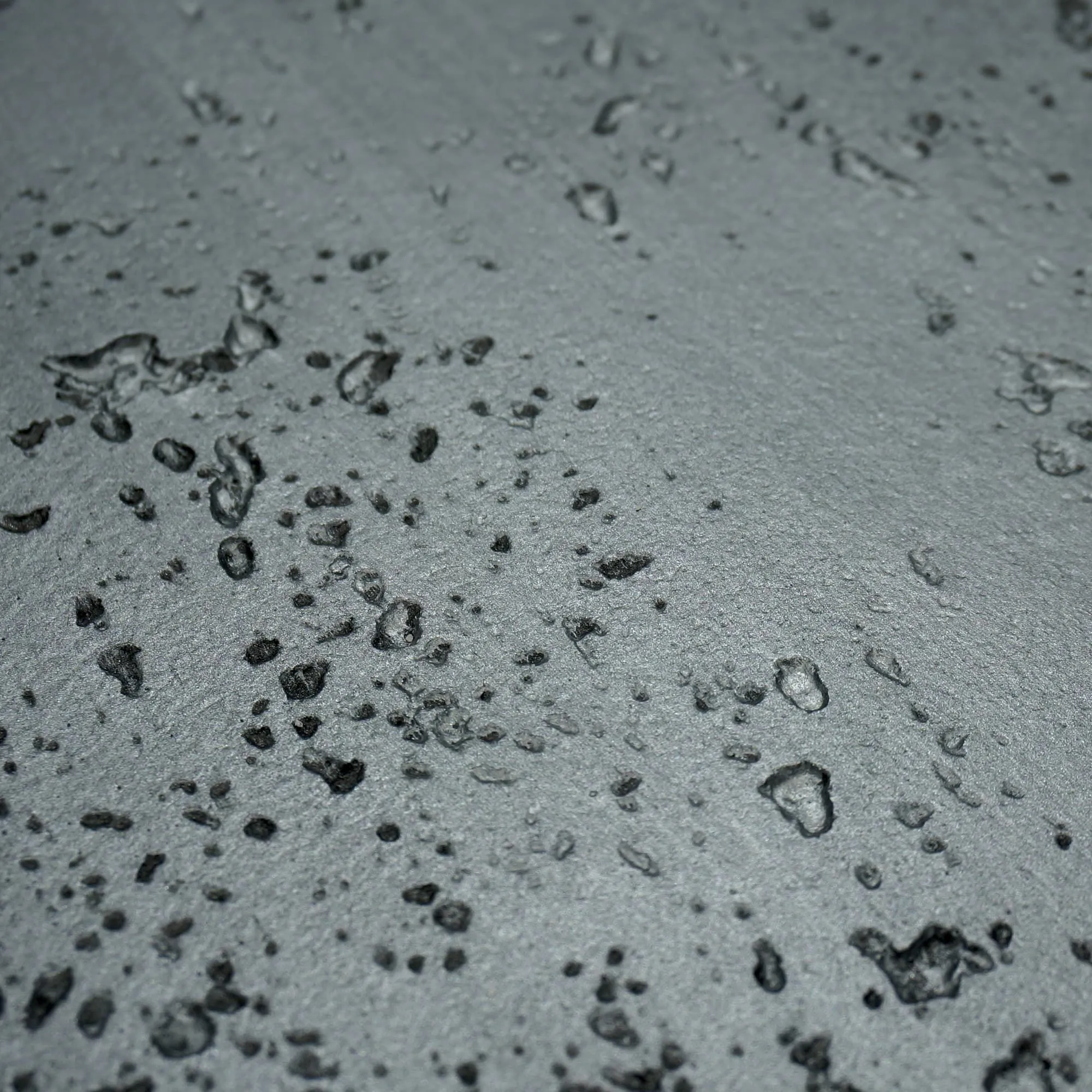
Now, let's talk about the fun stuff: custom sizes. Sometimes, your project needs something that standard slabs just can't deliver. Maybe you're designing a 20-foot-tall feature wall and want to avoid visible seams. Or perhaps you're working with a curved surface that requires uniquely shaped pieces. That's where custom Travertine (Vintage Silver) slabs come in. They're the design world's equivalent of a tailor-made suit—crafted to fit your space's exact measurements, no compromises.
Custom sizes aren't just for "fancy" projects. They make sense in surprisingly practical scenarios:
Statement Walls: Imagine a hotel lobby with a wall that stretches from floor to ceiling, unbroken by grout lines. That's the power of a custom oversized slab (think 60"x144" or larger). It creates a sense of grandeur and continuity that smaller slabs simply can't match.
Oddly Shaped Spaces: Older homes, in particular, often have walls with uneven angles or curved sections. Custom slabs can be cut to fit these quirks, ensuring a snug, professional finish.
Branding and Identity: Businesses like restaurants or boutique stores often use custom sizes to reinforce their brand. For example, a café with a "vintage industrial" theme might opt for 18"x18" square slabs arranged in a herringbone pattern to mimic old factory walls.
Ordering custom Travertine (Vintage Silver) slabs isn't as intimidating as it sounds, but it does require planning. Here's a quick breakdown of the steps:
Of course, custom comes with trade-offs. The biggest one is cost: expect to pay 30–50% more than standard sizes, thanks to material waste, specialized labor, and longer production times. But for many projects, the investment is worth it. As designer Maria Gonzalez puts it: "Custom sizes let you tell a unique story. A client once told me their custom Travertine wall made their office feel 'like a piece of art, not just a workspace.' You can't put a price tag on that."
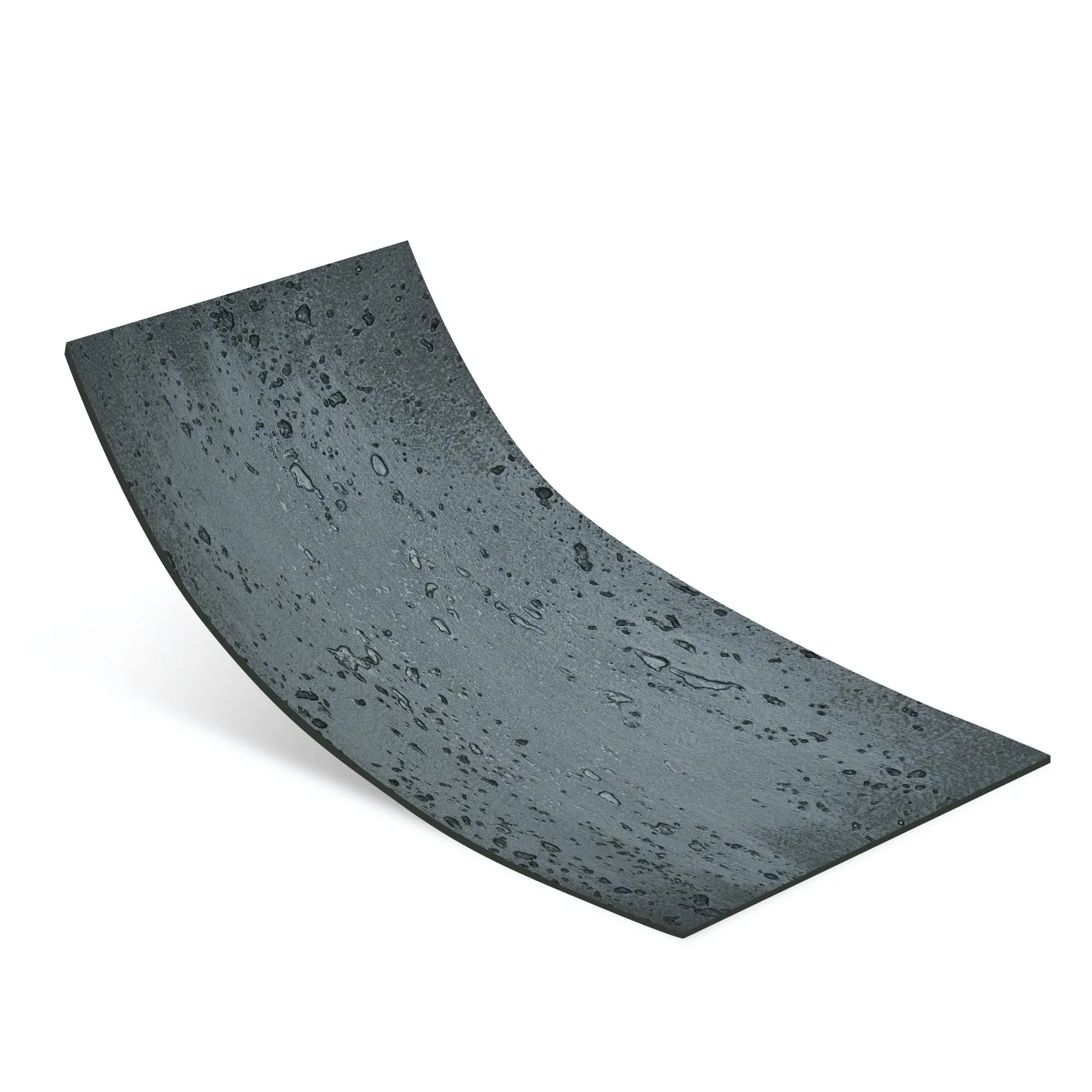
Still on the fence? Let's break down the key differences in a handy table:
| Feature | Standard Slabs (e.g., 24"x48", 48"x96") | Custom Slabs (e.g., 60"x144", Curved Shapes) |
|---|---|---|
| Cost | Lower (20–30% less per sq ft) | Higher (30–50% more per sq ft) |
| Lead Time | 2–4 weeks (in stock or quick production) | 6–12 weeks (custom cutting/finishing) |
| Best For | Kitchens, bathrooms, small to medium walls, budget projects | Feature walls, curved surfaces, large-scale commercial projects, unique designs |
| Installation Complexity | Simple (standard tools and labor) | More complex (may need special equipment/supports) |
| Seam Visibility | More seams (depending on size) | Fewer to no seams (for oversized slabs) |
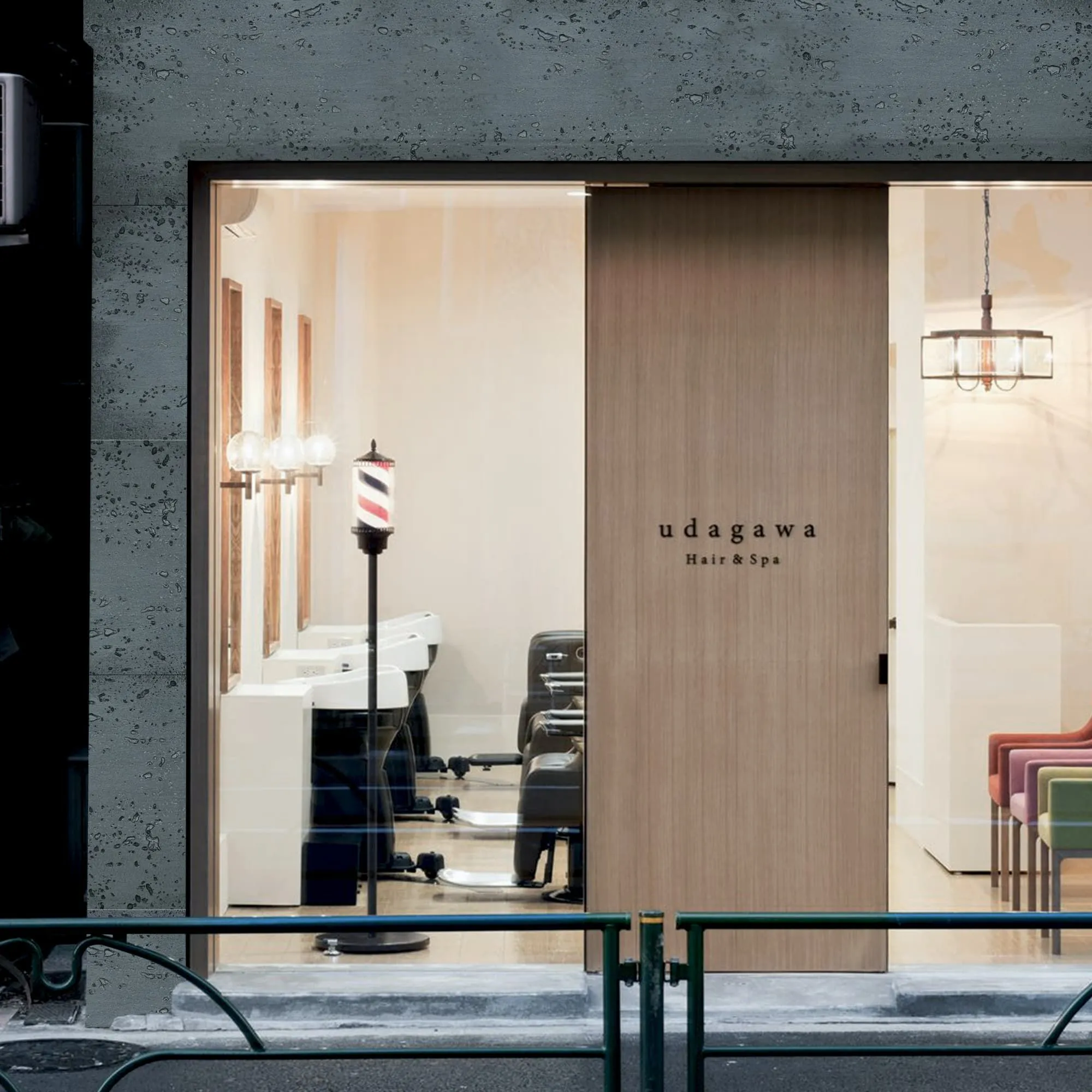
At this point, you might be thinking, "Okay, sizes vary—but does it really matter that much?" The short answer: absolutely. The size of your Travertine (Vintage Silver) slabs impacts everything from how the space feels to how it functions day-to-day.
Large slabs (whether standard full-size or custom) create a sense of openness and luxury. They minimize visual clutter, making small spaces feel bigger and large spaces feel more cohesive. For example, a 48"x96" slab on a living room wall can make the room feel expansive, while a series of 24"x48" slabs might create a busier, more textured look (which can be great for adding character, but not ideal if you want a sleek vibe).
Smaller slabs, on the other hand, are perfect for adding pattern or texture. Think of a backsplash made of 12"x12" Travertine (Vintage Silver) tiles arranged in a herringbone pattern—it adds visual interest without overwhelming the space. They're also easier to replace if damaged, which is a plus for high-traffic areas like entryways.
Size isn't just about looks—it's about practicality. Larger slabs are heavier, even with mcm flexible stone technology. A 60"x144" slab might weigh 200–300 pounds, which means you'll need sturdy wall supports and experienced installers. Smaller slabs are lighter and easier to handle, making them a better choice for DIY projects or walls that can't support heavy loads.
Maintenance is another factor. Larger slabs have fewer seams, which means less grout to clean and seal. That's a big win for busy homeowners or commercial spaces (like restaurants, where cleaning time is precious). Smaller slabs, with more seams, require a bit more upkeep—but they're also more forgiving if a single tile gets chipped (you can replace just one instead of the whole slab).
Travertine (Vintage Silver) rarely shines alone. The best designs pair it with other materials to create contrast, balance, and depth. Two materials that work particularly well are fair-faced concrete and wood grain board .
Fair-faced concrete is all about raw, unpolished texture—think rough surfaces, subtle color variations, and a muted gray tone. When paired with Travertine (Vintage Silver), it creates a striking balance: the concrete adds industrial edge, while the travertine softens it with warmth. For example, imagine a restaurant with Travertine (Vintage Silver) walls and fair-faced concrete floors. The silver tones of the travertine reflect light, making the space feel bright, while the concrete grounds it with a solid, earthy base. It's a combo that works in both modern and rustic settings, proving that opposites really do attract.
Wood grain board brings the outdoors in, with its organic patterns and warm hues (think oak, walnut, or maple tones). When used alongside Travertine (Vintage Silver), it adds a layer of coziness that prevents the space from feeling too "cold" or sterile. A common approach is to use travertine for statement walls and wood grain board for cabinetry or accent pieces. For instance, a home office might feature a Travertine (Vintage Silver) desk backdrop and wood grain board shelves. The travertine adds sophistication, while the wood adds warmth—perfect for long workdays where you want to feel both productive and at ease.
Design Trend Alert: "We're seeing a lot of mixed-material walls right now," notes Gonzalez. "One of my recent projects paired 48"x96" Travertine (Vintage Silver) slabs with vertical wood grain board strips—half stone, half wood. It's unexpected, but the silver and wood tones complement each other beautifully. Clients love it because it feels both modern and timeless."
Whether you choose standard or custom sizes, a little maintenance goes a long way in preserving Travertine (Vintage Silver)'s beauty. Here's what to keep in mind:
Choosing between standard and custom Travertine (Vintage Silver) slab sizes is about more than measurements—it's about vision. It's about asking: What story do I want this space to tell? Do I need it to feel cozy or grand? Budget-friendly or one-of-a-kind? With standard sizes, you get reliability and affordability; with custom, you get creativity and uniqueness. And thanks to mcm flexible stone technology, even the boldest custom ideas are within reach.
So, whether you're tiling a small bathroom with 24"x48" slabs or dreaming up a 20-foot custom feature wall, remember: the right size isn't just about fitting the space—it's about fitting the way you live, work, and experience that space every day. Travertine (Vintage Silver) is more than a material; it's a partner in design. And with the right size, it can turn any room into a place that feels uniquely yours.
Now, go out there and find your perfect fit. Your space (and your future self) will thank you.
Recommend Products












