
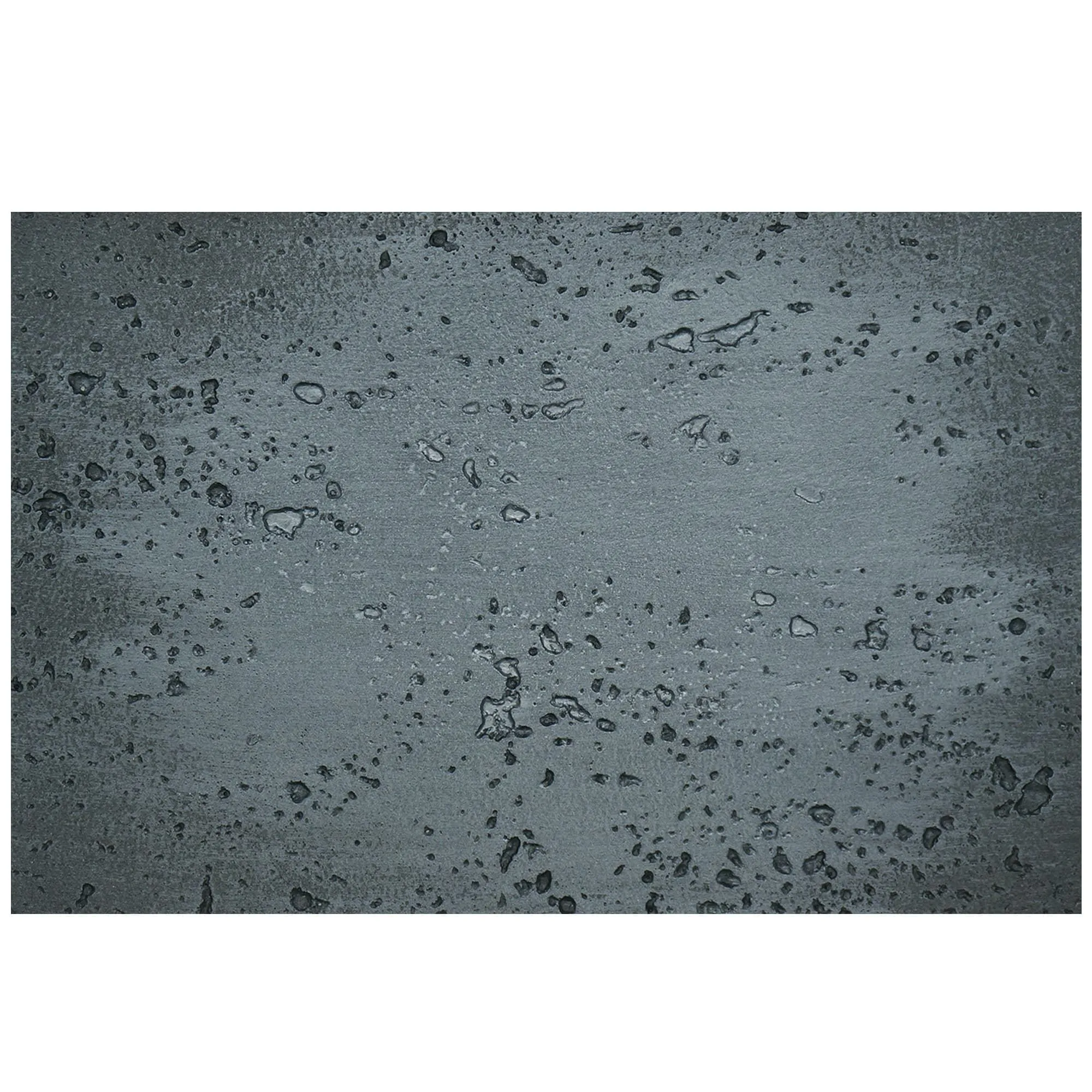
Choosing the right material for your space is like picking a character for a story—it shapes the mood, tells a narrative, and sticks with you for years. Two materials that often top the list for their timeless appeal are travertine (vintage silver) and granite. One exudes a weathered elegance, as if plucked from a sun-bleached European courtyard; the other stands bold and unyielding, a testament to Earth's raw power. But beyond their looks, how do they really stack up? Let's dive in, exploring their strengths, aesthetics, and how they fit into the spaces we live, work, and love in.
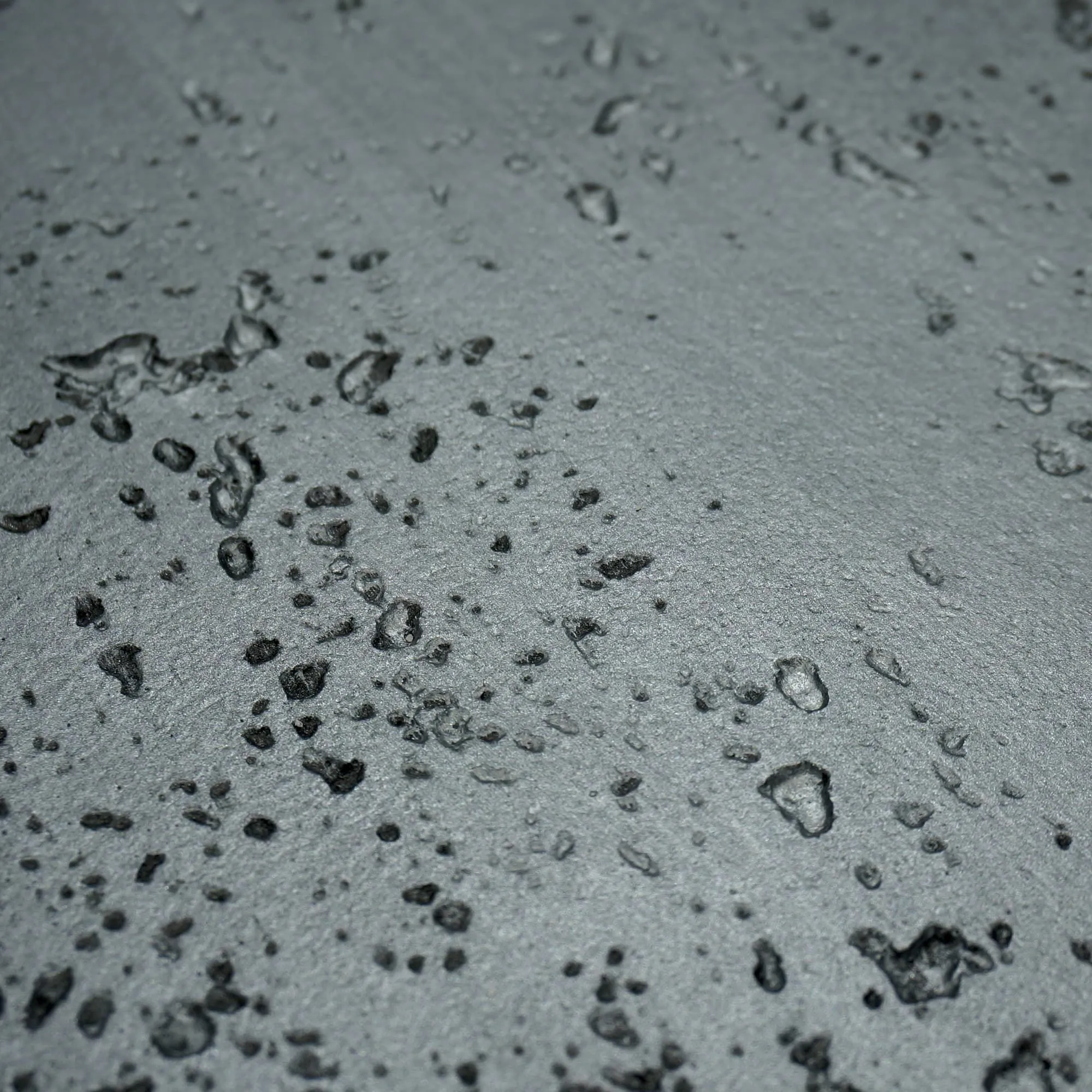
Travertine is a type of limestone formed by mineral deposits from hot springs, giving it a unique, porous texture with subtle layers and fossil-like inclusions. Think of it as nature's diary—each pore and groove tells a story of slow, patient formation over centuries. Now, travertine (vintage silver) takes that organic beauty and adds a modern twist. Its surface is treated to mimic the patina of aged silver, with soft, muted tones that shift from cool grays to warm silvers under different lights. It's not shiny or flashy; instead, it has a quiet luster, like a well-loved heirloom that's been polished by time.
I recently visited a boutique hotel in Lisbon where the lobby walls were clad in travertine (vintage silver) . The material played with the natural light pouring through floor-to-ceiling windows, creating a glow that felt both cozy and grand. What struck me most was how it paired with the hotel's mid-century furniture—its earthy texture softened the sharp lines of the decor, making the space feel lived-in yet refined. It's the kind of material that doesn't scream for attention; it invites you to lean in and appreciate the details, like the faint swirls of mineral deposits that look almost like brushstrokes.
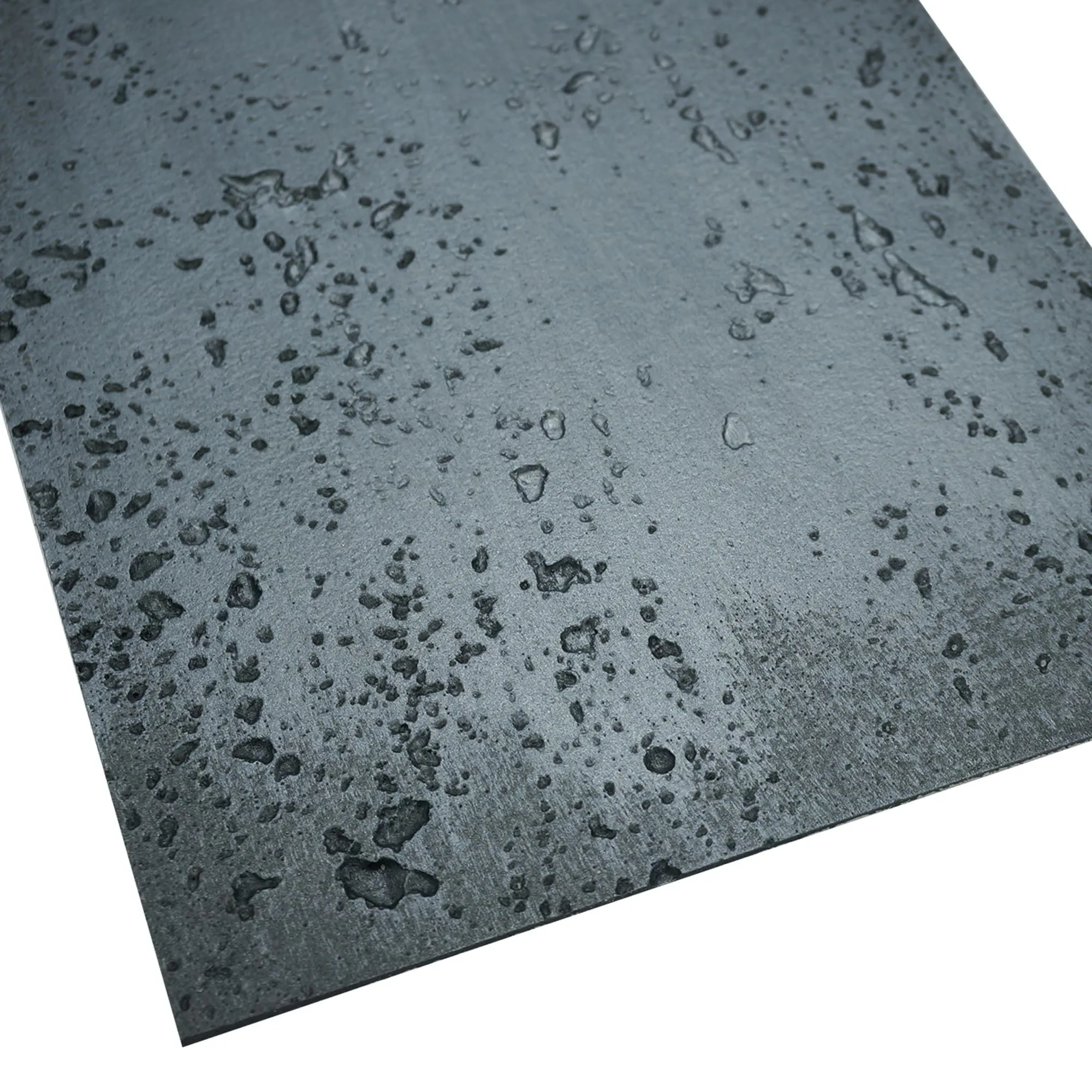
Granite, on the other hand, is an igneous rock formed from magma cooling deep within the Earth. It's all about strength and drama. Unlike travertine's porous, layered look, granite is dense and speckled, with crystals of quartz, feldspar, and mica that catch the light in tiny, sparkling bursts. It's the material of mountains—tough, unyielding, and full of character. From jet-black slabs with white veining to warm beige tones with pops of gold, granite comes in a riot of colors, each slab as unique as a fingerprint.
My friend Maria, who runs a busy family restaurant, swears by granite countertops. "We get spills, scratches, kids leaning on the edges—you name it," she told me. "After five years, those countertops still look brand new. They don't stain, they don't chip, and honestly? They make the kitchen feel like a luxury space even when it's covered in flour and sauce." That's the magic of granite: it's not just beautiful; it's built to keep up with the chaos of real life.
When it comes to strength, these two materials are like opposites on a spectrum. Let's break it down:
Granite is a rock star here. On the Mohs scale of mineral hardness (which ranges from 1, talc, to 10, diamond), granite scores a 6-7. That means it's resistant to scratches, dents, and everyday wear and tear. It's why you'll often find it in high-traffic areas like kitchens, entryways, and commercial lobbies—places where durability isn't just a plus, it's a necessity.
Travertine, by contrast, is softer, scoring a 4-5 on the Mohs scale. It's more prone to scratches and chips, especially if not properly cared for. drop a heavy pot on a travertine floor, and you might end up with a small crack; do the same on granite, and the pot will likely take more damage than the stone. But here's the thing: that softness is part of its charm. Travertine ages gracefully, developing a patina over time that many people find more appealing than a "perfect" surface. It's like leather boots—scuffs and creases only add to their character.
Travertine's porosity is both a blessing and a curse. Those tiny pores give it that unique texture, but they also mean it absorbs liquids easily. Spill red wine on unsealed travertine, and you'll have a stain to deal with. That's why sealing is non-negotiable—think of it as a raincoat for your stone, keeping moisture out while letting the material "breathe."
Granite, being denser, is far less porous. It still needs sealing (more on that later), but it's much more forgiving when life gets messy. Maria's restaurant? They've had everything from tomato sauce to coffee spilled on their granite countertops, and a quick wipe with a damp cloth is usually all it takes to clean it up. No stains, no stress.
Both materials handle heat well, but granite has a slight edge. You can place a hot pan directly on granite without worrying about discoloration or damage. Travertine can handle heat too, but prolonged exposure to high temperatures (like a hot pot left on the surface for hours) might cause it to crack or fade. For most home uses, though—like a curling iron on a bathroom vanity or a teapot on a kitchen backsplash—both will hold their own.
Strength matters, but let's be honest—we also choose materials because they make our hearts skip a beat. Let's talk aesthetics.
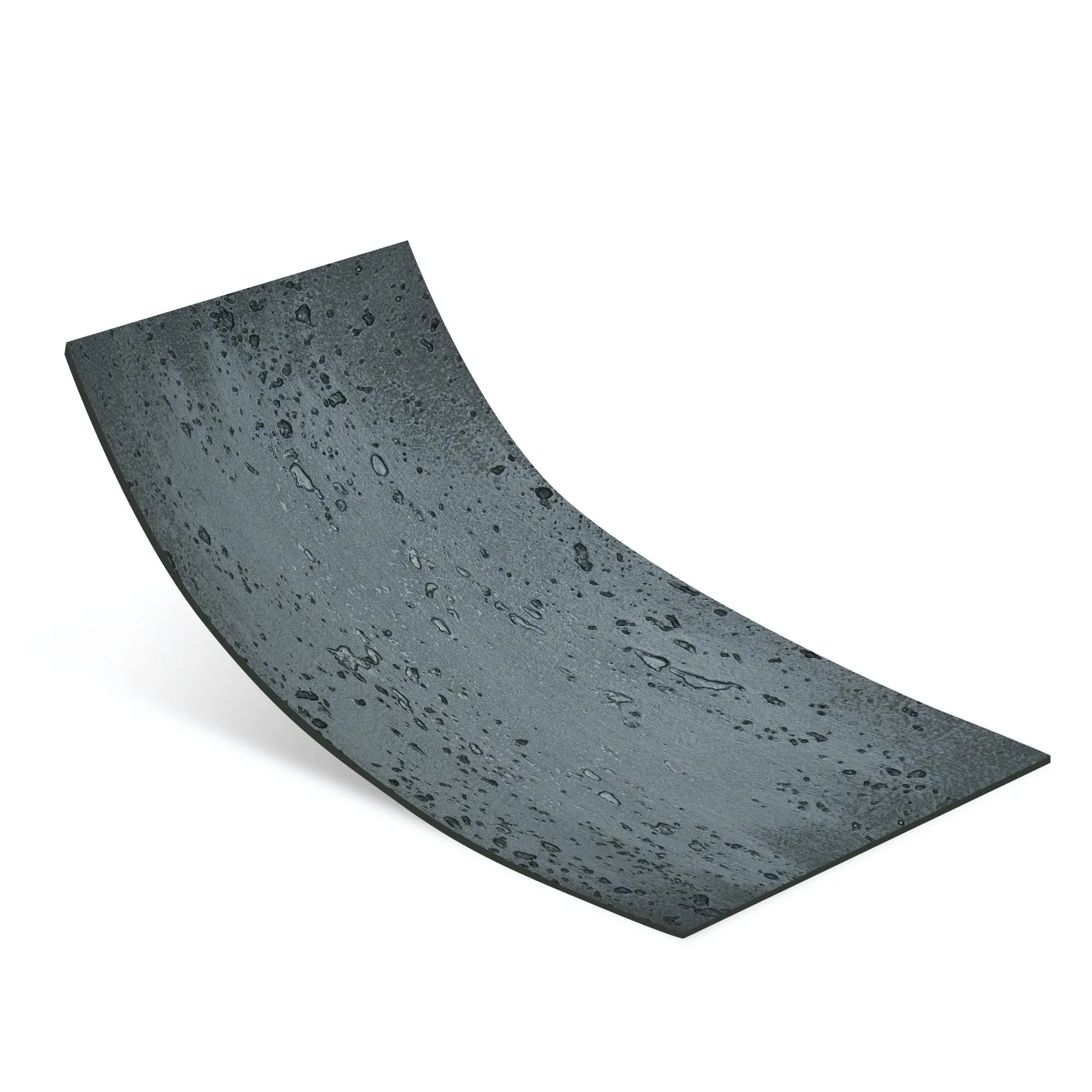
Travertine (vintage silver) is for the design lover who craves warmth without clutter. Its muted silver tones and organic texture make it a chameleon, pairing beautifully with both modern and traditional styles. In a Scandinavian-inspired living room, it adds depth to white walls and light wood floors. In a rustic kitchen, it complements exposed brick and reclaimed wood. I've even seen it used in a yoga studio, where its soft surface and neutral palette created a sense of calm that made you want to roll out a mat and stay awhile.
What I love most about it is its versatility in texture. You can find it in polished finishes (smoother, with a subtle sheen) or tumbled finishes (rougher, more tactile). The tumbled version feels almost velvety underfoot, like walking on a beach of fine pebbles. And those fossil inclusions? They're like little surprises—sometimes a tiny shell, sometimes a streak of iron oxide—that make each slab one-of-a-kind.
Granite is unapologetically bold. It doesn't whisper; it declares, "Look at me." Its speckled pattern adds energy to a space, whether it's a dramatic black granite countertop in a sleek, contemporary kitchen or a warm brown granite fireplace surround in a mountain cabin. I visited a home in Colorado where the owner used a rare blue granite for their outdoor patio. The stone, with its swirls of midnight blue and silver, looked like a piece of the night sky had been laid across the ground. It was breathtaking—and totally unforgettable.
Granite also plays well with color. Pair a red granite with cream walls for a classic, inviting look, or a green granite with black accents for a moody, sophisticated vibe. It's the material of choice for anyone who wants their space to feel bold, luxurious, and full of personality.
If you're torn between the two, maybe you're craving something else entirely. For example, lunar peak silvery —a material from the Lunar Peak series—offers a silvery sheen similar to travertine (vintage silver) but with a more uniform, modern texture. It's like the moon's surface: smooth, cool, and otherworldly. Or there's fair-faced concrete , which brings an industrial, raw aesthetic to spaces. It's not as warm as travertine or as bold as granite, but its minimalist charm has made it a favorite in lofts and modern offices.

To help you visualize, let's map out where each material thrives:
One trend I've noticed lately is mixing materials for balance. A kitchen might have travertine (vintage silver) backsplash tiles for warmth, paired with a granite countertop for durability. Or a bathroom with a lunar peak silvery shower wall and a travertine floor for texture contrast. The key is to let each material play to its strengths.
Let's get real: no material is "no maintenance." But some are definitely easier than others. Here's how to keep both looking their best:
If maintenance is a top concern, you might want to explore mcm flexible stone from the MCM project board series. These engineered stones mimic the look of natural travertine or granite but are more durable and easier to care for. They're lightweight, flexible, and resistant to stains and scratches—perfect for busy households or commercial spaces where upkeep is a priority. I recently saw them used in a coffee shop, where the walls were covered in mcm flexible stone designed to look like aged wood. It had all the warmth of real wood without the worry of water damage or warping.
At the end of the day, the choice between travertine (vintage silver) and granite comes down to your lifestyle, design goals, and budget.
Choose travertine (vintage silver) if: You prioritize aesthetics over durability, love a weathered, organic look, and don't mind putting in a little extra maintenance. It's ideal for low-traffic spaces where you want to create a cozy, timeless vibe.
Choose granite if: You need a material that can handle spills, scratches, and heavy use, and you love bold, eye-catching patterns. It's perfect for kitchens, entryways, and commercial spaces where durability is key.
Still unsure? Start small. Use travertine (vintage silver) for a bathroom backsplash or a fireplace surround, and granite for a kitchen countertop. You'll get to experience both materials up close and see which one speaks to you.
Whether you lean toward the soft elegance of travertine (vintage silver) or the bold strength of granite, what matters most is that your space feels like you. These materials aren't just surfaces—they're the backdrop to our lives: morning coffee spills, family dinners, quiet evenings by the fire. They're the details that turn a house into a home, or an office into a space where creativity thrives.
So take your time, touch the samples, imagine how the light will hit them at different times of day, and trust your gut. Because when you love the material you've chosen, every time you walk into that space, you'll feel a little spark of joy—and isn't that what good design is all about?
Recommend Products












