
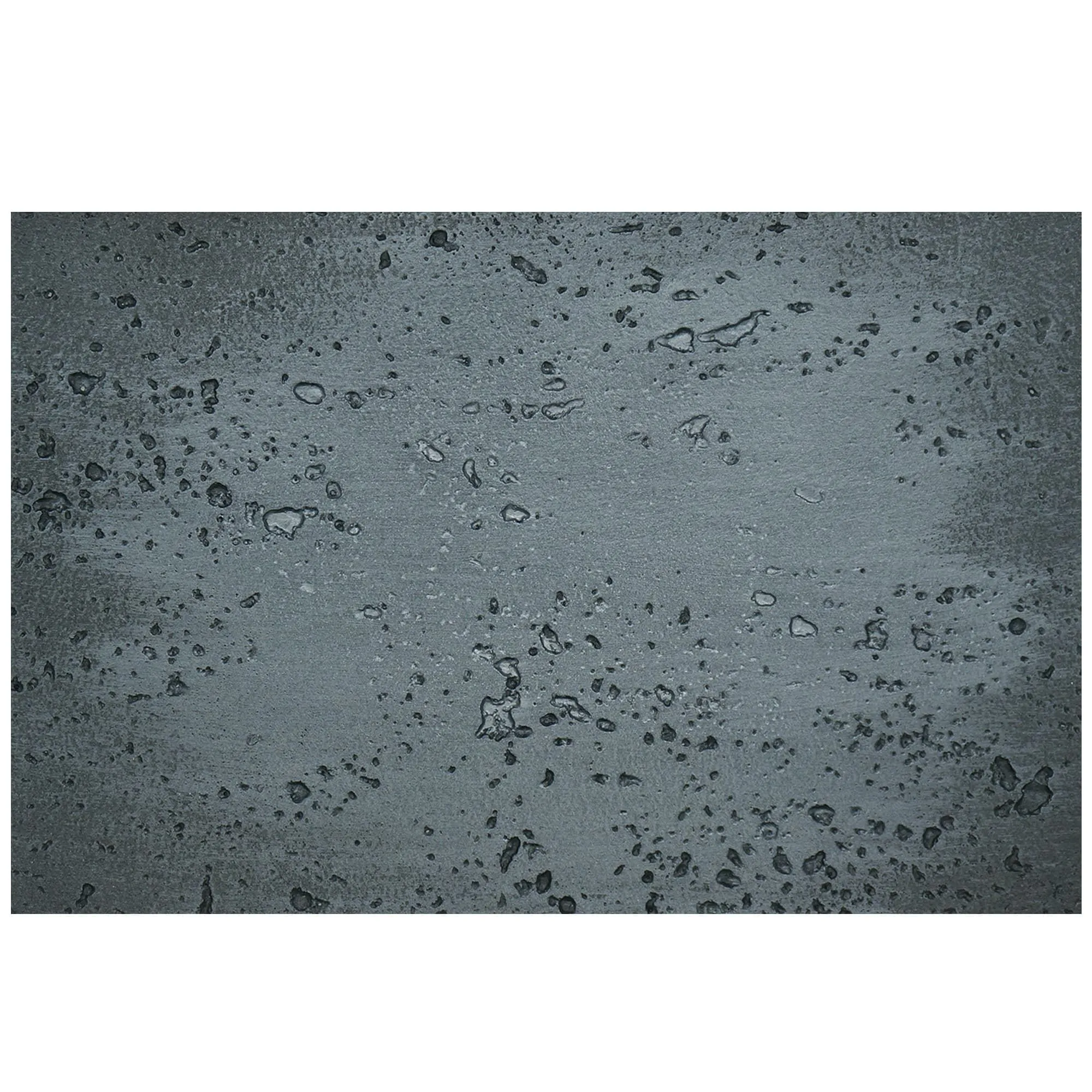
Choosing the right stone for your space is more than just a practical decision—it's about crafting an atmosphere that feels like an extension of your vision. Whether you're designing a cozy home, a sleek office, or a bustling commercial space, the material beneath your feet and on your walls shapes how we experience the world around us. Today, we're diving into two beloved natural stones: the modern elegance of travertine (vintage silver) and the timeless warmth of limestone (beige) . Both have their own stories to tell, but which one truly delivers better value for your project? Let's explore their textures, personalities, and real-world potential.
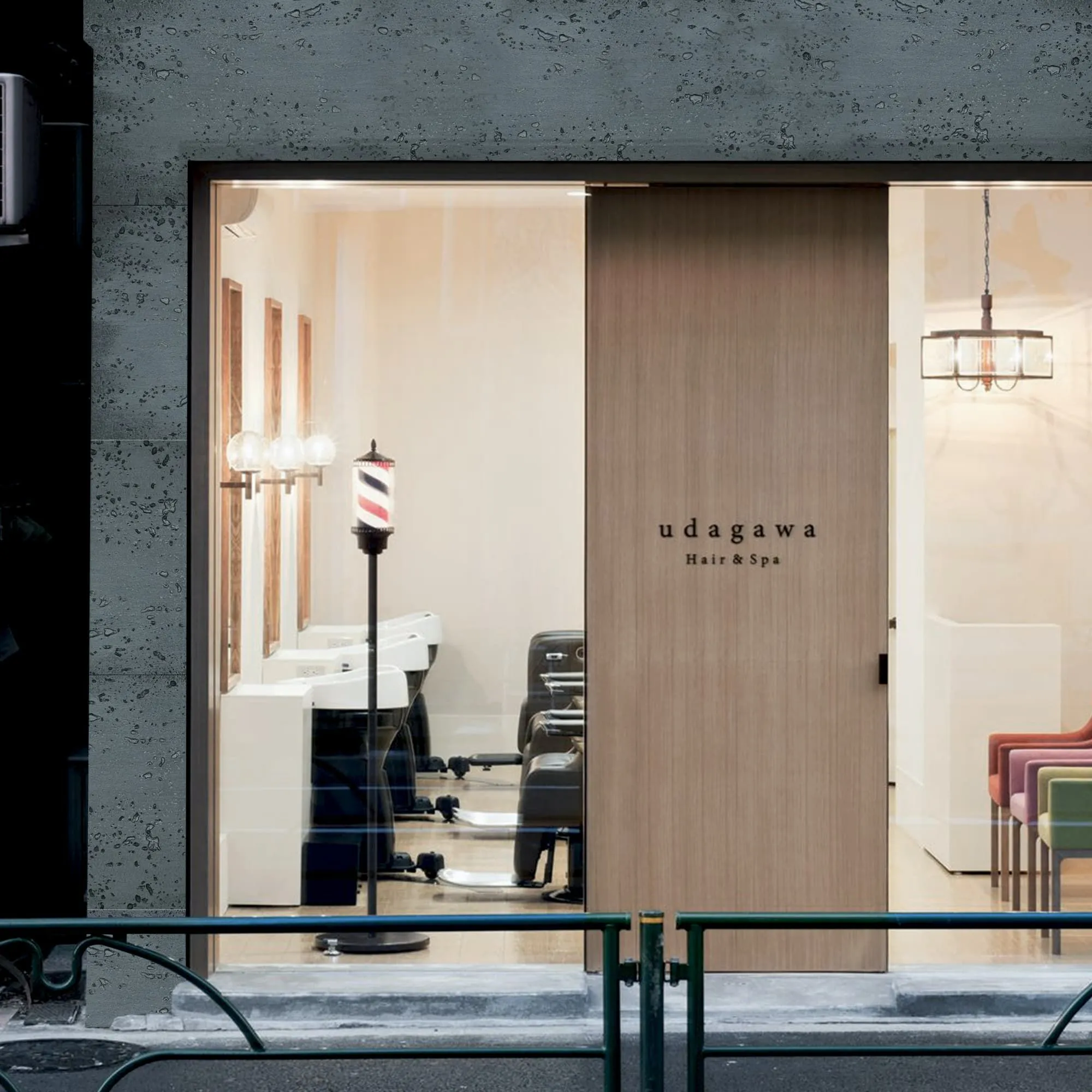
Imagine running your hand over a stone that feels both ancient and futuristic. That's travertine (vintage silver) —a variation of travertine, a sedimentary rock formed from mineral-rich hot springs, but with a twist. Its surface shimmers with a soft, silvery sheen, like moonlight dancing on water, yet retains the stone's signature pitted texture—the result of gas bubbles trapped during formation. This duality is what makes it so compelling: it's rugged enough to feel grounded, yet the metallic undertones add a touch of luxury that elevates any space.
Unlike traditional travertine's warm beiges or rusts, the "vintage silver" finish leans into cool tones, with veins of light gray and subtle hints of pewter weaving through its base. It's the kind of stone that doesn't scream for attention but quietly commands it, especially when paired with modern design elements like fair-faced concrete or sleek metal accents. Think of it as the "quiet luxury" of the stone world—effortlessly chic, never over-the-top.
If travertine (vintage silver) is the sophisticated city dweller, limestone (beige) is the wise storyteller from the countryside. Formed from the accumulation of marine organisms over millions of years, limestone carries the weight of history in its layers. Its beige hue ranges from soft sand to warm oatmeal, with subtle variations that mimic the natural gradients of desert dunes or sun-baked cliffs. Run your fingers across it, and you'll feel a smooth, almost velvety texture—softer than granite, more approachable than marble.
What makes limestone (beige) so beloved is its versatility. It doesn't just "fit" into rustic or traditional designs; it enhances them. Whether paired with wood grain board for a cabin-like charm or used as flooring in a minimalist kitchen, it brings a sense of calm that's hard to replicate. It's the stone equivalent of a favorite sweater—cozy, reliable, and always in style.
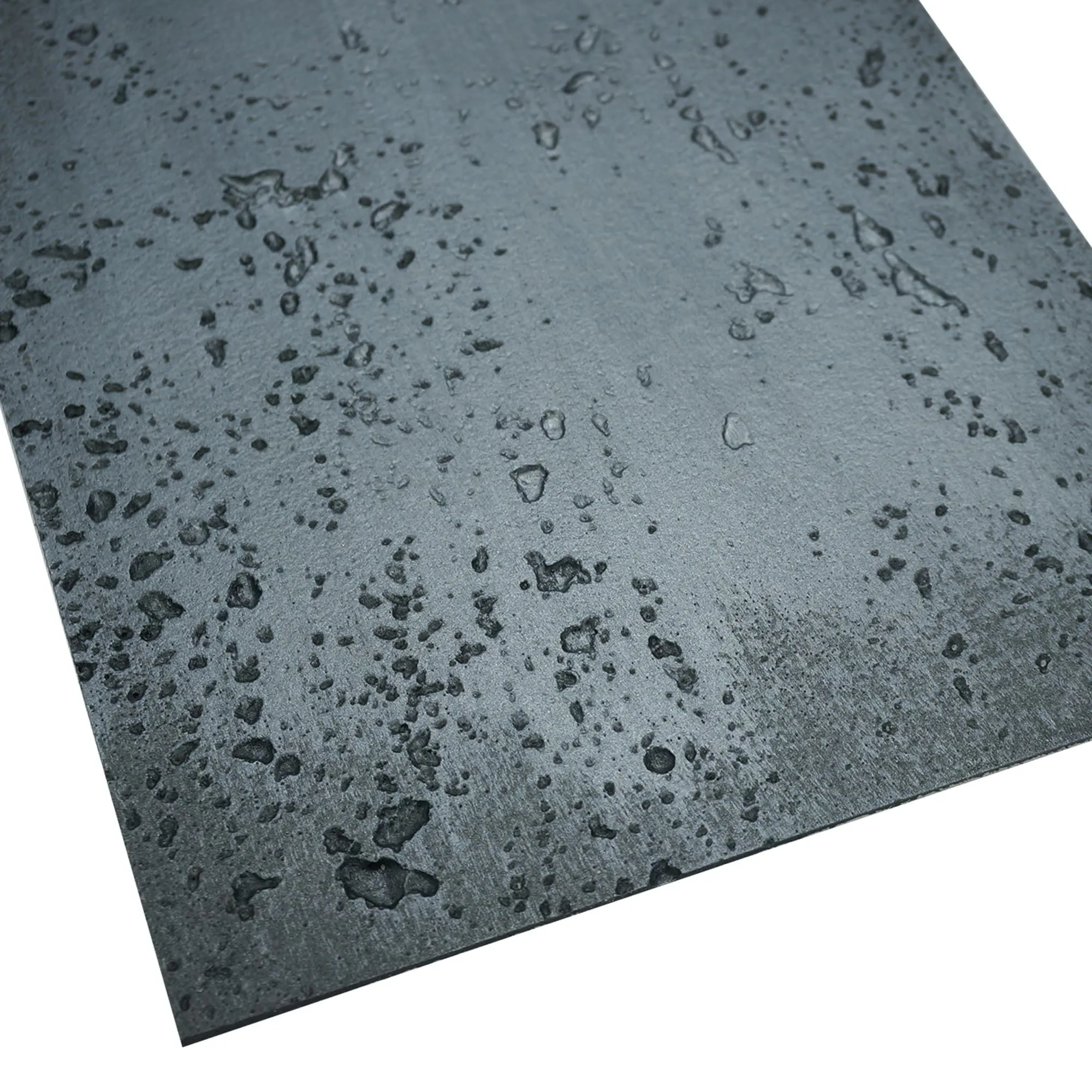
To truly understand value, we need to look beyond aesthetics. Let's break down how these two stones stack up in the areas that matter most: durability, maintenance, cost, and how they perform in real-life spaces.
| Feature | Travertine (Vintage Silver) | Limestone (Beige) |
|---|---|---|
| Aesthetic Vibe | Modern, sleek, with silvery-gray tones and metallic veining; pairs well with contemporary or industrial styles. | Warm, earthy, with soft beige hues and organic patterns; ideal for rustic, traditional, or cozy spaces. |
| Texture | Pitted surface (small holes from gas bubbles) with a slightly rough, tactile feel; polished variants offer smoother finishes. | Smooth, almost creamy texture with subtle fossil or shell imprints; often has a matte, natural look. |
| Durability | Moderate hardness (2.5-3 on Mohs scale); holds up well in low-to-medium traffic areas (walls, backsplashes, residential floors). | Similar hardness (3-4 on Mohs scale); slightly more porous than travertine, requiring extra care in high-moisture zones. |
| Maintenance Needs | Sealing required every 1-2 years to prevent staining; pitted areas may trap dirt, needing gentle brushing. | Regular sealing (every 6-12 months) to protect against spills; sensitive to acidic substances (lemon, vinegar). |
| Cost Range | Mid-to-high end ($8-$15 per square foot, depending on finish and thickness). | Mid-range ($5-$10 per square foot, more budget-friendly for larger projects). |
| Best For | Accent walls, living room floors, hotel lobbies, modern kitchens with under-cabinet lighting. | Outdoor patios, bedrooms, dining rooms, spaces where warmth and natural texture are priorities. |
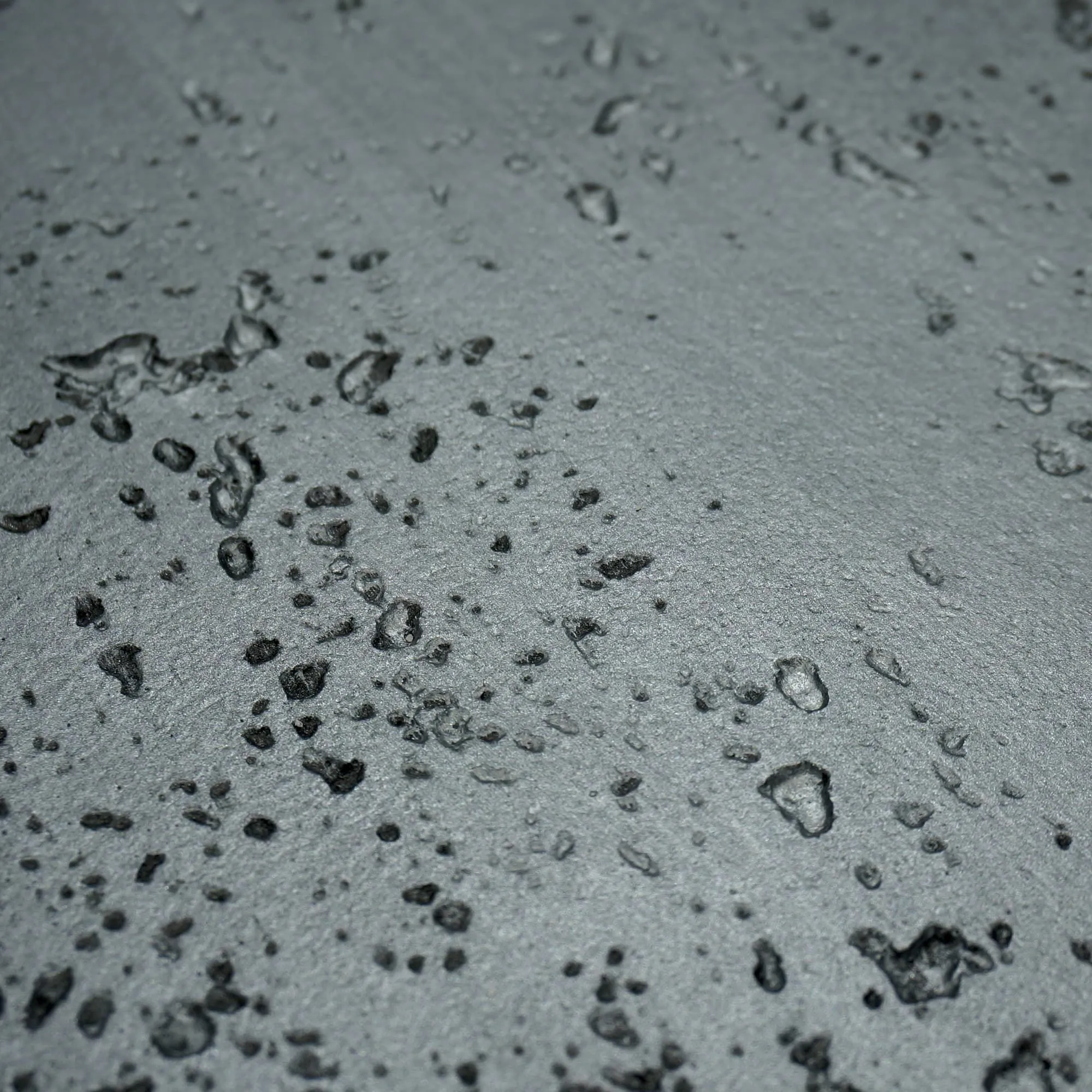
Picture a 100-year-old building in downtown Chicago, being renovated into a boutique hotel. The design brief calls for "old-world charm with a modern edge." The lobby needs to make a statement—something that says "luxury" without feeling stuffy. Here, travertine (vintage silver) shines. Its silvery-gray base and subtle metallic veins complement the exposed brick walls and fair-faced concrete pillars, creating a space that feels both historic and current. When paired with warm lighting, the stone reflects a soft glow, turning the lobby into a welcoming beacon for guests. While it costs more upfront, its durability in high-traffic areas (with proper sealing) ensures it stays stunning for decades—making it a value investment in curb appeal.
Now, imagine a family of four building their dream home in a tree-lined neighborhood. They want a kitchen and dining area that's "kid-friendly, warm, and easy to clean." Here, limestone (beige) is the star. Its soft, neutral color hides minor spills and scuffs (a lifesaver with young kids!), and its smooth texture feels inviting under bare feet. Paired with wood grain board cabinetry and large windows letting in natural light, the space feels like a hug—cozy, lived-in, and full of character. At a lower cost per square foot, the family can afford to use it throughout the main floor, creating a cohesive flow that ties the home together. While it needs regular sealing, the peace of mind (and budget savings) make it worth the effort.
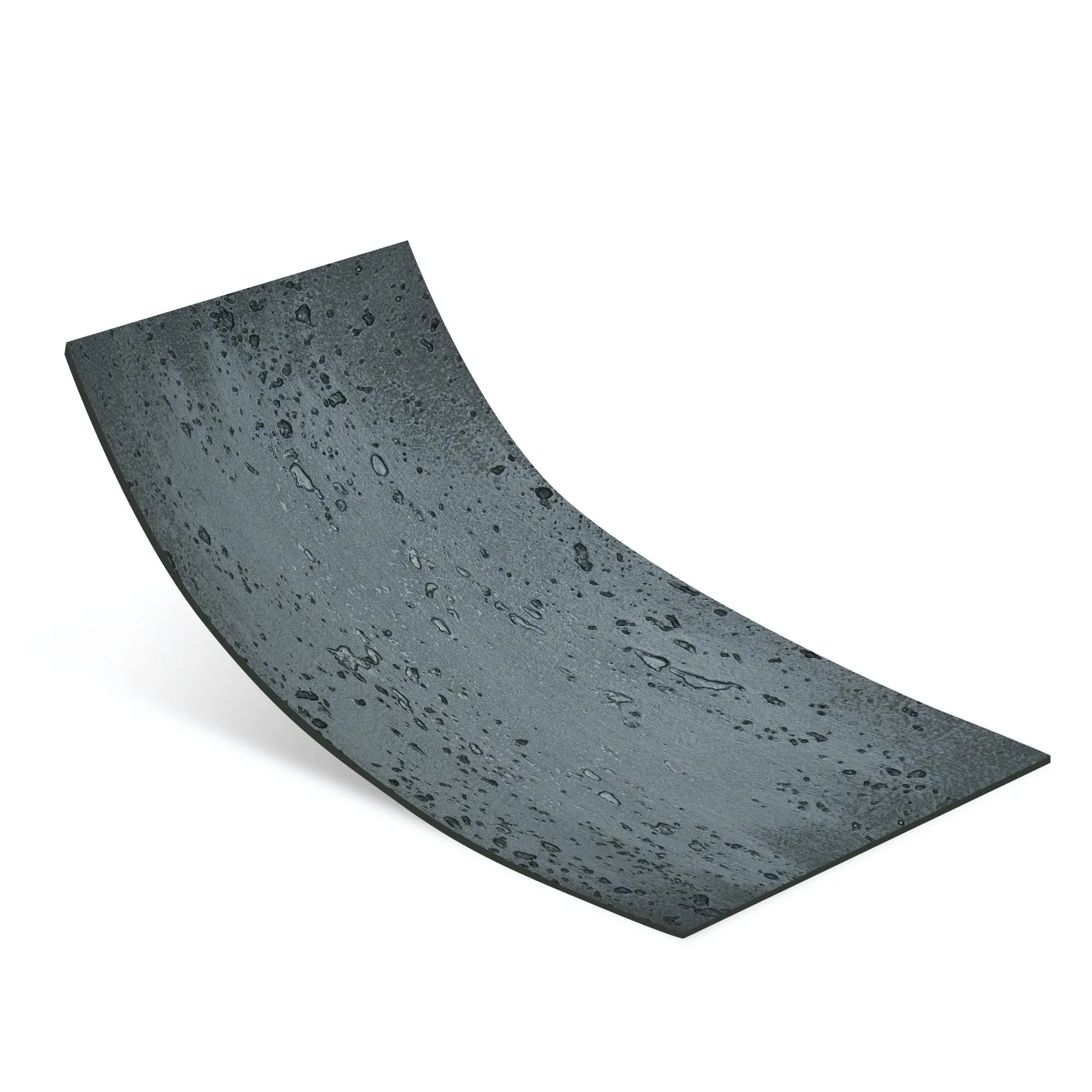
Neither stone exists in a vacuum—and part of their value lies in how well they play with others. For travertine (vintage silver) , consider pairing it with foamed aluminium alloy board (vintage gold) for a striking contrast of cool and warm metals, or with wood grain board to balance its sleekness with organic warmth. In commercial spaces, it's often used alongside fair-faced concrete to create an industrial-modern look that's both edgy and refined.
Limestone (beige) , on the other hand, loves company that leans into nature. Try it with weaving (beige) textiles for a bohemian vibe, or with rough granite stone (medium grey) accents for a touch of ruggedness. Outdoor spaces thrive when limestone is paired with lush greenery—its earthy tones make plants pop, turning a simple patio into a backyard oasis.
So, which stone offers better value? The answer depends on what "value" means to you. If you prioritize long-term durability, modern aesthetics, and are willing to invest in upfront costs for a high-impact look, travertine (vintage silver) is worth every penny. Its ability to elevate a space from "nice" to "unforgettable" makes it a smart choice for projects where design is a key selling point (like hotels, restaurants, or luxury homes).
On the other hand, if you're seeking warmth, affordability, and versatility for a space that's meant to be lived in (not just admired), limestone (beige) delivers exceptional value. Its lower cost and forgiving nature make it accessible for larger projects, and its timeless appeal ensures it won't feel dated in five or ten years.
At the end of the day, both stones are winners—they just cater to different visions. Travertine (vintage silver) is for the dreamers who want to make a bold, modern statement; limestone (beige) is for the realists who crave comfort and practicality without sacrificing beauty. Whichever you choose, remember: the best value comes from a stone that feels like "you."
Recommend Products












