
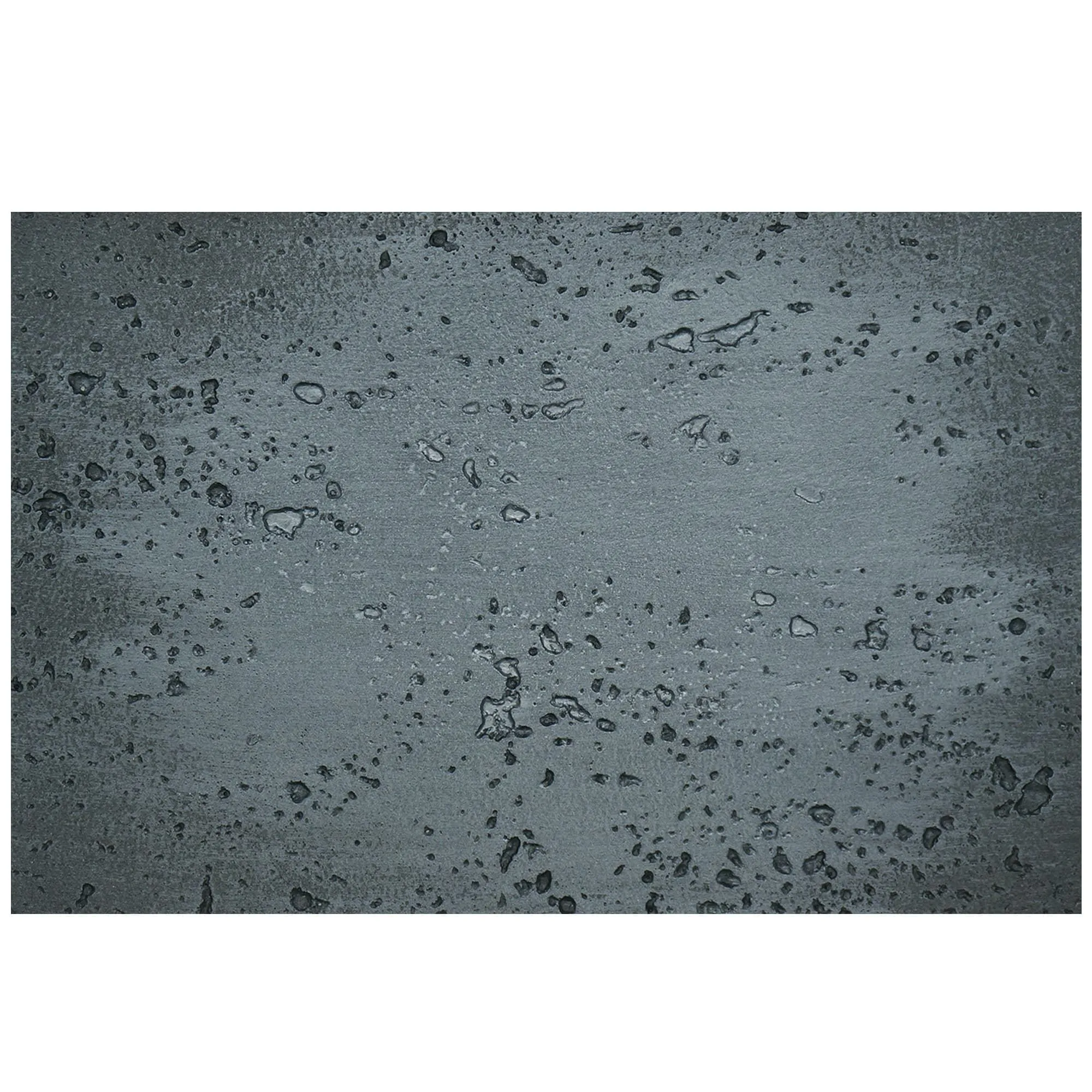
Choosing building materials isn't just about checking boxes for durability or cost—it's about crafting spaces that tell a story. In a world where "vintage charm" and "modern resilience" are often pitted against each other, two materials have emerged as front-runners for designers and homeowners craving that perfect blend of old-world allure and new-age practicality: Travertine (Vintage Silver) and MCM Flexible Stone . Let's dive into what makes each unique, how they stack up, and which might be the right fit for your next project.
First, a quick note: We'll also touch on a few other players in the "vintage silver" space—like Lunar Peak Silvery and even Foamed Aluminium Alloy Board (Vintage Silver) —to give you a full picture of how these two stand out. But make no mistake: Travertine (Vintage Silver) and MCM Flexible Stone are the stars here, each with its own personality, strengths, and quirks.
Travertine has been around for millennia—think ancient Roman amphitheaters, Renaissance palaces, and even the steps of the Lincoln Memorial. It's a natural limestone, formed by mineral-rich hot springs, and its signature look comes from tiny, irregular pores (called "vugs") and swirling veins that tell the story of its formation. Travertine (Vintage Silver) is a modern twist on this classic: it's treated to a soft, silvery-gray patina that mimics the weathered elegance of travertine that's aged gracefully over decades, without the wait.
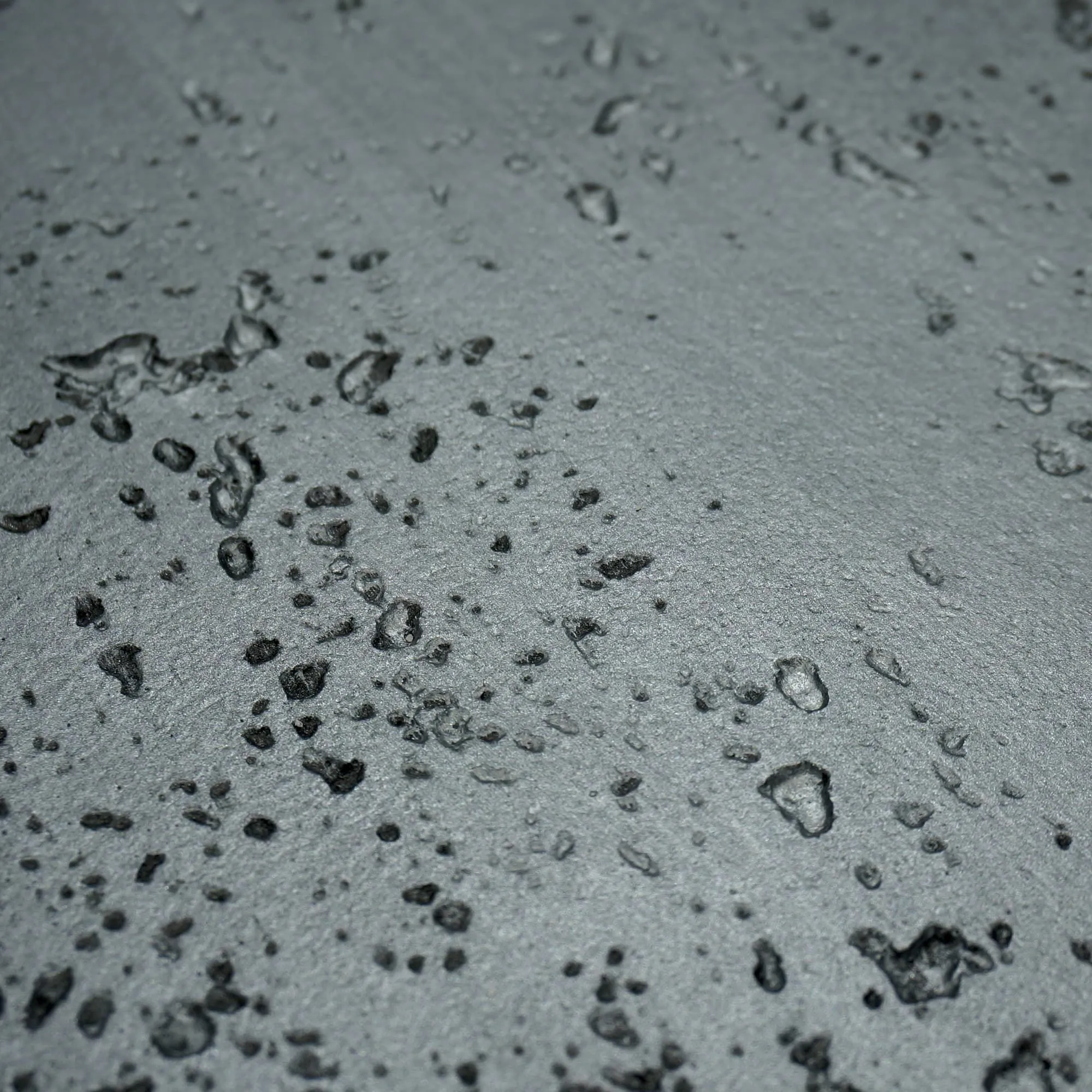
Run your hand over it, and you'll feel the texture—cool, slightly rough, with depth that no printed pattern can replicate. It's the kind of material that makes a space feel "lived-in" in the best way, like it's been part of the landscape forever.
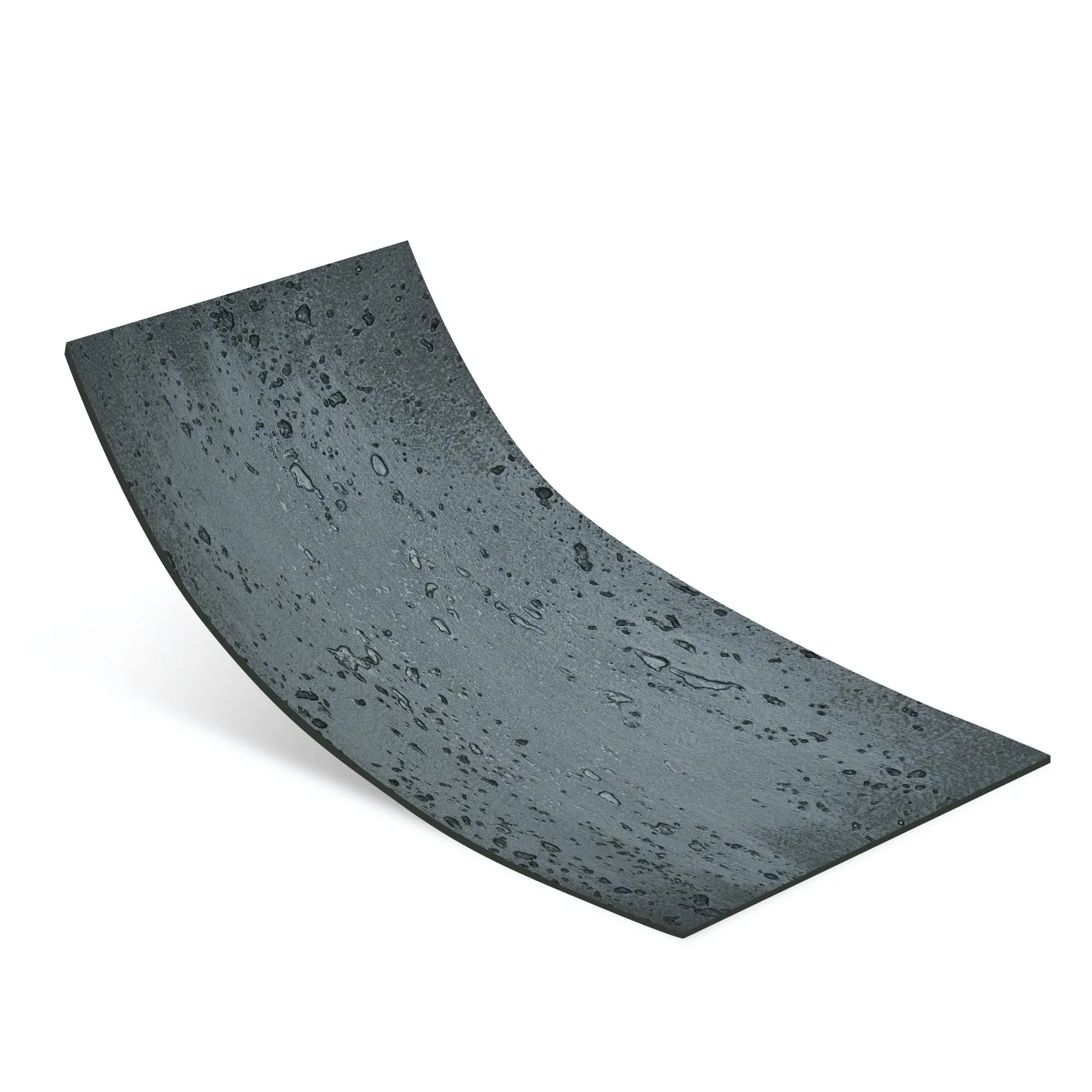
MCM Flexible Stone, on the other hand, is a product of modern engineering. Short for "Modified Composite Material," MCM is a blend of natural stone powder, high-performance resins, and reinforcing fibers—think of it as stone's practical cousin. MCM Flexible Stone is designed to mimic the look of natural stone (travertine included) but with a few game-changing upgrades: it's lightweight, bendable, and far more durable than many natural stones.
What makes it "flexible"? Unlike rigid natural stone slabs, MCM can curve around corners, wrap columns, or even be used on ceilings—all without cracking. And the "Vintage Silver" finish? It's engineered to replicate that weathered travertine look, right down to the veining and subtle color variations, but with a consistency that's hard to find in nature.
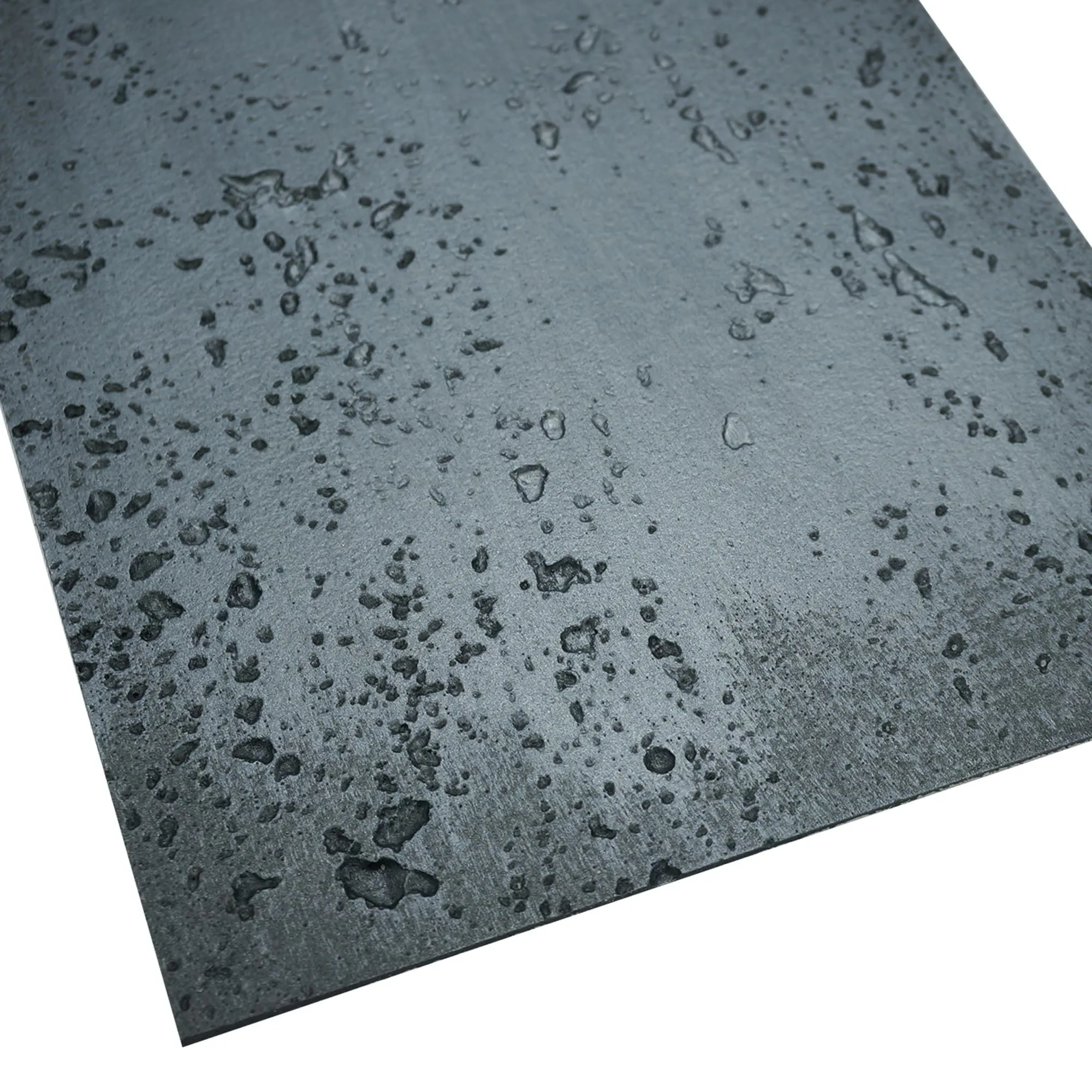
Travertine (Vintage Silver): Purely natural. It's quarried from the earth, cut into slabs, and then treated with a special finishing process to achieve that silvery, aged patina. No two pieces are identical—you'll get unique veining, pore patterns, and color shifts (think warm grays, cool silvers, and even hints of beige in some slabs). This is natural stone at its most authentic.
MCM Flexible Stone: Engineered, but rooted in nature. It starts with stone powder (often recycled from quarry waste) mixed with polymers and fibers to create a thin, flexible sheet (usually 3-5mm thick). The "Vintage Silver" color is added via pigments and surface treatments, allowing for precise control over the final look. It's a modified composite material panel that marries the beauty of stone with the adaptability of modern composites.
Let's talk looks—because when you're going for "vintage silver," aesthetics are everything. Travertine (Vintage Silver) has that unmistakeable organic charm. Its pores aren't just texture; they're character. Run a cloth over it, and you'll notice how light catches the edges of those pores, creating a soft, diffused glow. The veining is irregular—sometimes thin and wispy, sometimes bold and swirled—like nature's own abstract art.
Compare that to MCM Flexible Stone , which can replicate travertine's look with accuracy. The best MCM panels mimic the veining, pores, and even the slight color variation of natural travertine, but with a consistency that's a dream for designers. No more hunting through slabs to find matching pieces! That said, some purists argue it lacks the "soul" of natural stone—there's a uniformity that, while practical, doesn't quite capture the random beauty of nature.
For context, consider Lunar Peak Silvery —another vintage silver option, but with a more metallic, almost iridescent finish. Travertine (Vintage Silver) feels earthier, more grounded, while Lunar Peak leans futuristic. MCM Flexible Stone, cleverly, can bridge that gap: it can mimic travertine's earthiness or, with tweaks, edge closer to Lunar Peak's sheen.
Here's where the rubber meets the road (or the stone meets the wall, in this case). Travertine (Vintage Silver) is tough, but it's not invincible. Like all natural limestone, it's porous—those charming pores? They're also tiny traps for spills, dirt, and moisture. Left unsealed, a glass of red wine or a rainy day could leave permanent stains. It's also prone to scratching if not cared for, and heavy objects dropped on it might chip the edges.
On the flip side, MCM Flexible Stone is built for resilience. Its composite makeup makes it water-resistant (no need to seal!), scratch-resistant, and even impact-resistant. I've seen MCM panels used in high-traffic commercial lobbies and outdoor patios, and they hold up remarkably well. It won't crack under flexing (hence "flexible"), making it ideal for curved surfaces or areas with slight structural movement—something natural travertine would struggle with.
For reference, Foamed Aluminium Alloy Board (Vintage Silver) is another durable option, but it's metal—cold to the touch and prone to dents. MCM offers stone-like warmth with metal-like toughness.
Installing natural stone is no small feat, and Travertine (Vintage Silver) is no exception. Slabs are heavy—often 20-30kg per square meter—so you'll need a sturdy substrate (think concrete or reinforced drywall) and professional installers. Cutting it requires diamond blades, and because each slab is unique, layout planning takes time to ensure the veining flows naturally. It's doable, but it adds time and labor costs.
MCM Flexible Stone? It's a installer's dream. At just 3-5mm thick and 3-5kg per square meter, it's lightweight enough to be installed on almost any surface—even existing drywall or plywood. It cuts with standard tools (no diamond blades needed!), and its flexibility means it can wrap around columns, archways, or even ceilings with minimal effort. Some MCM panels even come with peel-and-stick backing, though most professionals use adhesive for extra security. It's faster, easier, and often cheaper to install than natural travertine.
Travertine (Vintage Silver) demands a little TLC. To protect against stains, you'll need to seal it every 1-2 years (more often for outdoor use). Cleaning requires gentle, pH-neutral cleaners—no harsh chemicals or abrasive sponges, which can wear away the sealant and etch the stone. Spills should be wiped up immediately to avoid seeping into the pores. It's not high-maintenance, but it's not "set it and forget it."
MCM Flexible Stone is the low-maintenance champion. Its non-porous surface resists stains, so a quick wipe with soap and water is usually enough. No sealing, no special cleaners, no panic over spills. Even outdoor installations hold up to rain, snow, and UV rays without fading or warping. For busy homeowners or commercial spaces where maintenance budgets are tight, this is a huge win.
Natural stone comes with a natural price tag. Travertine (Vintage Silver) typically costs $40-$80 per square foot, including materials and installation. The price can spike if you're after rare slabs or custom finishes. It's an investment, but for many, the authenticity is worth it.
MCM Flexible Stone is more budget-friendly, ranging from $20-$45 per square foot installed. The lower cost comes from cheaper raw materials, faster installation, and less waste (since MCM panels are lightweight and easy to cut to size). For large projects—like an entire exterior facade or a commercial lobby—those savings add up quickly.
Sustainability is increasingly a dealbreaker, and both materials have pros and cons. Travertine (Vintage Silver) is natural and biodegradable, but quarrying it requires heavy machinery, uses water, and can disrupt local ecosystems. On the plus side, it's long-lasting (centuries, if cared for), so its lifecycle is impressive.
MCM Flexible Stone, meanwhile, often uses recycled stone powder, reducing quarry waste. Its lightweight nature also cuts down on transportation emissions. Some manufacturers even use low-VOC resins, making it a greener choice for indoor air quality. However, it's not biodegradable—though it can sometimes be recycled at the end of its life.
| Feature | Travertine (Vintage Silver) | MCM Flexible Stone (Vintage Silver) | Lunar Peak Silvery (For Context) |
|---|---|---|---|
| Material | Natural limestone | Modified composite (stone powder + resins) | Engineered stone with metallic finish |
| Weight | 20-30kg/sq.m | 3-5kg/sq.m | 10-15kg/sq.m |
| Durability | Good (needs sealing; prone to stains) | Excellent (water/scratch-resistant) | Very good (metallic layer can scratch) |
| Installation | Heavy; requires pros and sturdy substrate | Lightweight; DIY-friendly (with tools) | Moderate; similar to natural stone |
| Maintenance | Seal every 1-2 years; gentle cleaning | Wipe with soap and water; no sealing | Low; avoid abrasive cleaners |
| Cost (Installed) | $40-$80/sq.ft | $20-$45/sq.ft | $35-$65/sq.ft |
| Best For | Accent walls, fireplaces, luxury interiors | Large facades, curved surfaces, high-traffic areas | Modern interiors, statement pieces |
There's no "winner" here—only what's right for your project. Let's break it down:
And if you're torn? Consider mixing them. Use travertine for focal points (like a lobby floor) and MCM for surrounding walls—you'll get the best of both worlds: natural beauty where it matters most, and modern resilience everywhere else.
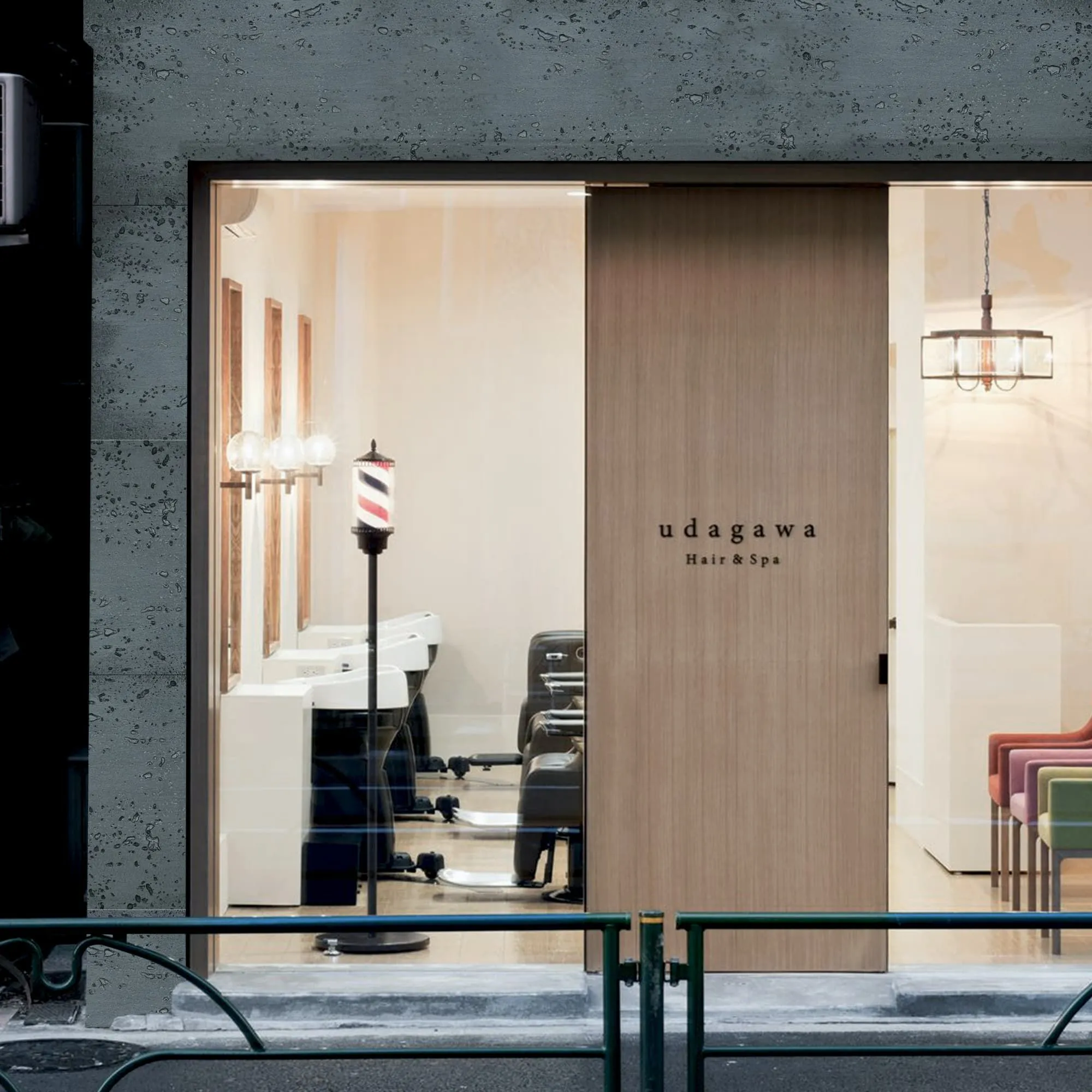
In the end, Travertine (Vintage Silver) and MCM Flexible Stone are two sides of the same coin: both chasing that elusive "vintage silver" aesthetic, but through very different means. One is a relic of the past, polished for the present; the other is a vision of the future, borrowing from the past. Whichever you choose, you're not just building a space—you're creating a mood, a feeling, a moment that people will remember. And isn't that what great design is all about?
Recommend Products












