
Choosing materials for large-scale projects—whether it's a sprawling commercial complex, a bustling transportation hub, or a serene public plaza—feels a bit like selecting the soul of a space. It's not just about bricks and mortar (or stone and panels); it's about crafting an environment that tells a story, withstands the test of time, and resonates with the people who interact with it daily. In recent years, two contenders have risen to the top of architects' and designers' shortlists: the timeless allure of Travertine (Vintage Silver) and the innovative flexibility of MCM Project Board Series . Today, we're diving deep into their textures, strengths, and stories to help you decide which might be the better fit for your next big vision.
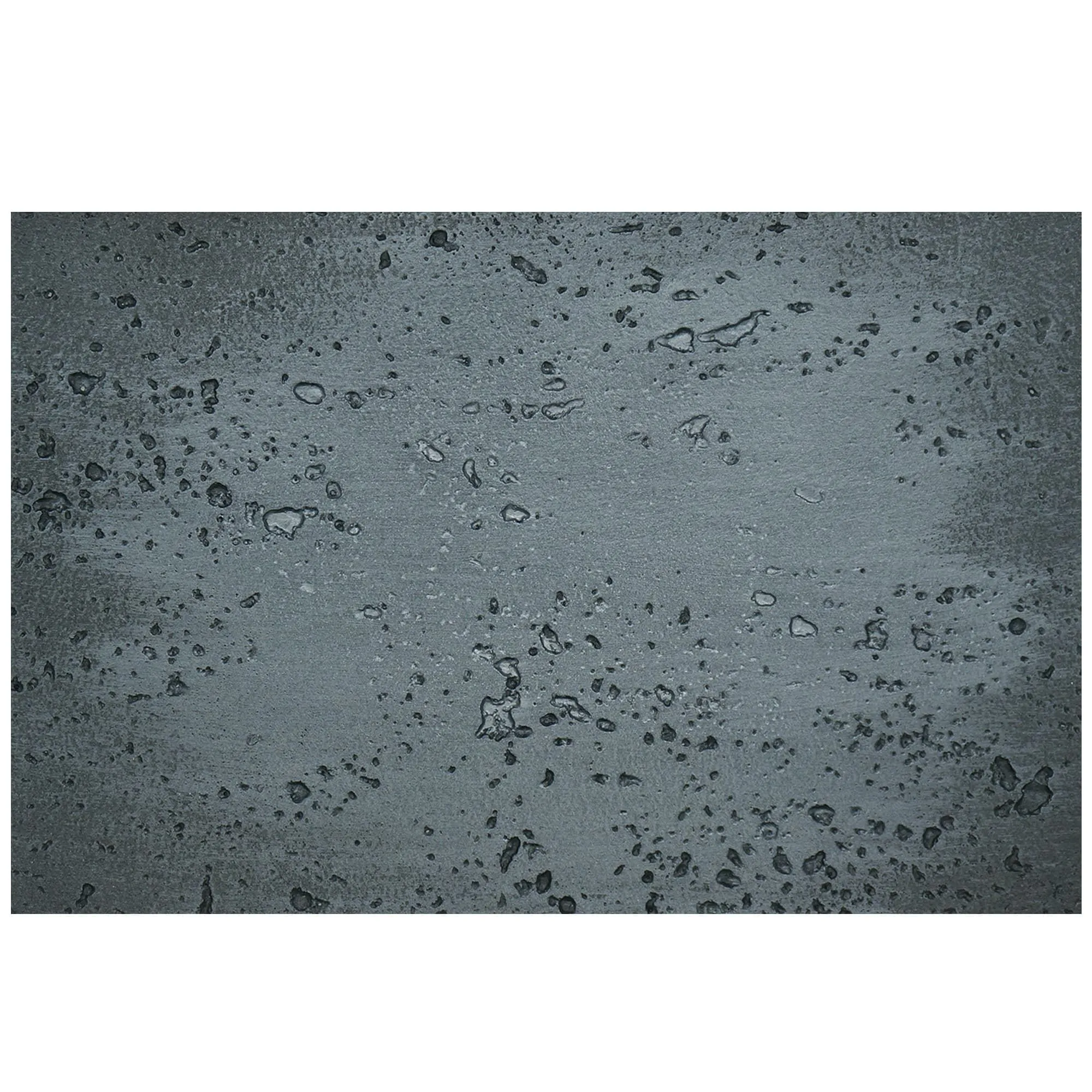
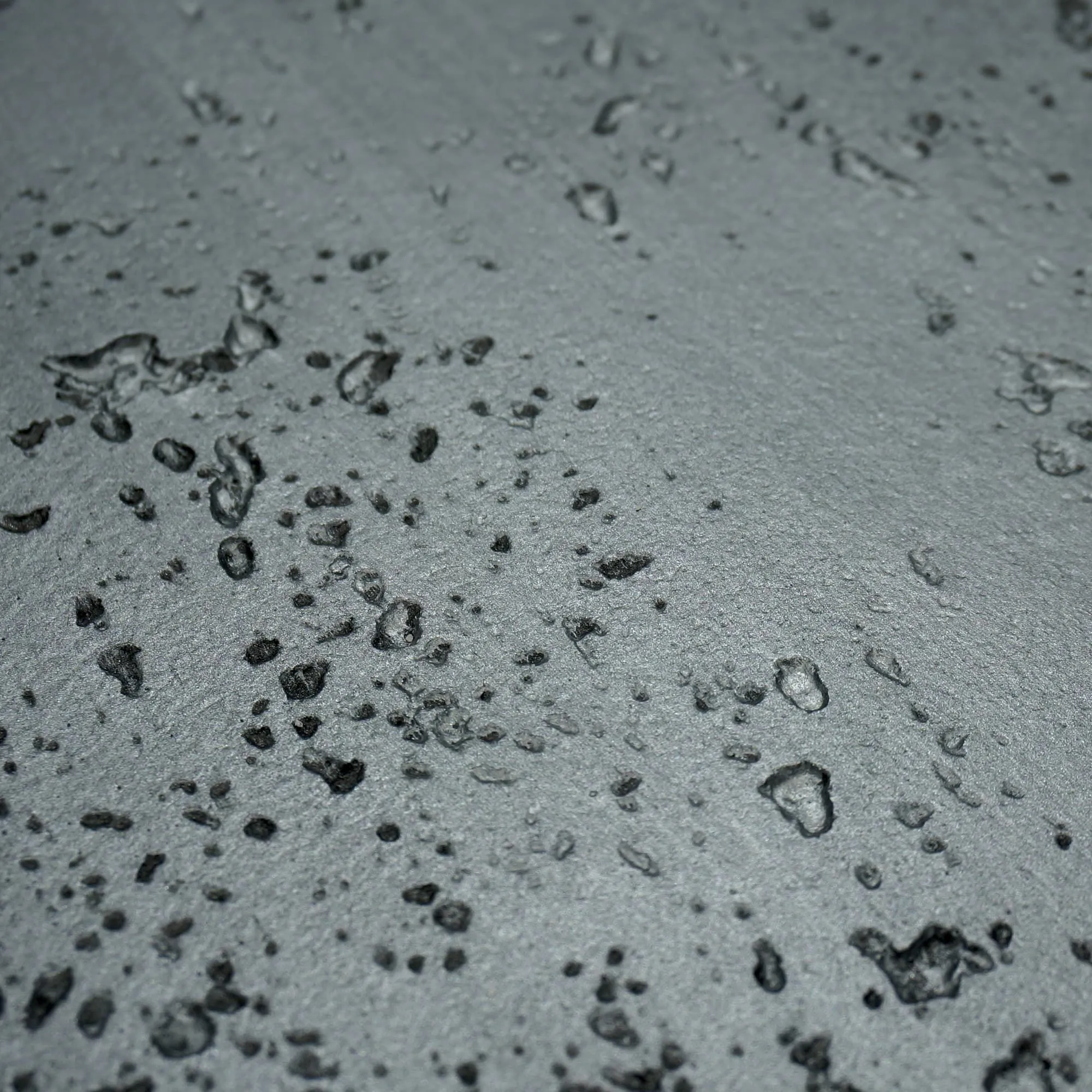
Let's start with the classic: travertine. For centuries, this sedimentary rock has adorned everything from ancient Roman baths to modern luxury resorts, and its vintage silver variant adds a contemporary twist to its age-old charm. Picture this: sunlight filtering through a glass atrium, casting soft rays on walls clad in Travertine (Vintage Silver). The stone's surface shimmers with a muted, metallic sheen, its natural pits and veins creating a pattern that feels both intentional and organic—like a fingerprint left by time itself.
What makes Travertine (Vintage Silver) so compelling? For starters, its authenticity. Each slab is a one-of-a-kind masterpiece, shaped by mineral deposits and water flow over millennia. Unlike synthetic materials, it doesn't just look natural—it is natural, carrying with it the weight of geological history. This uniqueness is a boon for projects aiming to evoke warmth and character; in a world of mass-produced finishes, a wall of vintage silver travertine feels personal, almost alive.
But beauty, as they say, requires care. Travertine is porous by nature, meaning it needs regular sealing to protect against stains—think coffee spills in a hotel lobby or rainwater on an outdoor terrace. Its weight is another consideration: a single slab can weigh upwards of 150 pounds, which adds complexity to installation, especially for high-rise buildings where structural load is a critical factor. Yet for many designers, these challenges are worth it. "There's a tactile quality to travertine that synthetic materials just can't replicate," says Elena Marquez, a senior architect at a global design firm. "When you run your hand over it, you feel the earth's history. It's grounding, almost meditative."
Take, for example, the renovation of the historic Grand Central Terminal Annex in 2023. The design team opted for Travertine (Vintage Silver) to bridge the building's Beaux-Arts heritage with a modern update. The stone's silver hue complemented the original marble floors, while its natural texture added depth to the otherwise sleek glass extensions. "We wanted something that felt both timeless and fresh," explains Marquez, who led the project. "Vintage silver travertine didn't just fit the bill—it elevated the space. Visitors now pause to touch the walls, to take photos of how the light hits the veins. That's the power of natural stone."
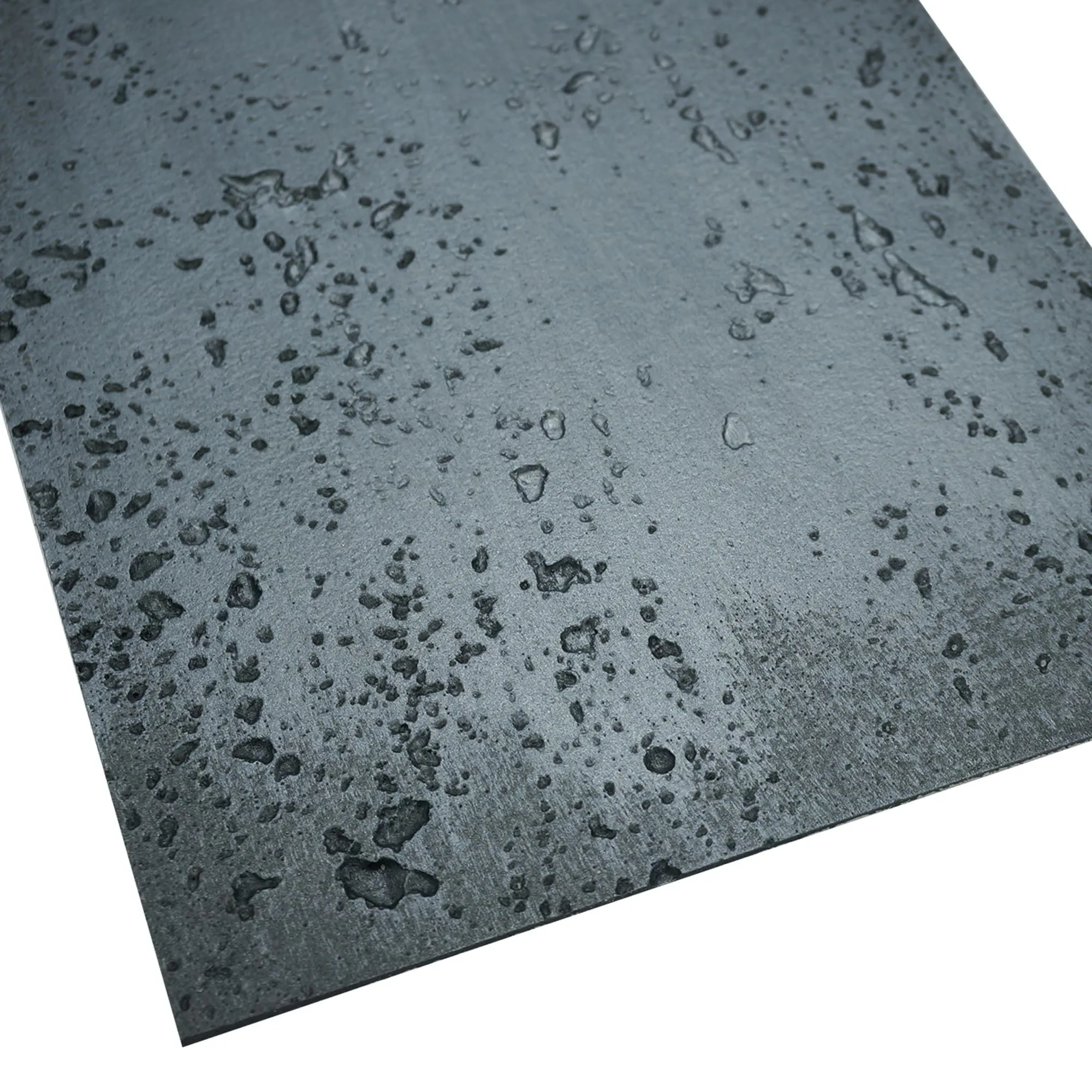
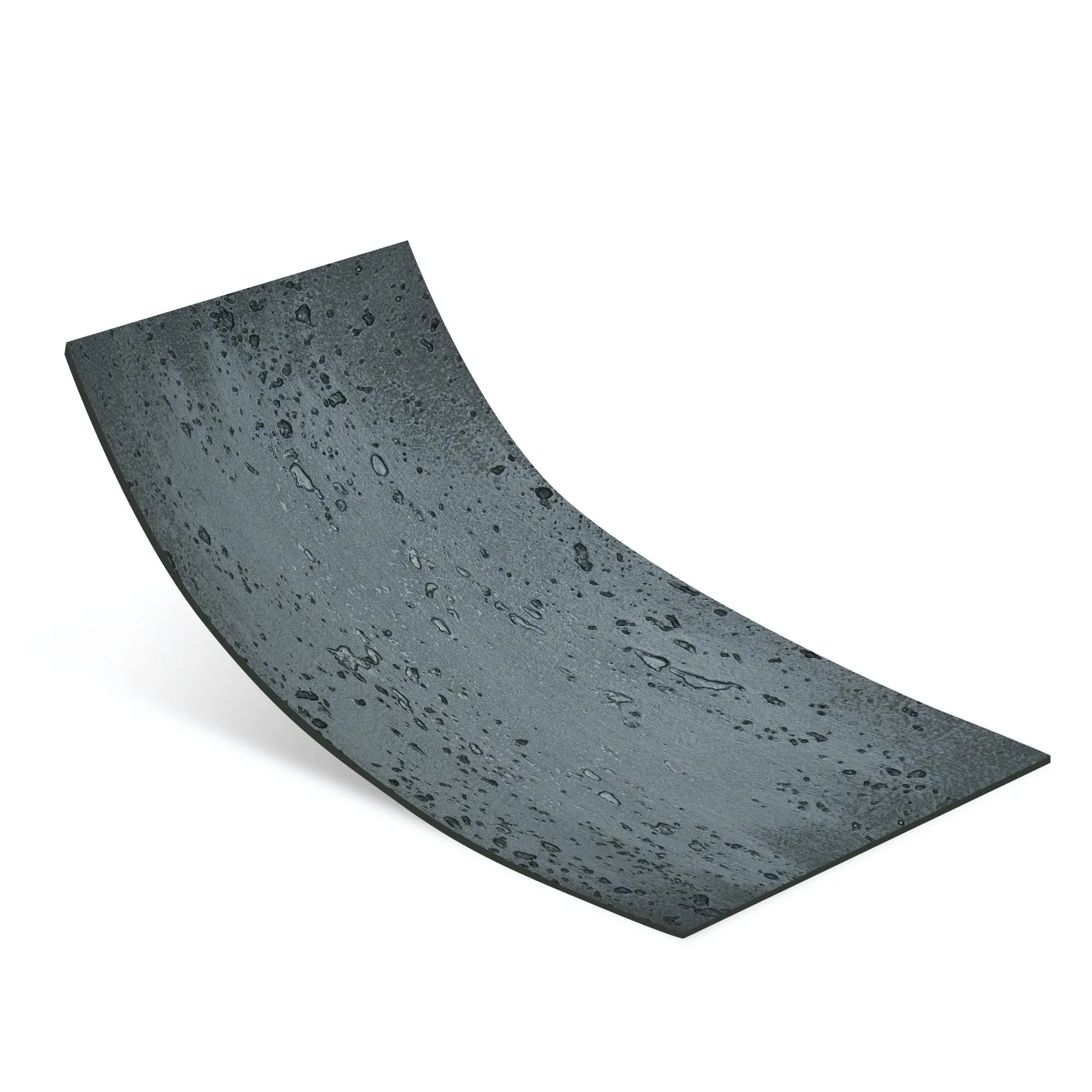
Now, let's shift to the new kid on the block—or rather, the innovative solution that's been turning heads in the construction world: the MCM Project Board Series. MCM, short for Modern Composite Material, isn't just a single product; it's a family of engineered panels designed specifically for large-scale applications. At its core is MCM Flexible Stone , a game-changing technology that marries the look of natural stone with the lightweight, durable properties of composite materials. Imagine a panel that mimics the texture of travertine or granite but weighs a fraction of the real thing, bends around curves with ease, and installs in half the time. That's MCM in a nutshell.
What sets the MCM Project Board Series apart? Versatility, for starters. These panels come in a dizzying array of finishes, from the industrial chic of Fair-Faced Concrete to the celestial glow of Lunar Peak Silvery —a finish that channels the moon's soft radiance. But it's their flexibility (literally) that makes them a hit for large projects. Traditional stone slabs are rigid, limiting design possibilities; MCM panels, by contrast, can be curved, cut, or layered to create dynamic, three-dimensional facades. "We recently used MCM Flexible Stone for a shopping mall's facade, and the result was stunning," says Raj Patel, a project manager at a commercial construction firm. "We curved the panels to mimic the flow of a river, something we never could have done with natural stone without breaking the budget."
Durability is another strong suit. MCM panels are resistant to moisture, UV rays, and temperature fluctuations, making them ideal for harsh climates—think coastal areas prone to salt spray or desert regions with scorching heat. They're also lightweight (around 4-6 pounds per square foot), which reduces structural load and cuts down on installation time and labor costs. For a project with tight deadlines, that's a game-changer. "On our last hospital expansion, we switched from traditional stone to MCM Project Boards and shaved three weeks off the installation schedule," Patel notes. "The client was thrilled, and the panels still look brand-new two years later."
But perhaps the most compelling aspect of MCM is its sustainability. Many panels in the series are made from recycled materials, and their lightweight nature reduces carbon emissions during transportation. Unlike natural stone, which requires extensive quarrying, MCM production has a smaller environmental footprint—a selling point for clients prioritizing green building certifications like LEED. "Sustainability isn't just a buzzword anymore; it's a requirement," Patel adds. "MCM helps us meet those goals without sacrificing style."
| Factor | Travertine (Vintage Silver) | MCM Project Board Series |
|---|---|---|
| Aesthetic Appeal | Organic, unique veining; warm, metallic silver hue; develops a patina over time. | Wide range of finishes (e.g., Lunar Peak Silvery, Fair-Faced Concrete); consistent texture; customizable to mimic natural stone. |
| Durability | Heat-resistant but porous; prone to staining without sealing; vulnerable to chipping. | Moisture/UV resistant; impact-resistant; lightweight but strong; minimal wear over time. |
| Installation | Heavy (150+ lbs/slab); requires skilled labor; longer installation time. | Lightweight (4-6 lbs/sq ft); flexible for curves; faster installation with basic tools. |
| Cost | High upfront cost ($15-30/sq ft); ongoing sealing/maintenance expenses. | Moderate upfront cost ($12-25/sq ft); low maintenance costs over time. |
| Sustainability | Natural but requires quarrying; high transportation emissions due to weight. | Recycled materials used; low carbon footprint; energy-efficient production. |
| Best For | Heritage projects, luxury resorts, indoor spaces with controlled environments. | Modern commercial buildings, outdoor facades, projects with tight deadlines or sustainability goals. |
At the end of the day, the "better" material depends on your project's unique needs. Let's break down some scenarios:
You're chasing timeless elegance. If your project is a boutique hotel, a high-end restaurant, or a historic renovation, the organic beauty of travertine can add a layer of luxury that's hard to replicate. Its vintage silver finish feels both classic and modern, making it perfect for spaces that aim to blend old and new.
Authenticity matters most. Some clients and designers swear by natural materials, believing they bring a "soul" to a space that synthetic options can't match. If your team falls into this camp, travertine's uniqueness—no two slabs are identical—will be a selling point.
You have the budget for maintenance. Travertine requires regular sealing (every 1-2 years) and careful cleaning, but for clients willing to invest in upkeep, the payoff is a material that ages gracefully, developing a rich patina that tells a story over time.
You need flexibility (literally and figuratively). If your design includes curves, angles, or intricate patterns, MCM's bendable panels are the way to go. They're also a lifesaver for projects with tight deadlines, thanks to their quick installation.
Sustainability is a priority. With recycled materials and lower transportation emissions, MCM aligns with green building goals. It's also a smart choice for projects in eco-sensitive areas where quarrying is restricted.
You're working with a tight budget or timeline. While MCM's upfront cost is moderate, its low maintenance and fast installation save money in the long run. For large projects where every dollar and day counts, that's a huge advantage.
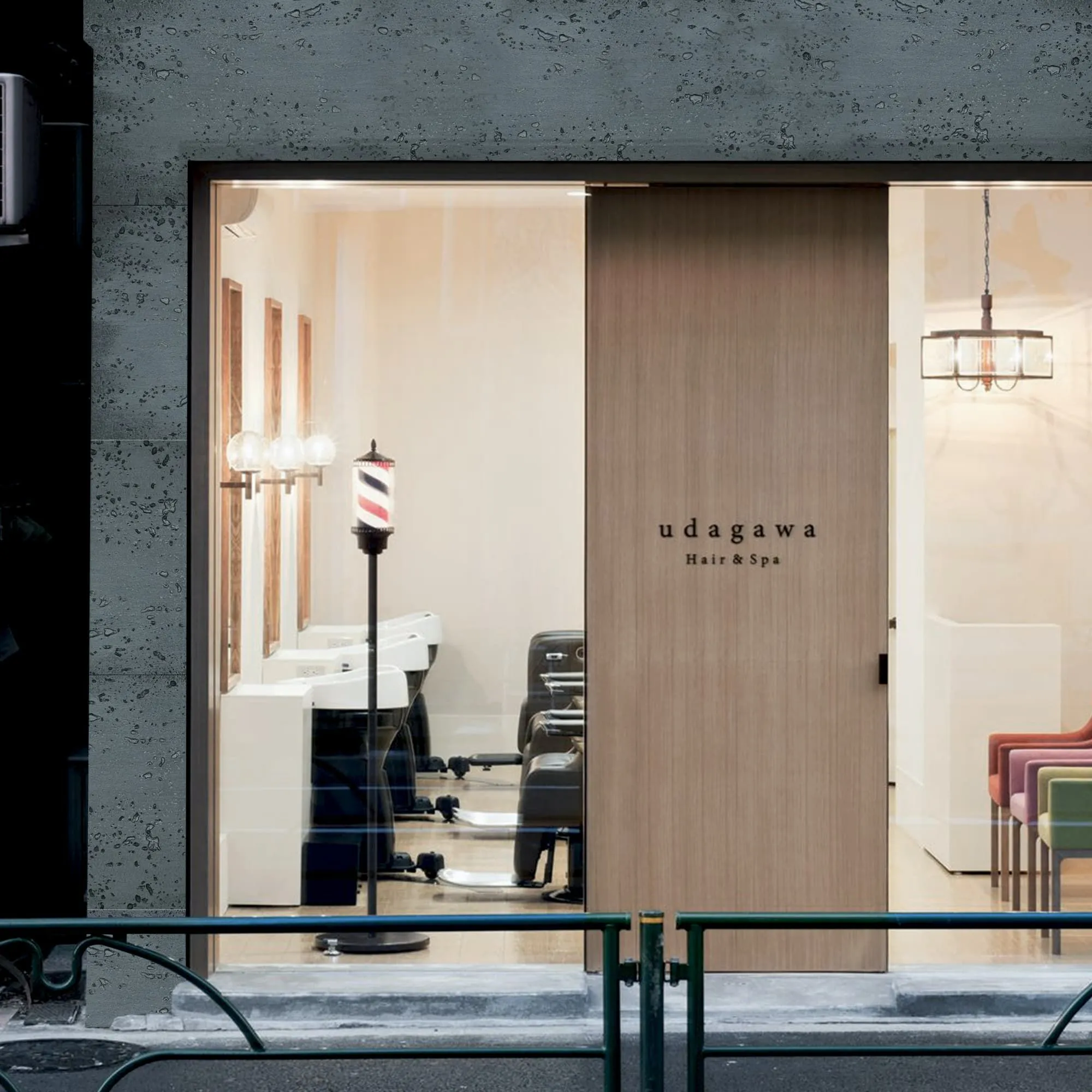
Here's a secret: sometimes, the best solution isn't choosing one material over the other—it's blending them. Many designers are now pairing Travertine (Vintage Silver) with MCM Project Boards to create dynamic, layered spaces. For example, a lobby might feature travertine floors for warmth and MCM panels on the walls for durability and design flair. Or an outdoor plaza could use MCM's Lunar Peak Silvery panels for the facade and travertine accents for seating areas, balancing innovation with tradition.
"Mixing materials adds depth and interest," says Elena Marquez. "We recently designed a university campus center where we used travertine for the entrance walkway—its texture invites people to slow down and touch—and MCM Flexible Stone for the upper facade, which needed to withstand harsh winters. The result was a space that feels both grounded and forward-thinking."
At the end of the day, choosing between Travertine (Vintage Silver) and MCM Project Board Series is about more than specs and costs—it's about honoring your project's unique story. Do you want to evoke the timelessness of natural stone, or the innovation of modern engineering? Are you building for legacy, or for the future? There's no right or wrong answer, only what feels true to your vision.
For those who crave the warmth of natural stone and don't mind the upkeep, Travertine (Vintage Silver) is a love letter to tradition. For those pushing boundaries with design, sustainability, or speed, MCM Project Board Series is a ticket to the future. And for the bold? Why not both? After all, the most memorable spaces are the ones that blend the best of what's been and what's to come.
So, what will your project's material story be? Whatever you choose, here's to creating spaces that inspire, endure, and feel like home—one slab, one panel, one story at a time.
Recommend Products












