
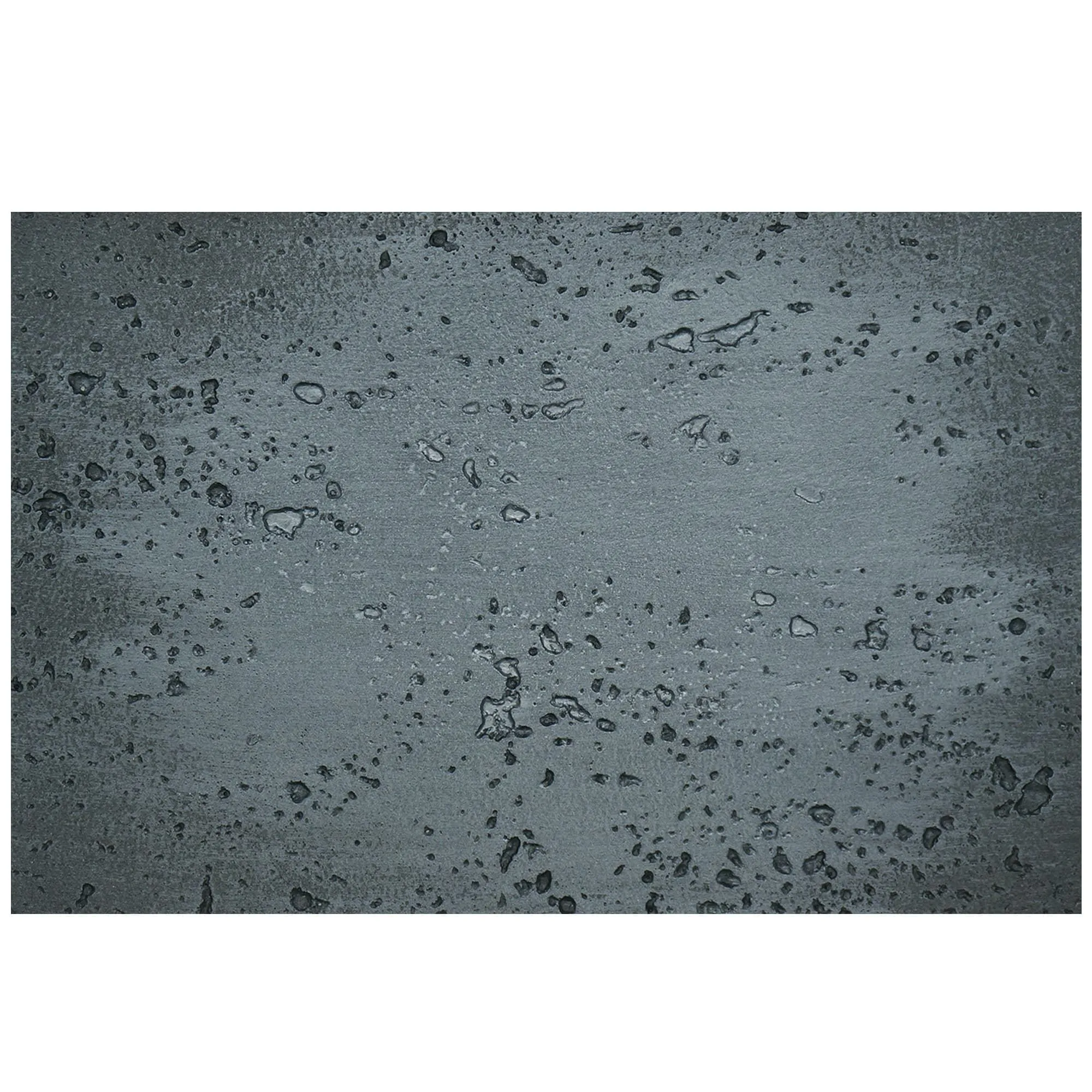
Walk into any well-designed space, and you'll notice it immediately—the materials chosen tell a story. They set the mood, shape the light, and even influence how we move through a room. For decades, natural stone has been the gold standard for that "timeless elegance" vibe. Its unique veins, rough-hewn textures, and the way it ages like a well-loved book make it irreplaceable. But lately, I've been hearing more and more designers and homeowners talk about something new: Travertine (Vintage Silver) . It's not quite natural stone, but it's not a cheap imitation either. So what's the deal? Is this vintage silver beauty here to replace the classics, or does it carve out its own niche? Let's dive in.
Let's start with the basics. When I first heard the name, I assumed it was a type of natural travertine—you know, that porous, earthy stone often used in bathrooms or outdoor patios. But Travertine (Vintage Silver) is different. It's part of a newer category of building materials called MCM flexible stone , which stands for Modified Composite Material. Think of it as natural stone's tech-savvy cousin: it takes the best visual elements of stone but reimagines them with modern manufacturing.
So how is it made? Many of these MCM products, including Travertine (Vintage Silver), come out of MCM 3D printing series facilities. Instead of quarrying blocks of stone from the earth, manufacturers blend natural minerals, resins, and sometimes recycled materials, then use 3D printing or molding techniques to create panels with (stunning) precision. The result? A material that looks and feels like stone but with a few tricks up its sleeve.
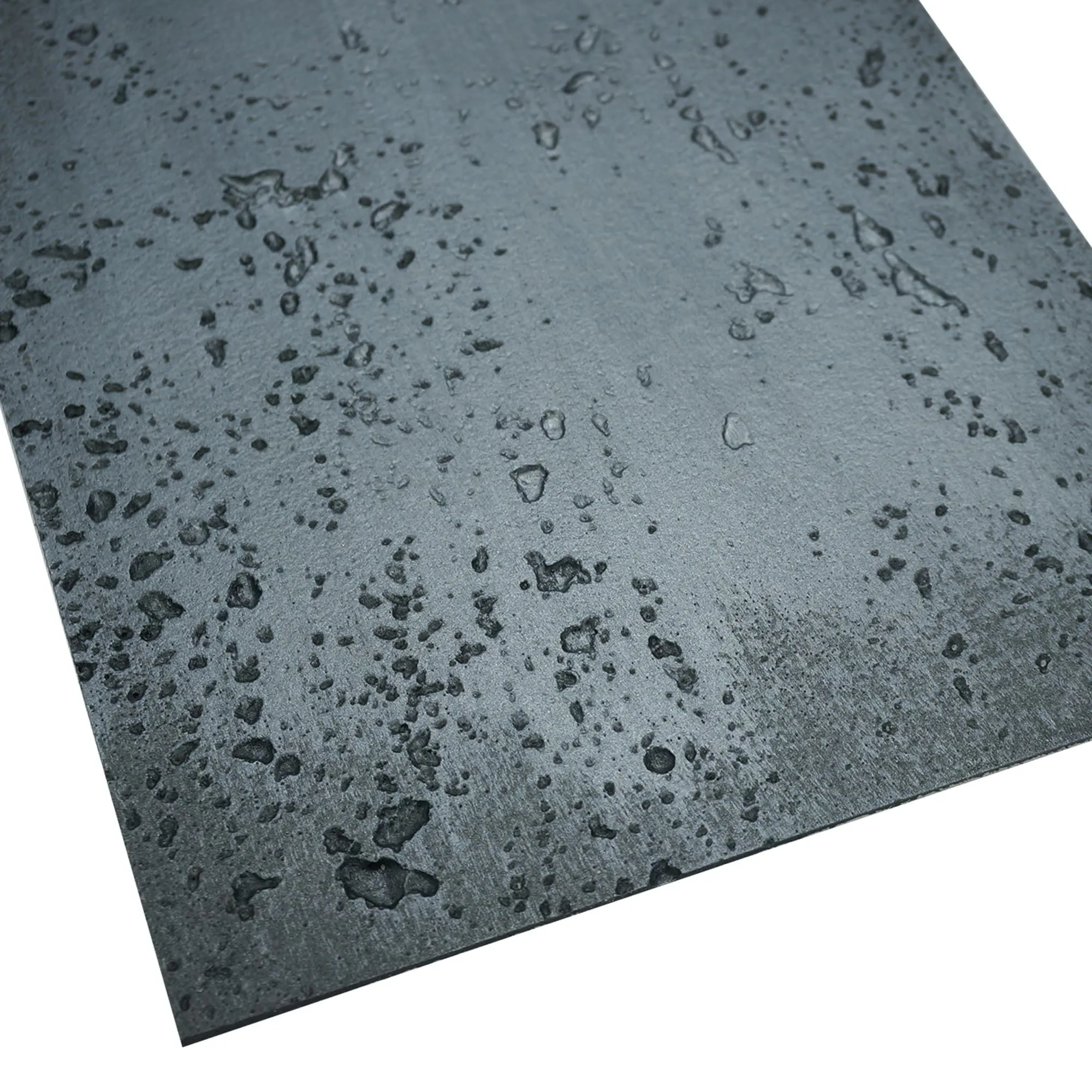
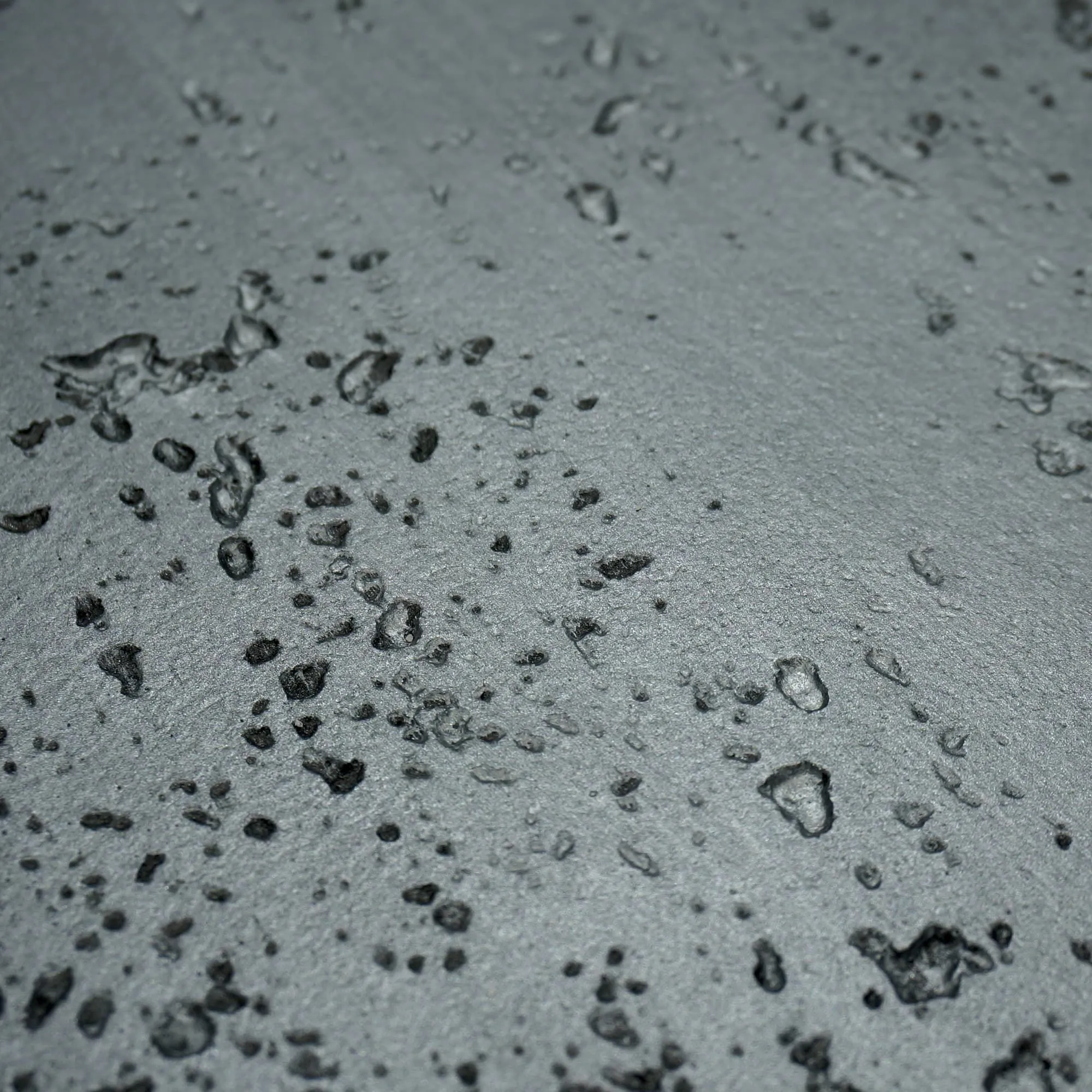
Visually, Travertine (Vintage Silver) is a stunner. It has that soft, weathered silver hue that makes you think of old European castles or vintage jewelry—hence the "vintage" in the name. The texture is somewhere between polished stone and brushed metal: smooth enough to run your hand over, but with subtle pits and ridges that give it depth. Unlike natural travertine, which often has warm beiges or rusts, this stuff leans cool, with hints of gunmetal and soft gray. It's the kind of material that catches the light differently throughout the day—matte in the morning, slightly iridescent at sunset.
Now, let's circle back to the classic: natural stone. This is the real deal—stone formed over millions of years by geological processes. We're talking marble, granite, limestone, slate, and yes, natural travertine. Each type has its own personality: marble is swirly and luxurious, granite is tough as nails with flecks of color, and limestone is soft and earthy. What they all share is that they're one of a kind . No two slabs are identical. A quarry might pull two pieces from the same block, and they'll have completely different veining or color patterns. That uniqueness is part of the charm, but it can also be a headache if you're going for a uniform look.
Natural stone's story is written in its pores and cracks. It's formed when minerals like calcite or dolomite crystallize over centuries, or when hot springs deposit layers of sediment. Every imperfection—the tiny hole left by a fossil, the streak of iron oxide that turned a vein red—is a snapshot of Earth's history. That's why people love it: it's not just a building material; it's a piece of the planet.
Okay, so we know one is a composite and the other is Mother Nature's handiwork. But how do they stack up in real life? Let's break it down into the things that matter when you're choosing materials for your home or project.
Let's talk looks first—because let's be honest, that's usually the starting point. Natural stone is all about variation. If you pick a slab of marble, you might get a slab with thick, dramatic veins on one end and almost solid white on the other. A piece of boulder slab (another natural stone option) could have rough, jagged edges on one side and a smooth, polished face on the other. It's beautiful, but it's unpredictable. That's why designers often order extra slabs—just in case the pattern doesn't line up the way they hoped.
Travertine (Vintage Silver) , on the other hand, is all about control. Since it's made in a lab (or a factory, technically), the color and texture are much more consistent. Every panel will have that same soft silver tone, the same subtle pitting, the same finish. That's a game-changer if you're designing a space where symmetry matters—like a feature wall in a minimalist living room or a backsplash that needs to line up perfectly. It still looks "natural," but it's a curated version of natural. Think of it as choosing between a hand-painted mural (unique but variable) and a high-quality print (consistent but still beautiful).
Here's where things get practical. Natural stone is tough, but it's not invincible. Take marble, for example—it's porous, so if you spill red wine on it and don't wipe it up immediately, you're probably looking at a stain. Even granite, which is harder, can chip if you drop a heavy pot on it. And let's not forget about sealing. Most natural stones need to be sealed every 1-3 years to keep them from absorbing moisture or getting stained. It's not a huge hassle, but it's one more thing on your to-do list.
Travertine (Vintage Silver) , being an MCM flexible stone , is engineered to be more resilient. The composite materials make it less porous, so spills bead up instead of soaking in. It's also scratch-resistant—my friend has it in her kitchen, and she's got two kids and a golden retriever, and so far, no visible marks. Plus, no sealing required. That's a big win for busy households or commercial spaces like restaurants, where maintenance time is money.
Let's talk about the elephant in the room: weight. Natural stone is heavy . A standard slab of granite can weigh 150-200 pounds, and boulder slab is even worse. Installing it often requires a team of people, special equipment, and sometimes reinforced structures to support the weight. I once saw a renovation where they had to reinforce the floor joists just to install a natural stone fireplace surround. It's doable, but it adds time and cost.
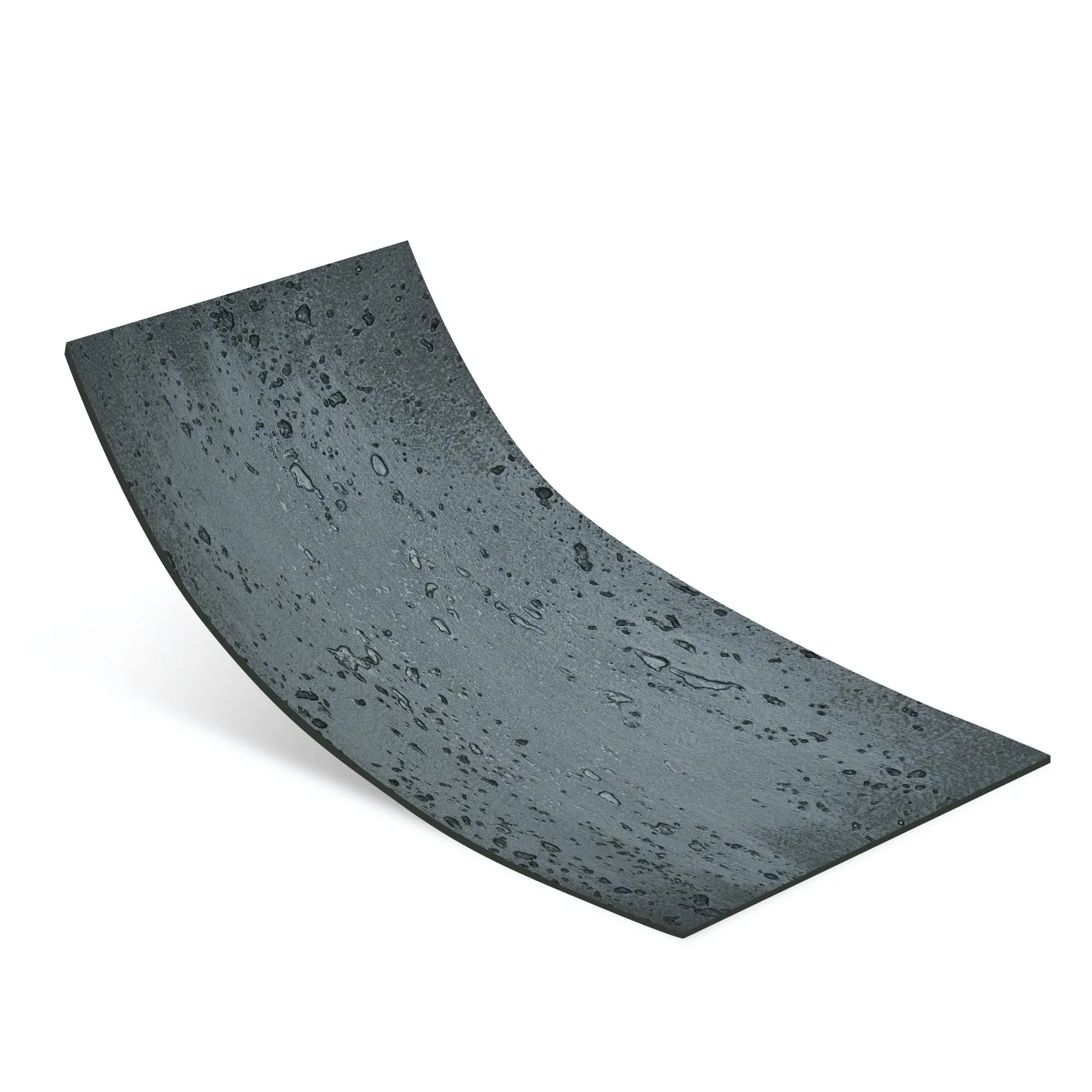
Travertine (Vintage Silver) panels, though? They're lightweight—thanks to the MCM flexible stone technology. Most panels weigh less than 10 pounds per square foot, which means one person can carry them, and you don't need to beef up your walls or floors. Installation is more like hanging drywall than wrestling with stone slabs. That not only speeds up the process but also cuts down on labor costs. For contractors, that's a dream come true.
This is a big one for eco-conscious homeowners. Quarrying natural stone has a significant environmental footprint. It involves digging up large areas of land, which can disrupt ecosystems, and transporting heavy slabs long distances, which burns fossil fuels. There's also waste—quarries often discard up to 30% of a stone block because it's cracked or doesn't have the right pattern.
MCM products like Travertine (Vintage Silver) are often more sustainable. Many manufacturers use recycled materials in their composites, and since they're made in controlled environments, there's less waste. Plus, because the panels are lightweight, transporting them uses less fuel. That said, not all MCM is created equal—you'll want to check if the brand uses eco-friendly resins and processes. But overall, it's a more planet-friendly option than traditional quarrying.
Let's get real about money. Natural stone isn't cheap. A high-quality marble or granite slab can cost $50-$100 per square foot, and that's before installation. Then there's the sealing, the occasional repairs, and maybe even replacing a cracked slab down the line. It's an investment, for sure.
Travertine (Vintage Silver) tends to be more budget-friendly upfront—usually $20-$40 per square foot. Installation is cheaper too, thanks to the lightweight panels. And since it doesn't need sealing or much maintenance, the long-term costs are lower. That said, if you're after that "one-of-a-kind" natural stone look, you might be willing to pay extra. It's all about priorities.
| Feature | Travertine (Vintage Silver) | Natural Stone (e.g., Marble, Granite) |
|---|---|---|
| Appearance | Consistent vintage silver color, controlled texture, smooth with subtle pits | Unique veins, variable color/pattern, natural imperfections (cracks, fossils) |
| Durability | Scratch-resistant, non-porous, no sealing needed | Porous (varies by type), may stain, requires sealing every 1-3 years |
| Installation | Lightweight (≤10 lbs/sq ft), easy DIY or pro installation | Heavy (150-200+ lbs/slab), requires professional installation, may need structural reinforcement |
| Sustainability | Often uses recycled materials, less waste, lower transport emissions | High quarrying impact, more waste, higher transport emissions |
| Cost | $20-$40/sq ft (materials + installation) | $50-$100+/sq ft (materials + installation + maintenance) |
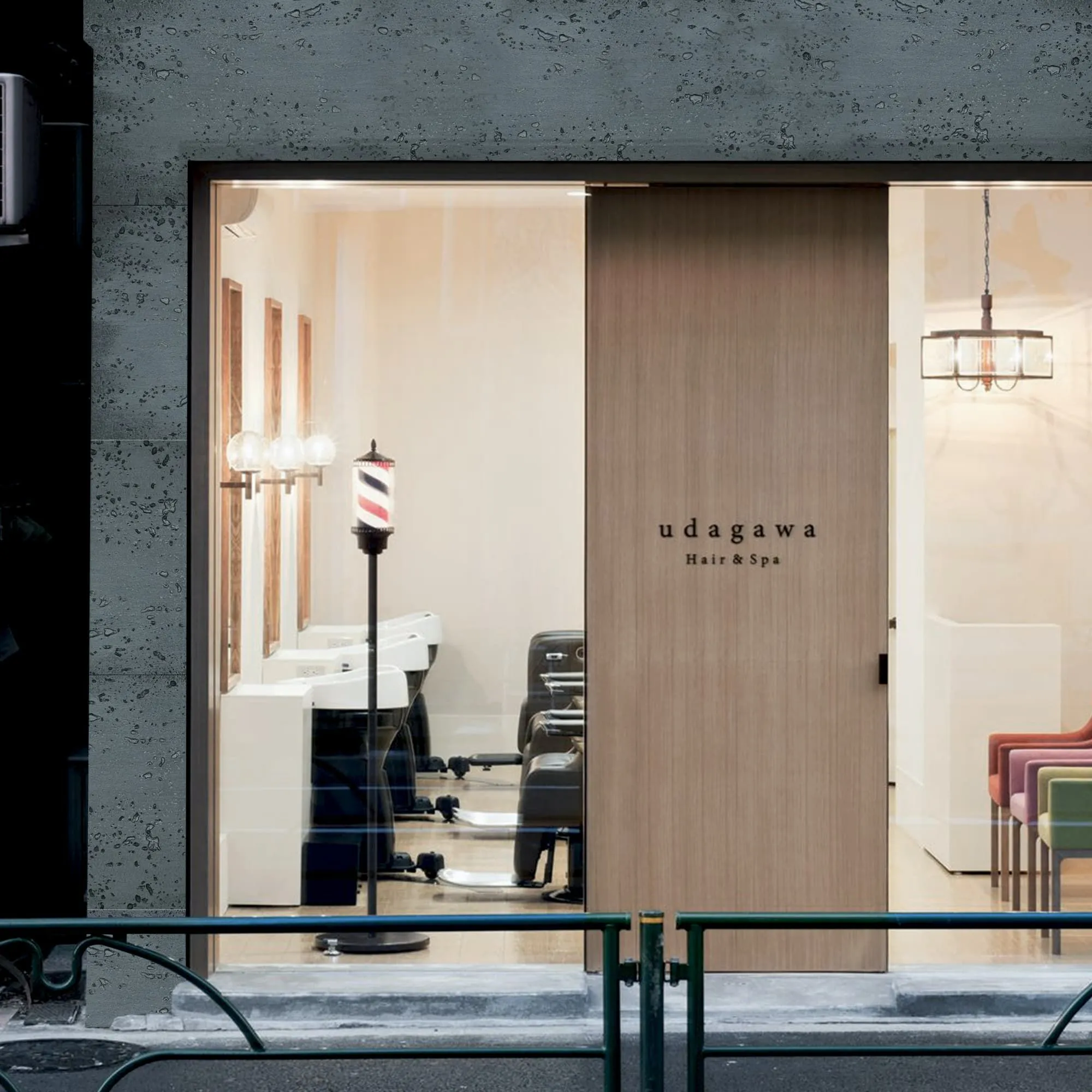
Let's say you're designing a space—maybe a kitchen backsplash or a feature wall. How do you decide between Travertine (Vintage Silver) and natural stone? Here are a few scenarios to consider:
Choose Travertine (Vintage Silver) if… You want a consistent look, don't want to deal with high maintenance, are on a budget, or need something lightweight (like for a renovation where you can't reinforce walls). It's also great for modern or industrial spaces where that sleek, vintage silver vibe fits right in. I recently saw it used in a coffee shop with exposed brick and black metal fixtures, and it looked amazing—edgy but not cold.
Choose Natural Stone if… You crave that "one-of-a-kind" feel. If you want your countertop or wall to have a story—veins that no one else in the world has—natural stone is the way to go. It's also perfect for traditional or rustic spaces where the imperfection is part of the charm. A friend of mine has a natural limestone fireplace, and every time someone visits, they comment on the unique fossil embedded in it. You can't replicate that with MCM.
I should mention: Travertine (Vintage Silver) isn't the only player in the game. There's fair-faced concrete , which has that raw, industrial look, or wood grain board for a warmer vibe. But what sets Travertine (Vintage Silver) apart is that it bridges the gap between natural stone's beauty and modern practicality. It's not trying to be something it's not—it's just offering a different set of benefits.
At the end of the day, choosing between Travertine (Vintage Silver) and natural stone isn't about which is "better." It's about what matters to you. Do you value uniqueness over convenience? Sustainability over tradition? Or are you looking for a middle ground that gives you the look of stone without the hassle?
I've worked with both, and I can tell you: natural stone will always have a special place in my heart. There's nothing like running your hand over a 100-year-old marble slab and feeling the history in it. But Travertine (Vintage Silver) ? It's impressive. It's a material that understands modern life—busy schedules, tight budgets, and the desire to be kind to the planet—without sacrificing style.
So whether you go with the classics or the new kid on the block, remember: the best material is the one that makes your space feel like you . And isn't that what design is all about?
Recommend Products












