
Choosing the right surface material for a space is like selecting the perfect soundtrack for a movie—its texture, color, and character set the mood, whisper stories, and linger in the memory long after the first glance. In the world of luxury design, few materials command attention quite like natural stone. Today, we're diving into two heavyweights that have designers and homeowners alike swooning: the understated elegance of Travertine (Vintage Silver) and the dramatic allure of Onyx. Let's explore how these materials stack up, not just in looks, but in the messy, beautiful reality of daily life.
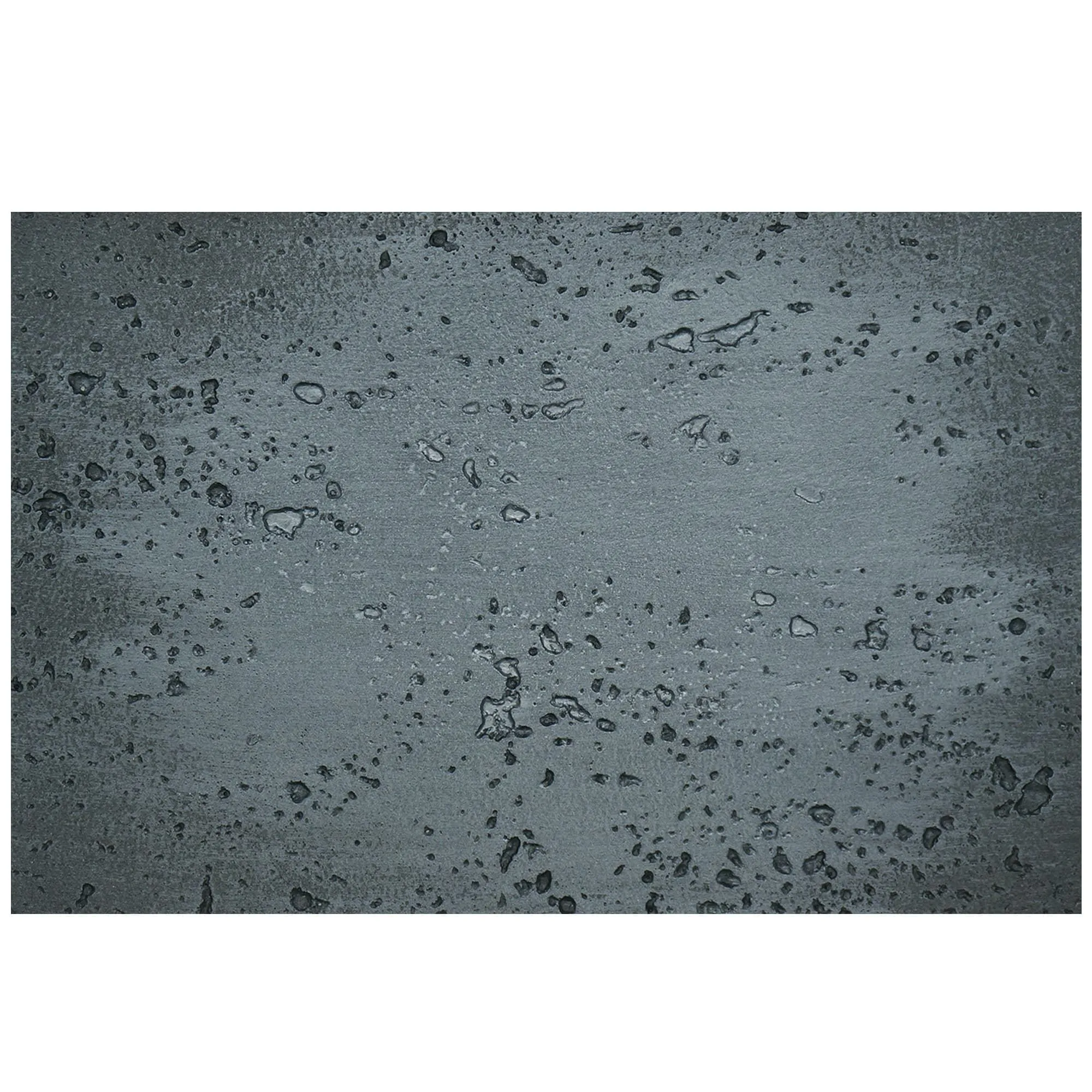
If there's a material that feels like it carries the weight of history while staying refreshingly modern, it's travertine. And Travertine (Vintage Silver) ? It's the cool, collected cousin in the travertine family—less about warm beiges and more about muted silver-gray tones that evoke the patina of an old silver coin or the weathered steel of a vintage bicycle. But what exactly is it?
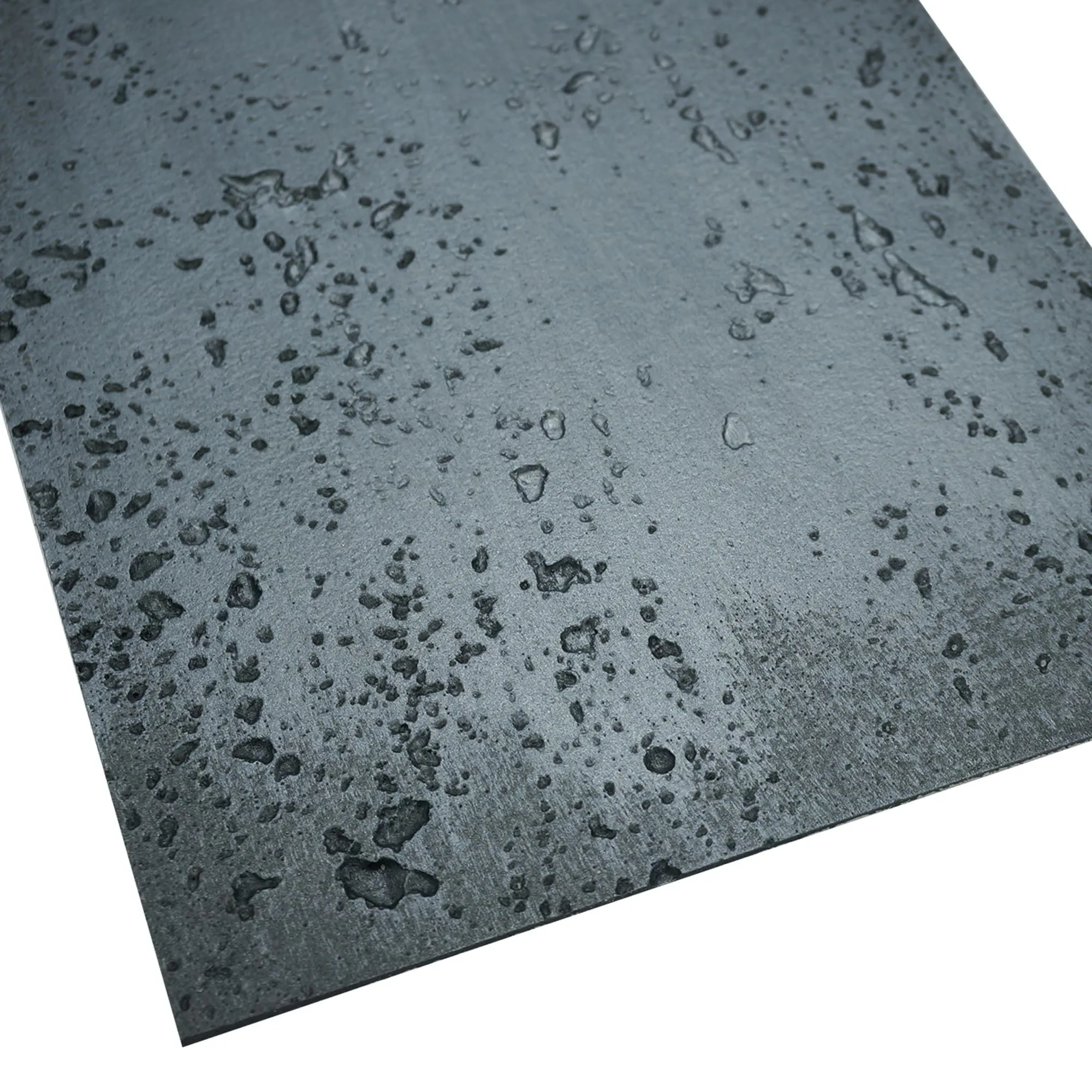
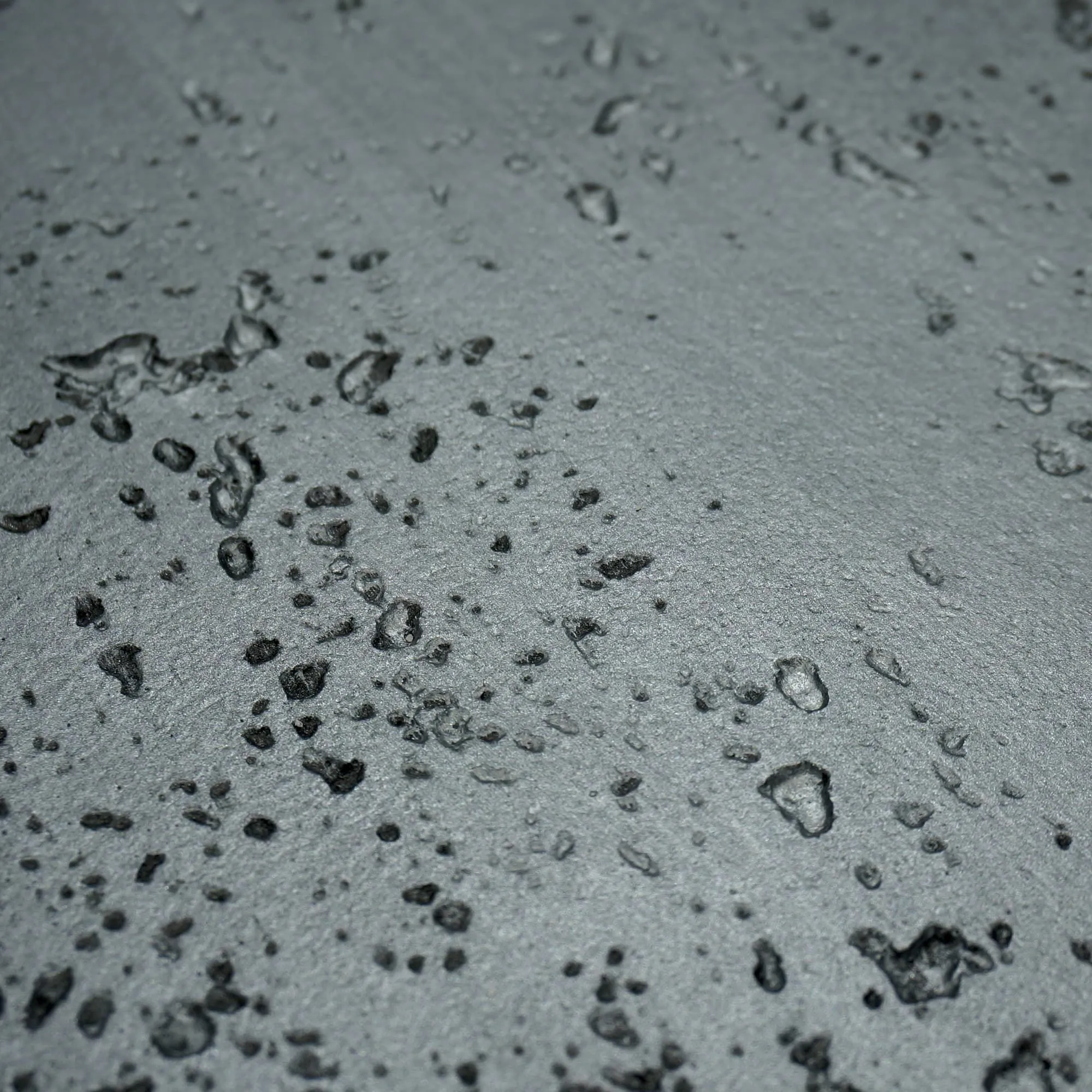
Travertine is a form of limestone, born from mineral-rich hot springs. As water cools, it deposits calcium carbonate, creating layers of stone with tiny, natural pores—those signature "holes" that give travertine its tactile, organic feel. Vintage Silver travertine takes this a step further: through careful processing, its natural color is enhanced to lean into soft silver and ash-gray hues, with subtle veining in deeper grays or even hints of taupe. It's like nature's own version of a well-loved sweater—worn in all the right places, with character in every nook.
What makes Travertine (Vintage Silver) particularly exciting for modern design is how it plays with light. Unlike glossy marble or polished granite, its matte, porous surface diffuses light gently, creating a soft, diffused glow that warms up even the chilliest of spaces. I once visited a boutique hotel in Copenhagen where the lobby floor was clad in this stone, and the way the morning light filtered through the skylights made the entire room feel like it was wrapped in a silver-gray blanket—cozy, sophisticated, and utterly inviting.
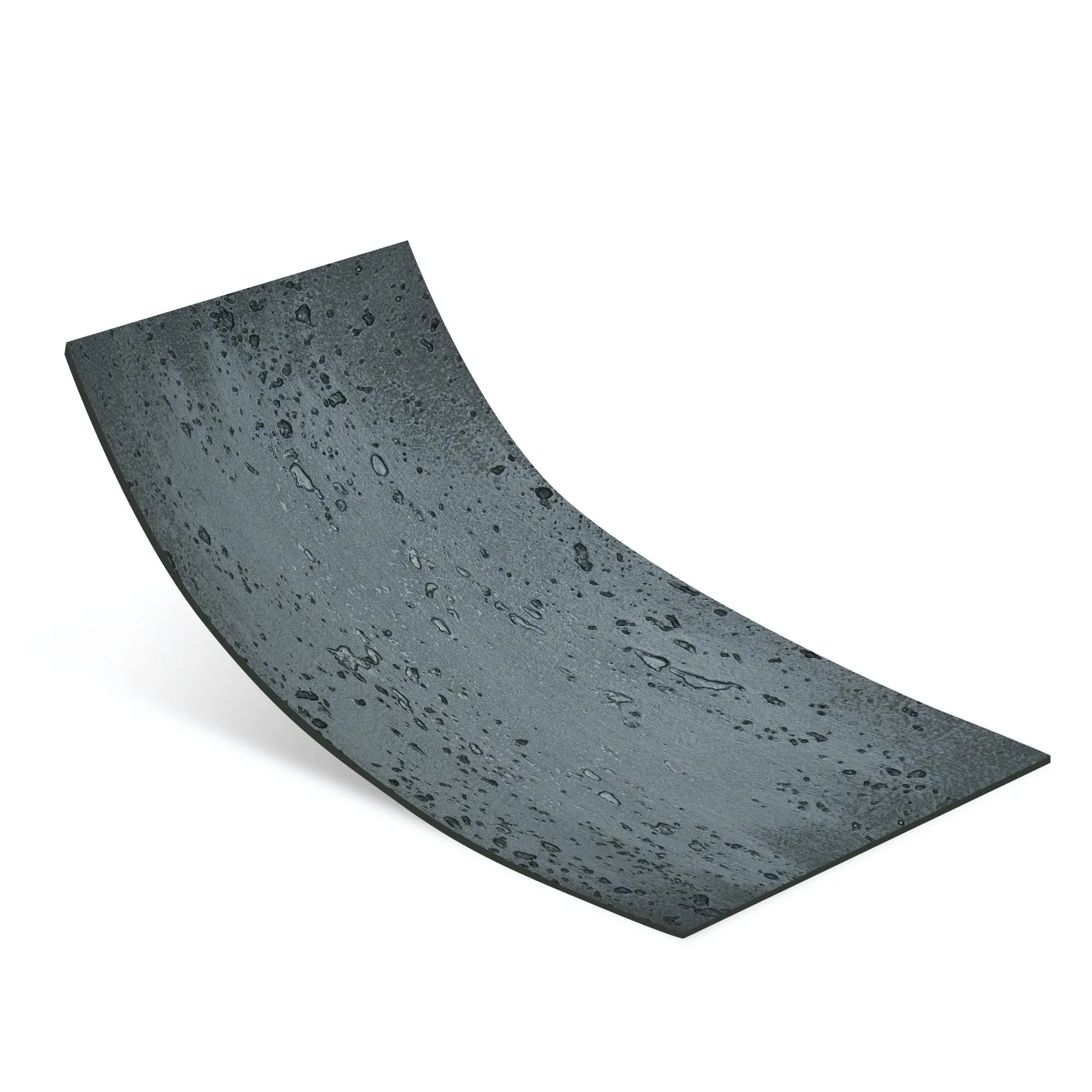
And here's where innovation meets tradition: MCM Flexible Stone technology has transformed how we use travertine. Traditional travertine slabs are heavy and rigid, limiting their application. But MCM (Modified Composite Material) Flexible Stone turns that on its head. By bonding thin layers of real travertine to a flexible backing, it becomes lightweight, bendable, and easy to install on curved surfaces or vertical walls. Suddenly, that vintage silver charm isn't just for floors—it can wrap around a fireplace, line a shower, or even become a backsplash in a kitchen where traditional stone would be too cumbersome. It's like giving travertine a new lease on life, without losing an ounce of its soul.
If Travertine (Vintage Silver) is the quiet storyteller, Onyx is the grand orator—bold, vivid, and impossible to ignore. Onyx is a type of chalcedony, a cryptocrystalline form of quartz, known for its striking veining and translucency. Hold a slab of onyx up to the light, and you'll see why designers lose their minds over it: light passes through its layers, turning the stone into a glowing canvas where veins of gold, copper, or deep red dance like firelight.
Unlike travertine's earthy, grounded vibe, onyx feels otherworldly. It's the kind of material that turns a ordinary bathroom into a spa retreat or a home office into a sanctuary. I remember a client who wanted their dining room to feel "like dining under a sunset," so we installed a backlit onyx feature wall behind the buffet. Now, every dinner party ends with guests gathered around it, marveling at how the stone shifts from amber to rose as the evening light fades. It's not just a wall—it's a conversation starter, a mood setter, a piece of living art.
But onyx isn't all drama and no substance. Its color palette is surprisingly versatile: from classic white onyx with gray veins to bold black onyx with gold streaks, or even vibrant options like green or blue. That said, it's the translucency that truly sets it apart. No other natural stone interacts with light quite like onyx, making it a favorite for statement pieces where you want to create "wow" moments.
Let's talk about the heart of the matter: how do these two materials make a space feel ? Because at the end of the day, design isn't just about looks—it's about emotion.
Travertine (Vintage Silver) is all about "quiet confidence." Its muted silver-gray tones and tactile texture create a backdrop that lets other elements in the room shine. Pair it with warm wood accents and black metal fixtures, and you get that effortlessly cool "modern rustic" vibe that's taken cafes and co-working spaces by storm. It's the kind of material that doesn't scream for attention, but once you notice it, you can't stop running your hand over its surface. I worked with a homeowner in Portland who used it for their kitchen countertops, and they told me the best part was how it "aged gracefully"—a spilled glass of red wine (oops!) left a faint stain that, instead of being a flaw, became a "story mark," a reminder of the dinner parties and late-night snacks that made the house a home.
Onyx, on the other hand, is unapologetically bold. Its vibrant veining and translucency demand to be the focal point. Imagine a bathroom with an onyx vanity top backlit by LED strips—suddenly, your morning routine feels like a trip to a luxury spa. Or a restaurant with an onyx bar that glows like amber in the evening light, turning a simple drink order into an experience. But here's the catch: onyx can be overwhelming if overused. It's best in doses—an accent wall, a fireplace surround, or a small backsplash. Think of it as the statement necklace of design: perfect for elevating an outfit, but you wouldn't wear three at once.
To put it simply: Travertine (Vintage Silver) is the friend who makes you feel at ease in a fancy restaurant, while Onyx is the friend who turns heads when they walk into the room. Both have their place, but they set very different moods.
Let's get real: no matter how pretty a material is, if it can't stand up to daily life, it's just a pretty face. So how do these two stack up in the "real world" test?
Durability: Travertine is a tough cookie, but it's porous. That means it can absorb liquids, which can lead to stains if not sealed properly. But here's where MCM Flexible Stone comes in clutch: the flexible backing and protective top layer in MCM versions of travertine add a barrier against moisture and stains, making it more resilient than traditional travertine. Onyx, though, is softer and more prone to scratches and chips. It's not ideal for high-traffic areas like kitchen countertops or entryway floors—think of it more like a delicate silk blouse than a denim jacket.
Maintenance: Travertine (Vintage Silver) needs a little TLC. Plan to seal it every 1-2 years to keep stains at bay, and wipe up spills quickly. But compared to, say, marble, it's relatively low-maintenance. Onyx? It's high-maintenance. It's sensitive to acidic substances (hello, lemon juice, vinegar), which can etch its surface. It also requires regular sealing, and even then, it's best kept away from heavy use. A designer friend once told me, "Onyx is like a diva—gorgeous, but you have to treat her right."
Cost: Both are luxury materials, but onyx tends to be pricier. Its rarity and the difficulty of mining and processing it drive up costs. Travertine (Vintage Silver) is more accessible, especially with MCM technology making it easier to produce and install. If you're on a budget but still want that high-end look, travertine is the way to go.
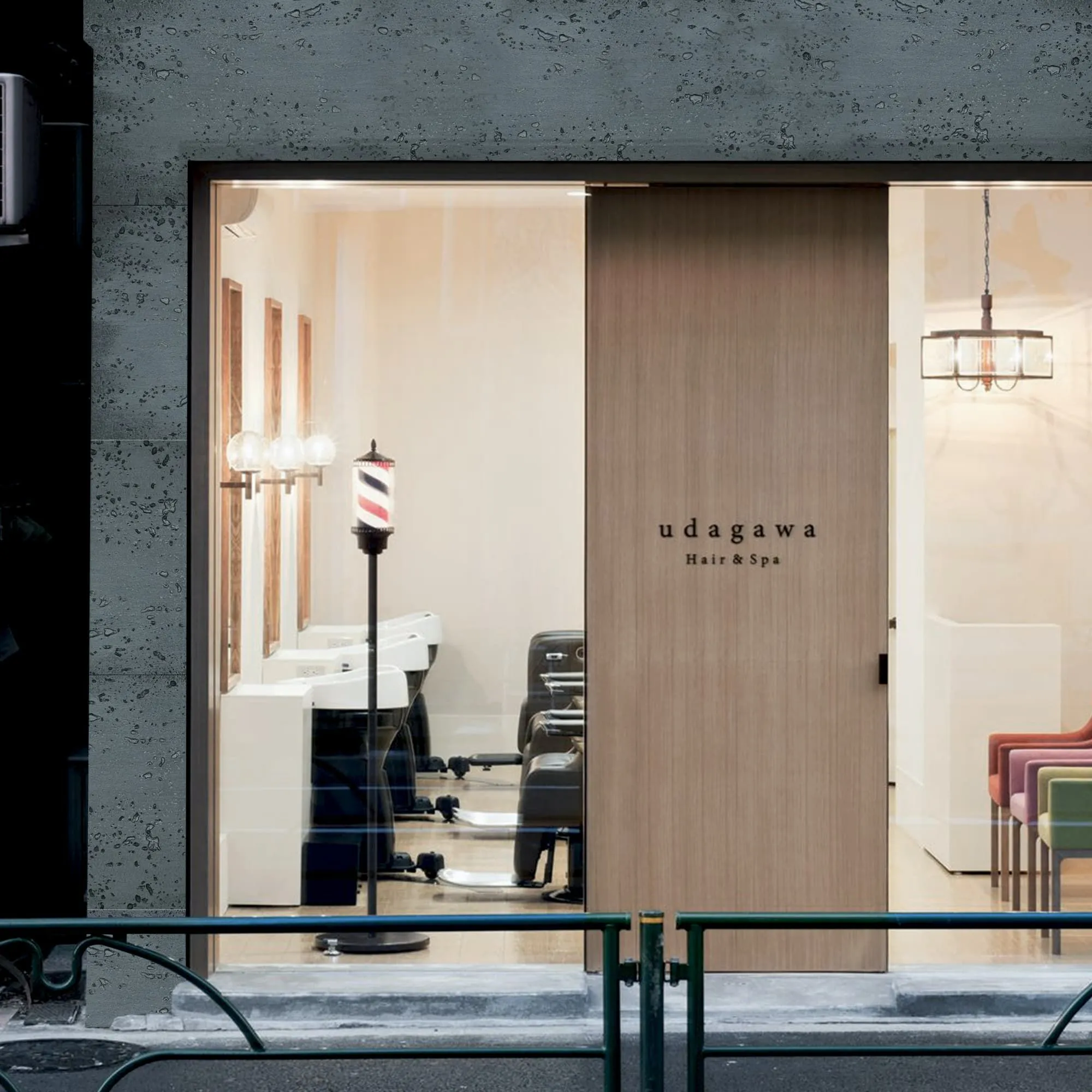
Let's break down the best spots for each material, so you can decide which one fits your space (and lifestyle) best.
Travertine (Vintage Silver) Shines In:
Onyx Shines In:
Curious how these two stack up against other popular options? Let's take a quick detour to compare them with Fair-faced concrete and the Lunar Peak series —two other heavyweights in modern design.
Travertine (Vintage Silver) vs. Fair-Faced Concrete: Fair-faced concrete is all about raw, industrial chic—sleek, gray, and minimalist. But where concrete can feel cold and sterile, travertine adds warmth and texture. Think of it as the difference between a concrete bunker and a cozy cabin—both modern, but one wraps you in comfort.
Onyx vs. Lunar Peak Silvery: The Lunar Peak series (including Silvery, Golden, and Black) offers a metallic, futuristic vibe with its shimmering finish. While Lunar Peak is bold, it's more about geometric precision and modern edge, whereas onyx is organic and flowing. Onyx feels like a natural wonder; Lunar Peak feels like a design from the future.
| Feature | Travertine (Vintage Silver) | Onyx |
|---|---|---|
| Aesthetic | Muted silver-gray, porous texture, understated luxury | Vibrant veining, translucent, bold and dramatic |
| Durability | Moderate to high (excellent with MCM Flexible Stone) | Low to moderate (soft, prone to scratches) |
| Maintenance | Seal every 1-2 years, wipe spills quickly | High maintenance: avoid acids, frequent sealing |
| Best For | Floors, countertops, showers, outdoor spaces | Feature walls, backsplashes, accent pieces, lighting |
| Cost | Mid-range luxury (more accessible with MCM) | High-end luxury (rare and labor-intensive) |
At the end of the day, there's no "better" material—only the one that fits your space, your lifestyle, and the story you want to tell. Travertine (Vintage Silver) is for the dreamers who want luxury with a lived-in feel, who believe that beauty grows with time and a few "imperfections." It's the material of spaces that feel like home, even if they're in a fancy hotel or a trendy café.
Onyx is for the bold, the ones who want to make a statement, who believe that design should be unapologetically dramatic. It's the material of moments—of gasps when guests walk in, of quiet evenings spent admiring the way light plays through its veins.
And if you're torn? Why not mix them? A vintage silver travertine floor with an onyx accent wall, or a travertine countertop paired with an onyx backsplash. Design is about balance, after all—and what better balance than the quiet confidence of travertine and the dazzling drama of onyx?
Whichever you choose, remember: the best materials aren't just about looks. They're about how they make you feel every time you walk into the room. And both travertine and onyx? They have a way of making you feel like you've stepped into something extraordinary.
Recommend Products












