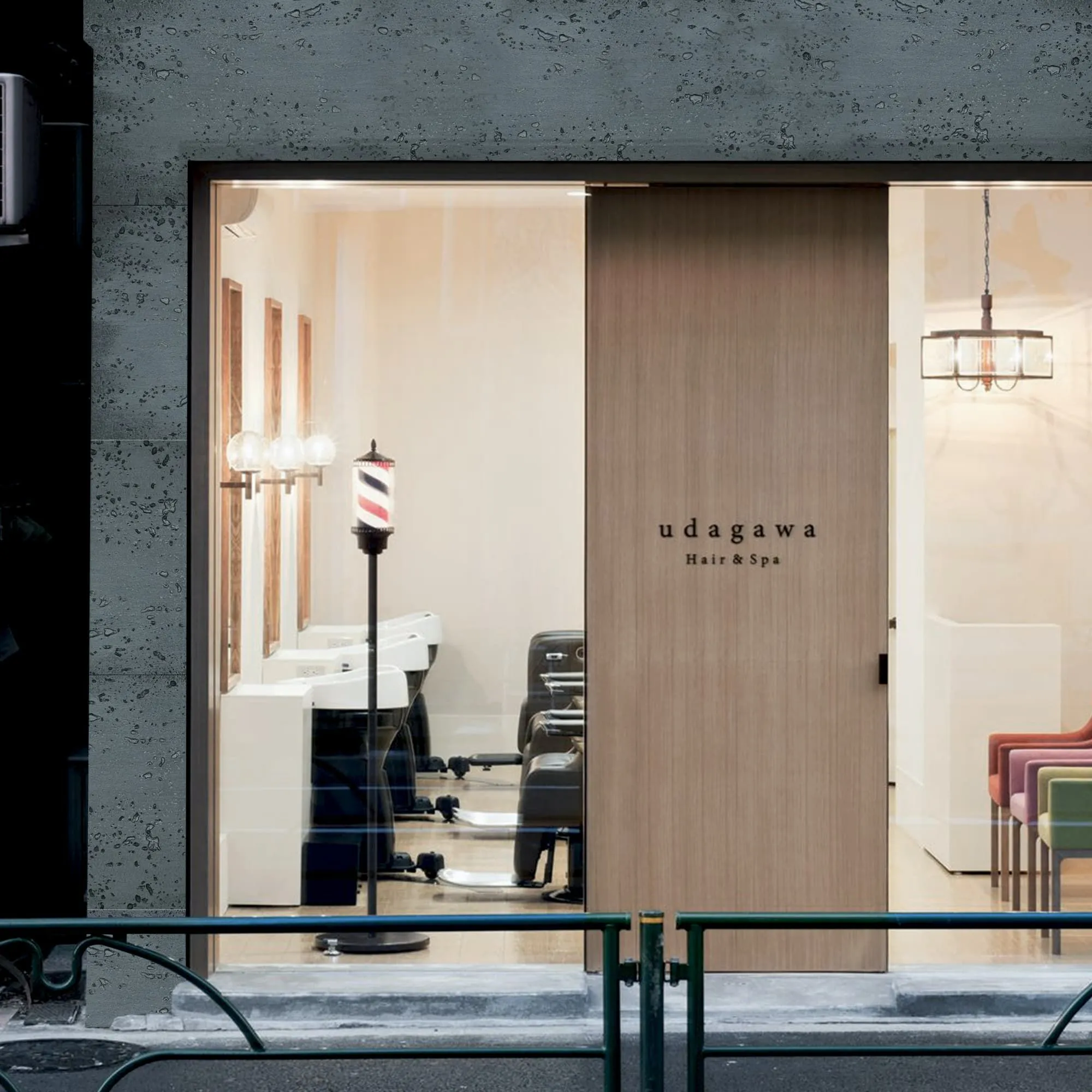
Hardness is critical, but durability is about more than just resisting scratches. It's about how a material holds up against stains, heat, moisture, and time. Let's break it down.
Stain Resistance
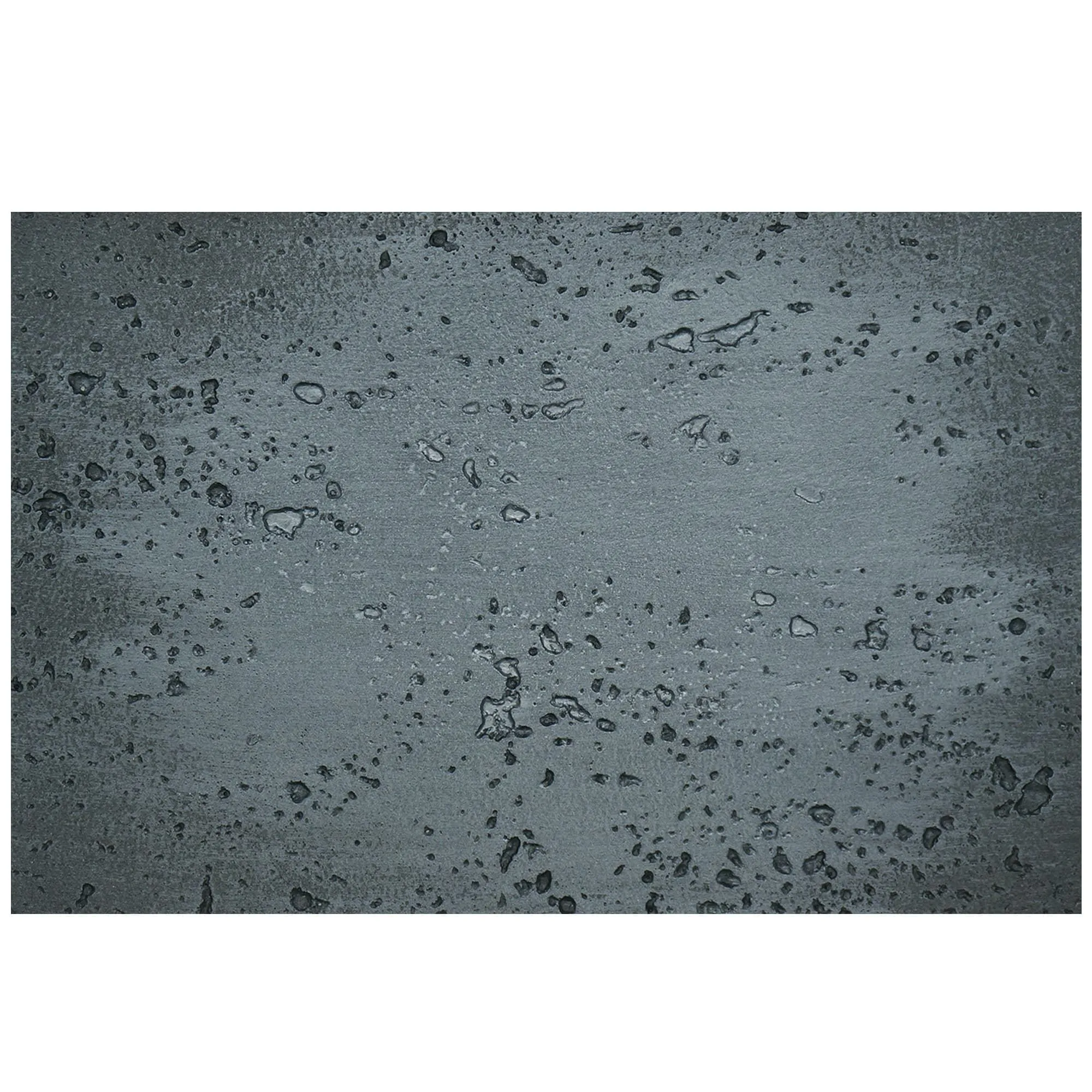
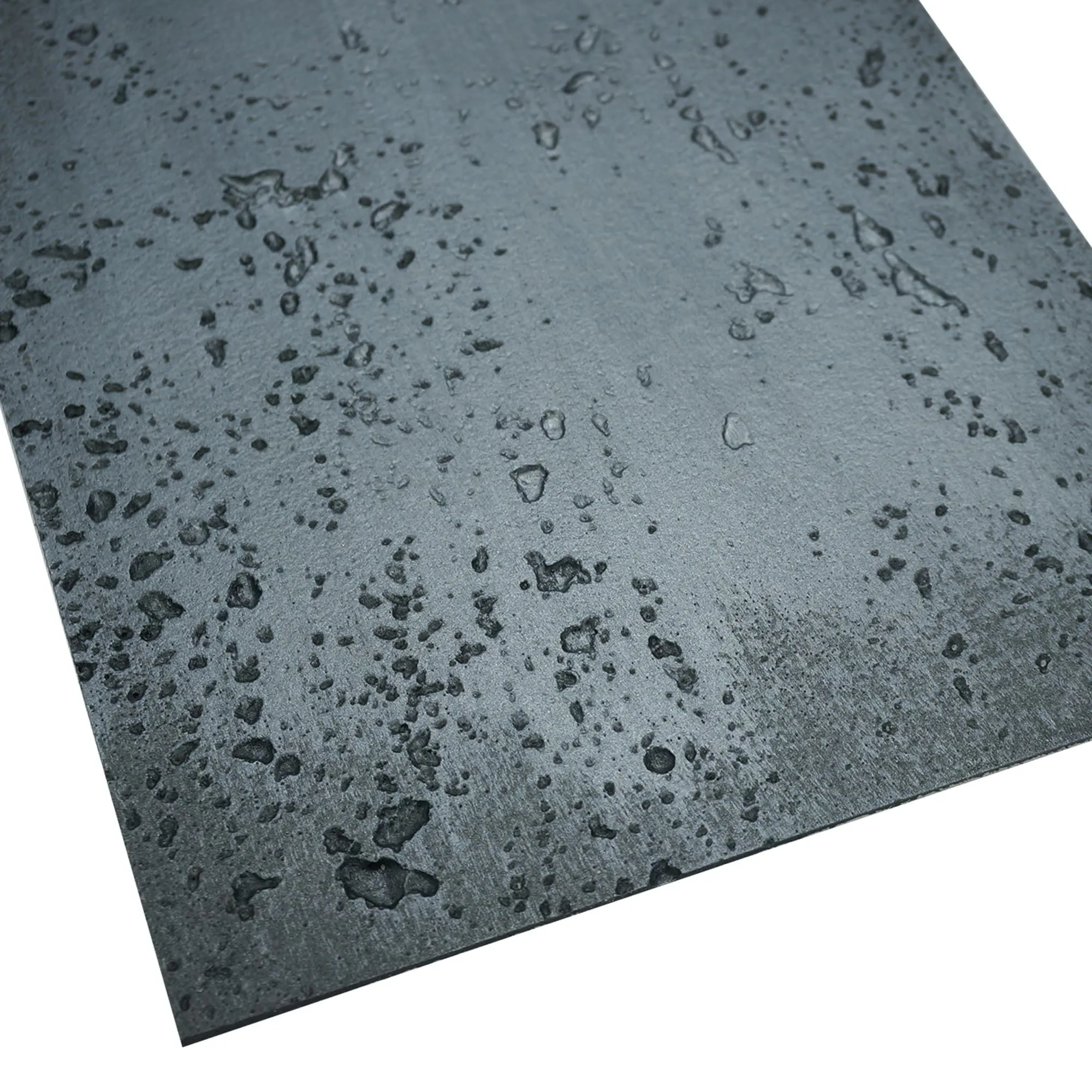
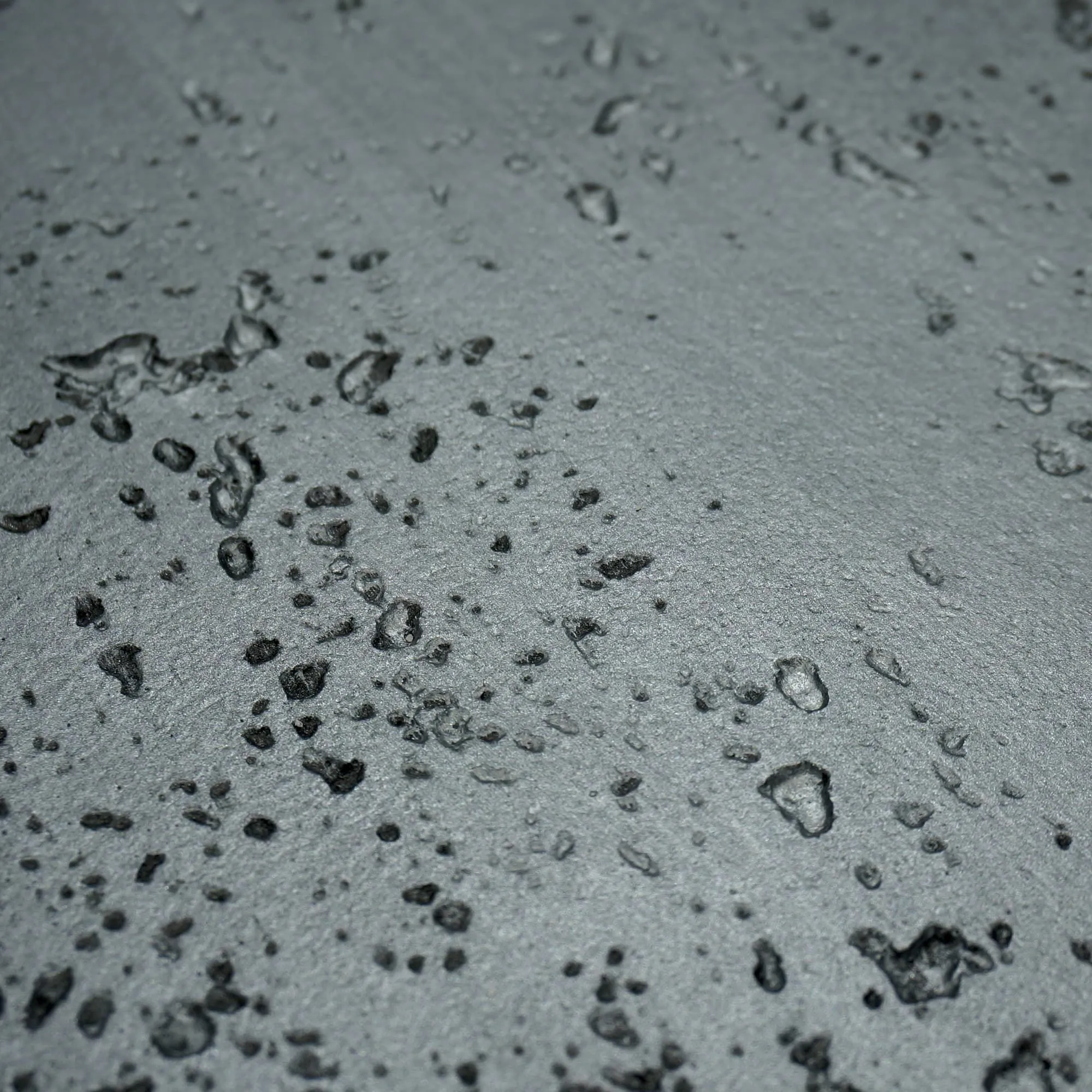
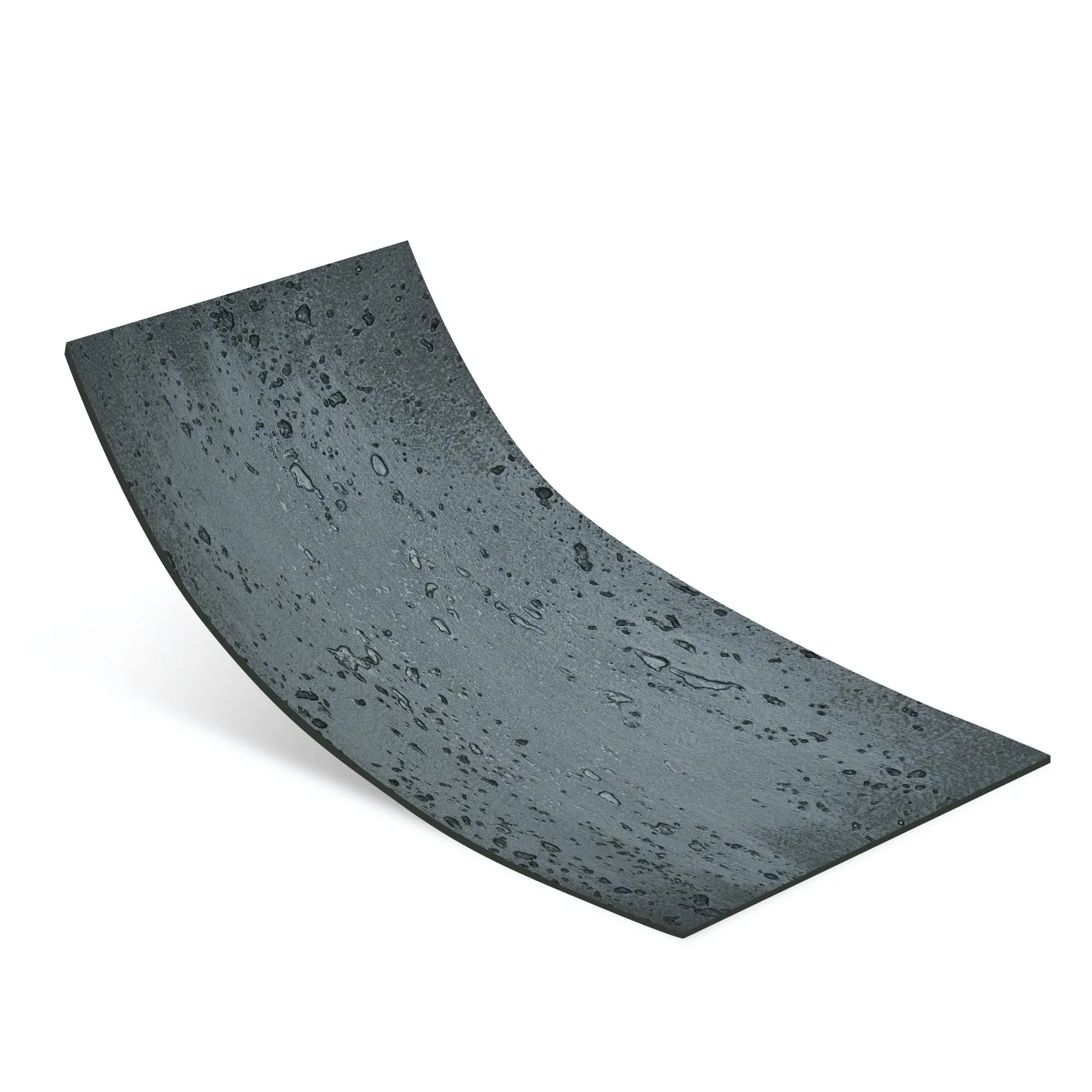
Travertine is porous by nature, which means liquids like wine, oil, or juice can seep in and cause stains if not wiped up quickly. The vintage silver finish, with its slightly textured surface, can trap spills in those tiny pits. Sealing it annually helps—think of it as a raincoat for the stone—but it's not foolproof. A forgotten coffee mug on a travertine table might leave a ring if left overnight.
Quartzite, when properly sealed, is much less porous. Its density means liquids bead up rather than soak in, giving you time to wipe them away. Even acidic substances like lemon juice or vinegar (which etch marble and travertine) are less likely to damage quartzite, though prolonged exposure isn't recommended. This makes it a dream for busy kitchens and dining areas.
Heat Resistance
Both stones handle heat well, but travertine has a lower threshold. Placing a hot pan directly on travertine (even sealed) can cause thermal shock, leading to cracks or discoloration. Always use a trivet! Quartzite, thanks to its high quartz content, can withstand higher temperatures—some varieties even hold up to 1,500°F (though we still advise trivets for safety).
Weathering and Outdoor Use
Outdoors, vintage silver travertine shines in covered or low-traffic areas like garden paths or patio accents. Its natural texture provides grip, and the silver tone weathers gracefully, developing a soft patina over time. However, freeze-thaw cycles can be tough: water seeps into pores, freezes, expands, and may cause spalling (chipping). In harsh climates, it needs extra sealing and drainage.
Quartzite is an outdoor all-star. Its low porosity and high density make it resistant to freeze-thaw damage, salt, and UV rays. A quartzite pool deck in Arizona? It won't fade or crack under the sun. A quartzite facade in a rainy Seattle neighborhood? It'll shed water and resist mold. It's why architects often choose it for exterior cladding in extreme environments.