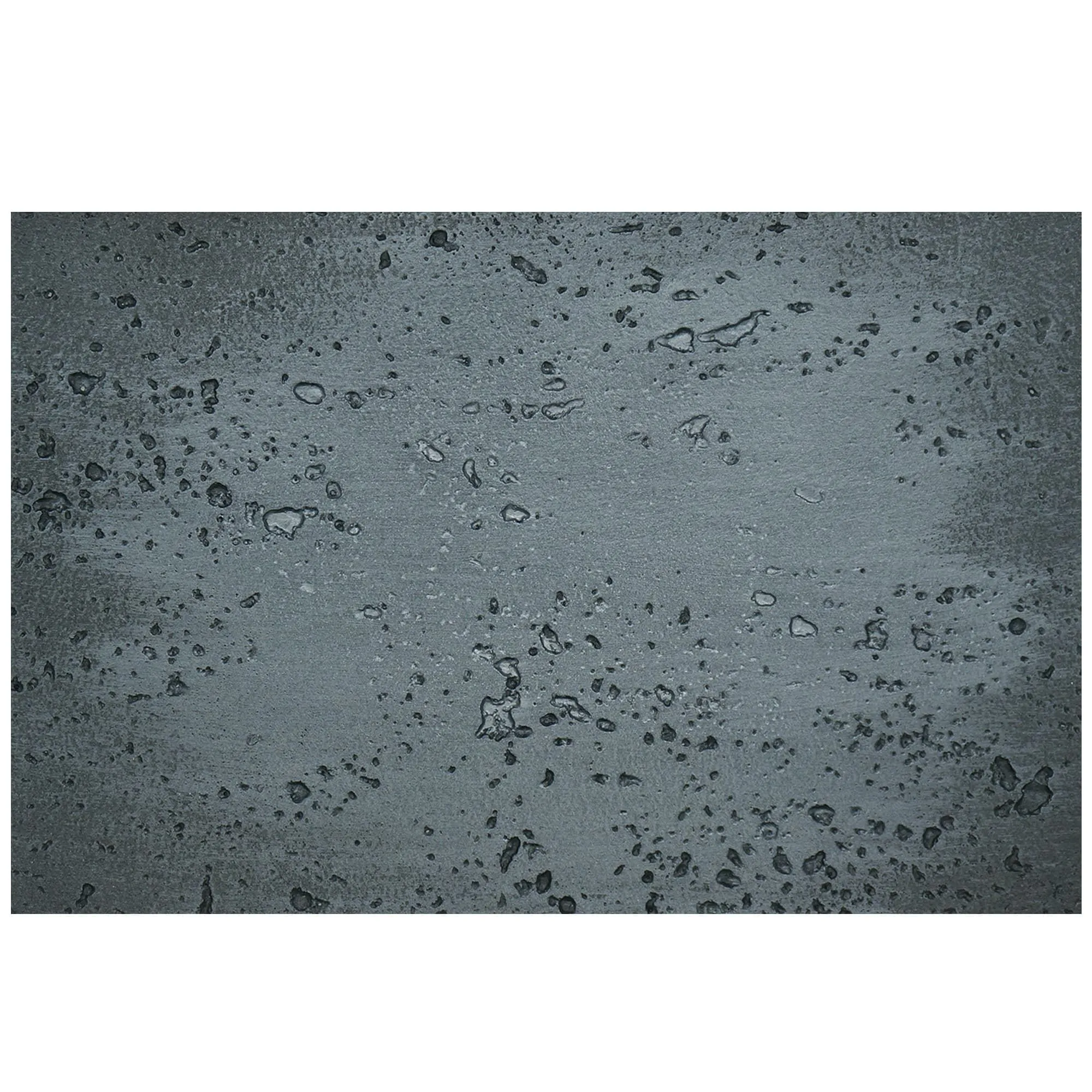
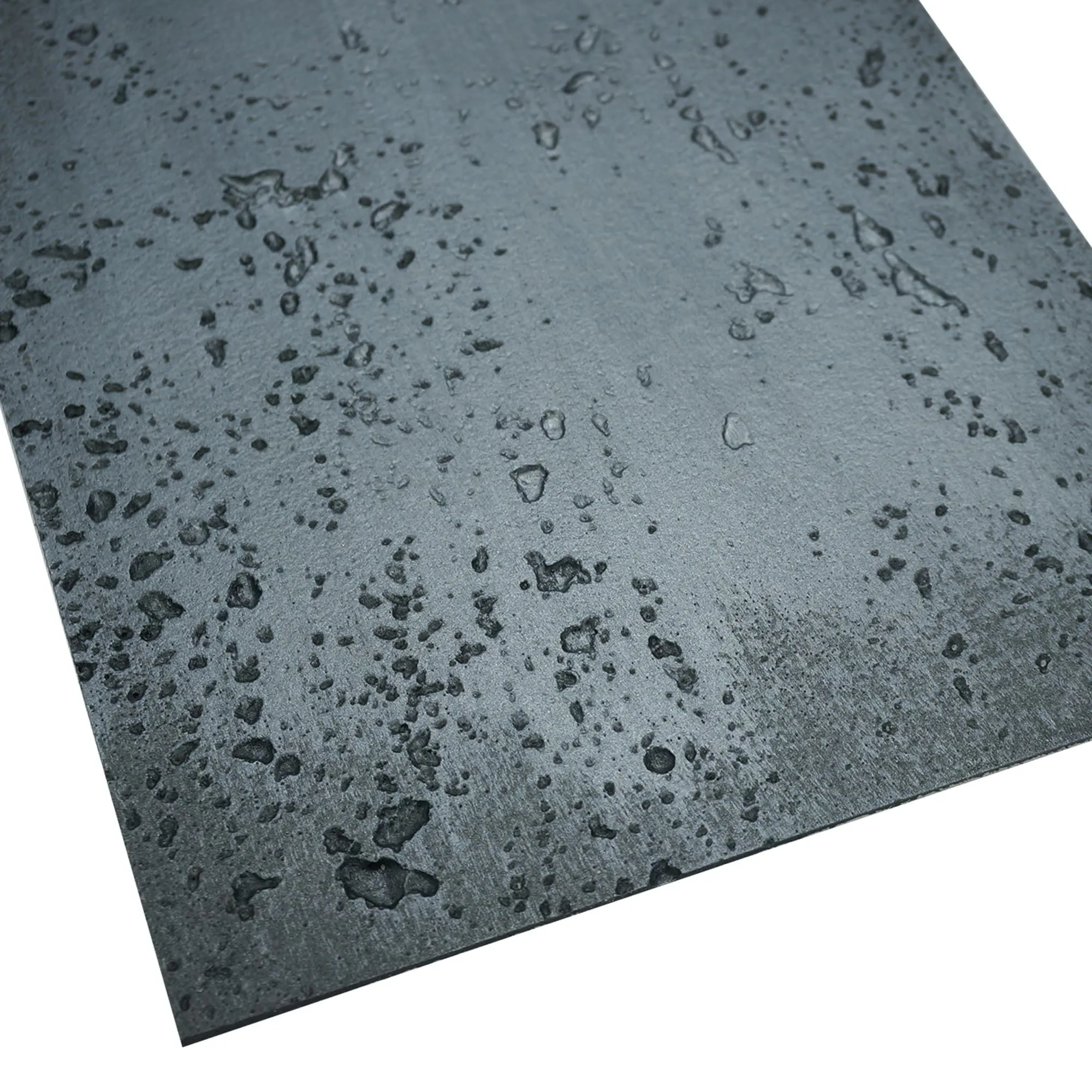
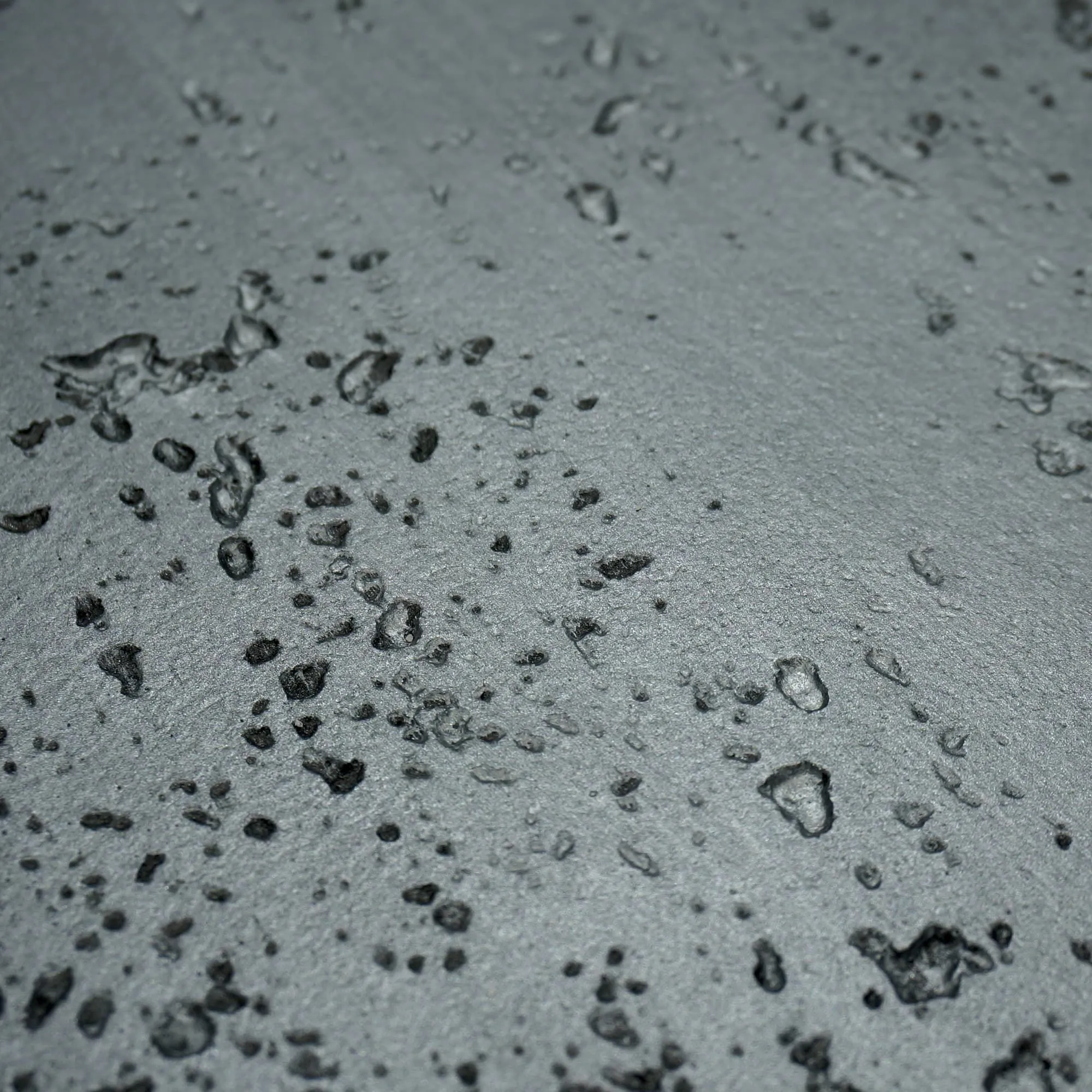
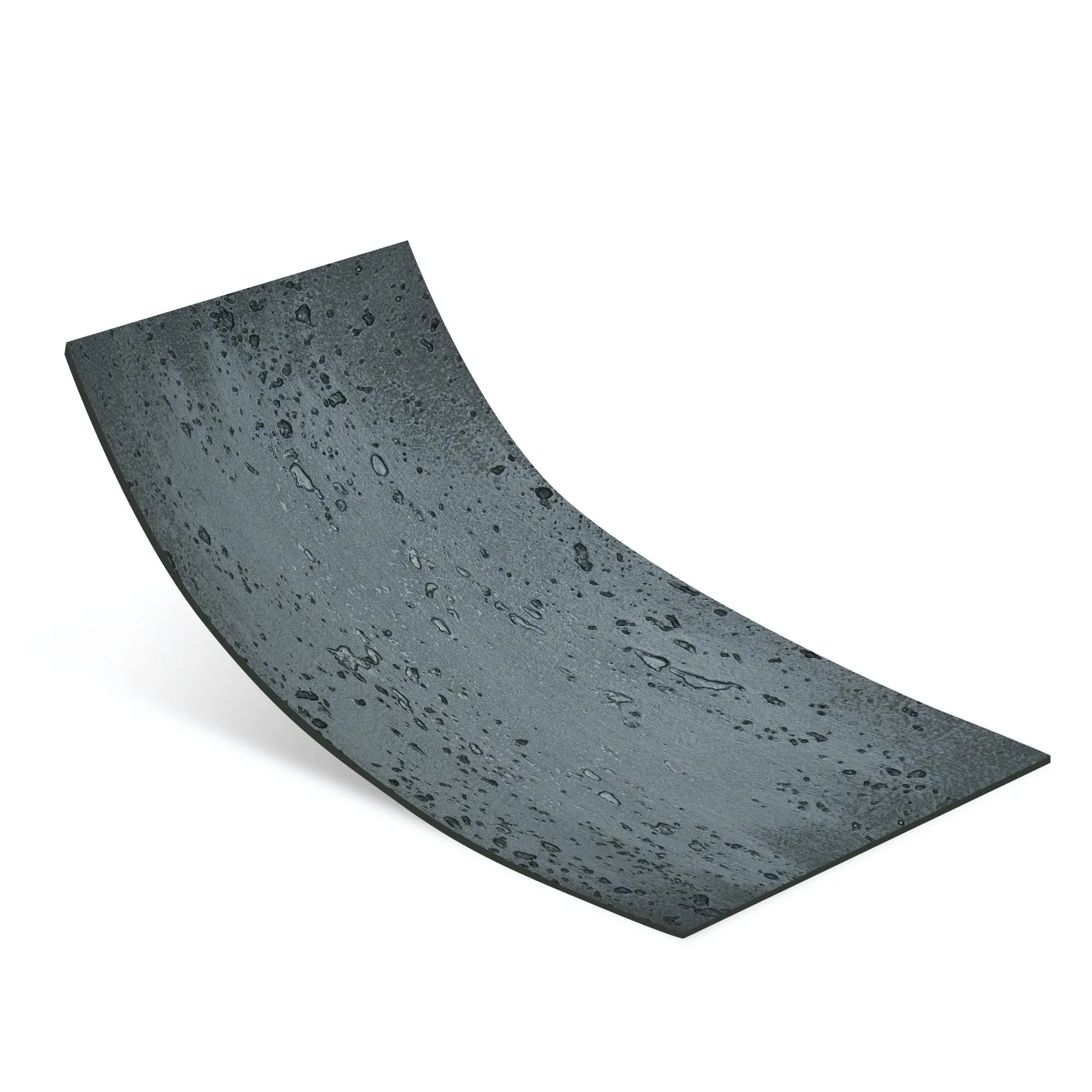
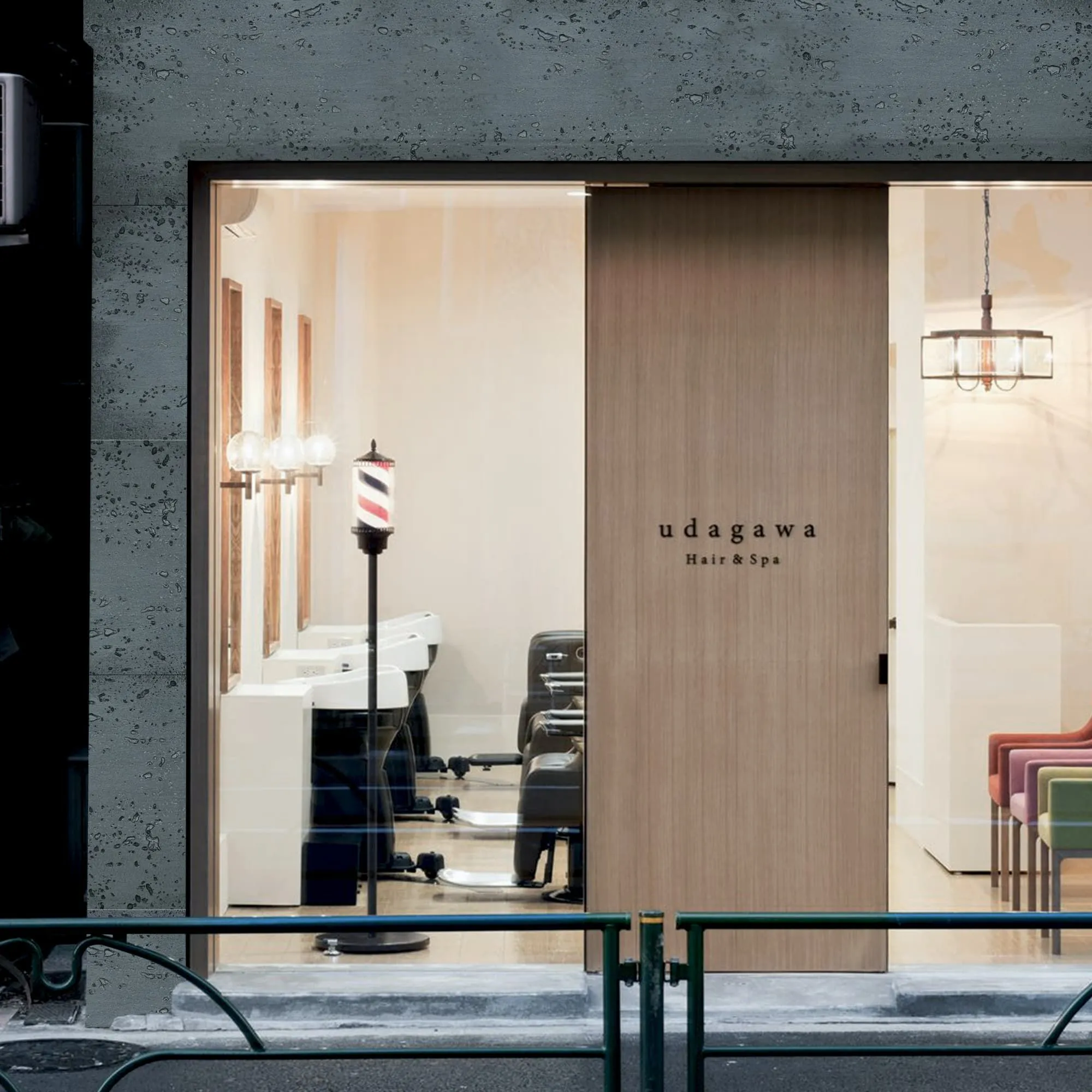
Porosity and water resistance go hand in hand, but they're not the same thing. Water resistance is how well a stone can resist letting water in, even if it's porous. Think of it like a raincoat: a porous fabric (like cotton) will soak up water, but if you treat it with a water-repellent spray, it becomes more water-resistant. Stones work similarly—sealing can drastically improve their water resistance, even if they're naturally porous.
Travertine (Vintage Silver): Sealing Makes All the Difference
Travertine (Vintage Silver) is naturally porous, so its water resistance (without sealing) is moderate at best. Spills will soak in, and if left untreated, can stain. But here's the good news:
travertine takes sealant really well. A good quality stone sealer fills in those tiny pores, creating a barrier that repels water. Suddenly, that droplet of water beads up on the surface instead of soaking in, and cleanup becomes a breeze.
"I always recommend sealing
Travertine (Vintage Silver) when it's used in kitchens or bathrooms," says Maria, an interior designer with 15 years of experience. "I had a client who fell in love with its vintage silver tone for their kitchen backsplash. We sealed it with a penetrating sealer, and five years later, it still looks brand new—even after countless tomato sauce splatters and coffee spills. The sealer doesn't change the stone's look; it just makes it more durable. And honestly? The stone gets better with age. That vintage silver hue softens over time, and the occasional water spot (wiped up quickly) just adds to its character."
Outdoors,
Travertine (Vintage Silver) with a good seal can handle covered patios or pool surrounds, but it's not ideal for areas with heavy rain or freezing temperatures. If water seeps into the pores and freezes, it expands, which can crack the stone. In mild climates, though? It's a stunner.
Sandstone: More Porous, More Maintenance
Sandstone's water resistance depends a lot on its density. Dense sandstone with tightly packed grains is more water-resistant than loose, porous sandstone. But even the densest sandstone is generally more porous than
Travertine (Vintage Silver). That means it soaks up water faster, and stains more easily—even with sealing.
Sealing sandstone helps, but it needs to be done more often than
travertine. Some experts recommend sealing sandstone every 6–12 months, especially if it's outdoors, whereas
travertine might only need it every 1–3 years (depending on use). And if you live in a rainy or humid area, sandstone can be prone to mold or mildew growth, since those pores stay damp.
For example, a sandstone patio in Arizona (dry, low humidity) might hold up great with yearly sealing. But the same patio in Florida (hot, humid, rainy) could start to show mold or stains within a few years. That's not to say sandstone is a bad choice—just that it needs a little more TLC, especially in wet environments.