
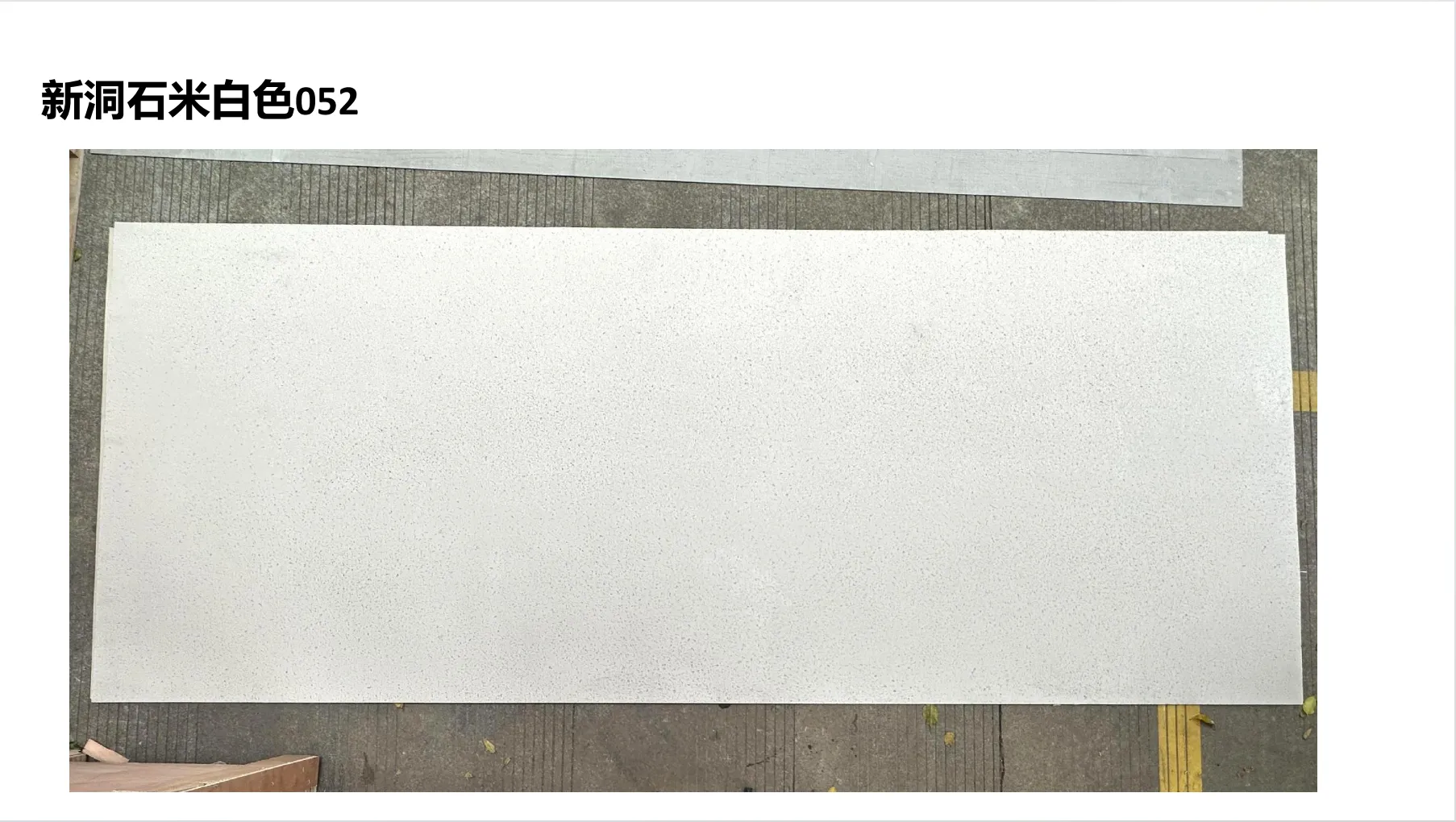
Choosing materials for your home or commercial project is a bit like picking out a lifelong companion—you want something that looks good, lasts long, and doesn't break the bank. If you've ever scrolled through interior design blogs or walked into a high-end showroom, you've probably come across travertino. Its warm, earthy tones and unique texture make it a favorite for floors, walls, and even countertops. But here's the million-dollar question: with so many cheaper alternatives on the market, is travertino really worth the investment? Let's dive into the numbers, the pros, the cons, and everything in between to help you decide.
Before we talk dollars and cents, let's make sure we're all on the same page about what travertino is. Often confused with marble or limestone, travertino is a type of natural stone formed by mineral-rich hot springs. As the water evaporates, it leaves behind layers of calcium carbonate, creating those signature pitted holes and swirled veins that give the stone its character. Think of it as nature's own artwork—no two slabs are exactly alike.
You'll find travertino in a range of colors, from soft ivories to deeper golds and even bold reds, but one of the most popular (and versatile) options is travertine (beige). Its neutral hue fits seamlessly into both modern and traditional spaces, making it a go-to for homeowners who want timeless appeal without committing to a trend that might fade. And while it's often used indoors, travertino's durability also makes it a solid choice for outdoor patios or walkways—though we'll get into maintenance later.
Let's get to the part you're probably most curious about: the price tag. Travertino isn't the cheapest material out there, but its cost varies widely depending on a few key factors. Let's break it down into three main categories: material, installation, and long-term maintenance.
The cost of travertino slabs or tiles starts with the stone's quality and source. Like wine, travertino from certain regions (think Italy, Turkey, or Iran) tends to carry a premium due to its reputation for consistency and unique veining. On average, you can expect to pay between $10 and $20 per square foot for mid-grade travertino. If you opt for a rare color or a polished finish (which requires more processing), that price can jump to $25–$35 per square foot. On the flip side, more basic options, like unfilled travertine (beige) with a honed finish, might dip as low as $8–$12 per square foot.
Keep in mind that these are just material costs—you'll also need to factor in shipping, especially if you're sourcing from overseas. A pallet of travertino tiles can weigh several hundred pounds, so delivery fees can add $200–$500 to your total, depending on how far it's traveling.
You could buy the most beautiful travertino in the world, but if it's installed poorly, it won't look (or perform) its best. Installation costs typically range from $5 to $10 per square foot, but this can vary based on a few things: the complexity of your project (e.g., installing on a sloped floor vs. a flat one), the need for subfloor repairs, and whether you're hiring a general contractor or a specialized stone installer.
Here's a pro tip: Travertino is porous, so it often requires sealing before installation to prevent stains. Some installers include sealing in their labor costs, while others charge extra ($1–$3 per square foot). Make sure to ask upfront—you don't want to be hit with surprise fees after the fact.
Natural stone isn't a "set it and forget it" material, and travertino is no exception. To keep those beige tones bright and the surface protected, you'll need to invest in regular maintenance. Here's what that looks like:
All told, you're looking at roughly $100–$300 per year in maintenance costs for a 500-square-foot area. It's not nothing, but it's manageable if you factor it into your long-term budget.
To really understand if travertino is worth the investment, it helps to compare it to other popular materials. Let's take a look at how it measures up to two common alternatives: fair-faced concrete and flexible stone.
| Material | Material Cost (per sq ft) | Installation Cost (per sq ft) | Estimated Lifespan | Annual Maintenance Cost | Key Aesthetic Features |
|---|---|---|---|---|---|
| Travertino (e.g., travertine (beige)) | $10–$20 | $5–$10 | 50–100+ years | $100–$300 (for 500 sq ft) | Natural veining, unique texture, warm earthy tones |
| Fair-Faced Concrete | $4–$8 | $3–$7 | 20–30 years | $50–$150 (for 500 sq ft) | Industrial, minimalist look; can be stained or stamped |
| Flexible Stone | $6–$12 | $4–$8 | 15–25 years | $30–$100 (for 500 sq ft) | Lightweight, easy to install; mimics natural stone patterns |
At first glance, fair-faced concrete and flexible stone seem cheaper upfront. For example, installing 500 square feet of fair-faced concrete might cost $3,500–$7,500 total (material + labor), compared to $7,500–$15,000 for travertino. But here's the catch: travertino lasts two to three times longer. If you replace fair-faced concrete every 25 years, you'd spend $7,000–$15,000 over 50 years (adjusting for inflation), while travertino would likely still be going strong with just maintenance costs. Plus, travertino's natural beauty adds a level of elegance that stamped concrete or flexible stone (which is often a composite material) can't quite replicate.
Price alone doesn't tell the whole story. Travertino's value comes from a few key factors that might make the higher upfront cost worthwhile, depending on your goals.
Trends come and go, but natural stone never goes out of style. If you're planning to sell your home in the future, travertino floors or countertops can be a major selling point. Real estate agents often note that high-quality natural materials like travertino can boost a home's resale value by 3–5%, especially in competitive markets. Buyers are willing to pay more for spaces that feel luxurious and well-crafted—and travertino delivers that in spades.
We touched on this earlier, but it's worth repeating: travertino is tough. With proper care, it can last for decades, even centuries. Think about ancient Roman buildings—many of them still feature travertino elements that have weathered earthquakes, wars, and time itself. Compare that to flexible stone, which might start to fade or crack after 15–20 years, or fair-faced concrete, which can develop unsightly cracks as the foundation shifts. Over the long haul, travertino's durability means you won't be ripping it out and replacing it every couple of decades.
One of the biggest draws of travertino is its uniqueness. Those natural pits, veins, and color variations mean your floor or wall will be one-of-a-kind. Even travertine (beige), which is relatively common, has subtle differences from slab to slab that add depth and warmth to a space. Flexible stone or stamped concrete can mimic the look of natural stone, but they often lack that organic, "lived-in" character that makes travertino feel special. If you value authenticity and want your space to feel curated rather than cookie-cutter, travertino is hard to beat.
Of course, travertino isn't for everyone. If you're working with a tight budget and don't plan to stay in your home long-term, the higher upfront cost might not pay off. Similarly, if you have young kids or pets prone to spills, the porous nature of travertino could be a headache—though sealing helps mitigate this. And if you prefer a super-sleek, uniform look (think glossy subway tiles or polished concrete), travertino's texture might feel too rustic for your taste.
In those cases, alternatives like fair-faced concrete or flexible stone might be better fits. They're cheaper, easier to maintain, and can still look great—they just won't have that natural stone charm.
At the end of the day, whether travertino is worth the investment depends on your priorities. If you value durability, timeless beauty, and the unique character of natural stone, and you're willing to budget for upfront costs and ongoing maintenance, then yes—it's absolutely worth it. The long-term value, both in terms of lifespan and resale appeal, often outweighs the initial sticker shock.
On the other hand, if you're on a tight budget, need something low-maintenance, or don't care about having a one-of-a-kind material, there are cheaper alternatives that will get the job done. But for those who want to invest in a material that will grow with their space and stand the test of time, travertino—especially versatile options like travertine (beige)—is more than just a purchase. It's a legacy piece that will add beauty and value to your home for years to come.
So, what do you think? Is travertino the right fit for your project? Whatever you decide, remember that the best materials are the ones that align with your lifestyle, budget, and vision. Happy decorating!
Recommend Products












