Think about the last time you walked through a bustling airport terminal, a busy café during morning rush, or a museum packed with visitors. Amidst the chatter and movement, there's one element working tirelessly behind the scenes: the flooring. It's easy to overlook, but the right floor can make or break a space—especially in areas where hundreds (or thousands) of feet pass through daily. It needs to withstand scuffs, spills, and the constant grind of activity, all while looking good and feeling comfortable underfoot. That's where travertino flooring steps in. More than just a pretty face, it's a workhorse with a warm, inviting soul. Let's dive into why travertino has become a go-to choice for designers and property owners who refuse to compromise on durability, comfort, or style.
travertino">
First Things First: What
Is
Travertino Flooring?
Travertino, often called travertine, is a type of natural stone formed from mineral-rich (hot springs) over thousands of years. As water evaporates, it leaves behind layers of calcium carbonate, creating a stone with unique voids, grooves, and (textures) that tell the story of its formation. Unlike sleek marble or uniform granite, travertino wears its character on its sleeve—those subtle pits and veins aren't flaws; they're part of its charm. And while it's been used for centuries (think ancient Roman amphitheaters), modern innovations have elevated it into a flooring solution that blends timeless beauty with 21st-century practicality.
Built to Last: The Durability Factor
Let's get real: In high-traffic areas, "durable" isn't just a buzzword—it's a requirement. Travertino doesn't just meet that requirement; it exceeds it. Here's why:
-
Natural Toughness:
Travertino's dense composition (thanks to those mineral deposits) makes it resistant to cracks and chips, even under heavy furniture or constant foot traffic. I've seen travertino floors in 50-year-old hotels that still look fresh, their surfaces softened by time but far from worn out.
-
Wear Resistance:
Unlike wood, which can scratch or warp, or some tiles that crack under impact, travertino holds up. It's not impervious to damage (nothing is), but it takes a lot to leave a lasting mark. A coffee mug dropped on it? More likely to bounce than shatter the stone.
-
Tested in the Trenches:
From train stations in Europe to shopping malls in Asia, travertino has proven itself in some of the busiest spaces on the planet. One airport in Italy, for example, replaced its old ceramic tiles with travertino a decade ago—and today, the floors still look polished, with only minor signs of wear in the most heavily trafficked zones.
More Than Just Tough: The Comfort Underfoot
Durability is non-negotiable, but what about comfort? No one wants to stand on a floor that feels like concrete (even if it
is
concrete) for hours. Travertino nails this balance:
-
Warmth and Give:
Unlike cold, hard surfaces like fair-faced concrete, travertino has a slight "give" underfoot, making it gentler on joints during long periods of standing. It also retains warmth, so in winter, it doesn't send a shiver up your spine when you step out of bed (or off a plane).
-
Temperature Regulation:
Thanks to its natural porosity, travertino stays cool in summer and warm in winter—perfect for spaces with large windows or fluctuating temperatures. I once visited a café in Arizona with travertino floors, and even on 100°F days, the floor never felt scorching underfoot.
-
Acoustic Softness:
Hard floors can echo, turning a lively space into a noisy one. Travertino's texture helps absorb sound, reducing that harsh "echo chamber" effect common in tiled or polished concrete areas. It's why libraries and museums often opt for it—quiet comfort, even when full.
Design That Speaks: Travertino's Style Versatility
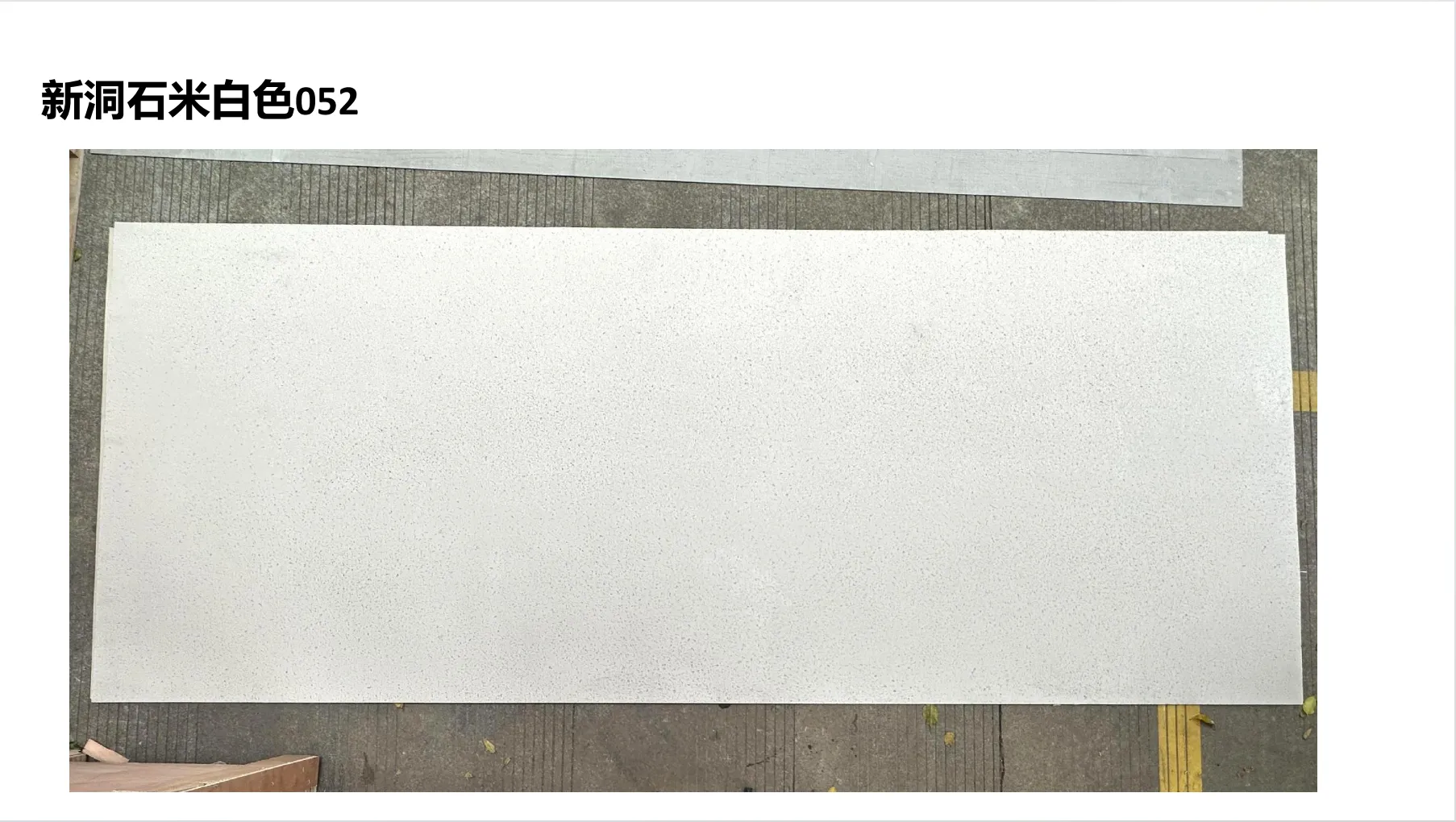
Here's where travertino really shines: It's not a one-trick pony. With endless variations in color, texture, and finish, it adapts to any design vision. Let's take a closer look at some standout options that are turning heads in high-traffic spaces:
travertino-varieties">
|
Travertino Type
|
Color Palette
|
Texture & Vibe
|
Ideal High-Traffic Spaces
|
|
Travertine (Vintage Silver)
|
Soft silvery-gray with subtle beige undertones
|
Smooth, polished finish with faint veining; modern and sleek
|
Airport terminals, corporate lobbies, upscale retail
|
|
Travertine (Starry Green)
|
Deep forest green with tiny "starry" mineral flecks
|
Matte with natural pits; earthy and organic
|
Boutique hotels, café floors, indoor gardens
|
|
Travertine (Vintage Gold)
|
Warm golden-beige with honeyed veins
|
Honed (slightly textured) with a luminous glow
|
Restaurant dining areas, museum hallways, luxury spas
|
|
Travertine (Starry Blue)
|
Mid-tone blue with iridescent mineral sparkles
|
Rough-hewn with pronounced voids; bold and artistic
|
Art galleries, music venues, statement entrances
|
But travertino doesn't stop there. For industrial-chic spaces,
travertine (light grey)
with a brushed finish adds edge without feeling cold. In rustic settings,
travertine (beige)
with a tumbled texture brings warmth, like a sun-baked Italian villa. Even bold hues like
travertine (starry red)
or
travertine (starry orange)
are making waves in creative hubs, proving travertino can be playful, too.
Trending Now: Travertino in Modern High-Traffic Design
Designers aren't just using travertino—they're
celebrating
it. Here are a few ways it's popping up in today's spaces:
-
Mixed Materials Magic:
Pairing travertino with contrasting elements like
foamed aluminium alloy board (vintage silver)
or
wood grain board
adds depth. Imagine a hotel lobby with travertino (vintage gold) floors and a feature wall of brushed vintage silver aluminium—industrial meets elegance, and it works.
-
Large-Format Slabs:
Gone are the days of tiny tiles.
Big slab board series
travertino (think 3x5 foot slabs) creates seamless, sophisticated floors with fewer grout lines—perfect for high-traffic areas where cleaning and maintenance matter. They make small spaces feel larger, too.
-
Matte Over Gloss:
While polished travertino is classic, matte finishes are trending for high-traffic zones. They hide scuffs better than glossy surfaces and add a subtle, tactile quality.
Linear travertine (claybank)
with a matte finish is a favorite for busy offices—professional, warm, and forgiving.
Installing Travertino: A Few Pro Tips
Travertino is tough, but it needs a little TLC during installation—especially in high-traffic areas. Here's what to keep in mind:
-
Prep the Subfloor:
The subfloor must be flat, clean, and dry. Any unevenness can cause cracks over time, so invest in proper leveling. Think of it like building a house—you need a solid foundation.
-
Seal Before Grouting:
Travertino is porous, so sealing it before grouting prevents stains. Skipping this step? You'll end up with grout discoloration that's hard to fix.
-
Hire a Pro:
DIY installation might seem tempting, but high-traffic areas demand precision. A pro will ensure proper spacing, sealing, and alignment—saving you headaches (and costs) down the line.
Keeping It Beautiful: Maintenance Made Simple
Travertino is low-maintenance, but it's not "no-maintenance." A little care goes a long way:
-
Sweep or Vacuum Regularly:
Dirt and grit act like sandpaper, wearing down the stone. A quick sweep every day keeps scratches at bay.
-
Mop with Mild Soap:
Avoid harsh cleaners (bleach, vinegar) that can etch the surface. Stick to pH-neutral soap and warm water—gentle, but effective.
-
Reseal Annually:
High-traffic areas need resealing once a year (more if it's a space like a restaurant kitchen). It's a small investment to keep stains out and shine in.
-
Act Fast on Spills:
Wine, coffee, or oil can stain if left too long. Blot (don't rub!) with a clean cloth and mild soap—most spills come out easily if caught early.
Real-World Wins: Travertino in Action
Still on the fence? Let's look at some real spaces where travertino has proven its mettle:
-
A Busy Urban Café:
A popular brunch spot in Chicago swapped its worn hardwood floors for
travertine (starry green)
three years ago. Today, despite daily crowds, the floors still have that "just installed" glow. The owner raves, "We used to refinish the hardwood every 18 months—now, we just sweep, mop, and seal once a year. Best decision we made."
-
A Museum Lobby:
The entryway of a natural history museum in London sees over 5,000 visitors daily. They chose
travertine (vintage black)
with a matte finish, and it's held up beautifully. "It hides dust, doesn't show scuffs, and the dark color makes our exhibits pop," says the head of facilities.
-
A University Campus Center:
With students rushing to classes, events, and late-night study sessions, this space needed flooring that could take a beating. They went with
linear travertine (claybank)
in large slabs. "It's warm, it's quiet, and even after four years of backpacks, skateboards, and dance parties, it looks brand new," says the campus designer.
How Does Travertino Stack Up Against Other High-Traffic Floors?
Travertino isn't the only option out there, so let's see how it compares to some popular alternatives:
-
Polished Concrete:
Durable and industrial-chic, but cold underfoot and noisy. Travertino offers the same toughness with warmth and sound absorption.
-
Wood Grain Board:
Warm and inviting, but prone to scratches, water damage, and warping in high humidity. Travertino brings that natural vibe without the upkeep.
-
Porcelain Tile:
Affordable and stain-resistant, but often feels artificial. Travertino's natural texture and depth add soul that tile can't replicate.
-
Fair-Faced Concrete:
Sleek and modern, but lacks the character of travertino. It's great for minimalist spaces, but for areas where warmth matters, travertino wins.
Why Travertino Flooring Is a High-Traffic Hero
At the end of the day, high-traffic spaces need flooring that works as hard as the people using them. Travertino doesn't just work—it
thrives
. It's durable enough to handle the chaos, comfortable enough to keep people at ease, and stylish enough to make a statement. Whether you're designing an airport, a café, a museum, or a hotel, it's a choice that balances practicality with heart. After all, a floor shouldn't just be a surface—it should be a foundation for memories, movement, and moments that matter. And travertino? It's ready to hold them all.