
There's a stone that has witnessed empires rise and fall, cities transform, and architectural styles evolve—yet it remains as relevant today as it was two millennia ago. Travertino, or travertine, isn't just a building material; it's a silent storyteller, carrying the marks of Roman chisels, Renaissance artisans, and modern innovators in its honeyed, pitted surface. From the grand arches of the Colosseum to the sleek facades of 21st-century skyscrapers, travertino has proven that true beauty isn't just timeless—it's adaptable. Let's take a walk through its journey, from the quarries of ancient Rome to the cutting-edge labs of today's building material innovators.
To understand travertino's legacy, we have to start with the Romans. These engineers and builders didn't just use stone—they revered it. And among all the stones available to them, travertino held a special place. Why? For starters, it was local. Just 20 miles east of Rome, in the town of Tivoli, sat vast deposits of travertine, formed over centuries by mineral-rich hot springs. The stone's porous texture, warm golden hues, and remarkable durability made it ideal for the grand structures the Romans wanted to build—structures that would shout their power to the world.
Roman architects weren't just thinking about looks, though. Travertino is surprisingly strong, even with its holes and channels (formed by gas bubbles trapped as the stone solidified). Those pores, in fact, made it lighter than many other stones, which was crucial when hauling massive blocks to build aqueducts, temples, and amphitheaters. Imagine a team of oxen straining to pull a 10-ton travertine slab up a muddy road—this was daily life for Roman laborers, who quarried, shaped, and transported the stone with a mix of brute force and clever engineering. They used iron tools to wedge the stone from the earth, then smoothed it with chisels, leaving behind the distinctive "tooth marks" still visible on some ancient blocks.
The Colosseum, that iconic symbol of Roman might, is perhaps the most famous example of travertino in action. Its outer walls are clad in travertine blocks, each carefully cut to interlock like a giant 3D puzzle. Walk around its base today, and you can still see the notches where wooden beams once held scaffolding, or the iron clamps (now rusted away) that reinforced the structure. The Pantheon, too, owes its grandeur to travertino. Its massive portico, with those towering Corinthian columns, is carved from solid travertine—each column a single block, quarried in Tivoli and floated down the Tiber River to Rome. Can you picture the scene? Barges loaded with stone, navigating the river's currents, while workers on shore prepared to hoist these giants into place. It's a feat that still boggles the mind.
But travertino wasn't just for temples and arenas. The Romans used it for everyday buildings, too—marketplaces, bathhouses, even roads. In Ostia, Rome's ancient port city, travertine stones still bear the ruts of chariot wheels, a tangible link to the lives of ordinary Romans. It was a stone for the people, yes, but also a stone for posterity. The Romans knew travertino would outlast them, and that's exactly what they wanted. Their message was clear: "We built this, and it will stand forever."
Quarrying travertino in ancient Rome was no small task. The Tivoli quarries, known as the "Cava d'Ischia," were a hive of activity. Miners would first identify a vein of travertine, then drill holes into the rock and drive in wooden wedges. When the wedges were soaked with water, they expanded, splitting the stone along natural fault lines—a technique still used in some quarries today. Once a block was freed, it was shaped using hammers and picks, with more precise tools for the finer details. Skilled stonemasons could turn a rough slab into a column drum or an arch keystone, their hands guided by years of practice.
Transporting the stone was another challenge. For short distances, workers used sledges lubricated with animal fat to slide blocks over wooden tracks. For longer trips, the Tiber River was their highway. Barges, some specially built for heavy loads, carried travertine from Tivoli to Rome, where it was unloaded and dragged to construction sites. The Colosseum alone required over 100,000 cubic meters of travertine—enough to fill 40 Olympic-sized swimming pools. That's a lot of stone, and a lot of backbreaking work. But for the Romans, it was worth it. Travertino wasn't just a building material; it was a statement.
After the fall of the Roman Empire, travertino's star dimmed. The chaos of the Middle Ages meant fewer grand building projects, and the skills needed to quarry and work the stone began to fade. For centuries, travertine was largely forgotten, overshadowed by marble and granite. But like all great things, it made a comeback. By the Renaissance, artists and architects were rediscovering the beauty of ancient Rome, and with it, travertino. Think of Brunelleschi's Duomo in Florence—while the dome itself is brick, the cathedral's exterior features travertine alongside marble and granite, a nod to the classical past.
Renaissance architects loved travertino for the same reasons the Romans did: its warmth, its texture, and its ability to age gracefully. They used it for palaces, churches, and public squares, often combining it with other stones to create intricate patterns. In Rome, the Palazzo Farnese, built in the early 16th century, uses travertine for its sturdy ground floor, a deliberate echo of the city's ancient roots. Even Michelangelo, that master of marble, wasn't immune to travertino's charm. He used it in the design of St. Peter's Basilica, proving that even the greatest artists recognized its value.
But the Renaissance wasn't just about copying the past. Architects began experimenting with travertino, using it in new ways. They carved it into delicate moldings, inlaid it with precious stones, and polished it to a shine—something the Romans rarely did, preferring a more rustic finish. This blend of old and new set the stage for travertino's next act: the industrial age.
The 19th century brought big changes to the world of building materials. Steam-powered machinery made quarrying faster, railroads made transportation easier, and suddenly, travertino wasn't just for the elite. It became a popular choice for public buildings, banks, and even train stations. In Paris, the Gare du Nord features travertine in its grand entrance halls, its warm tones welcoming travelers from across Europe. In the U.S., architects like H.H. Richardson embraced travertino for its "honest" aesthetic, using it in buildings like the Allegheny County Courthouse in Pittsburgh, where its rough-hewn blocks added a sense of solidity and permanence.
But with mass production came a downside: not all travertino was created equal. As demand grew, some quarries cut corners, producing lower-quality stone that didn't hold up as well over time. This led to a brief decline in travertino's popularity, as architects turned to more uniform materials like concrete and brick. By the early 20th century, travertino was seen by some as old-fashioned—a relic of a bygone era. Little did they know, a revolution was brewing.
Fast forward to the late 20th century. Architects were tired of cold, sterile buildings. They wanted materials with soul, with history—and travertino fit the bill. But they also needed something more versatile. Modern buildings have curves, angles, and complex shapes that traditional stone can't always accommodate. That's where MCM flexible stone comes in. MCM, or Modified Composite Material, is a game-changer. It takes the beauty of natural travertino and combines it with modern polymers and fibers, creating a thin, lightweight panel that's flexible enough to wrap around columns, curve over ceilings, or even be used as wall art.
Imagine walking into a sleek, contemporary office lobby. The walls are clad in a material that looks like classic travertine—warm, with those familiar pits and veins—but it's curved, following the lobby's organic shape. That's MCM flexible stone at work. It's not just about looks, though. MCM panels are durable, fire-resistant, and easy to install, cutting down on construction time and costs. And because they're made with a thin layer of natural stone (often recycled from quarry waste), they're more sustainable than solid travertine blocks. It's the best of both worlds: the timeless beauty of travertino, with the practicality of modern technology.
But MCM flexible stone isn't the only modern twist on travertino. Today's designers have a whole palette of travertine-inspired options to choose from. Take the lunar peak series, for example. Lunar peak silvery, lunar peak golden, and lunar peak black—these aren't your grandma's travertine. They're bold, contemporary takes on the classic stone, with metallic or dark hues that add a touch of drama to modern spaces. Imagine a restaurant with a feature wall in lunar peak black, the stone's natural texture contrasting with sleek stainless steel fixtures. It's travertino, but not as we know it.
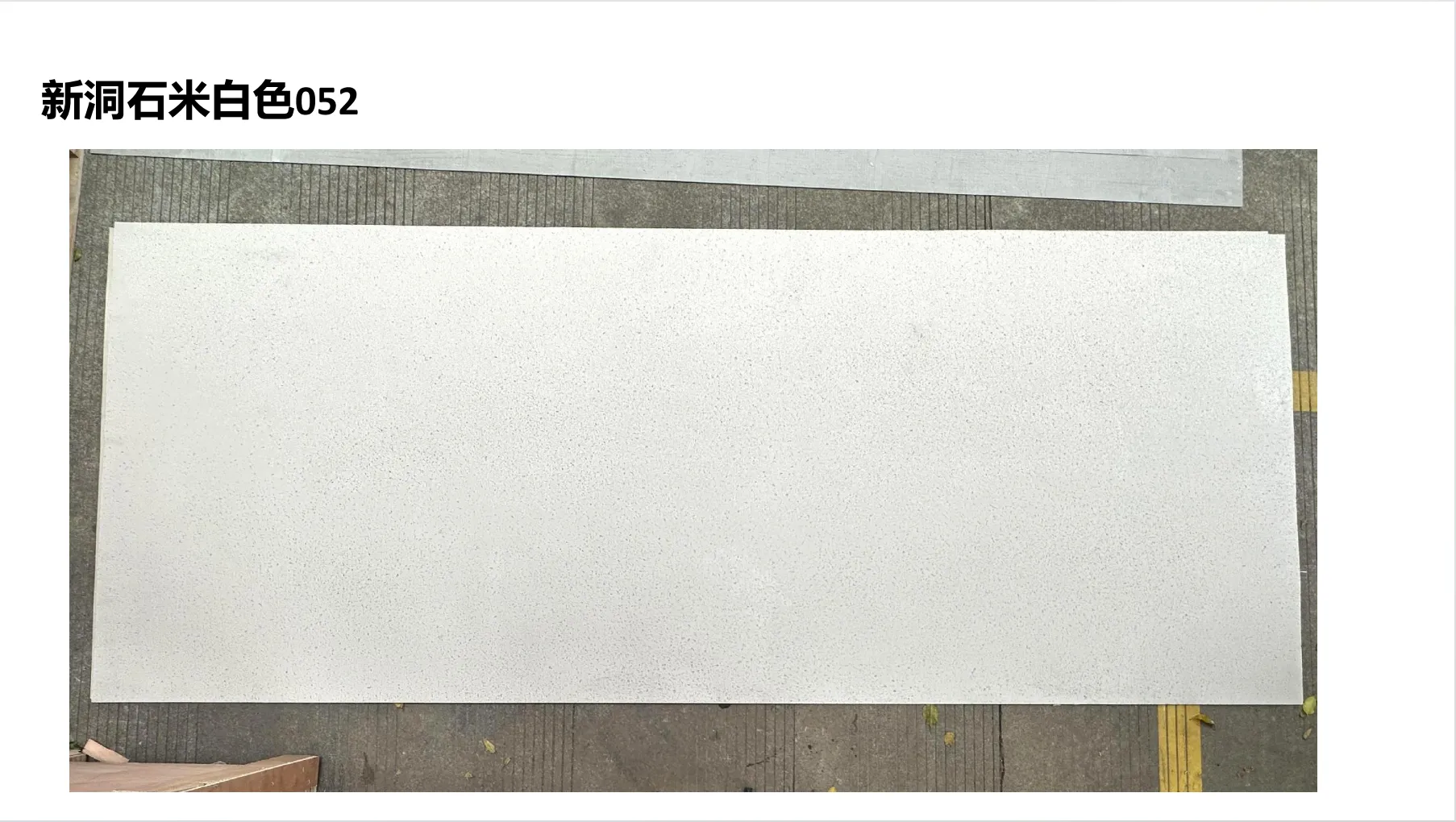
Travertino's family has grown over the years, with new variants that blend tradition and innovation. There's travertine (vintage silver), travertine (vintage gold), and travertine (vintage black)—stones treated to give them an aged, weathered look, perfect for adding character to industrial-chic spaces. Then there are the starry series: travertine (starry green), travertine (starry red), travertine (starry blue)—stones infused with tiny, sparkling particles that catch the light, turning a simple wall into a night sky. It's a far cry from the plain travertine of ancient Rome, but it's still rooted in that same love for texture and warmth.
And let's not forget about sustainability. Today's builders are more conscious than ever about the environmental impact of their materials, and travertino fits the bill. Quarrying techniques are more efficient, with less waste. MCM flexible stone uses recycled stone and eco-friendly binders. Even classic travertine is a sustainable choice—unlike synthetic materials, it's natural, non-toxic, and can be recycled at the end of its life. It's no wonder that green building certifications like LEED often favor travertine and its modern derivatives.
| Era | Key Travertino Characteristics | Notable Structures | Production & Installation Methods |
|---|---|---|---|
| Ancient Rome (1st century BCE–5th century CE) | Thick, solid blocks; warm golden hues; rough, unpolished finish; natural porosity. | Colosseum, Pantheon, Roman Forum, Tivoli Aqueducts. | Quarried with iron tools and wooden wedges; transported by oxen and river barges; installed with mortar and iron clamps. |
| Renaissance (14th–17th centuries) | Polished surfaces; intricate carvings; combined with marble/granite for patterns. | Palazzo Farnese (Rome), Duomo di Firenze (Florence), St. Peter's Basilica (Rome). | Hand-carved by artisans; transported via horse-drawn carts; used in decorative moldings and inlays. |
| Industrial Revolution (19th century) | Mass-produced blocks; uniform sizing; used for public buildings and transportation hubs. | Gare du Nord (Paris), Allegheny County Courthouse (Pittsburgh), British Museum (London, partial). | Steam-powered quarrying machinery; rail transport; installed with Portland cement mortar. |
| 21st Century | MCM flexible panels; thin, lightweight; varied finishes (vintage, starry, lunar peak); sustainable production. | Modern office towers, luxury hotels, art galleries, residential interiors. | Recycled stone + polymer composites; factory-cut panels; adhesive installation for curved/complex surfaces. |
Walk into any design showroom, and you'll see travertino in all its forms. Want a rustic, Mediterranean vibe? Go for classic travertine (beige), with its warm, earthy tones. Craving something edgy? Try dolomitic travertine (dark grey), a moody, sophisticated option that pairs well with black metal and concrete. For a touch of luxury, there's golden travertine (white golden), with its subtle shimmer, perfect for a high-end hotel lobby or a gourmet kitchen backsplash.
But travertino isn't just for walls and floors. Today, it's used in furniture, too. Imagine a coffee table with a travertine top, its porous surface holding a glass of wine as you chat with friends, or a bathroom vanity carved from a single slab of travertine, turning a utilitarian space into a spa-like retreat. It's even used outdoors—pool decks, patios, garden paths—because it's slip-resistant and stands up to the elements. Rain, snow, sun—travertino takes it all in stride, aging gracefully with each passing season.
One of the most exciting things about modern travertino is how it's bringing people closer to nature. In a world dominated by synthetic materials, there's something grounding about a stone that's been shaped by water and time. MCM flexible stone, for all its modernity, still carries that natural essence. It's a reminder that even in our fast-paced, tech-driven lives, we crave connection—to the earth, to history, to something real.
So, what's next for travertino? If the past is any indication, it will keep evolving. Scientists and engineers are already experimenting with new ways to make MCM flexible stone even more sustainable—using plant-based polymers, or incorporating carbon capture technology into the production process. Architects are pushing the boundaries of what's possible, using travertine in 3D-printed structures or combining it with smart materials that can change color or regulate temperature.
There's also a growing trend toward "biophilic design"—creating spaces that connect people with nature—and travertino fits right in. Its organic texture, natural colors, and connection to the earth make it a favorite for hospitals, schools, and offices, where studies show that natural materials can reduce stress and boost productivity. Imagine a classroom with walls clad in travertine (starry blue), where kids can run their fingers over the stone's surface and feel a connection to the world outside. It's more than decoration; it's a tool for wellbeing.
And let's not forget about preservation. As we become more aware of our architectural heritage, there's a renewed focus on restoring ancient travertine structures. In Rome, conservators are using traditional techniques (and a few modern tools) to clean and repair the Colosseum's travertine walls, ensuring that this iconic symbol of travertino's past will stand for centuries to come. It's a beautiful cycle: the stone that built empires is now being preserved by the empires that came after.
At the end of the day, travertino's longevity isn't just about its physical properties—though its durability and versatility certainly help. It's about something deeper: its ability to tell a story. Every pit, every vein, every shade of color is a chapter in that story. It's the story of Roman engineers solving impossible problems, of Renaissance artists rediscovering beauty, of modern innovators finding new ways to honor the past while building the future.
Travertino is also a chameleon. It can be grand or humble, ancient or modern, bold or understated. It works in a temple, a subway station, a home. It doesn't demand attention—it earns it, through quiet elegance and a warmth that feels like home. In a world that's always chasing the next big thing, travertino reminds us that some things are worth holding onto.
So the next time you see a travertine wall, or run your hand over a MCM flexible stone panel, take a moment to appreciate the journey. This stone has been around for millions of years, shaped by water and time, then by human hands. And it's just getting started. From the quarries of Tivoli to the skyscrapers of tomorrow, travertino's story is our story—one of innovation, resilience, and a love for beauty that transcends time.
Recommend Products












