


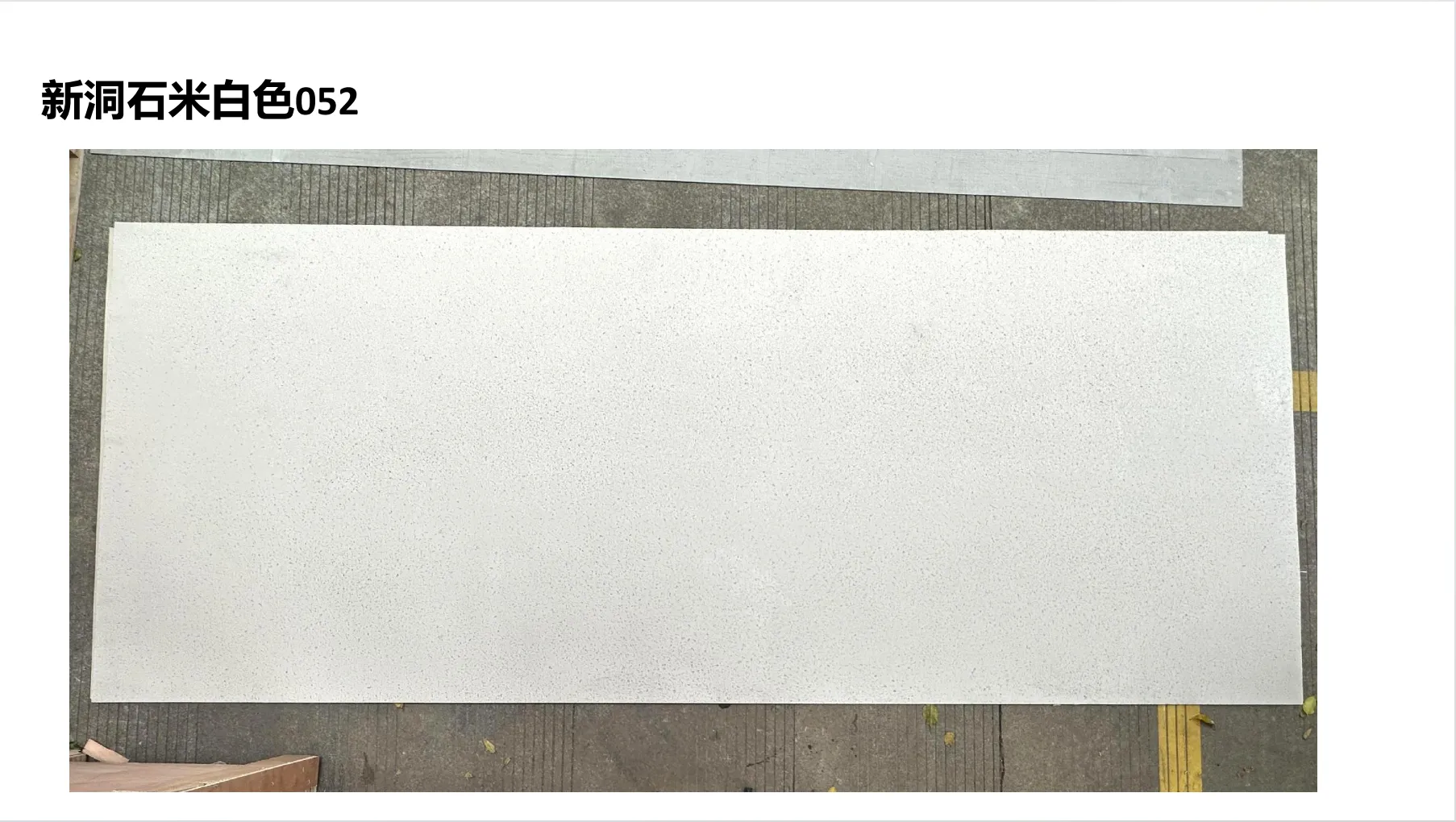
Let's start with the obvious: travertino—often called travertine—is not just a stone. It's a time capsule. Formed in hot springs and limestone caves, where mineral-rich water cools and deposits calcium carbonate, each slab carries the memory of the earth's breath. Run your fingers over a piece of natural travertine, and you'll feel it: the pockmarks where bubbles rose to the surface, the delicate veining that looks like rivers frozen mid-flow, the warm, earthy tones that shift from ivory to amber to soft gold depending on the light. It's no wonder ancient Romans used it to build the Colosseum; there's a permanence to it, a sense of grounding that synthetic materials have long struggled to replicate.
But travertino's magic isn't just in its looks. It's in the way it interacts with the world around it. On a humid day, its porous surface absorbs moisture, releasing it slowly to keep interiors cool. In sunlight, it shimmers, as if holding onto the sun's rays to glow gently at dusk. Even its imperfections—those tiny holes, the uneven edges—are part of its charm. They remind us that nature doesn't do "perfect"; it does authentic . And in a world of sleek, sterile surfaces, authenticity is a rare commodity.
— Maria Gonzalez, Interior Designer, Miami
That emotional connection is what makes travertino so hard to replace. It's not just a building material; it's a bridge between the modern world and the planet's ancient past. But here's the catch: as much as we love it, natural travertine comes with a price—one that goes beyond the sticker on the slab.










