
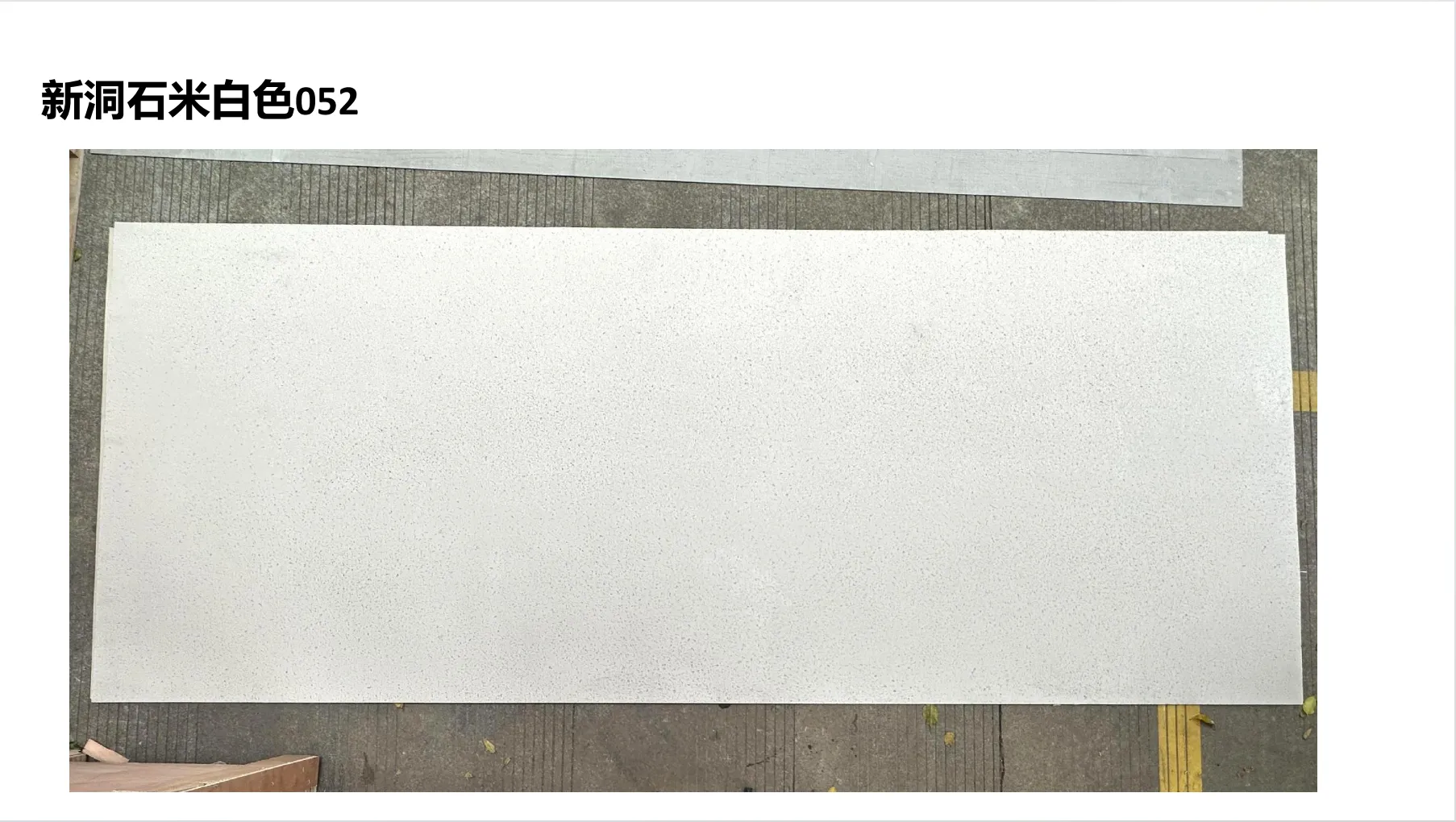
There's something undeniably timeless about travertino. Whether it's the soft, creamy glow of travertine (beige) warming up a kitchen backsplash, the crisp elegance of travertino (white) gracing a bathroom floor, or the dramatic depth of travertine (starry green) making a statement in a living room wall, this natural stone has a way of turning spaces into stories. But here's the thing about natural beauty—it's delicate. Travertino, like all limestone derivatives, is porous by nature, with tiny holes and channels that tell the story of its formation (think ancient mineral springs and slow, patient deposition). Those pores are what give it character, but they're also its Achilles' heel: they absorb liquids, trap dirt, and can dull over time if not cared for properly.
I've spent years working with homeowners, designers, and contractors who've fallen in love with travertino, and I've seen the difference between a well-maintained surface and one that's been neglected. A travertine (beige) patio that's sealed regularly still looks as inviting as the day it was installed, while a travertino (white) countertop that skipped sealing? Let's just say red wine and tomato sauce leave permanent souvenirs. The good news? Keeping your travertino looking its best isn't rocket science. It's about small, consistent habits—daily cleaning, smart stain removal, and regular sealing—that protect its beauty for decades. Let's dive in.
Before we talk about cleaning and sealing, let's get to know travertino a little better. Unlike polished marble or granite, travertino is formed from calcium carbonate deposits in hot springs, which means it's riddled with vugs (those small, natural pits) and veins (the mineral-rich lines that swirled through the stone as it formed). These features are part of its charm—no two pieces are alike—but they also make it more porous than denser stones. For example, travertine (starry green) has unique crystalline flecks that catch light, but those flecks sit in tiny crevices that collect dust and spills. Travertine (beige), with its earthy tones, hides dirt better than travertino (white), but it's just as porous.
Another key point: travertino is sensitive to acids. Lemons, vinegar, even some cleaning products with high pH levels can etch the surface, leaving dull spots or marks that are hard to reverse. I once visited a client who thought using vinegar to "naturally clean" their travertino (white) floors was a good idea. The result? A patchwork of faint, cloudy spots that needed professional honing to fix. Lesson learned: travertino needs gentle care, not harsh chemicals.
The best way to protect your travertino is to keep it clean before dirt builds up. Think of it like brushing your teeth: a little daily effort prevents big problems later. Here's how to do it right:
Travertino's porous surface can scratch if you drag dirt or grit across it. Start by dry-cleaning: use a soft microfiber cloth for countertops and tabletops, or a broom with soft bristles (avoid stiff plastic brushes!) for floors. For larger areas, a vacuum with a hard-floor attachment works wonders—just make sure the brush roll is turned off to prevent scratches. I keep a microfiber duster by my travertine (beige) coffee table and give it a quick wipe every morning; it takes 30 seconds and keeps dust from settling into those tiny pores.
For mopping floors or wiping down larger surfaces, mix a few drops of pH-neutral dish soap (like Dawn Free & Clear) in a bucket of warm water. Avoid anything with citrus, vinegar, bleach, or ammonia—those ingredients can eat away at the stone's surface. Dip a soft mop (microfiber or cotton) into the soapy water, wring it out thoroughly (travertino hates standing water), and wipe in gentle, circular motions. Rinse the mop frequently to avoid spreading dirt, and dry the surface with a clean towel if you notice any water spots. Pro tip: I use a spray bottle with the same soapy solution for quick spot-cleaning on my travertino (white) backsplash—just spritz and wipe with a damp cloth.
Life happens. A glass of red wine tips over on the travertino (white) countertop. A drizzle of olive oil misses the pan and lands on the travertine (beige) floor. A coffee spill goes unnoticed on the travertine (starry green) table. The key here is speed— the faster you act, the better your chances of removing the stain completely . Here's how to handle common culprits:
Oil loves to seep into travertino's pores, so don't rub—blot first! Grab a clean paper towel or cloth and press firmly on the stain to absorb as much oil as possible. Once you've blotted, make a paste with baking soda and water (about 3 parts baking soda to 1 part water) and spread it over the stain, covering it by about 1/4 inch. Cover the paste with plastic wrap (tape the edges to keep it in place) and let it sit overnight. The baking soda will draw the oil out of the stone. In the morning, gently scrape off the paste with a plastic scraper (avoid metal—it can scratch!), then wipe with a damp cloth and dry. I used this trick when I spilled avocado oil on my travertine (beige) kitchen floor, and you'd never know it happened.
Organic stains (think red wine, coffee, or berry juice) can leave pink or brown discoloration. Start by blotting—again, no rubbing! Then, mix 1/2 cup hydrogen peroxide with a few drops of ammonia (yes, ammonia is harsh, but in small doses and for short periods, it's safe for organic stains). Test this solution on an inconspicuous area first (like the back of a countertop) to make sure it doesn't lighten the stone. If it's safe, apply the mixture to the stain with a cotton ball, cover with plastic wrap, and let sit for 10–15 minutes. Rinse with clean water and dry. For stubborn stains, repeat once, but don't leave the mixture on longer than 20 minutes—ammonia can damage sealers if overused.
For water-based ink (like most ballpoint pens), dab with a cloth dampened in rubbing alcohol, then rinse and dry. For oil-based ink (permanent marker), use a small amount of acetone (nail polish remover) on a cotton swab, dabbing gently (don't rub—you'll spread the ink!). Rinse immediately with water and dry. I once helped a friend remove a permanent marker doodle from her travertino (white) kids' table using this method, and it worked like magic—no trace left!
If daily cleaning is the "brushing" of travertino care, sealing is the "flossing"—it gets into the pores and protects where daily cleaning can't reach. Travertino is porous, remember? Without a sealer, liquids, dirt, and even bacteria can seep in, leading to stains, discoloration, or even deterioration over time. Sealing creates a barrier that repels liquids, giving you time to wipe up spills before they set. But not all sealers are created equal, and applying them wrong can do more harm than good. Let's break it down.
I once met a homeowner who said, "My travertine (beige) floors are five years old and never sealed—they look great!" Then I spilled a drop of water on them, and it soaked in within 30 seconds. "See?" I said. "Right now, that water is sitting in the pores, and if it were wine or oil, it would stain." She sealed them that week. Sealing isn't just about preventing stains—it's about preserving the stone's color and texture. Over time, unprotected travertino can fade, especially in sunlight, or develop a dull, "cloudy" appearance from trapped dirt. A good sealer keeps it looking vibrant and new.
There's no one-size-fits-all answer, but here's a general rule: high-traffic areas (kitchen floors, entryways, countertops) need sealing every 1–2 years. Low-traffic areas (bathroom walls, bedroom floors) can go 2–3 years. To check if your travertino needs sealing, do the "water test": pour a small amount of water (about 1/4 cup) on an inconspicuous area. If it beads up and sits on the surface, the sealer is still working. If it soaks in within 5–10 minutes, it's time to reseal. I do this test every 6 months on my travertine (starry green) fireplace surround—it takes 2 minutes and gives me peace of mind.
When it comes to sealers, you have two main options: penetrating and topical . Penetrating sealers (also called "impregnators") are best for travertino. They soak into the pores and react with the stone to form a water-repellent barrier from the inside out, without changing the stone's appearance (no glossy finish, just natural beauty). Topical sealers (like wax or polyurethane) sit on top of the stone, creating a glossy or matte coating, but they can scratch, peel, or yellow over time—especially on floors. Stick with penetrating sealers labeled "for natural stone" or "for limestone/travertine." I prefer water-based penetrating sealers because they're low-odor and dry quickly, but solvent-based ones work too (just make sure the area is well-ventilated).
Sealing travertino isn't hard, but it does require patience and attention to detail. Follow these steps, and you'll have a perfectly sealed surface that lasts for years:
Sealer can't bond properly if there's dirt, oil, or old sealer residue on the stone. Start by deep cleaning the travertino (use the methods above for stains, then mop with pH-neutral soap and let dry completely). For floors, I like to use a stone-specific cleaner (like Black Diamond Stoneworks Granite & Stone Cleaner) to ensure all residues are gone. Let the surface dry for at least 24 hours—travertino needs to be bone-dry before sealing, or the sealer can trap moisture inside, leading to mold. I once sealed a travertine (white) countertop too soon after cleaning, and a week later, small water spots appeared under the sealer. Lesson learned: patience pays off.
Even "colorless" sealers can sometimes darken travertino slightly, especially lighter stones like travertino (white). Test the sealer in an inconspicuous area (under a cabinet, behind a door, or in a corner) first. Apply a small amount, let it dry, and check the color and finish. If you don't like the result, try a different sealer. Better to test now than to ruin the whole surface!
Pour a small amount of sealer into a clean container (don't dip your applicator directly into the bottle—you'll contaminate the whole batch!). Use a foam sponge, lamb's wool applicator, or a spray bottle (for vertical surfaces like shower walls) to apply the sealer in thin, even coats. Work in small sections (3x3 feet for floors, 2x2 feet for countertops) to avoid the sealer drying before you can spread it. Let the sealer sit for 5–10 minutes—you'll see it start to absorb into the stone. If there's excess sealer pooling on the surface, wipe it up with a clean cloth (pooled sealer dries sticky and dull). Wait 30–60 minutes, then apply a second coat—two thin coats are better than one thick one, as thick coats can peel.
After the second coat, let the sealer cure for at least 24 hours (some sealers need 48 hours—check the label!). Keep the area off-limits during this time: no walking on floors, no placing items on countertops, no water on shower walls. I like to seal on a weekend, so I can let the surface cure overnight without interruption. Once cured, do the water test again to make sure the sealer is working—you should see beads of water sitting on the surface.
Consistency is key with travertino care. Here's a simple schedule to keep track of tasks, tailored to different areas of your home:
| Area | Weekly Tasks | Monthly Tasks | Yearly Tasks |
|---|---|---|---|
| Travertino (White) Countertops | Dust with microfiber cloth; wipe spills immediately | Deep clean with pH-neutral soap; check for stains | Test sealer with water test; reseal if needed |
| Travertine (Beige) Floors | Sweep or vacuum; damp-mop with soapy water | Inspect for scratches; clean grout lines with soft brush | Reseal (high traffic); check for loose tiles |
| Travertine (Starry Green) Walls/Showers | Wipe with dry cloth (walls); squeegee after use (showers) | Clean with pH-neutral shower cleaner; check for mold | Reseal (showers: every 1–2 years); inspect grout |
Even with the best intentions, it's easy to slip up. Here are the mistakes I see most often—and how to steer clear of them:
Vinegar, bleach, lemon juice, and "all-purpose" cleaners with acid or ammonia are travertino's worst enemies. They eat away at the stone's surface, causing etching (dull, cloudy marks) that's almost impossible to fix without professional honing. Stick to pH-neutral, stone-safe cleaners—your travertino will thank you.
Many homeowners think new travertino comes "pre-sealed." Sometimes it does, but that initial sealer is often a light coat applied at the factory, and it wears off quickly—especially with foot traffic or water exposure. Always check with your installer if the stone was sealed, and if so, when it was done. When in doubt, do the water test and reseal if needed.
I once had a client who spilled tomato sauce on her travertino (white) countertop and thought, "I'll clean it after dinner." Three hours later, the sauce had soaked in, leaving a pinkish stain that took weeks of baking soda pastes to fade. Travertino doesn't give second chances with stains—act fast, blot, and treat immediately.
Travertino isn't just a building material—it's a piece of nature, with a history as old as the earth itself. Caring for it isn't a chore; it's a way to honor that history and keep its beauty alive for years to come. Whether you're admiring the soft warmth of travertine (beige), the crisp purity of travertino (white), or the cosmic allure of travertine (starry green), a little daily cleaning, smart stain removal, and regular sealing will ensure it stays as stunning as the day you first fell for it.
So go ahead—host that dinner party, make that morning coffee, let the kids play on the floor. With these tips, your travertino will be ready for all of life's moments, and it will only get more beautiful with time. After all, the best stories are told on surfaces that are loved, lived on, and cared for.
Recommend Products












