
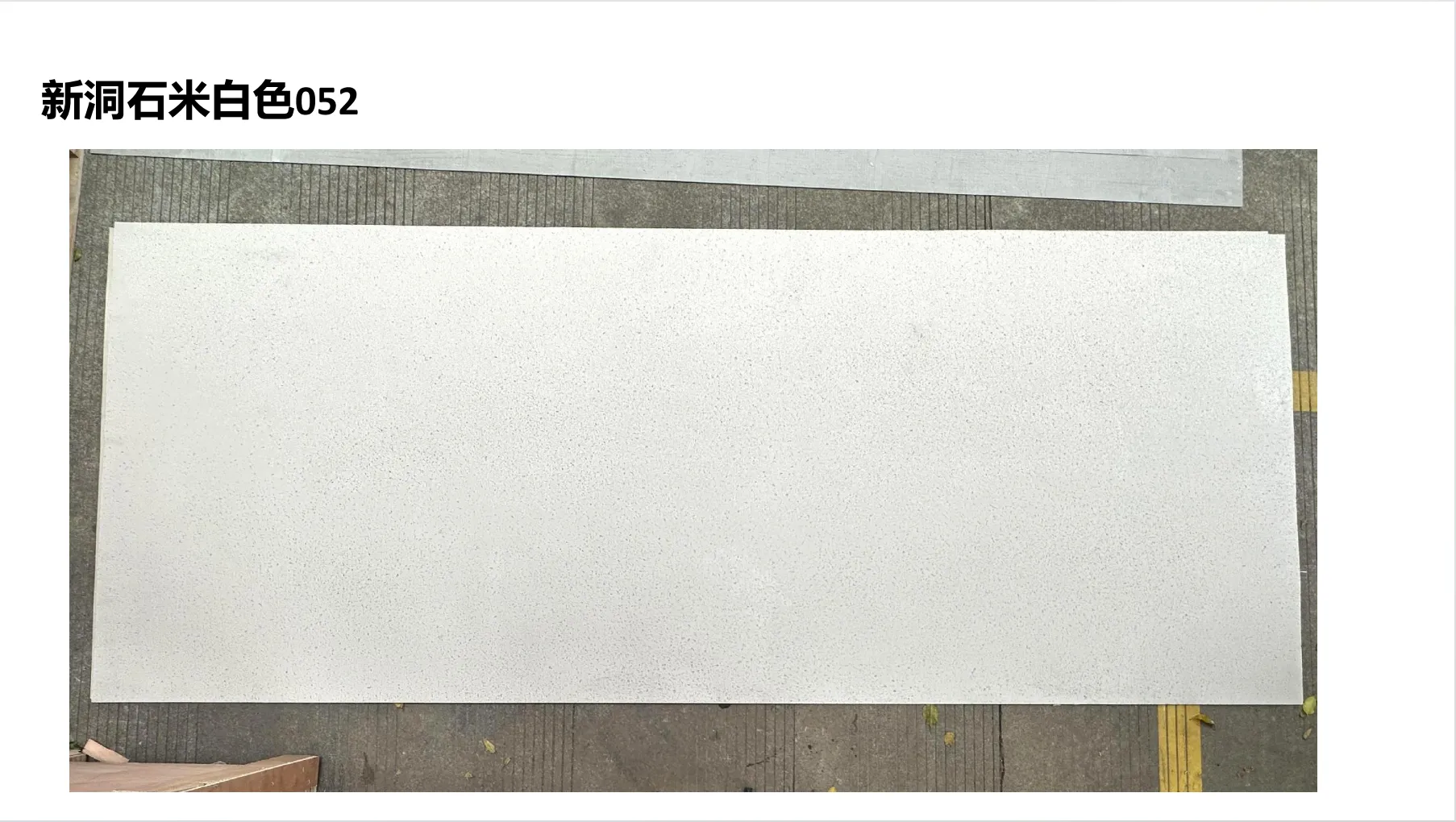
You've stood in a showroom, run your hand over the smooth, honeyed surface of travertine (beige), and imagined it warming up your living room. Or maybe you've fallen for the cool, understated elegance of travertine (light grey) in a friend's bathroom, its subtle veining mimicking a quiet forest stream. Travertine has that effect on people—it feels alive, like a piece of the earth itself, polished but not perfect, with little pits and pores that tell a story of how it formed over millennia. But then the doubts creep in: "Is it too fragile?" "Will it stain if I so much as breathe near it?" "Isn't it impossible to keep clean?"
Let's set the record straight. Travertine is indeed a natural stone with its own quirks, but most of what you've heard about its "high maintenance" is rooted in myths, not facts. Today, we're diving into the most common misconceptions about caring for travertine—from its durability to cleaning hacks—and replacing them with the kind of practical, real-world advice that'll let you love your travertine floors, countertops, and walls without the stress. Because owning a material this beautiful shouldn't feel like tiptoeing around a museum exhibit.
Let's start with the biggest fear: that travertine is a "soft" stone, prone to scratches, chips, and stains the second life happens. I once had a client who refused to install travertine (vintage gold) in her family room because her teenage son plays basketball indoors (yes, really). "It'll look like a war zone in a month," she said. Spoiler: We convinced her to go for it, sealed it properly, and three years later, that floor still shines—basketball dents and all (okay, maybe we asked the son to move the game outside… but the point stands).
Here's the truth: Travertine is a sedimentary rock, formed by mineral-rich hot springs, which means it's denser than you might think. It's not marble (which is softer) or even limestone (more porous). When sealed and finished correctly, it holds up beautifully in high-traffic areas—kitchens, entryways, living rooms—even with kids, pets, and the occasional rogue basketball. The key is choosing the right finish. For example, a honed travertine (less glossy, more matte) hides minor scratches better than a highly polished one, making it ideal for busy spaces. And travertine (starry blue)? Its unique texture and color variation actually camouflage everyday wear, turning tiny scuffs into part of its charm.
Think about it: Travertine has been used in ancient Roman structures like the Colosseum for millennia. If it could withstand chariots, gladiators, and centuries of weather, it can handle your toddler's toy trucks or your morning coffee spills.
Pro Tip: For extra peace of mind in high-traffic zones, opt for a "filled" travertine. This means those natural pits and pores are pre-sealed with a stone dust mixture during manufacturing, giving you a smoother surface that's even more resistant to dirt and damage.
"I sealed my travertine (beige) floors five years ago, so they're good forever, right?" I wish I had a dollar for every time I've heard that. Here's the thing: Travertine is porous—it has tiny holes that absorbed minerals and water as it formed, which is part of what makes it so visually interesting. Sealing fills those pores to prevent stains, but sealant isn't a one-and-done shield. It wears down over time, especially in wet areas (like bathrooms) or spaces with heavy foot traffic (hello, kitchen).
How long does sealant last? It depends on the type (water-based vs. solvent-based), the finish, and how hard you are on the stone. In a low-traffic bedroom with travertine (light grey) walls, you might get 3-5 years out of a good seal. In a kitchen with daily spills and scrubbing? More like 1-2 years. The good news? Checking if it's time to reseal is easy: drop a few drops of water on the surface. If the water beads up, the seal is still working. If it soaks in and darkens the stone within 5-10 minutes, grab the sealant.
Resealing isn't a big production, either. You'll clean the surface, let it dry completely, then apply a thin, even coat of sealant with a sponge or cloth. Wait for it to absorb (usually 15-20 minutes), wipe off excess, and let it cure overnight. Done. Think of it like changing the oil in your car: A small task that keeps everything running smoothly.
| Area | Resealing Frequency | Pro Tip |
|---|---|---|
| Kitchen countertops | Every 1-2 years | Seal twice a year if you cook with acidic ingredients (lemon, vinegar) often. |
| Bathroom floors/walls | Every 1-3 years | Ventilate well to reduce moisture buildup, which breaks down sealant faster. |
| Living room floors (low traffic) | Every 3-5 years | Use furniture pads to prevent scratches that can wear through sealant. |
| Outdoor patios | Every 6-12 months | Choose an outdoor-specific sealant to withstand rain, snow, and UV rays. |
Let's talk about the "green cleaning" myth. You've read that vinegar is a miracle cleaner—cuts grease, kills germs, smells like a spring day. So why not use it on travertine? Because travertine is calcium-based, and acids (like vinegar, lemon juice, or even tomato sauce) eat away at calcium. It's slow, but over time, those "natural" cleaners will etch the surface, leaving dull spots or tiny pits that make your travertine look worn and tired. I once visited a home where the owner had been cleaning their travertine (starry orange) shower with lemon-scented "natural" soap, and the stone had developed a hazy, uneven finish that took professional polishing to fix. Ouch.
So what
should
you use? Stick to pH-neutral cleaners—they're gentle enough to avoid etching but strong enough to lift dirt and grime. Look for products labeled "safe for natural stone" or "pH-neutral" (aim for a pH between 6 and 8). Diluted dish soap (like Dawn) works in a pinch for everyday spills—just mix a few drops in warm water, wipe, and rinse thoroughly. For tougher stains (think wine, coffee, or oil), make a paste with baking soda and water, apply it to the stain, cover with plastic wrap, and let it sit overnight. The baking soda is abrasive enough to lift the stain but soft enough not to scratch the stone.
Remember: When in doubt, test a small, hidden area first. That travertine (vintage black) backsplash in your kitchen is too stunning to risk with a random cleaner.
I get it: Part of travertine's appeal is its "organic" look—the little imperfections, the matte finish that feels like walking on a sun-warmed cliffside. So when someone suggests "polishing" it, you might picture a mirror-like, artificial shine that erases all that character. But polishing isn't about turning travertine into something it's not—it's about enhancing what's already there.
Polished travertine isn't "fake." The process involves grinding the surface with finer and finer abrasives until it reflects light, bringing out the depth of its color and the complexity of its veining. Take travertine (starry blue), for example: Its subtle, galaxy-like flecks are easy to miss in a honed finish, but a light polish makes them sparkle, turning a simple wall into a conversation piece. Even travertine (beige), with its warm, earthy tones, gains a richness when polished—not a "plastic" shine, but a soft glow that feels like sunlight on sand.
The best part? Polishing also makes the stone more resistant to stains, since the process closes up some of those natural pores. It's a win-win: more beauty, less maintenance. That said, polished travertine does show fingerprints and water spots more easily than honed, so it's a trade-off. But if you love that luminous look, a little extra wiping is worth it.
Travertine isn't a one-size-fits-all stone, and neither is its care. The finish—honed, polished, tumbled, or brushed—changes how it behaves and what it needs to stay looking great. Let's break it down with a few examples:
Tumbled travertine:
This finish is rough, with rounded edges, like stone pulled from a river. It's perfect for a rustic, old-world vibe (think travertine (vintage gold) in a Tuscan-style kitchen). But its porous surface and uneven texture mean it traps dirt easily. Sweep or vacuum it frequently, and damp-mop with a pH-neutral cleaner—avoid steam mops, which can push moisture into the pores and cause mildew.
Honed travertine:
This is the "middle ground"—smoother than tumbled but not as shiny as polished. It's popular in bathrooms and kitchens because it hides water spots and scratches well (hello, travertine (light grey) shower walls!). Wipe up spills quickly, and seal it regularly—those pores are still there, even if they're less visible.
Brushed travertine:
This finish has a soft, velvety texture, created by brushing the stone with wire brushes to open up its natural pores. It's stunning for floors, but it's also the most absorbent. If you choose brushed travertine (starry red) for your entryway, invest in a good quality impregnating sealer and sweep daily—dirt can get ground into those pores and stain over time.
The takeaway? Know your finish, and adjust your routine accordingly. A little research goes a long way in keeping your travertine looking its best.
Pro Tip: Not sure what finish your travertine has? Do the "water test." Polished travertine will make water bead up; honed or brushed will absorb it faster. Tumbled will feel rough to the touch, like fine sandpaper.
At the end of the day, travertine is a natural material, and like any natural material, it needs a little respect. But "respect" doesn't mean tiptoeing. It means sealing it when it needs sealing, cleaning it with the right products, and understanding that a few scratches or stains are part of its story—not flaws.
Whether you've fallen for the warm glow of travertine (beige), the cool sophistication of travertine (light grey), or the bold drama of travertine (starry blue), remember this: The Roman Empire didn't build with travertine because it was "easy"—they built with it because it was strong, beautiful, and timeless. Your home deserves the same. So go ahead—install that travertine backsplash, lay those travertine floors, and let them become part of your family's story. With a little know-how, they'll be warming up your space for decades to come.
Recommend Products












