
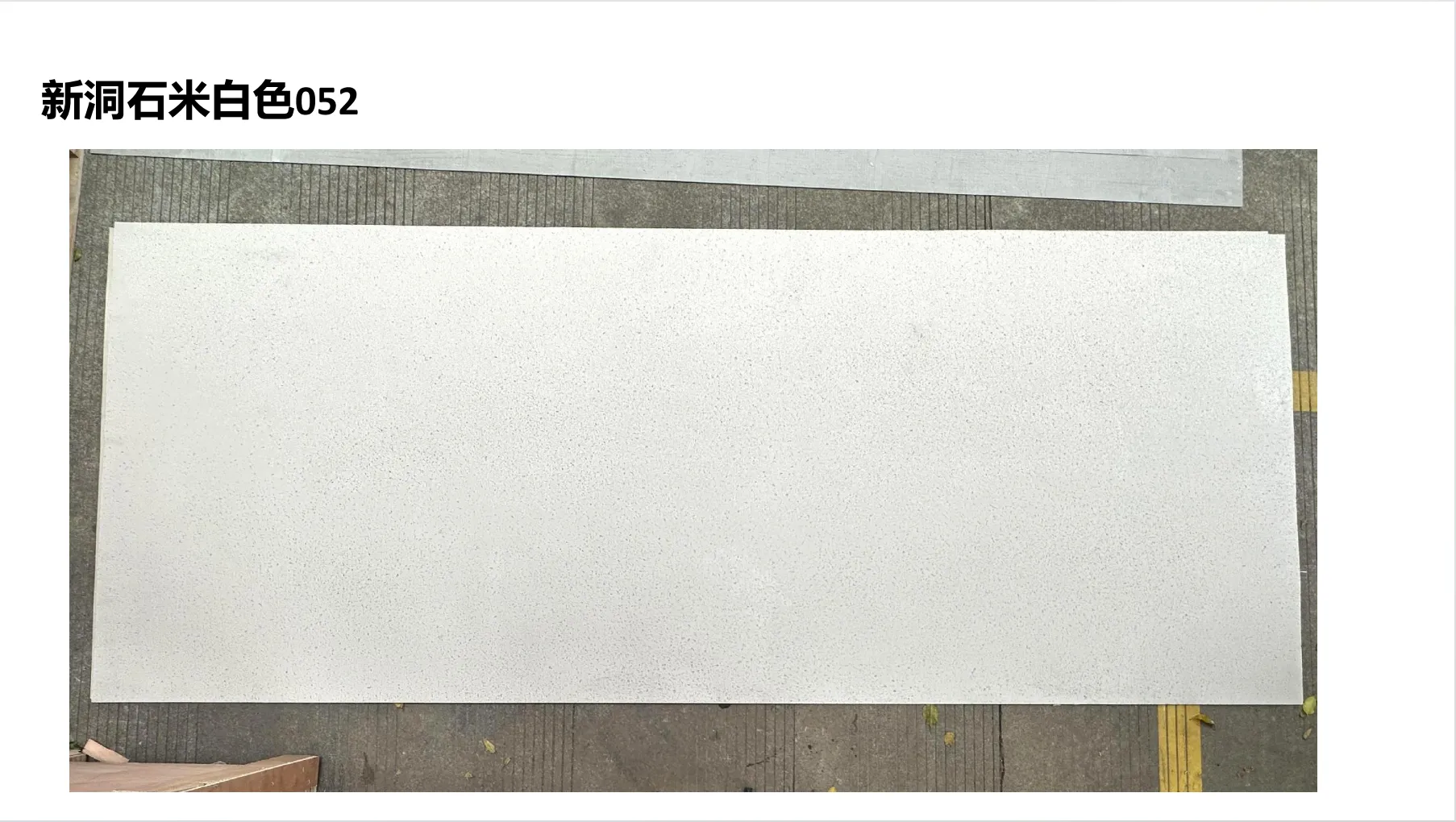
Walk into any high-end home, boutique hotel, or historic building, and there's a good chance you'll find travertino stealing the show. Its warm, earthy tones, unique veining, and timeless elegance have made it a favorite among designers and homeowners for decades. But here's the catch: that same beauty often comes with a hidden cost—constant upkeep. I've spoken to countless architects and property owners who gush about travertino's aesthetic appeal one minute, then sigh about stains, cracks, and endless repair bills the next. It's a love-hate relationship that feels all too familiar: you fall for the look, but live with the hassle. What if there was a way to keep the charm without the headache? That's where MCM comes in.
Let's start with why we adore travertino. Formed from mineral-rich hot springs, it's a type of limestone with a porous, honeycombed structure that gives it character. Those tiny holes and grooves? They're what make each slab one-of-a-kind, like nature's own fingerprint. But those pores are also its Achilles' heel. Spill a glass of red wine, and it seeps in before you can grab a cloth. Leave it out in the rain, and moisture gets trapped, leading to mold or even cracks as temperatures freeze and thaw. I once visited a restaurant that had installed travertino floors in their outdoor patio—gorgeous, until a summer storm hit. Within a year, the edges were chipping, and the once-bright beige had turned splotchy with mildew. The owner told me they spent over $10,000 on repairs in just two years. "We loved the look," he said, "but we didn't realize it would be like caring for a newborn."
Indoors, the problems don't disappear. Kitchen countertops stain from coffee spills; bathroom walls absorb moisture from showers; high-traffic areas like entryways wear down, losing their smooth finish. Even with regular sealing (which needs redoing every 6–12 months), travertino demands attention. And when it does need repair, finding a match for the original veining is like searching for a needle in a haystack. More often than not, you end up with a patch that stands out like a sore thumb, ruining the seamless beauty you fell in love with.
Restoration isn't just about money—it's about time, stress, and lost opportunities. Let's break it down. First, the financial toll: hiring a professional to clean, seal, or repair travertino can cost anywhere from $5 to $15 per square foot, and that's for minor issues. For major damage, like replacing cracked slabs? You're looking at $20–$50 per square foot, not including labor. Multiply that by a 500-square-foot living room, and suddenly "charming" starts to feel like a luxury you can't afford.
Then there's the time. Restoration projects drag on. A simple sealing job might take a weekend, but replacing damaged tiles? That could mean days of your space being unusable—tarps, dust, workers coming and going. I remember a homeowner in Chicago who had to move out of her kitchen for three weeks while her travertino backsplash was repaired. "We ordered takeout every night, and my kids ate cereal on the living room floor," she laughed, but her tone was weary. "It wasn't just the cost; it was the disruption. I started to resent the stone I'd once loved."
And let's not forget the emotional cost. There's something disheartening about watching a beautiful material degrade, no matter how well you care for it. A hotel manager I know described it as "like watching a favorite painting fade"—you do everything you can, but time and wear take their toll. It's not just about the money; it's about the disappointment of investing in something that doesn't hold up.
Enter MCM—short for Modified Composite Material—a line of building products designed to mimic the beauty of natural materials like travertino, marble, and stone, but with a durability that turns the tables on traditional maintenance. When I first heard about MCM, I was skeptical. "Another 'miracle material' that sounds too good to be true," I thought. But after seeing it in action and talking to designers who've switched, I realized this is different. MCM isn't just a replacement; it's a reimagining of what building materials can be.
At its core, MCM is engineered to solve the very problems that plague natural stone. It's lightweight, so it's easier (and cheaper) to install. It's non-porous, so stains bead up instead of seeping in. It's resistant to cracks, chips, and weather damage, so it holds up in high-traffic areas and harsh climates. And here's the best part: it looks exactly like the real thing. The MCM flexible stone line, for example, captures the texture and veining of travertino so perfectly that you'd need a microscope to tell the difference. But unlike travertino, it won't make you cry over a spilled glass of juice.
MCM isn't a one-size-fits-all product—it's a family of materials, each designed to meet specific aesthetic and functional needs. Let's take a closer look at some standout options that are changing the game for homeowners and designers:
If you love travertino's look but hate the upkeep, MCM flexible stone is your new best friend. Made from a blend of natural minerals and high-performance polymers, it's thin (as little as 3mm), lightweight, and flexible enough to bend around curves—something travertino could never do. But don't let the "flexible" part fool you: it's tough. Water-resistant, stain-proof, and scratch-resistant, it stands up to kids, pets, and even the chaos of a busy kitchen. A designer in Miami used it for a restaurant's outdoor patio, and after two hurricane seasons, it still looks brand new. "We've had rain, salt spray, and customers dragging chairs—no stains, no cracks, no problem," she told me. "I'll never specify natural travertino for an outdoor space again."
For spaces that call for something sleek and modern, lunar peak silvery is a showstopper. With its cool, metallic sheen and subtle texture, it mimics the look of polished stone but with the durability of MCM. I saw it used in a tech startup's office in San Francisco, where it covered an entire accent wall. The CEO wanted something "futuristic but warm," and lunar peak silvery delivered. "We have team meetings there, and people lean against the wall, spill coffee—nothing sticks," he said. "And it still looks as good as the day it was installed, three years later." Unlike travertino, which fades in direct sunlight, lunar peak silvery retains its color, making it perfect for spaces with large windows or outdoor use.
For an edgier aesthetic, foamed aluminium alloy board (vintage silver) is hard to beat. With its matte finish and industrial vibe, it's a favorite for lofts, bars, and modern homes. But what really sets it apart is its strength. Foamed aluminium is lightweight but incredibly durable—resistant to rust, corrosion, and dents. A bar owner in Brooklyn used it for their backsplash and bar front, and after years of heavy use, it still looks like it came straight out of a design magazine. "We have bartenders slinging glasses, customers leaning on the bar—this stuff takes a beating," he said. "And cleaning it? Just wipe with a damp cloth. No sealing, no polishing, no headaches."
Concrete has long been associated with utilitarian spaces, but fair-faced concrete (MCM's take on the material) is changing that. With its smooth, matte finish and subtle color variations, it's warm, modern, and surprisingly versatile. I visited a home in Portland where the entire living room floor was done in fair-faced concrete, paired with wooden furniture and large plants. It felt cozy, not cold. The homeowner, an architect, explained: "Traditional concrete cracks, stains, and needs sealing. MCM's fair-faced concrete? It's pre-sealed, scratch-resistant, and even if something does happen, it's easy to repair. I've had it for five years, and it still looks like it was poured yesterday."
Still not convinced? Let's put travertino and MCM products head-to-head. The table below compares key features that matter most when it comes to repair and maintenance:
| Feature | Traditional Travertino | MCM Flexible Stone | Lunar Peak Silvery | Foamed Aluminium Alloy Board (Vintage Silver) |
|---|---|---|---|---|
| Porosity | Highly porous; absorbs liquids easily | Non-porous; stains bead on surface | Non-porous; moisture-resistant | Non-porous; rust and corrosion-resistant |
| Maintenance Needs | Seal every 6–12 months; regular polishing | Wipe clean with soap and water; no sealing | Occasional dusting; no special treatments | Wipe with damp cloth; no maintenance |
| Durability | Prone to cracks, chips, and weathering | Impact-resistant; withstands temperature extremes | Scratch-resistant; UV-stable (no fading) | Dent-resistant; rust-proof; ideal for high-traffic areas |
| Installation Time | Heavy; requires professional installation (1–3 days for a small room) | Lightweight; can be installed in hours by a DIYer or pro | Lightweight; quick installation (same day for most projects) | Lightweight; easy to cut and install (minimal tools needed) |
| Repair Frequency | High; stains, cracks, and wear common within 2–5 years | Low; minimal repairs needed even after 10+ years | Very low; designed for long-term use with little upkeep | Extremely low; often lasts 20+ years with no repairs |
The difference is clear: MCM products are engineered to reduce repair needs from the start. They're not just "better than travertino"—they're designed to eliminate the very problems that make travertino a hassle.
One of the best things about MCM is that it doesn't force you to sacrifice style for durability. Whether you're into the rustic charm of travertino, the sleek look of concrete, or the industrial edge of metal, there's an MCM product that fits. The MCM project board series offers endless options—from wood grain patterns to 3D textures—so you can get the exact look you want without the maintenance.
Take the MCM 3D printing series , for example. Using advanced 3D printing technology, MCM can recreate the most intricate stone textures—think the rough-hewn look of a mountain cliff or the smooth flow of river stone. A designer in Colorado used it to create a feature wall that looks like stacked stone, but at a fraction of the weight and cost of real stone. "Clients walk in and say, 'Is that real?'" she laughed. "I tell them it's better than real—it won't crumble, and they'll never have to repair it."
And for large spaces, the MCM big slab board series is a game-changer. With slabs up to 120 inches long, you can create seamless surfaces with minimal grout lines—perfect for modern, minimalist designs. A commercial developer in Texas used big slab boards for a shopping mall's food court, and the result is stunning: a clean, cohesive look that's easy to clean and impossible to stain. "We used to have to deep-clean the travertino floors every night," the facility manager told me. "Now, we just mop with soap and water, and they shine. It's saved us hours of work each week."
Numbers and specs are great, but nothing tells the story like real people. Let's meet a few folks who made the switch to MCM and never looked back:
Sarah had travertino floors in her desert home for 10 years. "They looked amazing… until summer," she said. "The intense sun faded the color, and the monsoon rains seeped in, causing mold. I was sealing them every six months, but it never felt like enough." When it came time to renovate, she chose MCM flexible stone in a travertine pattern. "It looks identical to my old floors, but now I don't panic when my grandkids spill juice. Last month, we had a pool party, and someone tracked mud all over the living room—I just wiped it up with a wet cloth. No stain, no stress. I wish I'd switched sooner."
Michael's restaurant had a travertino backsplash that became a nightmare. "Tomato sauce, wine, oil—everything stained it," he groaned. "We replaced it twice in five years, and it was costing us a fortune." He switched to foamed aluminium alloy board (vintage silver), and the difference was immediate. "It's sleek, modern, and nothing sticks. A busboy spilled a entire pot of coffee on it last week—wiped right off. And it matches our industrial vibe perfectly. I should have done this years ago."
Elena designs luxury apartments, and she used to specify travertino for her high-end clients. "It was a status symbol," she said. "But I started getting calls from clients complaining about maintenance. One client spent $20,000 on a travertine bathroom, then had to replace the floor after a year because of water damage. I felt guilty—I'd sold them on the beauty, not the reality." Now, she specifies MCM products like lunar peak silvery and fair-faced concrete. "Clients love the look, and I love that I'm giving them something that will last. No more apology calls. It's made my job easier and my clients happier."
So, what makes MCM so much more durable than travertino? It all comes down to engineering. Traditional travertino is a natural stone formed over millions of years, with all the imperfections that come with nature—porous holes, weak points, and inconsistent density. MCM, on the other hand, is designed to be strong. Here's how:
Non-Porous Structure: MCM is made by compressing natural minerals and polymers under high pressure, creating a dense, non-porous surface. Unlike travertino, which has tiny holes that trap liquids, MCM repels water, oil, and stains. Spills bead up and wipe away, so you never have to worry about permanent damage.
Flexible Strength: MCM's flexibility is a superpower. Traditional stone is rigid, so it cracks under stress (like when a heavy object is dropped or the foundation shifts). MCM bends slightly, absorbing impact without breaking. It's like the difference between a glass plate and a plastic plate—one shatters, the other bounces back.
Weather Resistance: MCM is treated to withstand extreme temperatures, UV rays, and moisture. Whether it's scorching sun in Arizona, freezing snow in Minnesota, or salty air by the coast, MCM holds its color and shape. Travertino, by contrast, fades in sunlight and can crack in freeze-thaw cycles.
Lightweight Design: MCM is up to 80% lighter than natural stone, which means less stress on walls, floors, and foundations. Heavy natural stone can cause structural issues over time, leading to cracks and uneven surfaces. MCM's lightweight nature reduces that risk, keeping your space stable and your materials intact.
Travertino is beautiful—there's no denying that. But beauty shouldn't come with a lifetime of repairs, stress, and expense. MCM offers a better way: the same stunning aesthetics, but with durability, low maintenance, and peace of mind. Whether you're building a new home, renovating a commercial space, or just tired of fighting with your travertino floors, MCM products like flexible stone, lunar peak silvery, and foamed aluminium alloy board are changing the game.
At the end of the day, design is about more than how something looks—it's about how it makes you feel. With MCM, you can feel confident, not stressed. You can enjoy your space, not worry about it. You can have beauty and durability, without compromise. So why keep struggling with travertino? It's time to let go of the hassle and embrace a material that works as hard as you do.
As Sarah, the homeowner in Arizona, put it: "I used to look at my floors and see all the things that could go wrong. Now, I look at them and think, 'Wow, they're perfect.' And that's a feeling no amount of travertino charm ever gave me."
Recommend Products












