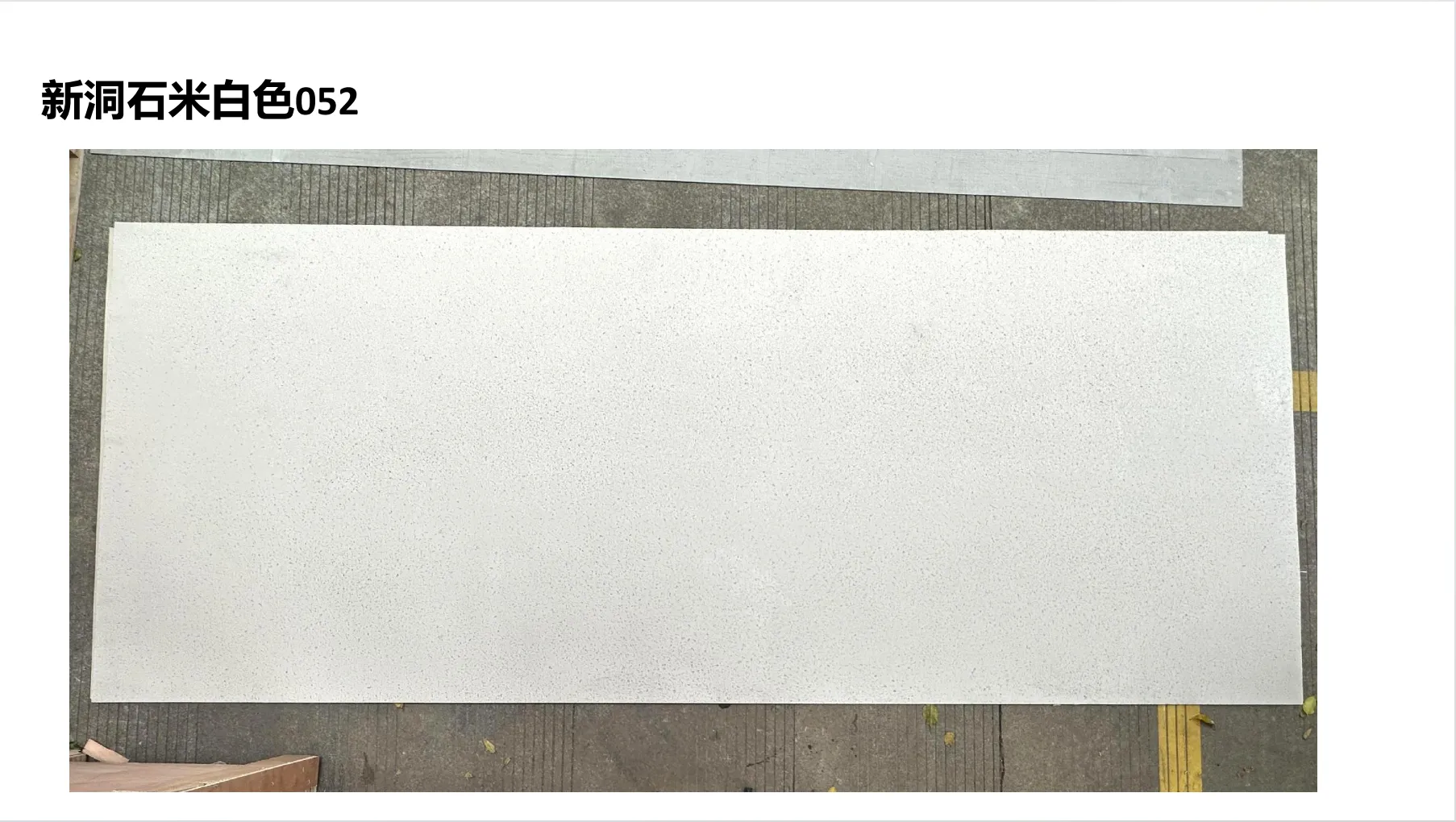
Choosing the right travertino supplier is one of the most consequential decisions in any stone cladding project. Travertino has dressed buildings for more than two thousand years, from the Colosseum in Rome to the facades, lobbies, and outdoor spaces of modern hotels and residences. Yet the difference between a dependable supplier and a mediocre one rarely shows up in a brochure. It shows up on site: boards that do not match across batches, fragile edges that arrive chipped, documentation that never arrives, and shipments that slip week after week. This guide walks through what actually matters when you evaluate a supplier, so you can source with confidence whether you are an architect, a contractor, or a distributor.
Travertine is a natural product, and no two slabs are identical. That is part of its appeal, but it is also the main source of project risk. A good supplier does not just sell stone; they manage colour consistency, finish quality, and technical performance so that the material you order is the material that arrives. When you work with an experienced travertine stone supplier, you get consistent sourcing, clear specifications, and a partner who can flag problems before they reach your site rather than after.
Beyond the stone itself, a supplier's manufacturing capability matters. Suppliers who only trade and re-sell have little control over what they deliver. Suppliers who manufacture and finish their own products can hold quality standards at every step, from raw material selection to the final surface treatment. This is one of the first questions worth asking in any conversation: do you produce in-house, or do you buy and resell?
A reliable supplier should be able to answer clearly on a handful of practical points. Use these as your checklist before you commit to an order.
One of the most useful developments in modern cladding is the rise of MCM, or modified clay material, flexible stone. Instead of heavy natural slabs, MCM flexible travertino reproduces the texture and colour of natural stone in a lightweight, flexible panel that can be cut with ordinary tools and installed quickly on curved or irregular surfaces.
For many projects, flexible stone is the smarter choice. It reduces structural load, simplifies transport and installation, and opens up design options that natural slabs make difficult. It is particularly well suited to renovation work, feature walls, and large facades where weight and installation speed matter. A supplier that offers both natural travertine and flexible MCM versions of the same texture gives you the freedom to choose the right solution for each part of the project, rather than forcing one material to fit everywhere.
| Consideration | Natural travertino | MCM flexible travertino |
|---|---|---|
| Weight and structure | Heavy; requires strong substrate and structural support | Lightweight; ideal for renovation and curved surfaces |
| Installation | Slow, requires skilled masons and heavy equipment | Fast; cut with ordinary tools, easy on-site handling |
| Appearance | Authentic natural texture with natural variation | Faithful stone texture with more consistent colour |
| Best suited for | Premium floors, countertops, heritage-style interiors | Facades, feature walls, large cladding areas, renovation |
You do not need to be a stone expert to spot a good product. A few simple checks go a long way.
Some warning signs should end the conversation quickly. Prices far below the market average usually mean off-grade material or poor processing. A supplier who cannot or will not provide technical documentation is hiding something. Samples that look different from the delivered goods point to weak quality control. And slow, vague communication before you order rarely improves after you pay. None of these problems are worth the risk on a project where the material will stay on the building for decades.
Coordinating multiple suppliers for different materials is one of the most common sources of delay and cost overrun in construction. A one-stop building materials supplier consolidates sourcing, quality control, and logistics into a single point of contact, which means fewer handoffs, fewer mismatches, and fewer surprises. When one team is responsible for the full range of cladding materials on your project, problems are caught earlier and resolved faster.
Coloria Group, a Foshan-based manufacturer founded in 2010, follows exactly this model. The company supplies MCM flexible building materials including big slab boards, project boards, 3D printing series, and flexible stone, alongside a wide range of travertine, marble, granite, slate, and limestone finishes. With an agent in Saudi Arabia and experience serving residential and commercial projects around the world, Coloria offers both natural stone looks and lightweight flexible alternatives from a single source. Whether your project calls for classic travertine tones or modern flexible cladding, the team can match the product to the application and support you from sample to delivery.
The right travertino supplier does more than deliver stone. They bring consistency, documentation, and accountability to a material that is naturally variable. Define your application, check the technical data, inspect real samples, and choose a partner who manufactures what they sell. Do that, and the travertino on your building will look as good in twenty years as it does on the day it is installed.
Recommend Products