
Walk into any thoughtfully designed space—whether it's a sunlit kitchen, a grand hotel lobby, or a cozy café—and chances are, the first thing that catches your eye (after the light, maybe) is the material covering the walls, floors, or countertops. Building materials aren't just functional; they're storytellers. They set the mood, echo the architect's vision, and even influence how we feel in a room. Two materials that often steal the spotlight in this narrative are travertino and limestone. They're both natural stones, both rich in character, and both loved by designers for their earthy charm—but they're not the same. If you've ever stood in a stone yard, squinting at samples labeled "travertino" and "limestone," wondering which one belongs in your home or project, you're not alone. Let's unpack their differences, their unique personalities, and how they shine in real-world applications.
Before we dive into comparisons, let's get clear on what we're talking about. Both travertino and limestone are sedimentary rocks, born from the earth's slow, patient processes—but their origins tell very different stories.
Travertino (sometimes spelled "travertine") is a type of limestone, but with a twist. It forms in hot springs or limestone caves, where mineral-rich water (think calcium carbonate) cools and deposits layers of sediment. As the water evaporates, it leaves behind tiny gas bubbles, which harden into the stone, creating those signature pitted holes or "vesicles" that travertino is known for. These pores aren't flaws; they're part of its charm, giving it a porous, almost breathable texture. You've probably seen travertino in its classic beige or ivory hues, but modern quarries and finishing techniques have expanded the palette. Take travertine (starry green) , for example—its surface shimmers with subtle, iridescent flecks, like someone sprinkled stardust into the stone. Or the travertine (vintage silver) and travertine (vintage gold) variants, which have a muted, metallic sheen that feels equal parts timeless and contemporary.
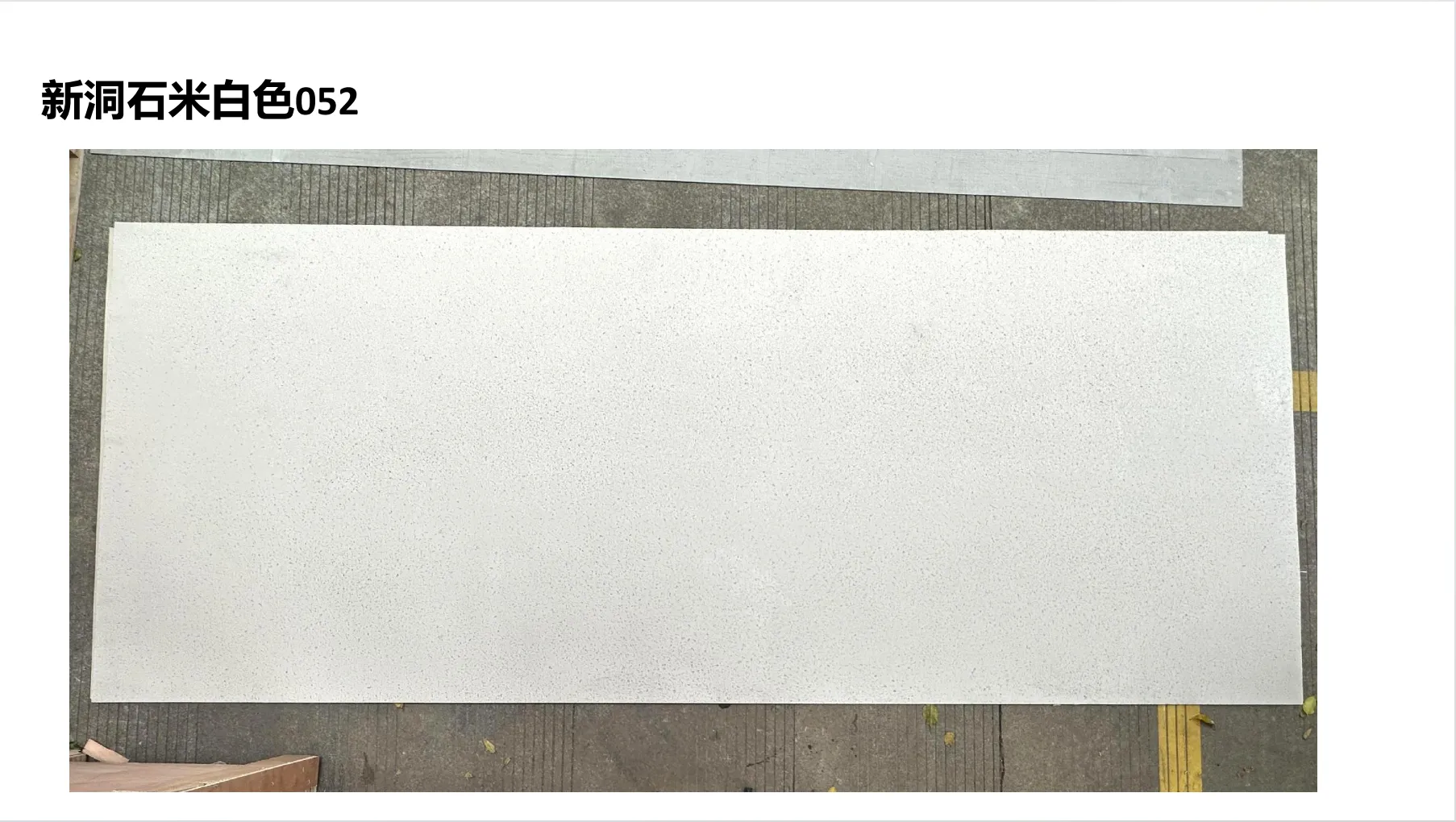
Limestone , on the other hand, is a broader category. It forms in oceans, lakes, and rivers, where the remains of marine organisms (like shells and coral) or organic debris settle and compact over millions of years. This organic origin gives limestone a smoother, more uniform texture compared to travertino. It's often denser, with fewer visible pores, and comes in a range of earthy tones—think soft whites, warm beiges (hello, limestone (beige) ), and even gentle grays. Because it's more common than travertino, it's also typically more affordable, making it a go-to for projects where budget and versatility matter.
To really understand the difference, let's put them head-to-head. Here's a breakdown of their key features, from appearance to durability to how they perform in everyday use:
| Feature | Travertino | Limestone |
|---|---|---|
| Texture | Porous, with visible vesicles (holes); surface can feel slightly rough or pitted, even after polishing. | Smoother, denser, and more uniform; fewer pores, with a soft, matte finish when unpolished. |
| Color & Pattern | Range includes classic beige, ivory, and white, plus bold variants like travertine (starry red) , travertine (starry blue) , and vintage metallic tones. Patterns often have flowing, wave-like veins or "traces" from mineral deposits. | Predominantly earthy hues: limestone (beige) , soft gray, cream, or pale gold. Patterns are subtler, with fine, horizontal layers or faint fossil imprints (a nod to its organic origins). |
| Durability | Moderate durability; porous nature means it's prone to staining if not sealed. Best for low-to-medium traffic areas. | More dense than travertino; holds up better to heavy foot traffic and moisture, but still requires sealing in wet areas. |
| Maintenance | Needs regular sealing (every 1-2 years) to protect against spills. Pores can trap dirt, so sweeping/vacuuming is a must. | Less porous, so sealing can be done every 2-3 years. Easier to clean with mild soap and water. |
| Cost | Typically more expensive than limestone, especially for rare variants like travertine (starry green) or vintage metallic finishes. | More budget-friendly, making it a popular choice for large-scale projects. |
Travertino is for the design rebels—the ones who love texture, history, and a touch of the unexpected. Its porous surface and unique veining make it a standout in spaces where "perfectly uniform" feels too sterile. Let's look at where it truly shines:
Imagine a sunroom with travertine (vintage gold) floors. The soft metallic sheen catches the light, turning afternoon rays into a warm glow, while the stone's natural pits add a tactile, almost rustic feel. Travertino works beautifully here because it's not trying to be "perfect"—it's inviting, like a well-loved book. In bathrooms, a travertine (starry blue) accent wall behind a freestanding tub becomes a focal point, its celestial patterns turning a daily routine into a mini escape. Just remember: in wet areas, seal it religiously to prevent water from seeping into those pores.
Hotels and boutiques often lean into travertino's drama. A luxury spa might use travertine (light grey) for its treatment rooms, pairing its neutral tone with soft lighting to create a serene, spa-like atmosphere. For a bold twist, a trendy restaurant could opt for travertine (starry orange) on a feature wall—its warm, sunset-like hues encouraging guests to linger over dessert. Travertino also plays well with modern design; when polished to a high shine, variants like travertine (vintage silver) take on a sleek, almost industrial edge, perfect for minimalist lobbies or co-working spaces.
Limestone is the steady, dependable friend in the stone world. It's versatile, approachable, and fits seamlessly into both traditional and modern designs. Its smoother texture and lower cost make it a workhorse for projects where durability and budget matter as much as aesthetics.
For families with kids or busy households, limestone (beige) floors in the kitchen or hallway are a smart pick. Its dense surface stands up to dropped toys, muddy boots, and spilled cereal (though you'll still want to wipe up milk quickly!). In living rooms, limestone fireplace surrounds add a classic, old-world charm—think a cozy cabin in the woods or a cottage by the lake. And because it comes in such a range of soft neutrals, it's easy to pair with any decor style: modern farmhouse, Scandinavian minimalism, or even bohemian chic.
Airports, shopping malls, and office buildings love limestone for its ability to handle crowds without losing its appeal. A department store might use large-format limestone (beige) tiles for its main walkways, their uniform color creating a sense of spaciousness. In healthcare settings, limestone's smooth surface is easy to sanitize, making it a practical choice for clinics or hospitals. Even outdoor spaces benefit from limestone's resilience: patios, garden paths, and pool decks often use limestone (beige) or gray variants, as they resist fading from UV rays and hold up well to rain and snow.
Both travertino and limestone play well with other materials, which is why designers love them. For a modern look, pair travertine (vintage black) with fair-faced concrete walls—the stone's texture softens the concrete's industrial edge. In a coastal home, limestone (beige) floors paired with wood grain board accents evoke beachy, laid-back vibes. And for those who want to blend old and new, travertine (starry green) mixed with foamed aluminium alloy board (vintage gold) creates a striking contrast of organic and metallic, perfect for a boutique hotel bar.
Sustainability is another trend shaping material choices, and both stones have a role to play. Because they're natural and durable, they last for decades (even centuries, in historic buildings), reducing the need for frequent replacements. Many quarries now prioritize eco-friendly mining practices, minimizing water usage and restoring landscapes post-extraction. For the ultra-conscious, look for travertino or limestone certified by organizations like the Natural Stone Council, which ensures responsible sourcing.
At the end of the day, the "right" choice depends on your project's needs, your style, and even your lifestyle. Ask yourself: Is this space high-traffic or low-key? Do I prefer bold texture or understated elegance? What's my budget?
If you're after drama, texture, and don't mind a little extra maintenance, travertino is your stone. Go for travertine (starry green) if you want to make a statement, or travertine (vintage gold) for a touch of luxury. If you need something durable, budget-friendly, and easy to live with, limestone—especially limestone (beige) —won't let you down. And if you're still torn? Mix them! Use limestone for high-traffic floors and travertino for a feature wall—your space will thank you for the layered, intentional design.
In the end, whether you choose travertino or limestone, you're not just picking a building material—you're choosing a story. A story of the earth's history, of craftsmanship, and of the moments that will unfold in the space you're creating. And that's the magic of natural stone: it doesn't just fill a room—it becomes part of its memory.
Recommend Products












