
In the race to build taller, smarter, and more sustainable cities, the choice of facade materials isn't just about looks—it's about practicality, safety, and long-term performance. For decades, natural stones like travertine have been the gold standard for elegance, but as skyscrapers reach new heights, their weight has become a silent challenge. Enter MCM (Modified Composite Material) panels, a modern solution designed to marry aesthetics with functionality. Today, we're breaking down how travertino (travertine) and MCM flexible stone—especially from the MCM big slab board series—stack up, and why weight might just be the game-changer in high-rise construction.
Let's start with the tried-and-true: travertine. This natural stone, formed over millennia by mineral-rich hot springs, has adorned everything from ancient Roman amphitheaters to modern luxury hotels. Its warm, porous texture, with characteristic "veins" and earthy tones, exudes timelessness. But here's the catch: travertine is dense. Really dense.
On average, a 2cm-thick travertine slab weighs between 25–30 kg per square meter. For a high-rise with a facade spanning 10,000 square meters, that's 250–300 metric tons of material clinging to the building's exterior. To put that in perspective, that's roughly the weight of 50 African elephants. Engineers and architects don't just "add" that weight—they have to design the entire structure around it. Foundations need reinforcing, steel frames need extra bracing, and cranes need to handle heavier loads. All of this adds time, cost, and complexity to a project.
And it's not just the initial weight. Travertine is porous, meaning it absorbs water. In rainy or humid climates, that absorbed moisture adds even more heft over time, not to mention the risk of cracking from freeze-thaw cycles. Maintenance crews also face the ongoing task of sealing the stone every 1–2 years to prevent staining—a labor-intensive process that adds long-term costs.
Don't get us wrong: travertine's beauty is undeniable. But in the vertical world of high-rises, its "heaviness" isn't just a physical trait—it's a logistical hurdle.
Now, let's shift to the new kid on the block: MCM flexible stone. If travertine is the solid oak table of building materials, MCM is the carbon fiber bike—strong, light, and engineered for performance. So, what exactly is MCM?
MCM panels are a composite material, typically made by bonding natural stone aggregates (like crushed travertine, marble, or quartz) with a fiberglass mesh backing and a polymer resin. The result? A thin, flexible sheet that mimics the look of natural stone but weighs a fraction of the real thing. Most MCM flexible stone panels clock in at just 4–6 kg per square meter—less than 20% of travertine's weight.
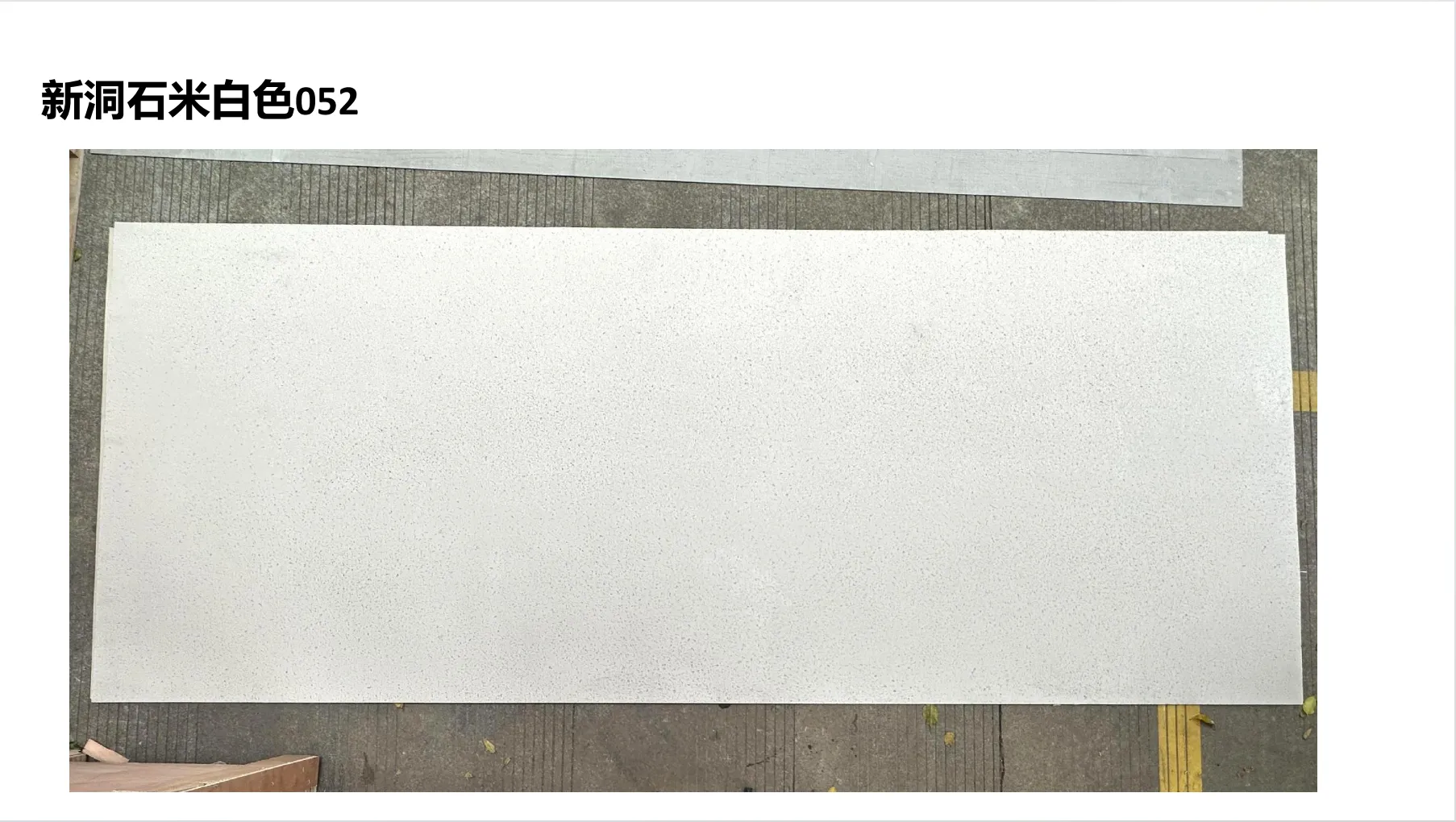
Take the MCM big slab board series, for example. These panels come in large formats (often up to 1200x2400mm), reducing the number of seams on a facade for a sleek, modern look. But despite their size, they're light enough for two workers to carry and install—no heavy machinery required. That flexibility (literally, they can bend slightly) also makes them ideal for curved or irregular surfaces, a design dream for architects pushing the boundaries of high-rise aesthetics.
But MCM isn't just about cutting weight. The resin and fiberglass core add durability: these panels resist UV rays, moisture, and temperature fluctuations far better than porous travertine. No more sealing, no more worrying about water damage, and no more unexpected added weight from absorbed rainwater. It's like getting the beauty of natural stone with a built-in armor.
To really see the difference, let's put these materials side by side. Below is a breakdown of how travertine and MCM flexible stone (from the MCM big slab board series) compare on key metrics for high-rise projects:
| Metric | Travertine (2cm Thick) | MCM Flexible Stone (MCM Big Slab Series) |
|---|---|---|
| Weight per sqm | 25–30 kg | 4–6 kg |
| Installation Time | 3–4 workers per panel; requires cranes/hoists | 1–2 workers per panel; manual handling possible |
| Structural Load Impact | High: Requires reinforced steel frames and deeper foundations | Low: Reduces structural strain by up to 80% |
| Maintenance Needs | Annual sealing; periodic repairs for cracks/staining | Minimal: Occasional cleaning with water/detergent |
| Sustainability | High carbon footprint (mining, heavy transport) | Lower emissions (less material, lighter shipping; recyclable cores) |
Beyond the numbers, the real magic of MCM flexible stone lies in how it solves everyday high-rise construction headaches. Let's break down the benefits:
High-rises are engineering marvels, but every extra kilogram of facade material adds strain to the building's frame, foundation, and even elevator systems. With MCM panels, that 80% weight reduction translates to tangible savings: less steel reinforcement, smaller cranes, and shallower foundations. In one recent project in Dubai, switching from travertine to MCM big slab panels cut the facade's structural load by 220 metric tons, allowing the team to downsize the steel support beams—saving over $500,000 in construction costs.
Time is money in construction, and MCM panels are speed demons. Since they're lightweight and large (the MCM big slab series offers panels up to 3m long), installers can cover more ground in less time. A crew of 4 can install 200+ sqm of MCM panels in a day, compared to 50–60 sqm of travertine. For a 50-story building, that's weeks shaved off the timeline—meaning developers can welcome tenants sooner and start recouping investments faster.
Architects love pushing boundaries, but travertine's rigidity often limits creativity. MCM flexible stone? It bends, curves, and comes in a rainbow of finishes. Want the look of lunar peak silvery for a futuristic facade? Or travertine (starry blue) to mimic a night sky? MCM delivers. The big slab series, with its minimal seams, creates seamless, monolithic exteriors that make buildings look taller and more cohesive. In Singapore's Marina Bay district, a 60-story tower used MCM panels in a gradient of "golden sunset" and "cloud-dragon" tones—achieving a dynamic, color-shifting effect that would've been impossible with heavy, uniform travertine.
Today's builders aren't just focused on budgets—they're focused on the planet. Travertine mining disrupts ecosystems, and transporting heavy slabs guzzles fuel. MCM panels, by contrast, use recycled stone aggregates and require 70% less energy to transport. Plus, their durability means they last 30+ years without replacement, reducing waste. It's no wonder LEED-certified high-rises are increasingly choosing MCM over traditional stone.
Let's ground this in real life. Take the "Azure Tower" in Istanbul, a 42-story residential building completed in 2024. The original plan called for travertine, but after crunching the numbers, the team switched to MCM big slab panels in "travertine (vintage gold)" finish. The result? A facade that looks identical to natural travertine but weighs 75% less. The structural engineer noted, "We reduced the foundation depth by 1.5 meters and cut steel usage by 12%—savings that went straight into upgrading amenities for residents."
Or consider the "EcoSpire" in Berlin, a net-zero high-rise. Its facade uses MCM flexible stone in "fair-faced concrete" and "lunar peak black" finishes, paired with solar panels. The lightweight MCM panels meant the building could support more solar cells without overloading the structure, boosting its energy efficiency by 15%. As the project manager put it: "MCM let us have our cake and eat it too—sleek design and sustainability, without the weight penalty."
Travertine will always hold a special place in architecture for its organic beauty and heritage. But in the world of high-rises, where every kilogram counts, MCM flexible stone—especially from the MCM big slab board series—offers a smarter, more efficient path forward. By slashing weight, speeding up installation, and unlocking design possibilities, MCM panels aren't just a material choice; they're a strategy for building taller, greener, and more cost-effective cities.
So, the next time you gaze up at a gleaming high-rise, take a closer look. Chances are, that "natural stone" facade might just be MCM in disguise—proving that sometimes, the best innovations are the ones that lighten the load, both literally and figuratively.
Recommend Products












