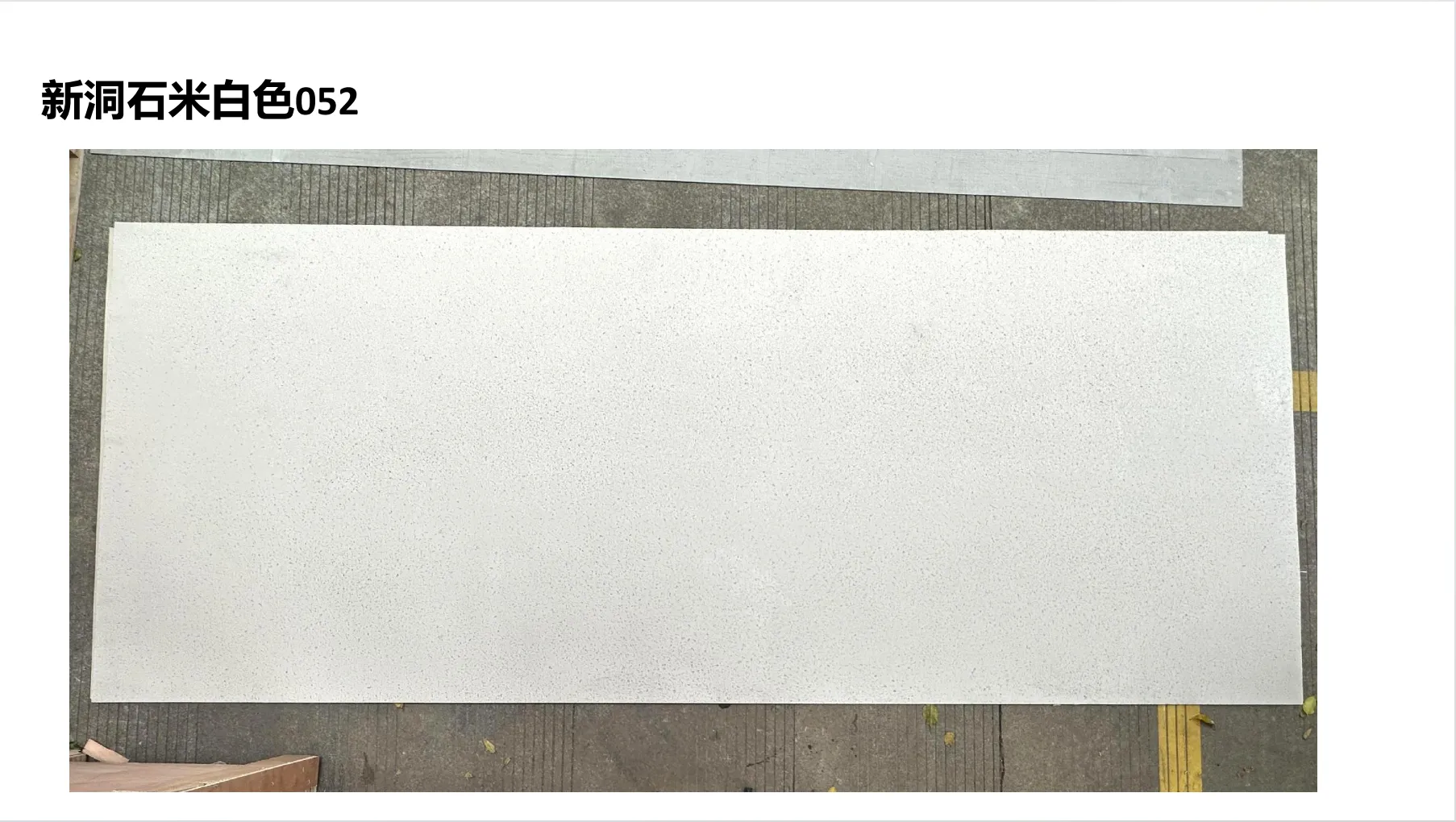
The bathroom has quietly become one of the most important rooms in the modern home. It is no longer just a functional space where you wash and get ready; it has turned into a personal retreat where the day starts and ends. And when it comes to making that room feel calm, warm and genuinely luxurious, few materials do the job as well as travertino (white). Its creamy tones, soft natural texture and timeless character bring a sense of quiet elegance that polished marble often cannot match.
This guide explains what Travertino White is, why it suits bathrooms so well, where you can use it, and how to get the most out of it. Whether you are a homeowner planning a renovation, an interior designer working on a client project, or a contractor looking for a reliable material, you will find practical answers here.
Travertino White is a flexible stone panel produced by COLORIA GROUP, a Foshan-based manufacturer that has specialised in modified clay building materials since 2010. It belongs to a family of products known as MCM (modified clay material) flexible stone, which reproduces the appearance of natural stone in a sheet that is thin, light and bendable.
The surface of Travertino White captures the look of natural white travertine, complete with its soft ivory tones, gentle veining and subtle pitting. But unlike quarried stone, it comes in flexible rolls or sheets that can be cut with a knife and applied to walls the way wallpaper is applied. That combination of natural beauty and practical handling is what makes it so popular in bathroom design.
Bathrooms are demanding environments. They are humid, they get splashed, and they need materials that stay beautiful for years. Travertino White handles these conditions well, and it brings several practical advantages that natural stone simply cannot offer.
It is lightweight. A sheet of flexible stone weighs a fraction of what a natural stone slab weighs. This matters in bathrooms because it means no structural reinforcement is needed, and the material can be installed on walls that would struggle to carry heavy tiles or stone.
It is flexible. Because the material bends, it can follow curved walls, wrap around columns, and cover arched openings that would be difficult or impossible to clad with rigid stone or ceramic tiles. This opens up design possibilities that are hard to achieve with other materials.
It is thin. Flexible stone panels are only a few millimetres thick, so they take up almost no space. In a small bathroom, where every centimetre counts, this is a real advantage over thick stone slabs or built-up tiled walls.
It is easy to install. The sheets can be cut with a utility knife and bonded directly to a clean, flat surface. In renovation projects, they can often be applied over existing tiles, which saves time and avoids the mess and cost of demolition.
It is moisture resistant. The material is designed for interior and exterior use, and with proper sealing it performs well in humid environments such as bathrooms and shower rooms.
One of the strengths of travertine as a design material is its versatility. Travertino White can be used across a bathroom in a consistent way, which is exactly what creates that calm, seamless, spa-like feeling that designers aim for.
A full-height wall of Travertino White instantly lifts a bathroom from decorated to architectural. The soft ivory surface catches the light differently through the day, adding depth without making the room feel busy. It works especially well behind a freestanding bathtub or as the main wall in a powder room.
The shower enclosure is where the material really shines. Lining the shower walls with Travertino White creates a continuous, immersive surface that feels more like a spa than a standard tiled cubicle. Because the sheets are flexible, they can also cover curved shower walls and rounded niches that would be very difficult to tile.
Using Travertino White as a backsplash behind the vanity, or to clad the vanity unit itself, adds a natural stone look to the most used part of the bathroom. Paired with a simple countertop and wall-mounted tapware, it creates a clean, considered look.
Cladding the area around a bathtub with Travertino White gives the tub a built-in, architectural presence. The warm tones of the stone pair beautifully with brass or brushed nickel fixtures, and the material's moisture resistance makes it a sensible choice for this wet zone.
Because the sheets are so light, they can even be used on ceilings, a surface where heavy stone or tile is rarely an option. Recessed niches lined with the same material keep the look consistent and avoid the visual break that a contrasting tile would create.
Travertino White is a neutral material, which means it adapts to many design directions without fighting the rest of the room.
Organic modern. The earthy warmth of the stone pairs naturally with oak wood, linen textures and soft curves, creating bathrooms that feel grounded and calm.
Mediterranean. Travertine has been part of Mediterranean architecture for centuries. Arched openings, plaster walls and aged brass fixtures all work in harmony with the material.
Minimalist. In a minimalist bathroom, the material provides subtle texture and warmth without relying on pattern or gloss. The stone becomes the quiet focal point of the room.
Getting the best results from flexible stone comes down to a few simple practices.
Start with a clean, flat and dry surface. The substrate needs to be sound, because the sheet will follow whatever is underneath it. If you are applying over existing tiles, make sure they are firmly fixed and free of loose grout.
Use a suitable adhesive recommended for flexible stone panels, and press the sheet firmly into place, working out any air bubbles as you go. Cut the material with a sharp utility knife and a straight edge, and stagger the joints for a more natural appearance.
In wet areas such as shower rooms, apply a quality penetrating sealer after installation and reseal periodically. This protects the surface from moisture and staining while keeping the natural look of the stone. For everyday cleaning, a soft cloth and mild soapy water are all you need; avoid harsh abrasive cleaners.
Is Travertino White durable enough for a bathroom? Yes. The material is designed for both interior and exterior cladding, and with proper sealing it performs well in humid environments. It is also fire resistant, adding to its suitability for residential and commercial projects.
How does it compare to natural travertine? Travertino White gives you the same warm, natural stone look at a fraction of the weight and thickness. It is easier to transport, easier to cut and install, and can be used on curved surfaces where natural stone would be impractical. It is also generally more economical, which makes it attractive for larger projects.
Can it be used in a shower or steam room? Yes, with proper sealing and installation on a sound substrate. Many projects use flexible stone in shower enclosures, and the material's flexibility is a particular advantage for curved shower walls.
Can I install it over existing tiles? In most cases, yes. As long as the existing surface is clean, flat and firmly fixed, Travertino White can be applied directly over it, saving time and avoiding demolition.
A bathroom finished in Travertino White feels calm, warm and quietly luxurious, and it is a practical choice for homeowners, designers and contractors alike. COLORIA GROUP supplies a wide range of MCM flexible building materials, including big slab boards, project boards, 3D printing series and flexible stone, with a one-stop solution for residential and commercial projects around the world.
If you are planning a bathroom renovation or a new build, contact COLORIA GROUP to discuss your requirements, request samples, or get advice on the right material for your project. Together we build the future.
Recommend Products