
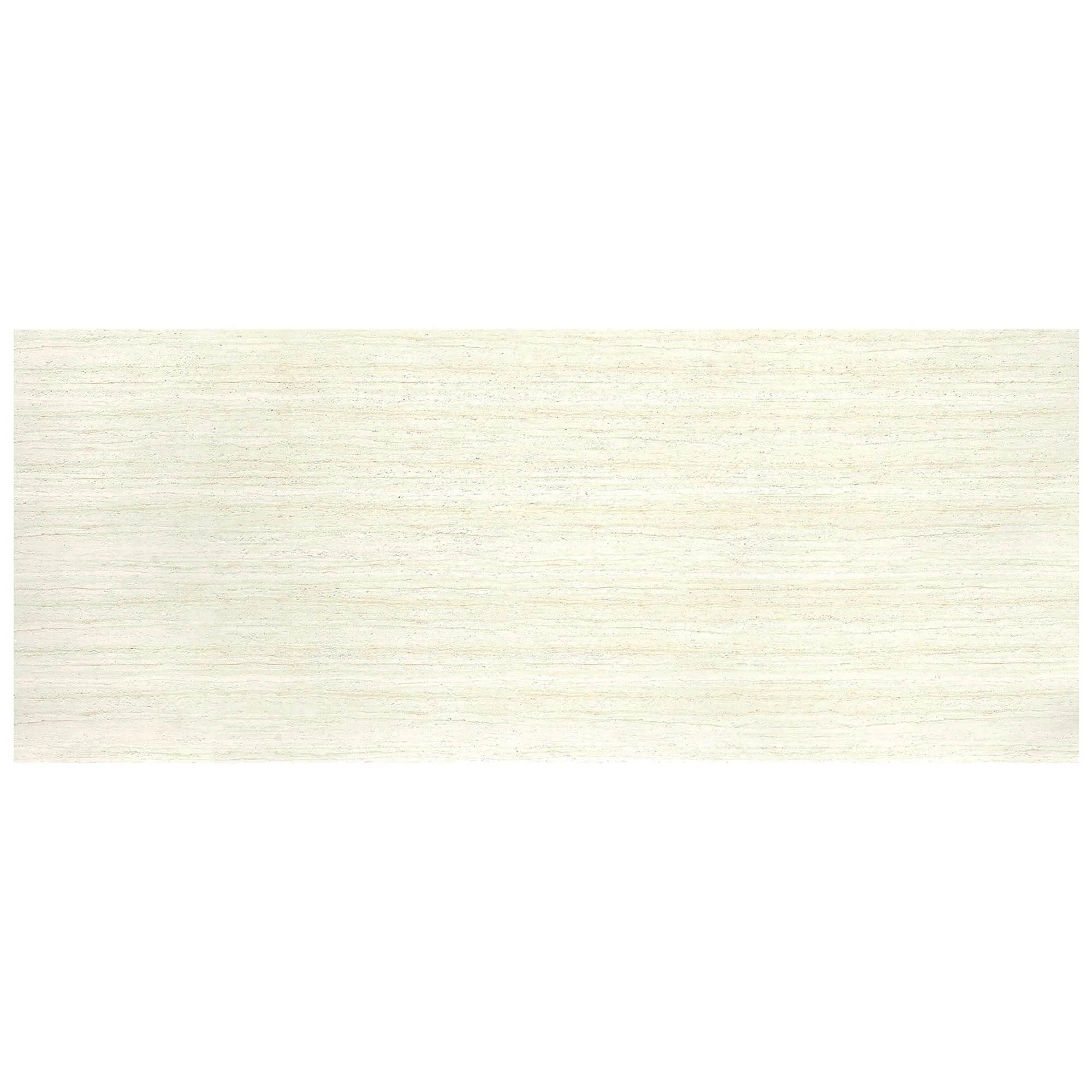
Walk into a space that feels truly alive, and you'll often find it's the small details that make the difference—the way light catches a textured wall, the subtle shift of color in a surface, or the quiet story told by a pattern that feels like it's been there for years. In the world of modern building materials, MCM flexible stone has emerged as a quiet revolutionary, blending durability with a softness that feels almost organic. And among its many design secrets, thread patterns stand out as the unsung heroes—those delicate, intentional lines that turn a flat surface into something you want to reach out and touch, something that feels like it has a memory.
If MCM flexible stone is the canvas, thread patterns are the brushstrokes that give it soul. They're not just about aesthetics; they're about texture, movement, and the kind of subtlety that makes a room feel less like a "design" and more like a living, breathing environment. Let's dive into the world of these thread patterns—what they are, how they're crafted, and why they matter in transforming spaces from ordinary to unforgettable.
First, let's get clear on the star of the show: MCM flexible stone. Short for Modified Composite Material, MCM is a lightweight, ultra-durable cladding material that mimics the look and feel of natural stone, wood, or concrete—without the heaviness or maintenance headaches. It's flexible enough to wrap around curves, tough enough to withstand harsh weather, and versatile enough to fit any design vision. But what makes it truly special is its ability to capture the details of natural materials—and thread patterns are one of those details.
Think of thread patterns as the "grain" of MCM flexible stone—fine lines, grooves, or raised textures that run across the surface, either in straight lines, gentle curves, or even organic, meandering paths. They can be as subtle as a whisper (think the faint lines in a piece of aged paper) or as bold as a shout (like the deep ridges in a hand-carved wooden beam). Sometimes they're designed to mimic nature—like the growth rings in a tree or the veins in a leaf—other times, they're purely artistic, adding a modern twist to a classic material.
But why do these tiny lines matter? Because texture is how we connect with spaces. A wall with no texture can feel flat, even cold. But add thread patterns, and suddenly, there's depth. Your eye follows the lines, your hand itches to feel the rise and fall of the surface, and the space starts to tell a story. It might be a story of nature (a travertine wall with thread patterns that look like flowing water), of craftsmanship (a wood grain board with threads that mimic hand-planed wood), or of modernity (fair-faced concrete with precise thread patterns that add order to an industrial aesthetic).
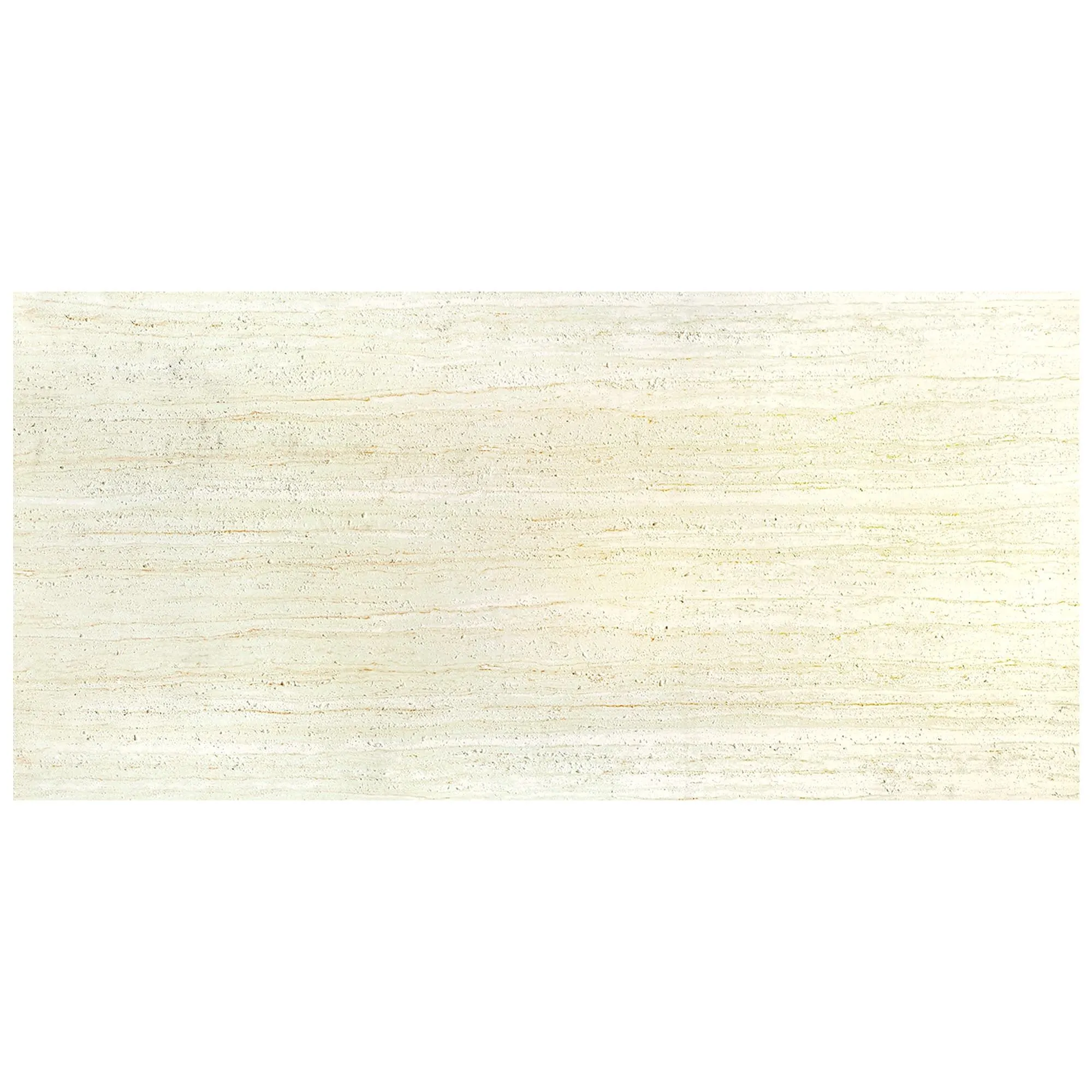
Thread patterns in MCM flexible stone aren't one-size-fits-all. They come in a stunning variety, each with its own personality and purpose. Let's break them down by the stories they tell and the spaces they transform.
Some of the most impactful thread patterns are the ones you notice only when you're up close—and that's the point. Subtle threads add a layer of sophistication without overwhelming a space, making them perfect for rooms where calm and understatement are key. Take fine line stone , for example—a type of MCM flexible stone where the threads are so delicate, they look like they've been etched by wind or water over time. Imagine a wall covered in fine line stone (grey) in a bedroom: the threads catch the morning light, casting soft shadows that make the space feel warm and lived-in, but never busy.
Another example is fair-faced concrete with subtle thread patterns. Concrete has a reputation for being cold, but add threads that are barely visible—fine, horizontal lines that run across the surface like the marks left by a trowel—and suddenly, it feels intentional. In a home office, this kind of thread pattern adds just enough texture to keep the space from feeling sterile, turning a minimalist setup into something with character.
For spaces that need a little more energy, bold thread patterns step up to the plate. These are the patterns where the lines are deeper, wider, or more pronounced—think of them as the "exclamation points" of MCM design. Linear travertine (claybank) is a great example: here, the threads are thick, vertical lines that run the length of the stone, mimicking the natural layering of sedimentary rock. In a restaurant lobby, a wall clad in linear travertine (claybank) with these bold threads becomes a focal point, guiding the eye upward and making the space feel grand, but not imposing.
Then there's wood grain board with bold thread details. Wood grain MCM already looks like real wood, but add deeper threads that mimic the knots and splits in a tree trunk, and it becomes something more. Imagine a kitchen backsplash made of wood grain board with these bold threads: every time you stand at the counter, you're reminded of a cozy cabin in the woods, even if you're in the heart of the city. The threads here don't just look like wood—they feel like wood, down to the tiny imperfections that make natural materials so charming.
One of the most magical things about MCM flexible stone is how it plays with color—and thread patterns are no exception. Some threads are the same color as the base material, adding texture through shadow alone. Others contrast gently, creating a subtle interplay of tones. But the real showstoppers are the threads that change with light, especially in materials like travertine (starry blue) .
Starry blue travertine is already a head-turner, with its deep blue base dotted with tiny, iridescent flecks that look like stars. But add thread patterns? It becomes a night sky brought to life. The threads here are thin, silvery lines that wind across the surface, some straight, some curved, like constellations connecting the stars. In a café with dim lighting, this wall would feel like sitting under the open sky—cozy, wonder-filled, and just a little bit magical. It's not just a wall anymore; it's a story.
| Thread Pattern Type | Key Material Example | Best For |
|---|---|---|
| Subtle Threads | Fine Line Stone (Grey) | Bedrooms, reading nooks, calm spaces |
| Bold Threads | Linear Travertine (Claybank) | Lobbies, restaurants, focal walls |
| Color-Play Threads | Travertine (Starry Blue) | Cafés, creative studios, moody spaces |
| Natural Mimicry Threads | Wood Grain Board | Homes, cabins, rustic-chic interiors |
Thread patterns don't just look good—they also pay homage to the materials they mimic. Take wood grain board , for instance. MCM wood grain stone is designed to look like real wood, right down to the knots and grain. But the thread patterns here are what make it feel authentic . They're the tiny, irregular lines that run parallel to the grain, some thicker, some thinner, just like the natural variations in a tree's growth. In a living room with a wood grain board accent wall, these threads make the space feel like a cozy cabin, even if you're in the middle of a city. It's nostalgia, warmth, and comfort, all wrapped into one surface.
Or consider fair-faced concrete again, but this time with thread patterns that nod to industrial design. Concrete is all about simplicity, but threads can soften that edge. Imagine a concrete wall in a modern office with horizontal thread patterns in a slightly lighter shade—suddenly, it's not just a cold, gray barrier. It's a canvas that says, "We value both strength and thoughtfulness." The threads here are like the lines in a notebook, suggesting order and creativity coexisting.
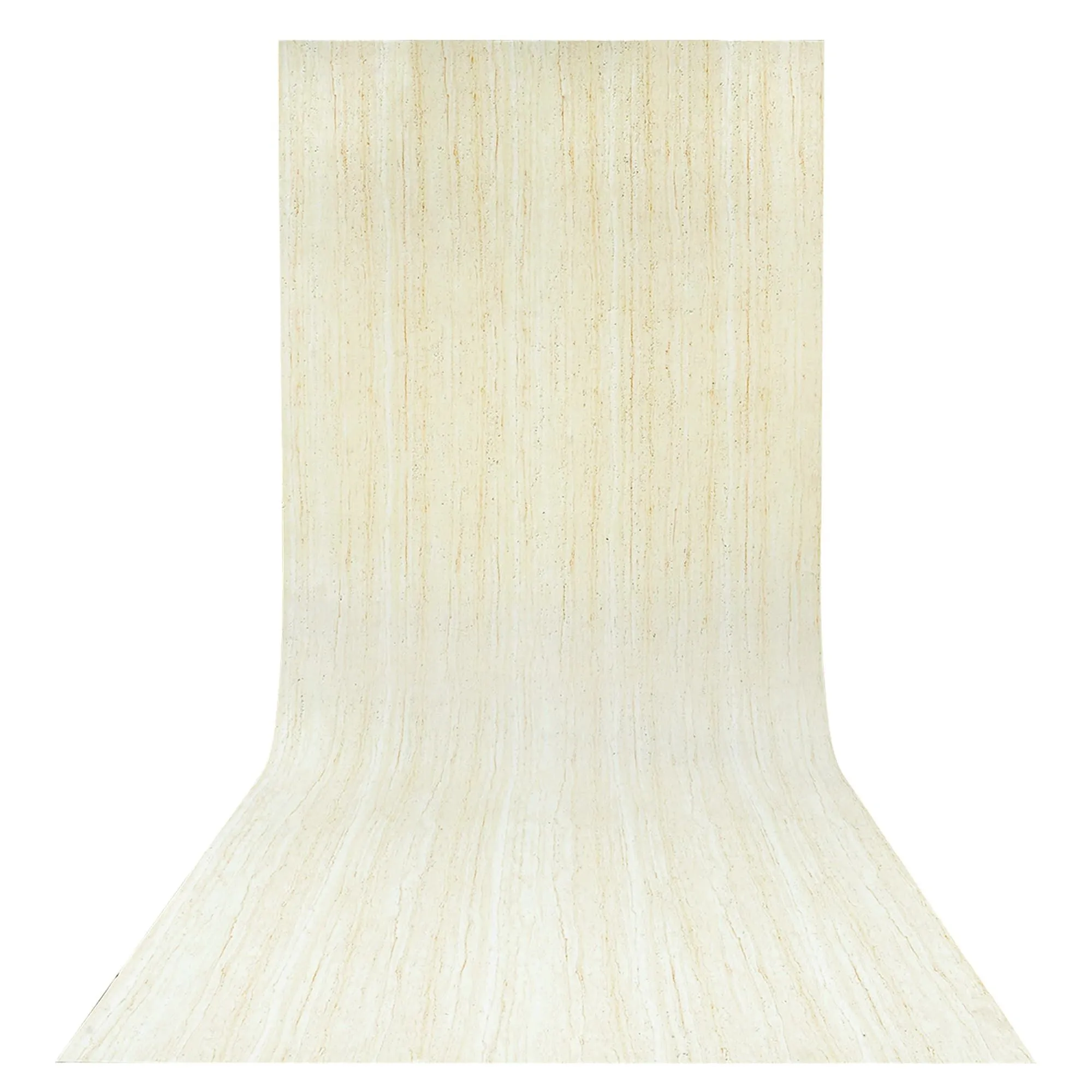
With so many thread patterns to choose from, how do you pick the one that's right for your space? It all comes down to three things: the mood you want to create, the size of the room, and how the light hits the wall.
For small rooms or spaces with little natural light, subtle threads are your best friend. They add texture without making the room feel cramped. Think fine line stone in a small bathroom—the threads will catch what light there is, making the space feel larger and brighter.
For large, open spaces like lobbies or living rooms with high ceilings, bold threads can add drama without getting lost. Linear travertine (claybank) with vertical threads, for example, will draw the eye upward, making the room feel even more spacious and grand.
And for spaces where mood is everything—a bedroom, a café, a yoga studio—don't be afraid to play with color and light. Travertine (starry blue) with its silvery threads would turn a meditation room into a sanctuary, while wood grain board with warm thread patterns would make a home office feel like a retreat.
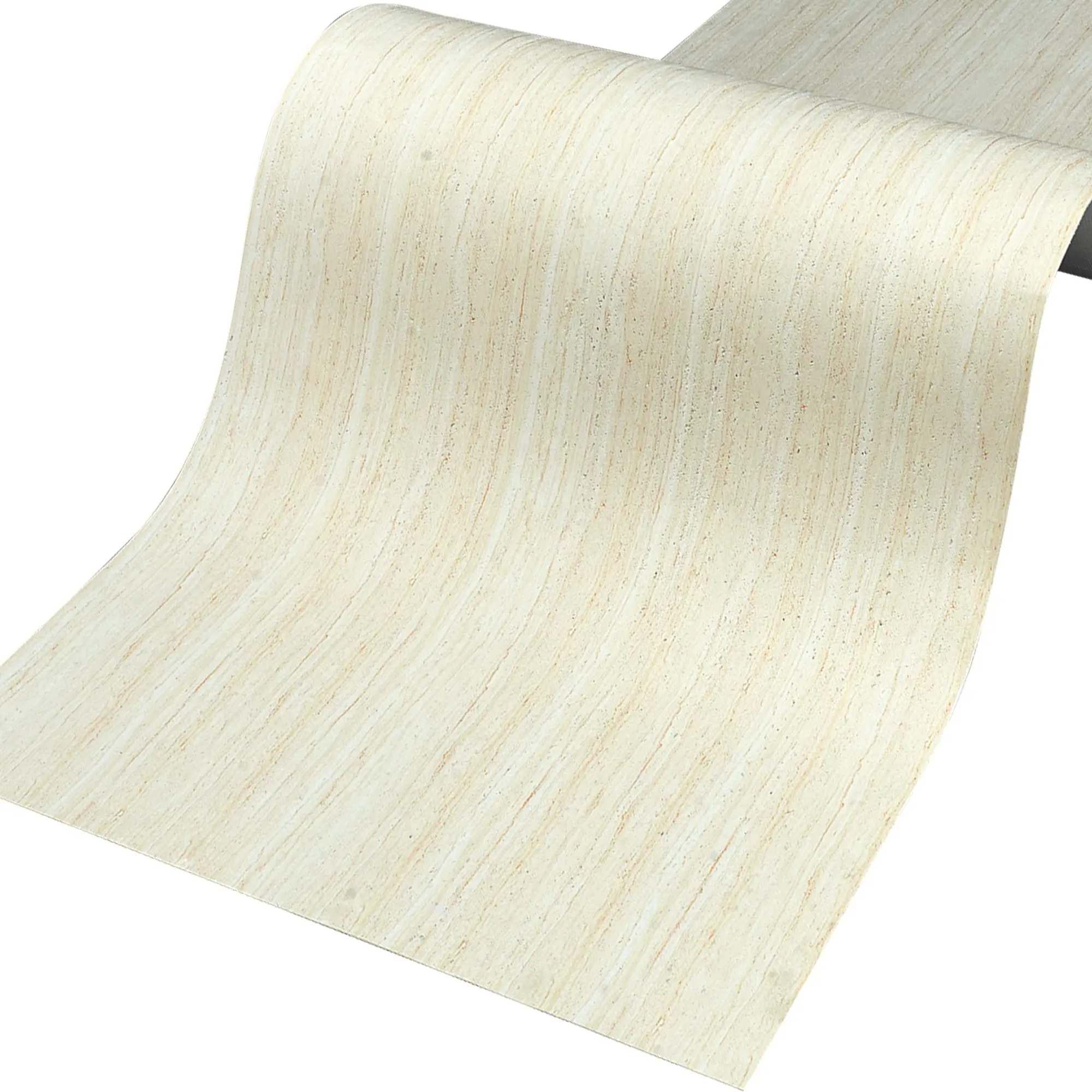
At the end of the day, thread patterns in MCM flexible stone are more than just design details—they're the little things that make a space feel human. They're the reason a wall can make you smile, or pause, or feel like you've come home. They're proof that in design, as in life, the smallest touches often have the biggest impact.
So the next time you walk into a room that feels "just right," take a closer look. Chances are, there's a thread pattern at work—quietly, beautifully, making magic out of stone.
Recommend Products












