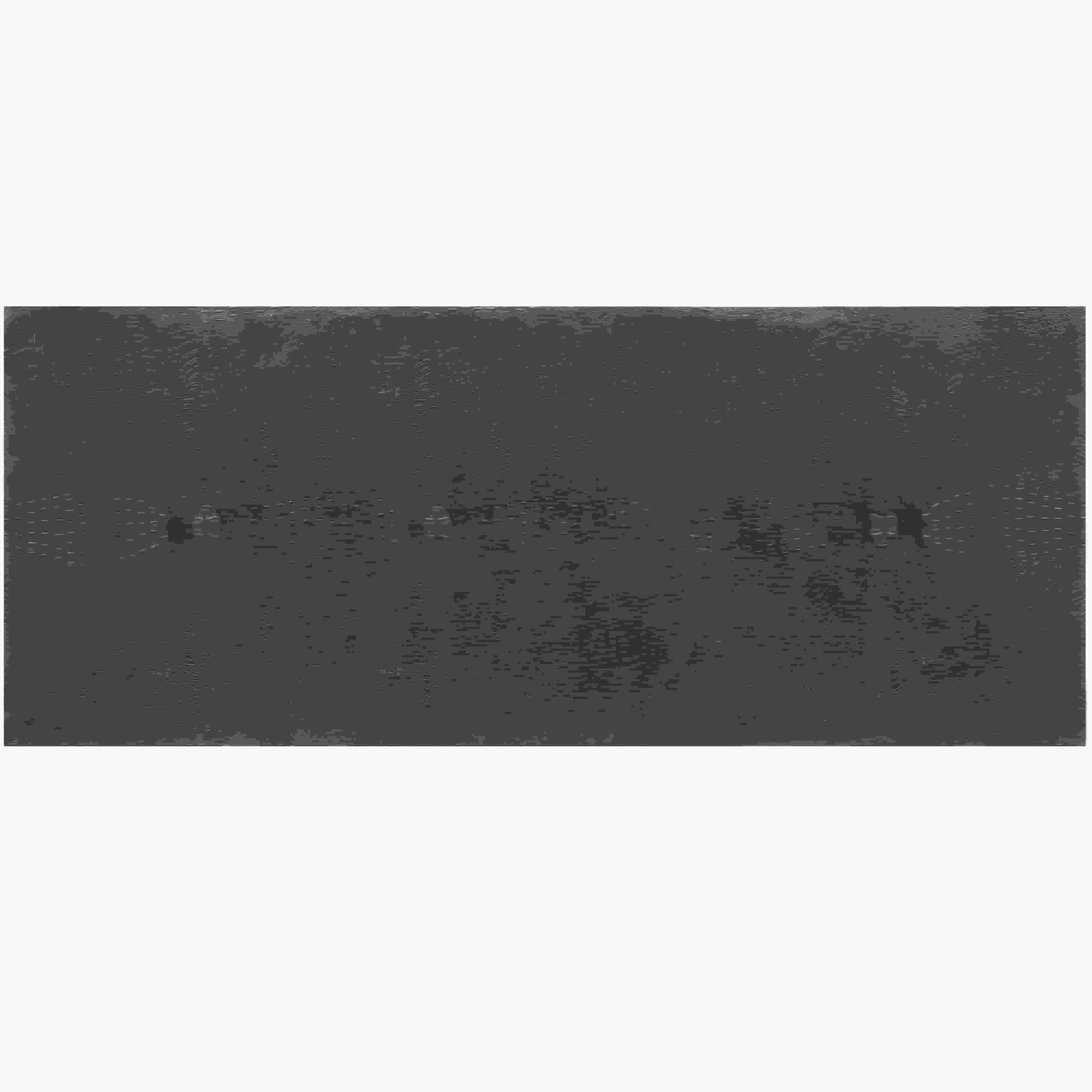
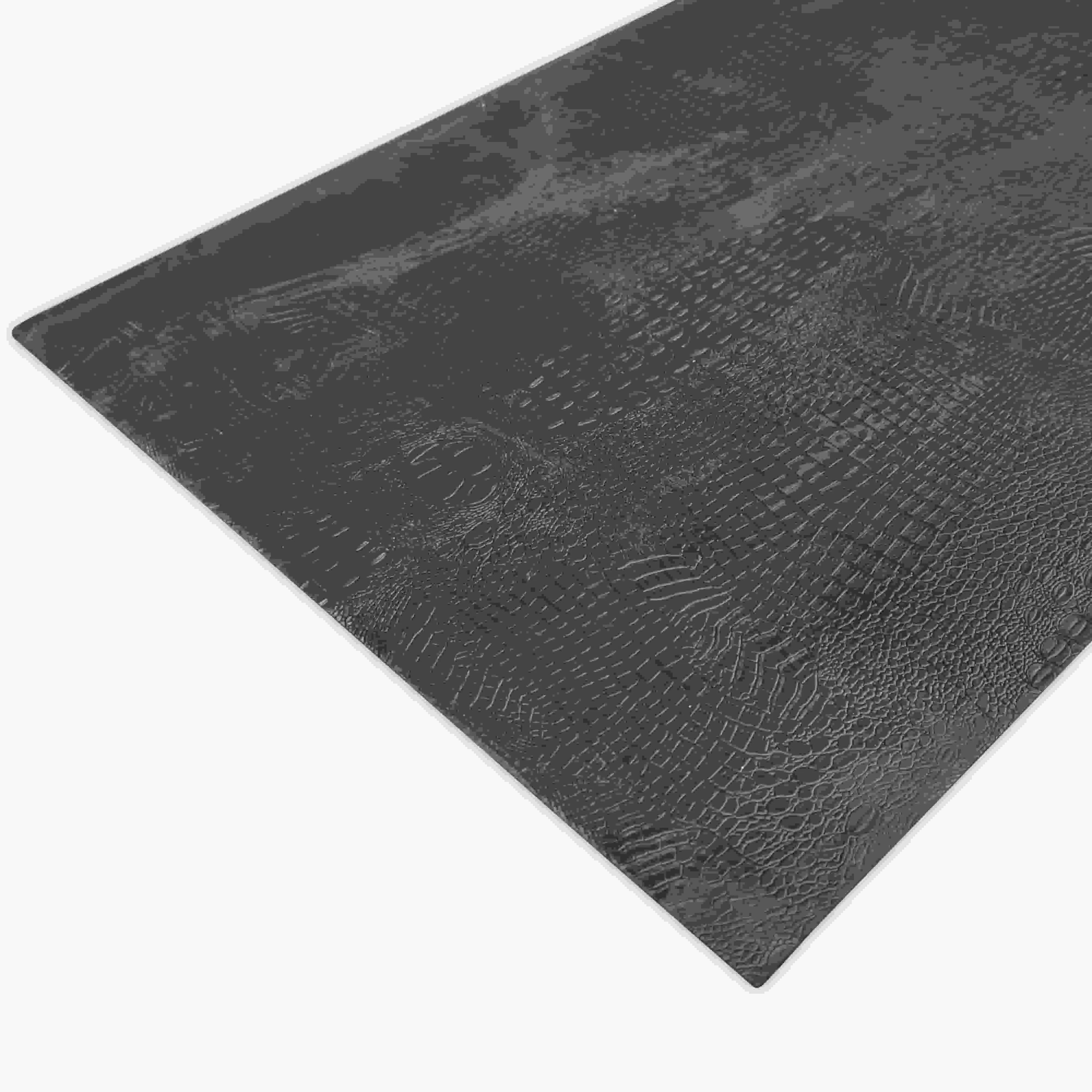
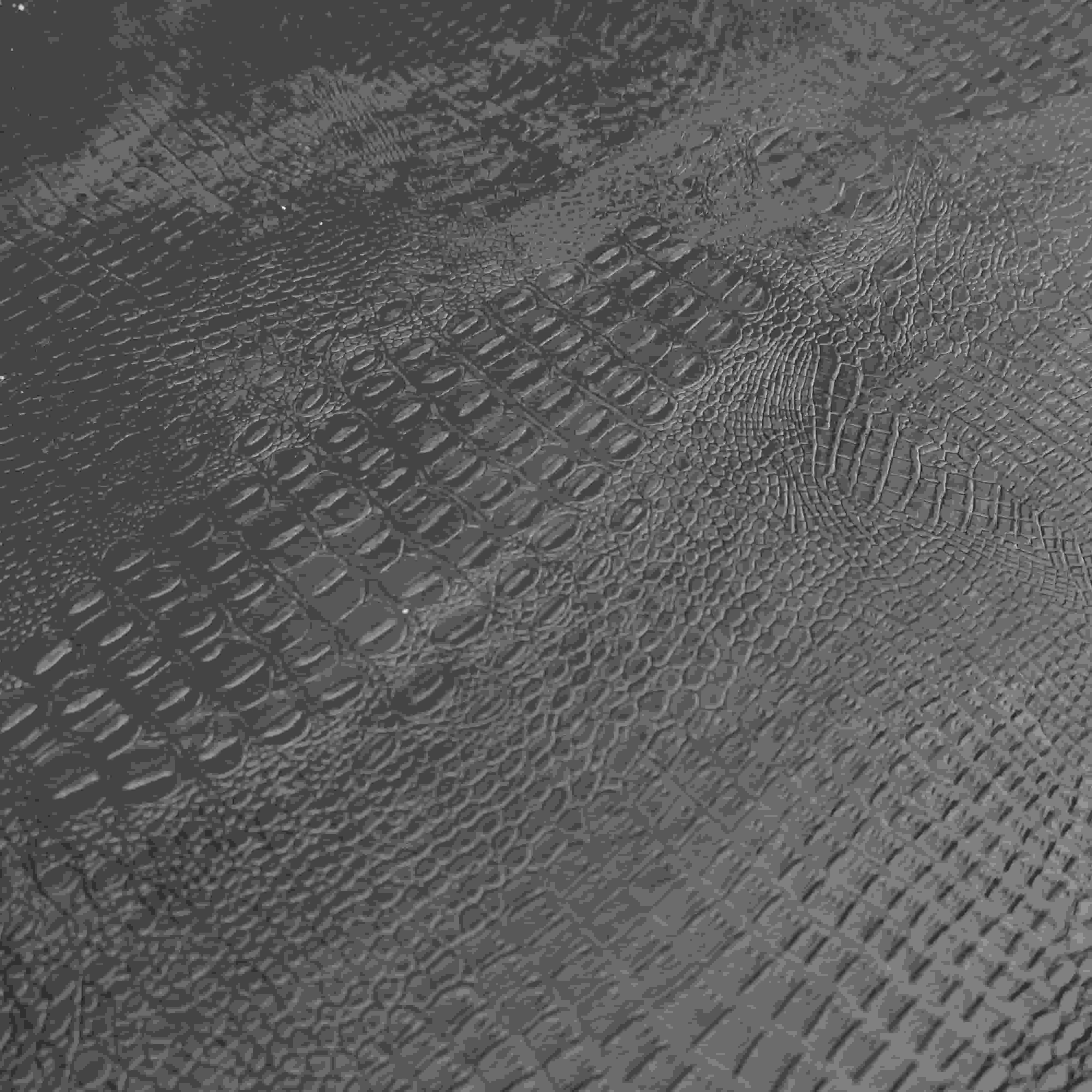
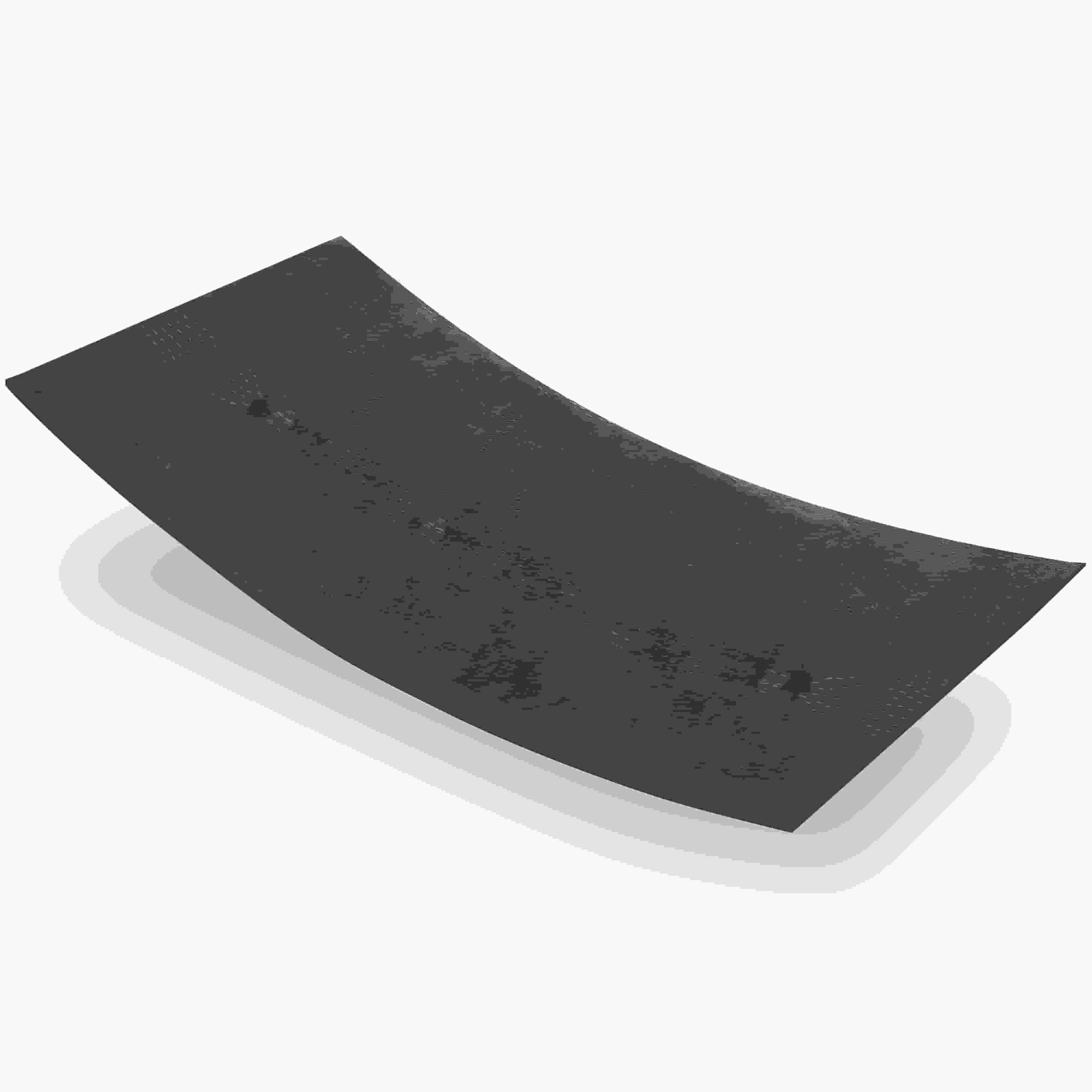
Think of Croco MCM as a high-tech sandwich—layers of carefully selected materials, each with a specific job. Let's peel back those layers and see what's inside:
1. The Polymer Matrix: The "Glue" That Holds It All Together
At the base of every Croco MCM panel is a
polymer matrix
—the foundational layer that binds all other components. This isn't the plastic you'd find in a water bottle; we're talking about advanced, engineering-grade polymers, often a mix of polypropylene (PP) and polyethylene (PE), or sometimes more specialized resins like epoxy. These polymers are chosen for their ability to resist moisture, chemicals, and UV radiation—critical for exterior cladding that faces rain, snow, and sun day in and day out.
But polymers alone aren't enough. To make the matrix strong yet flexible, manufacturers add
plasticizers
—additives that keep the polymer from becoming brittle over time. This flexibility is key: unlike rigid natural stone, Croco MCM can bend slightly without cracking, making it ideal for buildings with subtle structural movement or curved surfaces.
2. Reinforcement Fibers: The "Skeleton" for Strength
Next, we add the "muscle" of the panel:
reinforcement fibers
. These are typically glass fibers, carbon fibers, or a blend of both, mixed into the polymer matrix. Think of them as tiny, super-strong threads that crisscross through the material, adding tensile strength (the ability to resist stretching or pulling) and impact resistance.
Glass fibers are particularly common here. They're lightweight, inexpensive, and excellent at boosting strength without adding bulk. For high-performance applications, carbon fibers might be used—they're even stronger but come with a higher cost. Either way, these fibers act like rebar in concrete: they prevent the panel from tearing or breaking under stress, whether that stress comes from high winds, accidental impacts, or the weight of the panel itself.
3. Mineral Aggregates: The "Texture" That Mimics Nature
One of the reasons Croco MCM is so popular is its ability to look like natural stone. That's where
mineral aggregates
come in. These are crushed, processed minerals—like marble dust, granite particles, or limestone chips—that are mixed into the polymer matrix. The type and size of aggregates determine the panel's texture: fine aggregates create a smooth finish, while coarser ones mimic the rough, pitted surface of travertine or sandstone.
Beyond aesthetics, aggregates add
dimensional stability
. Polymers alone can expand or contract with temperature changes, but minerals are more stable. By blending the two, Croco MCM minimizes warping or shrinking, ensuring the panels stay flat and tight against the building facade for decades.
4. Additives: The "Secret Sauce" for Extra Performance
Finally, a handful of
specialized additives
rounds out the composition, each targeting a specific property:
-
UV stabilizers
: Protect the panel from sun damage, preventing fading or degradation over time.
-
Fire retardants
: Reduce flammability, making Croco MCM suitable for buildings with strict fire codes.
-
Water repellents
: Keep moisture out, preventing mold, mildew, or freeze-thaw damage in cold climates.
-
Color pigments
: Ensure consistent, long-lasting color that won't bleed or fade.
Together, these four components—polymer matrix, reinforcement fibers, mineral aggregates, and additives—create a material that's greater than the sum of its parts. Now, let's see how this composition translates to two of Croco MCM's most lauded traits: durability and lightweight.