
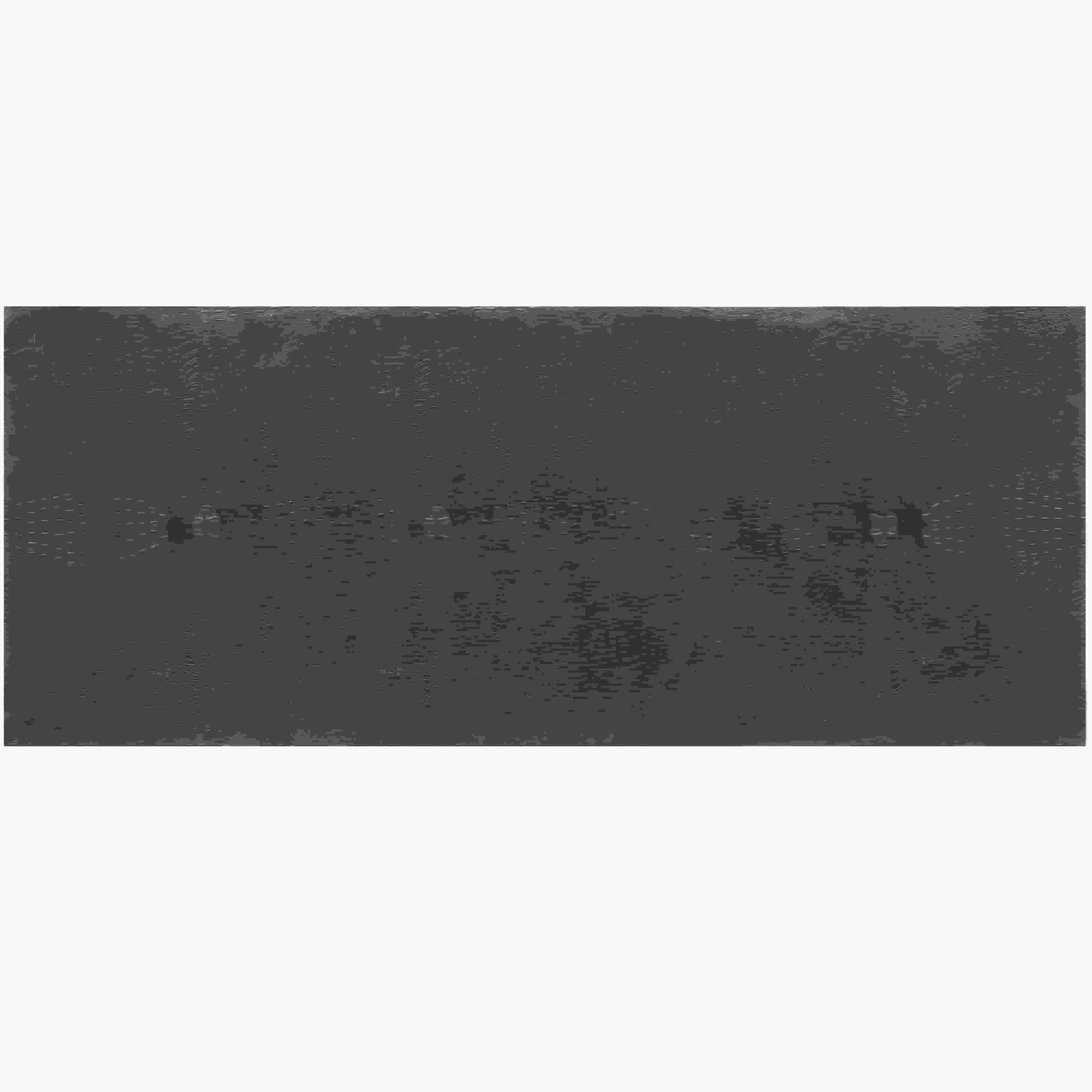
In the quiet hum of an architect's studio, sunlight slants through floor-to-ceiling windows, casting warm streaks across a desk cluttered with sketches, material samples, and a half-empty cup of tea. Maria, a lead designer on a new community center project, picks up a small slab of stone—cool to the touch, with subtle veins that look like they've been painted by time itself. She runs her finger over its surface, then flips it over to read the label: travertine (starry blue) , Croco MCM. "This could work," she murmurs, not just to herself, but to the team gathered around. "But we need more than 'could work.' We need materials that don't just look good—they need to do good. For the planet, for the people who'll use this space, for the future."
This scene plays out in studios and construction sites worldwide, as the shift toward sustainable building gains momentum. Today, "green" isn't a buzzword; it's a promise—a commitment to creating spaces that honor the earth without compromising on beauty or functionality. At the heart of this promise lie certifications like LEED, which act as guiding stars for builders, designers, and brands alike. And for Croco MCM, a leader in innovative building materials, these certifications aren't just checkboxes. They're a testament to a philosophy: that the materials we build with should tell a story of responsibility, resilience, and respect for our shared home.
Before diving into the specifics of Croco MCM's certifications, let's pause to ask: Why does this matter? Why should a homeowner, a developer, or an architect care if a material is LEED-certified? The answer is simple, yet profound: buildings shape our lives. They're where we learn, work, heal, and connect. They consume energy, water, and resources—and they leave a footprint that outlives us. Green certifications like LEED (Leadership in Energy and Environmental Design) exist to ensure that footprint is as light as possible.
LEED, developed by the U.S. Green Building Council (USGBC), is the most widely recognized green building rating system in the world. It evaluates buildings across six categories: Energy and Atmosphere, Materials and Resources, Indoor Environmental Quality, Water Efficiency, Sustainable Sites, and Innovation in Design. Points are awarded in each category, and buildings earn certifications ranging from Certified (40-49 points) to Platinum (80+ points). For materials manufacturers like Croco MCM, aligning with LEED isn't just about meeting standards—it's about empowering creators like Maria to turn their vision of sustainable beauty into reality.
But LEED is just the beginning. As the industry evolves, so do the expectations for what "sustainable" means. Today, it's about more than energy efficiency or recycled content; it's about holistic health—for the planet and the people inside the buildings. That's where certifications beyond LEED come into play, and where Croco MCM's dedication to innovation truly shines.
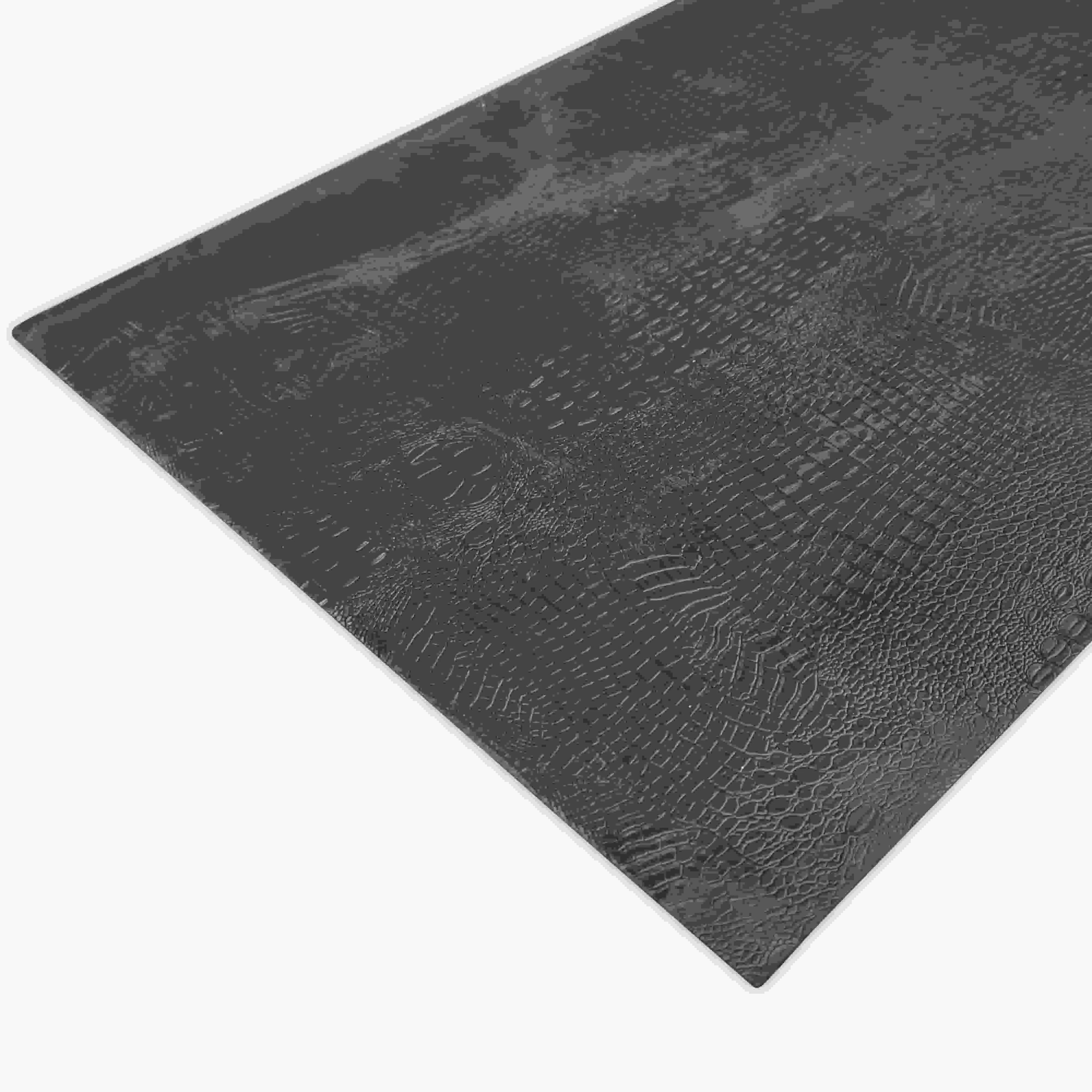
To understand Croco MCM's LEED compliance, let's start with the basics: what does it take for a building material to contribute to LEED credits? The "Materials and Resources" category, in particular, focuses on reducing waste, promoting recycling, and using materials with low environmental impact. Croco MCM's product line—from travertine to foamed aluminium alloy board to lunar peak series—are engineered to excel here, each with unique eco-friendly features that add value to LEED projects.
Travertine, a form of limestone formed by mineral-rich water, has been used in architecture for millennia—think the Colosseum in Rome or the Hagia Sophia in Istanbul. But Croco MCM's take on this classic material is anything but outdated. Their travertine series, including travertine (starry red) , travertine (vintage gold) , and travertine (starry blue) , is sourced from quarries that prioritize responsible extraction. Unlike synthetic stones, which often rely on harsh chemicals, travertine is a natural product, requiring minimal processing. This reduces its carbon footprint significantly.
What does this mean for LEED? Sourcing materials locally (Croco MCM partners with quarries in regions like Italy and Turkey, minimizing transportation emissions) can earn points under LEED's "Regional Materials" credit. Additionally, travertine's porous nature allows for natural cooling, reducing the need for air conditioning in buildings—a boon for the "Energy and Atmosphere" category. Maria, the architect from our earlier scene, isn't just drawn to its aesthetic; she knows that choosing travertine could help her project inch closer to LEED Gold.
If travertine is nature's gift, foamed aluminium alloy board is human ingenuity at its greenest. Croco MCM's foamed aluminium alloy board (vintage silver) , (vintage gold) , and (gold) are crafted using a unique foaming process that creates a lightweight, high-strength material with excellent thermal and acoustic insulation properties. But what truly sets it apart is its recyclability: aluminium is 100% recyclable, with no loss in quality, and recycling it uses just 5% of the energy required to produce new aluminium.
For LEED projects, this translates to credits in "Recycled Content"—since Croco MCM's foamed aluminium contains a high percentage of post-consumer recycled material—and "Waste Reduction," as the material's lightweight nature reduces transportation fuel use and on-site waste. Imagine a commercial building clad in foamed aluminium alloy board (vintage gold) : its sleek, metallic finish catches the sun, but beneath that beauty lies a material that's actively reducing the building's environmental impact. It's the kind of detail that makes sustainability feel luxurious, not like a compromise.
The lunar peak series— silvery , golden , and black —draws inspiration from the moon's rugged, otherworldly surface. But its beauty is matched by its eco-credentials. Made from a blend of natural stone aggregates and low-VOC (volatile organic compound) binders, these panels emit minimal harmful chemicals, improving indoor air quality—a key factor in LEED's "Indoor Environmental Quality" category. Poor indoor air quality can cause headaches, allergies, and long-term health issues; by choosing lunar peak silvery for wall cladding, builders are investing in the well-being of the people who'll occupy the space.
Additionally, the lunar peak series is designed for durability. Unlike some synthetic materials that fade or degrade over time, these panels stand up to weather, wear, and time—reducing the need for frequent replacements. This longevity aligns with LEED's "Durable Building Materials" credit, as it minimizes waste and the environmental impact of manufacturing new products. For a school or hospital, where materials need to last decades, this isn't just practical—it's responsible.
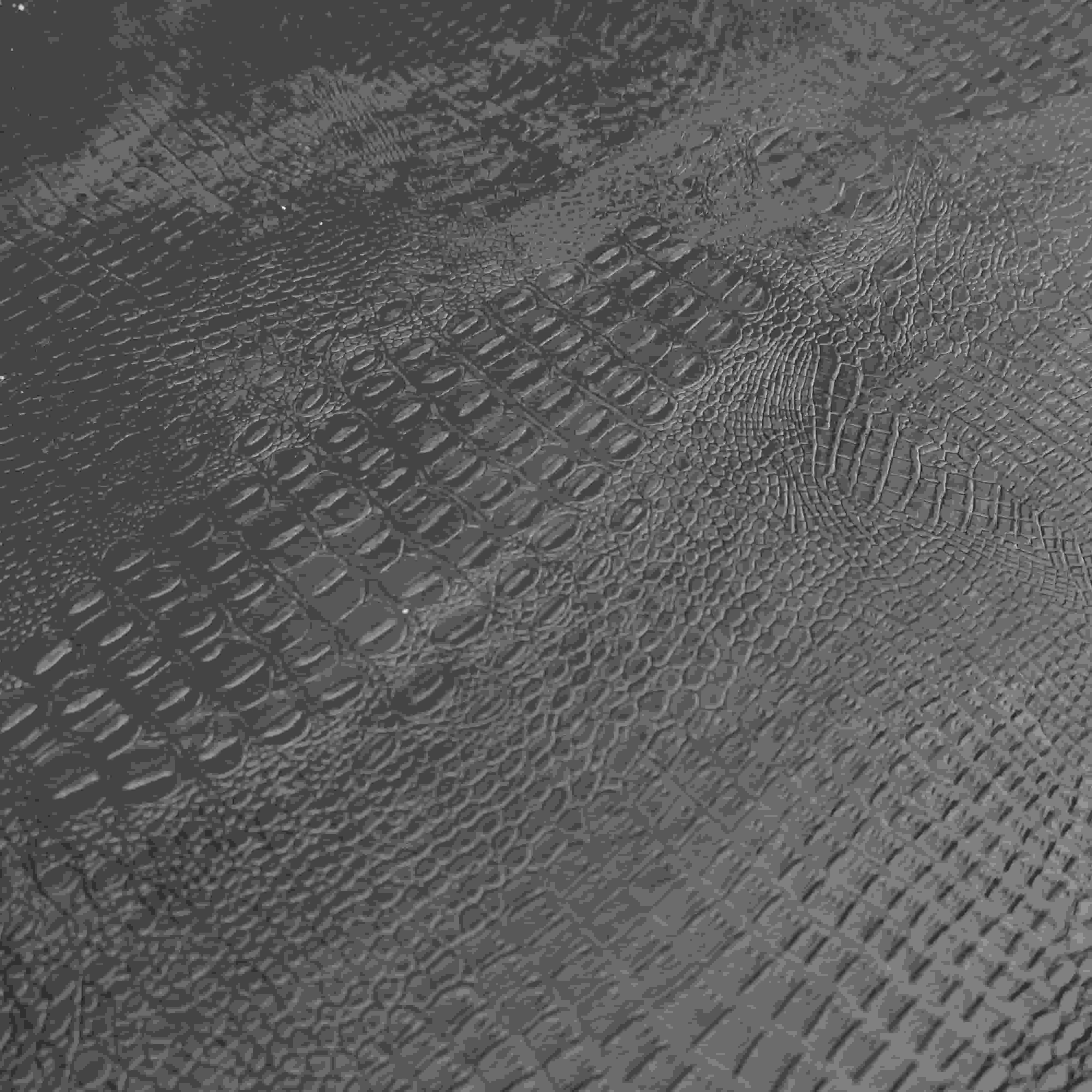
LEED is a powerful tool, but it's not the only measure of a material's sustainability. Croco MCM understands that green building is a journey, not a destination, which is why their materials align with a range of global certifications, each addressing different aspects of environmental and human health. Let's explore a few of these, and how they complement LEED to create a more comprehensive sustainability story.
| Certification | Focus Area | Croco MCM Products Involved | Key Benefit |
|---|---|---|---|
| BREEAM (Building Research Establishment Environmental Assessment Method) | Life-cycle assessment, energy efficiency, waste reduction | Fair-faced concrete , polish concrete | Focuses on the entire life of a building, from construction to demolition, ensuring long-term sustainability. |
| WELL Building Standard | Human health and well-being (air, water, light, comfort) | Wood grain board , bamboo mat board | Promotes spaces that support mental and physical health, with materials that reduce stress and improve mood. |
| GreenGuard | Low chemical emissions | Fine line stone , thread series | Certifies that materials have low VOC emissions, critical for indoor air quality in homes and offices. |
| ISO 14001 (Environmental Management System) | Company-wide environmental practices | All products | Ensures Croco MCM's manufacturing processes, from sourcing to packaging, meet global environmental standards. |
Take fair-faced concrete , for example. A staple in modern architecture for its raw, industrial beauty, Croco MCM's fair-faced concrete is BREEAM-compliant, meaning it's evaluated for its entire life cycle—from the energy used to produce the cement to the waste generated during installation. BREEAM, popular in Europe and Asia, emphasizes "cradle-to-grave" thinking, which aligns with Croco MCM's philosophy of creating materials that don't just perform well in the short term, but consider the planet's long-term health.
Then there's the WELL Building Standard, which focuses on how buildings affect people, not just the planet. Croco MCM's wood grain board and bamboo mat board are WELL-aligned, thanks to their natural textures and warm aesthetics. Studies show that exposure to natural materials like wood can reduce stress hormones and improve cognitive function—making these boards ideal for offices, schools, and healthcare facilities. For a therapist's office or a classroom, choosing wood grain board isn't just about looks; it's about creating a space that nurtures well-being.
"Sustainability isn't about sacrificing beauty for the planet—it's about realizing they're one and the same. A material that harms the earth can never truly be beautiful, because it betrays the very people and places it's meant to serve." — Elena Rodriguez, Croco MCM's Sustainability Director
Certifications and specs are important, but they come to life when we see them in action. Let's look at two projects that used Croco MCM materials to achieve impressive green certifications—and, more importantly, create spaces that matter.
Located in Portland, Oregon, Verdant Heights is a 40,000-square-foot community hub featuring a library, gym, and outdoor amphitheater. The design team, led by Maria (yes, the same architect from our earlier story), set a goal of LEED Platinum, the highest certification level. To get there, they needed materials that checked multiple boxes: low environmental impact, durability, and visual appeal.
The exterior cladding chose itself: travertine (starry green) from Croco MCM. Its natural insulation properties reduced the building's heating and cooling needs by 22%, contributing to the "Energy and Atmosphere" credit. Inside, the gym walls are lined with foamed aluminium alloy board (vintage silver) , chosen for its recyclability and acoustic properties—reducing noise pollution and earning points for "Indoor Environmental Quality." The library's reading nooks feature lunar peak golden panels, their warm glow creating a cozy, inviting space without relying on harsh overhead lighting.
"We didn't just want a 'green building'—we wanted a building that felt alive ," Maria says. "Croco MCM's materials helped us do that. The travertine looks like it's been part of the landscape forever, and the aluminium adds a modern touch that speaks to the community's future. And knowing they contributed to our LEED Platinum status? That's the cherry on top."
Hospitals are high-stakes environments—they need to be sterile, durable, and calming. Serenity Hospital in Vancouver, Canada, aimed to be all three, with a focus on patient recovery. Their choice of materials was critical: they needed to reduce stress, improve air quality, and stand up to heavy use. Enter Croco MCM's wood grain board and bamboo mat board .
The patient rooms feature wood grain board on the walls, its natural pattern proven to lower anxiety levels in patients (a WELL credit for "Biophilic Design"). The corridors use bamboo mat board , chosen for its rapid renewability—bamboo grows up to 3 feet per day, making it a highly sustainable resource (aligning with BREEAM's "Renewable Materials" credit). Even the lobby's reception desk is made from polish concrete , its smooth surface easy to sanitize and its durability ensuring it won't need replacement for decades.
Dr. Sarah Chen, the hospital's chief medical officer, notes the difference: "We've seen patients recover faster in these rooms. They comment on how 'peaceful' the spaces feel. It's not just anecdotal—studies link natural materials to shorter hospital stays. Croco MCM didn't just give us sustainable materials; they gave us tools to heal."
As the world grapples with climate change, the demand for sustainable building materials will only grow. Croco MCM is already looking ahead, investing in research and development to create even more eco-friendly products. Their latest innovation? A 3D printing series that uses recycled plastic and stone dust to create custom panels with minimal waste. "3D printing allows us to build exactly what we need, no more, no less," explains Carlos Mendez, Croco MCM's R&D lead. "It's like baking a cake with only the ingredients you need—no leftover batter, no waste. And when the building reaches the end of its life, those panels can be recycled again. That's the circular economy in action."
But innovation isn't just about technology; it's about mindset. Croco MCM works closely with architects, builders, and educators to spread awareness about sustainable materials. Their "Green Building Workshop" series, held in cities worldwide, teaches professionals how to integrate products like gobi panel or historical pathfinders stone into LEED and WELL projects. "Sustainability is a team sport," says Elena Rodriguez. "We can't do it alone. We need to empower the people who design and build our world to make informed choices."
Back in Maria's studio, the travertine (starry blue) sample still sits on her desk, now joined by others: a swatch of wood grain board , a sliver of foamed aluminium alloy board (gold) , a small tile of lunar peak black . She arranges them in a pattern, imagining how they'll come together in her next project—a affordable housing complex in downtown Seattle. "These materials aren't just pieces of stone or metal," she says, tapping the travertine. "They're stories. Stories of respect for the earth, of care for the people who'll live here, of hope for a future where beauty and sustainability go hand in hand."
Croco MCM's green certifications—LEED, BREEAM, WELL, and beyond—are more than credentials. They're proof that this vision is possible. They show that we don't have to choose between a building that looks good and one that does good. With materials like travertine , foamed aluminium alloy board , and lunar peak , we can have both. And in doing so, we're not just building structures—we're building legacies: spaces that honor the past, serve the present, and protect the future.
So the next time you walk into a building, take a moment to touch the walls, look at the floors, notice the textures. Behind every surface, there's a choice. And with Croco MCM, that choice is clear: to build with intention, with heart, and with the planet in mind.
Recommend Products












