

From cozy home nooks to grand commercial spaces, the right stone can turn a room from ordinary to unforgettable. But when it comes to fine line stone (white) , one detail often gets overlooked: thickness. Let's dive into why this small measurement matters, how to pick the perfect slab, and how it stacks up against other beloved materials like travertine (beige) and concrete board (light grey) .
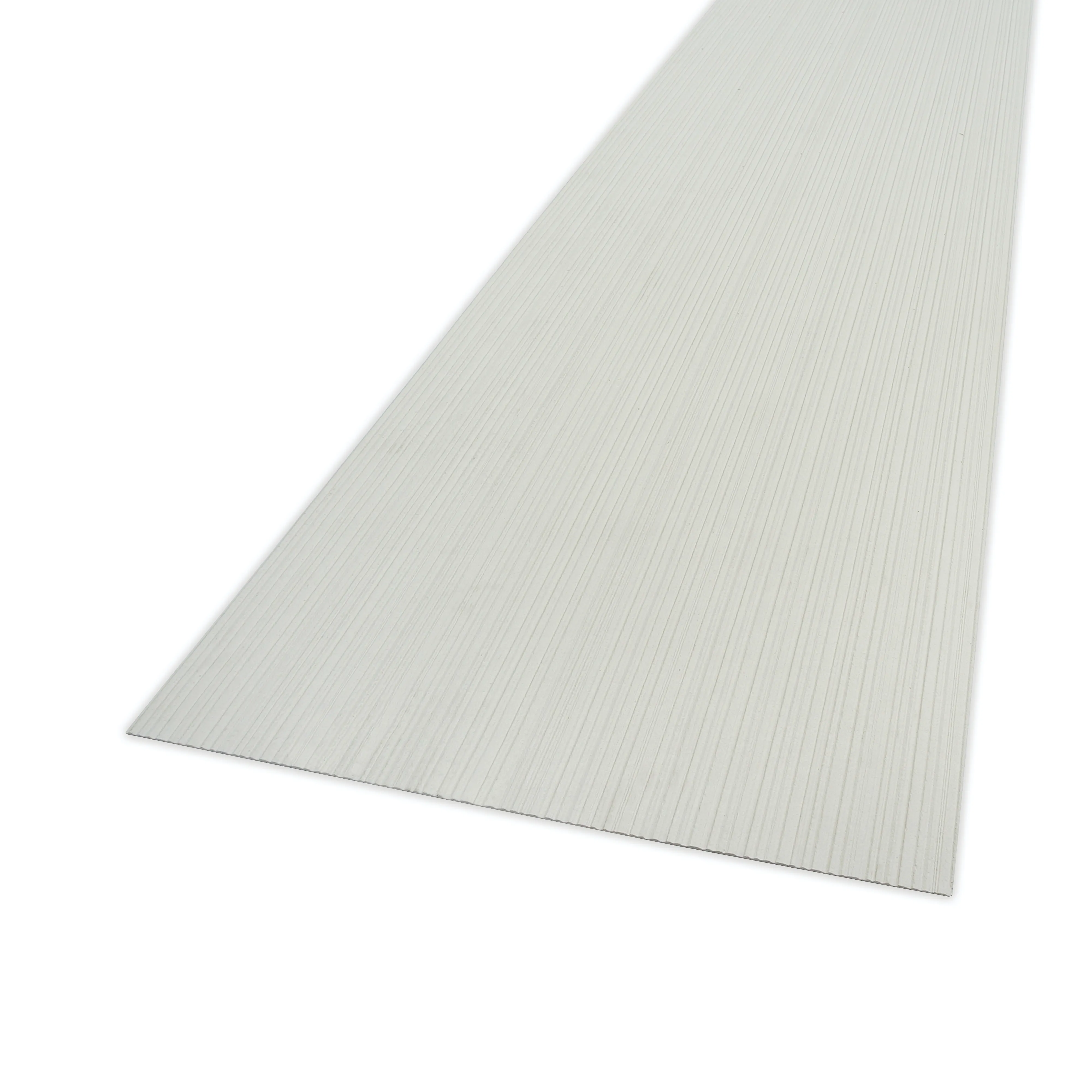
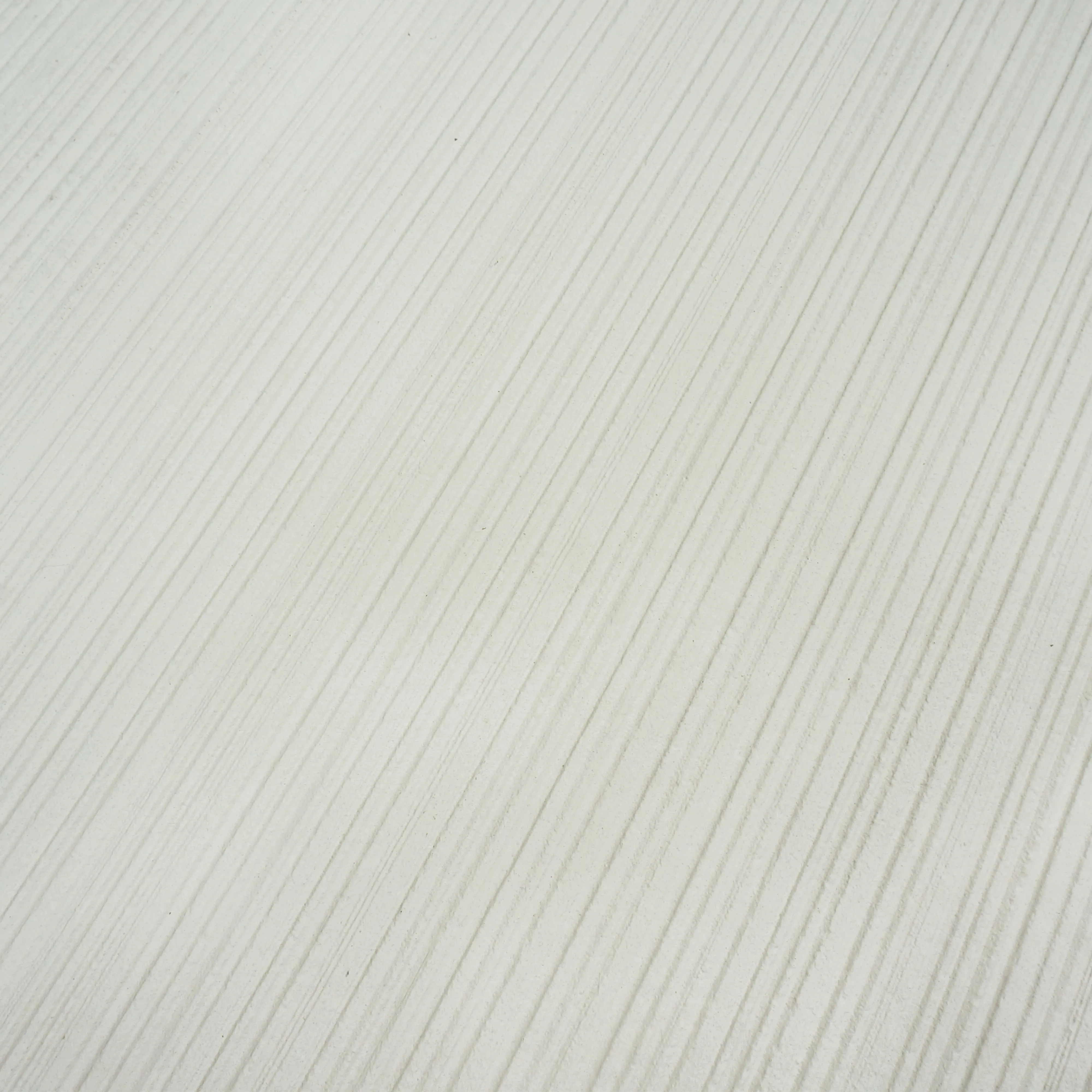
Before we talk thickness, let's get to know the star of the show. Fine Line Stone (White) is a modern marvel in the world of interior and exterior design. Imagine a material that blends the crisp, clean elegance of natural stone with the versatility of engineered precision. Its name says it all: "fine line" refers to the subtle, delicate veining that runs through its surface—think soft greys and off-whites woven like silk threads through a white canvas. Unlike bold marbles or rough granites, it brings a quiet sophistication that complements both minimalist and traditional spaces.
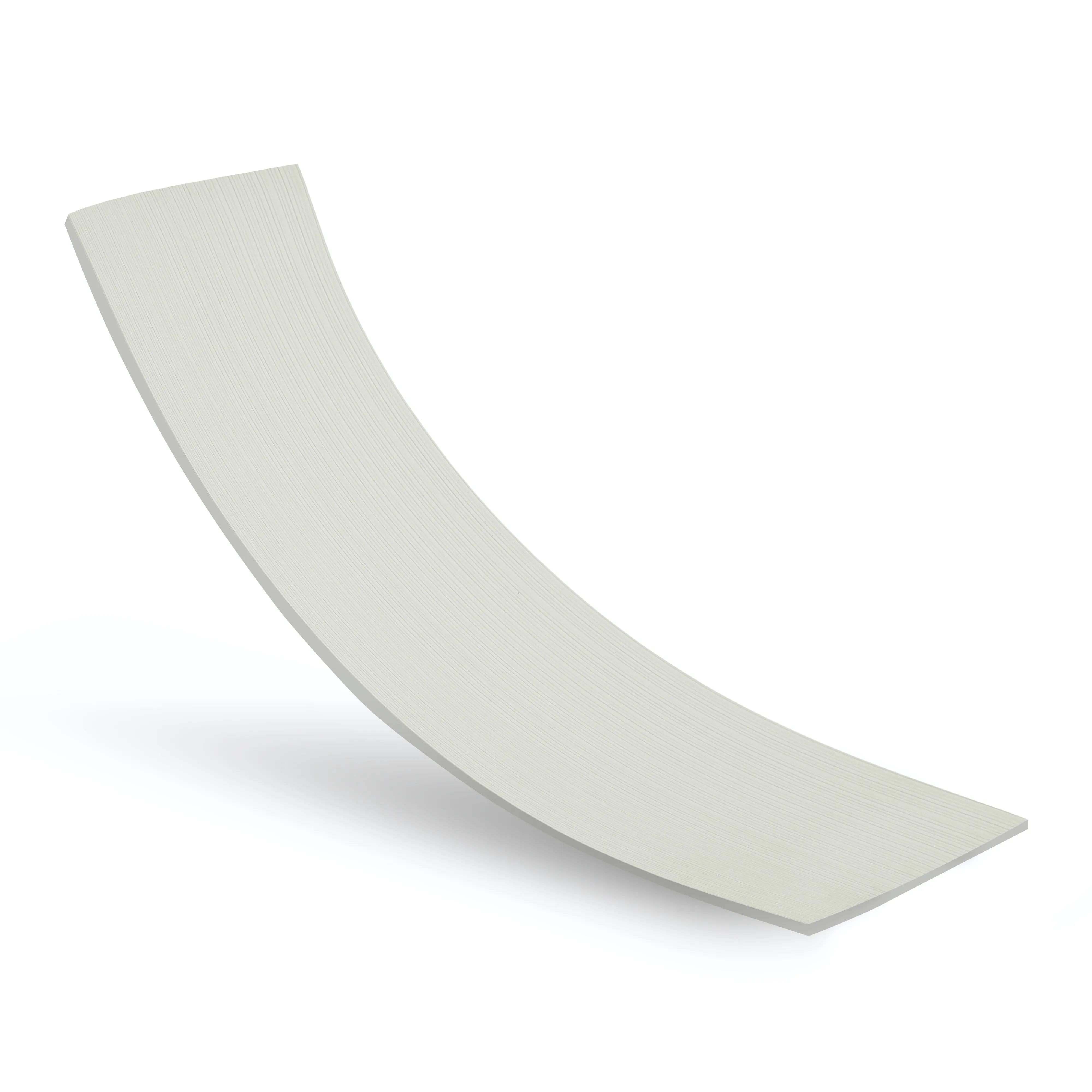
But what really sets it apart? Its flexibility. Thanks to advancements in mcm flexible stone technology, Fine Line Stone (White) isn't just a rigid slab. It's lightweight, easy to install, and adaptable to curved surfaces, making it a favorite among designers who hate being boxed into straight lines. Whether you're cladding a fireplace, tiling a backsplash, or revamping an outdoor patio, this stone plays well with creativity.
You might be thinking, "It's just stone—thicker must be better, right?" Not exactly. Thickness affects everything from how your space feels to how long your stone lasts. Let's break it down:
Fine Line Stone (White) typically comes in three main thicknesses, each with its own sweet spot:
| Thickness | Best For | Durability | Installation Notes |
|---|---|---|---|
| 6mm – 8mm | Indoor walls, backsplashes, furniture accents, decorative panels | Good for low-impact areas; prone to chips if hit hard | Lightweight; can be installed with standard tile adhesive; ideal for curved surfaces |
| 10mm – 12mm | Countertops (light use), fireplace surrounds, indoor floors (low to medium traffic) | Very durable for daily use; resists scuffs and minor impacts | Moderate weight; requires solid backing (e.g., plywood for countertops) |
| 16mm – 20mm | Outdoor patios, high-traffic floors, heavy-use countertops, exterior cladding | Excellent durability; withstands weather, heavy furniture, and frequent foot traffic | Heavier; may need reinforced installation (e.g., mortar beds for outdoor use) |
Still unsure? Let's narrow it down with a few key questions:
Of course, Fine Line Stone (White) isn't the only player in the game. Let's see how it compares to two popular alternatives:
Travertine (beige) is a classic—warm, earthy, and full of character with its signature pitted texture. But when it comes to thickness, it's a different beast. Travertine is often thicker (12mm+) by default because its porous nature makes thin slabs prone to cracking. Fine Line Stone (White), on the other hand, offers more flexibility in thickness, making it easier to use in tight spaces or on walls where weight is a concern. Plus, its smooth, non-porous surface means less sealing and maintenance than travertine, which can stain if left unprotected.
Concrete board (light grey) is the cool kid on the block—industrial, modern, and super durable. But concrete is heavy, even in thin slabs. A 12mm concrete board weighs more than a 12mm Fine Line Stone (White) slab, which can limit where you use it. Fine Line Stone (White) gives you that sleek, modern look without the extra weight, and its subtle veining adds warmth that plain concrete often lacks.
Fair-faced concrete is all about raw, unpolished texture—think warehouse-chic lofts and minimalist homes. It's durable but tends to be thicker (15mm+) to maintain its structural integrity. Fine Line Stone (White) offers a softer alternative; its fine lines and white base brighten up spaces, while still giving you that "crafted" feel. And since it's lighter, it's easier to install in areas where concrete might be too heavy, like upper-floor walls.
Let's get concrete (pun intended) with examples of how thickness plays out in real projects:
Once you've picked the perfect thickness, keeping your stone looking great is easy—no special rituals required:
Choosing the right thickness for your Fine Line Stone (White) isn't about picking the "best" option—it's about picking the right option for your project. Whether you're going for a sleek backsplash or a tough outdoor patio, thickness affects how your stone looks, lasts, and fits into your budget.
And remember, you're not alone. Talk to your contractor or designer about your goals, and don't be afraid to ask for samples. Hold a 6mm slab and a 20mm slab side by side—you'll feel the difference immediately. With a little planning, you'll end up with a space that's not just beautiful, but built to last.
So go ahead—let Fine Line Stone (White) be the quiet hero of your next project. Its fine lines and perfect thickness might just be the detail that turns a house into a home, or a space into a story.
Recommend Products












