
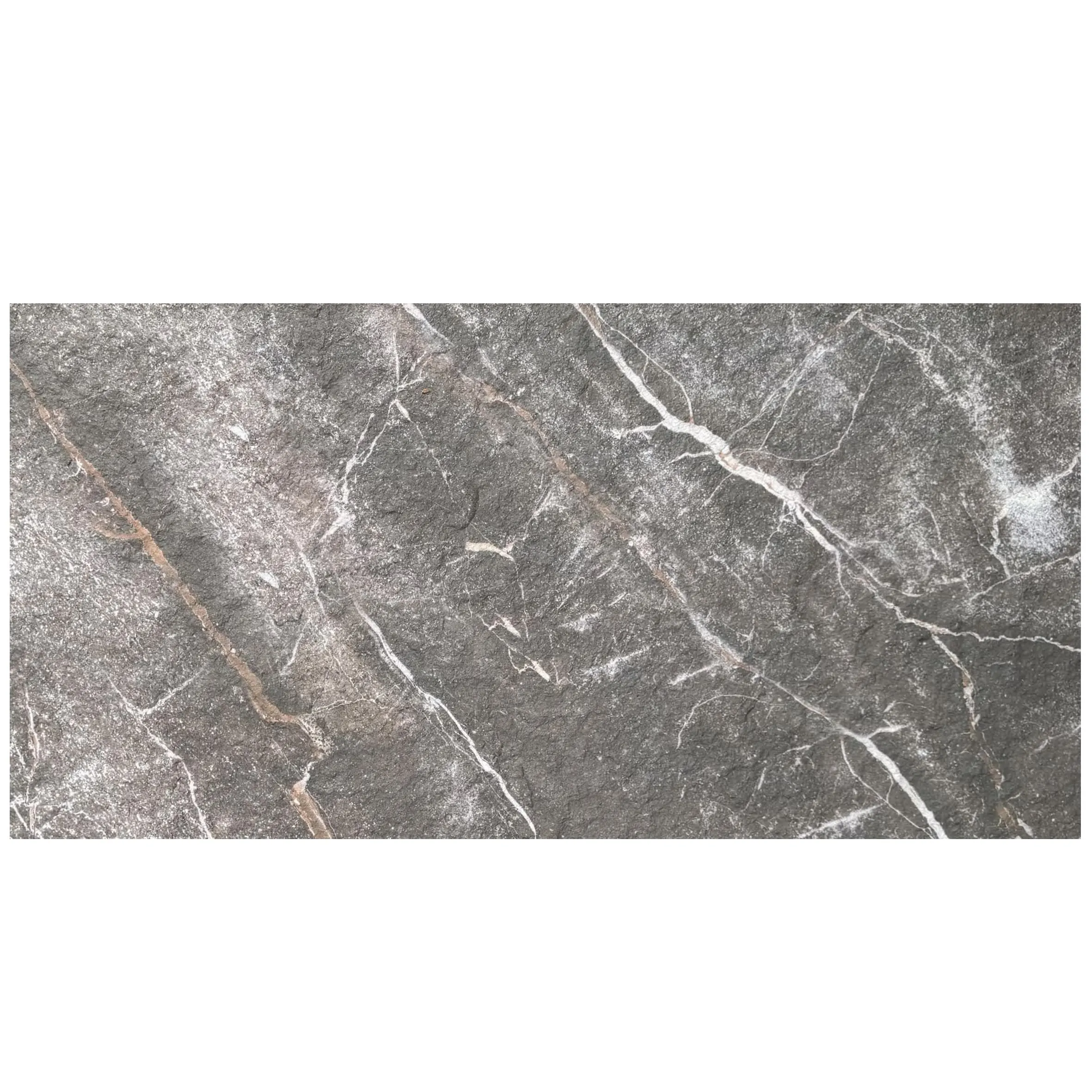
Walk into any high-end hotel lobby, luxury retail store, or modern residential space, and you might find yourself pausing to admire a surface that exudes both strength and elegance—dark, rich, and often swirled with striking veins of gold or white. Chances are, you're looking at Granite Portoro. More than just a building material, it's a design statement, a bridge between durability and beauty that has made it a favorite among architects and interior designers worldwide. But what exactly gives Granite Portoro its unique character? To truly appreciate it, we need to dig deeper—into its mineral makeup, its toughness, and how it stacks up against other materials in the world of construction and design.
In this article, we'll explore the science behind Granite Portoro's allure, from the minerals that form its foundation to the hardness that makes it a workhorse in high-traffic spaces. We'll also touch on how it compares to other popular materials like marble, polish concrete, and even fair-faced concrete, helping you understand why it continues to be a top choice for projects that demand both style and substance.
Granite, by definition, is an igneous rock formed from slowly cooling magma beneath the Earth's surface. What sets Granite Portoro apart is its specific blend of minerals and the conditions under which it formed—resulting in that signature dark base and contrasting veins that make it instantly recognizable. Let's break down the key components that give this stone its personality.
At its core, Granite Portoro is a symphony of three primary minerals: quartz, feldspar, and mica. Each plays a critical role in defining the stone's appearance and performance.
Quartz is the unsung hero here, making up about 20-40% of most granites, including Portoro. Known for its hardness (we'll get to that later) and resistance to chemical weathering, quartz gives Granite Portoro its durability. Visually, it often appears as tiny, glassy grains or milky white specks, adding a subtle sparkle to the stone's surface.
Feldspar is the most abundant mineral in Granite Portoro, typically comprising 40-60%. It comes in two main varieties: orthoclase (pink or cream) and plagioclase (white or gray). In Portoro, feldspar often forms the stone's dark background—think deep blacks, grays, or even charcoal—providing a neutral canvas for the more eye-catching veins. Its role isn't just aesthetic, though; feldspar adds structural integrity, helping the stone withstand pressure without cracking.
Mica is the mineral responsible for Granite Portoro's occasional shimmer. Found in smaller quantities (5-10%), mica flakes—usually biotite (black) or muscovite (silvery white)—catch the light, creating a subtle metallic sheen. While it doesn't contribute as much to hardness, mica adds depth and texture, making each slab of Portoro one-of-a-kind.
What truly makes Granite Portoro stand out, though, are its veins—those bold streaks of gold, cream, or white that cut through its dark base. These are often the result of trace minerals or mineral deposits that seeped into the rock during its formation. For example, iron oxides might create warm gold or rusty red veins, while feldspar variants could produce creamy whites. In some cases, these veins are even composed of other minerals like amphibole, which adds a striking contrast and complexity.
It's this unique combination of primary minerals and trace elements that gives Granite Portoro its "personality." No two slabs are identical, which is why designers love it for creating custom, one-of-a-kind spaces. Whether used as a kitchen countertop, a feature wall, or a building facade, each piece tells a story of millions of years of geological activity.
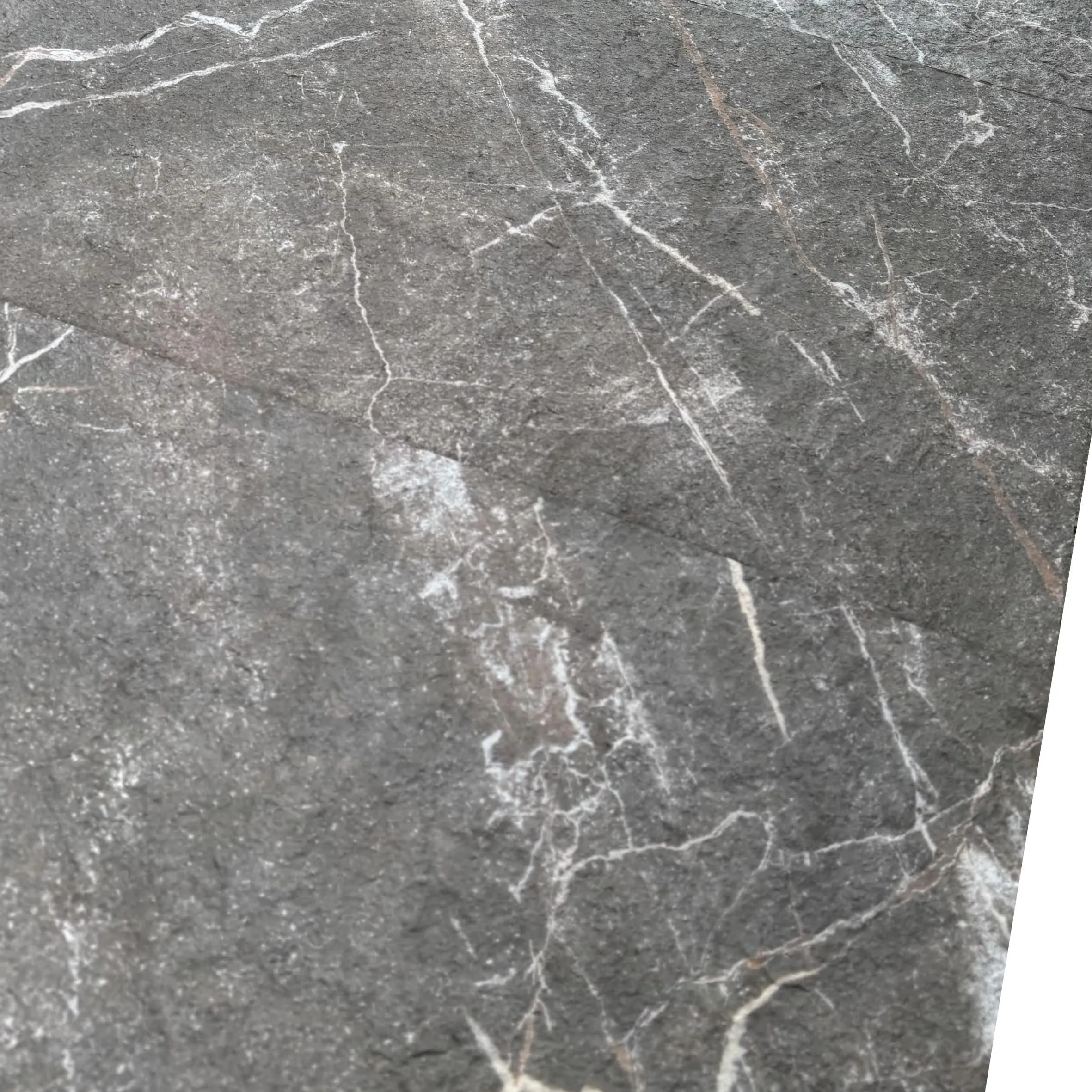
Beauty is important, but in the world of construction, durability reigns supreme. This is where Granite Portoro truly shines. Its hardness—measured on the Mohs scale—is a key factor in its popularity, especially for surfaces that see heavy use.
The Mohs Hardness Scale, developed in 1812 by mineralogist Friedrich Mohs, ranks minerals from 1 (softest, like talc) to 10 (hardest, like diamond). For rocks like granite, which are mixtures of minerals, the scale gives a general idea of their scratch resistance. Granite Portoro typically scores between 6 and 7 on the Mohs scale, thanks largely to its high quartz content (quartz itself is a 7 on the scale). To put that in perspective: a fingernail (2.5) won't scratch it, a copper penny (3.5) won't either, but a steel knife (5.5) might leave a faint mark, and a piece of quartz (7) could scratch it.
This level of hardness makes Granite Portoro ideal for high-traffic areas. Think hotel lobbies where thousands of shoes walk daily, restaurant countertops that endure cutting and heat, or exterior cladding exposed to rain, snow, and UV rays. Unlike softer stones, it resists scratches, dents, and wear, maintaining its beauty for decades—even centuries, in some cases.
To truly appreciate Granite Portoro's toughness, it helps to compare it to other common building materials. Below is a table breaking down the Mohs hardness of Granite Portoro alongside materials like marble, polish concrete, fair-faced concrete, and even its granite cousin, Granite Nero Margiua.
| Material | Mohs Hardness | Key Characteristics |
|---|---|---|
| Granite Portoro | 6-7 | High scratch resistance; ideal for heavy use; dark base with gold/white veins |
| Granite Nero Margiua | 6-7 | Similar hardness to Portoro; deep black color with minimal veining |
| Marble Series (e.g., Marble Veil White) | 3-4 | Softer than granite; prone to scratches and acid damage; prized for elegant veining |
| Polish Concrete | 5-6 | Durable and industrial; less hard than granite but more affordable |
| Fair-Faced Concrete | 4-5 | Raw, textured finish; lower hardness than polished concrete; requires sealing |
As you can see, Granite Portoro outperforms marble (a staple in the marble series) by a wide margin, making it a better choice for spaces where durability is key. While polish concrete comes close, it lacks the natural beauty and uniqueness of granite. And fair-faced concrete, with its raw, industrial charm, is softer and more prone to staining, making it better suited for accent walls than high-use surfaces.
One thing to note: while Granite Portoro is hard, it's not indestructible. It can chip if hit with a heavy object (like a falling pot), and acidic substances (vinegar, lemon juice) can etch its surface if left unattended. But with proper care—sealing every 1-3 years and wiping up spills promptly—it will maintain its luster for generations.
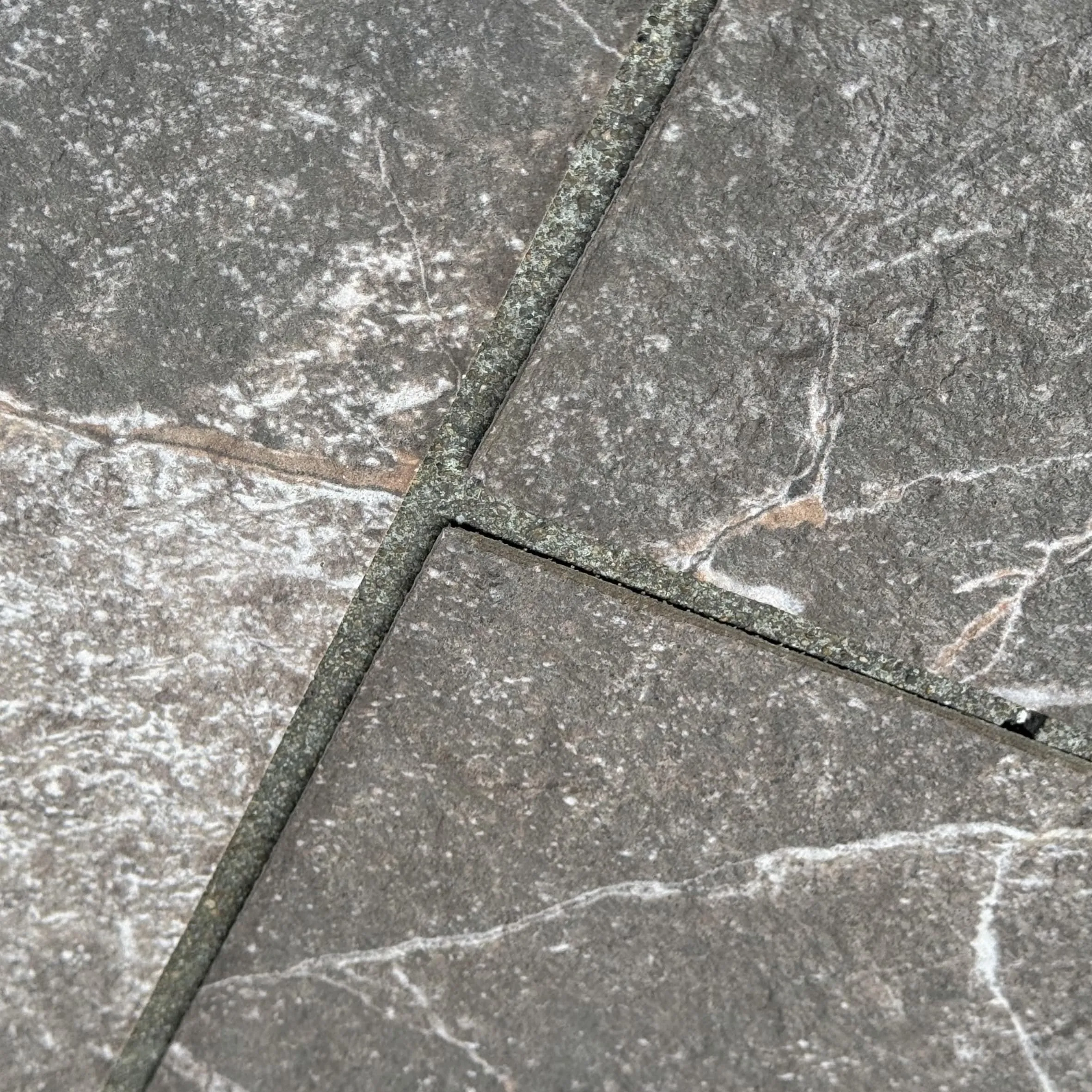
Granite Portoro's journey from the heart of the Earth to your favorite building is a fascinating one, involving skilled craftsmanship and cutting-edge technology. Let's walk through the process, from extraction to installation.
Most Granite Portoro comes from quarries in regions known for granite production—places like Italy, Brazil, India, or China. Miners first identify large deposits of the stone, then use diamond-tipped saws and drills to cut massive blocks (often 10-20 feet long) from the earth. This is no small feat: each block can weigh 10-20 tons! Once extracted, the blocks are transported to processing facilities, where they're cut into slabs using gang saws or wire saws—thin, flexible wires embedded with diamonds that slice through the stone with precision.
After cutting, the slabs are sent to polishing lines, where they're ground down with progressively finer abrasives (from rough grit to diamond pads) until the surface is smooth and reflective. This is where Granite Portoro's veins really come to life—the polishing process enhances the contrast between the dark background and the lighter veins, creating that signature "wow" factor. Some slabs are left with a honed (matte) finish for a more understated look, but the polished finish is by far the most popular, showcasing the stone's natural beauty.
Compare this to polish concrete, which is created by grinding and sealing concrete to a smooth finish. While polish concrete is durable and modern, it lacks the depth and variation of natural granite. Granite Portoro's finish is a product of millions of years of geology, not just a manufacturing process—and that difference is clear to the eye.
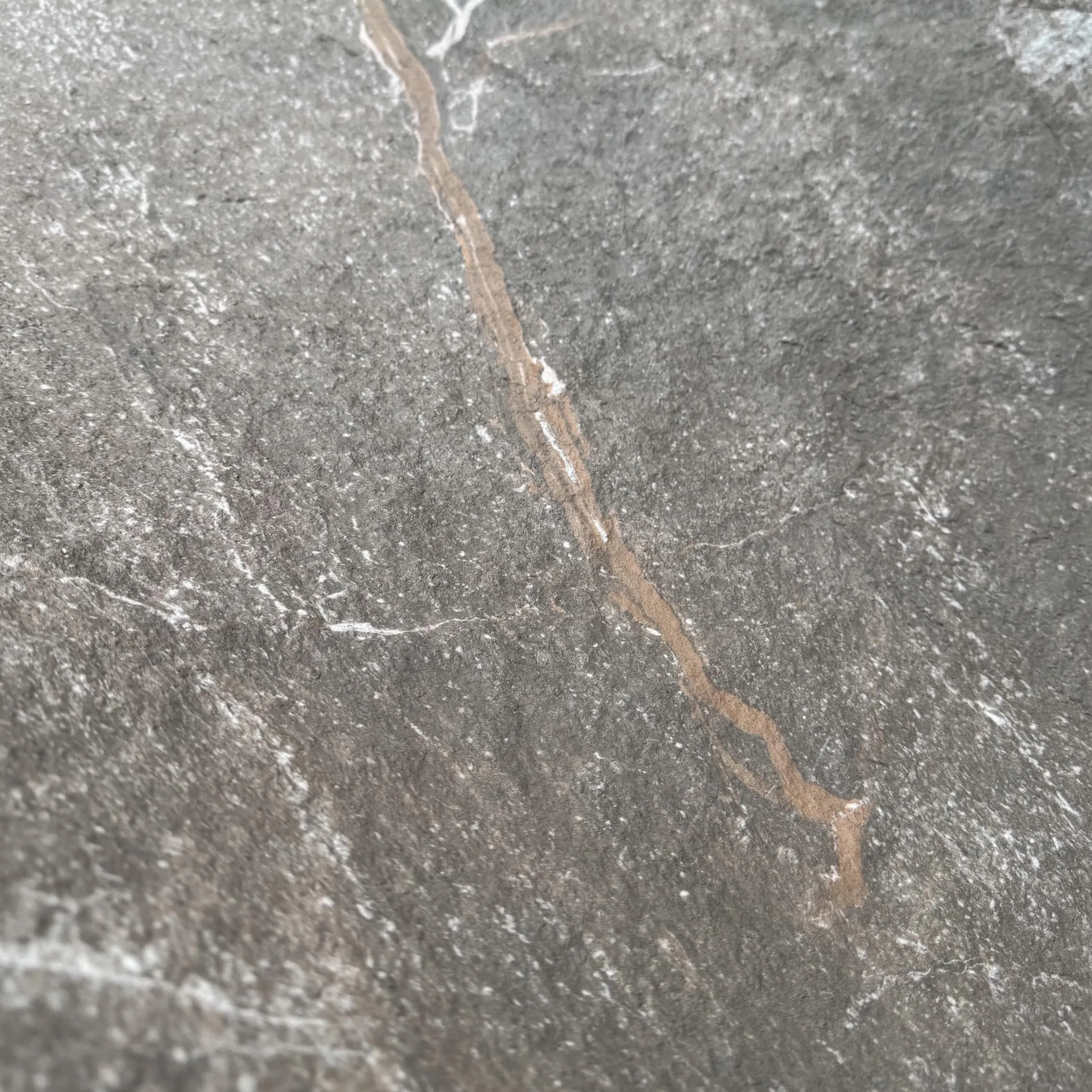
Granite Portoro's blend of beauty and durability makes it versatile, fitting into both traditional and modern design schemes. Here are a few of the most common ways designers and architects use it:
In commercial settings, first impressions matter. Granite Portoro often takes center stage in hotel lobbies, where a grand reception desk or feature wall immediately conveys luxury and sophistication. Retail stores use it for checkout counters or display tables, elevating the shopping experience. Even airports and office buildings incorporate it into their design—think elevator interiors or conference room tables—adding a touch of elegance to functional spaces.
At home, Granite Portoro is a favorite for kitchen countertops, where its hardness resists scratches from knives and heat from pots and pans. It's also popular for bathroom vanities, fireplace surrounds, and accent walls in living rooms. Homeowners love that it adds value to their property while requiring minimal maintenance—perfect for busy families who want both style and practicality.
While many people associate granite with indoor use, Granite Portoro is also used for exterior cladding. Its resistance to weathering makes it ideal for building facades, pool surrounds, and outdoor kitchens. Imagine a modern home with a Granite Portoro exterior, its dark surface contrasting with white trim and large windows—the effect is striking and timeless.
With so many building materials available—from marble series options to fair-faced concrete—why do designers keep coming back to Granite Portoro? Here are a few reasons:
Aesthetics: Its unique veins and deep color palette make it a statement piece. Unlike uniform materials like polish concrete, no two slabs are the same, adding character to any space.
Durability: As we've discussed, its 6-7 Mohs hardness and resistance to wear make it a long-term investment. It's a material that ages gracefully, developing a patina that only enhances its beauty over time.
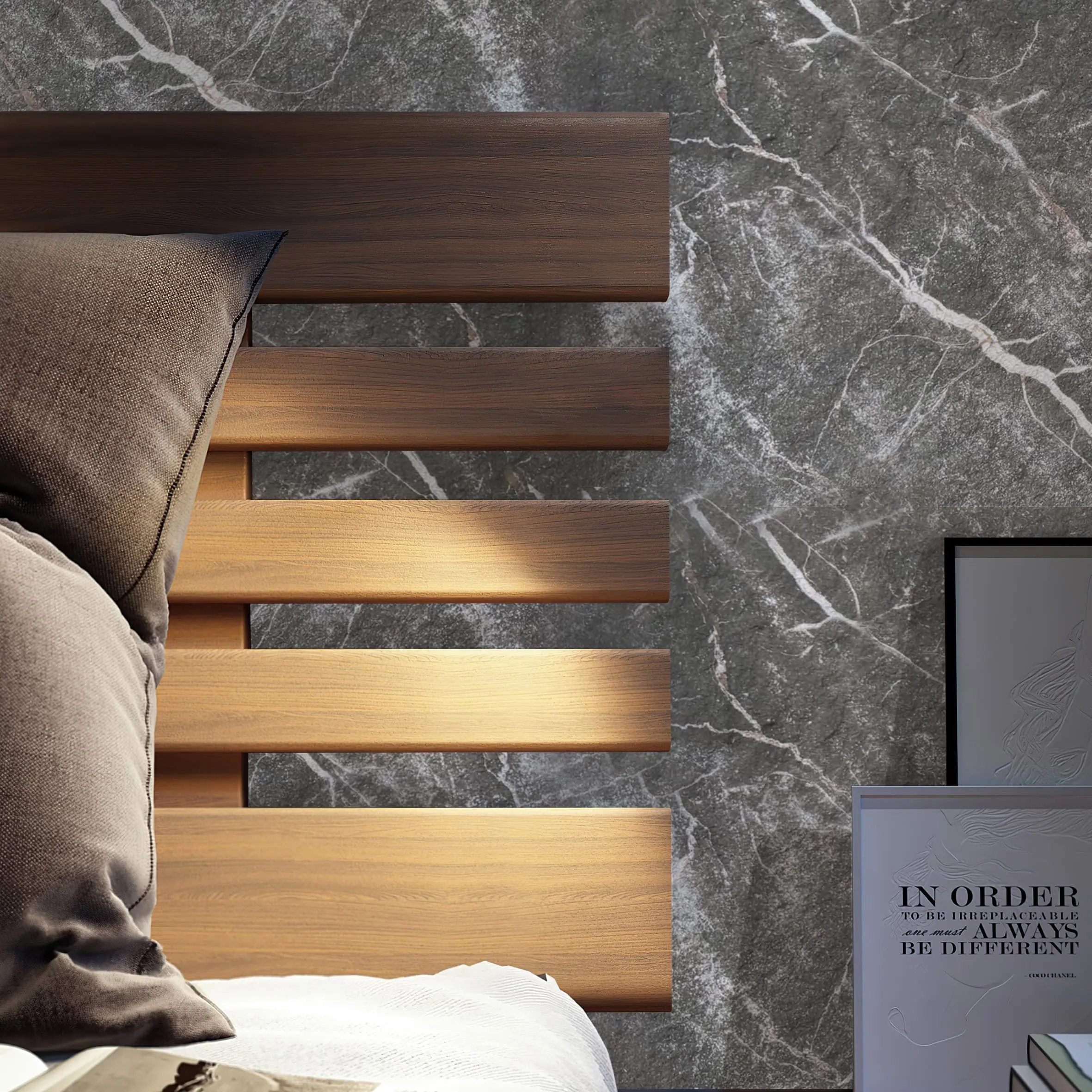
Versatility: It works in traditional, modern, and industrial designs alike. Pair it with wood for warmth, with metal for edge, or with glass for a sleek, contemporary look—the possibilities are endless.
Value: While Granite Portoro is more expensive than concrete or some marbles, its durability and timeless appeal mean it adds value to a property. It's not just a material; it's an investment in beauty and longevity.
Granite Portoro is more than just a stone—it's a testament to the Earth's geological artistry and human craftsmanship. From its mineral-rich composition (quartz, feldspar, mica, and trace elements) to its impressive hardness (6-7 on the Mohs scale), it's a material that balances beauty and brawn in a way few others can.
Whether you're designing a luxury hotel, a cozy home, or a cutting-edge office building, Granite Portoro offers something special: durability that lasts, beauty that inspires, and uniqueness that can't be replicated. It's no wonder it's been a favorite of architects and designers for decades—and will likely remain so for decades to come.
So the next time you encounter a dark, veiny stone that takes your breath away, take a moment to appreciate the story behind it. That's Granite Portoro—nature's masterpiece, polished to perfection.
Recommend Products












