
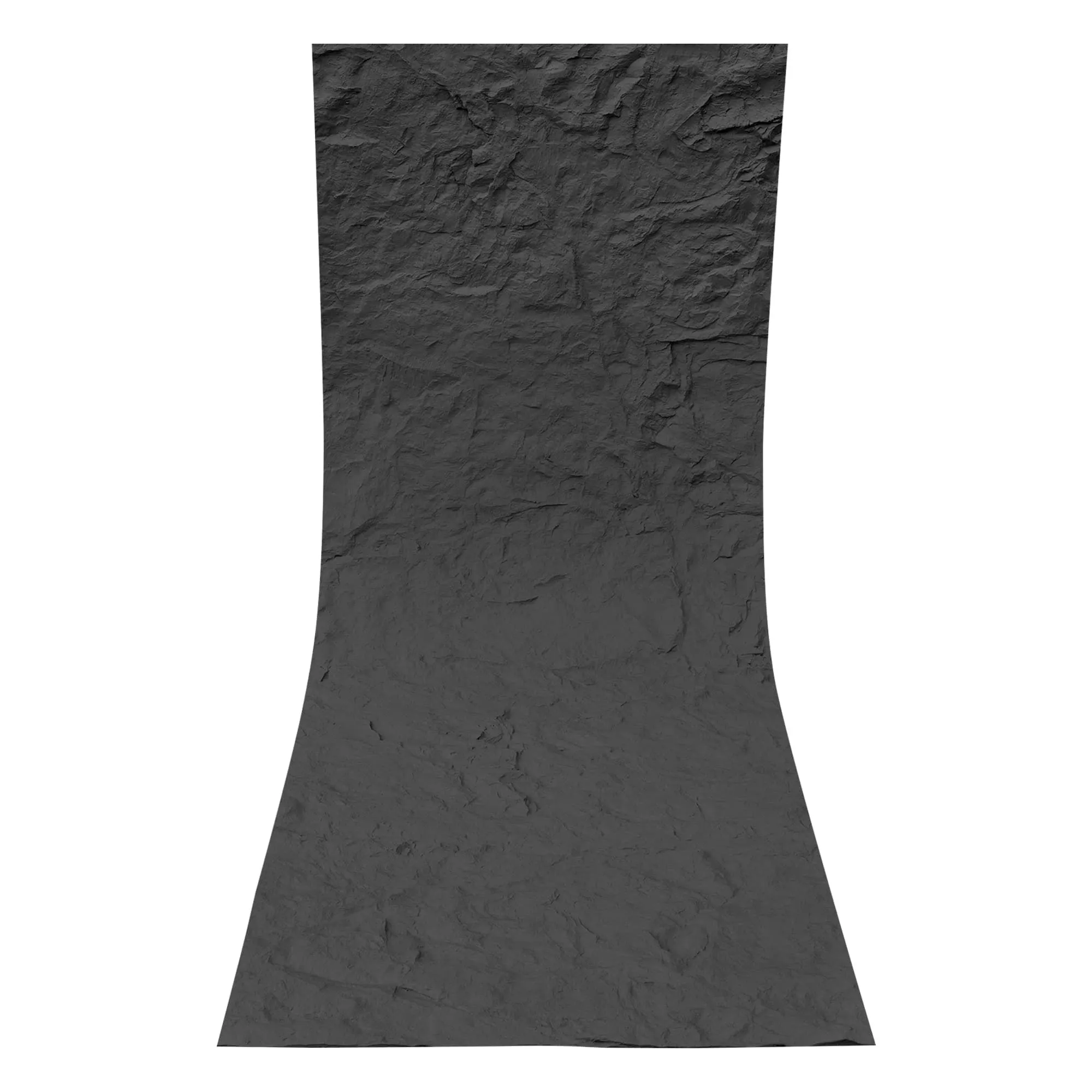
Architecture is more than steel and concrete—it's a language spoken through materials. Every facade, every wall, whispers a story of intent, environment, and creativity. In recent years, Modified Composite Material (MCM) has emerged as a quiet revolutionary, redefining how we build and design. Among its many innovations, the Boulder Slab series stands out, blending aesthetic versatility with functional strength. But what truly sets MCM apart is its ability to balance flexibility and rigidity—a dance of properties that shapes everything from skyscraper facades to cozy home interiors. Let's dive into this world, where materials don't just build spaces—they breathe life into them.
At its core, MCM is a testament to human ingenuity: a blend of natural minerals, polymers, and reinforcing fibers engineered to overcome the limitations of traditional building materials. Unlike heavy stone or brittle concrete, MCM is lightweight, durable, and—crucially—adaptable. It's designed to mimic the look and feel of natural materials like marble, granite, or wood, but with a twist: it bends, flexes, and endures where others crack or crumble. This balance of form and function has made MCM a favorite among architects seeking to push boundaries without sacrificing practicality.
Imagine a material that weighs a fraction of natural stone but resists weathering, fading, and impact just as well. That's MCM. It's the reason why modern buildings can sport curved facades that seem to flow like liquid, or textured walls that invite touch without demanding constant maintenance. And within this family of materials, Boulder Slab has carved out a niche as a material that marries rugged charm with refined elegance.
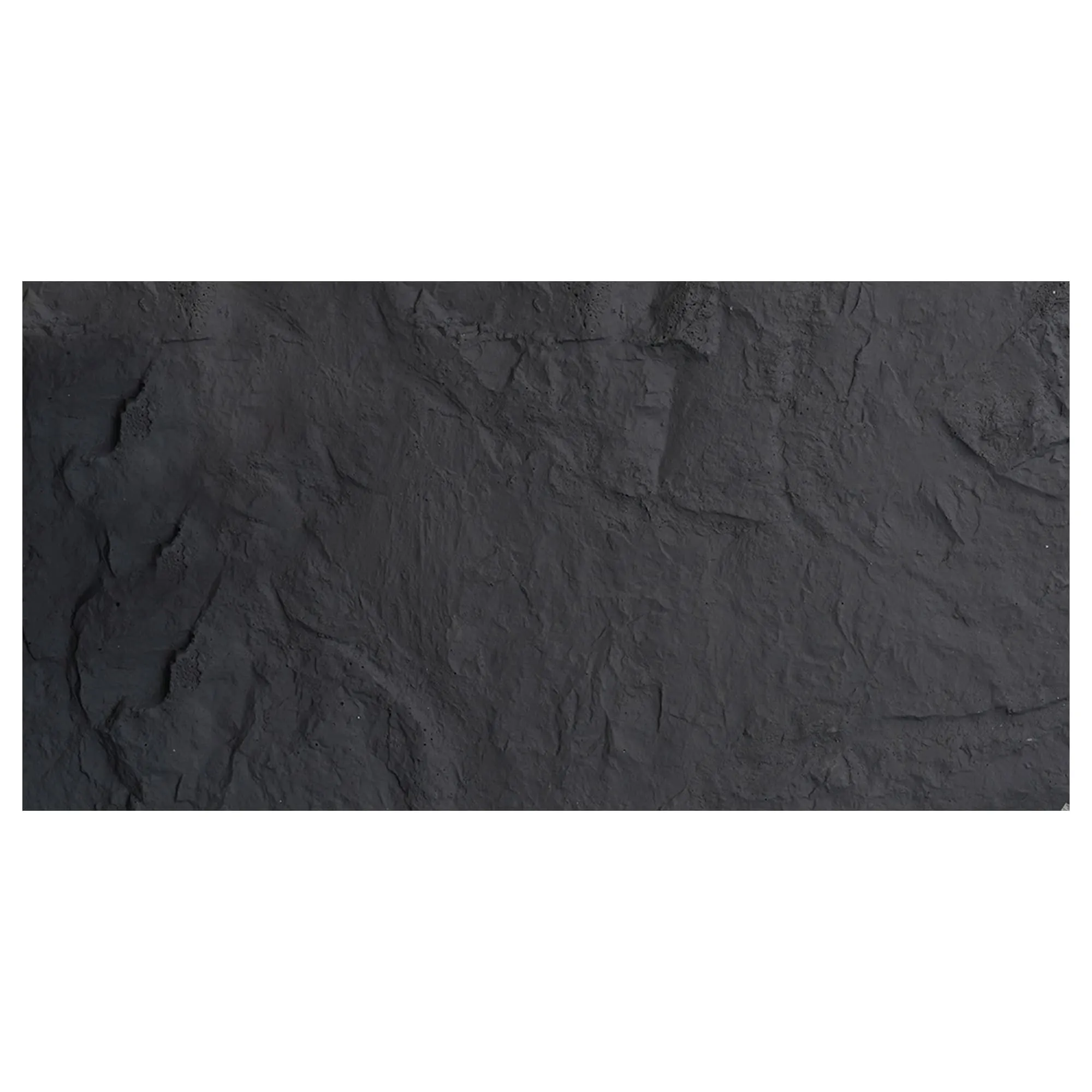
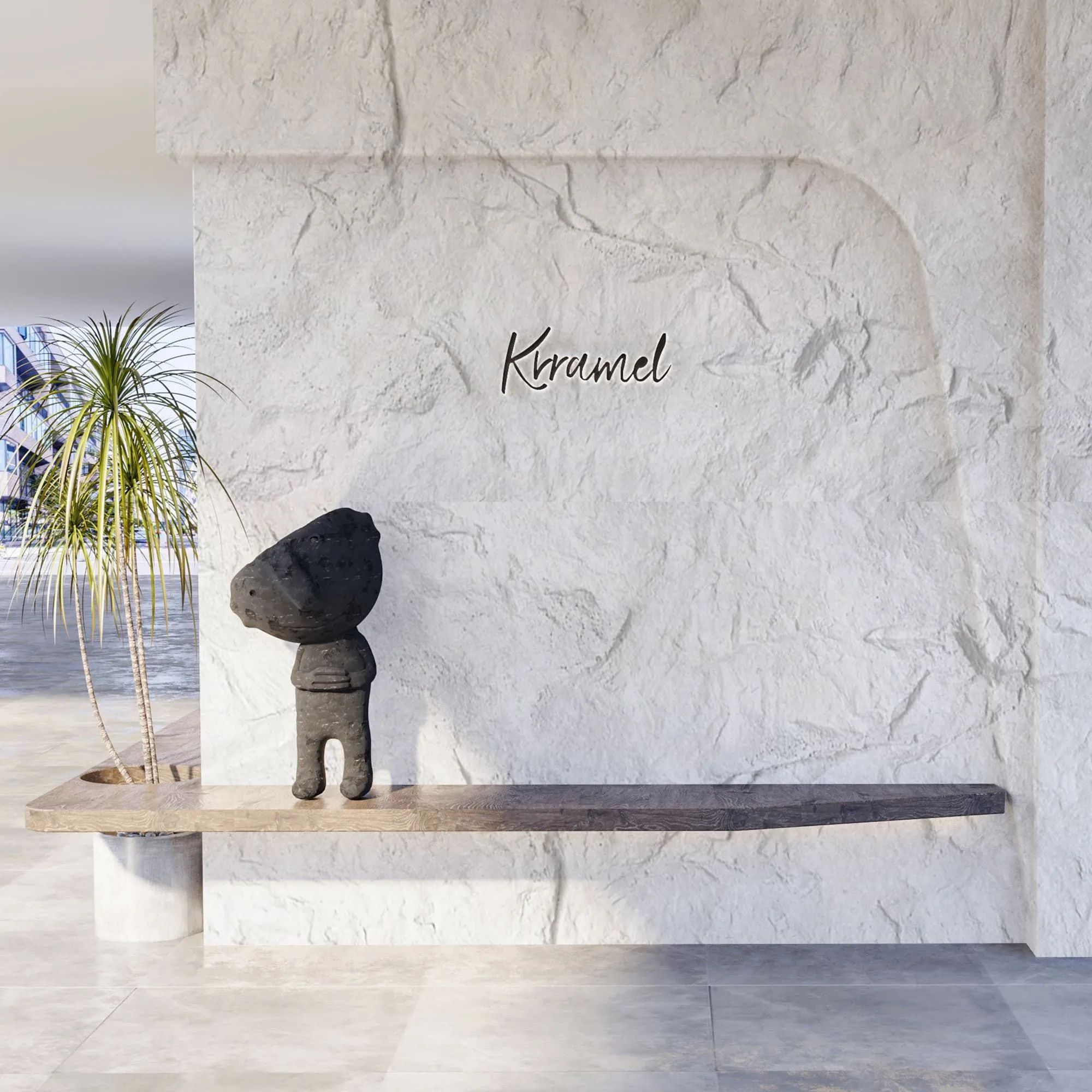
If MCM is the canvas, Boulder Slab is the artist's favorite brushstroke. Designed to evoke the raw, earthy texture of weathered boulders, this series adds depth and character to any surface. What makes it truly special, though, is its versatility in finish and tone. The Boulder Slab (vintage silver) leans into industrial chic, with a muted metallic sheen that feels both modern and timeless—like aged steel with a soft, approachable edge. Boulder Slab (vintage gold) , on the other hand, warms up a space, its golden undertones catching light to create a sense of warmth and luxury, perfect for hospitality or high-end retail. For those craving drama, Boulder Slab (vintage black) delivers—deep, rich, and unapologetically bold, it's a statement material that anchors a design with quiet confidence.
But Boulder Slab isn't just about looks. Its texture, reminiscent of natural stone but with a smoother, more consistent finish, makes it ideal for both interior and exterior use. Installers praise its lightweight nature—no need for heavy structural support—and its flexibility, which allows it to conform to gentle curves or uneven surfaces that would challenge rigid materials. Whether cladding a boutique hotel's exterior or adding accent walls to a modern home, Boulder Slab bridges the gap between nature's organic beauty and human-made precision.
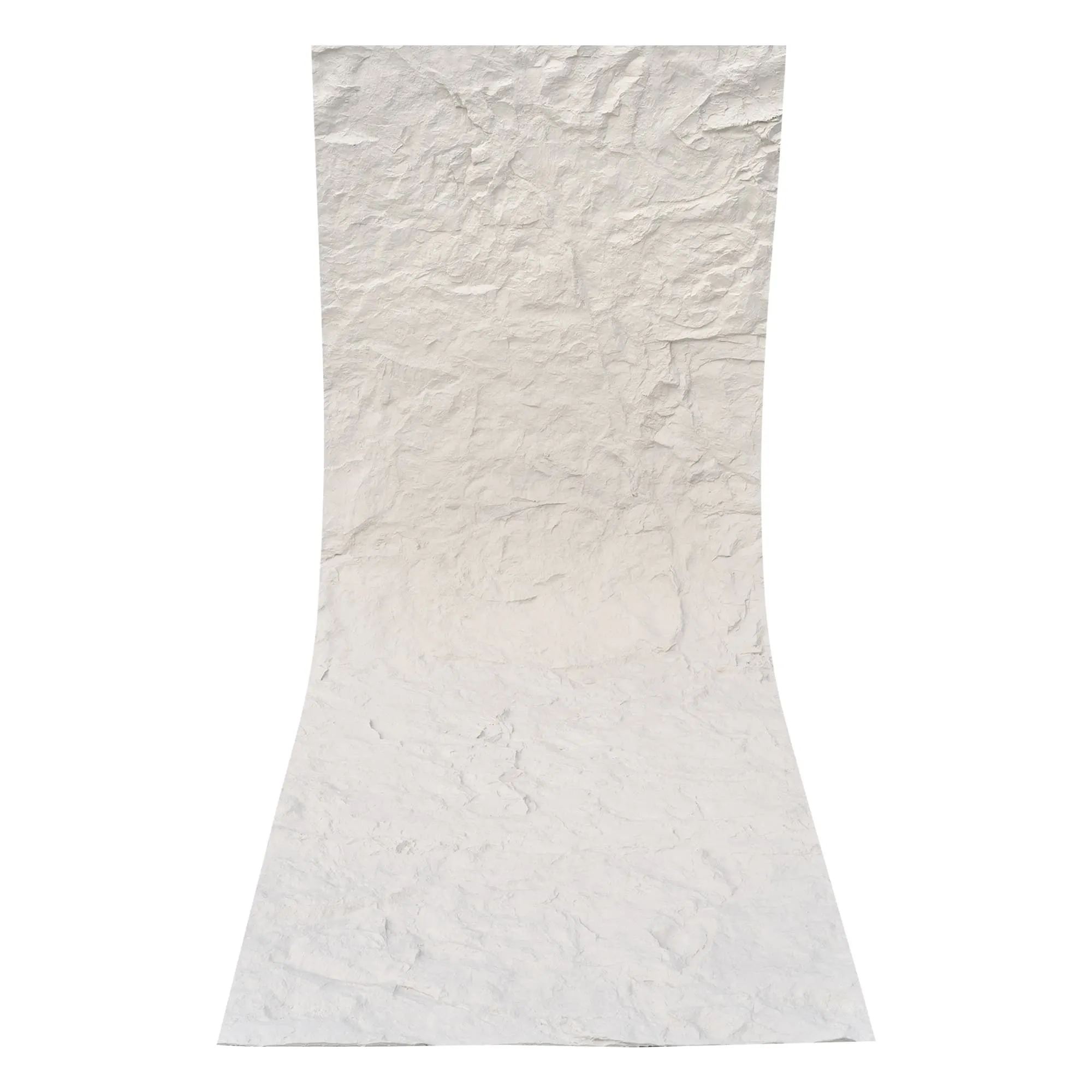
In architecture, "flexibility" and "rigidity" aren't just buzzwords—they're critical factors that shape how a material performs, looks, and feels. Flexibility in MCM panels refers to their ability to bend or deform slightly under stress (like wind or temperature changes) without cracking, while rigidity speaks to a material's resistance to deformation, offering stability and crisp lines. The choice between them isn't about "better" or "worse"—it's about aligning with the design's soul.
| Material | Flexibility Level | Key Characteristics | Best For | Pros | Cons |
|---|---|---|---|---|---|
| Boulder Slab (All Variants) | High | Lightweight, bendable up to 5° curvature, vintage textured finish | Curved facades, accent walls, dynamic interiors | Adapts to complex shapes, easy installation, impact-resistant | May not suit ultra-minimalist, sharp-edged designs |
| Fair-faced concrete | Low (Rigid) | Dense, uniform surface, matte finish, high compressive strength | Industrial aesthetics, minimalist exteriors, structural walls | Timeless, low maintenance, fire-resistant | Heavy, requires strong structural support, limited design flexibility |
| Foamed aluminium alloy board (vintage silver) | Medium | Metallic sheen, semi-rigid with slight give, lightweight | Modern accents, ceiling panels, decorative trim | Unique metallic look, corrosion-resistant, easy to cut | Less durable than MCM for high-impact areas |
Take, for example, a coastal restaurant with sweeping ocean views. Here, Boulder Slab (vintage silver) might wrap the exterior in gentle curves, mimicking the waves beyond and standing up to salt spray. Its flexibility ensures it won't crack in the face of shifting temperatures, while its texture adds depth that catches the sunset. In contrast, a sleek tech office in the city might opt for fair-faced concrete —its rigidity creates sharp, clean lines that echo the building's minimalist ethos, projecting strength and stability. Neither is "right," but both are intentional .
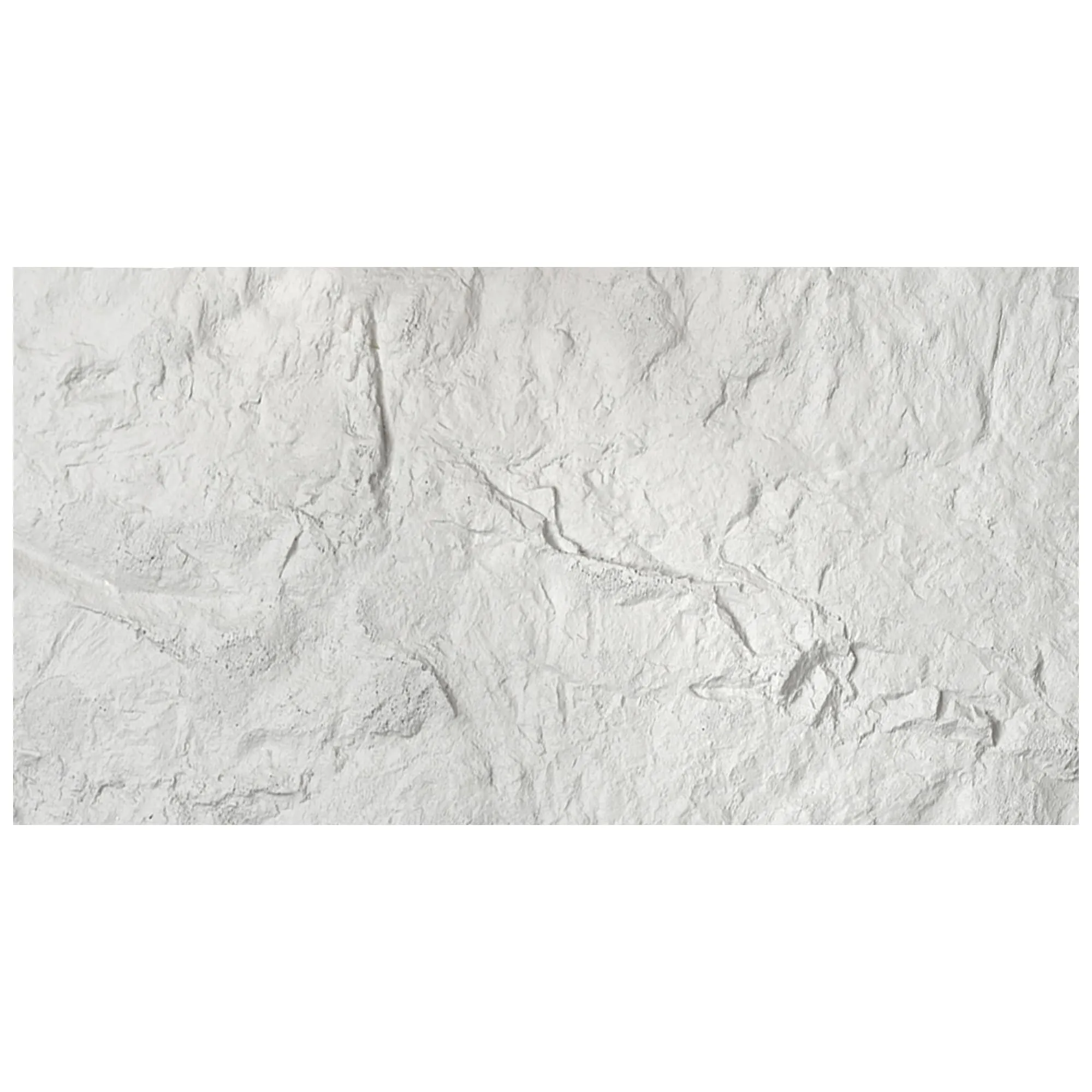
While Boulder Slab shines as a flexible workhorse, MCM's magic lies in its ecosystem of materials, each playing a unique role in the design symphony. Consider foamed aluminium alloy board (vintage gold) —a sibling to its silver counterpart, it adds a touch of opulence to spaces, pairing beautifully with Boulder Slab (vintage black) for a contrast of warmth and drama. Imagine a hotel lobby where Boulder Slab walls set a rustic foundation, while foamed aluminium alloy board (vintage gold) accents the reception desk, catching light and elevating the space from "cozy" to "luxurious."
For those craving nature's chaos, travertine (starry green) is a revelation. Unlike the structured texture of Boulder Slab , this travertine variant feels alive—subtle green hues swirled with tiny, star-like flecks that mimic a forest floor at dusk. It's a flexible material too, though with a more organic, porous texture, making it ideal for indoor spaces like spas or wellness centers, where its natural vibe promotes calm. Paired with Boulder Slab (vintage silver) , it creates a balance of wild and refined—a reminder that nature and industry can coexist harmoniously.
In the bustling heart of downtown Seattle, a boutique office building stands out not for its height, but for its skin. Clad in Boulder Slab (vintage gold) , its facade curves gently around the corner, softening the urban jungle with warm, golden tones. "We wanted the building to feel approachable, not intimidating," says lead architect Mia Chen. " Boulder Slab 's flexibility let us design that curve without compromising on durability. Even on windy days, it holds steady—no cracks, no warping. It's like the building is breathing."
Across the country, a residential project in Austin, Texas, uses fair-faced concrete for its main structure, but leans on Boulder Slab (vintage black) for the guest house exterior. "The contrast is everything," explains homeowner and designer Carlos Mendez. "The concrete is strong, stoic—our main house. The Boulder Slab guest house is playful, with a slight bend in the wall that makes it feel like it's hugging the garden. It's rigid meets flexible, and it works."
Even public spaces are getting in on the action. A new community library in Portland, Oregon, features foamed aluminium alloy board (vintage silver) ceilings that slope gently overhead, creating a sense of openness, while travertine (starry green) accents the reading nooks. "Libraries should feel both grand and cozy," says project manager Eliza Wong. "The aluminium adds modernity, the travertine adds warmth, and together, they make you want to stay awhile."
At the end of the day, selecting between flexible MCM panels like Boulder Slab and rigid options like fair-faced concrete comes down to one question: What story do you want your space to tell? Do you want it to whisper of movement and adaptability, or shout of strength and permanence? Do you crave the warmth of vintage textures, or the cool precision of industrial minimalism?
For dynamic, forward-thinking designs that, Boulder Slab is a clear choice. Its flexibility is a canvas for creativity, while its vintage finish adds soul. For projects rooted in tradition or industrial chic, fair-faced concrete offers timeless stability. And when you want to blend the two? Pair them. Use rigid materials for structure, flexible ones for flair—like a painter mixing colors to create something entirely new.
In the world of architecture, materials are the words, and MCM is the grammar that lets us craft sentences both bold and subtle. Boulder Slab , with its dance of flexibility and rigidity, is more than a panel—it's a punctuation mark, adding rhythm and meaning to the spaces we inhabit. So the next time you walk past a building, take a closer look. The walls might just be telling you a story—one of innovation, balance, and the endless possibilities of MCM.
Recommend Products












