
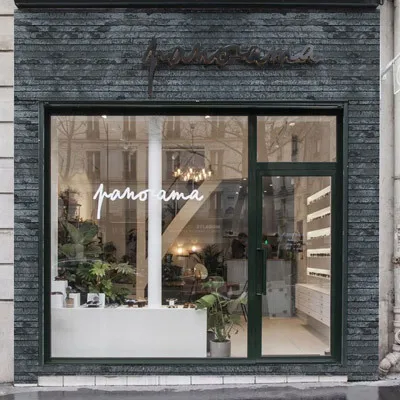
Picture this: You're standing in a sunlit room, your hand brushing against a wall that feels both solid and alive. It's not cold like marble, not rough like raw concrete—instead, it has a subtle warmth, a texture that tells a story of careful craft. That wall? Chances are, it's made of Muretto Stone . In a world where building materials often feel generic, Muretto Stone stands out as something different: a blend of science and soul, engineered to turn spaces into experiences. Today, let's pull back the curtain and explore what makes this material so special—starting with its heart: modified cementitious basics.
Before we dive into the "how," let's talk about the "what." Muretto Stone isn't your average building material. It's a modern take on traditional stonework, reimagined for the needs of today's designers, architects, and homeowners. Think of it as the bridge between old-world craftsmanship and new-world innovation. Unlike natural stone, which is dug from the earth and shaped by time, Muretto Stone is crafted —built in a controlled environment using modified cementitious materials that give it superpowers: strength without weight, durability without bulk, and beauty that's both timeless and fresh.
You've probably seen it without realizing it. Maybe in that trendy café downtown with the industrial-chic vibe, or the sleek home office that feels both minimalist and cozy. Muretto Stone has a way of blending in while standing out—complementing wood, metal, and glass, yet holding its own as a focal point. And the best part? It comes in three distinct shades that cater to every aesthetic: muretto stone (light grey) , muretto stone (dark grey) , and muretto stone (beige) . Each color has its own personality, but they all share that same core: a modified cementitious base that makes the magic possible.
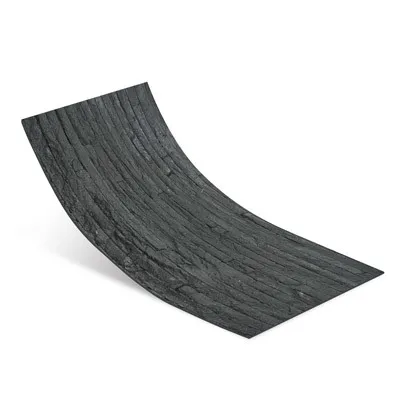
Let's get technical— but don't worry, I'll keep it simple. "Cementitious" just means "cement-based." But Muretto Stone isn't made with the same cement you'd find in a sidewalk. It uses modified cementitious materials, which are basically regular cement that's been given a boost with additives and tweaks to make it perform better. Think of it like coffee: regular cement is black coffee, strong but basic. Modified cementitious materials are your favorite latte—same base, but with extra ingredients (like milk, sugar, or a dash of cinnamon) that make it smoother, richer, and more enjoyable.
So why "modified"? Traditional cement is great for foundations and driveways, but it's not exactly known for being pretty or flexible. Muretto Stone's modified cement is engineered to fix those shortcomings. It's stronger, more resistant to cracks, and can be molded into textures that mimic natural stone—without the heaviness or unpredictability of the real thing. It's the reason Muretto Stone can be used for everything from interior accent walls to exterior facades, and why it feels so different under your fingertips.
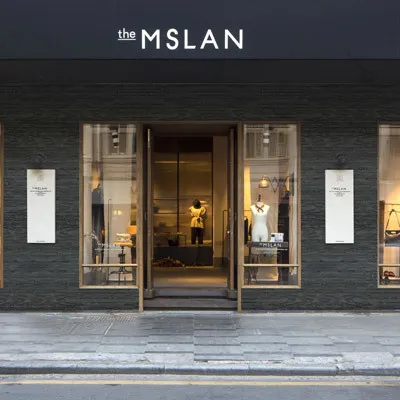
Let's play chemist for a minute. If Muretto Stone is a cake, what's in the batter? Here's the breakdown of its key ingredients, each playing a crucial role in making the final product shine:
1. The Base: Portland Cement
At its core, Muretto Stone starts with Portland cement—the same stuff used in most concrete. But not just any Portland cement: it's a high-quality, fast-curing variant that forms the "glue" holding everything together. Think of it as the flour in our cake recipe—basic, but essential for structure.
2. The Fillers: Aggregates with a Purpose
Next, we add aggregates—small particles like sand, crushed stone, or even recycled materials. These aren't just there to bulk up the mix; they're chosen for their texture and weight. Fine sand gives Muretto Stone its smooth finish, while tiny pebbles add subtle grit that catches the light. It's like adding chocolate chips or nuts to the cake—they change the texture, making every bite (or touch) more interesting.
3. The Boosters: Modifiers & Additives
This is where the "modified" in modified cementitious comes in. Additives like polymers (think: tiny plastic molecules) and fibers (glass or synthetic) are mixed in to strength and flexibility. Polymers make the material more resistant to water and weather, while fibers act like tiny reinforcement bars, preventing cracks from spreading. It's like adding baking powder to the cake—small, but it makes the whole thing rise (or in this case, perform better).
4. The Finishing Touch: Pigments & Sealers
Finally, pigments are added to create those signature colors:
muretto stone (light grey)
,
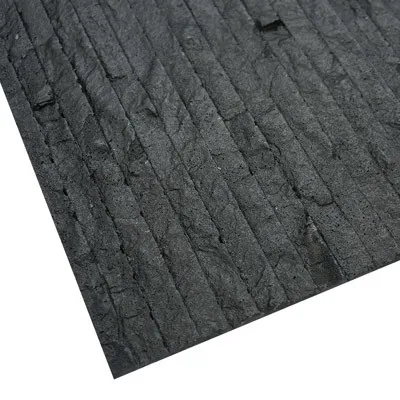
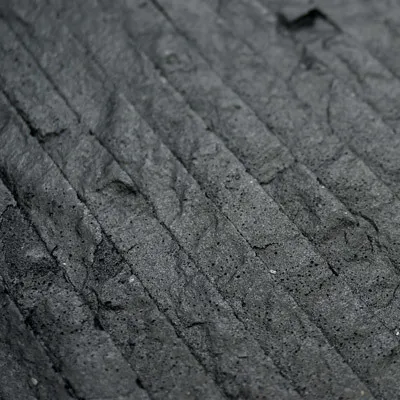
muretto stone (dark grey)
, and
muretto stone (beige)
. These pigments aren't just surface-deep—they're mixed into the entire batch, so the color runs through the material, not just on top. After curing, a sealer is applied to protect the surface and enhance the texture, making it easier to clean and more resistant to stains. It's like adding frosting and a glaze to the cake—making it look as good as it tastes (or in this case, feels).
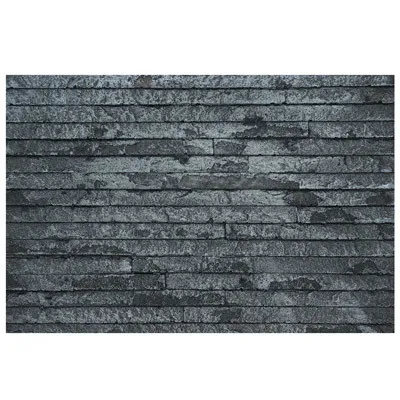
Now that we know the ingredients, let's walk through how Muretto Stone goes from a pile of powders to a panel ready to transform your space. It's a process that balances precision with artistry—part science lab, part workshop.
Step 1: Mixing the "Batter"
First, the ingredients are measured out in exact proportions. Cement, aggregates, modifiers, pigments, and water are mixed in a large drum until they form a smooth, thick paste. This isn't a haphazard process—too much water, and the stone becomes weak; too little, and it won't flow into the mold. The mixers are calibrated to the minute, ensuring consistency batch after batch.
Step 2: Pouring & Molding
Next, the paste is poured into molds. These molds are where the magic of texture happens—some have subtle grooves, others mimic the look of natural stone, and some are smooth as butter. The molds are vibrated gently to remove air bubbles (no one wants holes in their wall!), then left to set for a few hours. It's like pouring cake batter into a pan and tapping it to get rid of air—you want that perfect, even finish.
Step 3: Curing for Strength
After the initial set, the panels are moved to a curing chamber—a humid, temperature-controlled room where they harden slowly. This isn't a quick process; it can take days. Curing allows the cement to form strong chemical bonds, making the stone resistant to cracks and weather. It's like letting the cake cool before frosting—rushing it would ruin all the hard work.
Step 4: Finishing & Quality Check
Once cured, the panels are removed from the molds, trimmed to size, and sanded or sealed to refine the texture. Each panel is inspected by hand—no automated checks here. If a panel has a blemish, it's rejected. This attention to detail is why Muretto Stone feels so premium; every piece has been touched by skilled workers who care about the end result.
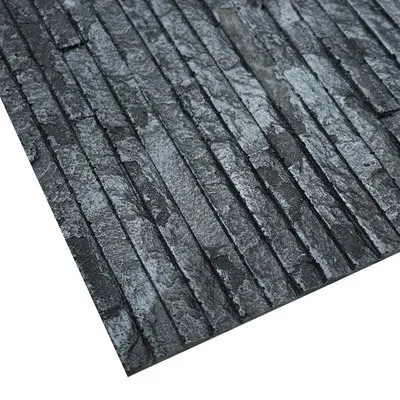
Okay, so it's made with care—but what can it do ? Let's break down the properties that make Muretto Stone a favorite among designers:
Lightweight but Strong
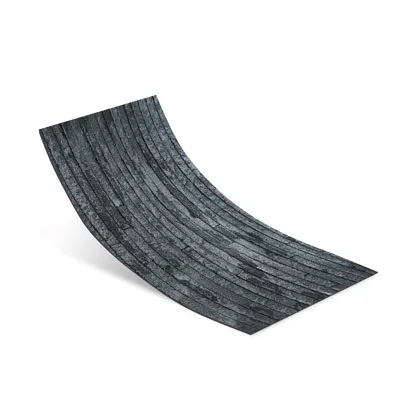
Natural stone is heavy—so heavy, in fact, that it often requires extra structural support. Muretto Stone, thanks to its modified cementitious mix, is significantly lighter (up to 30% lighter than some natural stones) but just as strong. That means you can use it on walls, ceilings, even furniture, without worrying about sagging or damage.
Durable as a Rock (Pun Intended)
Water, fire, UV rays—Muretto Stone laughs in the face of them. The polymers in the mix make it water-resistant, so it won't warp or mold in humid bathrooms or rainy exteriors. It's also fire-rated, making it a safe choice for kitchens or commercial spaces. And unlike wood or paint, it won't fade in the sun—those rich colors stay vibrant for years.
Aesthetically Versatile
Here's where the color variations shine.
Muretto stone (light grey)
is soft and neutral, perfect for bright, airy spaces. It pairs beautifully with white walls and natural wood, adding warmth without overwhelming.
Muretto stone (dark grey)
is bold and moody—ideal for creating contrast in modern or industrial designs. It looks stunning with metal accents and dim lighting, like a cozy cave you'd want to curl up in. And
muretto stone (beige)
? It's the chameleon of the bunch—warm, earthy, and endlessly adaptable. It works in bohemian, rustic, or even coastal styles, bringing a touch of nature indoors.
Easy to Install (and Live With)
Unlike natural stone, which requires specialized tools and heavy lifting, Muretto Stone panels are lightweight and easy to cut, drill, or nail. Even DIYers can handle small projects. And maintenance? A quick wipe with a damp cloth is usually all it takes. No sealing every year, no polishing—just enjoy it.
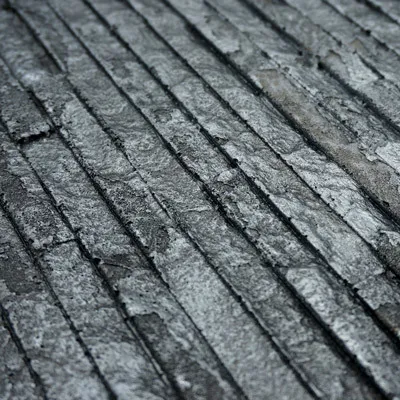
Let's zoom in on the three stars of the show: light grey, dark grey, and beige. Each has its own personality, and choosing the right one can transform a space.
Muretto Stone (Light Grey): The Neutral Hero
Light grey Muretto Stone is like a blank canvas with texture. Its soft, silvery tone has warm undertones that keep it from feeling cold (looking at you, plain concrete). Run your hand over it, and you'll notice tiny variations in color—almost like the surface of a moonlit lake. It's perfect for small spaces, as it reflects light and makes rooms feel larger. Use it in bedrooms, home offices, or kitchens where you want calm without boredom.
Muretto Stone (Dark Grey): The Bold Statement
Dark grey is for the risk-takers, the ones who want a space that feels intentional. Its deep, moody color has a subtle sheen that catches light, creating depth. It's not flat or—up close, you'll see specks of lighter grey and even hints of blue, like a stormy sky. Pair it with brass fixtures and warm wood for a luxe feel, or with white and black for a high-contrast modern look. Think feature walls in living rooms or accent panels in restaurants—spaces where you want people to stop and say, "Wow."
Muretto Stone (Beige): The Earthy Comfort
Beige Muretto Stone is like a hug in material form. Its warm, sandy tone has hints of cream and taupe, evoking sun-baked adobe or desert landscapes. The texture here is slightly more pronounced, with tiny indentations that feel like they've been weathered by wind. It pairs beautifully with plants, terracotta, and natural fibers, making it ideal for bohemian or coastal spaces. Use it in entryways to welcome guests, or in bedrooms for a cozy, cabin-like vibe.
| Color | Aesthetic Vibe | Best For | Pro Tip |
|---|---|---|---|
| Muretto Stone (Light Grey) | Airy, calm, modern | Small rooms, home offices, minimalist spaces | Pair with warm wood tones to avoid feeling sterile. |
| Muretto Stone (Dark Grey) | Dramatic, bold, sophisticated | Feature walls, commercial spaces, moody bedrooms | Use in well-lit rooms to prevent it from feeling too heavy. |
| Muretto Stone (Beige) | Warm, earthy, inviting | Entryways, living rooms, bohemian or coastal styles | Add greenery to enhance the natural, organic feel. |
The short answer: almost anywhere. Muretto Stone's versatility is one of its biggest selling points. Here are just a few ways designers are using it:
Interior Accent Walls
This is the most common use, and for good reason. A Muretto Stone accent wall can turn a plain room into a statement. Imagine a bedroom with white sheets, a wooden bed, and a
muretto stone (beige)
wall behind the headboard—it feels like a retreat. Or a home theater with
muretto stone (dark grey)
walls, absorbing sound and creating a cozy, immersive vibe.
Exterior Facades
Thanks to its weather resistance, Muretto Stone works outdoors too. Modern homes often use
muretto stone (light grey)
on the exterior, paired with large windows and metal roofs for a sleek, contemporary look. It stands up to rain, snow, and UV rays, so it won't fade or crack over time.
Fireplaces & Kitchen Backsplashes
Fireplaces are all about ambiance, and Muretto Stone adds texture without the hassle of natural stone. Its fire resistance makes it safe, and the heat brings out the depth of the color. In kitchens, a
muretto stone (light grey)
backsplash adds subtle interest without competing with bold countertops or cabinetry.
Furniture & Decor
Think outside the wall! Designers are using Muretto Stone for coffee tables, shelving units, even planters. A
muretto stone (dark grey)
coffee table in a living room becomes a focal point, its weight grounding the space. And because it's lightweight, it's easy to move (yes, even furniture made from it).
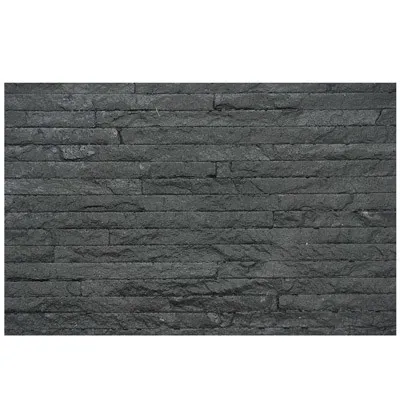
Let's be real: there are other cement-based materials out there. How does Muretto Stone compare to, say, fair-faced concrete or regular cement board?
Muretto Stone vs. Fair-Faced Concrete
Fair-faced concrete is known for its raw, industrial look, but it's often cold and porous. Muretto Stone, on the other hand, has a warmer texture and is sealed, making it easier to clean. It's also more consistent in color—no random dark spots or cracks like you might get with fair-faced concrete. If you want industrial-chic without the maintenance, Muretto Stone is the way to go.
Muretto Stone vs. Regular Cement Board
Cement board is durable but utilitarian—it's meant to be covered with tile or paint, not shown off. Muretto Stone is designed to be seen; its texture and color are part of the appeal. It's also more flexible than cement board, making it easier to install on curved surfaces or ceilings.
Muretto Stone vs. Natural Stone
Natural stone (like marble or travertine) is beautiful but heavy, expensive, and porous. Muretto Stone mimics the look of natural stone but is lighter, cheaper, and easier to maintain. It won't etch if you spill wine on it, and it doesn't require annual sealing. For most people, it's the better choice—same beauty, less hassle.
At the end of the day, what really sets Muretto Stone apart is the way it makes you feel. There's a reason designers gush about it: it's not just a material—it's a collaborator in creating mood and atmosphere. When you run your hand over it, you're not touching something mass-produced; you're touching the result of careful science, skilled labor, and a commitment to quality.
I remember visiting a friend's home last year, and the first thing I noticed was their Muretto Stone wall. It was muretto stone (beige) , behind a leather couch and a stack of books. The afternoon light hit it, and suddenly the whole room felt warm, like a cabin in the woods. My friend said, "I wanted something that felt alive, not just built." That's Muretto Stone in a nutshell: alive.
If you want a material that's strong, beautiful, and versatile—one that can turn a house into a home, or a commercial space into an experience—then yes. Whether you go with light grey, dark grey, or beige, Muretto Stone brings something rare to the table: soul. It's not just about building walls; it's about building spaces that make people feel something.
So the next time you're planning a renovation, or just daydreaming about your perfect space, consider Muretto Stone. Run your hand over a sample, watch how it catches the light, and imagine it in your home. Chances are, you'll fall in love—just like so many others have.
Recommend Products












