
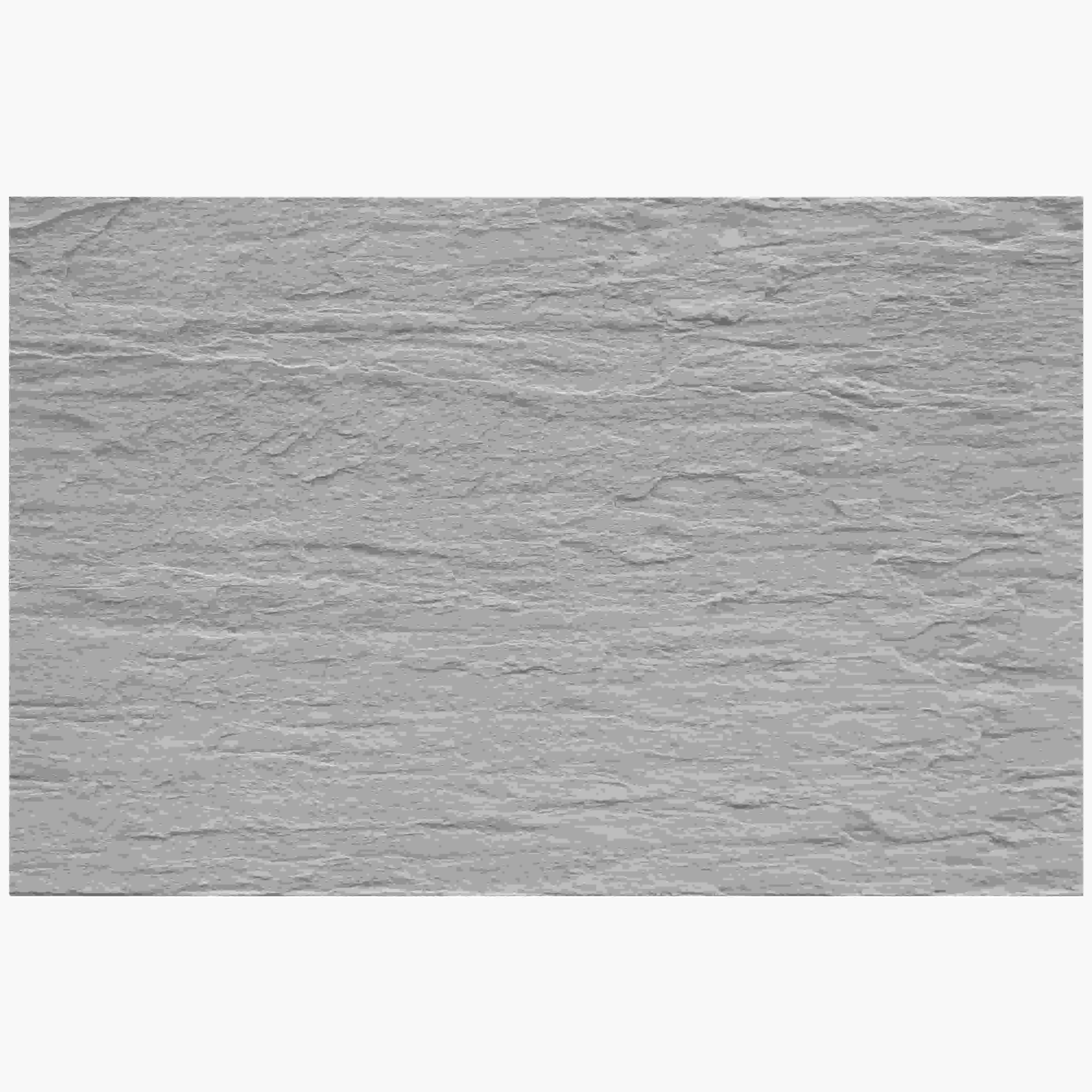
Walk into any modern building—whether it's a bustling office lobby, a cozy café, or a sleek hotel—and you'll notice how building materials shape the space. They set the mood, reflect architectural vision, and, perhaps most importantly, keep us safe. In a world where design and safety often feel like opposing forces, materials that balance both are worth their weight in gold. Enter Oasis Stone Regular, a standout product in the MCM (Modified Composite Material) family that's redefining what we expect from cladding solutions. More than just a pretty face, this material has quietly become a champion of fire resistance, a feature that's non-negotiable in today's construction landscape. Let's dive into what makes Oasis Stone Regular a game-changer, and why its fire-resistant properties are making it a top choice for architects and builders alike.

Before we get into fire resistance, let's get to know Oasis Stone Regular. Part of the broader MCM flexible stone product line, it's engineered to mimic the look and texture of natural stone—think the warmth of sandstone, the depth of travertine, or the ruggedness of slate—without the bulk or brittleness of traditional stone. MCM flexible stone, as a category, is celebrated for its lightweight nature, durability, and design versatility, and Oasis Stone Regular takes these qualities a step further with its focus on safety.
At its core, Oasis Stone Regular is a composite material made from a blend of natural minerals (like marble powder and quartz) and a modified polymer matrix. This combination isn't just about aesthetics; it's a deliberate engineering choice to create a material that's both flexible (so it can be curved or shaped to fit unique designs) and tough. But what truly sets it apart is how these components work together to resist fire—a feature that's becoming increasingly critical as building codes evolve and safety standards rise.

Fire resistance in construction isn't just a box to tick for building inspectors. It's about protecting lives, preserving property, and giving people precious time to evacuate in an emergency. When a fire breaks out, the materials a building is clad with can either slow the spread or fuel the flames. In high-rise apartments, hospitals, schools, and commercial spaces, every second counts. A material with strong fire resistance doesn't just prevent itself from catching fire; it also acts as a barrier, insulating the structure behind it and delaying the collapse of critical elements like walls and ceilings.
Consider this: according to the National Fire Protection Association, fires in commercial buildings cause billions of dollars in damage annually, and a significant portion of that damage is due to materials that fail to resist combustion. Architects and builders are under growing pressure to choose materials that don't just meet minimum code requirements but exceed them. That's where Oasis Stone Regular comes in—it's not just compliant; it's a proactive choice for safety.
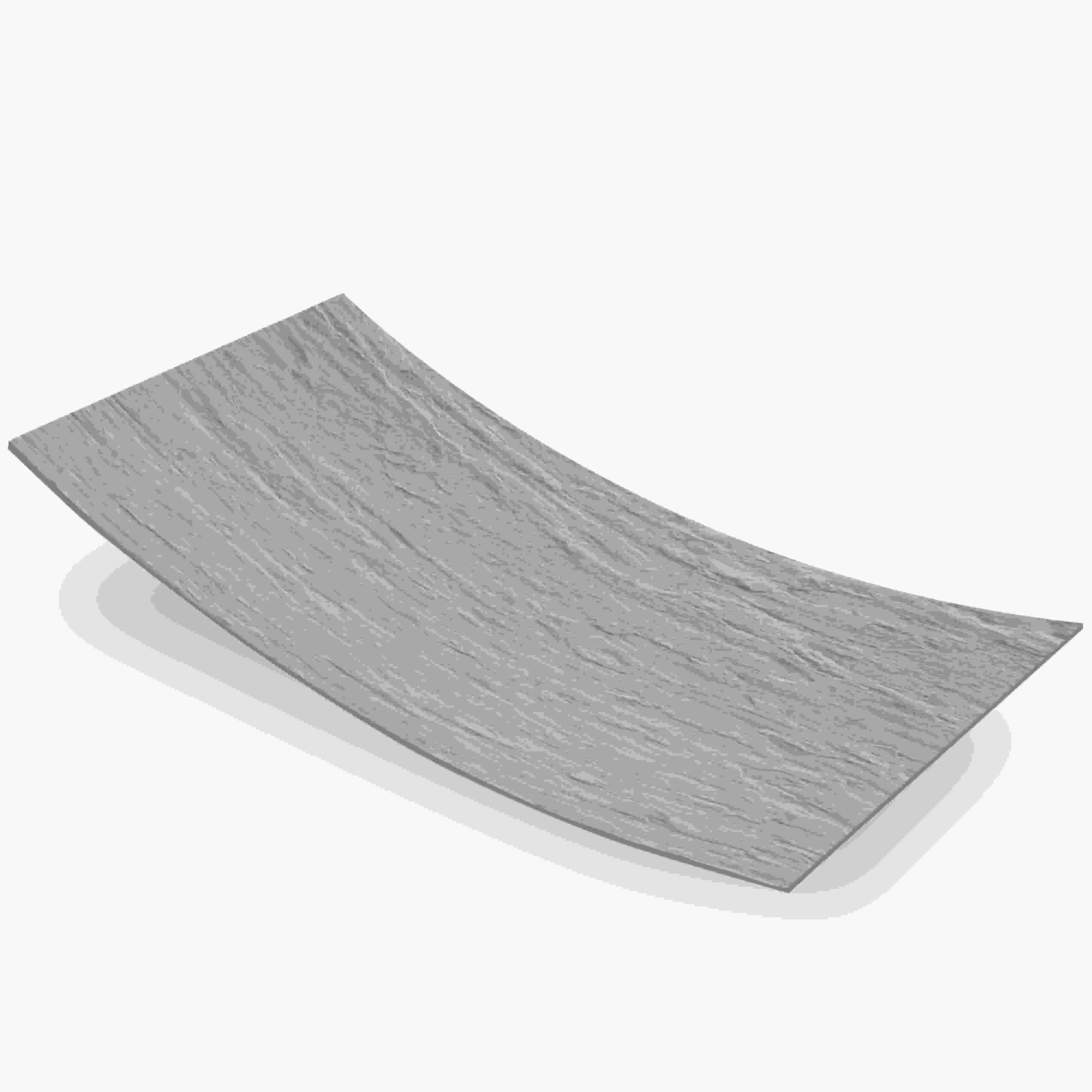
So, how does Oasis Stone Regular stand up to fire? Let's break it down. First, its composition is key. Unlike some synthetic cladding materials that rely on flammable resins or plastics, Oasis Stone Regular's base is inorganic—meaning it's made from materials that don't burn easily. The natural minerals in its core are non-combustible, and the polymer matrix used is specially formulated to have a high ignition point. When exposed to high heat, instead of melting or dripping (which can spread fire), Oasis Stone Regular chars minimally and maintains its structural integrity.
Another factor is its low thermal conductivity. In simple terms, it doesn't transfer heat quickly. This means that even if one side is exposed to flames, the other side stays relatively cool, protecting the building's structural frame and the spaces inside. Traditional materials like vinyl siding or even some natural stones (which can crack under extreme heat) often lack this insulation-like property. Oasis Stone Regular, on the other hand, acts as a thermal barrier, buying time for firefighters to contain the blaze.
Testing plays a big role here, too. Most reputable manufacturers subject their products to rigorous fire tests, and Oasis Stone Regular typically earns a fire rating of A1 or A2 under European standards (EN 13501-1), which are among the strictest in the world. An A1 rating means the material is non-combustible—no contribution to fire, no smoke, no flaming droplets. For context, that's the same rating as concrete or steel, but with the added benefits of being lightweight and design-friendly.

To truly appreciate Oasis Stone Regular's fire resistance, it helps to compare it to other common cladding materials. Let's take a look at how it stacks up against a few popular options:
| Material | Fire Rating (EN 13501-1) | Key Fire-Resistant Features | Typical Applications |
|---|---|---|---|
| Oasis Stone Regular | A1 (Non-combustible) | Inorganic mineral core, low thermal conductivity, no toxic fume emission | Commercial exteriors, high-rise buildings, hospitals, schools |
| Fair-Faced Concrete | A1 (Non-combustible) | High density, slow heat transfer | Industrial buildings, brutalist architecture |
| Historical Pathfinders Stone | Varies (often B or C) | Natural stone, but may crack under heat; limited modern testing | Heritage restorations, traditional facades |
| Standard Vinyl Siding | D (Highly flammable) | None; melts and drips when exposed to fire | Residential exteriors (budget options) |
Fair-faced concrete, for example, also has an A1 rating, but it's heavy and lacks the design flexibility of Oasis Stone Regular. You won't find fair-faced concrete curved around a modern art museum or shaped into intricate patterns the way you can with MCM flexible stone. Historical Pathfinders Stone, a material used in heritage projects, might have a rustic charm, but its fire resistance is often untested by modern standards, and it can crack under high heat, compromising its structural role. Vinyl siding, on the other hand, is a budget-friendly option but highly flammable—hardly a match for Oasis Stone Regular's safety credentials.
Oasis Stone Regular isn't just a lab success story—it's proving its mettle in real buildings around the world. Take, for example, a recent high-rise residential project in downtown Chicago. The architects wanted a material that looked like natural travertine but could be installed quickly and safely on the building's curved facade. Oasis Stone Regular fit the bill, and its A1 fire rating was a deciding factor for the city's strict fire codes. During construction, the lightweight panels were easier to lift and install than traditional stone, saving time and labor costs, while the fire resistance gave residents peace of mind.
Another example is a children's hospital in Madrid. Here, the design team prioritized both safety and a calming environment. Oasis Stone Regular was chosen for its soft, natural texture (resembling sandstone) and its fire resistance. In a hospital, where patients may have limited mobility, every safety feature counts. The material's ability to resist fire and emit no toxic fumes in high heat was critical in ensuring the building met the hospital's rigorous safety standards.
Fire resistance is a star feature, but Oasis Stone Regular has more to offer. For starters, it's lightweight—about 80% lighter than natural stone—making it easier to transport, handle, and install. This not only reduces construction time but also lowers the load on the building's structure, which can save money on foundational work. Its flexibility is another win; it can be bent to a radius of as little as 30cm, allowing for creative architectural designs that would be impossible with rigid materials like natural stone or fair-faced concrete.
Durability is another key benefit. Oasis Stone Regular is resistant to moisture, UV rays, and extreme temperatures, so it won't fade, crack, or warp over time. This means less maintenance and longer lifespans for buildings, which ties into another important trend: green building materials. Sustainability isn't just about being eco-friendly in production; it's also about creating materials that last, reducing the need for frequent replacements. Oasis Stone Regular fits the bill here, aligning with the goals of green building by minimizing waste and energy use over its lifetime.
As cities grow taller and building designs become more ambitious, the demand for materials that balance safety, aesthetics, and sustainability will only increase. Oasis Stone Regular is at the forefront of this shift, proving that you don't have to sacrifice one for the other. Its fire resistance isn't an afterthought; it's a core part of its identity, engineered into every panel from the ground up.
For architects, this means more freedom to design bold, beautiful spaces without compromising on safety. For builders, it means a material that's easy to work with and reliable. For occupants, it means peace of mind, knowing that the walls around them are doing more than just looking good—they're working hard to keep them safe.
Oasis Stone Regular isn't just another cladding option. It's a testament to how far building materials have come—blending the best of nature and technology to create something truly exceptional. Its fire resistance properties are a game-changer, but they're just part of the package. When you choose Oasis Stone Regular, you're choosing a material that's safe, sustainable, flexible, and stunningly beautiful. In a world where we spend so much of our lives inside buildings, that's a choice worth celebrating.
So the next time you walk past a building with a striking stone-like facade, take a closer look. It might just be Oasis Stone Regular—quietly standing guard, proving that safety and beauty can coexist, and even thrive, together.
Recommend Products












