
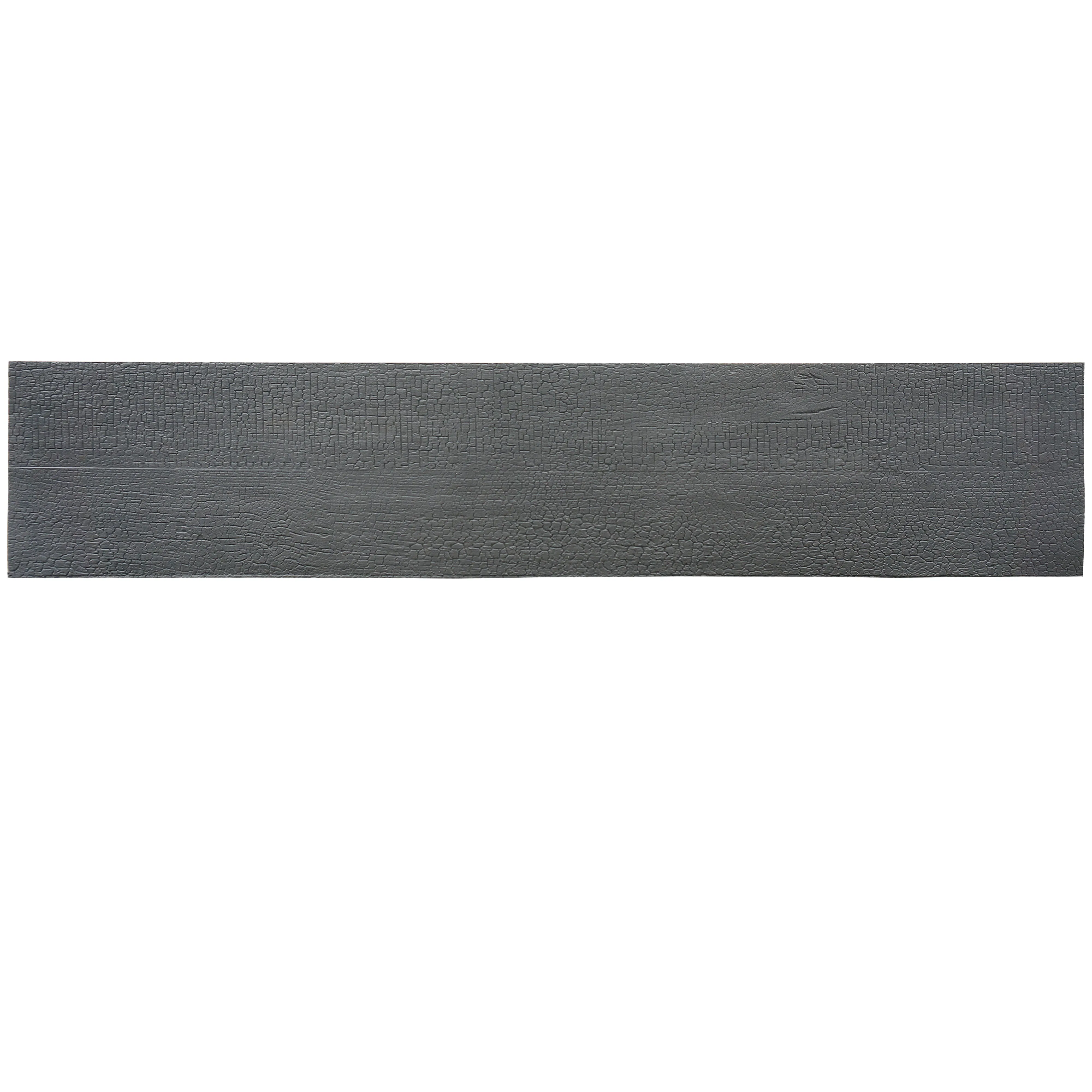
Walk into a modern boutique hotel lobby, and you might find yourself drawn to a wall that feels both rugged and refined—its surface a deep, smoky black with subtle wood grain peeking through, warm to the touch despite its charred appearance. That's charcoal burnt wood board in action. It's a material that tells a story: of fire taming wood, of nature meeting craftsmanship. But beneath that striking texture lies a hidden detail that makes or breaks its longevity, feel, and even safety: pH. You might be thinking, "pH? Isn't that just for pool water or soil?" Turns out, it's the unsung hero of the materials we build our world with—especially when it comes to wood that's been kissed by flame.
Let's start with the basics, no lab coat required. pH is simply a measure of how acidic or alkaline a substance is. Picture a scale from 0 to 14: 0 is super acidic (think lemon juice), 14 is highly alkaline (like baking soda), and 7 is neutral (pure water). Now, why does this matter for something as tangible as a wood board? Because acidity and alkalinity aren't just chemistry terms—they're forces that shape how materials behave over time. A board that's too acidic might corrode the nails holding it up. Too alkaline, and paint or sealant might peel right off. Even the way it feels under your hand—smooth vs. chalky—can tie back to pH. For charcoal burnt wood, which balances beauty and brawn, getting this balance right is like tuning a guitar: a little off, and the whole piece falls flat.
Take that hotel lobby wall again. If its pH is too high (alkaline), over time, you might notice a powdery film forming on the surface—that's the wood "sweating" minerals, a sign it's breaking down. Too low (acidic), and the wood could start to crumble, its once-rich color fading to a dull gray. Suddenly, that "rustic charm" becomes a maintenance headache. So whether you're a homeowner, designer, or just someone who appreciates a well-made space, pH isn't just science—it's the secret to making sure your favorite materials stick around.
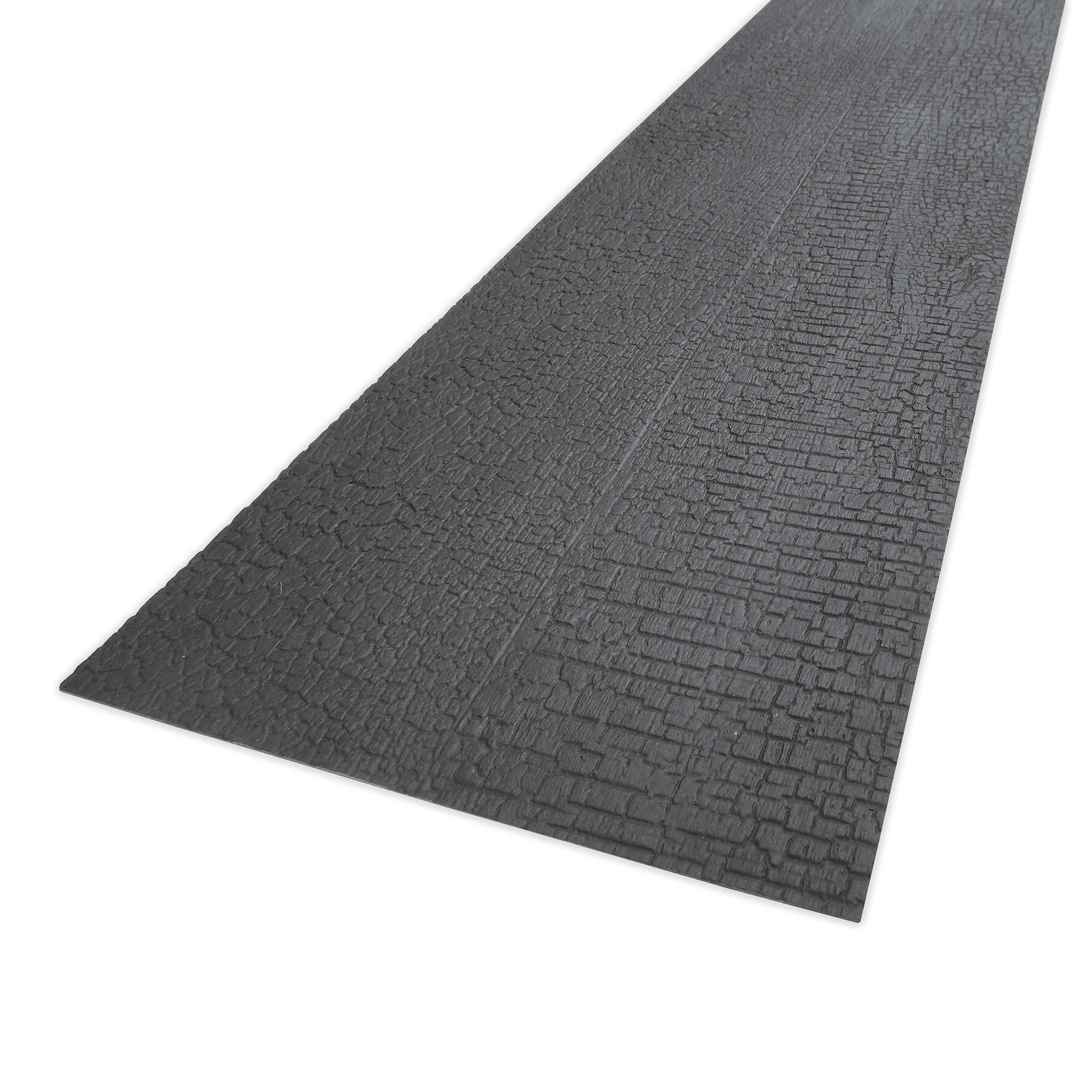
To understand why pH matters here, let's first unpack how charcoal burnt wood board is born. It starts with raw wood—often oak, cedar, or pine—chosen for its density and grain. Then, skilled craftsmen (or modern machines) apply controlled flames to the surface. The fire chars the wood, burning off moisture and organic compounds, leaving behind a layer of charcoal. This isn't your backyard bonfire; it's a precise dance of temperature (usually 400–600°C) and timing. Burn too hot, and the wood turns to ash; too cool, and the char layer is thin and weak.
This burning process doesn't just change the wood's look—it flips its chemistry. Unburnt wood is slightly acidic, thanks to natural compounds like tannins. But when you char it, something magical happens: the heat breaks down those acidic molecules, and the remaining charcoal becomes alkaline. Think of it like roasting coffee: the beans start bitter (acidic) and turn rich and slightly sweet (more alkaline) as they're roasted. For most charcoal burnt wood boards, the pH lands somewhere between 8 and 10—mildly alkaline. That's a sweet spot: enough to resist mold and pests (they hate alkaline environments) but not so much that it wreaks havoc on finishes.
But here's the catch: not all charred wood is created equal. A board made from pine (naturally more acidic) might end up with a lower pH than one from cedar (naturally more alkaline) after burning. The duration of the burn matters too—longer burns at lower temps can create a thicker, more alkaline char layer. Even the way it's cooled post-burn affects pH: dousing with water might introduce minerals that nudge pH up, while air-cooling keeps it more stable. It's a reminder that every charred wood board has its own "pH fingerprint," shaped by the choices made long before it reaches your wall.
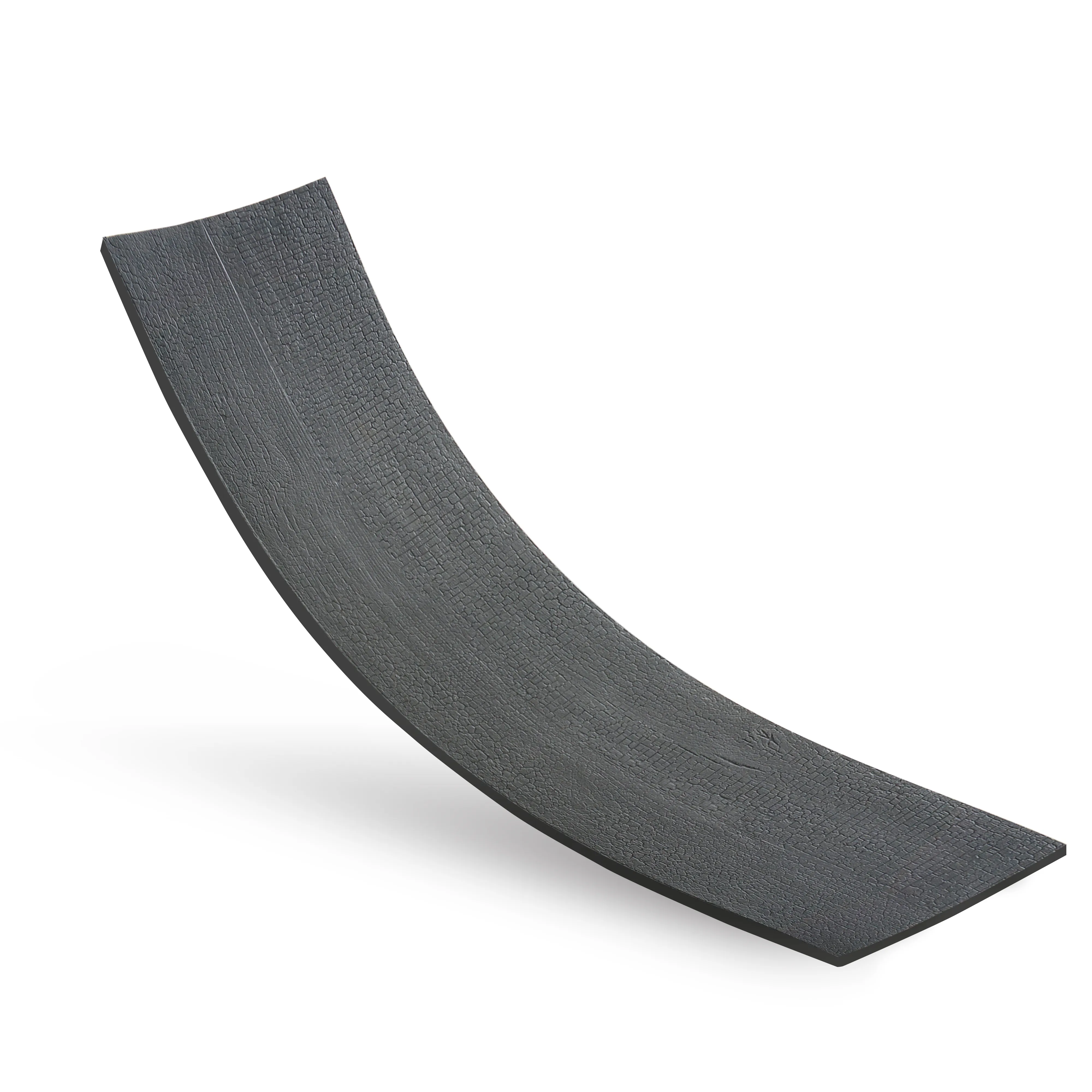
You might be wondering, "How do you even test the pH of a solid piece of wood?" It's not as simple as dipping a strip into a liquid. The process is a bit like making a very scientific cup of tea. First, a small sample of the charred layer is ground into a fine powder (think coffee grounds). Then, it's mixed with distilled water (neutral pH, so it doesn't skew results) and stirred. After letting it sit for 30 minutes (to let the chemicals leach out), a pH meter—like the kind gardeners use for soil—is dipped in. The reading tells you whether your board is acidic, neutral, or alkaline.
Manufacturers do this testing to ensure consistency, but it's not just for factories. If you're considering charred wood for a DIY project, you can buy a soil pH test kit (they work surprisingly well!) and do a rough check at home. Just scrape off a tiny bit of char, mix with water, and test. It's a quick way to avoid bringing home a board that's more trouble than it's worth.
Even the best-made charcoal burnt wood board can have its pH thrown off by a few culprits. Let's break them down:
Take, for example, a charred wood fence in a coastal area. The salt in the air and frequent rain might gradually make the wood more acidic, leading to faster rot. But the same board indoors, in a dry climate, could maintain its pH for decades. It's a reminder that context matters—pH isn't a one-and-done measurement; it's a relationship between the material and its environment.
Charcoal burnt wood isn't the only building material with a pH story. Let's see how it holds up against two close cousins: wood concrete board and rammed earth board . Both are popular in modern design for their earthy vibe, but their pH profiles tell very different tales.
| Material | Typical pH Range | What Drives Its pH? | Best For |
|---|---|---|---|
| Charcoal Burnt Wood Board | 8–10 (mildly alkaline) | char layer from burning; wood type | Accent walls, feature ceilings, indoor/outdoor siding (with sealant) |
| Wood Concrete Board (Light Grey) | 9–11 (alkaline) | Concrete binder (naturally alkaline); wood fibers add slight acidity | Flooring, exterior cladding, countertops (high durability) |
| Rammed Earth Board (Middle) | 7–8 (neutral to slightly alkaline) | Soil composition (clay vs. sand); lime additives (boost alkalinity) | Rustic interiors, outdoor walls, eco-friendly homes |
| Fair-Faced Concrete | 12–13 (highly alkaline) | Portland cement (calcium hydroxide) | Modern exteriors, industrial-style interiors |
Notice how wood concrete board sits higher on the pH scale? That's thanks to its concrete component—cement is highly alkaline, which gives it strength but can also make it harsh on wood fibers. Manufacturers have to balance that by choosing wood with higher natural pH to avoid a "clash" that weakens the board. Rammed earth board , made from compressed soil, is more mellow—neutral to slightly alkaline—since soil's pH depends on what's in it (clay is often alkaline, sand more neutral). It's why rammed earth feels so "earthy" underfoot: its pH is close to the ground we walk on.
Charred wood, in the middle of the pack, hits that sweet spot for versatility. It's alkaline enough to resist pests but not so much that it fights with finishes. That's why you'll see it in everything from cozy cabins to sleek offices—it plays well with other materials, whether you pair it with weaving (khaki) textiles for warmth or fair-faced concrete for contrast.
Let's get practical. Where does pH make the biggest difference for charcoal burnt wood board?
Indoor vs. Outdoor Use: Outdoor boards need a higher pH (9–10) to stand up to rain, snow, and bugs. Indoor boards can get away with 8–9, since they're sheltered. But watch humidity: a bathroom with charred wood walls? Go for pH 9+ to fight mold.
Health and Air Quality: Alkaline materials like charred wood (pH 8–10) tend to release fewer volatile organic compounds (VOCs) than acidic ones. That means better indoor air quality—important for anyone with allergies or asthma. It's why hospitals and schools are starting to use charred wood in waiting areas: it's beautiful and breathes easy.
Durability for Heirloom Projects: If you're building a charred wood dining table meant to last generations, aim for pH 8.5–9.5. This range resists rot and pests, so your grandkids might be eating on the same table someday.
We've all heard it: "Charred wood? It's fireproof! Rot-proof! Bulletproof!" Spoiler: It's not. char acts like a shield, but it's not invincible. One common myth is that charred wood's pH is "set it and forget it." Not true. Over time, exposure to sun, rain, or even cleaning products can shift pH. For example, using vinegar (acidic) to clean a charred wood shelf might lower its pH, making it more prone to damage. Stick to mild soap and water instead—neutral, so it won't mess with your board's balance.
Another myth: "The darker the char, the higher the pH." While darker char often means a longer burn (and more alkalinity), it's not a hard rule. A quick, hot burn can create a dark char with a sky-high pH (11+), but it's also brittle. A slow, steady burn might leave a lighter char with a stable pH (8–9) and stronger structure. Always test pH, don't just judge by color.
You don't need a chemistry degree to keep your charcoal burnt wood board happy. Here's how:
As we lean into sustainable design, pH is becoming a bigger focus. Imagine a future where charcoal burnt wood boards are "pH-tailored" to their location: higher alkalinity for rainy Seattle, slightly lower for dry Phoenix. Scientists are even experimenting with "pH-stable" charring processes, using controlled gases during burning to lock in the perfect balance. Pair that with innovations like wood concrete board (which blends wood's warmth with concrete's strength) and rammed earth board (eco-friendly and pH-flexible), and we're looking at spaces that are not just beautiful, but built to last—one balanced pH at a time.
The next time you run your hand over a charcoal burnt wood surface, remember: what feels like warmth and texture is also a story of pH. It's the fire that charred the wood, the craftsman who timed the burn, and the care that went into keeping its chemistry just right. pH isn't just a number—it's the reason that board will still look good in 10 years, that wall will feel smooth under your touch, and that space will feel like home. So here's to the hidden science that makes our world more beautiful, durable, and alive. After all, great design isn't just about what you see—it's about what you feel … and that starts with pH.
Recommend Products












