

Red travertine isn't just a building material—it's a piece of Earth's artistry, forged over millennia by the slow dance of mineral-rich waters and time. Walk into a space clad in this stone, and you'll feel it immediately: a warmth that's both rustic and refined, a texture that invites touch, and patterns that seem to tell stories of ancient rivers, volcanic springs, and sun-baked landscapes. Unlike sleek marble or uniform granite, red travertine wears its history on its sleeve—literally. Its pores, veins, and color shifts are not flaws but signatures, making every slab as unique as a fingerprint. In this article, we'll dive into the world of red travertine, exploring its color variations, the science behind its stunning patterns, and why it continues to captivate designers and homeowners alike.
First, let's get back to basics. Travertine itself is a type of sedimentary rock, formed when mineral-rich hot springs or geysers cool and release calcium carbonate deposits. Over time, these deposits build up layer by layer, creating the stone's characteristic porous texture. Red travertine gets its hue from iron oxides—natural pigments in the water that tint the calcium carbonate red, orange, or rusty tones. Think of it as nature's watercolor: the longer the minerals interact with the rock, the deeper and more varied the colors become. This process isn't quick. A single inch of travertine can take hundreds of years to form, which is why each slab feels like a time capsule.
But red travertine isn't a one-note stone. Within this category, there are countless variations, from the star-speckled travertine (starry red) to the weathered charm of travertine (vintage red) , and even the bold, saturated tones of classic red travertine . Each variant has its own personality, making it adaptable to everything from modern minimalist homes to rustic farmhouses.
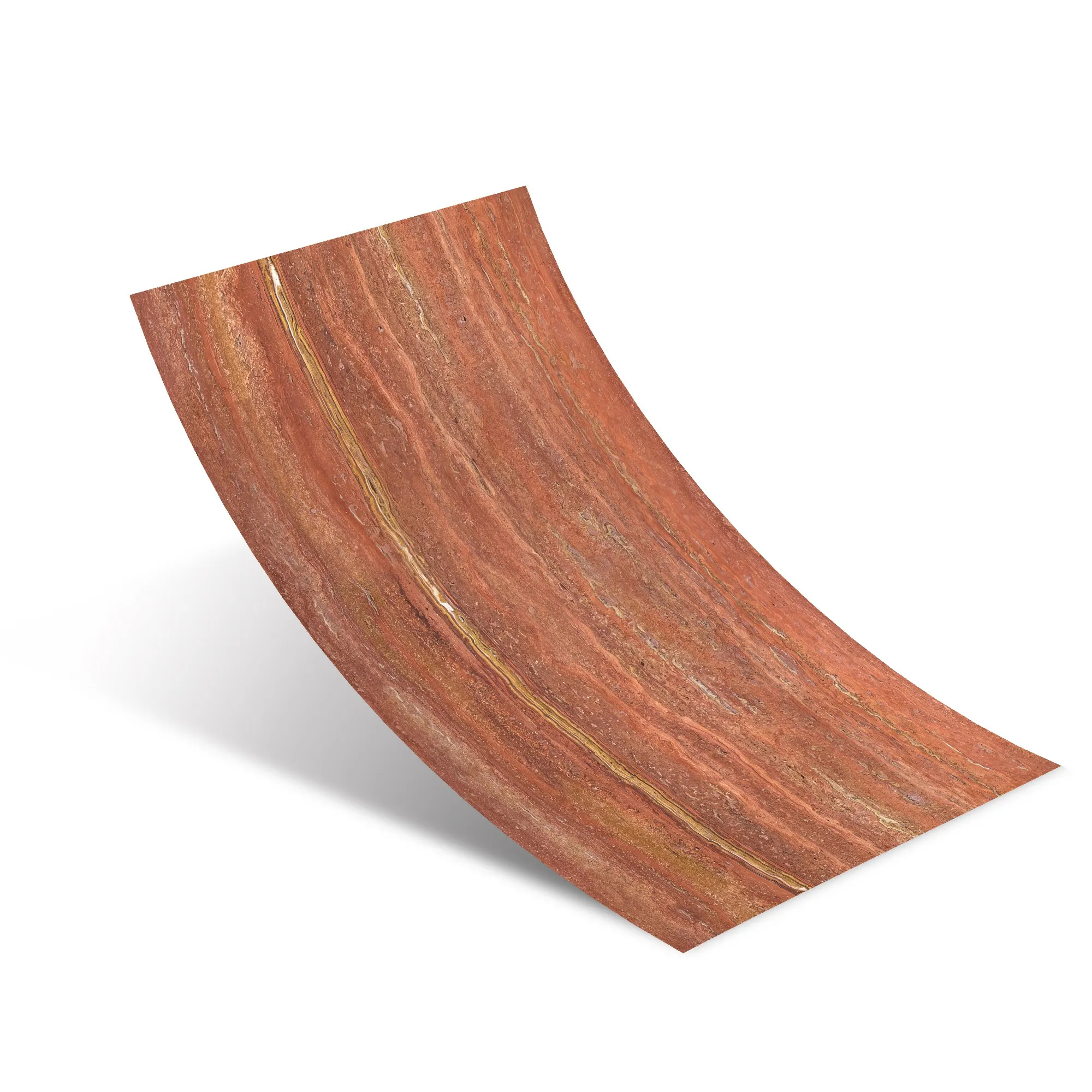
Red travertine's color range is a celebration of earth's fiery side, but it's far from monochromatic. Let's break down some of the most popular variants and what makes each one special:
Imagine a stone that looks like someone spilled a jar of stars across a rusty canvas—that's travertine (starry red) . Its base color leans toward a deep terracotta or brick red, but what steals the show are the tiny, iridescent flecks scattered throughout the slab. These "stars" are actually mineral deposits (often iron pyrite or mica) that crystallized as the stone formed, catching light and adding a subtle shimmer. It's a stone that feels alive in different lighting: warm and cozy under soft indoor bulbs, dynamic and energetic in sunlight. Designers love it for accent walls or fireplace surrounds, where its sparkle can take center stage.
If travertine (vintage red) had a tagline, it would be "classic with character." This variant has a softer, more muted red tone—think aged barn wood or sun-dried clay—with hints of orange or brown that give it a weathered look. Its surface often has a gently honed finish, which softens the color further and highlights the stone's natural pores. Unlike the bold starry red, vintage red feels approachable and lived-in, making it perfect for spaces where comfort is key: kitchen backsplashes, bedroom flooring, or even bathroom vanities. It pairs beautifully with warm woods and neutral textiles, adding depth without overwhelming a room.
For those who crave unapologetic red, classic red travertine delivers. Its color is rich and saturated, ranging from cherry red to brick-red, with minimal veining and a smooth, polished finish that amplifies its intensity. This is the stone that makes a statement—think a grand entryway floor or a feature wall in a modern dining room. What sets it apart is its versatility: despite its bold color, it can feel elegant (paired with gold accents) or industrial (against concrete and steel). It's a favorite for commercial spaces, too, where its durability and eye-catching hue draw customers in.
| Variant Name | Color Profile | Best For |
|---|---|---|
| Travertine (Starry Red) | Deep terracotta base with iridescent speckles | Accent walls, fireplace surrounds, statement pieces |
| Travertine (Vintage Red) | Muted, weathered red with orange/brown undertones | Kitchen backsplashes, bedroom flooring, cozy living spaces |
| Classic Red Travertine | Saturated cherry/brick red with minimal veining | Entryways, commercial feature walls, modern dining rooms |
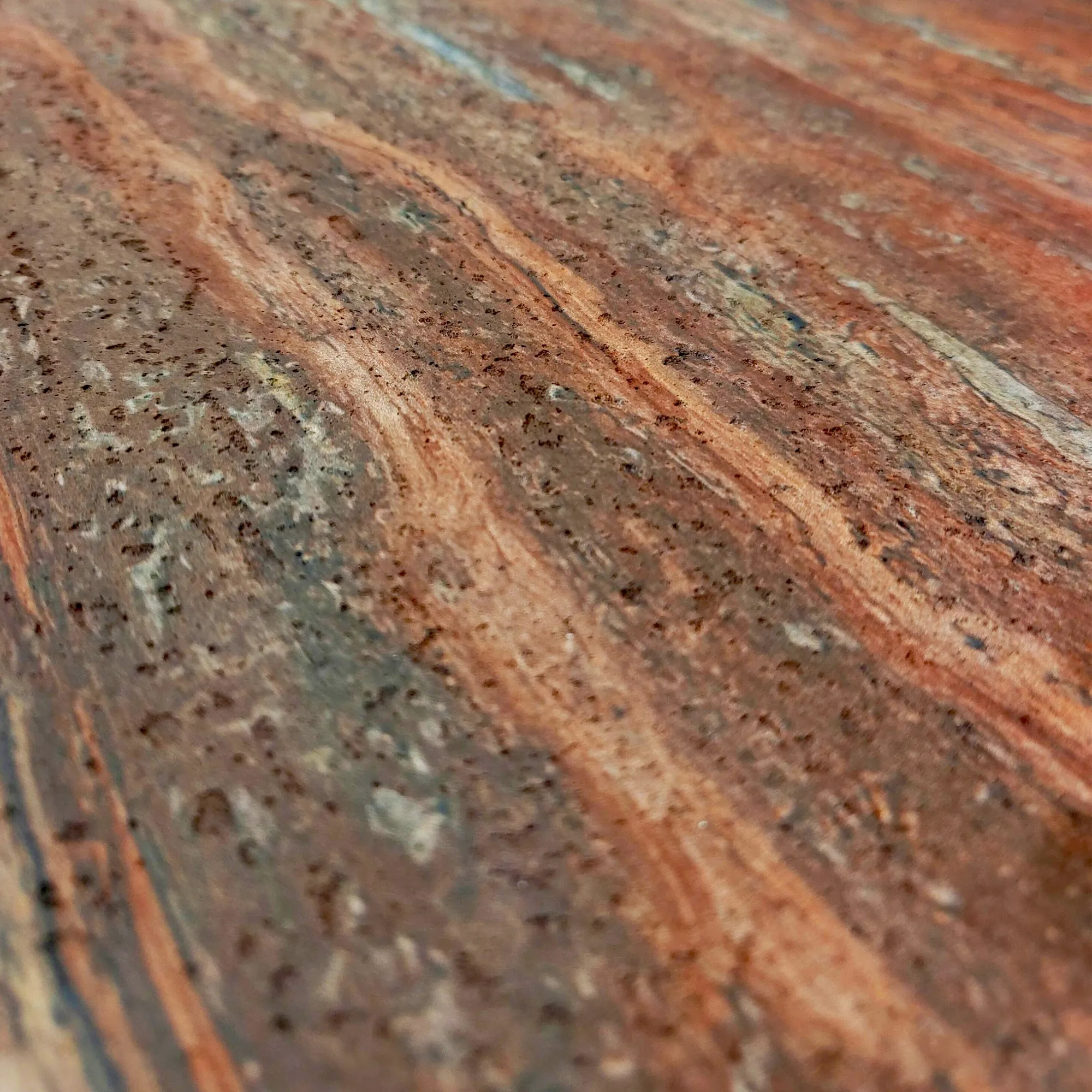
What truly sets red travertine apart isn't just its color—it's the patterns. Unlike man-made materials, which are designed for uniformity, red travertine's patterns are shaped by chaos and time. Let's break down the most common ones and what they reveal about the stone's journey:
Run your hand over a slab of red travertine, and you might notice thin, winding lines that look like dried riverbeds. These are veins, formed when mineral-rich water seeped through cracks in the stone, depositing layers of calcite or iron oxide. Some veins are delicate and wispy, others bold and thick; some follow straight paths, others meander like streams. Each vein tells a story of the pressure, temperature, and flow of the water that created it. In travertine (starry red) , veins often appear as darker red or brown lines, contrasting with the star-speckled base, while in vintage red, they're softer, blending into the stone's weathered palette.
If veins are the "rivers" of red travertine, pores are its "fossilized bubbles." These small, often circular indentations form when carbon dioxide gas escapes from the mineral-rich water as it cools, leaving tiny cavities in the stone. Some pores are small and scattered, like pinpricks; others are larger and clustered, creating a more textured surface. While some might see pores as imperfections, they're actually what give red travertine its character. When sealed properly, they don't compromise durability—in fact, they add grip, making the stone less slippery than polished marble. In design, pores can be filled with resin for a smoother look or left natural for a more rustic feel. Imagine a kitchen countertop with unfilled pores: over time, oils from cooking might stain them slightly, creating a patina that feels like a record of meals shared and memories made.
Look closely at a thick slab of red travertine, and you might spot horizontal bands of varying reds, oranges, or even creams. These layers form when the rate of mineral deposition changes—maybe the water flow slowed, or the temperature dropped, altering the type of minerals left behind. Each band is a snapshot of a moment in geologic time, sometimes spanning hundreds of years. In classic red travertine , these bands are often subtle, adding depth without distraction. In more rustic variants, they're bolder, creating a striped effect that evokes desert landscapes or layered canyon walls. Designers love using these layered slabs vertically, turning a wall into a canvas of Earth's history.
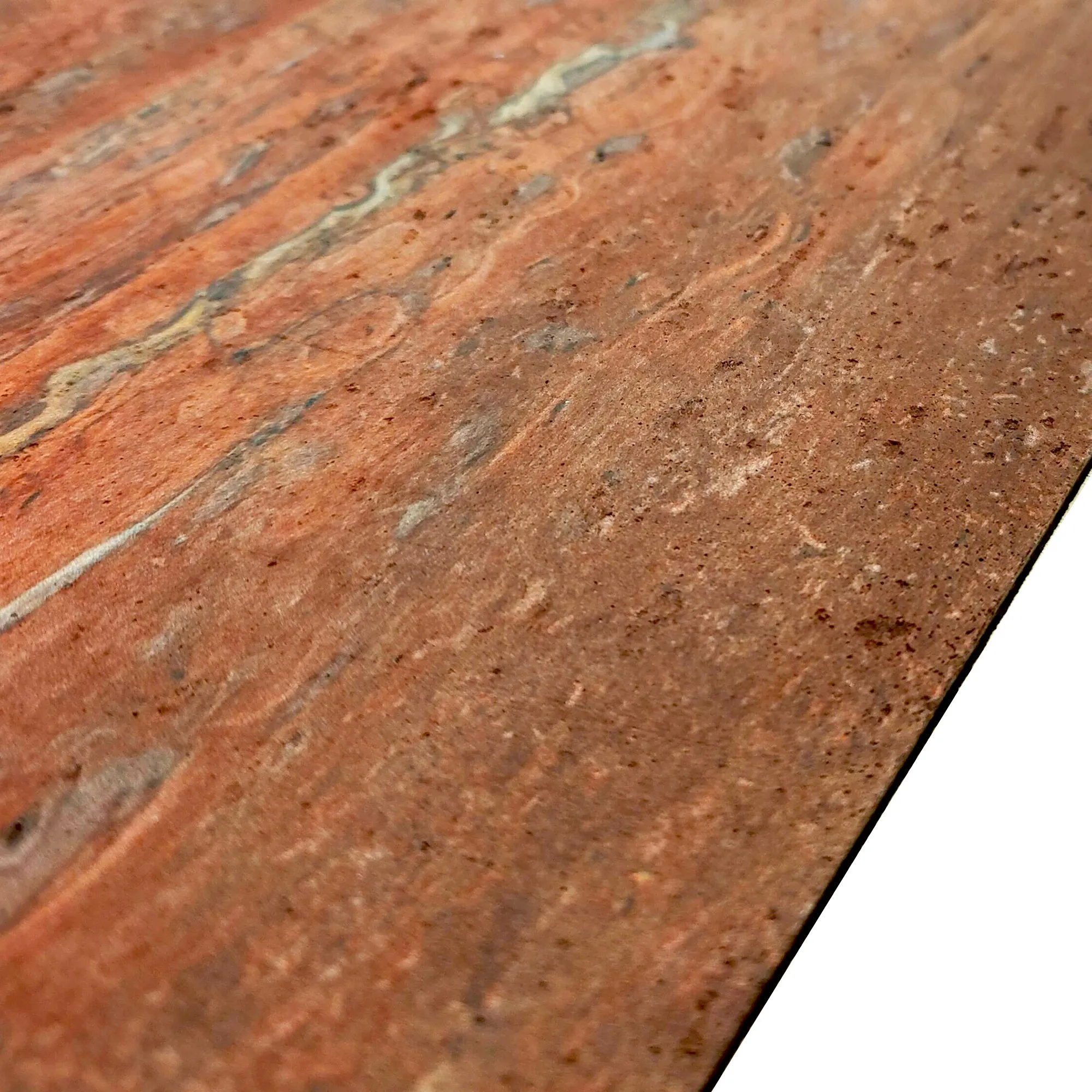
With so many natural stones on the market, why choose red travertine? Let's compare it to a few popular alternatives to see what makes it unique:
Marble is known for its elegance, with bold veining and a polished shine. But red travertine offers something marble can't: warmth. While marble can feel cold and formal, red travertine's earthy tones and porous texture create a cozier vibe. It's also more durable than marble, which is prone to scratching and staining. For high-traffic areas like kitchens or entryways, red travertine is often the smarter choice—though marble still reigns in spaces where luxury is the top priority.
Dolomitic travertine (dark grey) is a close cousin, but with a darker, more muted palette. While red travertine leans into warmth, dolomitic travertine (dark grey) is cool and modern, with a smoother texture and fewer pores. It's a great contrast to red travertine—imagine pairing a red travertine accent wall with dolomitic travertine flooring for a balanced, sophisticated look. Dolomitic travertine is also slightly harder, making it ideal for outdoor use, but red travertine's color makes it a standout for indoor spaces.
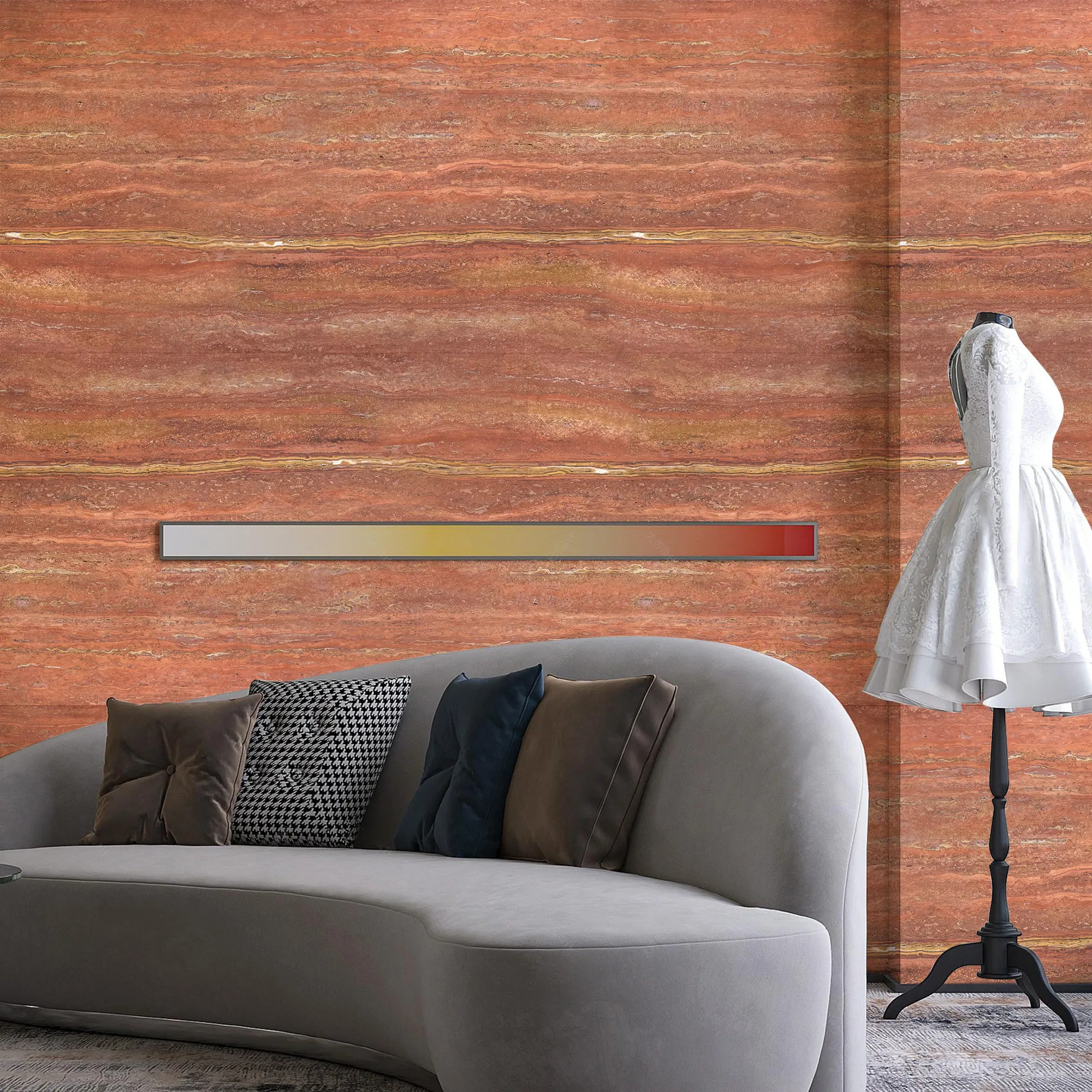
Now that you know the "what" and "why" of red travertine, let's talk about the "how." Here are some ideas for incorporating this versatile stone into your home or project:
Like any natural stone, red travertine needs a bit of care to stay beautiful. Here's how to keep it looking its best:
Red travertine is more than a surface to walk on or lean against—it's a connection to the planet's past. Every vein, pore, and color shift is a reminder of the Earth's power to create beauty slowly, patiently, and uniquely. In a world that often values speed and uniformity, red travertine stands out as a celebration of imperfection and history. Whether you choose starry red, vintage red, or classic red, you're not just adding a stone to your space—you're adding a story. And that, perhaps, is the greatest magic of red travertine: it turns houses into homes, and rooms into stories.
Recommend Products











