
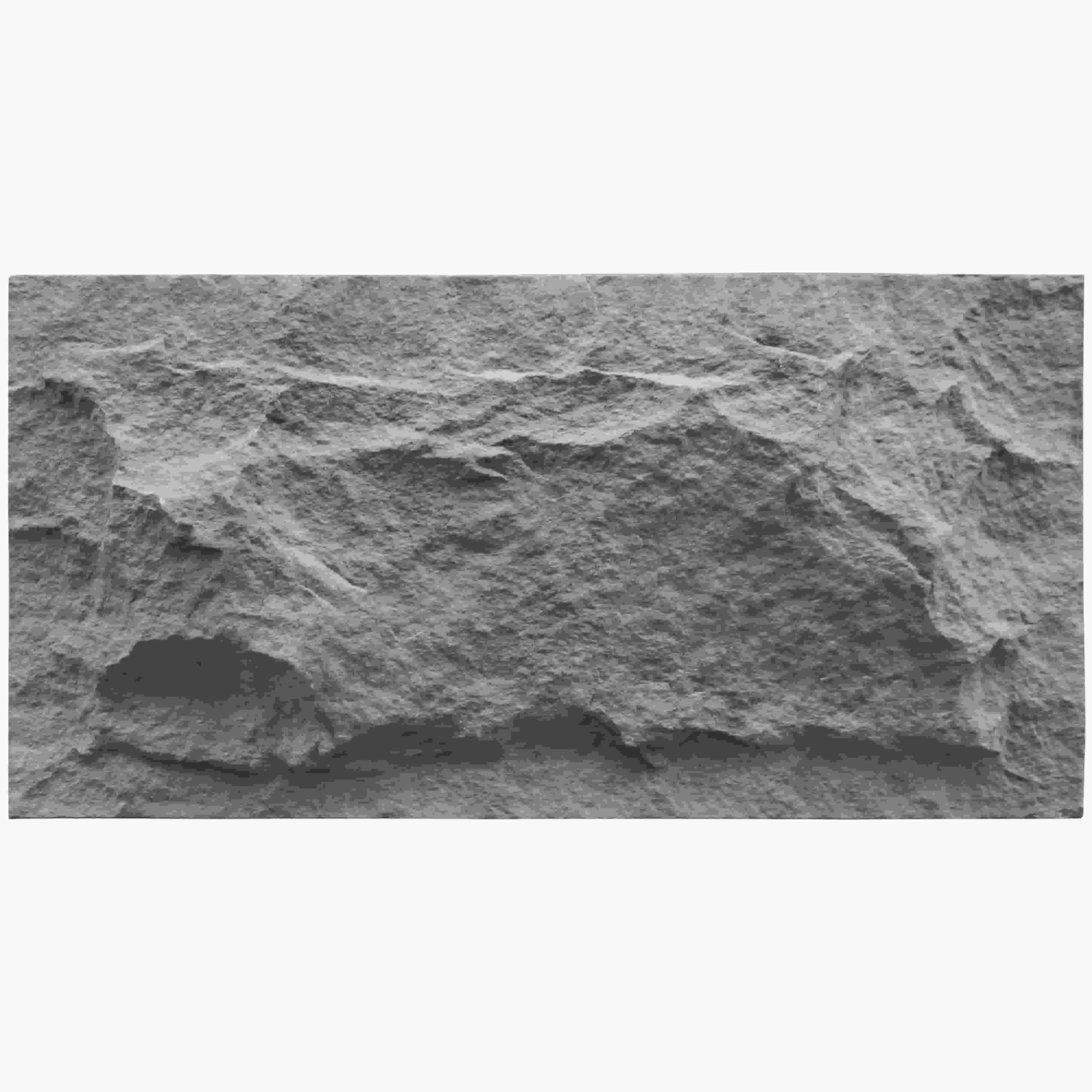
In the world of architecture, harsh climates are the ultimate test of a building material's mettle. From the freezing winds of the Arctic tundra to the blistering heat of desert landscapes, from coastal salt spray to monsoon-driven humidity, the materials that clothe our structures must do more than just look appealing—they must stand as silent guardians against nature's fury. For architects and builders seeking a balance of resilience, aesthetics, and longevity, Crossare Mushroom Stone043 emerges as a standout choice. Part of MCM's innovative lineup of building solutions, this material isn't just designed to survive harsh conditions; it's crafted to age with grace, turning weathering into character.
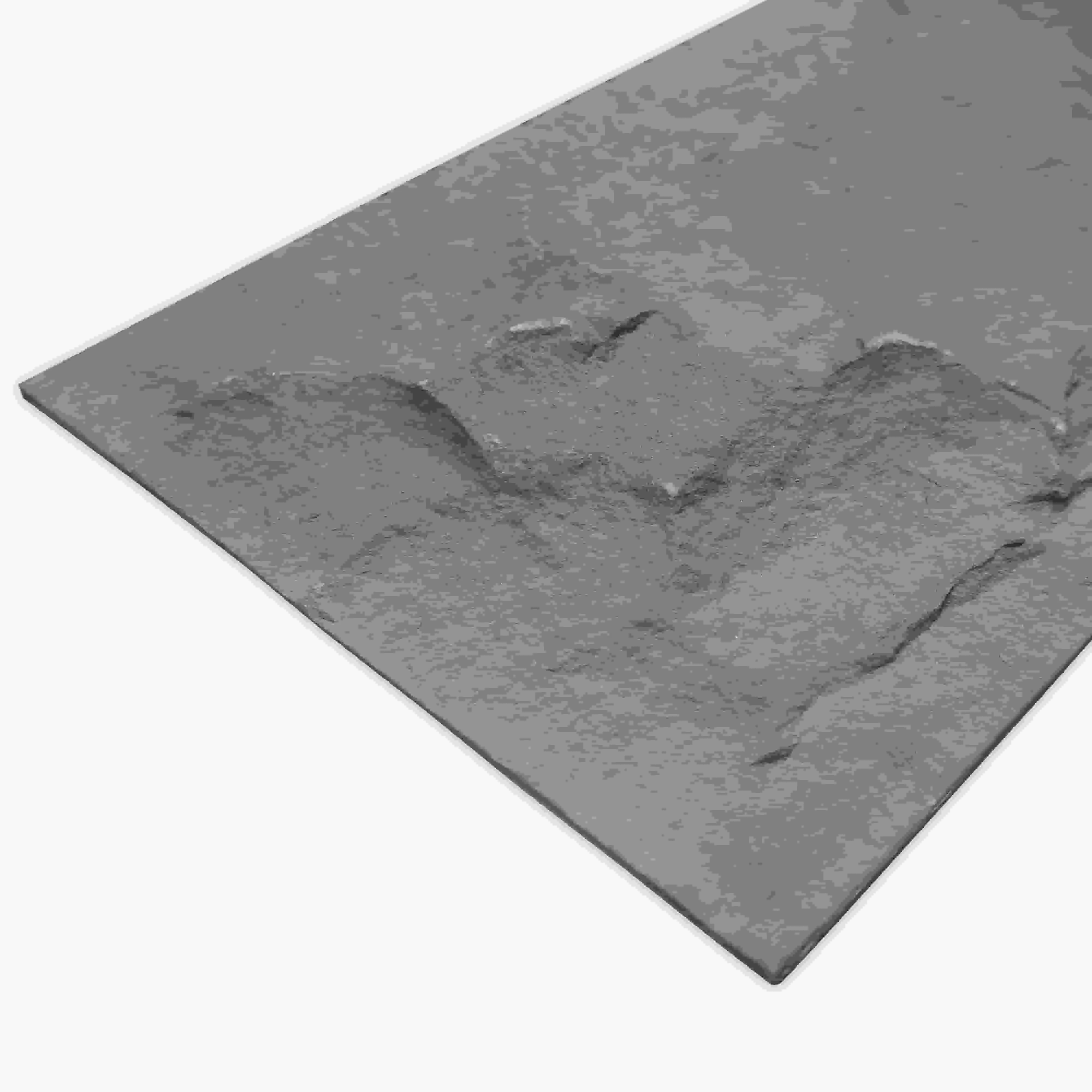
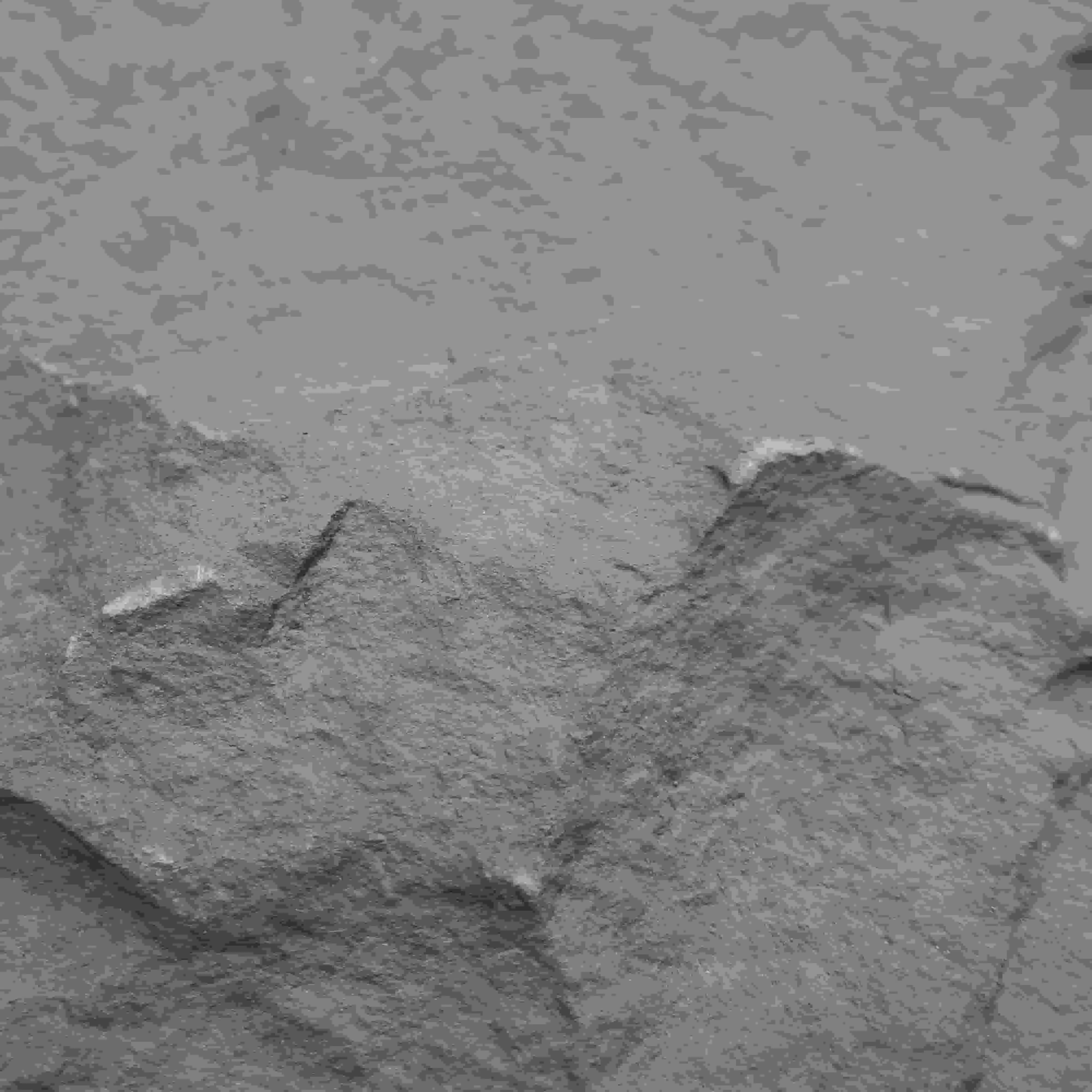
Crossare Mushroom Stone043 is a flagship product in MCM's MCM Flexible Stone series, a line celebrated for merging the timeless beauty of natural stone with the engineering precision of modern composites. Unlike traditional stone cladding, which can be heavy, brittle, and prone to cracking under stress, Crossare Mushroom Stone043 is engineered as a modified composite material—lightweight, flexible, and fortified to resist the extremes of harsh climates. Its name hints at its texture: a surface that mimics the organic, slightly uneven ridges of mushroom caps, adding depth and warmth to any facade while hiding minor wear and tear that might mar smoother surfaces.
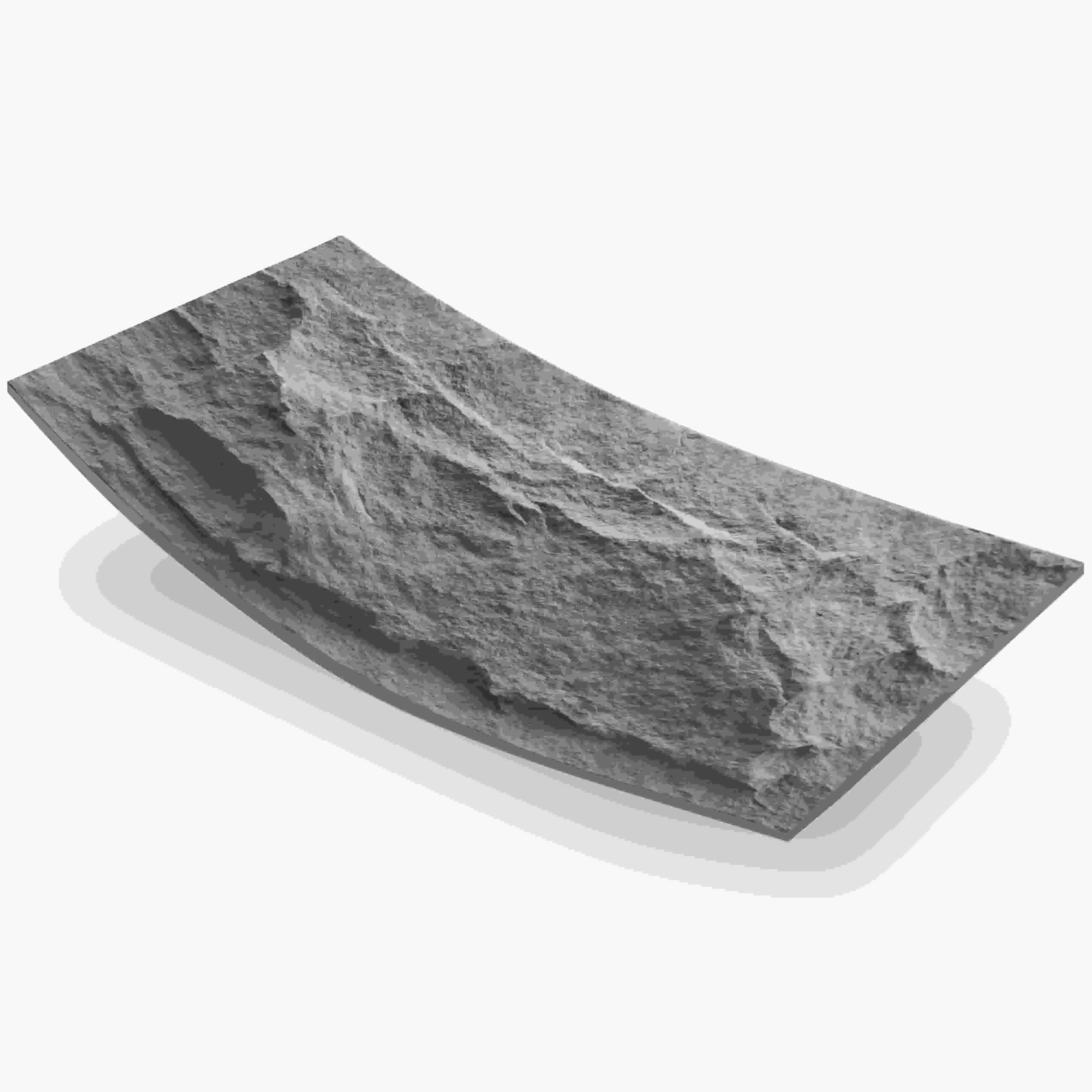
At its core, Crossare Mushroom Stone043 combines natural mineral aggregates with high-performance polymers, creating a material that's both rigid enough to withstand impact and flexible enough to adapt to temperature fluctuations. This balance is critical in harsh climates, where materials often expand and contract violently with daily or seasonal temperature swings—a phenomenon that can crack concrete, split wood, or loosen traditional stone tiles. But Crossare? It bends, not breaks, ensuring long-term structural integrity.
What makes Crossare Mushroom Stone043 particularly suited for harsh environments? Let's break down its most critical attributes:
In regions like the Gobi Desert, where daytime temperatures soar above 100°F (38°C) and plummet to below freezing at night, thermal shock is a material's worst enemy. Crossare Mushroom Stone043 is designed with a low thermal expansion coefficient, meaning it expands and contracts minimally even when exposed to drastic temperature changes. This stability prevents the warping, cracking, or delamination that can plague materials like fair-faced concrete or natural travertine (starry green), which are more prone to thermal stress.
Coastal areas and humid climates introduce another threat: moisture. Water seepage can lead to mold, mildew, and structural rot, while salt spray (common in coastal regions) accelerates corrosion. Crossare Mushroom Stone043's non-porous surface and polymer binding agents repel water, with a water absorption rate of less than 0.5%—far lower than lime stone (beige) or even polish concrete , which can absorb up to 5% of their weight in water. This resistance makes it ideal for beachfront properties, where salt-laden air would otherwise eat away at less durable materials.
Intense sunlight, especially in high-altitude or equatorial regions, bombards surfaces with UV radiation, causing colors to fade and materials to degrade over time. Crossare Mushroom Stone043 is infused with UV-stabilizing additives that lock in its earthy, mushroom-inspired hues—whether in warm terracottas, deep grays, or muted beiges. Unlike wood grain board or bamboo mat board , which can gray or splinter under prolonged sun exposure, Crossare retains its color saturation for decades, ensuring facades stay vibrant even in the sunniest climates.
Harsh climates often come with physical threats: sandstorms in deserts, hailstones in temperate zones, or flying debris in storm-prone areas. Crossare Mushroom Stone043's composite structure, reinforced with fiberglass mesh, offers impressive impact resistance. In lab tests, it withstood impacts from 50mph (80km/h) wind-driven debris without chipping—a feat that would leave foamed aluminium alloy board (vintage silver) dented or slate portoro cracked. Its textured surface also hides minor scratches, maintaining visual appeal even in high-traffic or high-wind areas.
To truly appreciate Crossare Mushroom Stone043's durability, it helps to see it side-by-side with other popular cladding materials used in harsh climates. Below is a comparison of key performance metrics:
| Material | Thermal Expansion (10⁻⁶/°C) | Water Absorption (%) | UV Resistance (Years) | Impact Resistance (J) | Weight (kg/m²) |
|---|---|---|---|---|---|
| Crossare Mushroom Stone043 | 8-10 | <0.5 | 25+ | 12 | 8-10 |
| Fair-Faced Concrete | 10-12 | 3-5 | 15-20 | 8 | 20-25 |
| Lunar Peak Silvery | 11-13 | 1-2 | 20-25 | 10 | 12-15 |
| Travertine (Starry Green) | 9-11 | 4-6 | 10-15 | 6 | 18-22 |
The table tells a clear story: Crossare Mushroom Stone043 outperforms traditional options in critical areas. Its low thermal expansion (comparable to lunar peak silvery but with better flexibility), minimal water absorption, and superior impact resistance make it a workhorse for harsh climates. Plus, at 8-10 kg/m², it's significantly lighter than natural stone or concrete, reducing structural load and installation complexity—an advantage in seismic zones, where heavy materials can earthquake damage.
Crossare Mushroom Stone043 isn't just a lab-tested material; it's proven itself in some of the world's harshest locales. Let's explore a few standout projects:
In the heart of the Gobi Desert, where sandstorms rage and temperatures swing 60°F (33°C) in a single day, a research station needed a facade material that could withstand relentless abrasion and thermal stress. The architects chose a combination of Gobi Panel (for its desert-inspired aesthetic) and Crossare Mushroom Stone043 for the main cladding. Five years later, the Crossare sections show almost no signs of wear—no fading, no cracking, and the textured surface has even helped deflect blowing sand, reducing erosion. In contrast, the Gobi Panel accents, while durable, required repainting after three years due to UV fading.
Iceland's coastal regions are brutal: frigid winds, salt spray, and constant rain. A luxury resort there opted for Crossare Mushroom Stone043 in a muted gray tone, paired with foamed aluminium alloy board (vintage silver) for trim. After two harsh winters, the Crossare cladding remains intact, with no signs of salt corrosion or water damage. The aluminium trim, while resistant to rust, developed minor pitting in areas exposed to direct salt spray—proof that even metal isn't always a match for Crossare's resilience in marine environments.
High in the Rockies, where snow loads exceed 100 inches (254 cm) annually and freeze-thaw cycles are constant, a mountain lodge needed a material that could handle heavy snow, ice, and extreme cold. Crossare Mushroom Stone043 was selected for its ability to flex with ice expansion without cracking. Unlike nearby lodges clad in rough granite stone (dark grey) , which often develop frost heaves and loose tiles, the Crossare facade has maintained its integrity, with only minor cosmetic wear from ice scraping—easily hidden by its textured surface.
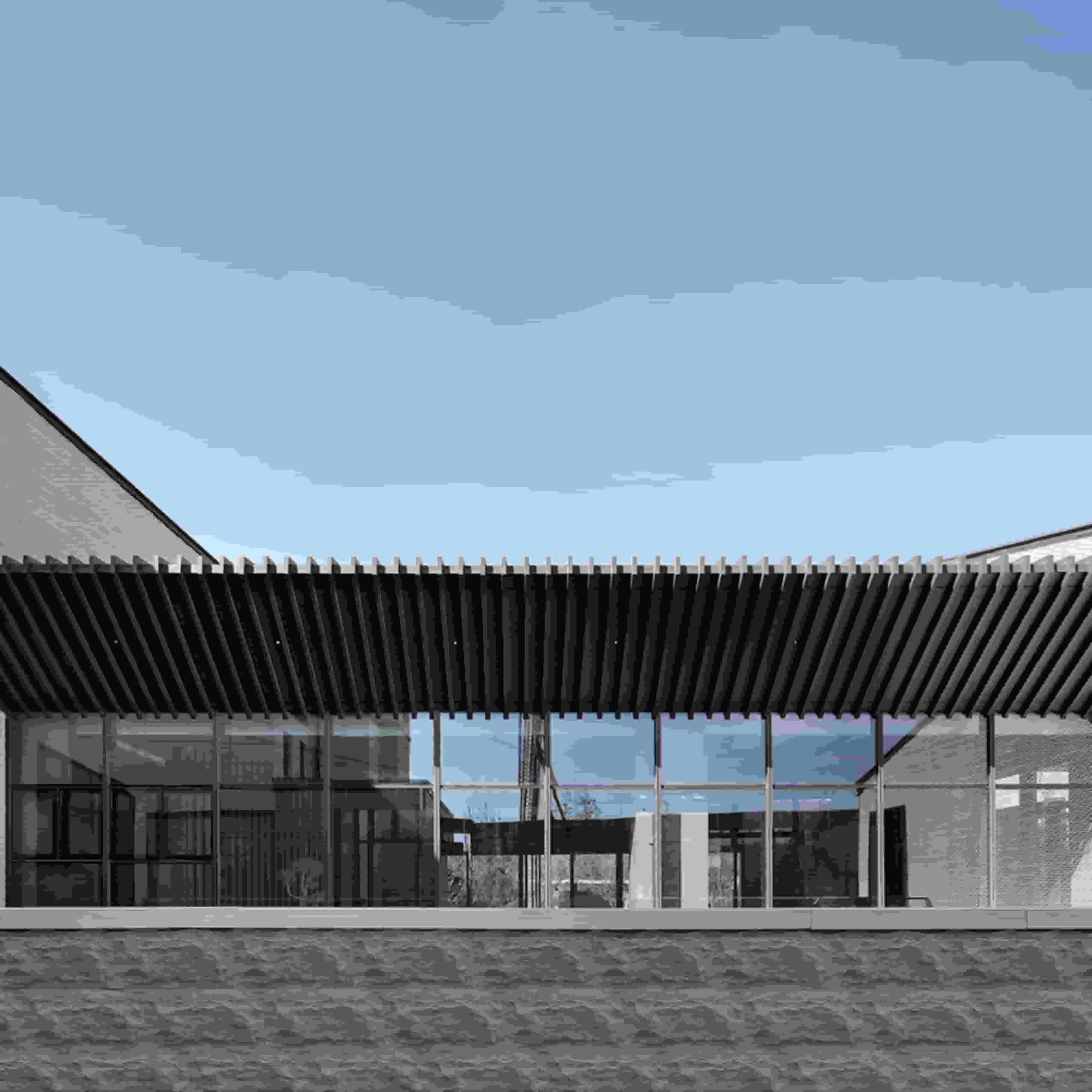
Durability alone isn't enough—materials must also inspire. Crossare Mushroom Stone043 shines here, too. Available in a range of earthy tones, from warm beiges to deep grays, it complements other MCM products like lunar peak golden (for a touch of luxury) or historical pathfinders stone (for a rustic, timeworn look). Its mushroom-like texture adds visual interest without overwhelming, making it suitable for everything from modernist homes to traditional cabins.
Unlike marble veil white or polish concrete , which can look sterile or show stains easily, Crossare's texture hides dust, water spots, and minor scratches, keeping facades looking fresh with minimal maintenance. This is a boon in harsh climates, where regular cleaning is often impractical or costly.
In an era of eco-conscious building, durability is also a sustainability feature. Materials that need frequent replacement generate waste and carbon emissions from manufacturing and installation. Crossare Mushroom Stone043, with a projected lifespan of 50+ years in harsh climates, reduces the need for replacements. Additionally, its lightweight nature cuts down on transportation costs and structural reinforcement requirements, lowering the overall carbon footprint of construction projects.
MCM's commitment to sustainability extends to the manufacturing process, too: Crossare Mushroom Stone043 contains recycled mineral content and is produced using low-energy methods, aligning with green building standards like LEED and BREEAM.
Harsh climates often mean remote locations, where regular maintenance is logistically challenging. Crossare Mushroom Stone043 thrives here, requiring little more than occasional rinsing with water to remove dust or debris. Unlike natural stone, which may need sealing every few years to prevent staining, or wood grain board , which requires painting or staining to resist rot, Crossare is virtually maintenance-free. This ease of care makes it a favorite for off-grid homes, remote hotels, and industrial facilities where upkeep resources are limited.
In the battle against harsh climates, building materials are more than just components—they're allies. Crossare Mushroom Stone043, with its blend of flexibility, strength, and aesthetic appeal, stands out as a reliable partner for architects and builders who refuse to compromise on durability or beauty. Whether facing desert sands, coastal salt, mountain ice, or tropical humidity, this material doesn't just survive—it adapts, ages gracefully, and turns the challenges of harsh climates into opportunities for timeless design.
For those seeking a material that can keep up with nature's extremes, Crossare Mushroom Stone043 isn't just a choice—it's an investment in resilience, sustainability, and the quiet confidence that comes from knowing your building will stand strong, year after year, come what may.
Recommend Products












