
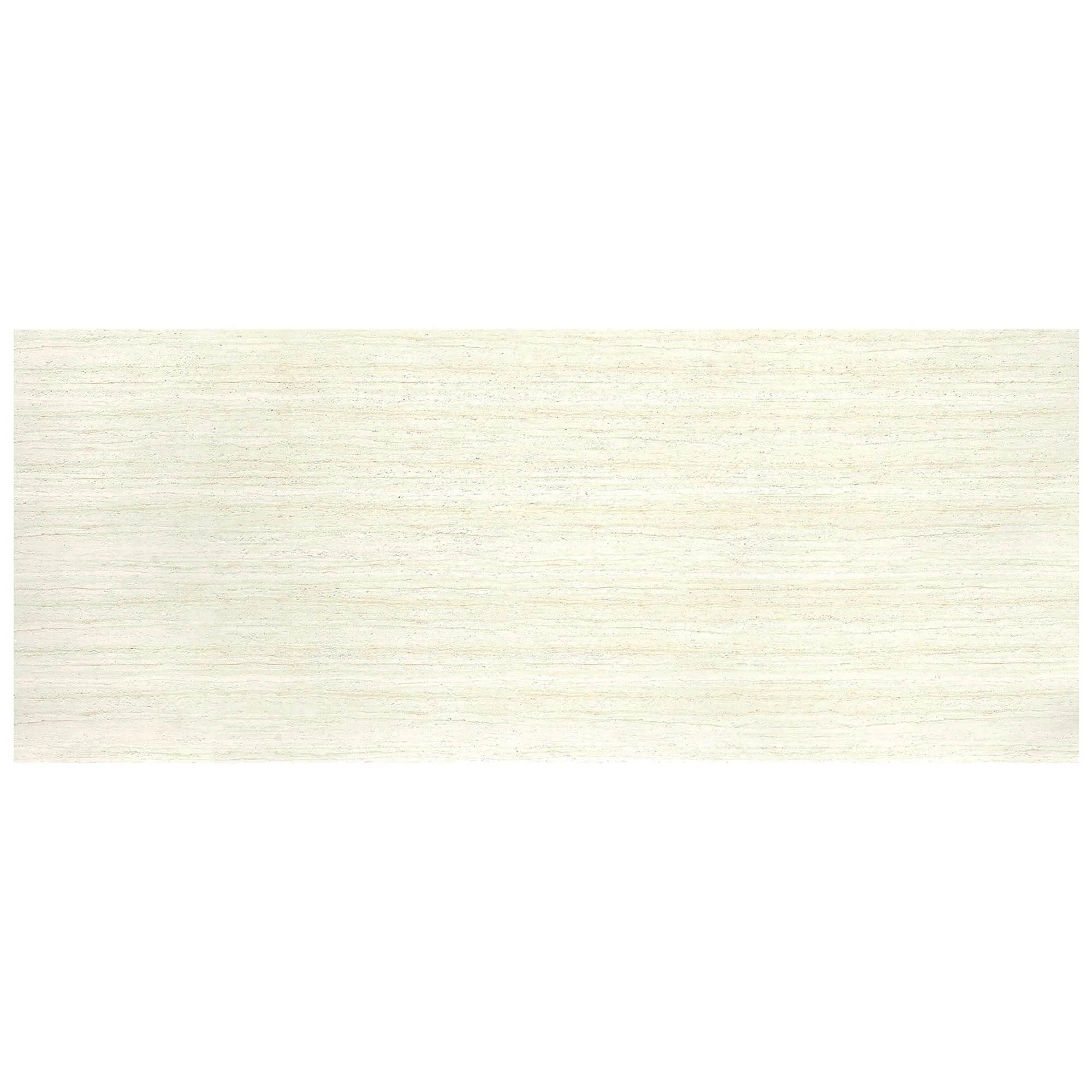
Step into a modern boutique hotel lobby, and chances are your gaze will linger on more than just the furniture or lighting. There's something about the walls—something tactile, almost alive—that pulls you in. Run a hand gently over the surface, and you'll feel it: a series of fine, interconnected lines, like threads woven into the material itself. This is thread texture, a signature element of COLORIA MCM panels that's transforming architectural design from the ground up. In a world saturated with generic surfaces, thread texture offers a quiet rebellion—a way to infuse buildings with personality, depth, and a touch of human warmth.
First, let's get familiar with the star of the show: COLORIA MCM panels. Short for Modified Composite Material, MCM panels are a game-changer in the construction world. Think of them as the Swiss Army knife of building materials—lightweight yet surprisingly strong, flexible enough to curve around architectural edges, and durable enough to withstand the harshest weather conditions. Unlike traditional stone or concrete, which can be heavy and brittle, COLORIA's MCM panels are crafted from a blend of minerals, polymers, and reinforcing fibers, resulting in a material that's easy to install, eco-friendly, and endlessly customizable. And among their many standout features—from mcm flexible stone to 3D-printed textures—thread texture has emerged as a fan favorite, beloved by architects and designers for its ability to turn ordinary surfaces into extraordinary experiences.
At its core, thread texture is exactly what it sounds like: a surface pattern defined by thin, linear grooves or raised lines that mimic the look and feel of thread. But to call it "just lines" would be selling it short. Imagine the delicate stitching on a well-tailored jacket—the way the threads create subtle shadows, catch the light, and add depth to an otherwise smooth fabric. That's the essence of thread texture on MCM panels. It's not a flat print or a superficial coating; it's an integral part of the material, etched or embossed into the panel's surface during manufacturing. The result? A texture that's both visual and tactile—something you can see from across a room and feel when you reach out to touch it.
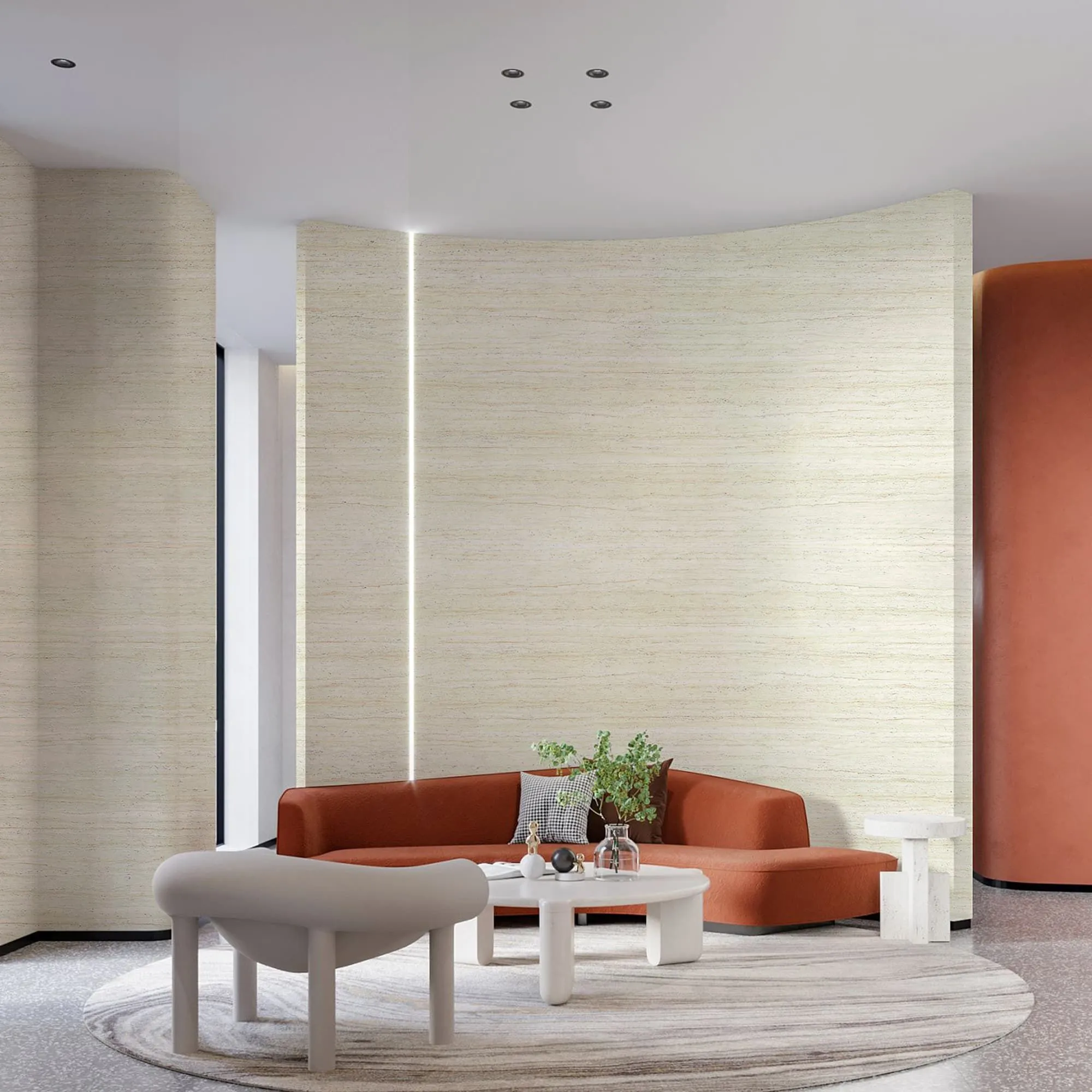
What makes thread texture so unique is its balance of subtlety and character. Unlike bold patterns like wood grain board (which shouts "natural warmth") or the industrial edge of fair-faced concrete , thread texture whispers. It adds complexity without overwhelming a space, making it versatile enough to fit into minimalist, rustic, or contemporary designs. The lines can vary in thickness, spacing, and direction—some panels feature tightly woven threads that create a sense of movement, while others have sparse, delicate lines that evoke a sense of calm. In natural light, the grooves cast tiny shadows that shift throughout the day, giving the surface a dynamic, almost living quality. Indoors, under artificial lighting, the threads reflect light in unexpected ways, turning plain walls into focal points.
Pro Tip: When choosing thread texture panels, pay attention to the "thread density"—how closely the lines are spaced. Higher density (tighter threads) works well in busy spaces like retail stores, where the texture can withstand close scrutiny. Lower density (wider spacing) is perfect for large walls or exteriors, where the texture reads clearly from a distance without feeling cluttered.
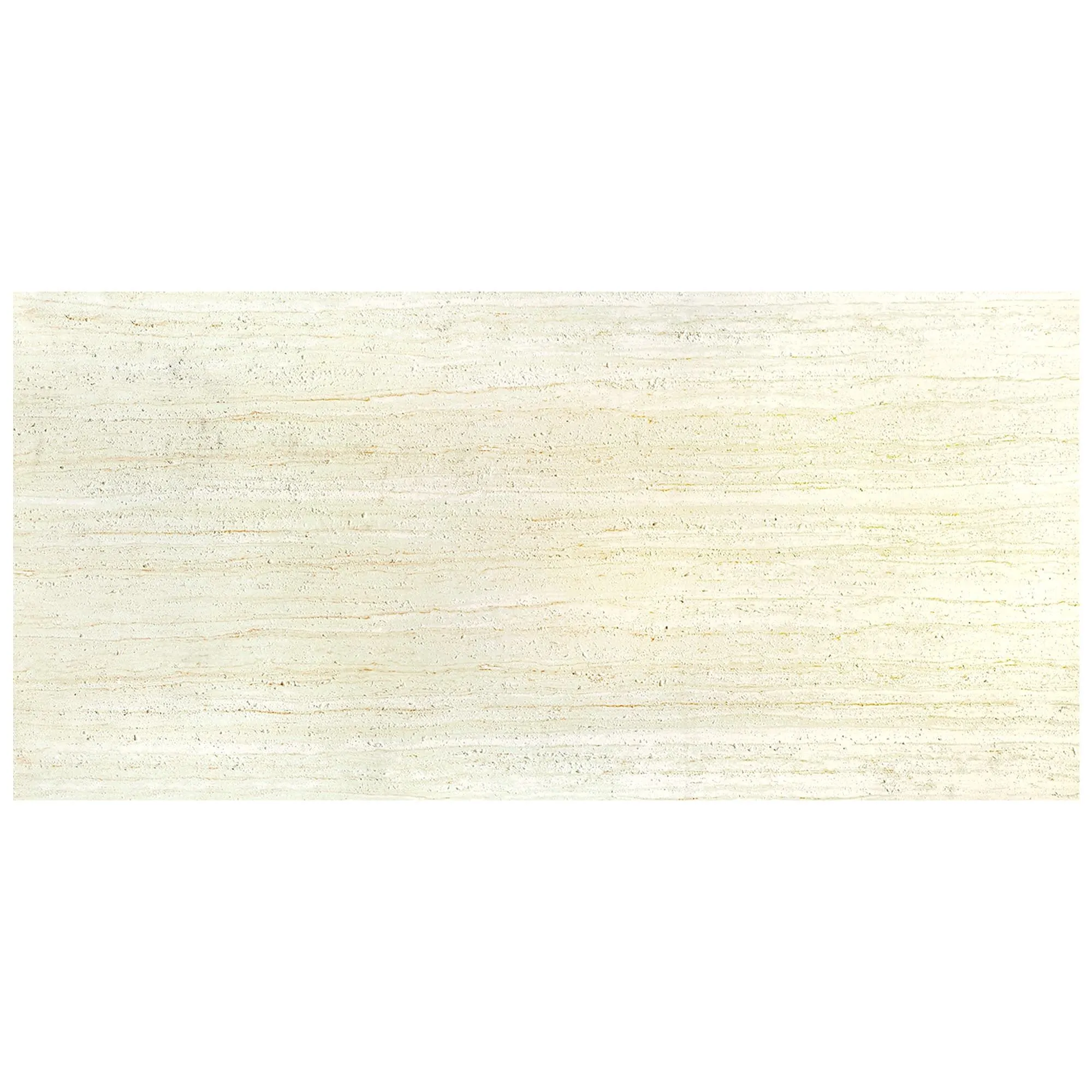
Creating thread texture isn't just about slapping a pattern on a panel—it's a feat of engineering and artistry. COLORIA's process starts long before the first panel is pressed, with a team of designers and engineers collaborating to perfect the thread's look and feel. They start by studying how light interacts with different line widths and depths, using computer modeling to simulate how the texture will perform in various environments—from sun-drenched exteriors to softly lit interiors. Once the design is finalized, the real magic begins: translating that digital vision into a physical texture, using COLORIA's proprietary manufacturing techniques.
A key player here is mcm flexible stone , the base material for many of COLORIA's panels. Its flexibility is what allows for such intricate textures. Unlike rigid stone or concrete, which can crack under the pressure of detailed embossing, mcm flexible stone bends and adapts, making it possible to etch even the finest threads without compromising structural integrity. The manufacturing process itself is a blend of precision machinery and human oversight. Advanced 3D routing tools carve the thread pattern into metal molds, which are then used to press the design into the mcm flexible stone substrate. Each panel is inspected by hand to ensure the threads are uniform, with no rough edges or inconsistencies—a level of quality control that ensures every piece feels as good as it looks.
But what really sets COLORIA's thread texture apart is its durability. Because the threads are physically part of the panel (not a printed overlay), they won't fade, peel, or wear off over time. Rain, wind, UV rays, even the occasional scuff from furniture—none of these are a match for thread texture. This longevity is a big part of why architects love it for high-traffic areas like hotel lobbies, office buildings, and retail spaces. It's a texture that looks just as good on day one as it does on year ten, making it a smart investment for any project.
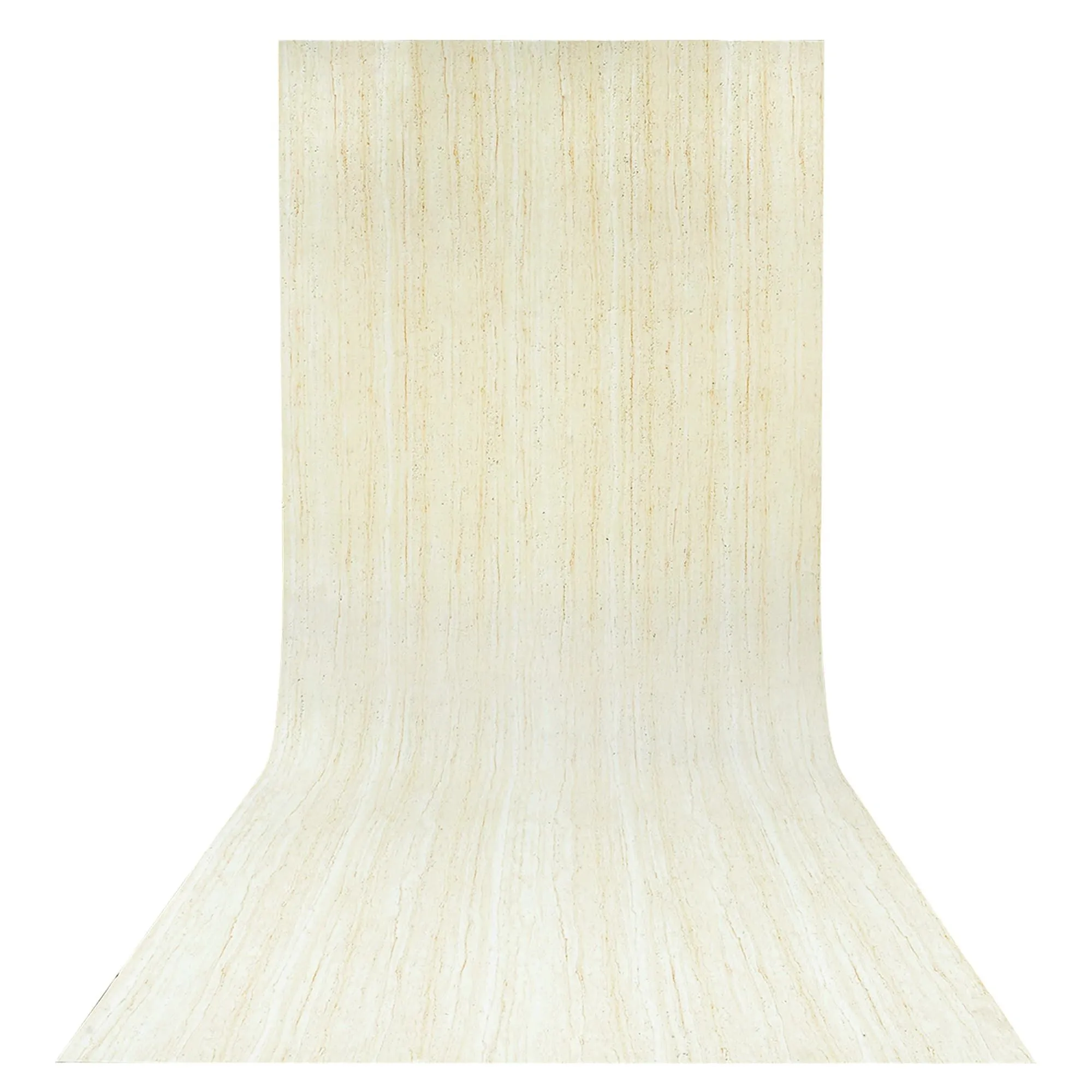
Thread texture isn't a one-trick pony—it's a versatile texture that works indoors and out, in residential and commercial spaces alike. Let's take a closer look at how designers are using it to elevate projects around the world.
Exterior Facades: Walk down a city street, and you'll notice most buildings blend into the background—flat, unremarkable, and forgettable. Thread texture changes that. When used on exterior walls, the linear threads catch sunlight at different angles, creating shifting patterns of light and shadow that make the building feel dynamic. Imagine a modern apartment complex wrapped in thread texture panels: in the morning, the threads cast soft, horizontal shadows; by afternoon, the sun dips lower, and the shadows stretch, creating a new visual rhythm. It's a building that "moves" with the day, standing out without being garish. And because COLORIA's MCM panels are lightweight, they're easier to install on high-rise facades than heavy stone, reducing construction time and costs.
Interior Walls: Indoors, thread texture adds warmth and depth to living spaces. In a home's living room, a thread texture accent wall behind the sofa becomes a subtle focal point, adding interest without competing with artwork or furniture. In a bedroom, softer, more spaced-out threads create a calming backdrop, perfect for unwinding after a long day. Even in commercial spaces like offices or restaurants, thread texture works wonders. A café with thread texture walls feels cozier, more inviting—like a space that's been "stitched" together with care. And because the texture is sound-absorbent (thanks to the grooves breaking up sound waves), it helps reduce echo in busy areas—a practical bonus for noisy environments.
Retail and Hospitality: In retail, first impressions matter, and thread texture is a secret weapon for brands looking to stand out. A clothing store with thread texture walls feels premium, aligning with the quality of the garments on display. A hotel lobby with thread texture panels exudes sophistication, making guests feel like they've stepped into a space designed with thought and intention. Even restaurants benefit—thread texture adds a layer of visual interest that makes dining feel more special, turning a meal into an experience. It's no wonder that top hospitality chains are increasingly specifying thread texture for their new builds and renovations.
Specialty Spaces: Thread texture isn't just for walls, either. Designers are getting creative, using it on ceilings (imagine a thread texture ceiling in a spa, where the lines draw the eye upward and create a sense of spaciousness), staircases (adding grip and style to treads), and even furniture (think thread texture panel tabletops or cabinet doors). The possibilities are endless, limited only by the imagination.
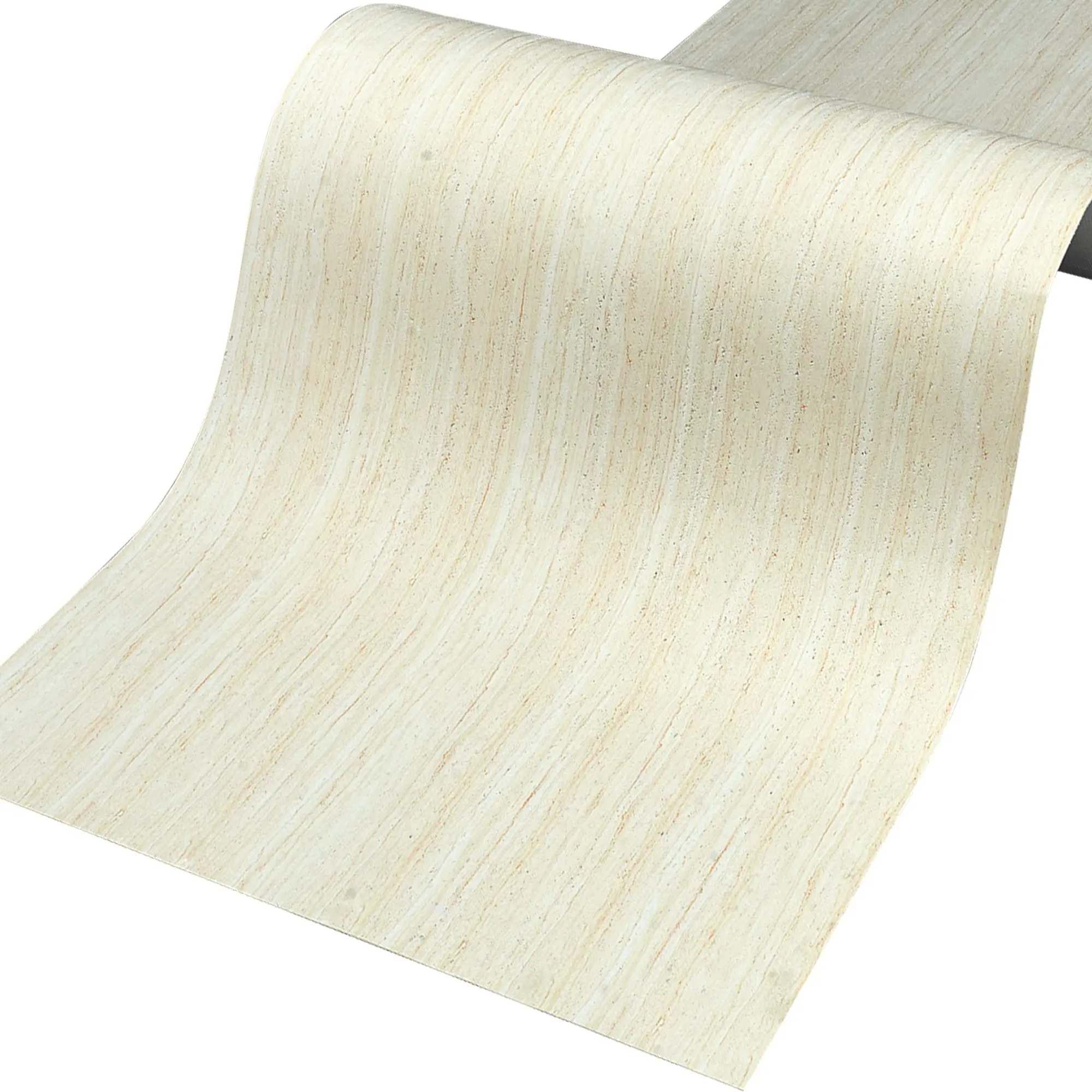
To truly appreciate thread texture, it helps to see how it compares to other common textures in the COLORIA lineup. Let's break it down with a quick comparison:
| Texture Type | Visual Appeal | Tactile Feel | Best For | Key Strength |
|---|---|---|---|---|
| Thread Texture | Subtle linear lines; light-catching grooves | Soft yet defined; smooth with gentle ridges | Minimalist interiors, modern exteriors, hospitality spaces | Versatility—works in nearly any design style |
| Wood Grain Board | Bold, organic patterns; mimics real wood | Warm, natural; visible grain texture | Rustic homes, cabins, cozy restaurants | Evokes nature and warmth |
| Fair-Faced Concrete | Industrial, raw; visible formwork lines | Cool, smooth; slight porosity | Loft apartments, modern offices, art galleries | Edgy, minimalist aesthetic |
| Travertine (Starry Blue) | Swirled patterns with "starry" flecks; bold color | Varied; slightly porous with natural pits | Statement walls, luxury hotels, high-end retail | Dramatic, eye-catching focal points |
As the table shows, each texture has its strengths, but thread texture's biggest advantage is its versatility. It plays well with others, complementing bolder textures like starry blue travertine or adding softness to industrial materials like fair-faced concrete. It's the chameleon of the texture world—able to adapt to any design vision without losing its unique charm.
In today's world, sustainability isn't just a buzzword—it's a requirement. And COLORIA's thread texture panels check all the boxes when it comes to eco-friendliness. For starters, MCM panels themselves are green building materials through and through. They're made with recycled content, require less energy to produce than traditional stone or concrete, and generate minimal waste during manufacturing. Because they're lightweight, transporting and installing them uses less fuel and reduces carbon emissions on construction sites. And since they're so durable, they rarely need to be replaced, cutting down on waste over the building's lifetime.
Thread texture takes this sustainability a step further by enhancing energy efficiency. The grooves in the texture help regulate temperature by reflecting sunlight (reducing heat absorption in summer) and trapping warm air (keeping buildings insulated in winter). This means lower heating and cooling costs for homeowners and businesses—a win for both the planet and the wallet. Additionally, COLORIA's manufacturing process for thread texture uses water-based inks and non-toxic adhesives, ensuring no harmful chemicals are released into the environment.
For architects and developers aiming for green building certifications like LEED or BREEAM, thread texture panels are a no-brainer. They contribute points in categories like "Materials and Resources," "Energy and Atmosphere," and "Indoor Environmental Quality" (thanks to their low VOC emissions). It's a texture that doesn't just look good—it does good, too.
In a design world obsessed with trends—think neon colors, maximalist patterns, or fleeting fads—thread texture stands out as a timeless choice. It's not here to make a loud statement; it's here to create spaces that feel intentional, comfortable, and alive. It's the kind of texture that grows on you, revealing new details and nuances the longer you live with it. A thread texture wall in your home isn't just a wall—it's a conversation starter, a source of calm, and a reflection of your taste for thoughtful design.
Architects and designers often talk about "human-centered design"—creating spaces that prioritize how people feel, not just how they look. Thread texture embodies this perfectly. It's a texture that invites interaction: to touch, to admire, to connect with. In a world where so much of our lives are spent staring at screens, tactile experiences like thread texture remind us of the beauty of the physical world. They make buildings feel less like cold, impersonal structures and more like extensions of ourselves—warm, layered, and full of character.
At the end of the day, thread texture is more than just a feature of COLORIA MCM panels—it's a testament to what happens when craftsmanship, innovation, and design meet. It's a texture that celebrates the beauty of simplicity, the power of touch, and the importance of sustainability. Whether you're building a new home, renovating an office, or designing a hotel that guests will remember for years, thread texture offers a way to make your project truly one-of-a-kind.
So the next time you walk into a space and feel that subtle, thread-like texture under your fingertips, take a moment to appreciate it. It's not just a wall—it's a story. A story of material science pushing boundaries, of designers thinking beyond the ordinary, and of a commitment to creating spaces that inspire. And that, in a nutshell, is the COLORIA difference: turning surfaces into experiences, one thread at a time.
Recommend Products












