
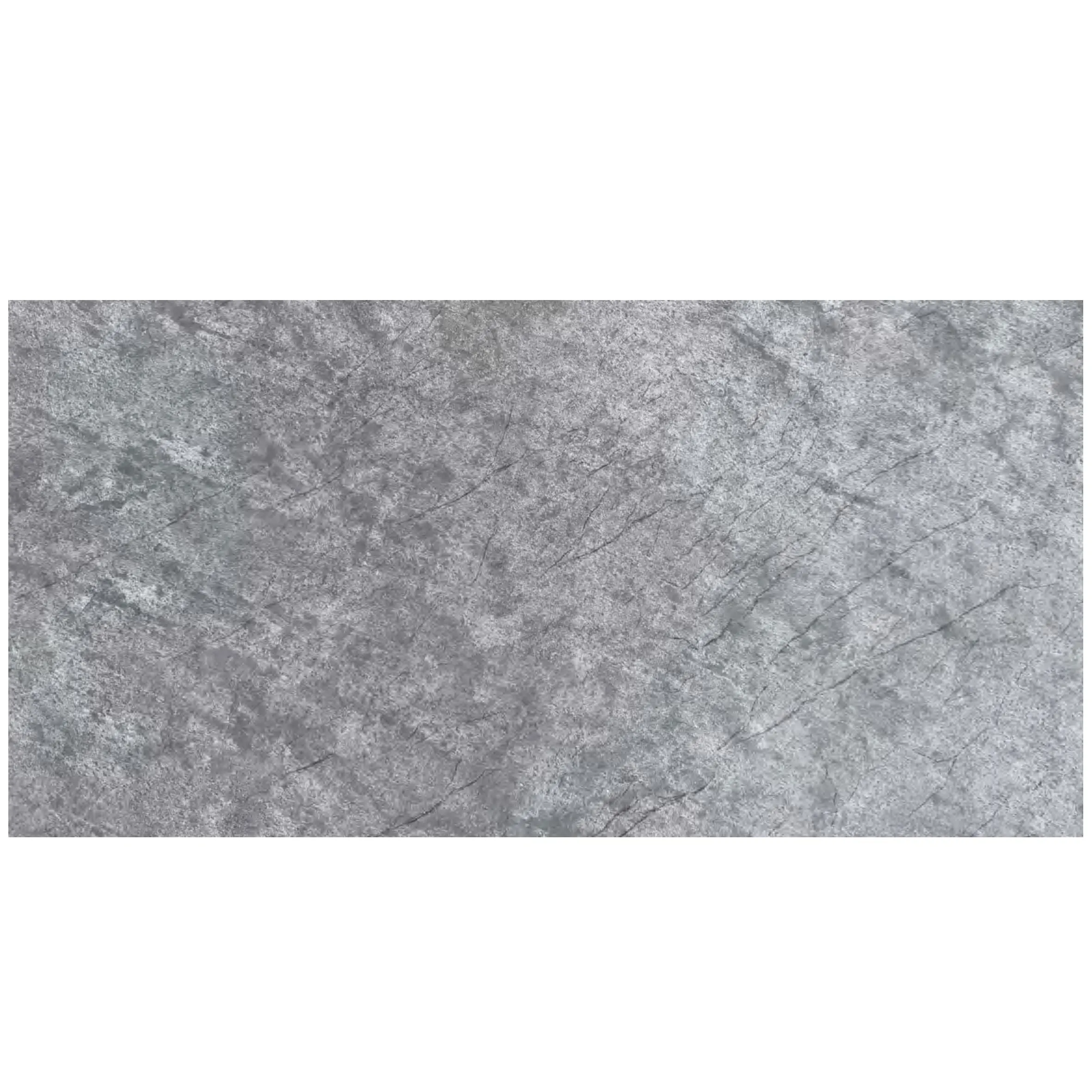
Step into the lobby of The Alpine Vue, a boutique hotel nestled at the foot of snow-capped mountains, and your gaze is immediately drawn to the feature wall. It rises three stories high, clad in a material that seems to capture the essence of the surrounding peaks—cool, textured, and quietly dramatic. Run a hand along its surface, and you'll feel the subtle ridges and grooves, like the weathered face of a glacier. This is glacial slate, rendered even more striking by MCM technology, and it's not just a design choice here—it's a statement. In hospitality, where first impressions linger and guest experiences are built on sensory details, materials like glacial slate are redefining luxury. They don't just look beautiful; they stand up to the chaos of busy lobbies, spilled drinks, and endless foot traffic. Let's explore how this unique stone, enhanced by modern engineering, is becoming a cornerstone of thoughtful, durable hospitality design.
Glacial slate, at its core, is a nod to nature's artistry. Formed over millennia by the slow movement of glaciers, its layers tell a story of time—subtle veins of gray and blue, flecks of silver that catch the light, and a matte finish that softens even the brightest spaces. But in its natural state, like many stones, it can be heavy, brittle, and challenging to install in large or unconventional formats. That's where MCM (Modified Composite Material) technology steps in. By bonding natural stone particles with a lightweight, flexible backing, MCM transforms glacial slate into a material that's not only easier to work with but also more resilient than traditional stone slabs. For hospitality designers, this means the beauty of glacial slate can now be extended to high-traffic areas, curved surfaces, and even exterior applications—without sacrificing durability.
In hospitality, every material choice is a balancing act. A hotel lobby needs to feel luxurious, but it also needs to withstand suitcases being dragged across floors, children spilling juice on walls, and the constant comings and goings of guests. Restaurants require surfaces that resist stains from wine and oil, while resort spas demand materials that feel organic yet hold up to humidity. Glacial slate, with MCM's enhancement, checks all these boxes. It's a material that doesn't just look the part of luxury; it lives up to the demands of real-world use.
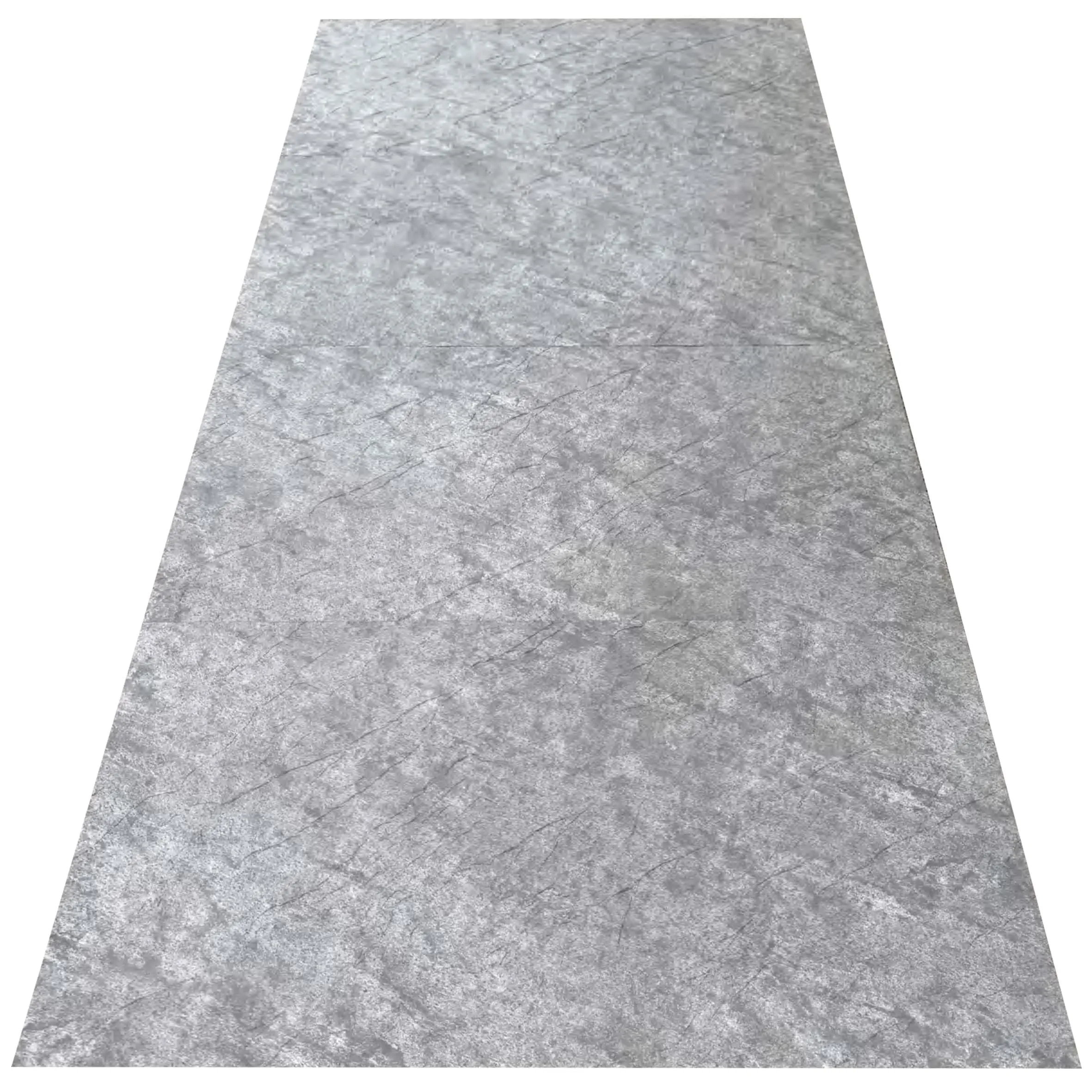
Hospitality design is about emotion. It's about making guests feel welcome, inspired, or even transported to another world. Glacial slate excels here because it's a material with "presence." Its color palette—cool grays, deep blues, and hints of silver—evokes calmness, making it ideal for spaces where relaxation is key, like hotel lobbies or spa retreats. Imagine a coastal resort where the guest rooms feature glacial slate accent walls; paired with soft linen bedding and ocean views, the stone becomes a bridge between the indoors and the rugged beauty of the shoreline outside. It doesn't compete with the view—it complements it.
Texture is another secret to its appeal. Unlike polished marble or smooth concrete, glacial slate has a tactile quality that invites touch. Run your fingers over it, and you'll notice the slight irregularities—the result of its natural formation and MCM's commitment to preserving authentic stone characteristics. This texture plays with light in fascinating ways: in the morning, soft sunlight filters through floor-to-ceiling windows, casting shadows that dance across the slate's surface, creating a dynamic, ever-changing backdrop. In the evening, warm pendant lights highlight its depth, turning a simple wall into a focal point that guests can't help but photograph and share on social media.
But glacial slate isn't a one-trick pony. Its versatility shines through in how it can be styled. For a minimalist, modern hotel, large-format MCM glacial slate panels can create a seamless, monochromatic look that feels sleek and intentional. In a rustic mountain lodge, smaller, more irregular tiles can mimic the look of stacked stone, adding warmth and a sense of history. Even in bold, contemporary spaces, glacial slate can hold its own—paired with metallic accents or vibrant art, its neutral tones ground the design, preventing it from feeling overwhelming.
Glacial slate's beauty isn't limited to vertical surfaces. In The Alpine Vue's restaurant, the bar top is crafted from thick MCM glacial slate slabs, their edges slightly rounded for comfort. Bartenders love it because it's resistant to scratches from glassware and easy to wipe clean after a busy night. Guests love it because it feels substantial—like a piece of the mountain itself, serving up craft cocktails with a side of rustic elegance.
Flooring is another area where glacial slate shines. In high-traffic zones like hotel corridors or restaurant entryways, MCM glacial slate tiles offer the perfect blend of slip resistance and style. Unlike natural stone, which can be porous and prone to staining, MCM-treated slate is sealed during manufacturing, making it moisture-resistant and easy to maintain. A quick mop with mild detergent is all it takes to keep it looking fresh, even after years of use. For a boutique hotel in the city, imagine glacial slate floors in the lobby, paired with brass fixtures and plush velvet sofas—the contrast between the stone's ruggedness and the furniture's softness creates a space that feels both edgy and inviting.
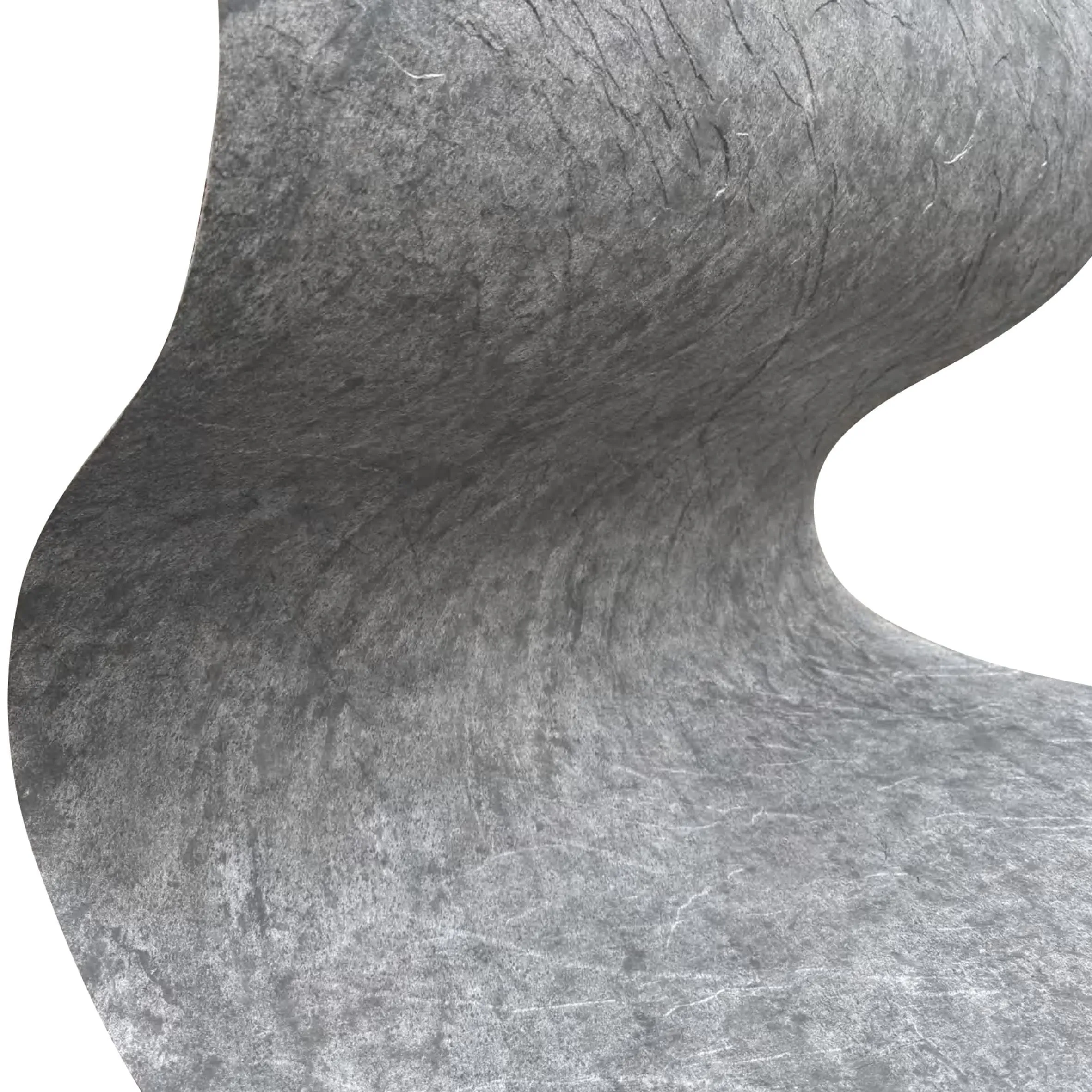
Luxury means little if it fades after six months. In hospitality, where spaces are used around the clock, durability isn't just a bonus—it's a necessity. This is where MCM technology truly elevates glacial slate. Traditional natural stone, while beautiful, can be heavy (making installation costly and complex), prone to cracking under stress, and vulnerable to water damage. MCM glacial slate, by contrast, is engineered to be lightweight (up to 70% lighter than natural stone slabs), flexible, and highly resistant to wear and tear.
To put this in perspective, let's compare MCM glacial slate with traditional natural stone in key areas that matter for hospitality:
| Feature | Traditional Natural Glacial Slate | MCM-Enhanced Glacial Slate |
|---|---|---|
| Weight | Heavy (80-100 lbs per sq ft) | Lightweight (25-35 lbs per sq ft) |
| Installation | Requires reinforced structures; limited to flat surfaces | Easy to install on curved/walls; no need for extra structural support |
| Durability | Prone to chipping/cracking; porous (stains easily) | Resistant to chips, cracks, and stains; water/moisture-proof |
| Maintenance | Needs regular sealing; difficult to repair | Low maintenance; easy to clean; repairable with minimal effort |
| Cost Over Time | Higher (installation + long-term maintenance) | Lower (cheaper installation + minimal upkeep) |
For hotel owners, these differences translate to tangible benefits. Lighter weight means lower shipping and installation costs, and the ability to use glacial slate in more creative ways—like cladding a curved staircase or a cantilevered bar. Resistance to moisture makes it suitable for pool areas or outdoor patios, where traditional stone might warp or discolor. And easy maintenance? That's a game-changer for busy housekeeping teams, who can focus on guest comfort instead of intensive stone care.
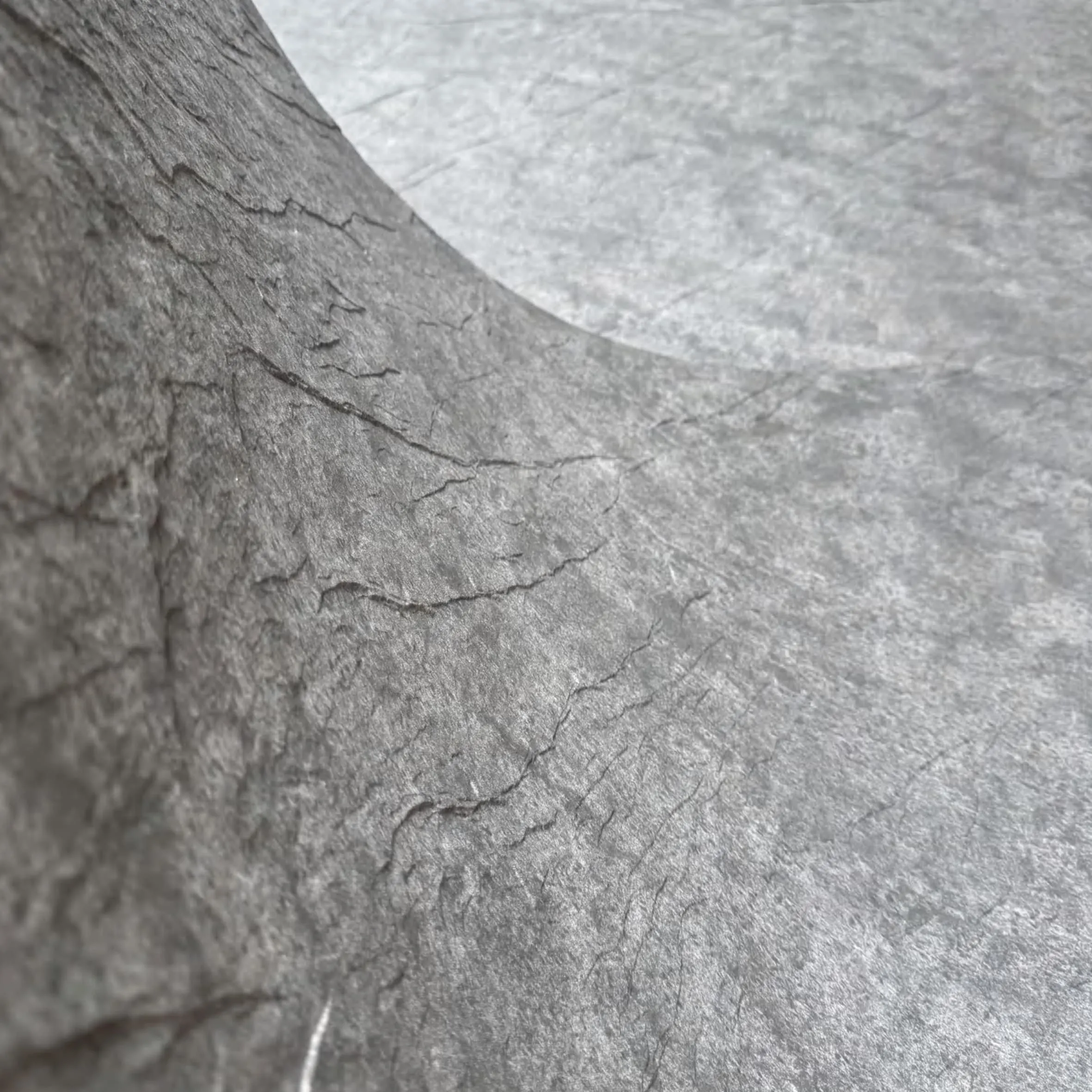
Glacial slate is a star, but even stars shine brighter with supporting cast members. In hospitality design, pairing it with complementary materials can elevate a space from "nice" to "unforgettable." Here are a few MCM series that work beautifully with glacial slate, adding depth, contrast, and personality to hospitality projects:
The key is balance. Glacial slate is a strong presence, so complementary materials should enhance, not overpower it. Whether you're going for modern minimalism, rustic charm, or coastal cool, these pairings allow designers to tell a more nuanced story through texture and color.
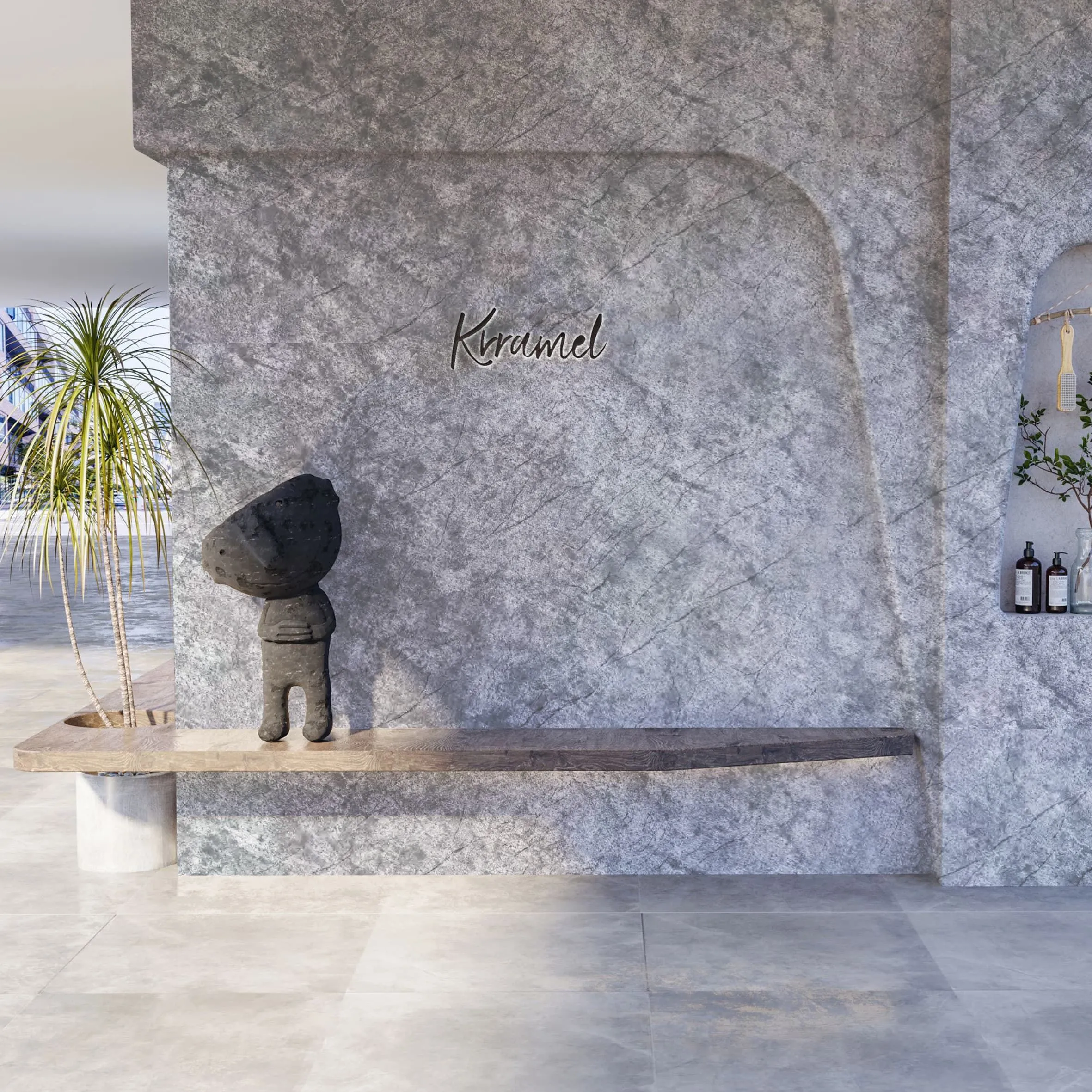
Nestled in the Rockies, Mountain Haven wanted to blur the line between its interiors and the surrounding landscape. The spa, a central feature, uses MCM glacial slate for both walls and treatment room floors. The stone's cool tones and texture evoke the nearby glaciers, while its moisture resistance ensures it holds up to steam and humidity. Guests often comment on how the space feels "connected to nature," even when they're indoors—a testament to glacial slate's ability to create immersive environments.
This waterfront eatery in Maine needed materials that could withstand salt air, high humidity, and the occasional seafood spill. The design team chose MCM glacial slate for the exterior facade and interior accent walls. Externally, the stone's durability resists corrosion from the sea, while internally, its matte finish softens the harsh coastal sunlight, creating a warm, inviting atmosphere. Paired with Rust Mosaic Stone countertops at the bar, the space feels both nautical and timeless.
In the heart of Chicago, this boutique hotel wanted to blend industrial grit with luxury. The lobby features a floor-to-ceiling glacial slate feature wall, paired with Fair-Faced Concrete columns and Lunar Peak Silvery light fixtures. The result? A space that feels raw yet refined, where the stone's natural texture balances the concrete's coldness. Guests love posing in front of the wall for photos, making it a social media hit—and a memorable part of their stay.
Today's travelers care about sustainability, and hospitality brands are taking notice. MCM technology aligns with this trend by making glacial slate a more eco-friendly choice. Traditional stone mining can be resource-intensive, requiring heavy machinery and leaving large environmental footprints. MCM, however, uses a high percentage of recycled stone particles, reducing waste. Additionally, because MCM glacial slate is lightweight, it reduces transportation emissions—a small but significant detail that adds up when shipping materials to construction sites.
Many MCM manufacturers also prioritize low-VOC (volatile organic compound) adhesives and coatings, ensuring that the material doesn't off-gas harmful chemicals into indoor spaces. For hotels and resorts aiming for LEED certification or other sustainability credentials, this is a major plus. Guests increasingly seek out brands that align with their values, and using sustainable materials like MCM glacial slate is a tangible way to show commitment to the planet.
In hospitality, design is about more than aesthetics. It's about creating spaces that feel special yet withstand the test of time. Glacial slate, enhanced by MCM technology, does exactly that. It brings the beauty of nature indoors, crafts memorable sensory experiences, and holds up to the chaos of daily use. Whether you're designing a mountain retreat, a coastal restaurant, or an urban hotel, glacial slate is more than a material—it's a storyteller. It speaks of durability, of connection to the earth, and of a luxury that doesn't just look good, but does good—for guests, for owners, and for the planet.
As hospitality design continues to evolve, materials like glacial slate will play an increasingly important role. They remind us that luxury doesn't have to be fragile, and that durability doesn't have to be boring. In the end, it's the perfect blend—beauty that lasts, and a story that guests will carry with them long after they check out.
Recommend Products












