
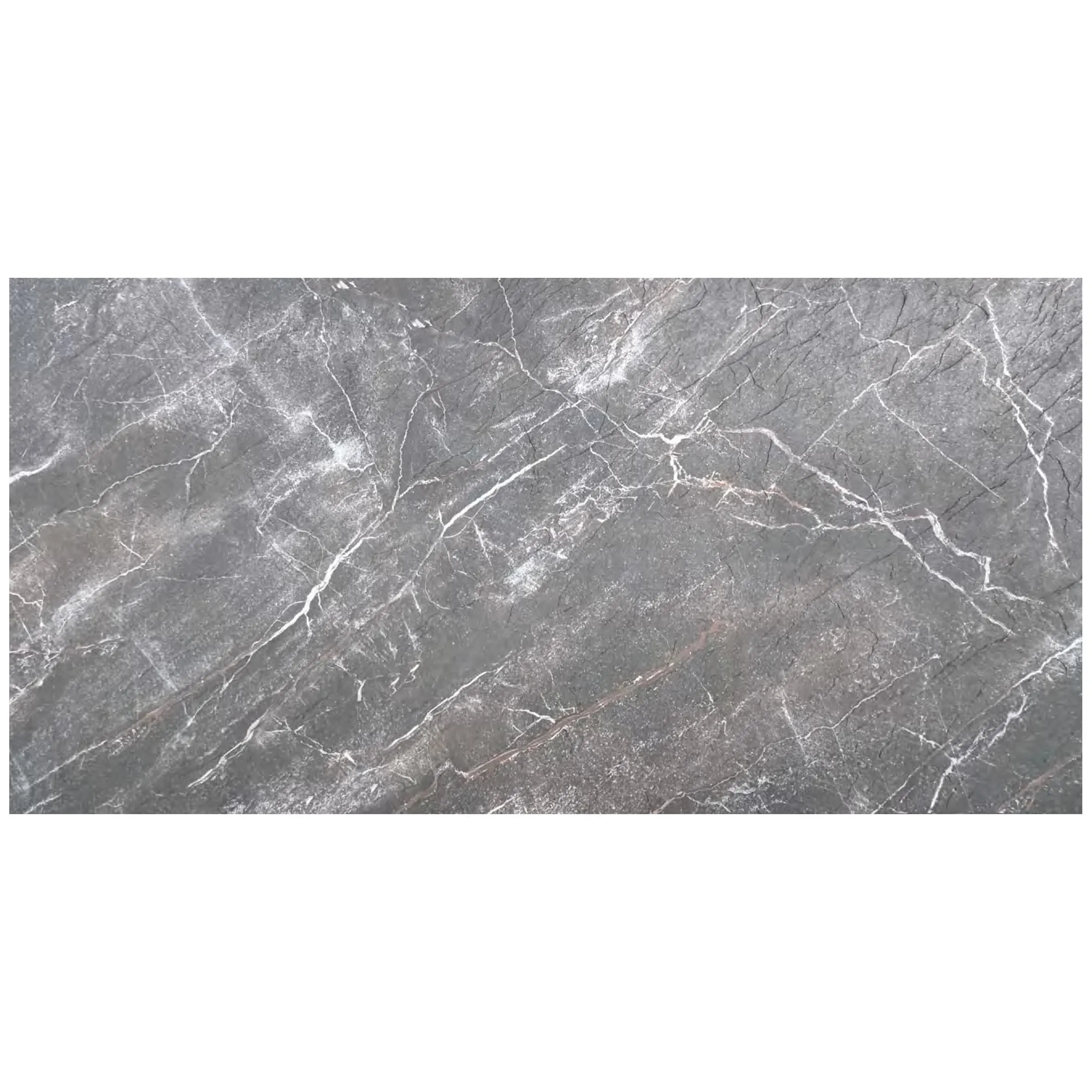
Think about the last time you walked through a neighborhood and noticed a home with exterior walls that looked tired—faded paint, dull stone, or discolored siding that clearly hadn't stood the test of time. For homeowners, architects, and designers, this isn't just a cosmetic issue; it's a problem of wasted investment. The sun's ultraviolet (UV) rays, harsh weather, and daily wear and tear can turn even the most stunning exterior materials into lackluster versions of themselves in just a few years. But what if there was a solution that combined head-turning aesthetics with unbeatable durability, especially when it comes to fighting off UV damage? Enter MCM panels—modified composite materials that are redefining what's possible for exterior design. Today, we're diving into how these innovative panels, particularly standout series like Slate Portoro, Lunar Peak, and Travertine (Starry Blue), keep their color vibrant for decades, even under the harshest sun.
UV rays are silent destroyers. They break down the molecular structure of materials, causing colors to bleed, surfaces to crack, and textures to erode. Traditional options like natural stone, concrete, or even high-end paint might look stunning initially, but they're no match for prolonged sun exposure. A marble facade that starts with rich veining can fade to a uniform gray; a red brick wall might turn pinkish and dull; a painted wooden siding could peel and chalk. The result? Not only a loss of curb appeal but also costly repairs or replacements every 5–10 years. For commercial buildings, this is even more critical—exteriors are part of a brand's identity, and a faded facade can send the wrong message about quality and attention to detail.
This is where MCM panels step in. Short for Modified Composite Material, MCM panels are engineered to tackle the very challenges that plague traditional materials. They're lightweight, flexible, and designed to withstand everything from extreme temperatures to heavy rain—but their most impressive feat might just be their ability to resist UV fading. Let's break down how they do it.
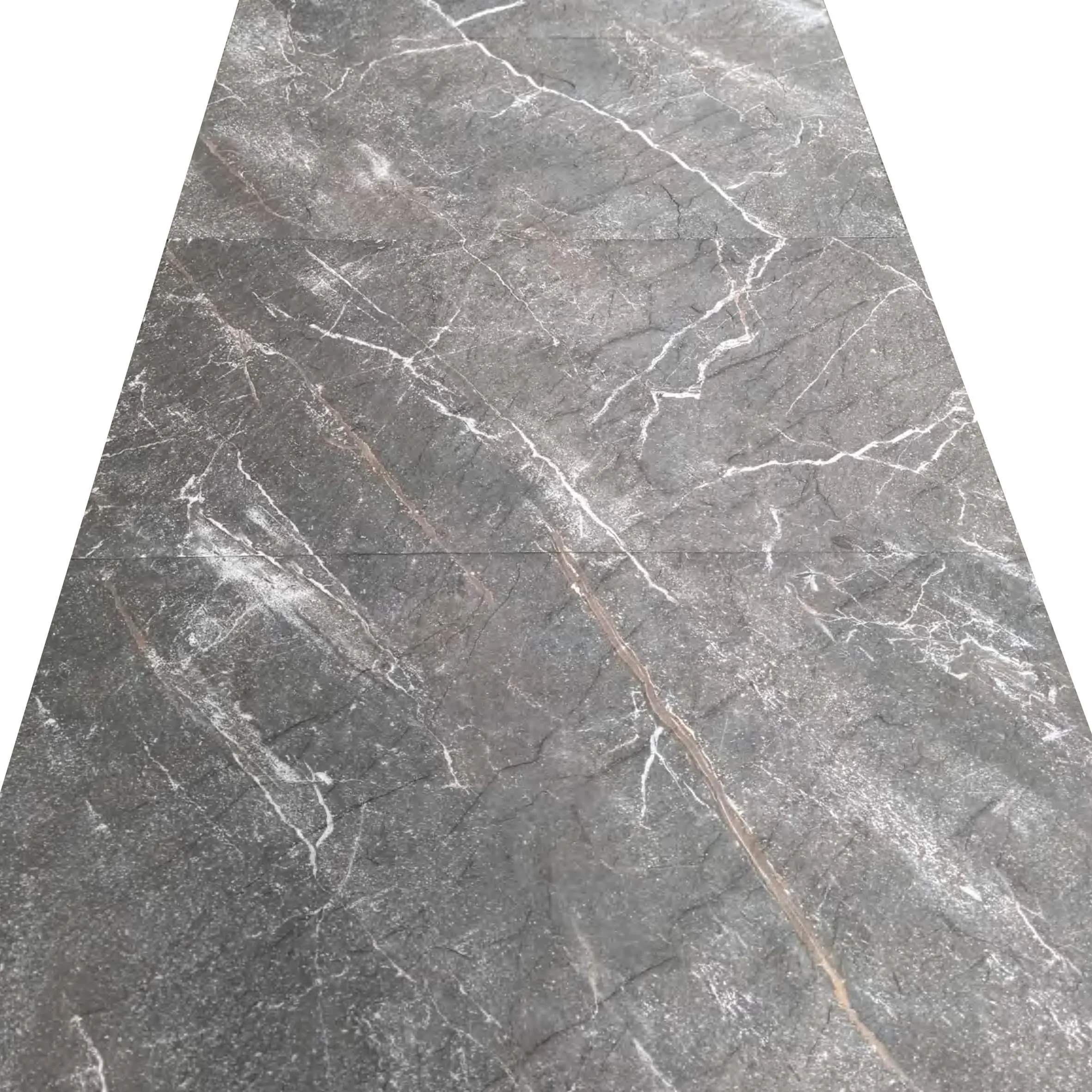
MCM panels aren't just "painted" to look good—they're built to last. Their UV resistance starts with their core construction: a layered composite of mineral materials, resins, and fibers that's compressed under high pressure. On top of this core sits a specialized protective coating, often infused with UV inhibitors and pigments that are molecularly bonded to the material. Unlike traditional paint, which sits on the surface and can chip or fade, this coating becomes part of the panel itself, creating a barrier that reflects harmful UV rays rather than absorbing them.
But it's not just about blocking UV—it's about preserving color integrity. MCM manufacturers use advanced color-locking technology, where pigments are embedded deep within the panel's layers. This means even if the outermost layer takes minor wear, the color remains consistent throughout. Think of it like a crayon versus a marker: a marker's color sits on top and fades; a crayon's pigment is mixed into the wax, so it stays bold even as the wax wears down. MCM panels work similarly, ensuring that the hue you choose is the hue you'll still see 20 years later.
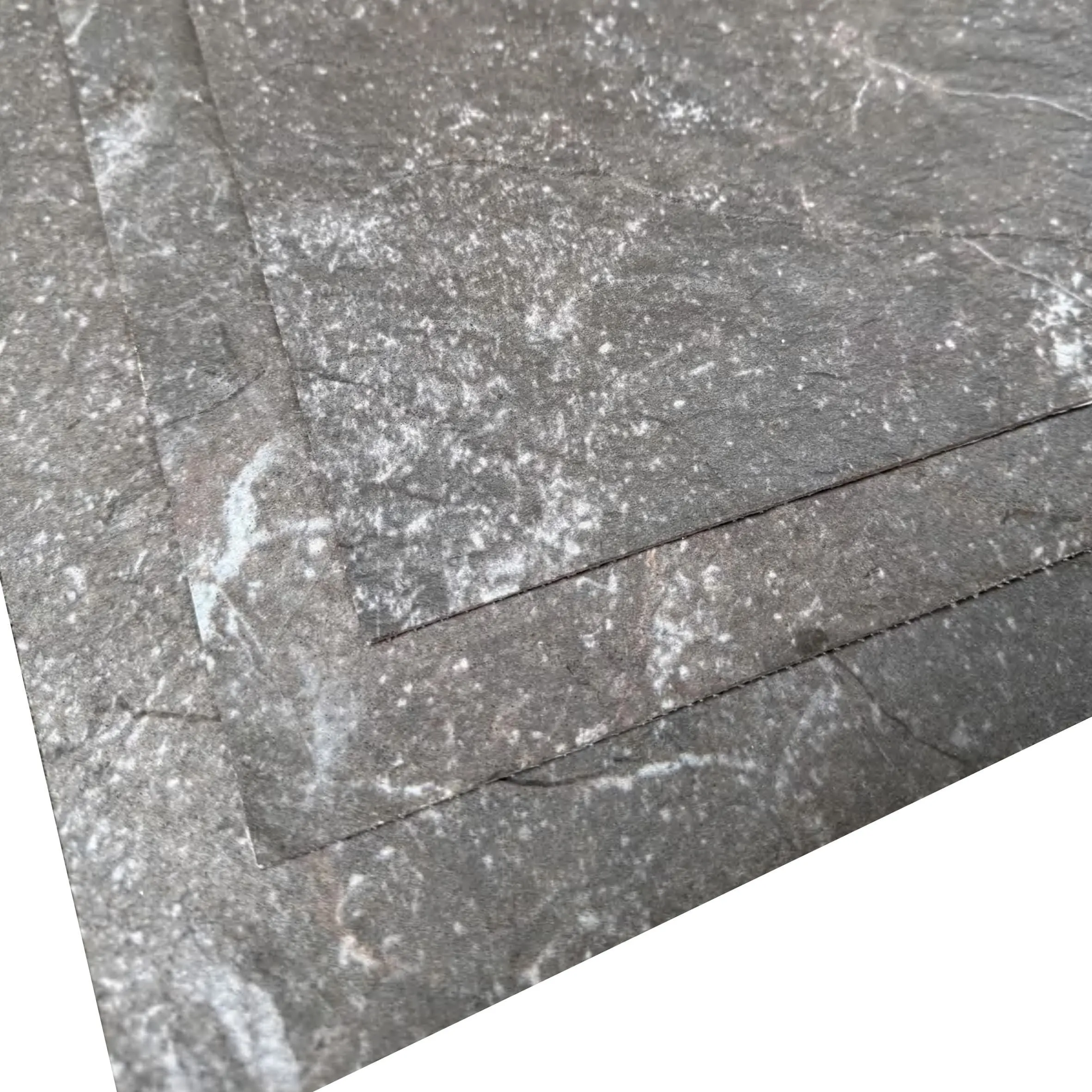
Now that we understand the "why" behind MCM's UV resistance, let's explore the "what"—the specific MCM series that are making waves in the design world for their stunning looks and unbeatable color retention. From deep, dramatic slates to starry travertines and metallic lunar-inspired finishes, there's a panel for every aesthetic. Here are a few fan favorites:
Slate Portoro is the epitome of understated luxury. Imagine a deep, velvety black base with thin, shimmering gold veins that catch the light—reminiscent of the rare Portoro marble found in Italian quarries, but without the fragility. What makes Slate Portoro MCM panels special, though, is how that contrast holds up over time. In sun-drenched regions like Arizona or Dubai, where UV intensity is off the charts, traditional black stone can fade to a charcoal gray, and gold veins can lose their luster. Slate Portoro MCM panels, however, maintain their dramatic contrast thanks to their UV-stable pigments and protective coating. Designers love using them for feature walls, entryways, or entire facades, knowing that the panel's bold personality won't dim with age.
If you're drawn to metallic finishes, the Lunar Peak series—Lunar Peak Silvery, Lunar Peak Golden, and Lunar Peak Black—might just steal your heart. These panels mimic the look of polished metal, with a smooth, reflective surface that adds a modern, industrial edge to any design. But here's the catch: real metal exteriors (like aluminum or copper) can oxidize, tarnish, or fade when exposed to UV rays and moisture. Lunar Peak panels, on the other hand, use a foamed aluminum alloy core (for Silvery and Golden variants) wrapped in a UV-resistant film that keeps their metallic sheen intact. Lunar Peak Silvery, for example, stays bright and mirror-like, avoiding the dull, grayish tint that plagues untreated aluminum. Lunar Peak Black, with its matte metallic finish, resists sun bleaching, ensuring that sleek, moody look remains consistent year after year.
For something truly unique, the Travertine (Starry Blue) series is a showstopper. These panels take inspiration from the night sky, with a soft blue base dotted with tiny, iridescent "stars" that sparkle when hit by light. It's the kind of finish that turns a simple exterior into a conversation piece—but only if the color stays true. Traditional travertine, a porous natural stone, is prone to fading, especially in vibrant shades like blue. The Starry Blue MCM panels, however, use a non-porous composite core and a specialized glaze that locks in the blue pigment and protects the starry flecks from UV damage. Whether installed on a beach house in Florida or a mountain lodge in Colorado, the panel's celestial pattern remains as vivid as the day it was installed, proving that bold color and UV resistance can go hand in hand.
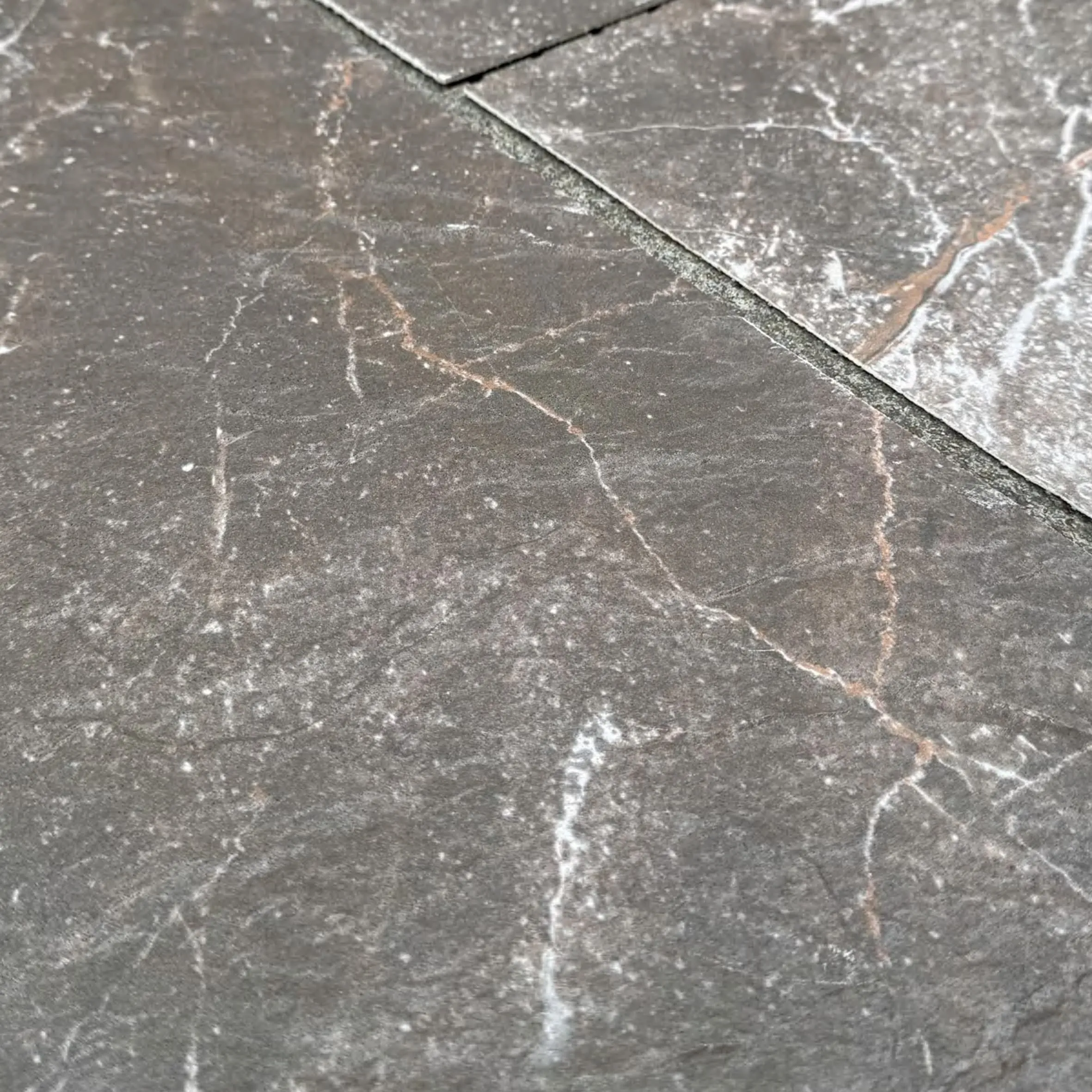
While UV resistance is a standout feature, MCM panels offer a host of other advantages that make them a top choice for exteriors. Let's put them head-to-head with traditional materials to see how they stack up:
| Material | UV Resistance (1-5) | Durability (Avg. Lifespan) | Weight (lbs/sq ft) | Installation Ease | Maintenance Needs |
|---|---|---|---|---|---|
| Natural Slate | 3/5 (Fades over 5-8 years) | 15-20 years (prone to cracking) | 15-20 | Heavy; requires structural support | Sealing every 2-3 years |
| Fair-Faced Concrete | 2/5 (Develops chalky residue) | 20-25 years (stains easily) | 25-30 | Slow; requires on-site pouring | Power washing, occasional patching |
| MCM Panels (Slate Portoro) | 5/5 (No fading for 20+ years) | 30+ years (resists cracking/warping) | 3-5 | Lightweight; can be installed in days | Occasional hose-down; no sealing needed |
As the table shows, MCM panels outperform traditional materials in nearly every category. Their lightweight nature (3–5 lbs/sq ft vs. 15–30 lbs/sq ft for natural stone) reduces structural stress on buildings, making them ideal for both new construction and renovations. Installation is faster, too—panels can be cut to size on-site and mounted with minimal tools, saving time and labor costs. And when it comes to maintenance? Forget about sealing, repainting, or patching. A quick hose-down with water is usually all it takes to keep MCM panels looking fresh.
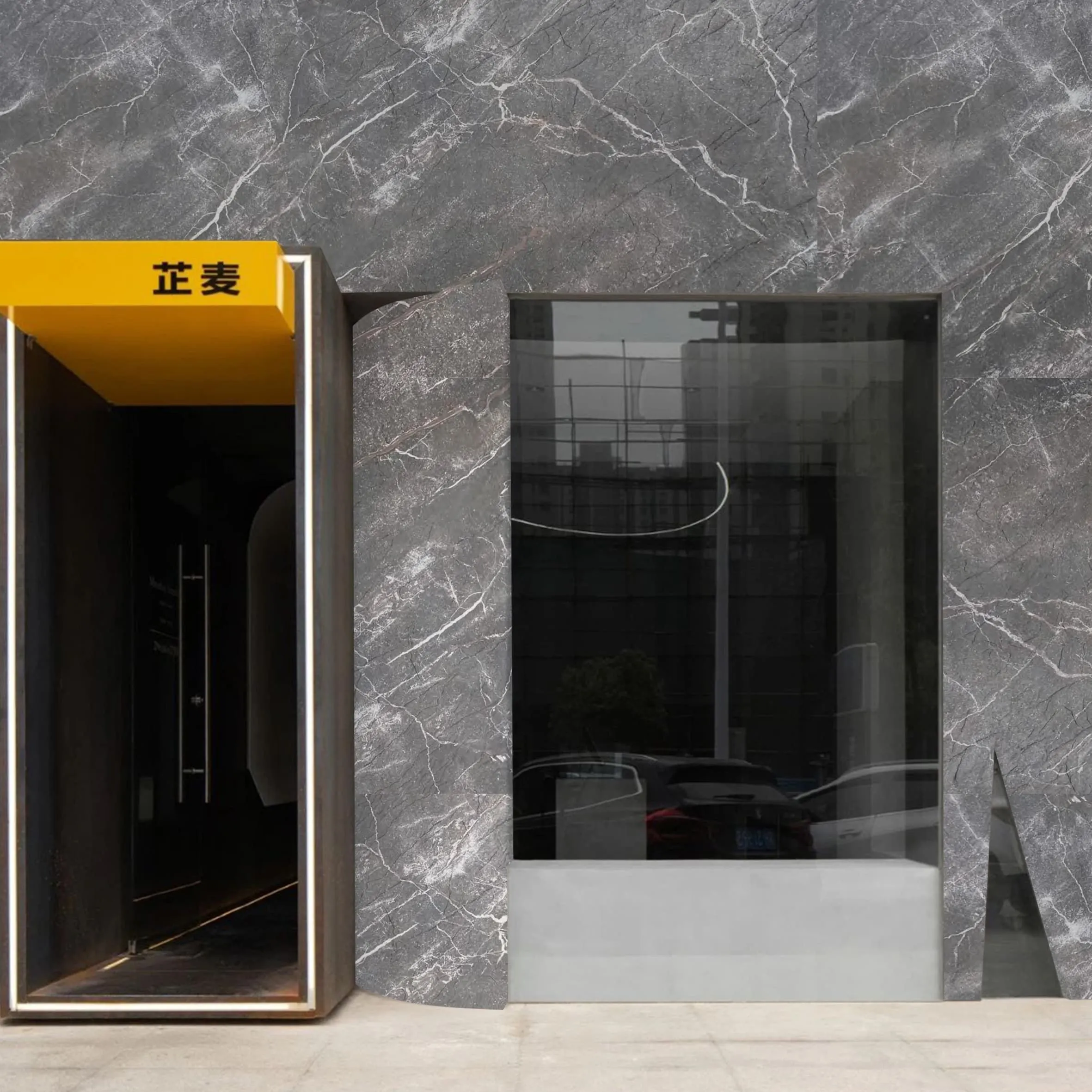
Let's take a look at a real example of MCM panels standing the test of time. The Azure Hotel, a boutique resort in (Sanya), China, known for its year-round sunny weather, opted for Travertine (Starry Blue) MCM panels for its exterior in 2018. Five years later, the panels still boast that same vibrant blue hue with sparkling starry accents, according to the hotel's maintenance manager. "We were worried the sun would bleach the color, but even after intense summer heat and monsoon rains, they look brand new," he noted. "Guests still comment on how unique the facade is—it's become part of our brand."
Closer to home, a residential development in Phoenix, Arizona, chose Lunar Peak Silvery panels for its townhome exteriors. In a region where UV index regularly hits 10+ (extreme), traditional metallic sidings often fade within 3 years. But after 4 years, the Lunar Peak panels still have that signature silvery shine, with no signs of tarnishing or discoloration. Homeowners report receiving compliments on the "new-looking" exteriors, even though the buildings are years old.
One of the best things about MCM panels is that they don't force you to choose between durability and design. With series like Slate Portoro, Lunar Peak, and Travertine (Starry Blue), you get the best of both worlds. Want a rustic look? The Wood Grain Board series offers the warmth of wood without the rotting or fading. Craving something industrial? Fair-Faced Concrete MCM panels mimic the raw, textured look of concrete but with none of the weight or maintenance. Even bold colors—like the rusty red of the Historical Pathfinders Stone or the golden glow of Lunar Peak Golden—remain vivid, opening up endless possibilities for creative expression.
Designers also love the flexibility of MCM panels. They can be curved, cut into custom shapes, or combined with other materials (like glass or metal) to create dynamic facades. Whether you're going for a modern minimalist home, a Mediterranean-inspired villa, or a sleek commercial office, there's an MCM series that fits the vision—all while promising that the design will look just as good in 10 years as it does on day one.
At first glance, MCM panels might have a higher upfront cost than traditional materials like vinyl siding or painted wood. But when you factor in their 30+ year lifespan, minimal maintenance, and resistance to fading, they're actually the more cost-effective choice in the long run. Let's do the math: A traditional stone facade might cost $20/sq ft to install and require $500-$1,000 in sealing/maintenance every 3 years, plus replacement after 15 years. MCM panels, at $25/sq ft installed, need no maintenance and last 30+ years. Over 30 years, the stone facade would cost roughly $40/sq ft (installation + maintenance + replacement), while MCM panels stay at $25/sq ft. It's a clear win for both your wallet and your peace of mind.
Fading exteriors are a thing of the past—thanks to MCM panels. With their advanced UV-resistant technology, stunning aesthetics, and unbeatable durability, series like Slate Portoro, Lunar Peak, and Travertine (Starry Blue) are changing the game for homeowners and designers alike. No longer do you have to sacrifice color for longevity or style for practicality. Whether you're building a new home, renovating an existing one, or designing a commercial space, MCM panels offer a promise: that the exterior you fall in love with today will still take your breath away decades from now.
So the next time you're planning an exterior project, remember: the best materials aren't just about how they look—they're about how they'll look years down the line. With MCM panels, you're not just investing in a facade; you're investing in a legacy of color, durability, and design excellence.
Recommend Products












