
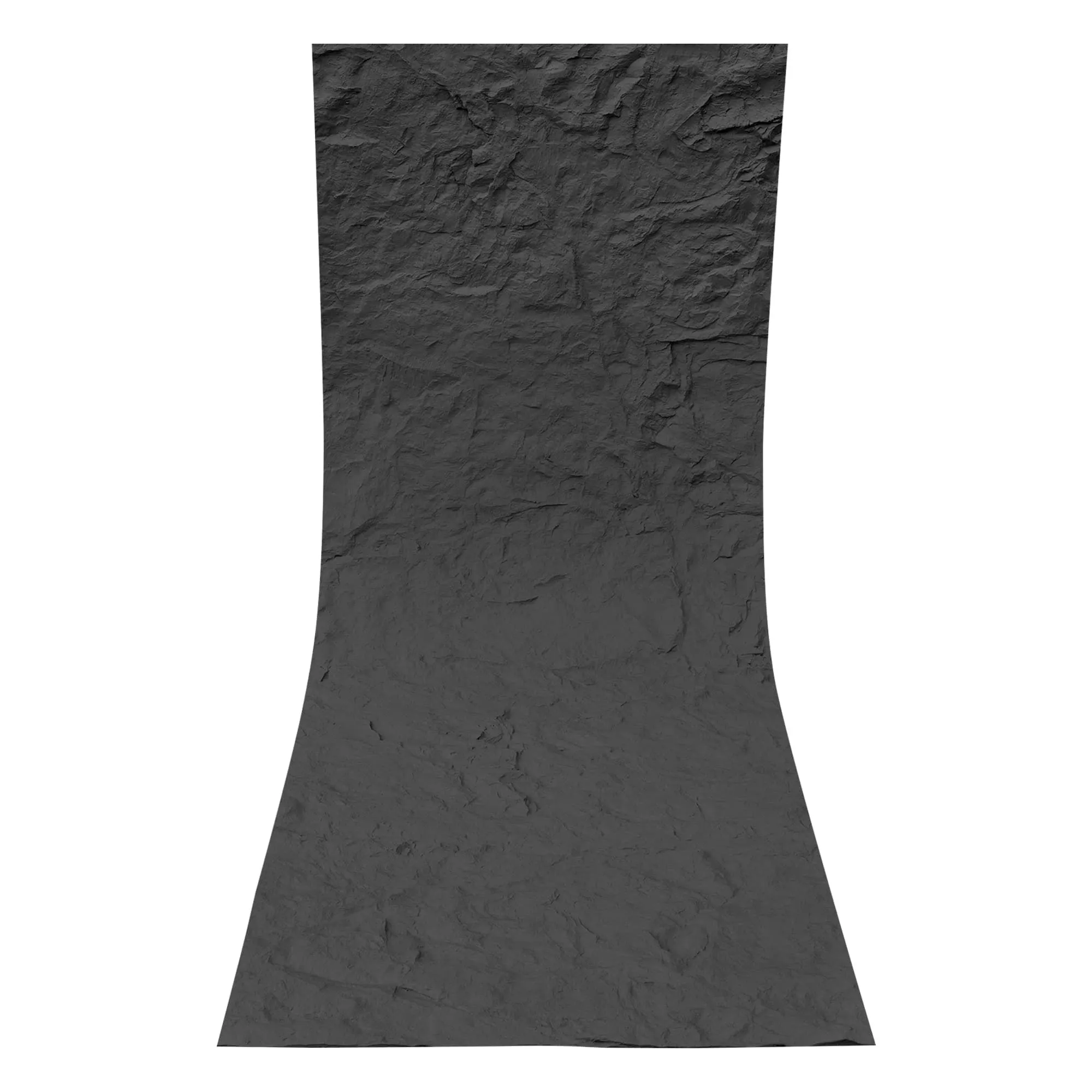
When Maria, a homeowner in Chicago, began her kitchen renovation last year, she had a clear vision: a space that felt both timeless and modern, with materials that could withstand the chaos of her two kids and weekly dinner parties. Like many, she initially leaned toward ceramic tiles—they're everywhere, after all. But a quick chat with her contractor changed everything. "Ceramic looks great at first," he told her, "but in five years, you'll be dealing with chips, grout discoloration, and maybe even water damage behind the walls." Maria's budget couldn't handle a redo, so she started hunting for alternatives. That's when she stumbled on something unexpected: Vintage Black Boulder Slab. By the end of her project, she wasn't just happy—she was converts. "It's like the walls have a story now," she said. "And I don't panic when the kids spill juice on the backsplash anymore."
If Maria's story sounds familiar, you're not alone. Ceramic tiles have long been a go-to for homeowners and designers, but their limitations are becoming harder to ignore: high costs, fragility, and a tendency to feel cold or generic. Enter Vintage Black Boulder Slab, a rising star in the MCM flexible stone family that's rewriting the rules for interior and exterior design. In this article, we'll dive into why this material is quickly becoming a favorite, how it stacks up against ceramic tiles (and other popular options like fair-faced concrete and wood grain board), and why it might just be the cost-effective solution you've been searching for.
Let's start with the elephant in the room: ceramic tiles aren't all they're cracked up to be. Sure, they're affordable upfront—sometimes as low as $5 per square foot—but that's just the beginning. Installation costs add another $8 to $12 per square foot, and that's if you hire a pro (which you should, unless you want uneven grout lines or loose tiles down the line). Then there's maintenance. Grout, that necessary evil, is a magnet for dirt, mold, and mildew. Even with regular scrubbing, it fades and discolors over time, turning a once-pristine backsplash into a patchwork of grayish lines. And let's not forget durability: drop a heavy pot on a ceramic tile floor, and you're likely looking at a chip or a full crack. Outdoors? Forget it—freeze-thaw cycles can cause ceramic to expand and crack, leaving you with a costly replacement bill.
Aesthetically, ceramic tiles often feel one-note. Most come in flat, uniform colors or basic patterns, lacking the depth and texture that make a space feel alive. They're also surprisingly heavy, which limits where they can be used—installing them on upper walls or ceilings requires extra structural support, adding even more to the budget. For designers and homeowners craving character, ceramic tiles too often feel like a compromise, not a choice.
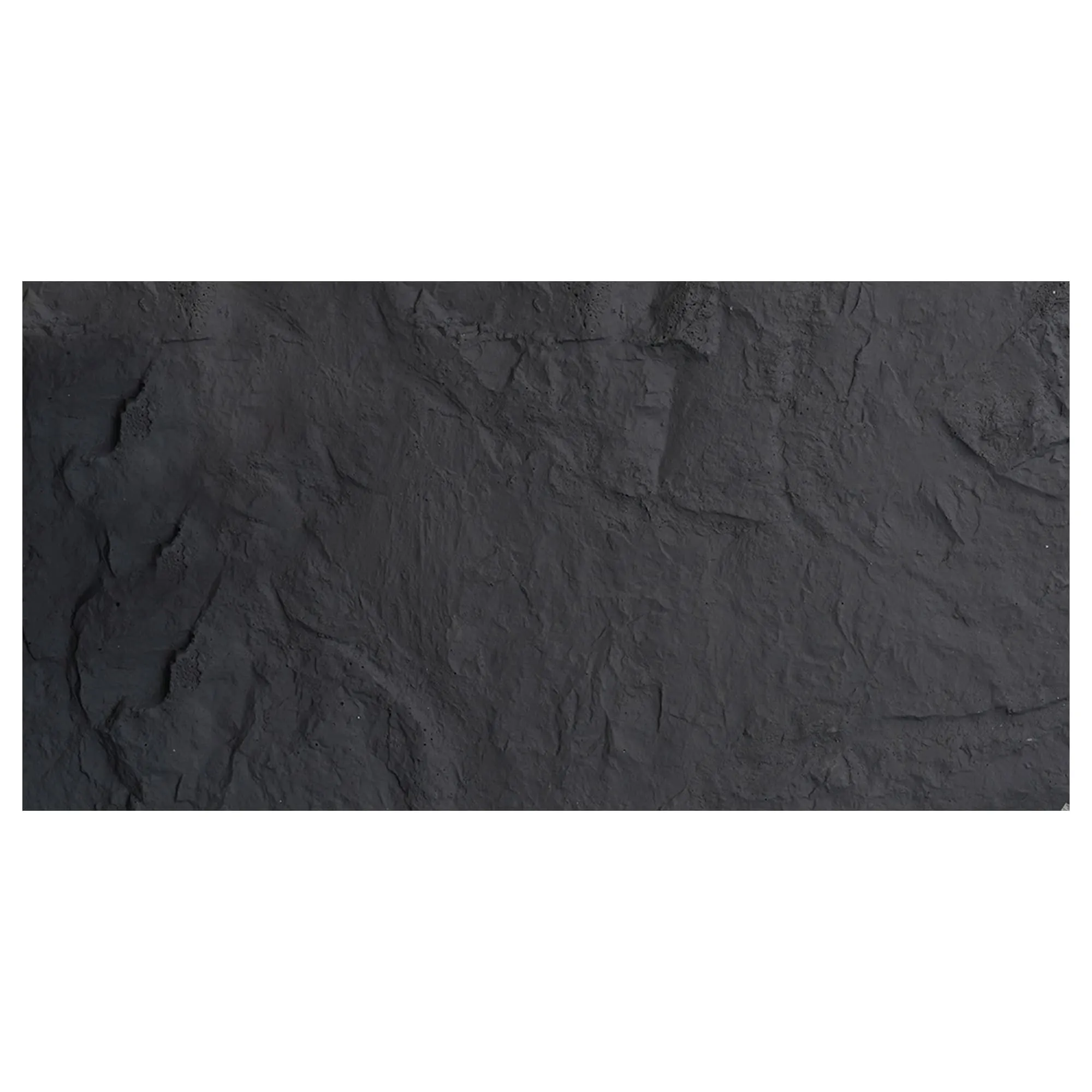
Vintage Black Boulder Slab isn't just another building material—it's a design revolution. Part of the broader MCM flexible stone series, this product marries the best of natural stone with modern engineering. Think of it as stone, but better: lighter, more durable, and infinitely more versatile. The "vintage black" finish is where it truly shines. Unlike the flat black of ceramic tiles, this slab has depth—subtle variations in tone, tiny specks of silver and gray that catch the light, and a texture that feels both rugged and refined. It's the kind of material that makes you want to reach out and touch it, like running your hand over a weathered boulder that's stood in a mountain stream for decades.
But what exactly is MCM flexible stone? In short, it's a composite material made from natural stone particles, fiberglass, and a polymer binder. This blend makes it lightweight (about 1/3 the weight of traditional stone) and flexible, meaning it can bend slightly without cracking—perfect for curved walls or uneven surfaces. And while it's man-made, it retains the organic beauty of natural stone. Vintage Black Boulder Slab, in particular, draws inspiration from ancient basalt formations and industrial steel, giving it a timeless, almost nostalgic vibe that works in both modern lofts and rustic cabins.
One of the first things people notice about Vintage Black Boulder Slab is its versatility. Unlike ceramic tiles, which are mostly limited to floors and backsplashes, this slab can go anywhere: walls (indoor and outdoor), ceilings, fireplace surrounds, even furniture surfaces. It's resistant to moisture, heat, and UV rays, so it holds up in bathrooms, kitchens, and outdoor patios alike. And because it's lightweight, installation is a breeze—no need for reinforced framing or heavy machinery. A two-person crew can cover a 50-square-foot wall in a day, compared to the two or three days ceramic tiles might take.
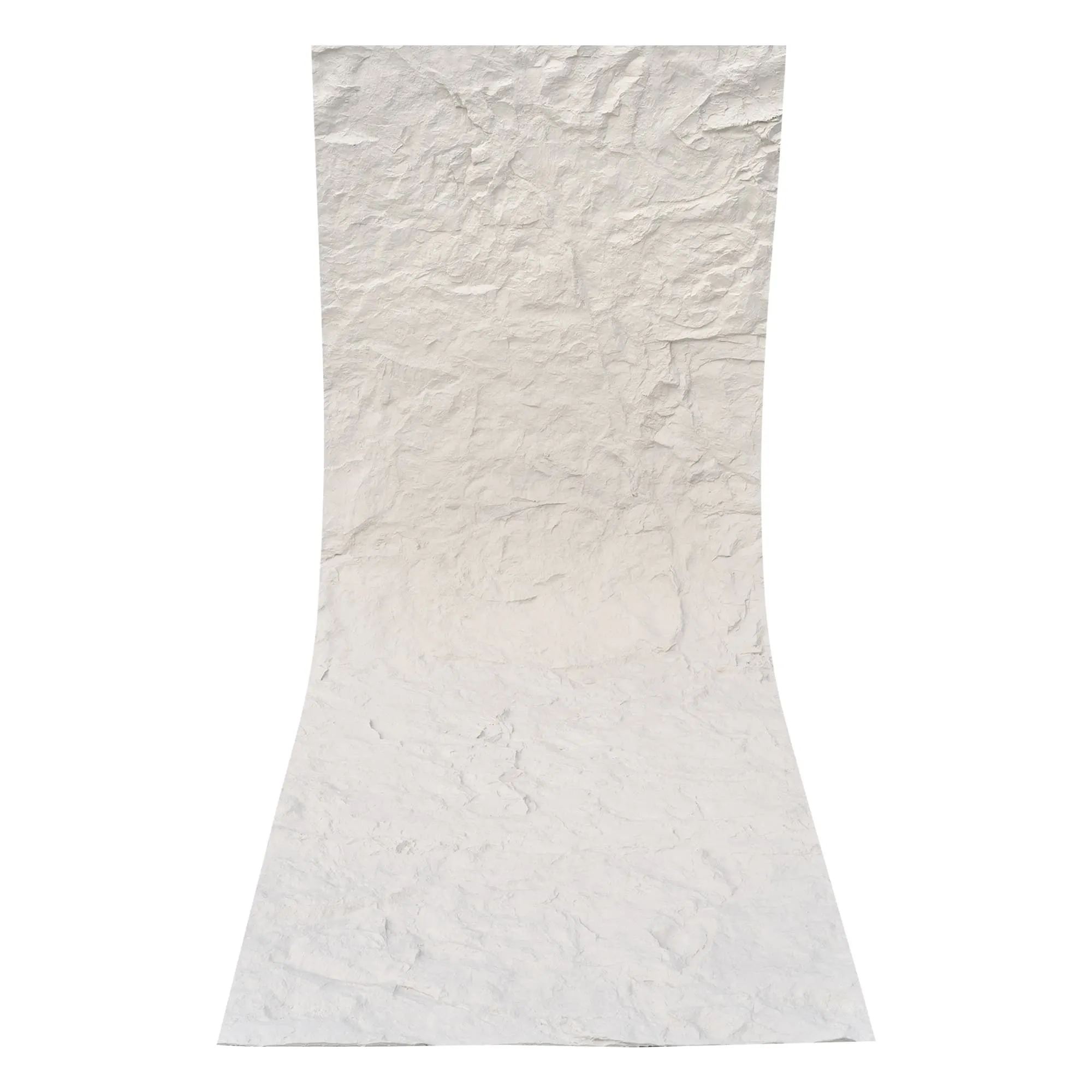
To really understand why Vintage Black Boulder Slab is a game-changer, let's put it head-to-head with three popular alternatives: ceramic tiles, fair-faced concrete, and wood grain board. The table below breaks down the key factors—cost, durability, installation, maintenance, and aesthetics—to help you see the difference.
| Material | Cost (Per Sq Ft)* | Durability | Installation Time | Maintenance | Aesthetics |
|---|---|---|---|---|---|
| Vintage Black Boulder Slab | $8–$20 (material) + $5–$8 (installation) | 20+ years; scratch, moisture, and UV resistant | 1 day for 50 sq ft (2-person crew) | Wipe with mild soap; seal every 3–5 years | Vintage black finish with texture; depth and character |
| Ceramic Tiles | $5–$15 (material) + $8–$12 (installation) | 5–10 years; prone to chipping and cracking | 2–3 days for 50 sq ft (2-person crew) | Grout cleaning weekly; potential regrouting every 2–3 years | Flat, uniform; limited texture and design options |
| Fair-Faced Concrete | $10–$18 (material) + $10–$15 (installation) | 15+ years; prone to staining without sealant | 3–4 days for 50 sq ft (requires curing time) | Seal every 1–2 years; stains easily from oil/wine | Industrial, minimalist; lacks warmth |
| Wood Grain Board | $7–$14 (material) + $6–$10 (installation) | 5–8 years indoors; warps outdoors (moisture-sensitive) | 1–2 days for 50 sq ft (2-person crew) | Refinish every 1–2 years; avoid water exposure | Warm, natural wood look; limited color options |
*Costs vary by region and supplier. Installation costs assume professional labor.
The numbers speak for themselves. While Vintage Black Boulder Slab has a slightly higher material cost than ceramic or wood grain board, its lower installation and maintenance costs make it the most cost-effective choice over time. Let's do the math: for a 100-square-foot kitchen backsplash, ceramic tiles would run you $500–$1,500 (material) + $800–$1,200 (installation) = $1,300–$2,700 upfront. Add in regrouting every 3 years ($300–$500 per session) and potential replacement after 10 years, and you're looking at $3,000–$5,000 over a decade. Vintage Black Boulder Slab? $800–$2,000 (material) + $500–$800 (installation) = $1,300–$2,800 upfront. With sealing every 5 years ($200 per session) and a lifespan of 20+ years, the total cost over a decade drops to $1,700–$3,200. That's a savings of up to $1,800—and you get a more durable, better-looking material to boot.
Aesthetically, Vintage Black Boulder Slab also pulls ahead. Fair-faced concrete is sleek but sterile, lacking the warmth that makes a space feel inviting. Wood grain board adds coziness but can't handle moisture or outdoor use. Ceramic tiles? As we've established, they're flat and forgettable. Vintage Black Boulder Slab, on the other hand, has the best of both worlds: the rugged texture of natural stone and the versatility of modern materials. Its vintage black hue pairs beautifully with warm woods, brass fixtures, or even pops of color, making it a designer's dream for creating layered, intentional spaces.
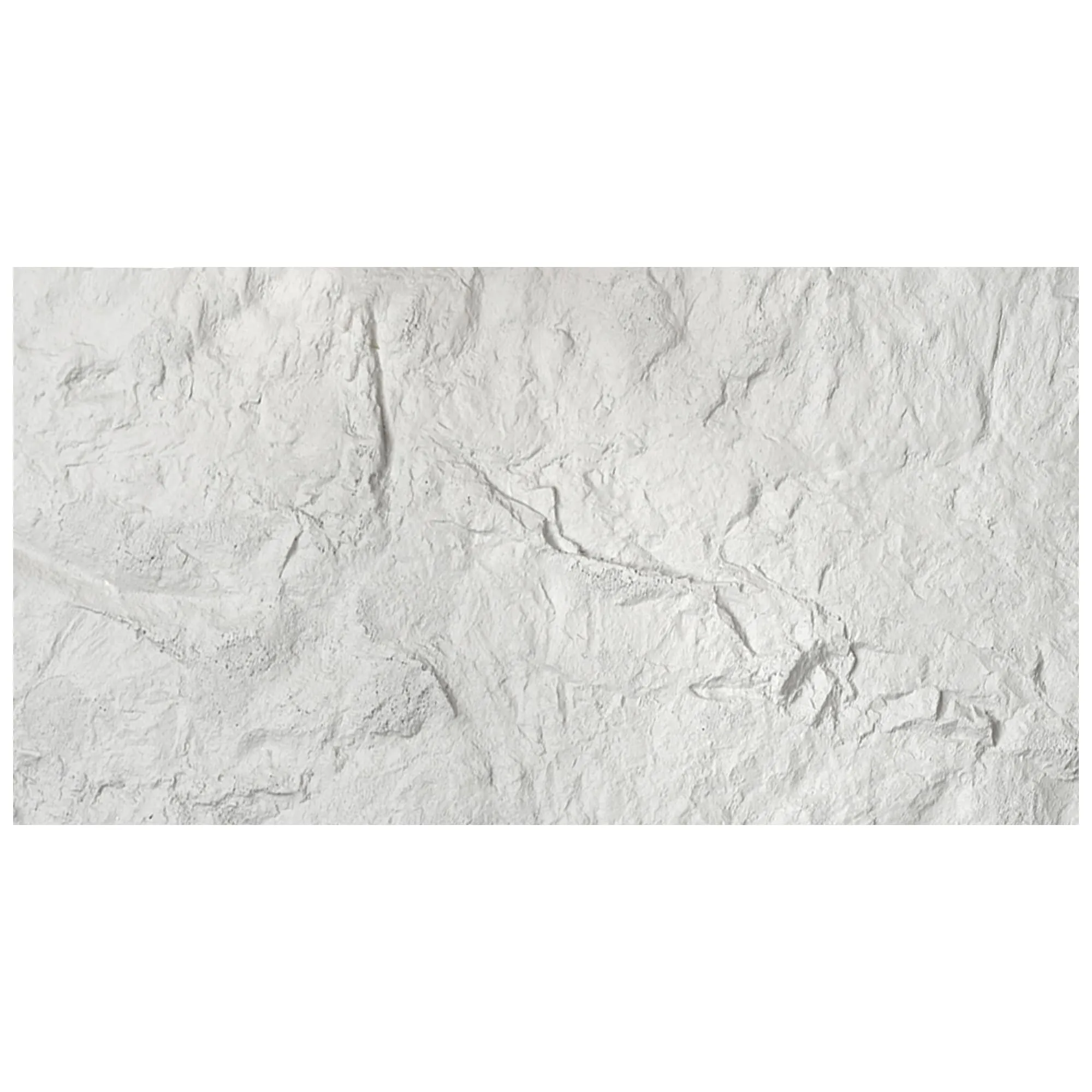
One of the biggest draws of Vintage Black Boulder Slab is its versatility in design. Whether you're going for industrial edge, rustic warmth, or modern minimalism, this material adapts—no forced aesthetics here. Let's look at a few real-world examples to spark your creativity.
Industrial Loft Kitchen: In a converted warehouse in Brooklyn, designer Lila Torres used Vintage Black Boulder Slab for the kitchen island facade and backsplash. Paired with stainless steel appliances and reclaimed wood shelves, the slab's texture adds depth without overwhelming the space. "Ceramic would have felt too clean," Lila said. "The boulder slab has these little pits and variations, like it's been weathered by time. It grounds the room and makes it feel lived-in."
Rustic Outdoor Patio: For a family in Colorado, outdoor living space was a priority. They wanted something that could handle snow, rain, and summer barbecues without looking worn. Vintage Black Boulder Slab solved the problem. Installed as wall cladding around the patio's built-in grill and fire pit, it contrasts beautifully with the surrounding pine trees and adds a touch of sophistication to the rustic setting. "We were worried about wood grain board warping in the rain," the homeowner said, "but this stuff just wipes clean. Even after a hailstorm, there's not a scratch."
Modern Bathroom Retreat: Bathrooms are tricky—moisture, heat, and humidity can ruin even the sturdiest materials. But Vintage Black Boulder Slab thrives here. In a master bathroom in Seattle, designer Raj Patel used it as a feature wall behind the freestanding tub. "The client wanted something dramatic but calming," Raj explained. "The vintage black absorbs light softly, creating this cozy, cave-like feel. And since it's moisture-resistant, we didn't have to worry about mold or mildew. It's like a spa retreat in their own home."
And if you're worried about matching existing decor? Vintage Black Boulder Slab plays well with others. Pair it with travertine (vintage black) for a monochromatic look, or mix in warm tones with wood grain board accents. It even complements bold colors—think a bright yellow backsplash tile in a kitchen, with the slab adding balance as a neutral base.
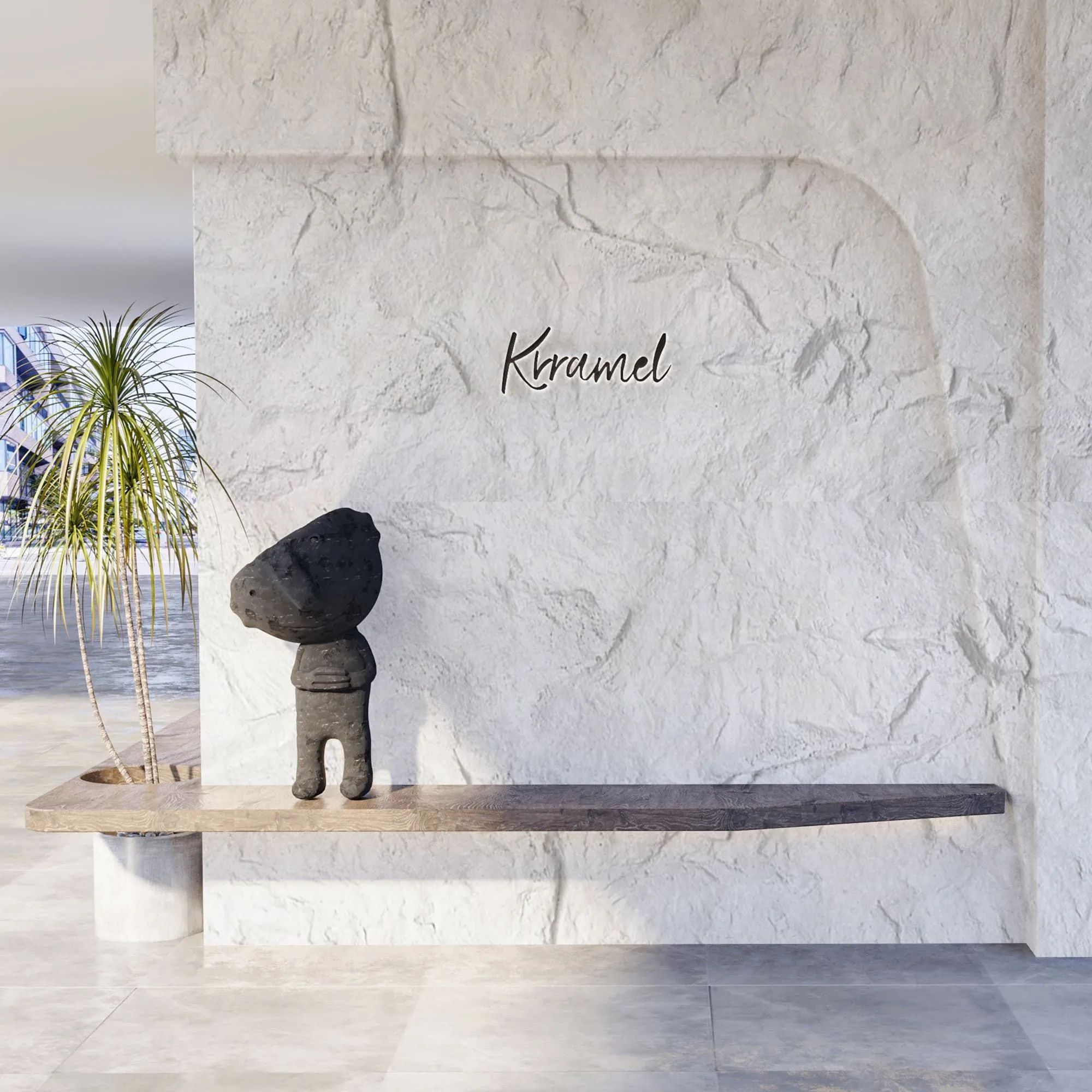
Let's get practical: installing and caring for Vintage Black Boulder Slab is refreshingly simple. Unlike ceramic tiles, which require precise measurements, spacers, and grout, this material is flexible and forgiving. Here's what you need to know:
First, prep the surface: it should be clean, dry, and flat (no major bumps or cracks). If you're installing over drywall, a quick sanding and primer coat will help the adhesive stick. For exterior walls, make sure the surface is weather-sealed to prevent moisture from seeping through. Once the surface is ready, apply a construction adhesive (like Liquid Nails) in a zigzag pattern to the back of the slab, then press it firmly into place. Use temporary supports (like painter's tape) to hold it while the adhesive dries (about 24 hours). That's it—no grout, no spacers, no mess.
Pro tip: Since the slabs are lightweight (around 3 pounds per square foot), you can cut them on-site with a standard tile cutter or jigsaw. This makes customizing for outlets, windows, or unique angles a breeze—no need to order specialty cuts from the supplier.
Caring for Vintage Black Boulder Slab is low-effort, high-reward. For daily cleaning, a quick wipe with a damp cloth or duster is all it takes. For tougher stains (think spaghetti sauce or wine), mix a little mild dish soap with warm water and scrub gently—no harsh chemicals needed. Every 3–5 years, apply a stone sealer to keep the finish looking fresh (this step is optional but recommended for high-moisture areas like bathrooms). That's it. No grout scrubbing, no refinishing, no stress.
In a world where eco-conscious choices matter more than ever, Vintage Black Boulder Slab delivers. As part of the MCM flexible stone series, it's made with recycled stone particles and a low-VOC binder, reducing its carbon footprint compared to ceramic tiles (which require high-temperature firing) or wood grain board (which often relies on unsustainable logging). Its durability also plays a role: since it lasts 20+ years, there's less waste from replacements. And because it's lightweight, transportation emissions are lower too—trucks can carry more slabs per trip, reducing the number of deliveries needed.
For businesses aiming for LEED certification or homeowners wanting to reduce their environmental impact, this is a big win. "Sustainability used to mean sacrificing style or budget," said green building consultant Mia Chen. "But materials like Vintage Black Boulder Slab change that. They're proof that you can have it all: durability, beauty, and a clear conscience."
At the end of the day, home design is about more than aesthetics—it's about making choices that work for your lifestyle, budget, and long-term happiness. Ceramic tiles might seem like the safe bet, but their hidden costs and limitations often lead to regret. Vintage Black Boulder Slab, on the other hand, is a material that grows with you: it handles the chaos of daily life, ages gracefully, and adds value to your home (designers report that homes with unique, durable materials like this often sell faster and for higher prices).
Whether you're renovating a kitchen, sprucing up a bathroom, or designing a commercial space, this slab offers something ceramic never could: peace of mind. No more stressing over chipped tiles or moldy grout. No more settling for a look that feels generic. Instead, you get a material with character, durability, and cost-effectiveness—all wrapped up in a vintage black package that's as timeless as it is modern.
So, what are you waiting for? The next time you're planning a project, skip the ceramic aisle. Give Vintage Black Boulder Slab a chance. Your walls (and your wallet) will thank you.
Recommend Products












