
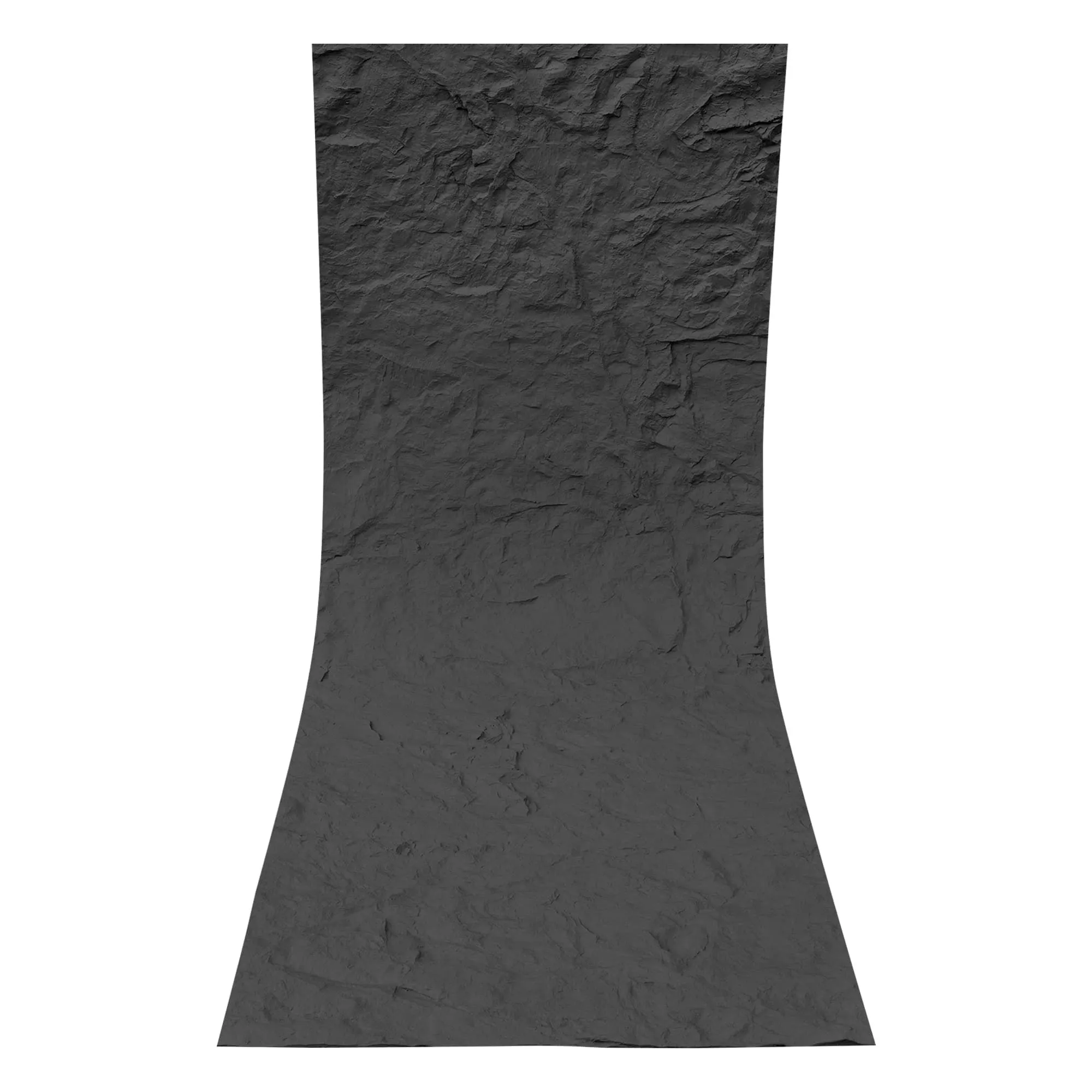
It's a crisp autumn morning in Portland, and Lila, an architect with a penchant for blending heritage with innovation, stands in front of a half-finished community center. Her boots crunch on gravel as she runs a hand over a sample board—rough, cool, and faintly textured, like a fragment of ancient mountain stone. "This has to feel like more than a wall," she murmurs to her intern, who's scribbling notes nearby. "It needs to tell a story—one about where we've been and where we're going." The project's LEED Platinum goal looms large, but so does the community's desire for a space that feels grounded, not clinical. That's when her lands on a sample labeled Vintage Black Boulder Slab . Something about its depth—those subtle, weathered veins and matte finish—stops her in her tracks. "This," she says, "might just be the bridge we're looking for."
For designers like Lila, the struggle is real. Clients want spaces that "wow"—textures that invite touch, colors that evoke emotion—yet they also demand materials that align with their eco-conscious values. Traditional stone, while stunning, often comes with a heavy price tag for the planet: quarrying that scars landscapes, transportation emissions from far-flung mines, and wasteful cutting processes that leave heaps of unused stone. Even modern alternatives like polished concrete can feel sterile, lacking the warmth that makes a building feel like a "place" rather than a structure.
Enter the MCM Flexible Stone family—a line of materials that's been quietly revolutionizing green building since its debut. Short for Modified Composite Material, MCM blends natural minerals, recycled polymers, and low-VOC resins to mimic the look and feel of natural stone without the environmental toll. And within this family, the Vintage Black Boulder Slab stands out as a testament to how sustainability and beauty can coexist.
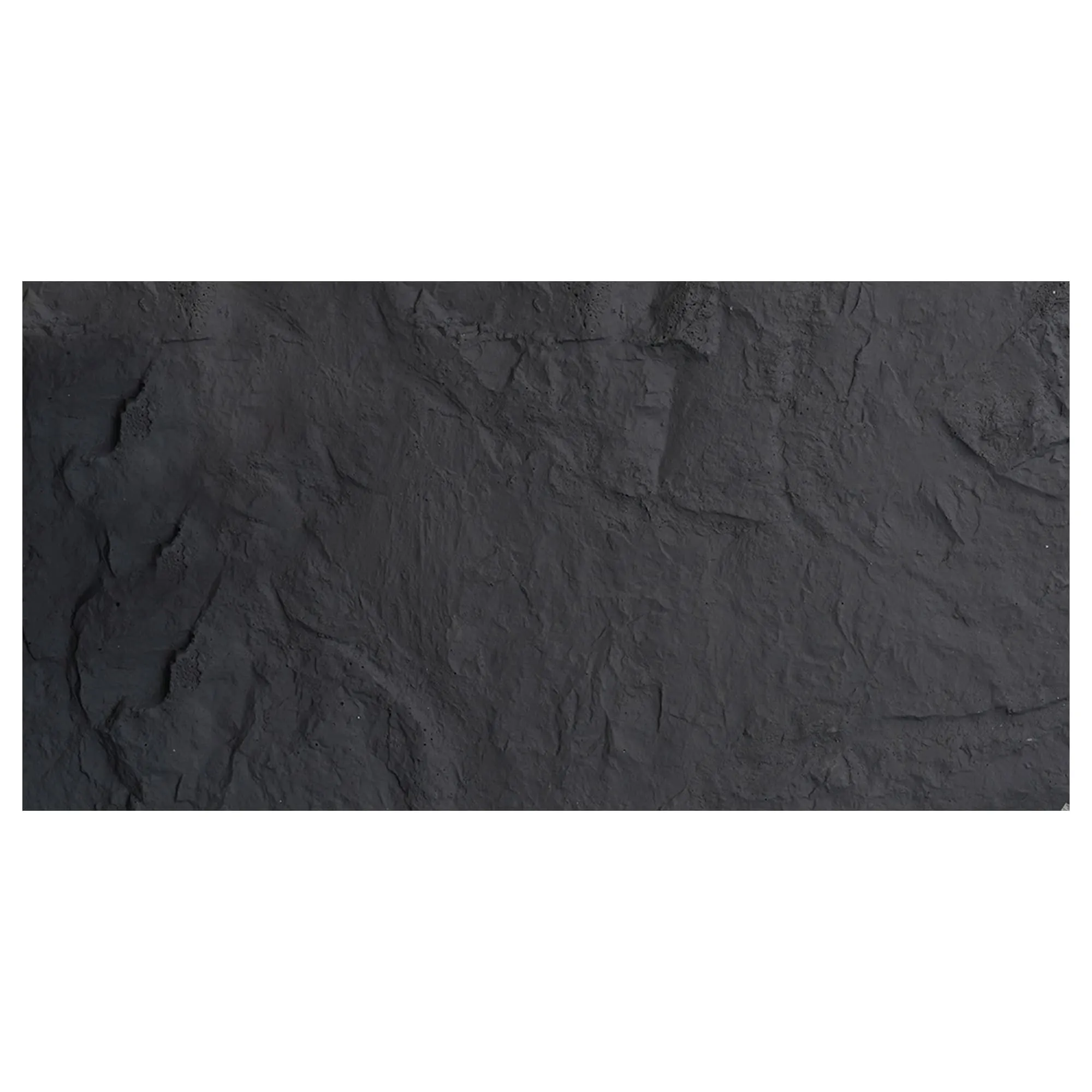
Let's start with the obvious: it's breathtaking. Imagine a slab that looks like it was hewn from the side of a weathered cliff—deep charcoal blacks swirled with hints of gunmetal gray and the occasional glint of mica, as if stars were trapped in stone millions of years ago. Unlike glossy black marbles that feel cold and formal, this boulder slab has a lived-in quality, like it's been part of the earth's story for centuries. Run your hand across it, and you'll feel a texture that's neither too rough nor too smooth—just enough to catch the light and create shadows that shift as the day progresses.
But its beauty is more than skin deep. What truly sets Vintage Black Boulder Slab apart is its commitment to sustainability. Let's break it down:
Nearly 70% of the material in each slab is recycled: reclaimed stone dust from quarry waste, post-consumer plastic polymers, and even repurposed industrial byproducts. "We're not just reducing waste—we're giving new life to materials that would otherwise end up in landfills," explains Raj, a materials engineer at the MCM production facility in Lisbon. "For every 1,000 square feet of Vintage Black Boulder Slab installed, we divert roughly 2 tons of waste from incinerators. That's a number that makes even the most skeptical clients sit up and listen."
Traditional natural stone can weigh upwards of 45 kg per square meter—heavy enough to require reinforced structural support and guzzle fuel during transportation. Vintage Black Boulder Slab? A mere 18 kg per square meter. "That's a game-changer for retrofits," Lila says, recalling a recent project in Chicago where the team wanted to clad an old brick warehouse without reinforcing the floors. "We would've had to tear out and replace the joists for traditional stone. With the boulder slab, we installed it directly over the existing structure. Saved weeks of work and tons of carbon emissions from trucking in steel supports."
The production process is designed to minimize energy use and water waste. Solar panels power the main production line, and rainwater is collected and filtered for use in mixing materials. Even the pigments used to achieve that rich vintage black are derived from natural iron oxides, not synthetic dyes that leach toxins into waterways. "We track every kilowatt and gallon," Raj adds. "Last year, our facility reduced its carbon footprint by 35% compared to conventional stone processing plants. That's the kind of number that gets LEED auditors excited."
| Material | Recycled Content | Carbon Footprint (kg CO₂/m²) | Weight (kg/m²) | Installation Waste | Expected Lifespan |
|---|---|---|---|---|---|
| Vintage Black Boulder Slab | 70% | 8.2 | 18 | <5% | 50+ years |
| Traditional Granite | 0% | 24.6 | 45 | 15-20% | 60+ years |
| Fair-faced Concrete | 30% | 12.1 | 22 | 10% | 40-45 years |
| Polished Marble | 0% | 28.3 | 52 | 25% | 30-35 years |
The table above tells a clear story: Vintage Black Boulder Slab outperforms traditional materials on nearly every sustainability metric while holding its own in durability. And when you factor in its design versatility—those subtle textures and depth of color—it's no wonder designers are swapping out heavier, less eco-friendly options.
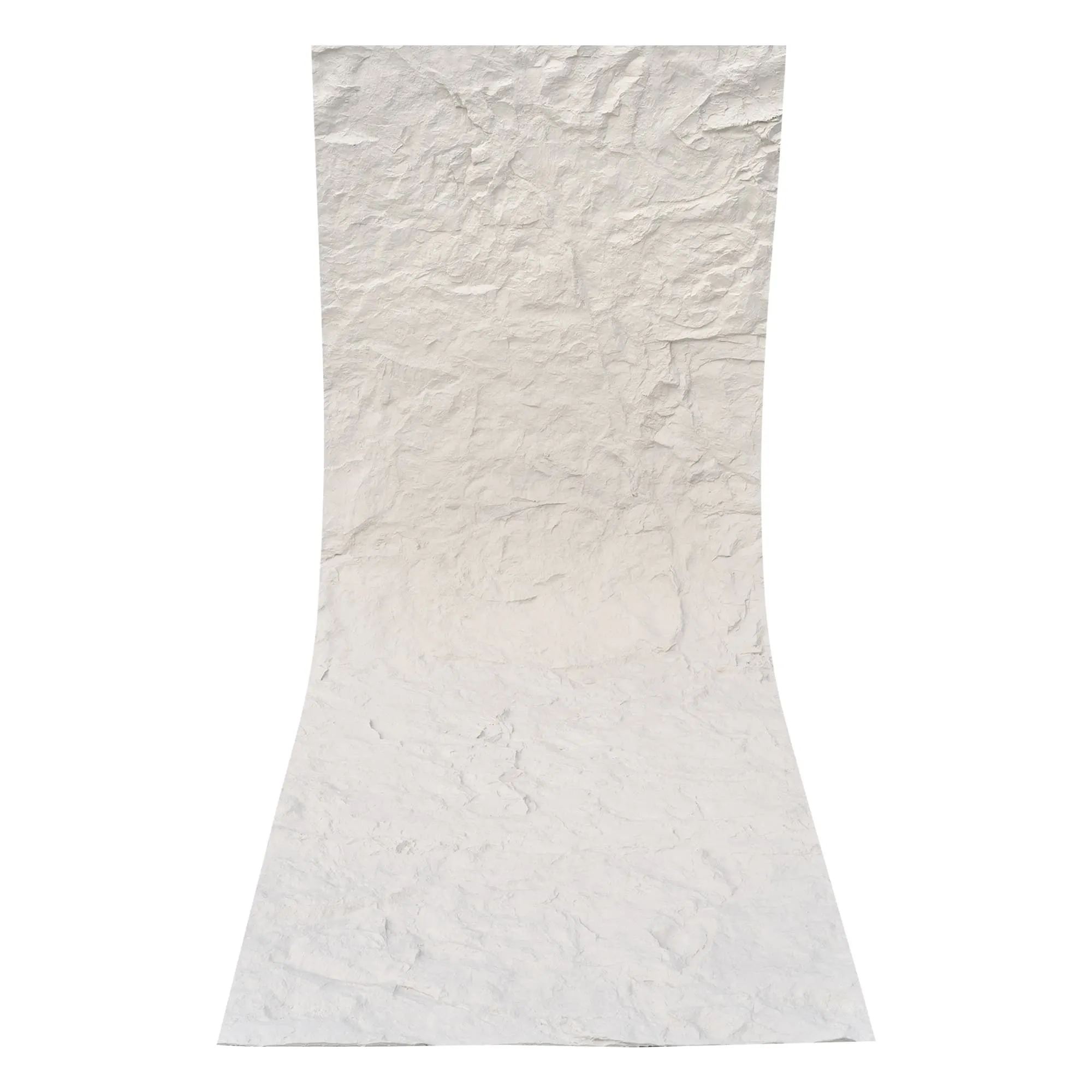
Vintage Black Boulder Slab isn't an island. It's part of a broader family of MCM Flexible Stone products, each designed to address different design needs while staying true to sustainability. There's the lightweight, bendable MCM panels that wrap around curved walls (perfect for Lila's community center auditorium), and the thin, tile-like variants ideal for backsplashes and accent walls. What unites them all is that commitment to reducing environmental impact without sacrificing aesthetics.
"We think of MCM as a toolkit," says Maya, a sustainability consultant who specializes in green building certifications. "A project might use Vintage Black Boulder Slab for exterior cladding, MCM Flexible Stone panels for interior feature walls, and even recycled aluminum accents—all from the same eco-conscious family. That consistency makes it easier to track materials for LEED credits. Plus, clients love that they're not choosing between 'green' and 'gorgeous'—they can have both."
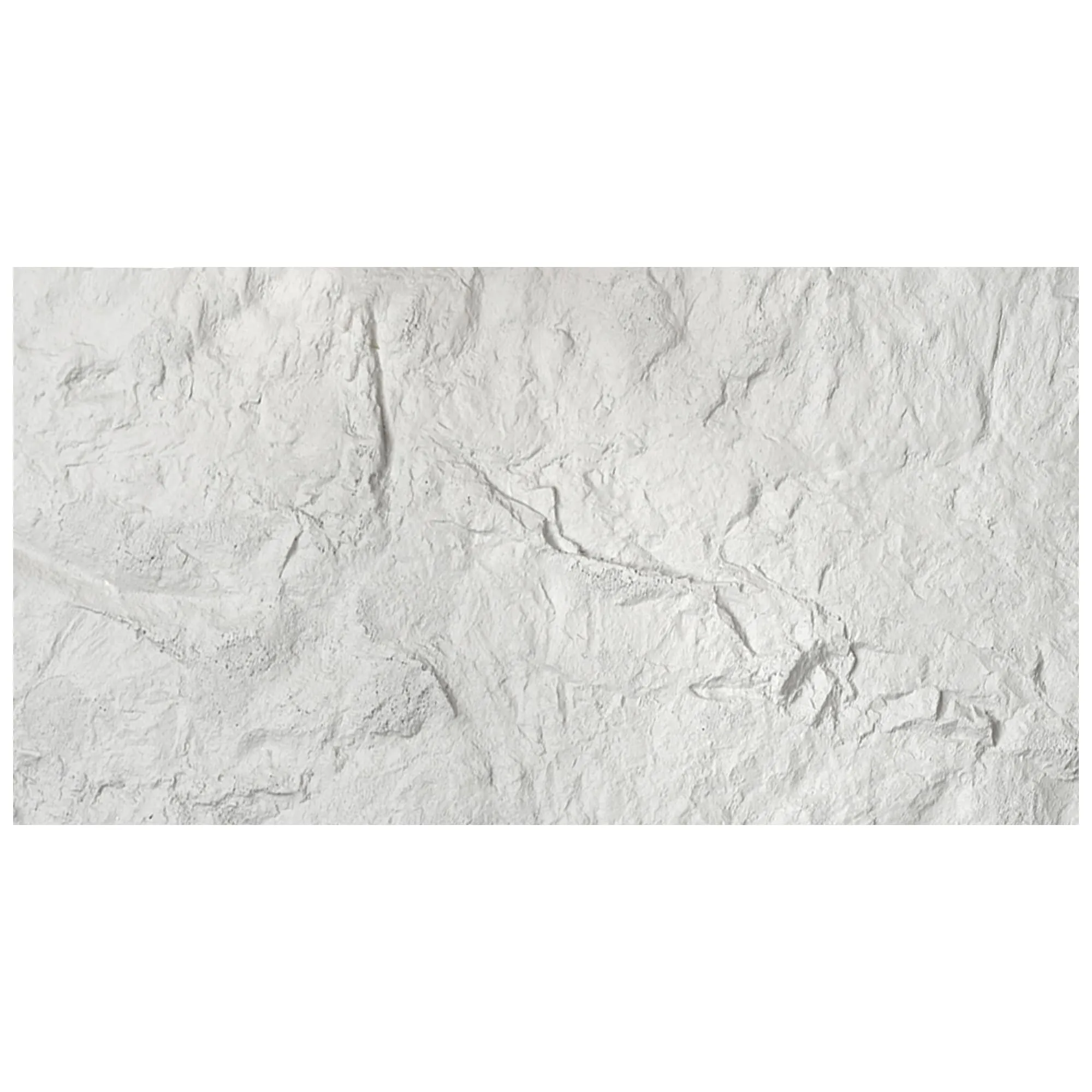
For projects chasing green building certifications, every material choice counts. Vintage Black Boulder Slab doesn't just "not hurt" these efforts—it actively helps. Let's break down how it contributes to key certification criteria:
LEED points are all about measurable impact, and this slab delivers in spades:
•
Materials and Resources (MR) Credits:
The 70% recycled content qualifies for MR Credit 4 (Recycled Content), while the reduced transportation emissions (thanks to lightweight design) contribute to MR Credit 5 (Regional Materials).
•
Indoor Environmental Quality (EQ) Credits:
Low-VOC resins mean better air quality, supporting EQ Credit 4 (Low-Emitting Materials).
•
Innovation in Design (ID) Credits:
Some projects have earned ID credits for using MCM technology, especially when paired with other sustainable strategies like rainwater harvesting.
In Europe, BREEAM rewards holistic sustainability, and Vintage Black Boulder Slab shines here too:
•
Health and Wellbeing:
The natural, non-toxic composition scores points under HEA02 (Internal Air Quality).
•
Resource Use:
High recycled content and low embodied carbon align with MAT01 (Responsible Sourcing of Materials).
•
Pollution:
Reduced transportation emissions help meet POL03 (Construction Pollution).
Maya recalls a recent BREEAM Excellent project in Berlin: "The client wanted a bold exterior that stood out in the cityscape but didn't compromise their sustainability goals. We used Vintage Black Boulder Slab for the facade, and it contributed to 8 out of their 12 material-related credits. The auditors were impressed by how the slab balanced aesthetics with performance—proof that 'green' doesn't have to mean 'muted.'"
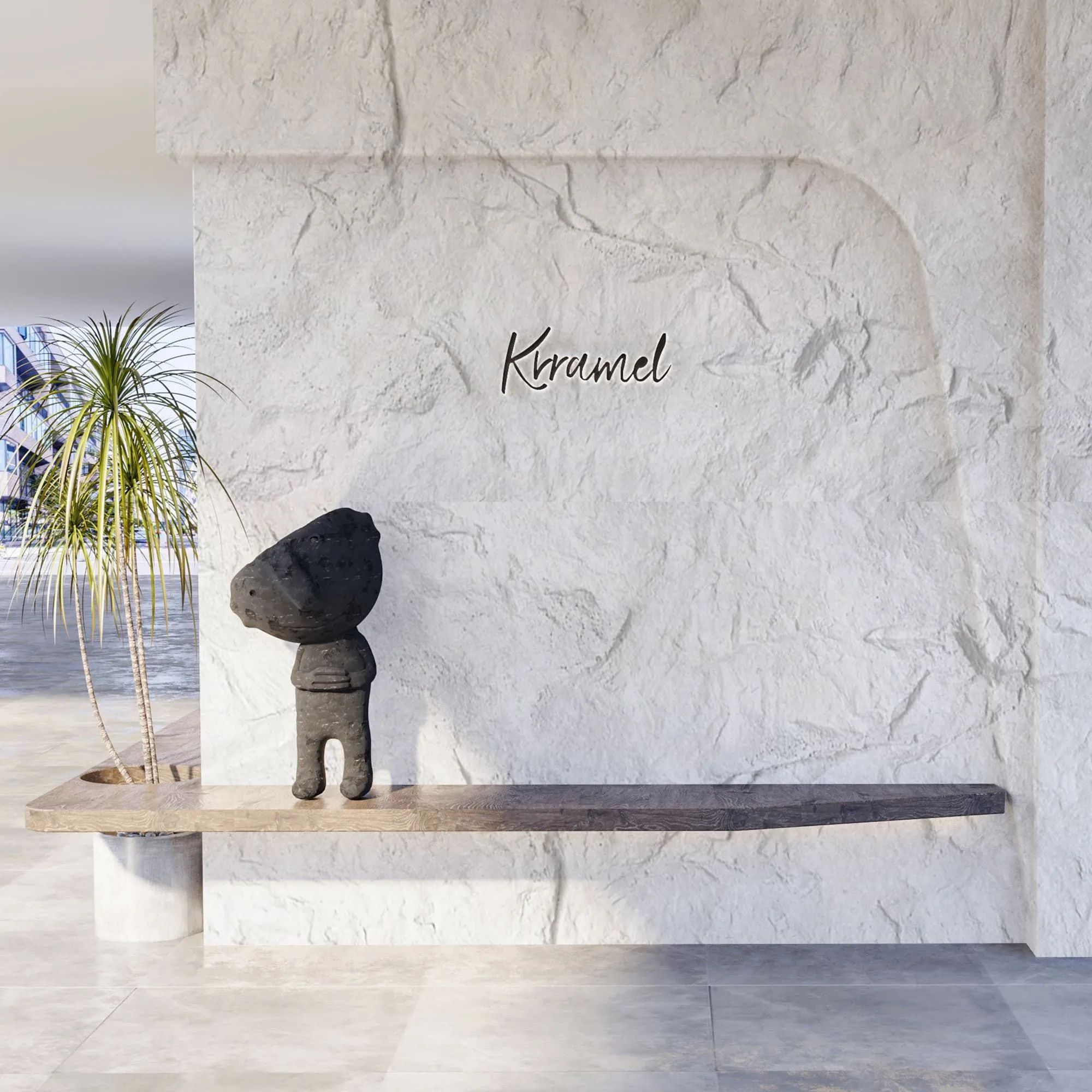
It's one thing to talk about specs and certifications, but it's another to see the slab in action. Here are a few hypothetical (but realistic) examples of how it's transforming spaces:
Back to Lila's project. The community center, which opened last spring, features Vintage Black Boulder Slab on its exterior facade and as accent walls in the main hall. "The kids love running their hands over it," Lila laughs. "They call it 'the dragon skin wall' because of the texture. And the LEED auditor? He couldn't stop asking about the material. We ended up scoring 10 points just from materials alone—enough to push us over the Platinum finish line." The center now hosts weekly sustainability workshops, and the slab has become a tangible example of what "green building" looks like.
A 19th-century bank in Edinburgh needed a modern update but couldn't alter its historic stone exterior. The solution? Vintage Black Boulder Slab for the interior atrium, paired with MCM Flexible Stone panels in warm neutrals. "The contrast between the old sandstone and the new slab is stunning," says the project architect. "And because the slab is lightweight, we didn't have to reinforce the 150-year-old floors. The client was thrilled—they got a cutting-edge space without compromising the building's heritage. Plus, the BREEAM assessor praised the material's recycled content, calling it a 'model for adaptive reuse.'"
For a home perched on a cliff overlooking the Pacific, durability was as important as sustainability. The owner chose Vintage Black Boulder Slab for outdoor patios and a fireplace that opens to both inside and out. "Salt air, wind, rain—this slab has weathered it all," the homeowner reports. "And it still looks as rich and textured as the day it was installed. We even get compliments from hikers on the trail below—they think it's natural stone from the cliff. Little do they know it's helping us reduce our carbon footprint."
As climate concerns grow, so does the demand for materials that do more than "meet the minimum." Vintage Black Boulder Slab is part of a larger shift toward what experts call "regenerative design"—building in a way that actually improves the planet, not just minimizes harm. "We're not just talking about 'less bad' anymore," Maya says. "We're talking about 'actively good.' Materials that sequester carbon, reduce waste, and create spaces that nurture both people and the environment. Vintage Black Boulder Slab isn't perfect, but it's a step in that direction."
For designers like Lila, that step is personal. "At the end of the day, I don't just build buildings—I build legacies," she says, watching sunlight filter through the community center's windows and dance across the Vintage Black Boulder Slab walls. "When this center is still standing 50 years from now, I want its story to include how we cared—about the earth, about the people who use it, about the future. This slab? It's not just part of the wall. It's part of that story."
Vintage Black Boulder Slab isn't just a "sustainable alternative"—it's a statement. It says that beauty and responsibility don't have to be enemies. That a wall can be both a backdrop and a storyteller. That even in the hard, practical world of construction, there's room for heart.
So the next time you're standing in front of a sample board, wondering how to balance aesthetics and the planet, let your fingers find that rough, cool texture. Let yourself imagine the stories that material could tell—the ones about recycling waste into wonder, about building not just for today, but for the generations that will walk through those doors long after we're gone. That's the power of choosing wisely. That's the power of Vintage Black Boulder Slab.
Recommend Products












