
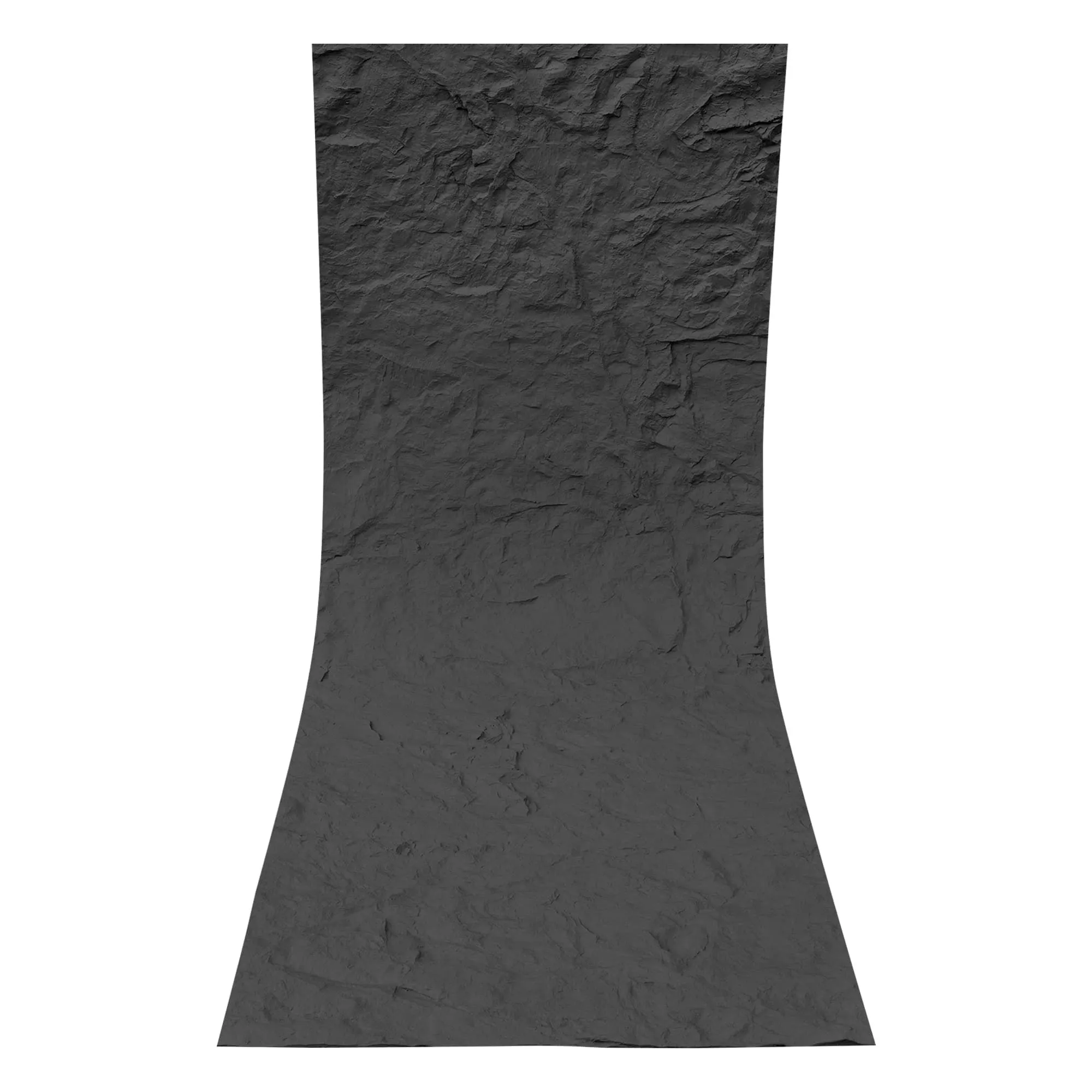
Walk into any modern architectural project today, and you'll likely notice a material that balances raw texture with refined elegance—boulder slab. Among its many iterations, the vintage black variant has emerged as a favorite, offering a bold, versatile canvas for designers and homeowners alike. But here's the thing about choosing the right boulder slab: color isn't just a detail; it's the soul of the design. When it comes to vintage black boulder slab, the decision often boils down to two paths: sticking with tried-and-true standard colors or venturing into the world of custom hues. Let's unpack what each option entails, and how to decide which one aligns with your project's vision.
Before diving into colors, let's get clear on the star of the show. Vintage black boulder slab is part of the broader boulder slab family, a line of materials celebrated for its durability, lightweight composition, and striking aesthetic. Think of it as nature's ruggedness meets human ingenuity—crafted to mimic the look of quarried stone but engineered for modern construction needs, like easy installation and resistance to weathering. It's no wonder it's a cornerstone of the mcm big slab board series, a collection known for pushing the boundaries of what's possible in interior and exterior design.
What makes vintage black stand out? It's not just any black. It's a deep, nuanced shade with subtle undertones—sometimes a hint of charcoal, other times a whisper of espresso—that catches light in ways that flat, uniform blacks can't. It's bold enough to make a statement in a minimalist space but versatile enough to complement warmer materials like wood or brass. And when paired with other boulder slab variants, like boulder slab (vintage silver) or boulder slab (vintage gold), it creates dynamic contrasts that elevate any design.
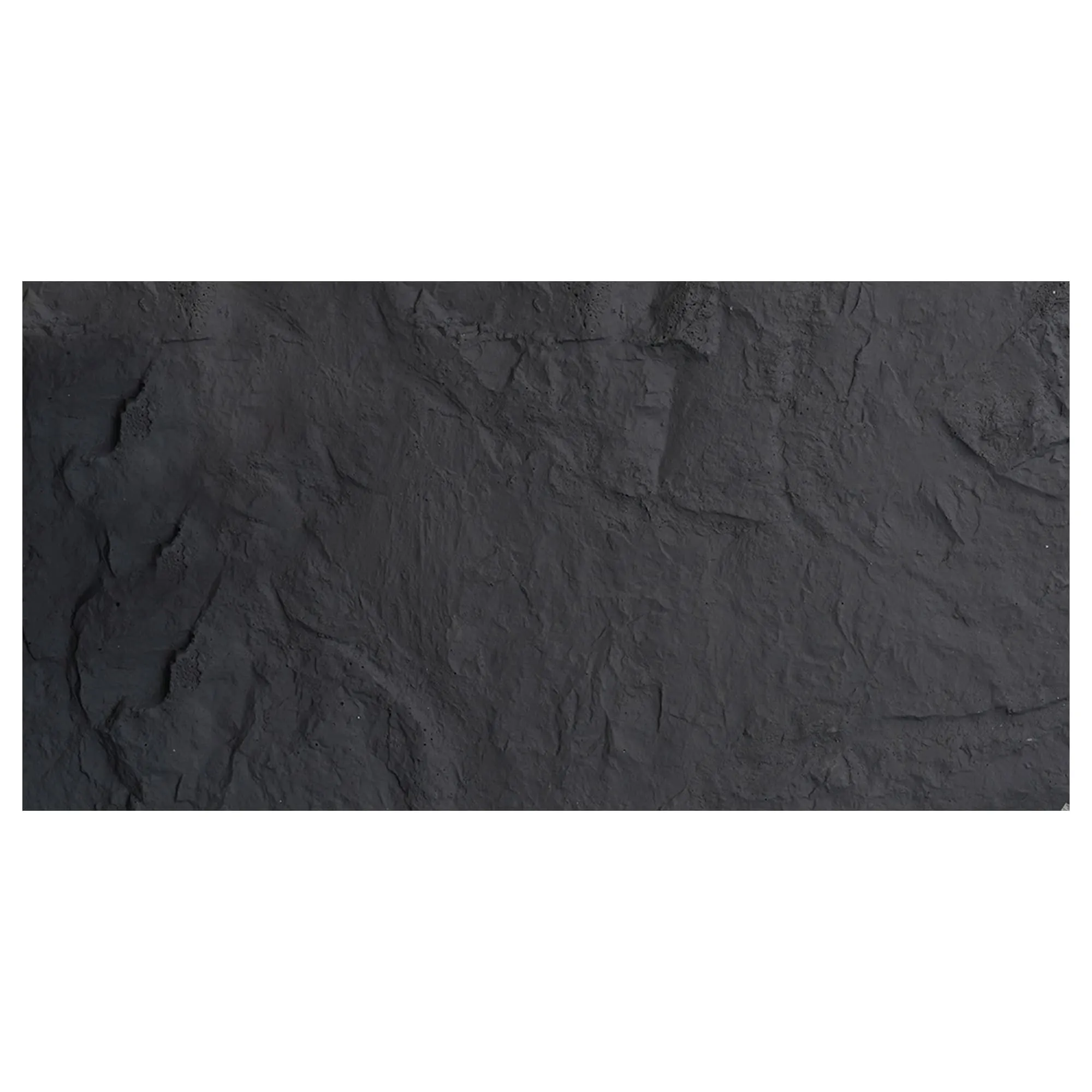
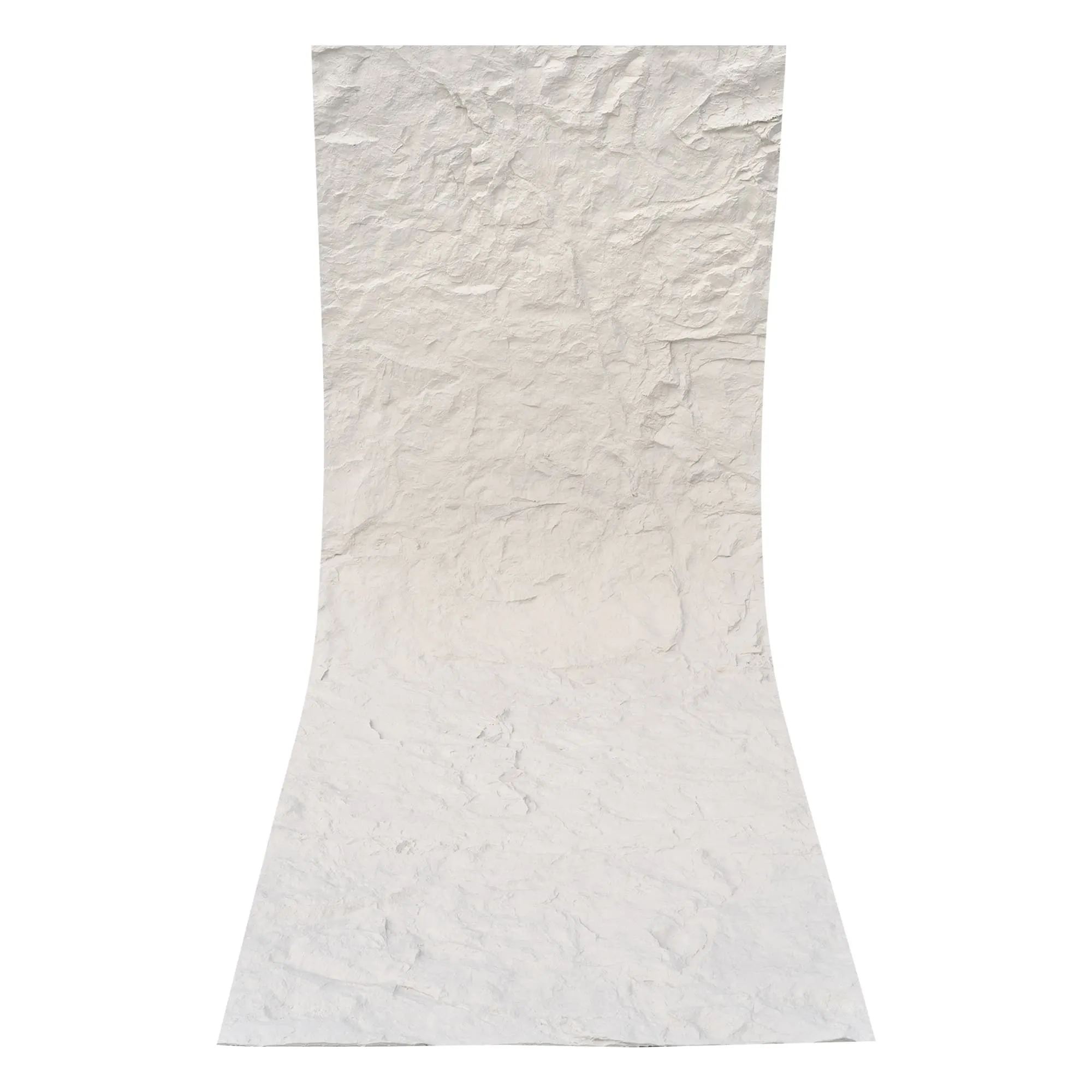
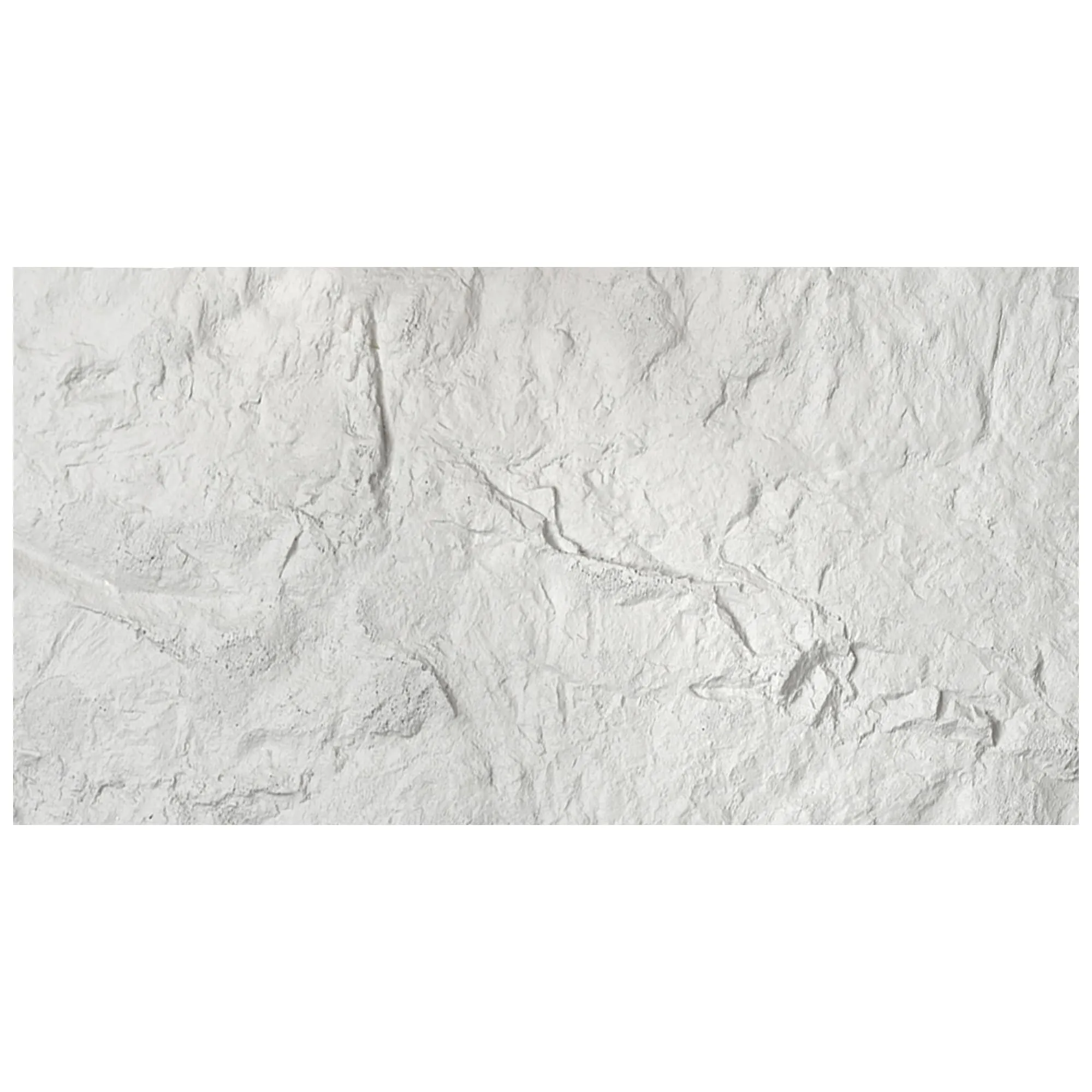
Standard colors are the backbone of any material line, and boulder slab is no exception. These are pre-engineered, factory-tested shades that manufacturers offer as ready-to-ship options. For vintage black boulder slab, the standard family includes three core players:
Boulder slab (vintage silver): A cool, metallic gray with a soft sheen that adds industrial chic to spaces. It's like moonlight on stone—subtle but undeniably striking. Popular in modern offices and lofts, it pairs beautifully with white walls and black accents for a monochromatic look.
Boulder slab (vintage gold): Warm, rich, and inviting, this shade feels like sunlight captured in stone. It's a favorite for residential projects, adding a touch of luxury to kitchens, fireplaces, or accent walls. When paired with vintage black, it creates a high-contrast, high-impact combo that's equal parts glamorous and grounded.
Boulder slab (vintage black): The star of our show. As mentioned, it's a deep, dimensional black with texture that adds depth. It's the go-to for designers aiming for sophistication—think boutique hotels, high-end restaurants, or sleek home exteriors. Because it's a standard color, it's widely available and has a proven track record of performance.
Standard colors aren't just "easy"—they're reliable. Here's why they might be the right choice for your project:
Speed and availability: Since these shades are mass-produced, they're typically in stock or available with short lead times (often 1–2 weeks). If your project has a tight timeline, standard colors eliminate the stress of waiting for custom production.
Cost-effectiveness: Mass production means lower costs. Standard colors avoid the added expenses of custom pigment development, sampling, and small-batch manufacturing. For budget-conscious projects, this can be a game-changer.
Proven durability: Manufacturers test standard colors rigorously for UV resistance, weathering, and colorfastness. You can trust that vintage black (or silver or gold) will hold up over time, without fading or discoloring—even in harsh climates.
Design consistency: If you're working on a large project (say, a chain of retail stores or a multi-building complex), standard colors ensure every panel matches perfectly. No surprises, no mismatched batches—just a cohesive look from start to finish.
But what if your design vision calls for something… specific? Maybe you're working with a brand that has a signature color, or you want to match a rare stone you fell in love with on a trip to Italy. That's where custom colors come in. Customization lets you tailor the boulder slab's hue to your exact specifications, turning a standard material into something one-of-a-kind.
Custom color development is a collaborative process. It starts with a vision: maybe you want a vintage black with a blue undertone, or a charcoal gray that leans green. You'll work with the manufacturer to share samples—fabric swatches, paint chips, even photos of inspiration (like a stormy sky or a forest at dusk). From there, the team will create small test panels, adjusting pigments until the color matches your vision. Once approved, they'll scale up production, ensuring the custom hue maintains the same durability and texture as the standard options.
Examples? Imagine a boutique hotel in Santorini wanting to echo the island's iconic blue domes. They could commission a custom "Santorini blue" boulder slab to line their lobby walls, creating a seamless connection to the locale. Or a tech startup with a brand color of electric purple might use custom boulder slab for their office entrance, making a bold first impression that aligns with their identity.
Custom colors offer unparalleled creative freedom, but they're not without considerations:
Uniqueness: This is the biggest draw. A custom color ensures your project stands out—no one else will have that exact shade. It's perfect for clients who want their space to tell a unique story.
Brand alignment: For commercial projects, matching brand colors can brand recognition. A coffee chain with a signature burnt orange could use custom boulder slab for their storefronts, making their locations instantly recognizable.
Design cohesion: If your project has existing elements—like a historic building with unique stonework or a piece of art with specific colors—custom boulder slab can bridge the gap, creating a unified look.
But custom comes with trade-offs: Cost: Expect to pay 30–50% more than standard colors, thanks to the R&D, sampling, and small-batch production involved. Time: Custom colors take longer—usually 4–6 weeks from design to delivery—so they're not ideal for tight deadlines. Risk of variation: While manufacturers strive for consistency, custom batches can sometimes have slight variations, especially with complex hues. That's why sampling is crucial—always request a physical sample before committing.
The decision between standard and custom colors depends on your project's unique needs. Here are key factors to weigh:
Large-scale projects with tight budgets often lean toward standard colors. For example, a developer building 50 townhomes might opt for vintage black boulder slab for all exteriors—standard colors ensure consistency, lower costs, and faster turnaround. On the flip side, a luxury single-family home with a generous budget might splurge on a custom color to match the owner's vision of "midnight with a hint of emerald."
If your project's success hinges on uniqueness—like a high-end restaurant aiming to stand out in a competitive market—custom colors are worth the investment. But if you're happy with a timeless, proven look (and there's nothing wrong with that!), standard colors like vintage black, silver, or gold will serve you well.
Renovations or projects with hard deadlines (like a store opening before the holiday season) rarely have room for custom lead times. Standard colors, with their quick availability, are the safer bet here. If you have a flexible timeline, though, custom opens up a world of possibilities.
Both standard and custom colors are designed to be durable, but it's worth asking manufacturers about testing. Standard colors have years of real-world use proving their resistance to fading, chipping, and weathering. Custom colors should undergo the same tests—UV exposure, moisture resistance, etc.—to ensure they hold up. Reputable manufacturers will provide certificates or test results to back this up.
| Aspect | Standard Colors (Vintage Silver/Gold/Black) | Custom Colors |
|---|---|---|
| Availability | Typically in stock; 1–2 week lead time | Made-to-order; 4–6 week lead time |
| Cost | Lower; budget-friendly for large projects | Higher (30–50% more); investment in uniqueness |
| Design Flexibility | Limited to 3 core shades (silver, gold, black) | Unlimited; tailored to specific hues |
| Consistency | High; batch-tested for uniformity | Good, but slight variations possible; requires sampling |
| Durability | Proven track record; tested for UV/weather resistance | Tested, but ensure manufacturer verifies pigment stability |
| Best For | Large projects, tight budgets, brand consistency | Unique designs, brand alignment, historic/legacy projects |
To bring this to life, let's look at two projects—one using standard vintage black, and one using custom color—to see how the choice played out.
A local restaurant group wanted to open a new steakhouse with an industrial-chic vibe. Their vision: dark, moody interiors with touches of warm metal. They chose vintage black boulder slab for their bar front and accent walls. Why standard? They had a tight 3-month timeline to open before the busy holiday season, and with 10 locations in the works, consistency was key. By using standard vintage black, they ensured all bars would match, and they got the materials delivered in just 10 days. The result? A sleek, cohesive look that's become their brand signature—customers now associate the deep black stone with their high-quality steaks and ambiance.
A homeowner in Colorado wanted their mountain home to blend with the surrounding landscape—think red rock canyons and golden aspens. They loved the texture of boulder slab but felt the standard colors (silver, gold, black) were too modern for their vision. They worked with a manufacturer to create a custom "rustic copper" hue—a warm, earthy orange-brown with hints of red that mirrored the local terrain. The process took 5 weeks (including sampling), and cost 40% more than standard, but the payoff was huge. The custom boulder slab now wraps around their fireplace and outdoor patio, creating a seamless connection to the mountains. As the homeowner put it: "It's not just a house anymore—it's a part of the land."
At the end of the day, there's no "right" or "wrong" choice between standard and custom colors for vintage black boulder slab. Standard colors offer reliability, speed, and cost-effectiveness—perfect for projects where consistency and timeline are priorities. Custom colors unlock creativity, allowing you to craft a space that's truly one-of-a-kind, even if it means a bit more time and investment.
Whether you opt for the bold sophistication of standard vintage black, the warm glow of vintage gold, or a custom hue that tells your project's unique story, remember: color is more than just a finish. It's the emotion your space evokes, the memories it creates, and the way it makes people feel. So take your time, weigh your options, and choose the path that aligns with the vision you're trying to bring to life. After all, great design is about making choices that feel right—for you, for your project, and for the people who will experience it.
And if you're still on the fence? Start with a sample. Order a piece of standard vintage black, hold it up to your space, and see how it feels. If it sparks joy, go with it. If you find yourself thinking, "I wish it were a little more…," then custom might be the way to go. Either way, you're one step closer to a design that's as unique as your vision.
Recommend Products












