
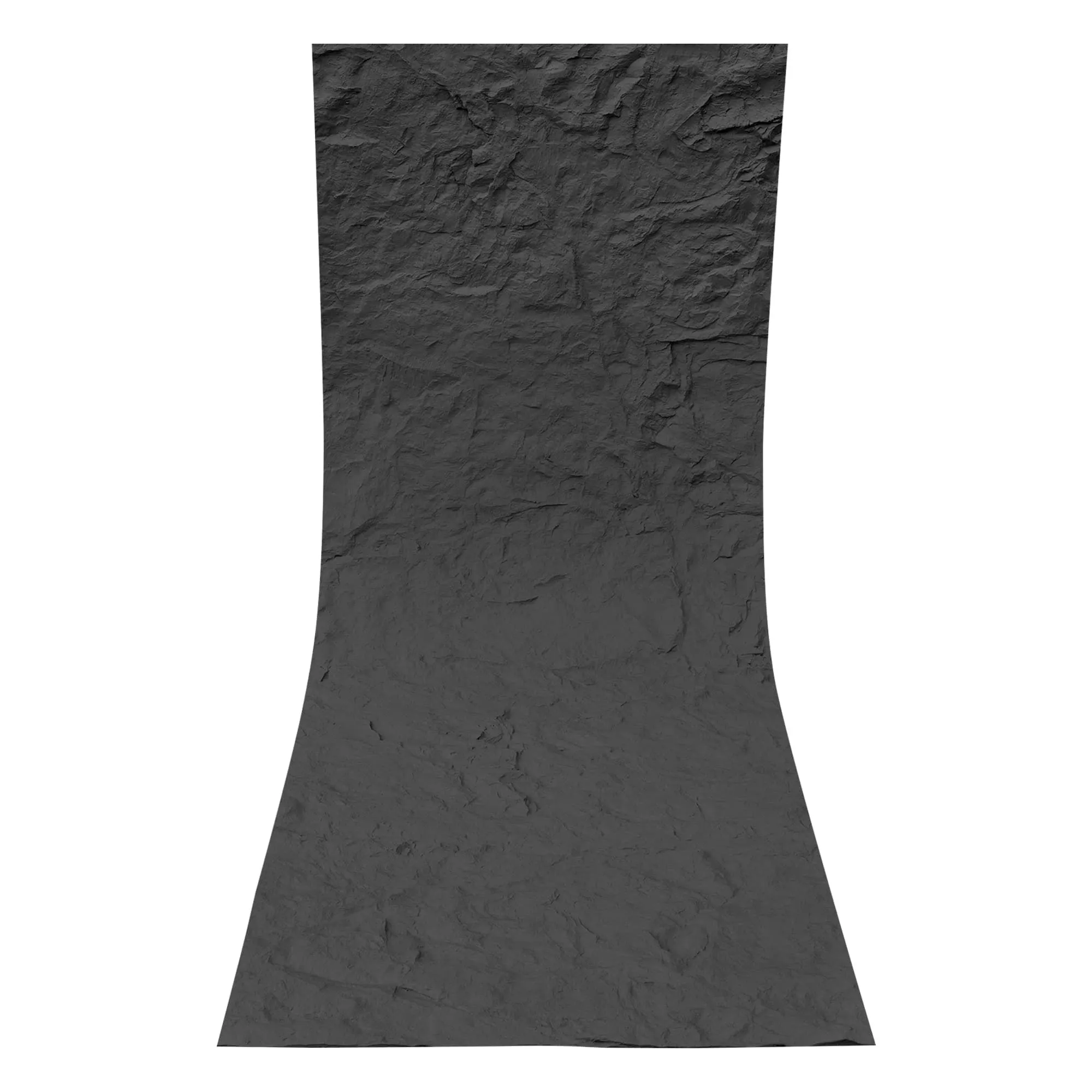
Let's talk about something we all care about: the cost of keeping our buildings comfortable. Whether you're a homeowner watching the AC bill climb in summer or a business owner staring at a monthly energy statement that feels like a second mortgage, there's one question that keeps coming up: Is there a way to build smarter, not just bigger? In a world where sustainability isn't just a buzzword but a necessity, the materials we choose for our buildings matter more than ever. Enter COLORIA's Vintage Black Boulder Slab—a material that doesn't just check the boxes for style and durability, but also rewrites the rulebook on energy efficiency. Let's dive into why this unassuming slab might just be the game-changer architects, builders, and homeowners have been waiting for.
First things first: Let's get to know the star of the show. Vintage Black Boulder Slab is part of COLORIA's broader boulder slab series, a line of building materials designed to blend rugged aesthetics with cutting-edge performance. If you've ever walked past a building and thought, "That exterior has character," chances are it was using a material that marries form and function. This slab? It's that material, but dialed up to 11.
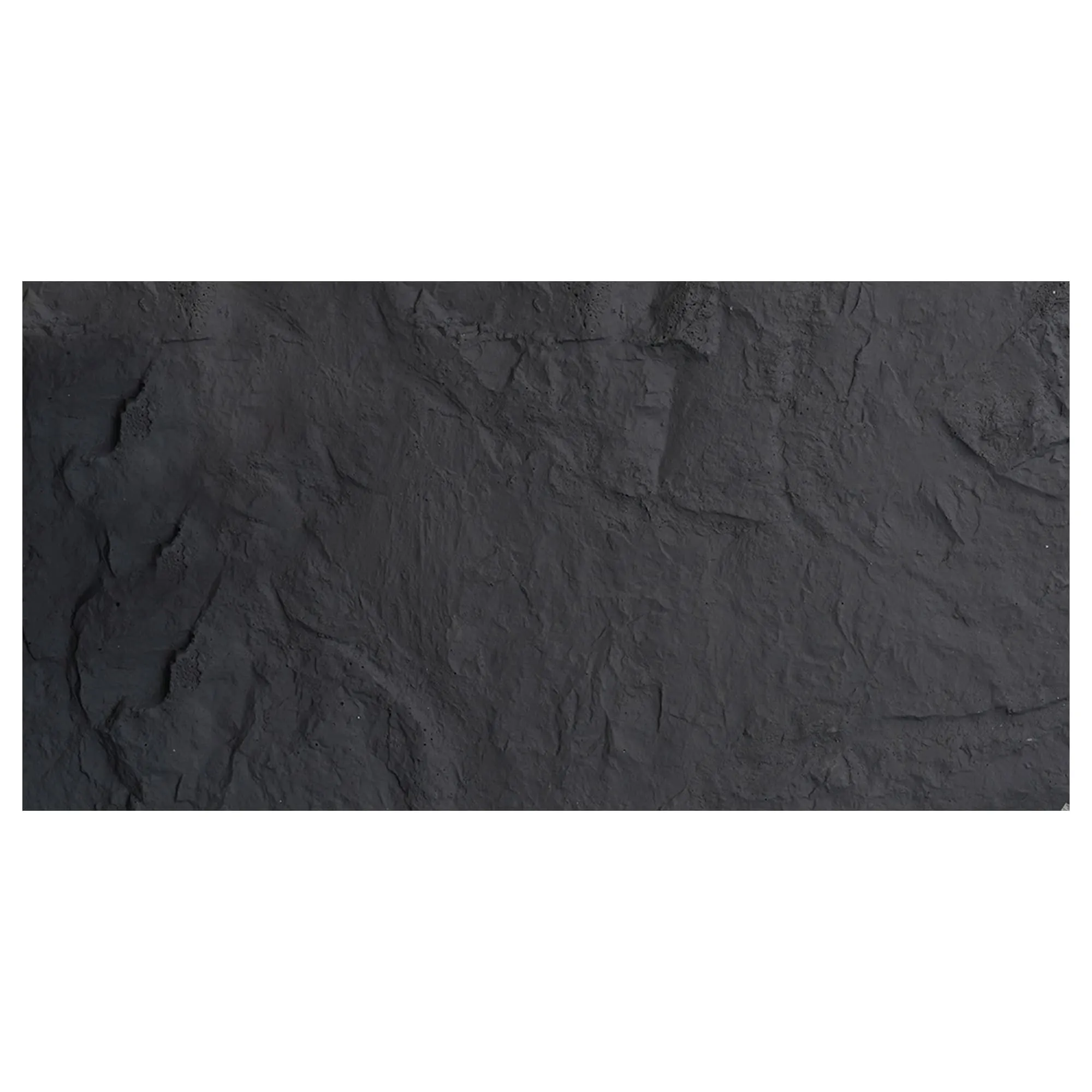
Picture this: a deep, rich black finish with subtle, weathered undertones that give it a "lived-in" elegance—like a vintage leather jacket for your walls. But don't let the "vintage" label fool you. Underneath that timeless look is some serious engineering. Made from a proprietary blend of modified composite materials (think: the strength of stone, the flexibility of modern polymers), this slab is built to stand up to the elements while keeping your building's energy usage in check.
But why black? You might be thinking, "Won't a black exterior absorb more heat and make my building hotter?" It's a fair question. Traditional dark-colored materials can indeed trap heat, turning your space into a sauna in summer. But Vintage Black Boulder Slab is different. Its unique composition includes heat-reflective particles that bounce back a significant portion of the sun's rays, while its dense core acts as a thermal buffer, keeping indoor temperatures stable year-round. It's like having a high-tech insulation blanket that also happens to look stunning.
Let's break down what makes Vintage Black Boulder Slab more than just a pretty face. These features aren't just specs on a datasheet—they're real-world benefits that translate to lower bills, happier occupants, and buildings that last longer.
Energy efficiency starts with thermal resistance, and this slab delivers. Unlike flimsy siding or even some traditional stones that let heat seep in (or out) with ease, Vintage Black Boulder Slab has a high R-value—a measure of how well a material resists heat flow. Think of it as a barrier: in summer, it keeps the scorching sun from turning your interior into an oven; in winter, it holds onto the warmth you're paying for, so your heater doesn't have to work overtime.
One of the biggest headaches with traditional stone or concrete (looking at you, fair-faced concrete ) is weight. Heavy materials require reinforced structures, longer installation times, and higher labor costs. Vintage Black Boulder Slab? It's surprisingly lightweight—about 30% lighter than standard natural stone slabs—without sacrificing an ounce of strength. That means easier transport, faster installation, and less strain on your building's foundation. For builders, that translates to lower labor bills and tighter project timelines. For homeowners, it means you can upgrade your exterior without worrying about structural overhauls.
Let's be real: No one wants to replace their building's exterior every 10 years. Vintage Black Boulder Slab is built to outlast the fads. It's resistant to everything mother nature throws its way: UV rays that fade paint? Not a problem—this slab's color is integrated into the material, not just a topcoat. Rain, snow, even the occasional hailstorm? Its dense surface repels moisture, preventing cracks, mold, or rot. And unlike wood or vinyl, it won't warp, peel, or attract pests. This isn't just a material—it's a long-term investment.
Energy efficiency is great, but let's not forget: We live in our buildings, and we want them to look good. Vintage Black Boulder Slab's versatility is one of its secret weapons. That deep black finish pairs beautifully with just about any architectural style. Going for a modern, minimalist vibe? It adds bold contrast to white trim or glass walls. Into industrial chic? Pair it with exposed brick or metal accents for that warehouse-cool look. Even traditional homes benefit—imagine a cottage with a Vintage Black exterior and white shutters; it's classic with a modern edge.
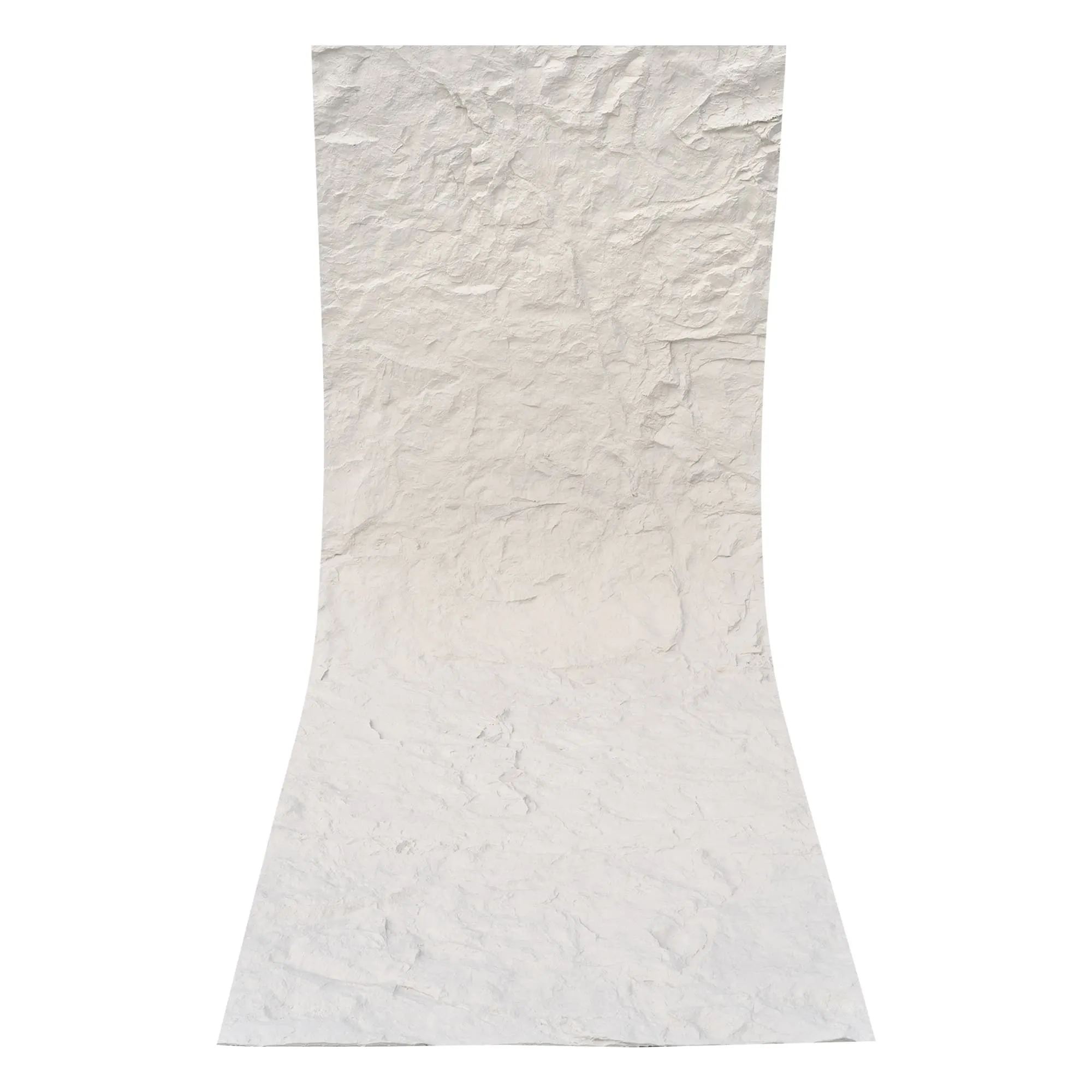
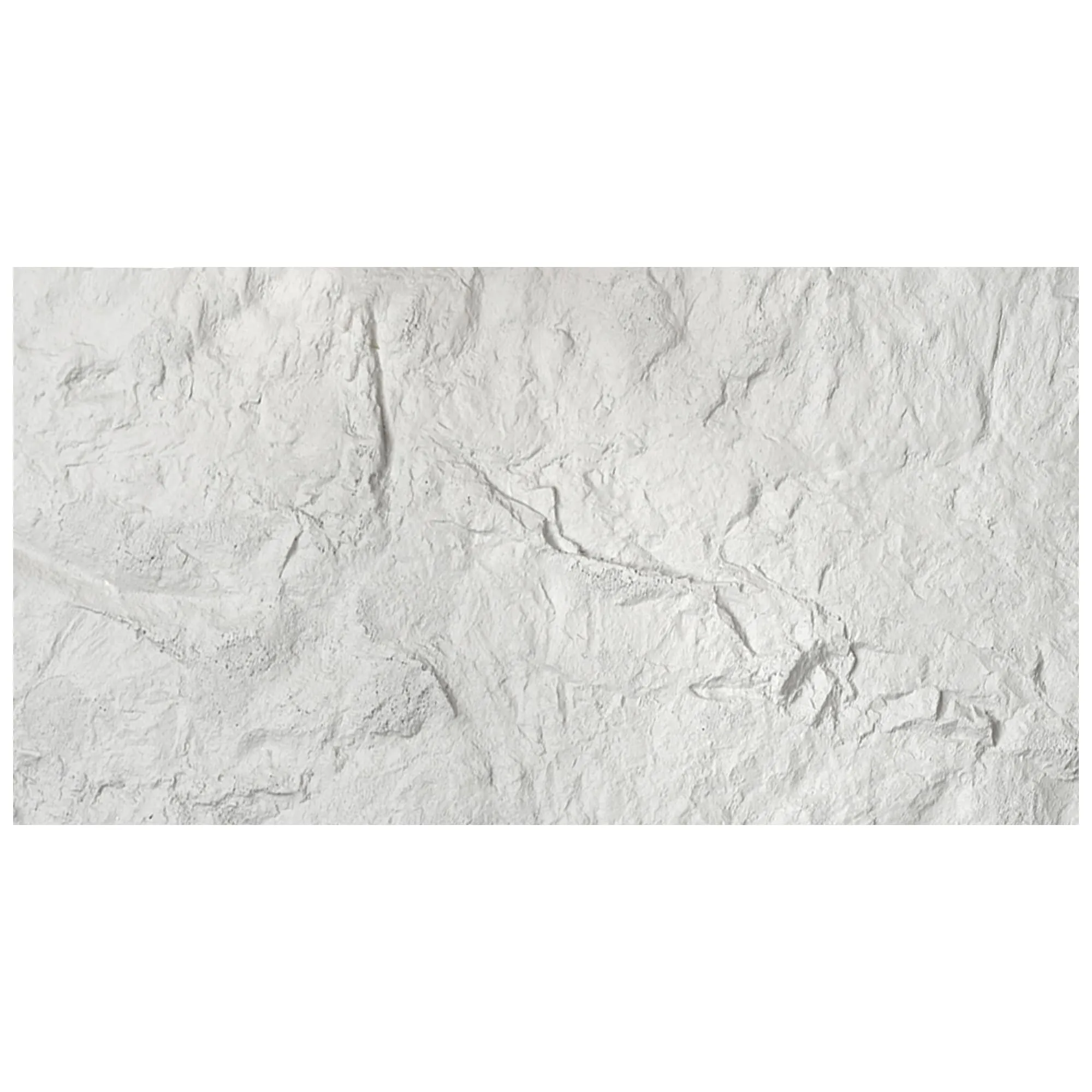
And because it's part of COLORIA's boulder slab series, you're not limited to just black. There are other finishes in the line—vintage silver, vintage gold—but there's something about that black that feels both timeless and contemporary. It's the kind of material that makes people stop and say, "What is that, and where can I get it?"
We've talked a lot about what makes Vintage Black Boulder Slab great, but let's put it head-to-head with some common alternatives. After all, choosing a building material is about weighing options—and this comparison might just surprise you.
| Feature | Vintage Black Boulder Slab | Fair-Faced Concrete | MCM Flexible Stone |
|---|---|---|---|
| Thermal Resistance (R-value per inch) | 2.8 (excellent insulation) | 0.8 (poor thermal buffer) | 1.5 (moderate insulation) |
| Weight (lbs per sq ft) | 8 (lightweight) | 15 (heavy; requires reinforcement) | 5 (very light, but less rigid) |
| Installation Time (per 100 sq ft) | 3 hours (quick, minimal labor) | 8 hours (requires curing time) | 4 hours (flexible but needs precise cutting) |
| Sustainability Score | 9/10 (recycled content, low carbon footprint) | 6/10 (high embodied carbon, limited recyclability) | 8/10 (eco-friendly, but shorter lifespan) |
| Longevity (expected lifespan) | 50+ years | 30–40 years (prone to cracking over time) | 20–25 years (may fade or tear) |
Let's unpack that table for a second. Take thermal resistance: Vintage Black Boulder Slab's R-value of 2.8 is significantly higher than fair-faced concrete (0.8) and even outperforms COLORIA's own mcm flexible stone (1.5). That means better insulation, which directly translates to lower energy bills. And when you factor in weight? At 8 lbs per square foot, it's less than half the weight of fair-faced concrete, making it a no-brainer for projects where structural weight is a concern.
Sustainability is another key column. Fair-faced concrete has a notoriously high carbon footprint—its production releases tons of CO2. Vintage Black Boulder Slab, on the other hand, uses recycled materials in its composite blend and is manufactured in a low-emission facility, earning it a spot in the green building materials category. And with a 50+ year lifespan, it reduces the need for frequent replacements, cutting down on waste over time.
We keep mentioning green building materials , but what does that really mean for you? It's not just about slapping a "sustainable" sticker on a product. Green building materials are those that minimize environmental impact throughout their lifecycle—from production to installation to disposal. And Vintage Black Boulder Slab checks all those boxes.
Let's start with production. COLORIA sources its raw materials locally whenever possible, reducing the carbon footprint of transportation. The manufacturing process uses 30% less water than traditional stone cutting and relies on renewable energy sources like solar and wind. Even the packaging is recyclable—no excessive plastic wrap or non-biodegradable materials here.
Then there's the material itself. Because it's a composite, it uses less virgin stone than natural slabs, reducing the need for quarrying (which can disrupt ecosystems). And at the end of its long life? It's 100% recyclable—those slabs can be ground down and repurposed into new building materials, closing the loop on waste.
For builders and developers, this isn't just good for the planet—it's good for business. More and more clients are demanding LEED certification or other green building standards, which often require using sustainable materials. Vintage Black Boulder Slab can help projects earn those crucial points, making them more attractive to eco-conscious buyers and tenants. For homeowners, it's a chance to reduce their carbon footprint without sacrificing style. It's a win-win.
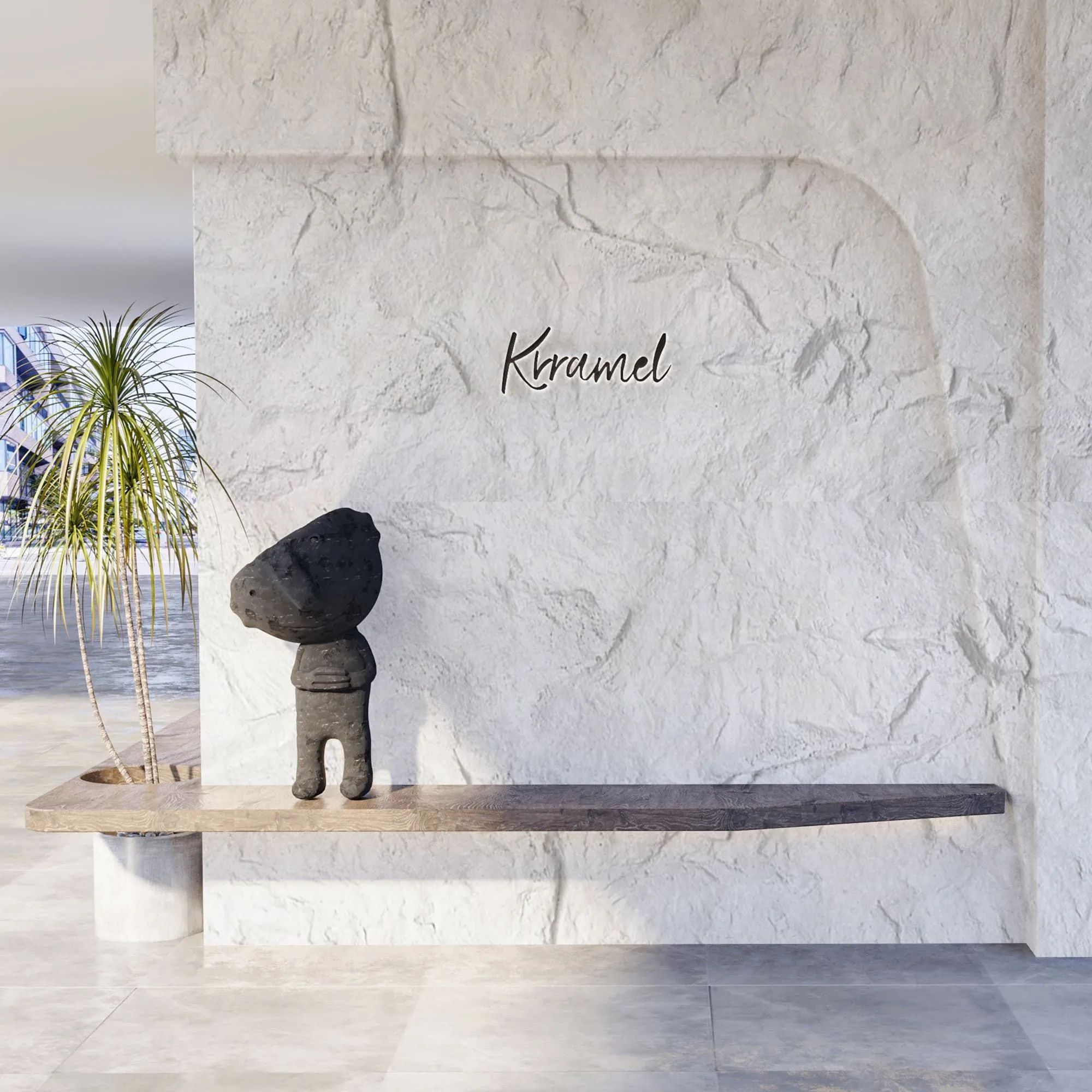
Enough talk—let's look at how this material performs in the wild. From cozy homes to bustling commercial spaces, Vintage Black Boulder Slab is making its mark across the country.
Take "The Rustic Bean," a small café in downtown Portland, Oregon. Owner Mia Chen wanted an exterior that matched her café's vibe—industrial, warm, and inviting. But Portland summers can get surprisingly hot, and her old vinyl siding left the interior sweltering by midday, even with the AC cranked. "Our energy bill was through the roof, and customers would complain about how stuffy it was," Mia recalls. "We needed something that looked tough but kept the place cool."
Her architect recommended Vintage Black Boulder Slab. Skeptical at first ("Black? In Portland heat?"), Mia agreed to a test section on the south-facing wall. The results? Within a month, the café's AC usage dropped by 22%. "I couldn't believe it," Mia says. "Now, even on 90-degree days, the interior stays comfortable. And the exterior? It's become a Instagram spot—people stop to take photos of the black walls against our wooden sign. It was the best decision we made."
Over in Denver, Colorado, the Rodriguez family was building their dream home and wanted to prioritize sustainability. "We wanted something that looked nice but also kept our heating bills low—Denver winters are no joke," says Carlos Rodriguez, a software engineer and DIY enthusiast. They considered fair-faced concrete but worried about its weight and lack of insulation. Then they discovered Vintage Black Boulder Slab.
Today, their home's exterior features the slab, and Carlos is thrilled with the results. "Last winter, our heating bill averaged $120 a month—that's less than half of what our neighbors pay. The slab holds onto the heat from the sun during the day and releases it slowly at night, so we rarely have to crank the thermostat. And it looks amazing—our neighbors keep asking where we got it."
On a larger scale, a commercial developer in Chicago used Vintage Black Boulder Slab for a 10-story office building in the West Loop. The goal? Attract tech startups that value both aesthetics and sustainability. "Tenants today don't just care about square footage—they care about their carbon footprint and employee comfort," says James Wilson, the project manager. "We needed a material that checked both boxes."
The building, now home to three tech companies, has seen a 15% reduction in energy costs compared to similar-sized buildings in the area. "Our tenants love it," James adds. "The open floor plans get plenty of natural light, and the slab's thermal properties mean the temperature stays consistent throughout the day. We've even had tenants renew their leases early because they're so happy with the space."
Let's be honest: There are plenty of building material companies out there. So why choose COLORIA? It comes down to three things: innovation, quality, and customer obsession.
COLORIA isn't just manufacturing materials—they're reimagining what building materials can be . The mcm project board series , mcm 3d printing series , and mcm flexible stone lines all showcase their commitment to pushing boundaries. They invest heavily in R&D, working with architects and engineers to solve real-world problems (like energy inefficiency) with creative solutions (like Vintage Black Boulder Slab).
Quality is non-negotiable. Every slab undergoes rigorous testing—from thermal cycling (freezing and thawing to test durability) to impact resistance (simulating hailstorms) to colorfastness (exposing samples to UV light for months). If a slab doesn't meet their strict standards, it doesn't leave the factory. That attention to detail means you're getting a product that does what it promises, every single time.
And then there's the customer support. Building projects can be stressful, and COLORIA gets that. They offer everything from custom color matching (if you want a slightly different shade of black, they'll work with you) to on-site installation guidance. Their team of experts is just a phone call away, ready to answer questions or troubleshoot issues. It's not just about selling a product—it's about partnering with you to make your project a success.
At the end of the day, building materials are more than just walls and roofs—they're the foundation of how we live, work, and interact with our environment. Vintage Black Boulder Slab isn't just a slab of modified composite material; it's a statement. It says, "I care about efficiency, but I also care about beauty. I want my building to last, and I want it to leave a small footprint."
Whether you're building a new home, renovating an office, or designing the next big commercial space, the materials you choose matter. They affect your wallet, your comfort, and the planet. Vintage Black Boulder Slab proves that you don't have to choose between style and sustainability, between durability and efficiency. You can have it all.
So the next time you're staring at that energy bill or dreaming of a building that stands out for all the right reasons, remember: COLORIA's Vintage Black Boulder Slab is more than a material. It's a solution. And in a world that needs more solutions, that's something worth getting excited about.
Here's to building smarter, living better, and leaving the planet a little greener than we found it. One slab at a time.
Recommend Products












