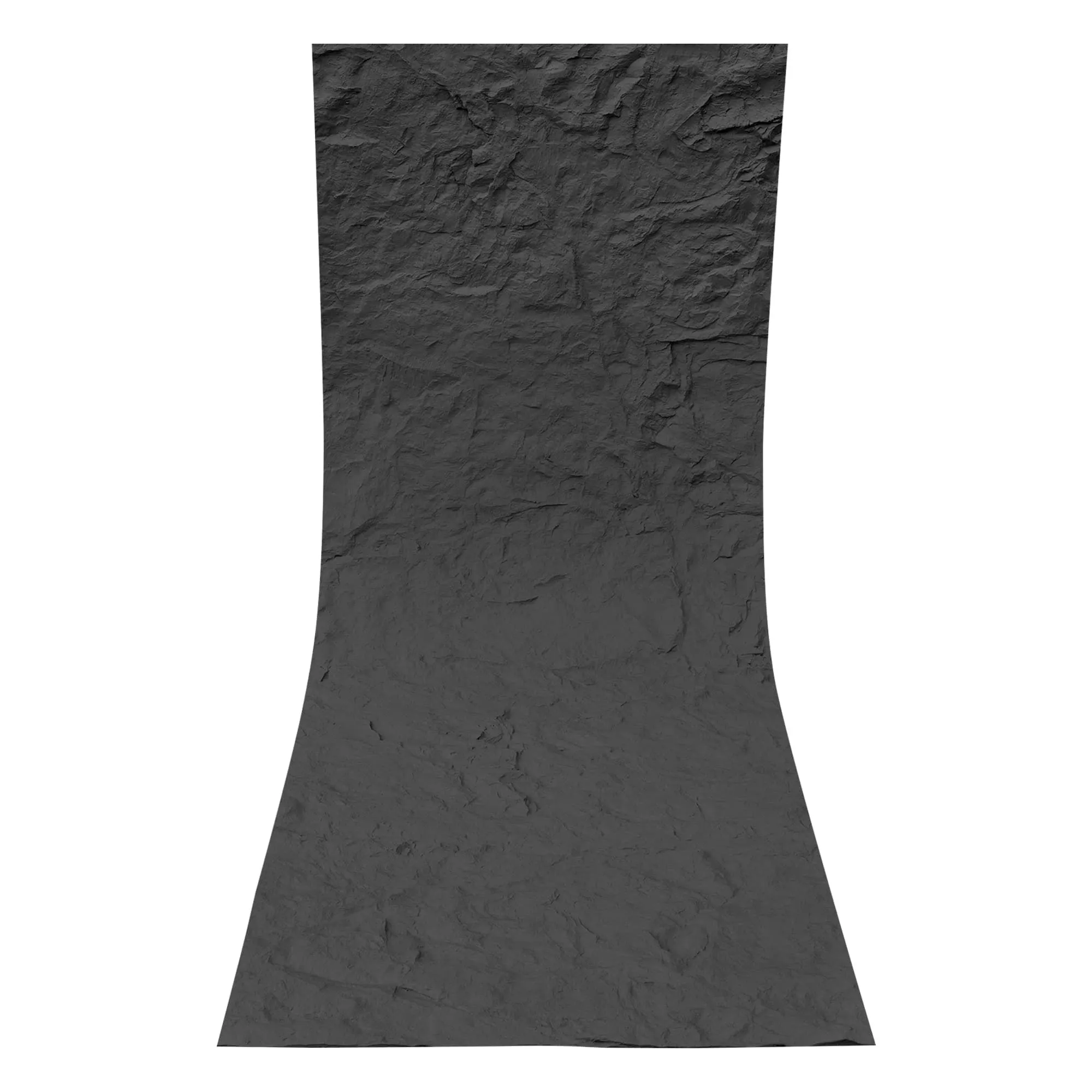
Let's set the scene: It's a crisp autumn morning, and Maria, a seasoned interior designer, stands on a construction site in downtown Portland, staring at a pile of discarded stone fragments. Her client's vision was a sleek, industrial-chic café with exposed stone walls—but the reality? Half the natural stone slabs they ordered ended up as waste, cracked during transport or trimmed awkwardly to fit the building's uneven surfaces. "This is unsustainable," she mutters, kicking a chunk of broken granite. "There has to be a better way." If you've ever worked on a build or renovation, you know Maria's frustration. Construction waste isn't just a numbers problem; it's a creative roadblock, a budget drain, and a punch to the planet. But what if the solution was sitting right under her nose—something as striking as it is sustainable? Enter COLORIA's Vintage Black Boulder Slab, part of their innovative MCM (Modified Composite Material) lineup. This isn't just another building material. It's a quiet revolution in how we build, one that turns waste into wonder.
The Allure of Vintage Black Boulder Slab: Beauty That Doesn't Cost the Earth
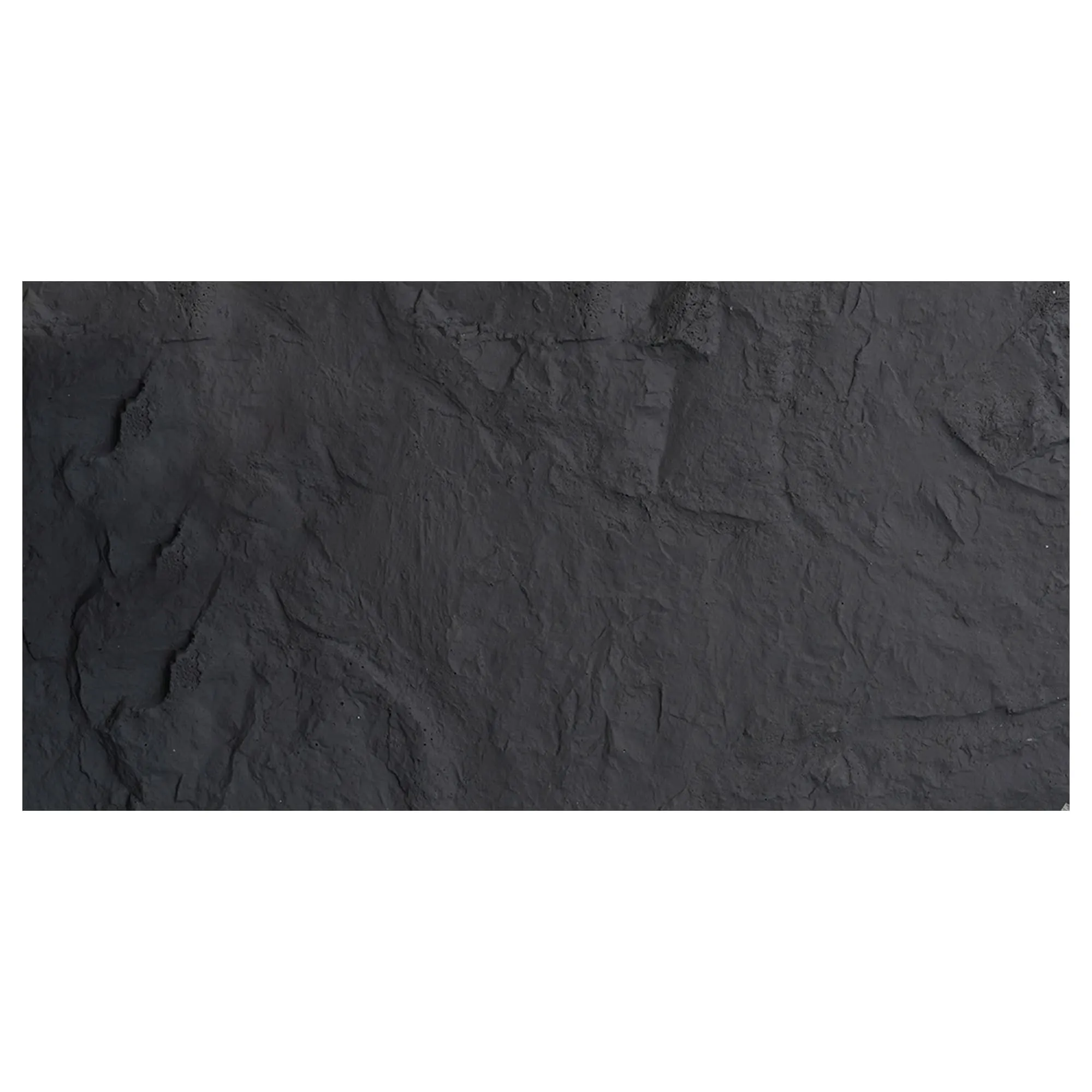
First, let's talk about the star of the show: Vintage Black Boulder Slab. Run your hand over its surface, and you'll feel the depth of a material that looks like it was hewn from ancient mountain rock—rich, inky black with subtle silver veining that catches the light like stardust. It's the kind of texture that makes a space feel grounded yet modern, perfect for Maria's café or a luxury hotel lobby, a home office, or even a retail storefront craving that "wow" factor. But here's the twist: unlike traditional natural stone, this slab isn't heavy, brittle, or prone to shattering. It's part of COLORIA's MCM big slab board series, which means it's flexible, lightweight, and designed to minimize waste from the moment it's manufactured to the day it's installed.
"I first saw Vintage Black Boulder Slab at a design expo last year," says James, a contractor who specializes in sustainable builds. "I was skeptical—how could something that looks this much like real stone be so… manageable? But then I watched them bend a sample sheet. A stone slab that bends? It sounded like magic. Now, I won't use anything else for feature walls. The waste reduction alone has saved my clients thousands."
What makes Vintage Black Boulder Slab (and COLORIA's entire MCM lineup) different? It starts with the material itself. MCM, or Modified Composite Material, is a cutting-edge technology that combines natural stone particles with a high-performance polymer backing. The result? A product that retains the authentic look and feel of natural stone but with superpowers: it's 70% lighter than traditional stone, flexible enough to curve around corners or adhere to uneven surfaces, and prefabricated to precise measurements. No more hacking away at a slab to make it fit a wall that's an inch too short. No more cracked pieces from rough handling. And crucially, no more mountains of waste.
MCM Flexible Stone: Redefining "Less is More" in Construction
To understand why MCM is a game-changer for waste reduction, let's rewind to how traditional stone is used. When you order a natural stone slab—say, granite or marble—you're at the mercy of its size, weight, and fragility. Quarried stones come in irregular shapes, so they're cut into slabs at a factory, but even then, transporting them is a gamble. A single pothole on the highway can crack a slab worth thousands of dollars, turning it into waste before it even reaches the site. Once on-site, installers often have to trim the stone to fit the project's dimensions, which means cutting off excess material—material that's too small to reuse, so it ends up in a landfill. The EPA estimates that construction and demolition waste accounts for over 600 million tons of debris annually in the U.S. alone, and a significant chunk of that is stone waste.
COLORIA's MCM flexible stone flips this script. Take their flexible stone series: these are thin, lightweight sheets (as thin as 3mm) that come in large, customizable sizes. Because they're prefabricated in a controlled factory environment, there's minimal waste during production. The natural stone particles are sourced from recycled stone dust and offcuts from traditional quarries—so even the raw materials are reducing waste by repurposing what would otherwise be discarded. Then, the sheets are cut to the exact measurements of the project before shipping. Need a wall panel that's 8 feet by 4 feet? It arrives exactly that size, with no trimming needed. "We used to order 20% extra stone just to account for breakage and cutting waste," Maria says now, looking at the almost spotless construction site of her café, where Vintage Black Boulder Slab panels are being installed. "With MCM, we ordered exactly what we needed. The installers just peel off the backing and stick them up. No mess, no waste, no stress."
|
Aspect
|
Traditional Natural Stone
|
COLORIA MCM (Vintage Black Boulder Slab & Big Slab Series)
|
|
Waste Generated
|
20-30% (due to breakage, trimming, and irregular sizing)
|
Less than 5% (prefabricated, flexible, and precision-cut)
|
|
Installation Time
|
Long (requires heavy machinery, cutting on-site, and careful fitting)
|
Fast (lightweight, pre-cut, and easy to install with basic tools)
|
|
Durability
|
Prone to cracks, chips, and water damage
|
Resistant to impact, moisture, and UV rays (lasts 20+ years)
|
|
Sustainability
|
High carbon footprint (quarrying, heavy transport, waste)
|
Low carbon footprint (recycled materials, lightweight transport, minimal waste)
|
Case Study: The Riverside Loft Project
Last year, a construction firm in Chicago took on a renovation of a 1920s warehouse into luxury lofts. The design called for exposed stone walls in the common areas, a nod to the building's industrial past. Initially, they planned to use traditional travertine—a classic choice, but one that came with a steep waste warning. "We estimated we'd need 1500 sq ft of travertine, but we had to order 2000 sq ft to cover breakage and cutting," says Lisa, the project manager. "That's 500 sq ft of waste—over $10,000 down the drain, not to mention the environmental impact."
Then, they switched to COLORIA's MCM big slab board series, including Vintage Black Boulder Slab for accent walls and travertine (vintage silver) for the main corridors. "We ordered exactly 1500 sq ft. The panels arrived pre-cut to the loft's wall dimensions, even the curved sections by the staircase. Installation took half the time, and we had less than 50 sq ft of waste—mostly from trimming a few edges to align with electrical outlets. The client was thrilled with the cost savings, and we were proud to cut our landfill contribution by 90%."
Waste reduction is just the tip of the iceberg when it comes to the benefits of COLORIA's MCM products. Let's talk sustainability—the kind that goes beyond "less waste" to "better for the planet." Traditional stone quarrying is a resource-intensive process: it requires heavy machinery, large amounts of water, and disrupts local ecosystems. MCM, on the other hand, uses recycled stone dust and particles from existing quarries, turning waste into a valuable resource. And because MCM panels are lightweight, transporting them emits far less CO2 than hauling heavy stone slabs. A truck that can carry 10 traditional stone slabs can carry 50 MCM panels—fewer trips, less fuel, lower emissions.
"Sustainability isn't just a buzzword for my clients anymore," Maria says. "They want to know where materials come from, how they're made, and what happens to them after installation. With COLORIA's MCM, I can tell them: 'This Vintage Black Boulder Slab is made from recycled stone, uses 80% less water to produce than natural stone, and generates almost no waste.' That sells projects. People want to feel good about the spaces they build."
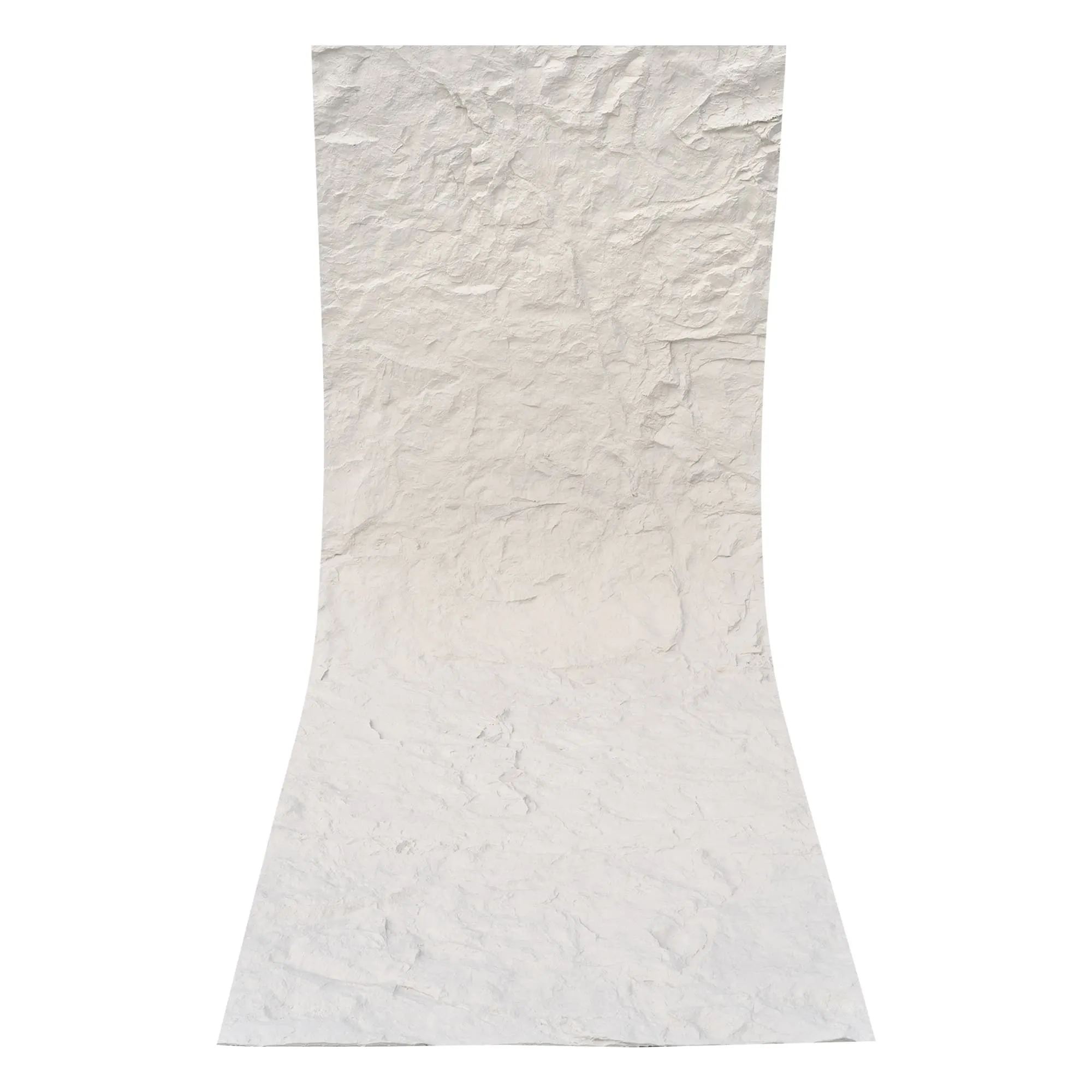
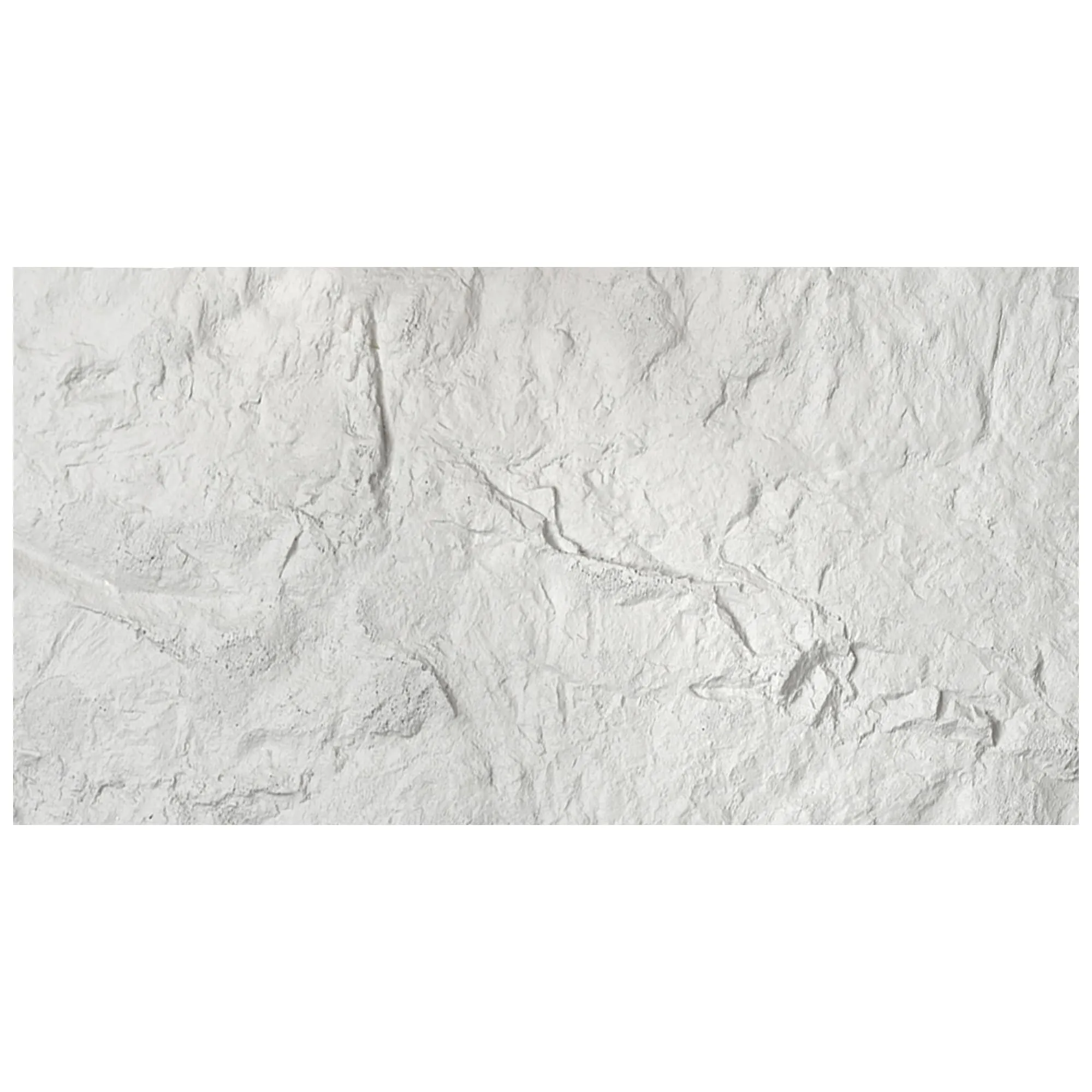
And let's not forget design flexibility. MCM's flexibility means it can mimic almost any natural stone or texture—from the rough-hewn look of boulder slab to the smooth elegance of marble veil white, the rustic charm of rammed earth board, or the modern edge of foamed aluminium alloy board (vintage silver). So whether you're going for a desert-inspired vibe with gobi panel or a cozy cabin feel with wood grain board, MCM has you covered—without sacrificing sustainability.
The Future of Construction: Building Smarter, Not Harder
As the construction industry grapples with climate change, waste reduction, and the demand for more efficient building practices, products like COLORIA's Vintage Black Boulder Slab and MCM series are leading the charge. They prove that you don't have to choose between beauty and sustainability, between durability and design flexibility. You can have it all—and save money, time, and the planet in the process.
"I used to think 'sustainable materials' meant compromising on aesthetics," James admits. "I was wrong. Vintage Black Boulder Slab looks better than the natural stone I used to install. It's more consistent, more durable, and I sleep better knowing I'm not contributing to a landfill. My clients notice the difference, too. They walk into a space and say, 'This feels intentional.' And it is—intentional about design, intentional about waste, intentional about the future."
So, back to Maria's café. Today, the walls are up: sleek, matte-black Vintage Black Boulder Slab panels stretch from floor to ceiling, their subtle silver veins catching the light from the oversized windows. There's no pile of waste in the corner—just a few small offcuts, which COLORIA will recycle into new panels. "This is what the future looks like," Maria says, sipping a latte as the first customers start to trickle in. "Beautiful, sustainable, and smart. And honestly? I wish I'd discovered MCM years ago." For builders, designers, and anyone who cares about the planet, COLORIA's MCM series—led by stars like Vintage Black Boulder Slab—isn't just a product. It's a promise: that we can build the spaces we dream of without breaking the earth to do it. And that, perhaps, is the most beautiful design of all.