
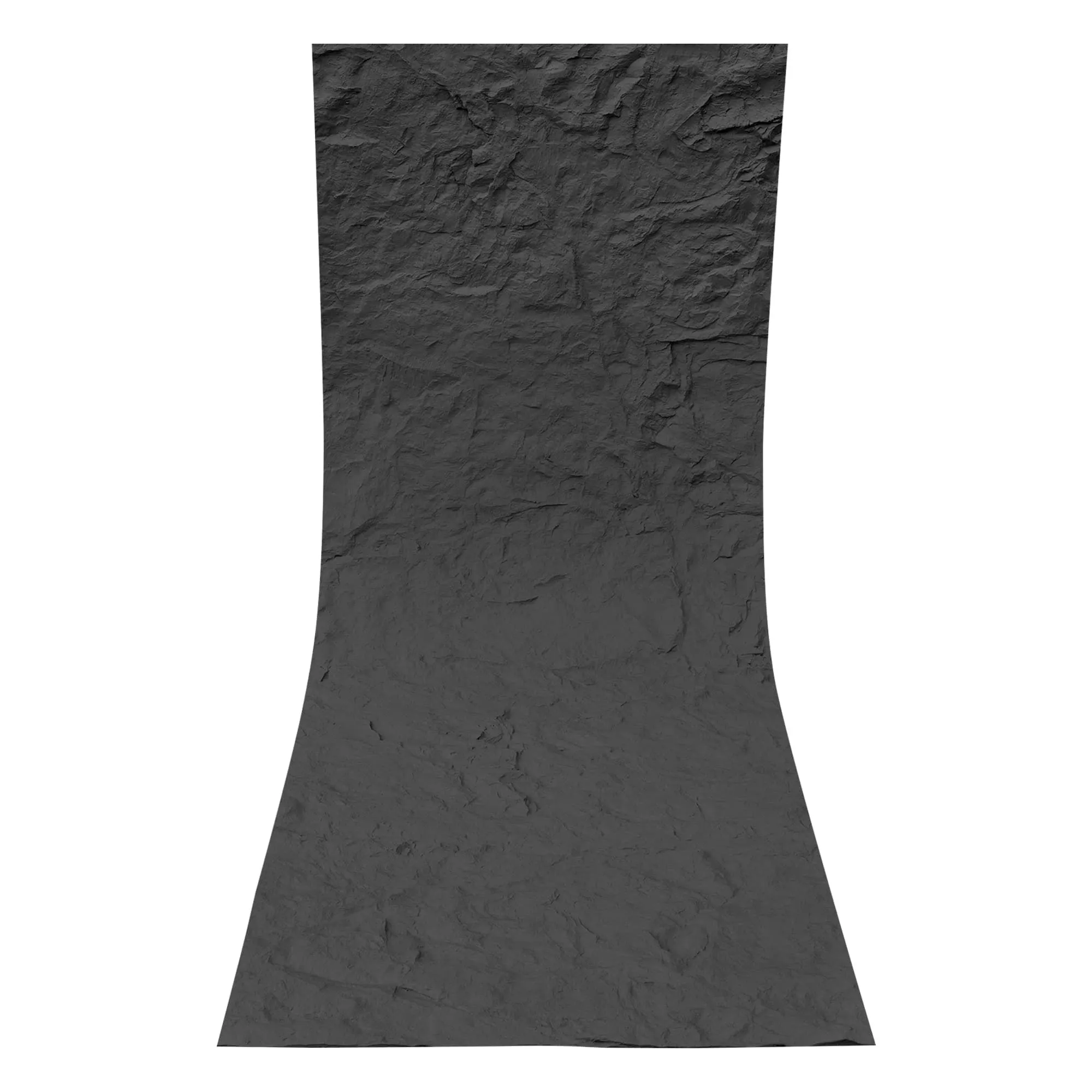
There's something undeniably striking about vintage black boulder slab. Its deep, moody hues, textured surface, and raw, earthy charm make it a top choice for architects, designers, and homeowners aiming to add a touch of timeless elegance to interiors and exteriors alike. Whether cladding a feature wall in a modern living room, dressing the facade of a boutique hotel, or creating a dramatic outdoor patio, this stone has a way of turning spaces into statements. But here's the thing they don't always mention in the showroom: that beauty comes with a hidden price tag—maintenance. Let's pull back the curtain on the true costs of keeping vintage black boulder slab looking its best, and explore how COLORIA's MCM series offers a smarter, more sustainable alternative.
When you first fall for vintage black boulder slab, the focus is on the upfront cost—the price per square foot, the installation fees, the thrill of seeing your vision take shape. But over time, the real expenses start to creep in. Let's break it down.
Vintage black boulder slab is porous by nature, which means it soaks up spills, dust, and grime like a sponge. To keep it from staining or dulling, you'll need to seal it—usually every 1–2 years for high-traffic or outdoor areas. A single 5-gallon bucket of high-quality stone sealer can cost $150–$300, and that's before labor. If you're hiring a professional to apply it (and let's be real, DIY sealing often leads to uneven coverage), you're looking at $2–$5 per square foot. For a 500-square-foot patio, that's $1,000–$2,500 every 1–2 years. And that's on top of regular cleaning: specialized stone cleaners (harsh chemicals can etch the surface) run $15–$30 per bottle, and you'll go through them fast if you have kids, pets, or frequent guests.
Stone is durable, but it's not indestructible. A stray basketball, a heavy planter tipping over, or even freeze-thaw cycles in colder climates can chip or crack the surface. Fixing a small chip might cost $100–$300, but larger cracks? You could be looking at $500 or more, especially if the damage goes deep. Stains are another headache: red wine, oil, or even leaves left to decompose can leave permanent marks. Professional stain removal services often charge $150–$400 per stain, and there's no guarantee they'll work. In some cases, you might end up replacing entire slabs to hide the damage.
Even with meticulous care, natural stone has a lifespan. Exposure to UV rays fades the rich black color over time, turning it into a dull gray. Weathering can erode the texture, leaving surfaces smooth and lifeless. By year 15–20, you might find yourself facing a full replacement: tearing out the old slabs (which can cost $3–$8 per square foot in demolition fees), hauling away debris, and installing new stone. For a 1,000-square-foot facade, that's $10,000–$30,000 or more—hardly a "one-time" investment.
Natural stone is heavy, which means it requires more structural support during installation—adding to upfront construction costs. It's also a poor insulator: in winter, heat escapes through stone walls, driving up heating bills; in summer, it absorbs sunlight, making interiors hotter and increasing AC use. Over time, those energy inefficiencies add up, costing hundreds of dollars annually.
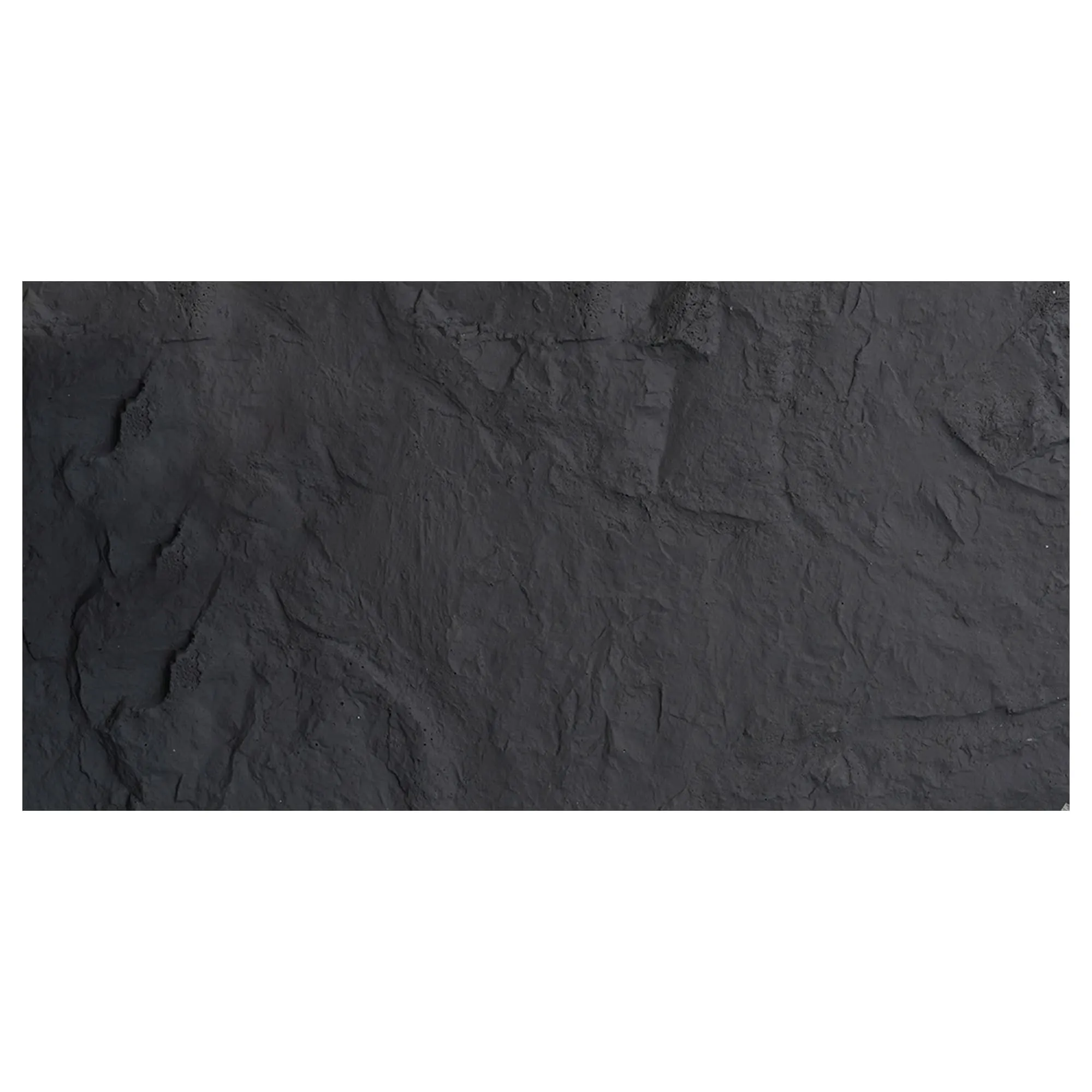
Enter COLORIA's MCM (Modified Composite Material) series—a game-changer for anyone who loves the look of natural materials but hates the upkeep. MCM products, like MCM flexible stone and boulder slab (vintage black) , are engineered to mimic the texture and appearance of natural stone (and more) while eliminating the maintenance hassle. Here's how they work.
MCM is a cutting-edge composite material made by bonding natural mineral aggregates (like stone powder or sand) with high-performance polymers. The result? A lightweight, flexible panel that looks and feels like the real thing—without the porosity, weight, or fragility. COLORIA takes this a step further with specialized lines like their 3D printing series and big slab board series , which allow for intricate textures and large-format installations, perfect for replicating the grandeur of vintage black boulder slab.
Let's start with the basics: MCM panels are non-porous. That means no sealing, no staining, and no specialized cleaners. Spill red wine? Wipe it up with a damp cloth. Mud from boots? A quick hose-down does the trick. No more $300 sealant bills or panic attacks over coffee spills.
Durability is another win. MCM is resistant to chipping, cracking, and UV fading. It stands up to extreme temperatures, from freezing winters to scorching summers, without warping or discoloring. And because it's lightweight (about 1/5 the weight of natural stone), installation is faster and cheaper—no need for reinforced structures. Plus, COLORIA's MCM panels are designed to last 30+ years with minimal wear, outperforming natural stone by a decade or more.
While boulder slab (vintage black) is a standout, COLORIA's MCM range offers endless options for every aesthetic. Love the industrial vibe of metal? Try foamed aluminium alloy board (vintage silver) —it mimics aged metal but resists rust and corrosion. Prefer the understated elegance of concrete? Fair-faced concrete MCM panels deliver that raw, minimalist look without the cracking or staining of traditional concrete. And for eco-conscious projects, MCM qualifies as green building materials , with low VOC emissions and recyclable components.
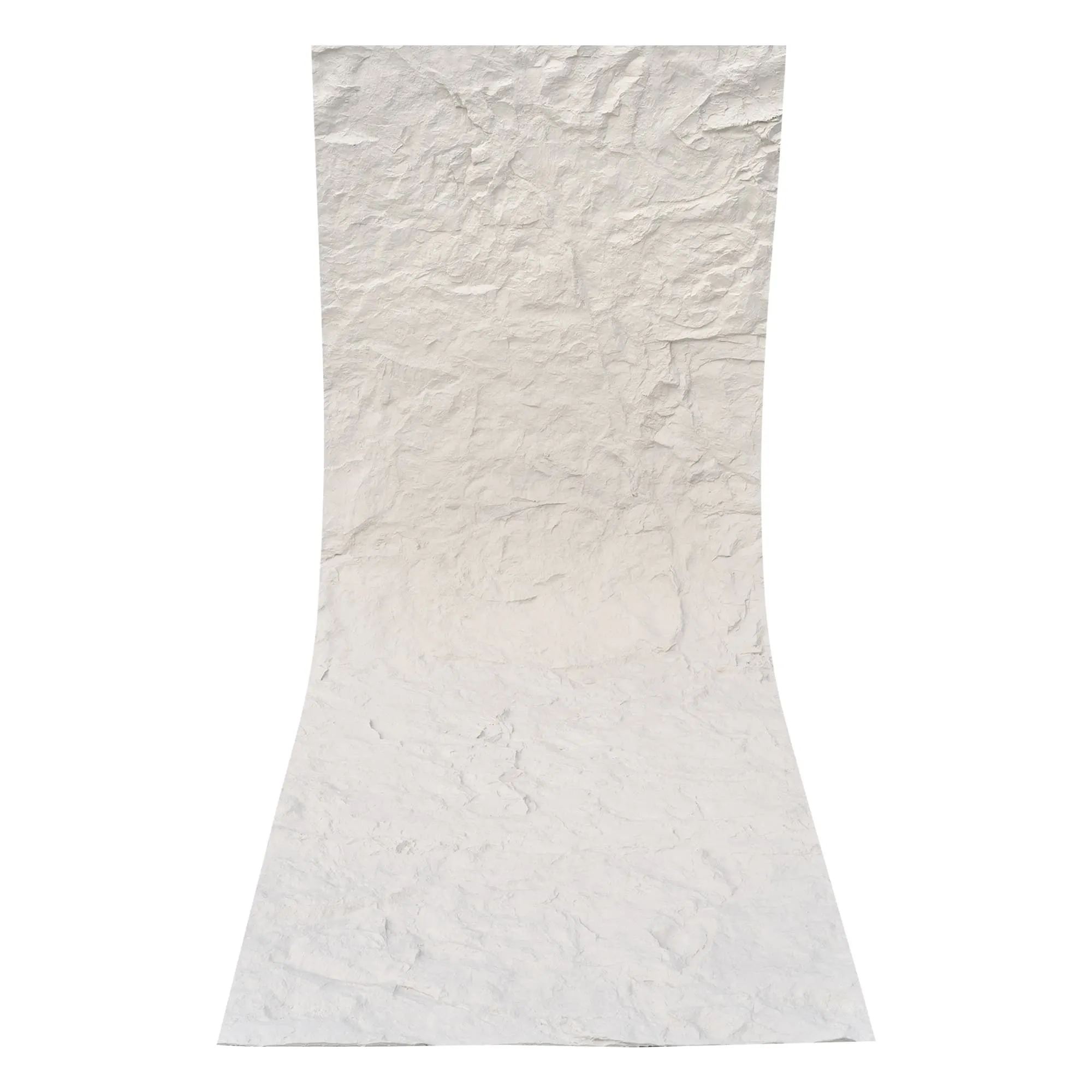
Let's put this in black and white (or vintage black and MCM gray). Below is a side-by-side comparison of maintenance costs for 500 square feet of traditional vintage black boulder slab vs. COLORIA's MCM vintage black boulder slab over 10 years.
| Cost Category | Traditional Vintage Black Boulder Slab | COLORIA MCM Vintage Black Boulder Slab |
|---|---|---|
| Cleaning (supplies + labor) | $3,000 (annual deep cleans, specialty products) | $500 (mild soap, hose-downs, no labor needed) |
| Sealing | $7,500 (every 2 years, professional application) | $0 (non-porous, no sealing required) |
| Repairs (chips, cracks, stains) | $4,000 (average 2–3 repairs per year) | $200 (minimal damage, easy DIY fixes) |
| Replacement | $15,000 (partial replacement at year 15, pro-rated over 10 years) | $0 (30+ year lifespan, no replacement needed) |
| Total 10-Year Maintenance Cost | $29,500 | $700 |
That's a savings of over $28,000 over 10 years. Even if you factor in a slightly higher upfront cost for MCM (though often it's comparable or lower, thanks to lighter installation), the long-term savings are undeniable.
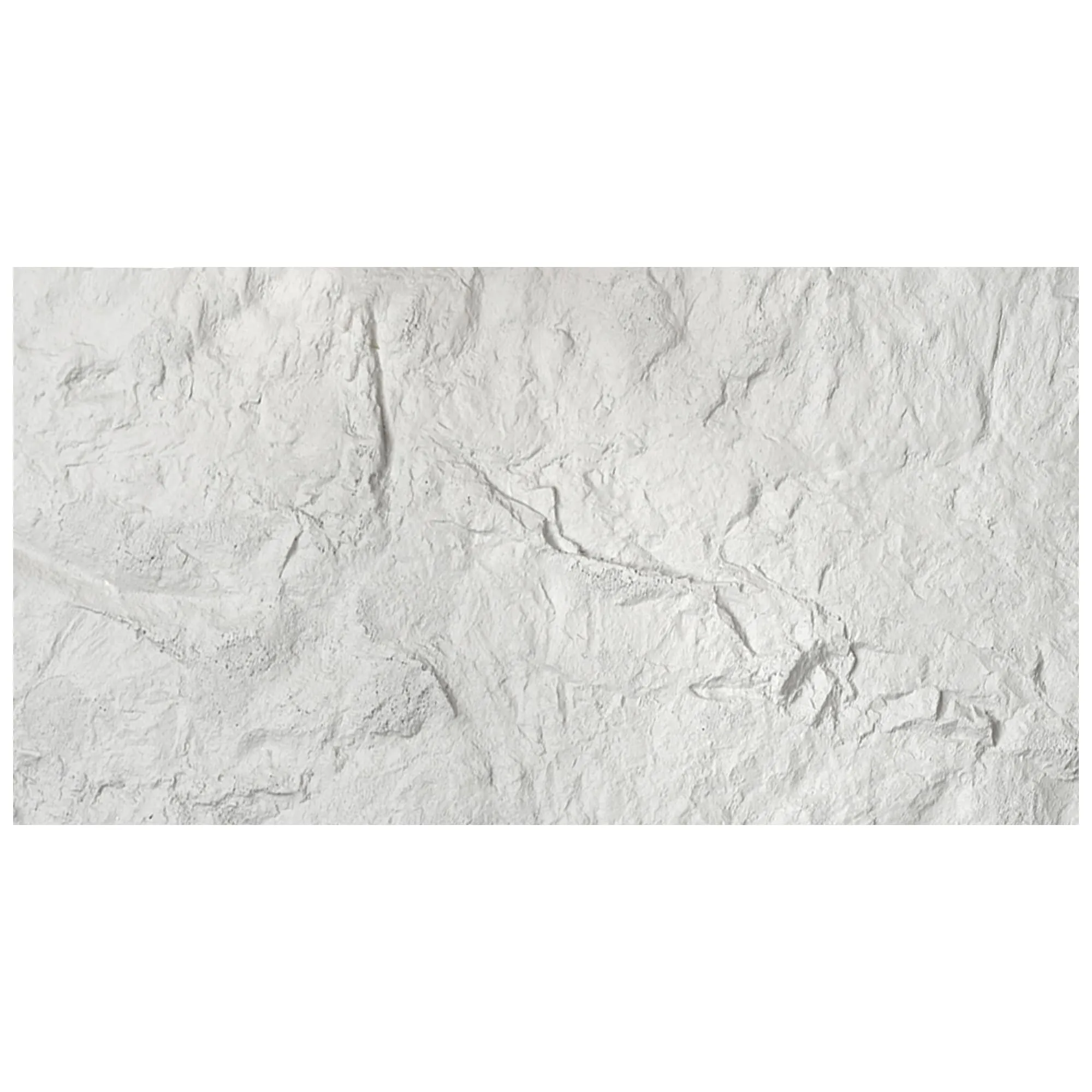
Don't just take our word for it. Let's look at a real-world example: a 2022 renovation of a boutique hotel in Denver, Colorado. The original plan called for traditional vintage black boulder slab on the exterior facade—a 2,000-square-foot project. After crunching the numbers on maintenance, the team pivoted to COLORIA's boulder slab (vintage black) MCM panels. Here's what happened:
Three years in, the hotel estimates it has saved over $40,000—and that number will only grow as the years pass.
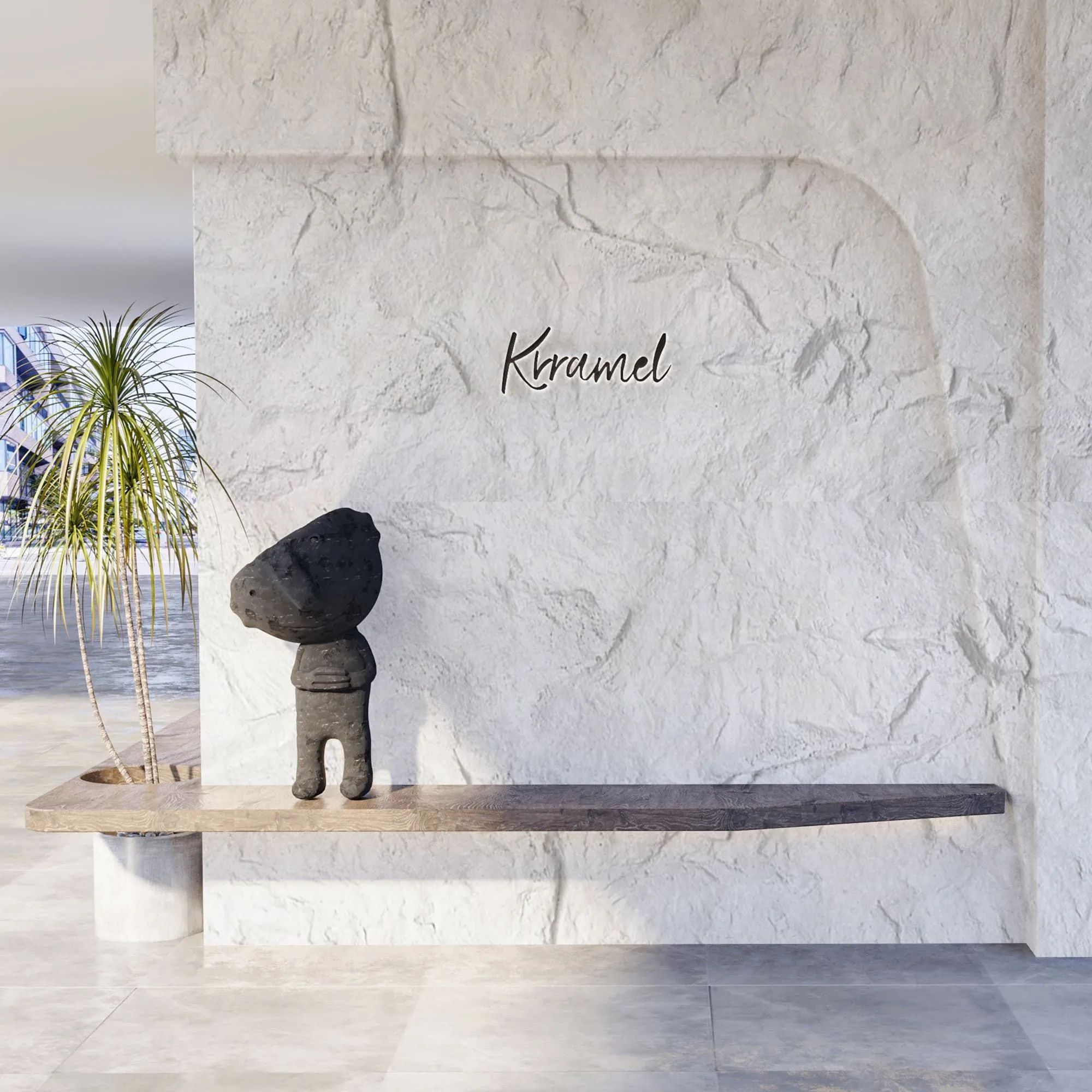
Maintenance savings are a big win, but MCM also unlocks design possibilities natural stone can't match. COLORIA's 3D printing series lets you create custom textures—think wave panel undulations or star gravel accents—that would be impossible (or prohibitively expensive) to carve into real stone. Their big slab board series offers panels up to 12 feet long, minimizing grout lines for a seamless, modern look. And because MCM is flexible, it can bend around curves—perfect for statement walls or rounded architectural features.
Vintage black boulder slab is beautiful, but beauty shouldn't come with a lifetime of maintenance stress and expense. COLORIA's MCM series—from boulder slab (vintage black) to foamed aluminium alloy board (vintage silver) —proves you can have the best of both worlds: head-turning aesthetics and hassle-free upkeep. Whether you're building a new home, renovating a commercial space, or simply tired of pouring money into stone maintenance, MCM isn't just a product—it's a smarter way to design for the long haul.
So, the next time you're drawn to that rich, dark allure of vintage black stone, ask yourself: Do I want to spend the next decade sealing, repairing, and replacing? Or do I want to enjoy the beauty—without the bill?
Recommend Products












